Fraud Blocker edunanny.com

Category: Childminding

edunanny-ef5c2df6-435e-424e-b815-2567d734d037
August 21, 2025

The First Thousand Days Reimagined EduNanny Near Home Infant Pods Singapore December 2024 to December 2027
Opening Message: A World-Class Editorial Vision for EduNanny

Opening Message: A World-Class Editorial Vision for EduNanny

Good evening, families, neighbours, and partners in the work of love. Tonight we gather to honour the science of early childhood and the soul of family life. I am here as an EduNanny infant care advisor who believes deeply in the first thousand days—the moments that shape a lifetime. This article offers a comprehensive, practical guide for families and caregivers, translating inspiration into everyday action so that early care is both extraordinary and accessible.


Introduction to EduNanny Infant Childminding

Introduction to EduNanny Infant Childminding

EduNanny by BUTLER is honoured to be appointed by ECDA as one of three national operators for the Childminding Pilot for Infants, running from 1 December 2024 to 31 December 2027. This national social initiative invites Singapore Citizen infants aged 2 to 18 months into safe, ultra‑low‑ratio, near‑home care—one childminder caring for one to a maximum of three infants at any time, at a childminder’s home or a community space, Monday to Friday, 7am to 7pm. It is affordable, accessible, and deeply human, with fees from $16.50 for a half‑day (5 hours) and $33.00 for a full day (10 hours) before GST, payable by CDA/Baby Bonus.

EduNanny exists for a simple purpose: to make care small so that childhood can be big. Below is a practical expansion of what this means for families, caregivers, and communities.


How EduNanny Makes Infant Care Great in Singapore

How EduNanny Makes Infant Care Great in Singapore

We’ve built a model that blends the wisdom of attachment with safeguards of modern practice and the convenience families need. Ultra‑low density and a 1:3 infant ratio mean your child is seen, heard, and known. Near‑home micro‑pods build trust with the same faces each day. Certified childminders, rigorous safety standards, and the option of CCTV in caregiving spaces give you peace of mind. And our daily rhythms—rest, feed, play, connect—are guided by developmental science and cultural respect.

Five Topics at the Heart of Our Practice

Five Topics at the Heart of Our Practice

1) The Attachment Arc: Small circles, secure bonds

What this means in practice: With one consistent childminder, infants experience predictable cues, warmth, and reliable response. This supports Bowlby’s secure base, Piklerian respectful care, Erikson’s trust before autonomy, and modern attachment research.

  • Practical actions for families: Encourage a stable caregiver routine. If possible, limit changes in a caregiver during the infant’s early weeks to strengthen the bond. Observe and celebrate moments of connection, such as a caregiver matching a baby’s gaze or interpreting subtle cues (coos, lip-smacks, startled expressions).
  • EduNanny insight: We emphasise “serve‑and‑return” interactions—caregivers respond promptly to cues, then extend learning with gentle challenges that fit the infant’s developmental stage.
  • Example day plan snippet: A caregiver greets the infant by name, mirrors a familiar song, and extends a feeding cue into a short, back‑and‑forth lullaby, reinforcing the sense of being understood.

2) Safety by Design, Not by Chance

What to know and do: Environments are clean, hazard‑minimised, and audited against industry standards—safe sleep (firm surfaces, back to sleep), secure storage, food‑safe preparation, and precise sanitation protocols.

  • People: Childminders are certified, trained in infant first aid and basic infant care, and background‑checked. Home‑based care extends checks to household members with regular access.
  • Visibility: CCTV is provided in community spaces; for home‑based care, privacy‑respecting CCTV is encouraged in caregiving areas during care hours with consent. EduNanny’s CCTV approach ensures secure visibility for parents within agreed hours.
  • Health practices: Our No Sick Child Policy protects every pod. If an infant is unwell, attendance pauses, and families receive guidance on rescheduling per pilot guidelines.
  • Incidents and feedback: Clear agreements, timely escalation, and transparent resolution—accountability as a pillar of trust.

3) The Pedagogy of Everyday Care: Development happens in the small

Daily micro‑plans emerged from close observation: motor, language, sensory, and social‑emotional domains are woven into everyday routines rather than distant milestones.

  • Motor: Tummy time on varied textures; gentle reaching games; safe floor exploration.
  • Language: Rich narration, naming routines, singing in home languages, and responsive turn‑taking in vocal play.
  • Sensory: Natural light, soft textures, moderated soundscapes; avoid overstimulation with calm, predictable environments.
  • Social‑emotional: Pre‑touch prep talk (e.g., “I’m lifting you now”) so infants anticipate and participate.
  • Documentation that matters: Brief, clear notes on sleep, feeds, nappies, mood, and moments of wonder—parents read the day as a story, not a spreadsheet.

4) Happiness You Can Feel—and Notice

Joy is observable, not aspirational: look for soft bodies and steady breathing during rest; bright eyes tracking a caregiver; coos, reaches, and back‑and‑forth play; calm, predictable transitions.

  • Joy Ledger for families: A simple daily record of secure moments, curiosities sparked, and new attempts. Over time, this becomes a narrative of flourishing rather than a checklist.
  • Tips for families at home: Create a short, predictable routine around arrival times and feeding cues; join in with a caregiver for a few minutes to observe “how we do care.”

5) The Purpose of the Childminder: A civic calling

Beyond care, childminders are guardians of early trust. Through the pilot’s Maximum Employment Mandate, we are building dignified jobs for trained caregivers across neighbourhoods—professionals who anchor community and knit families into a network of care.

  • Paths for growth: Continued training, reflective practice, and community learning that uplift both caregivers and children.
  • Practical outcomes: Stronger local networks, predictable work hours, and clear professional development opportunities that improve infant outcomes over time.
Why Childminding Matters—Who, What, When, Where, How

Why Childminding Matters—Who, What, When, Where, How

  • Who: Singapore Citizen infants aged 2–18 months deserve steady, small‑circle care; parents seek reliability, affordability, and visibility; childminders commit to caregiving as a professional, purposeful vocation.
  • What: One to three infants per childminder; consistent caregivers; safety first; attachment always; development woven through daily routines.
  • When: Monday to Friday, 7am–7pm, in 5‑hour or 10‑hour blocks; pilot runs 1 December 2024 to 31 December 2027.
  • Where: Islandwide, home‑based micro‑pods and community spaces near families, designed for infant safety and calm.
  • How: Nationally supported, professionally delivered, family‑centred. Transparent fees from $16.50 half‑day and $33 full‑day before GST; subsidised hours payable via CDA/Baby Bonus.

What Parents Receive with EduNanny

What Parents Receive with EduNanny

  • Ultra Low Density, Ultra Low Ratio: True responsiveness with a 1:3 infant ratio.
  • Certified EduNanny Childminders: Trained, background‑checked, assessed for suitability.
  • Safety and Visibility: CCTV in community spaces; privacy‑respecting, consent‑based CCTV options for home‑based care; clear incident protocols.
  • No Sick Child Policy: Protects every infant’s health and minimizes cross‑infant transmission risk.
  • Care Modalities: Centre‑Based and Home‑Based options; near‑home convenience islandwide.
  • Calming Environments: Modern, infant‑safe layouts with purposeful materials.
  • Scheduling: Monday–Friday, 7am–7pm; subsidised blocks that align with real workdays.
  • Affordability and Subsidies: From $33/day (10 hours) and $16.50/half‑day (5 hours) before GST; CDA/Baby Bonus accepted for subsidised hours.
  • National Standards and Oversight: A National Social Initiative under ECDA with strong governance.
  • Maximum Employment Mandate: Creating dignified local jobs while elevating quality of care.
  • EduNanny Concierge: Matching, onboarding, and ongoing family support.
  • Online Resources: EduNanny.com and Childminding.EduNanny.com for ongoing guidance and tools.
A Day in an EduNanny Pod: What to Expect

A Day in an EduNanny Pod: What to Expect

  • Arrival: Unrushed handover, cue‑reading check‑in, and a small ritual that says, “You are safe here.”
  • Morning Care: Feeds, nappies, and gentle floor time; caregiver’s face at infant level with rich narration of the world.
  • Midday Rest: Safe sleep on a calm, dimmed space; quiet, dim lighting to support restful soothing.
  • Afternoon Exploration: Sensory baskets, songs in home languages, soft social play with pod peers—stability with variety.
  • Departure: Clean, well‑rested babies; notes and a single joy story to share homeward bound with families.

The Philosophy That Guides Us

The Philosophy That Guides Us

  • Protect the Bond: Keep groups tiny so trust can grow large.
  • Honor the Body: Hygiene, safe sleep, and unhurried, respectful care.
  • Follow the Child: Observe first; then shape the environment to support growth.
  • Share the Day: Open communication and responsible visibility with families.
  • Serve the Nation: A public good delivered with private pride; supporting families and elevating care professionals.
How to Sign Up

How to Sign Up

Ready to begin? Here is the practical path to joining the EduNanny Family:

  • Step 1: Visit the official page at https://edunanny.com/edunanny-ecda-childminding-service/ and fill out the inquiry form.
  • Step 2: Our EduNanny Concierge Team will respond with information on matching and next steps.
  • Step 3: Schedule and complete a site visit (home‑based or community space) to see the pod setup and safety measures in person.
  • Step 4: Enrol and begin—your child’s small pod, your big peace of mind.
  • Step 5: Access ongoing support and resources through EduNanny.com and the Concierge team for ongoing care adjustments and caregiver matching as your child grows.

Closing: A Quiet Promise of Great Care

Closing: A Quiet Promise of Great Care

In an era of noise, EduNanny chooses quiet excellence. In a world of scale, we choose the power of small. This pilot is more than a programme; it is a promise—that every Singaporean infant can begin with safety, joy, and dignity; that every parent can work with confidence; that every childminder can serve with pride.

The first thousand days do not shout; they whisper. Let us listen together—and build a future worthy of those whispers.

Thank you. We are ready when you are.


SEO Keywords

SEO Keywords

[#EduNannySingapore, #InfantCareSingapore, #ChildmindingPilot, #AttachmentTheory, #EarlyChildhoodDevelopment]

edunanny-60b4db84-5bee-451c-bc82-0410ea21d0c8
August 21, 2025

Small Pods, Big Trust How EduNanny Redefines Infant Care Near Home in Singapore

EduNanny: A National Endowment for Singapore’s Infants

EduNanny: A National Endowment for Singapore’s Infants

Good evening, parents, grandparents, caregivers, and partners in possibility. I stand before you as an educator and nurturer, but also as a fellow Singaporean who believes the first thousand days are not simply a phase—they are a national endowment. Tonight, EduNanny Infant Childminding Service emerges as an ECDA‑appointed, islandwide operator designed to bring safe, joyful, and developmentally rich care closer to home—literally and figuratively—for Singapore Citizen infants aged two to eighteen months.

What follows is a deeper exploration of EduNanny, its philosophy, practical implementation, and the concrete choices families can make today to partner with us for the earliest chapters of your child’s learning journey. This is not merely a service description; it is a framework for trusted care, responsive development, and community resilience.


What is EduNanny childminding?

What is EduNanny childminding?

EduNanny by BUTLER is part of ECDA’s three‑year Childminding Pilot (1 December 2024 to 31 December 2027). We operate small, near‑home infant pods of one to three infants per childminder in childminders’ homes and community spaces, Monday to Friday, 7am to 7pm. The service is affordable, flexible, and quality‑assured, with government‑subsidised blocks of care:

  • Half‑day (5 hours): $16.50 before GST
  • Full‑day (10 hours): $33.00 before GST

Parents may use Child Development Account (CDA/Baby Bonus) monies for subsidised hours of care. Eligibility: Singapore Citizen infants 2–18 months, not concurrently enrolled in ECDA‑licensed infant care centres.

EduNanny’s philosophy in one breath: the precision of science, the tenderness of attachment, the dignity of the infant. Our pedagogy draws on the best of Montessori’s respect for autonomy, Pikler’s attentive caregiving, Bowlby’s secure base, Vygotsky’s social learning, Erikson’s trust, and Froebel’s play—in a Singapore context that prizes safety, reliability, and community.


How EduNanny makes infant care and childminding great in Singapore

How EduNanny makes infant care and childminding great in Singapore

The beauty of childminding is its scale: when we shrink the group, we can grow the relationship. EduNanny’s ultra‑low ratio pods (1:3) and ultra‑low density environments allow the time, attention, and attunement every infant deserves—without compromise on safety, professionalism, or affordability. Near‑home placement reduces commute stress, keeps babies in their familiar neighbourhood rhythms, and restores precious time to families. With national standards, modern layouts in community spaces, and rigorously vetted home environments, EduNanny blends the intimacy of a trusted caregiver with the assurance of a centre‑grade operating system.


Four themes to anchor our promise

Four themes to anchor our promise

1) Attachment, Then Everything Else: The Architecture of Trust

  • Primary caregiver model: Each infant is matched with a named EduNanny childminder who becomes the consistent emotional anchor throughout the week. Continuity builds secure attachment—the foundation upon which language, movement, and curiosity bloom.
  • One‑to‑three ratio, always: An infant’s signals are subtle; the fewer babies per adult, the quicker we notice, the more precisely we respond. Co‑regulation—soothing, pacing, mirroring—is our daily craft.
  • Respectful care routines: Diapering, feeding, bathing, and sleep are not interruptions to learning; they are the curriculum. We slow down, name sensations, invite participation, and protect consent and comfort.
  • Gentle transitions: We co‑create a personalised settling‑in plan—shortened initial stays, a familiar blanket, your voice note, your home routine echoed in ours—so your infant’s nervous system lands softly.

2) Safety by Design, Safety by Habit

  • Verified people: ECDA conducts background checks on EduNanny childminders; checks extend to household members with regular access in home settings. All childminders complete mandatory infant first aid and basic infant care training; we add food safety, safe sleep, and hygiene proficiency.
  • Verified places: Every EduNanny home or community pod follows industry standards for cleanliness, hazard mitigation, and infant‑safe setup. We enforce safe sleep (firm, flat surface; supine sleep; no soft bedding), safe feeding (positioned, paced, propped‑bottle‑free), and safe play (secure gates, locked storage, clear sightlines).
  • No Sick Child Policy: To protect our tiny pods, infants with contagious symptoms are cared for at home until medically cleared. We share clear exclusion timelines and return‑to‑care guidance with families.
  • Transparent oversight: CCTV is installed in EduNanny community spaces; for home‑based pods, CCTV is offered wherever feasible and mutually agreed, placed in caregiving areas during hours of care to balance safety and privacy. Incident reporting is timely, documented, and shared with parents.

3) Development in Motion: A Day that Thinks, Feels, and Moves

  • A predictable rhythm, not a rigid schedule: Infants thrive with a calm pattern—arrivals and greeting rituals, active floor time, responsive feeds, stroller‑walk or courtyard air where appropriate, secure naps, sensorial exploration, and warm goodbyes. Predictability is the cradle of confidence.
  • Play that matters: Tummy time, grasping baskets, cause‑and‑effect materials, songs, finger play, peekaboo dialogues, and book sharing as daily nutrition for brain development. Less plastic, more purpose: real textures, everyday objects, and nature’s palette.
  • Language soaked moments: We narrate care, label feelings, echo babbles, and pause for turn‑taking. Early literacy looks like singing a reply to your infant’s coos and reading the same board book with a smile—again and again.
  • Individual plans, observed honestly: Each infant has an observation record and micro‑goals co‑designed with parents: rolling confidently, easing bottle aversion, lengthening nap stretches, mastering a pincer grasp, warming to new faces—tiny steps, big celebrations.

4) Happiness as a Daily Practice: Family Partnership and Professional Purpose

  • Two‑way communication: Daily notes, photos with consent, and simple check‑ins keep you close. Parents are co‑authors: feeding choices, sleep preferences, cultural rituals, and home languages are respected and integrated.
  • The EduNanny childminder as a first teacher: We build a profession, not a gig. Ongoing training, communities of practice, and reflective supervision lift standards and pride. When caregivers are respected, babies feel it.
  • Community and convenience: Near‑home pods reduce travel, increase predictability, and weave caregiving into the fabric of each neighbourhood. Families gain back time for connection—a walk, a meal, a cuddle.

Why EduNanny stands apart

Why EduNanny stands apart

  • Ultra Low Ratio and Ultra Low Density: 1:3 infant pods that are calm, attentive, and deeply responsive.
  • Safety, Verified: ECDA‑appointed operator; background‑checked childminders; certified in infant first aid and basic care; food safety trained; adherence to industry standards.
  • Transparent Environments: CCTV in community spaces; privacy‑respecting CCTV options in home‑based pods by mutual agreement; modern layouts and clear sightlines.
  • Health‑Protective Norms: No Sick Child Policy to safeguard pods; clear hygiene protocols; safe sleep and safe feeding standards.
  • National Initiative, Local Heart: Part of the ECDA Childminding Pilot (Dec 2024–Dec 2027) with subsidised fees payable via CDA/Baby Bonus for care between 7am and 7pm, Monday to Friday.
  • Flexible, Affordable, Islandwide: Full‑day or half‑day blocks from as low as $33/day before GST; choose days per week; centre‑based or home‑based near you.
  • Quality Assured, Career Affirming: Certified EduNanny childminders, ongoing training, and a service culture that honours professionalism and dignity.

The practical details at a glance

The practical details at a glance

  • Who: Singapore Citizen infants aged 2–18 months; families seeking safe, near‑home care in tiny pods with a named caregiver.
  • What: Infant childminding in 1–3 pods, attachment‑first pedagogy, stringent safety, and daily developmental support.
  • When: Monday–Friday, 7am–7pm; ECDA Childminding Pilot from 1 December 2024 to 31 December 2027; half‑day or full‑day subsidised blocks.
  • Where: In childminders’ homes and community spaces across Singapore; islandwide availability and growing.
  • How: Government‑subsidised fees before GST: $16.50 (half‑day), $33.00 (full‑day); CDA/Baby Bonus can be used for subsidised hours; choose days per week as needed.

Why childminding matters now

Why childminding matters now

A baby’s brain is not built by programs alone; it is built by people who show up consistently. The predictability of a familiar face reduces cortisol and frees the mind for exploration. Small, safe groups protect health, nurture resilience, and support personalised learning. Trust, experienced daily, becomes the backbone Singapore will rely on tomorrow.

Families often ask, “What will my infant truly get in a 1:3 pod?” The answer is simple: undivided attention in the moments that matter—the exact tempo of feeding, precise support for a new motor skill, and the warmth of being seen and soothed before distress becomes disquiet. These are not extras; they are the architecture of lifelong security and curiosity.


The purpose behind EduNanny childminding

The purpose behind EduNanny childminding

Our purpose is twofold:

  • For infants: to offer safe, loving, and attuned care that protects the first bonds and unlocks early development—quietly, consistently, and expertly.
  • For families and Singapore: to provide an affordable, reliable, and dignified caregiving option near home, strengthening workforce participation, neighbourhood ties, and child wellbeing—together a public good.

How to sign up

How to sign up

Embarking on EduNanny is simple. Follow these practical steps to begin your personalised settling‑in journey:

  • Visit https://edunanny.com/edunanny-ecda-childminding-service/
  • Fill out the enquiry form or connect via WhatsApp.
  • Receive a response from our EduNanny Concierge Team with available pods near you.
  • Arrange a site visit for either a home‑based pod or a community space to observe layout, safety features, and routines.
  • Enrol and begin your personalised settling‑in plan with your named EduNanny caregiver.

You can also explore Childminding.EduNanny.com for locations and updates.


A closing note to parents

A closing note to parents

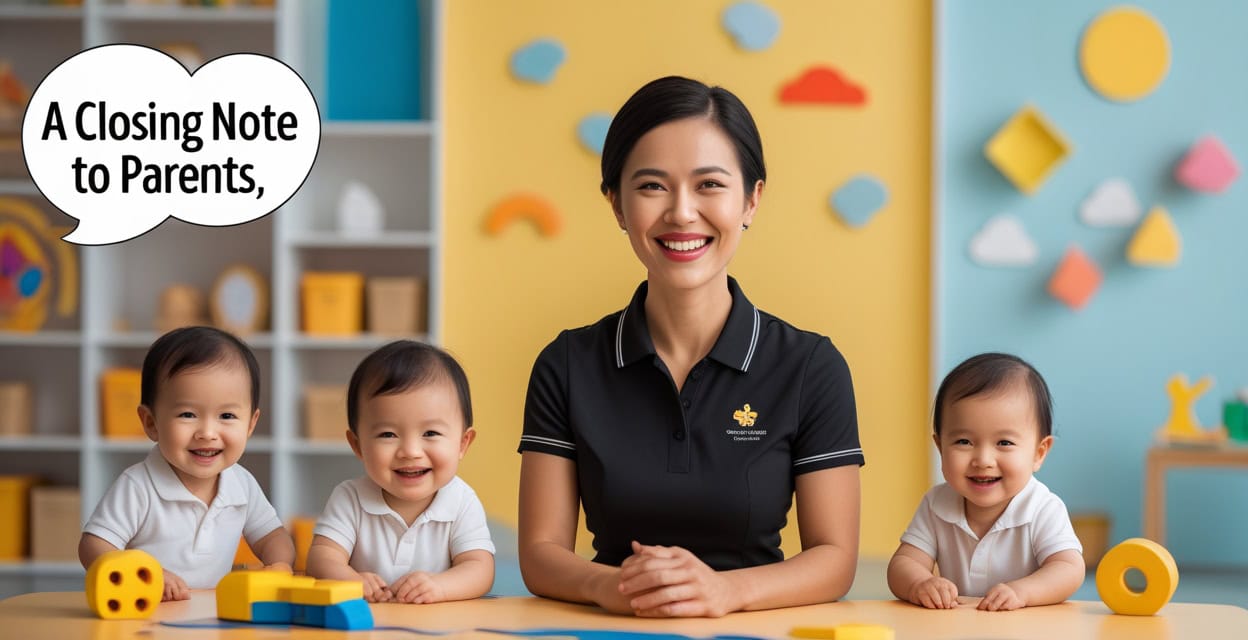
You deserve more than a place—you deserve a partner. EduNanny offers ultra‑low ratio care, transparent safety, and a pedagogy that dignifies infancy. We are ready to welcome your child into a tiny circle where trust grows first, learning follows naturally, and happiness is practiced hour by hour.

This is our covenant: to keep your baby safe, to know them well, to delight in their small triumphs, and to stand shoulder‑to‑shoulder with you in the everyday work of raising a human being. Who does this matter to? Every family. What does it change? The texture of your days. When does it count? Now, when the brain is most plastic and love is most formative. Where does it happen? Near home, in well‑designed rooms and warm living spaces across our island. How will we do it? With certified people, verified places, clear routines, and the ancient art of attuned care scaled to modern life.

EduNanny by BUTLER—small pods, big love, and a national promise kept. We are ready when you are.

Conclusion

Conclusion

EduNanny represents a thoughtful synthesis of attachment theory, safety, and developmental science translated into practical, near‑home care for Singapore’s youngest children. By keeping pods small, caregivers highly attuned, and families actively engaged, we create a dependable framework for early learning, workforce participation, and neighbourhood strength. If you are seeking a care option that respects your child’s pace, honors your family rhythms, and shares a clear pathway to development, EduNanny invites you to embark on this journey with us today. Take the first step—explore the options, schedule a visit, and join a community where every baby’s story begins with trust, warmth, and possibility.

Call to action: Begin your personalised settling‑in journey with EduNanny now. Visit the sign‑up page, book a site visit, and partner with a named EduNanny caregiver who will be your child’s first teacher and your ally in parenting.

EduNanny by BUTLER—small pods, big love, and a national promise kept.

SEO keywords: [#EduNannySingapore, #InfantChildminding, #ECDA, #EarlyChildhoodDevelopment, #NearHomeCare]


edunanny-a22e8181-9e16-4016-9fe9-0462276ee026
August 21, 2025

Cradling the Future of Singapore Infants with EduNanny Attachment First Care

EduNanny: A Bold Vision for Singapore's Infants

EduNanny: A Bold Vision for Singapore’s Infants

Good evening, parents, grandparents, caregivers, community leaders, and friends of Singapore’s youngest citizens. This long-form article expands the keynote vision of EduNanny by BUTLER into a practical, actionable guide for families, educators, and policymakers. We explore how a thoughtfully designed, attachment-first approach to infant care can become a scalable, affordable, and dignified public service—one that nurtures every child’s brain, body, and social world from the very first days.

Introduction: What is EduNanny?

EduNanny is a childminding movement designed for Singapore’s reality and aspirations. We bring centre-based and home-based infant care closer to families—7am to 7pm, Monday through Friday, islandwide—through small “pods” and modern spaces built for visibility, calm, and connection. We maintain an excellent 1:3 infant-to-educator ratio, deploy innovation like secure CCTV for real-time transparency, and operate as an ECDA Childminding Pilot and a National Social Initiative with a Maximum Employment Mandate to create meaningful jobs and career pathways. And we make it affordable—fees from $33/day, payable by CDA/Baby Bonus—because access is the gateway to equity.

In short: EduNanny blends the soul of a nanny, the science of early childhood, and the reliability of a public service.

How EduNanny makes infant care and childminding great in Singapore

We start from the infant’s point of view. The first thousand days are the architectural phase of the brain. Experience—gentle voices, predictable routines, safe exploration—literally sculpts neural pathways. Building on the wisdom of Montessori, Piaget, Vygotsky, Froebel, Malaguzzi, Bowlby, Pikler, Spock, and Erikson, we designed an attachment-first, play-led, culture-aware approach for Singapore’s neighborhoods.

Five topics that define our practice

1) The Architecture of Attachment: Continuity, Comfort, and Confidence

  • A named primary childminder: Every infant is paired with a primary caregiver who leads settling, feeds, diapering, and sleep. This honors Bowlby’s secure base and Pikler’s respectful caregiving.
  • Micro-pods at 1:3: A ratio that allows responsive care—timely cues, unhurried routines, and the warm reciprocity that builds trust and language.
  • Rituals that regulate: Predictable welcome songs, gentle handovers, and unhurried transitions reduce cortisol and foster confident exploration.
  • Near home, near heart: Shorter commutes, familiar streets, and community rhythms ease separation and anchor infants in their own neighborhoods.

Actionable takeaways for families: Ask prospective centres about the primary caregiver system, how handovers are managed, and how families participate in naming routines. When touring a pod, note whether you can observe authentic, uninterrupted time with a named caregiver and whether transitions feel calm and predictable.

2) Safety by Design, Not by Chance

  • Environments that think: Modern layouts with clear sightlines, soft acoustics, zoned lighting, and materials that clean easily and safely. Sleep zones are quiet, cool, and supervised—safe sleep is non-negotiable.
  • Procedures that protect: Prevention and response training—hygiene, food safety, choking protocols, safe sleep checks, medication double-verification, and drills. Near-misses are reviewed to learn and improve.
  • Digital transparency: Secure CCTV for parents who opt in, with data privacy standards and strict access controls. Visibility builds trust; trust strengthens partnerships.
  • The CARE Protocol: Check, Anticipate, Reduce, Engage. We assess both child and environment, anticipate risks, reduce hazards, and engage infants in safe, meaningful play.

Actionable advice for parents: Request a demonstration of CCTV access and privacy controls, ask about staff-to-child safety training, and review a recent near-miss drill note or annual safety plan.

3) A Pedagogy of Everyday Wonder

  • Prepared spaces: Montessori-like order, accessible materials, and Reggio-inspired invitations to explore the “hundred languages” of infants—sound, texture, movement, gaze, and gesture.
  • Vygotsky’s lift: Scaffolding just beyond the child’s comfort zone—rolling to crawling, babble to back-and-forth cooing—always responsive, never rushed.
  • Froebel’s gifts: Objects designed to be held, stacked, tapped, and wondered about. Open-ended materials invite complex thinking.
  • Observation to action: Document micro-milestones—how a baby reaches, tracks, grips, babbles—and adapt the day’s experiences to each child’s rhythms. Learning Stories are shared with families to make growth visible and collaborative.

Practical example: A daily “milestone menu” for each child—two or three micro-goals (e.g., “carries object from hand to hand,” “responds to name,” “explores texture through a treasure basket”)—are posted in the family portal with a brief narrative and suggested home activities.

4) The Developmental Continuum: From Cradle to Confidence

  • 0–3 months: Regulation and bond. Hold, skin-to-skin, gentle vestibular input, caregiver voice.
  • 4–8 months: Core strength and curiosity. Tummy time arcs into rolling and sitting; object permanence emerges; call-and-response vocal play blooms.
  • 9–12 months: Mobility and meaning. Pulling to stand, cruising, cause-and-effect play; first words or signs; shared attention with a caregiver.
  • 12–24 months: Autonomy with guardrails. Schema play (transporting, filling, posting), simple choices, parallel play, rich naming of feelings and actions.
  • 24–36 months: Social sense and self-help. Turn-taking, problem-solving, tidy-up routines, toilet-readiness cues, joyful collaboration.

Family partnership: We meet each infant where they are, track meaningful growth, and partner with parents through daily communication loops and, when helpful, distance support for home routines.

5) Joy as a Developmental Right

  • The HUGS Index: Hold, Uplift, Gaze, Smile. We measure micro-moments that predict a child’s felt safety and eagerness to learn.
  • Culture you can hum: Multilingual songs, local stories, and family heritage integrated gently. Belonging starts with what feels familiar and proud.
  • Caregiver dignity: A nation that treasures babies must invest in those who hold them. Our Maximum Employment Mandate and structured training ladders build respected careers—because settled adults help settle children.
  • Family partnership: Parents are not “dropping off a child”; they are extending their circle of care. We offer home-based and centre-based options, plus distance coaching for sleep, feeding, or transitions.

Family sentence to reflect on: Consider how each of these five topics manifests in your daily routine. How does your caregiver communicate with you about a milestone? Are routines predictable enough to reduce stress at home as you unwind and prepare for bedtime?

What parents can expect, every day

  • The 7-to-7 Promise: Consistent, extended coverage to match working lives.
  • Islandwide convenience: Near-home home-based pods, community locations, and modern centres.
  • Transparency you can feel: Live, secure CCTV access; clear daily updates; open-door communication.
  • Affordability with integrity: From $33/day; fees payable by CDA/Baby Bonus.
  • One philosophy, multiple pathways: Centre-Based Childminding, Home-Based Childminding, and Distance support for coaching and check-ins.
  • A design language of calm: Natural light, gentle colors, soft zones, and purpose-built furnishings that respect infant senses.

Practical guidance for parents selecting EduNanny options:

  • Request a tour to observe how a primary caregiver interacts with infants during settling-in times and transitions.
  • Ask about how families receive daily updates and how families can contribute to the daily rhythm (feeding cues, sleep expectations, and daytime routines).
  • Review the centre’s sleep safety plan, including temperature controls, bedding standards, and staff sleep-check protocols.

An explainer for Singapore: Why this matters now

  • Demographics and work: Families need predictable, high-quality care situated close to life and work. Near-home pods reduce commute strain and increase parental presence at critical edges of the day—the moments that matter.
  • Equity and access: When quality becomes affordable, children from every background gain the same secure base that predicts better health, learning, and pro-social outcomes.
  • A social compact: The ECDA Childminding Pilot and this National Social Initiative reflect a shared responsibility—parents, educators, employers, and the community—to cradle potential while building good jobs and professional pride.

Practical safeguards we obsess over

  • Safe sleep: Flat, firm surfaces; back sleeping; regular checks; no loose items; room temperature monitored.
  • Feeding: Evidence-based handling of breastmilk and formula; cue-based feeding; mealtime calm; allergen awareness and introduction in partnership with parents and pediatric guidance.
  • Hygiene: Meticulous diapering, sanitizing, handwashing; illness policies to protect all.
  • Security: Verified visitors only; check-in/out controls; caregiver identity badges; incident reporting with root-cause learning.
  • Continuity of care: Team-based coverage that preserves each infant’s primary bond during staff leave.

Why childminding is a calling, not a stopgap

  • Purpose: To translate love into a daily method. Safety, warmth, and learning are not competing priorities but mutual accelerants.
  • Professionalism: We recruit for kindness and train for mastery. Observation, reflection, documentation, and family partnership are core competencies.
  • National value: Every secure infant strengthens tomorrow’s classrooms, workplaces, and communities. Childminding is nation-building in soft shoes.

The EduNanny advantages at a glance

  • Excellence and visibility: Quality you can see and feel across both centre-based and home-based options, plus distance support.
  • Length and scope: Monday to Friday, 7am–7pm, islandwide Singapore.
  • Near-home configurations: In community and home premises for maximum convenience.
  • Infant ratio: 1:3—organized for responsive care and language-rich interactions.
  • Security and privacy: Secure CCTV with privacy-first protocols.
  • Design for calm and sleep hygiene: Modern layouts with sightlines and sensory-friendly environments.
  • Affordability and eligibility: From $33/day; CDA/Baby Bonus eligible.
  • Mandates and mission: EduNanny by BUTLER operates under the ECDA Childminding Pilot and a National Social Initiative with a Maximum Employment Mandate.
  • Enrolment information: EduNanny.com and Childminding.EduNanny.com

Closing: Who, What, When, Where, How—Why Childminding Matters

Who: Singapore’s infants, their families, and the professionals who stand with them.

What: Attachment-first, safety-by-design childminding that turns everyday care into brain-building experiences.

When: The first thousand days—and every weekday from 7am to 7pm, when busy families need us most.

Where: Islandwide—in homes, in community premises, and in modern centres—close to where families live and work.

How: A 1:3 promise, trained childminders, transparent CCTV, observation-led pedagogy, equitable fees payable by CDA/Baby Bonus, and a social mandate to dignify care work.

Why: Because a secure beginning is the most cost-effective, humane, and strategic investment a nation can make. Small circles, big futures.

Ladies and gentlemen, the measure of a society is how it welcomes its newest members. EduNanny’s answer is simple: with safety that is visible, with joy that is audible, with learning that is tangible, and with love that is reliable. Join us in building a Singapore where every infant is held, seen, and set gently—but firmly—on a path to flourish.

Visit EduNanny.com or Childminding.EduNanny.com to tour a pod, meet a childminder, or enroll. Together, let’s cradle possibility—one small hand, one steady heart, one bright day at a time.

Practical next steps for families:

  • Book a tour and observe a settling-in session; ask to meet the named caregiver and their team.
  • Ask for a sample daily update and a home routine coaching plan that complements your family schedule.
  • Review safety protocols, including sleep, feeding, hygiene, and visitor controls; request a copy of the CARE Protocol.
  • Discuss how multilingual and culturally responsive practices are implemented in daily activities and songs.
  • Explore the Distance support option for home routines and coaching—especially for families navigating new transitions or sleep challenges.

Closing reflection: A path to secure beginnings, brighter futures

Closing reflection: A path to secure beginnings, brighter futures

As a community, we commit to care that is not merely a service but a social contract—one that recognizes infant development as a shared responsibility and a public good. EduNanny invites families, educators, and policymakers to co-create a scalable framework where every infant experiences safety, joy, and growth—every day, near home, with people you can trust, at a price families can manage, and with the dignity our caregivers deserve.

Explore more and begin your journey with EduNanny:

EduNanny.com and Childminding.EduNanny.com

[#EduNannySingapore, #InfantCareSingapore, #EarlyChildhoodDevelopment, #AttachmentFirst, #ChildmindingSingapore]

edunanny-9648e831-479f-4e40-83e8-a2035a0f89d1
August 21, 2025

Singapore First Thousand Days Redefined by EduNanny Ultra Low Ratio Infant Pods December 2024 to December 2027

EduNanny: A Caring Framework for Singapore’s First Thousand Days

EduNanny: A Caring Framework for Singapore’s First Thousand Days

EduNanny Infant Childminding is not merely a service launch; it is a care philosophy that fuses science with humanity. Our promise is simple and profound: the first thousand days can be safer, calmer, more connected, and more convenient—without compromising dignity, development, or your workday. We are honoured to be appointed by ECDA as an operator in the national Childminding Pilot for Infants (1 December 2024 to 31 December 2027), serving Singapore Citizen infants aged 2 to 18 months who are not concurrently enrolled in ECDA-licensed infant care centres. In practical terms: quality infant care, near your home, with ultra low ratios you can trust, in hours that respect the modern family—Monday to Friday, 7am to 7pm.

What follows is a comprehensive look at how EduNanny reimagines infant care and childminding in Singapore—grounded in evidence, guided by international best practice, and tailored to Singapore’s unique context.


Why EduNanny makes infant care and childminding excellent in Singapore

Why EduNanny makes infant care and childminding excellent in Singapore

1) The Attachment Studio: security is the curriculum

  • Ratio that respects relationship: Our 1:3 cap isn’t marketing—it’s the daily discipline that ensures one attentive caregiver can notice hunger cues, gaze aversion, or a new babble and respond within seconds. This responsiveness is the engine of secure attachment.
  • Continuity of caregiver: Infants thrive when “my person” is constant. We design schedules to maximize continuity so trust—Erikson’s foundational stage—becomes a daily practice, not a theory chapter.
  • Serve-and-return as practice: Caregivers mirror and extend infant communication, coaching subtle bids—finger flexes, eyebrow raises—into language, cognition, and socio-emotional growth.
  • Prepared environment: Low, open shelves; uncluttered floors; natural materials; predictable routines—translated Montessori and Froebel concepts into Singaporean homes and micro-centres. The space itself teaches calm and focus.

2) Safety Without Compromise: designed, trained, and verified

  • Ultra low density: Fewer bodies, fewer hazards. A straightforward calculation for safety and health.
  • Mandatory training: All EduNanny childminders complete infant first aid, safe sleep, food safety, hygiene protocols, and child-safe practice before deployment; refreshers are scheduled regularly.
  • Background checks: Conducted by ECDA for childminders and household members with regular access; EduNanny adds screening and reference verification for added assurance.
  • Environment standards: Hazard mapping, outlets covered, anchored furniture, gated zones, meticulous cleaning, safe sleep practices, proper bottle preparation, and hygienic nappy routines.
  • Illness protection: A No Sick Child Policy during hours of care protects all infants; families coordinate rest-at-home and, when needed, contingency care through the EduNanny Concierge.
  • Transparency technologies: CCTV in community premises; opt-in CCTV in home caregiving areas during care hours with privacy-by-design protocols and arranged viewing access for parents.
  • Incident honesty: Clear reporting pathways and timelines—integrity as a safety feature.

3) Development in the Everyday: learning nested inside care

  • Sensorimotor mastery: From tummy time to grasping and pivoting, our floor-time approach uses safe, clean surfaces and a steady adult presence as a base rather than constant interruption.
  • Language bloom: Bilingual storytelling and warm narration during care moments (“I’m warming your milk… I see your smile!”) expand vocabulary and secure belonging.
  • Social learning: Vygotsky’s zone of proximal development lives in micro-pods where infants watch, imitate, and take brave little risks because someone just ahead has shown the way.
  • Observation over overstimulation: Simple, open-ended materials; rotating stimuli to invite curiosity; caregivers document small wins and share progress with families.

4) Happiness and Dignity: the tone of care is the lesson

  • Respectful caregiving: Slow hands, named consent, eye-level diapering where possible, and unhurried feeds—demonstrating how children deserve to be treated.
  • Rhythm, not rigidity: Care cycles—feed, sleep, play—tuned to the child while staying aligned with agreed routines.
  • Joy designed in: Gentle music, soft lighting, nature-inspired textures, water play, and outdoor experiences when appropriate; happiness is noticed and nurtured.
  • Family partnership: Respect for home culture, languages, and aspirations; the smallest moments are treated as sacred building blocks for belonging.

5) The Public Purpose of Childminding: a civic craft, not a fallback plan

  • A national initiative: EduNanny is ECDA-appointed within the three-year Childminding Pilot (2024–2027), offering an affordable, reliable option during working hours.
  • Maximum employment commitment: A workforce drawn from Singaporeans—parents returning to work, mid-career caregivers, and experienced early-years professionals—placed near home to strengthen communities.
  • Professionalisation: Certification, thorough background checks, ongoing coaching, and clear career pathways—making childminding a respected profession with public value.

What you can expect with EduNanny

What you can expect with EduNanny

  • Ultra Low Ratio and Ultra Low Density: Never more than 1 childminder to 3 infants.
  • Certified and Background Checked: ECDA checks plus EduNanny’s internal screening and reference verification.
  • CCTV Provided: Community premises include CCTV; home settings offer opt-in CCTV in caregiving areas during care hours with privacy safeguards.
  • No Sick Child Policy: In effect during care hours to protect infants and staff; medication administration follows prior parental instructions and guidelines.
  • Modern Layouts: Purposeful micro-environments—calm, clean, and developmentally rich.
  • Centre-Based and Home-Based Options: Access islandwide through community micro-centres and certified home premises.
  • Convenience Near Home: Short travel, strong caregiver–family bonds.
  • Schedule: Monday to Friday, 7am–7pm; options for half-day (5 hours) or full-day (10 hours) blocks; choose the days you need.
  • Affordability: From $33/day (before GST) for full-day; CDA/Baby Bonus subsidies accepted for subsidised hours.
  • National Social Initiative: Delivered under the ECDA Childminding Pilot, aligning quality with affordability and access.
  • EduNanny Concierge: A single point of contact for scheduling, site visits, and ongoing support.
  • Transparent Communication: Daily notes and progress photos where appropriate, with agreed CCTV access when applicable.

Eligibility and fees at a glance

Eligibility and fees at a glance

  • Who: Singapore Citizen infants aged 2–18 months not concurrently enrolled in ECDA-licensed infant care centres.
  • When: Mondays to Fridays, 7am–7pm, excluding public holidays; half-day (5 hours) or full-day (10 hours) blocks; days per week chosen by families.
  • Fees (before GST): Half-day $16.50; Full-day $33.00. CDA monies may be used to subsidise hours.

A day in our micro-pod (the calm you can feel)

A day in our micro-pod (the calm you can feel)

  • Arrival: Warm handover ritual; familiar comfort items valued; separation cues translated into reassurance.
  • Morning window: Unhurried feed, fresh nappy, tummy time on firm mats, sunlit stories, and soft songs in English and Mother Tongue.
  • Midday: Sleep in safe sleep conditions—own cot, back-lying, no loose items—monitored with regular visual checks.
  • Afternoon: Outdoor strolls where appropriate; sensory play with natural materials; gentle social interaction; calm transitions guided by caregivers.
  • Departure: Brief day recap; celebrate tiny victories; share next-day notes aligned with family rhythms.

Why this matters: who, what, when, where, how of childminding

Why this matters: who, what, when, where, how of childminding

  • Who: Infants and families who deserve time, attention, and a trustworthy village; childminders who deserve professional dignity and training; employers and communities who benefit from reliable caregiving.
  • What: Ultra-low-ratio, near-home micro-pods that transform ordinary care into developmental opportunities—attachment, language, movement, and joy—without compromising safety or affordability.
  • When: A critical window—the first 1,000 days—supported steadily on weekdays from 7am to 7pm.
  • Where: In community spaces with CCTV and modern layouts, and in the homes of certified, background-checked childminders across Singapore.
  • How: Evidence-based practice, respectful caregiving, thoughtful environmental design, rigorous training, transparent technology, and a concierge partnership that treats families as collaborators, not transactions.

Our philosophy and purpose

Our philosophy and purpose

EduNanny believes babies learn trust from the way we lift them, courage from the way we wait for them, and language from the way we answer them. Safety is not a checklist—it is a culture. Affordability should not erode quality. And when a nation tends to its smallest citizens with its greatest care, we quietly strengthen everything else. A 1:3 circle of security isn’t just a ratio; it is a promise to families and a foundation for Singapore’s shared future.


Call to action: how to enrol

Call to action: how to enrol

  • Step 1: Visit https://edunanny.com/edunanny-ecda-childminding-service/ or Childminding.EduNanny.com. You may also enquire via WhatsApp through the site.
  • Step 2: Share your needs in the short form—location, schedule, your child’s routines.
  • Step 3: EduNanny Concierge responds, matches you to a nearby home-based or community micro-pod, and schedules a site visit.
  • Step 4: Confirm the appointment, meet the childminder, review environment and protocols, discuss CCTV arrangements where applicable.
  • Step 5: Enrol. Choose half-day (5 hours) or full-day (10 hours) blocks on the days you need. Pay with CDA monies for subsidised hours. We handle the rest.

Conclusion

Conclusion

EduNanny represents a deliberate, compassionate, and evidence-informed approach to infant care in Singapore. By centering attachment, safety, development, dignity, and public purpose, we offer families a reliable partner for the first thousand days and beyond. If you value near-home care that respects your child’s tempo, supports professional caregiver practice, and aligns with national standards, EduNanny is designed for you. Let’s cradle this beginning well—together.

EduNanny by BUTLER is here to make the essential feel effortless: ultra low ratio care, islandwide convenience, transparent safety, and the kind of attention that turns small moments into lifelong foundations. For your baby, for your family, and for Singapore’s shared future.

SEO keywords: [#infantcareSingapore, #EduNanny, #childmindingpilot, #secureattachment, #microPod]


edunanny-416c9925-240a-4244-b1b7-d158bec20598
August 21, 2025

EduNanny Near Home Infant Pods 1 to 3 Attachment Model for Singapore’s First Thousand Days December 2024 to December 2027

Introduction to EduNanny Infant Childminding Service

Introduction to EduNanny Infant Childminding Service

Good evening to parents, grandparents, caregivers, and neighbours who help raise Singapore’s children. EduNanny by BUTLER stands as a simple, steadfast conviction: the earliest moments of care are sovereign. The hands that cradle an infant, the voice that answers a cry, and the routines of feeding, sleeping, and play become the infant’s first language of trust. EduNanny Infant Childminding Service was built to make those moments profoundly safe, deeply human, and joyfully developmental for every family, near home.

EduNanny by BUTLER is an ECDA-appointed operator in Singapore’s three-year Childminding Pilot for Infants, running 1 December 2024 to 31 December 2027. We deliver near-home infant care in ultra low-density micro pods of one childminder to a maximum of three infants. Services operate Mondays to Fridays, 7am to 7pm, in home-based and community-based settings islandwide.

We are guided by the wisdom of Montessori’s independence, Pikler’s respectful caregiving, Bowlby’s secure attachment, Vygotsky’s gentle scaffolding, and Erikson’s trust as the first task of life. Our pledge is simple and uncompromising: safe attachment, dignified care, and joyful learning—at a distance and schedule that works for your family.


How EduNanny makes infant care great in Singapore

How EduNanny makes infant care great in Singapore

  • Near-home convenience: Local, walkable micro pods islandwide reduce travel stress and strengthen family rhythms.
  • Ultra low ratios: A 1:3 promise ensures presence, continuity, and personalised care tailored to each infant.
  • Affordability with national support: Full-day care from $33 before GST (10 hours) under the Pilot; CDA/Baby Bonus may be used; flexible half-day blocks available.
  • Safety by design: ECDA background checks, mandatory training, and best-in-class protocols in people, place, and practice.
  • Transparent partnership: Daily updates, planned handovers, and CCTV in community spaces; optional and encouraged in home settings during care hours, with consent.

Four pillars of practice: what happens in an EduNanny day

Four pillars of practice: what happens in an EduNanny day

1) The Attachment Grid: Making one adult a secure base for three infants

  • Continuity of Care: Your infant is paired with a consistent, certified EduNanny childminder who knows their cues, rituals, and temperaments.
  • Presence Over Pressure: We plan for unhurried caregiving—unhurried feeding, attentive diapering, soothing transitions—because respect in routine builds trust.
  • The Daily Flow (7am–7pm window): Predictable cycles of feed-sleep-play, tuned to each infant’s rhythm; micro-moments of “serve-and-return” interaction are embedded throughout.
  • Care Journal: Parents receive brief, high-signal updates on sleep, feeds, diapers, and delights—language milestones, motor progress, emerging interests.

2) Safety by Design: Three rings of protection

  • People: All EduNanny childminders are certified, trained in infant first aid and basic infant care, and ECDA background-checked. We uphold a No Sick Child Policy to protect our pods; clear medication protocols apply when needed, with written instructions and consent.
  • Place: Community spaces use CCTV as required; home settings may adopt CCTV in caregiving areas during care hours with consent. All environments are baby-proofed; safe sleep follows international best practice (on the back, firm surface, no loose items); hygiene is rigorous with documented cleaning schedules; air quality and ventilation are monitored.
  • Practice: Ratio integrity is non-negotiable; incident management is timely and transparent; allergy and anaphylaxis plans are rehearsed; evacuation routes are known; supervision is continuous; hand hygiene and bottle-handling observe strict standards.

3) Pedagogy of Tiny Discoveries: Observe, invite, expand

  • Observation (Pikler and Montessori): We watch before we act, allowing infants to initiate movement, explore grasp-and-release, roll, pivot, and pull to stand at their own pace.
  • Invitation (Vygotsky): We set up simple, open-ended materials—sound baskets, fabric textures, nesting cups—and we respond with just-right support within the child’s zone of proximal development.
  • Expansion (Piaget): We turn curiosity into learning—peekaboo into object permanence; tummy time into core strength; babbling into conversational turn-taking; songs and stories into a rich language bath.
  • Culture and Community: We sing in the languages of home and nation, celebrate local festivals through sensory provocations, and keep family traditions alive in micro, everyday ways.

4) The Joy Loop: Family partnership, routines, and the dignity of care

  • Warm Handovers: Calm transitions at drop-off and pick-up protect the infant’s sense of safety.
  • Parent Voice: Feeding preferences, sleep cues, comfort items, and family rituals are documented and honoured.
  • Right-Sized Transparency: Community pods operate with CCTV; home pods can add cameras during care hours by mutual consent. Parents stay informed through our EduNanny Concierge and secure communication channels.
  • Return-to-Work Support: Our 7-to-7 availability in 5- or 10-hour blocks gives working parents reliable scaffolding without sacrificing the intimacy of a small setting.

What sets EduNanny apart

What sets EduNanny apart

  • Ultra Low Density, Ultra Low Ratio: 1 childminder to a maximum of 3 infants for consistent attachment and attentive care.
  • Certified EduNanny Childminders: Trained in infant first aid and basic infant care; ECDA background checked; supervised to industry standards.
  • Safety and Transparency:
    • CCTV provided in community spaces; optional in-home CCTV during care hours with consent.
    • No Sick Child Policy to protect vulnerable infants.
    • Clear incident and medication protocols.
  • Choice of Setting: Home-based pods or community-based pods with modern, infant-friendly layouts.
  • National Social Initiative: Part of the ECDA Childminding Pilot (1 Dec 2024–31 Dec 2027), supporting families and dignified local employment.
  • Flexible, Affordable Care:
    • Half-day (5 hours) at $16.50 before GST.
    • Full-day (10 hours) at $33.00 before GST.
    • Mondays to Fridays, 7am–7pm, excluding public holidays.
    • Payable via CDA/Baby Bonus during subsidised hours.
  • Islandwide Reach: Near-home convenience reduces commute strain and supports sustainable family routines.
  • Innovation in Practice: Thoughtful use of technology, daily care journals, and concierge support to simplify the parenting journey.

Eligibility and fees under the ECDA Childminding Pilot

Eligibility and fees under the ECDA Childminding Pilot

  • Who is eligible: Singapore Citizen infants, 2 to 18 months old, not concurrently enrolled in ECDA-licensed infant care.
  • Hours: Subsidised 5-hour or 10-hour care blocks between 7am and 7pm, Monday to Friday.
  • Fees before GST:
    • Half-day (5 hours): $16.50
    • Full-day (10 hours): $33.00
  • Subsidies: Parents may use CDA/Baby Bonus for subsidised hours. Additional care beyond subsidised hours can be discussed at regular rates.

Why childminding matters now

Why childminding matters now

  • Who: Infants need reliable, attuned adults. Parents need trustworthy, flexible support. Communities need caring work that is dignified and local.
  • What: Micro pods that prioritise attachment, safety, and curiosity—a small circle of care with a big developmental yield.
  • When: The first thousand days are a once-only opportunity to build secure attachment, robust brain architecture, and joyful habits of communication.
  • Where: In your neighbourhood, in warm homes and well-calibrated community spaces tuned to infants’ needs.
  • How: Through rigorous training and safety systems, a 1:3 care promise, responsive pedagogy, and a partnership with parents that puts dignity at the centre.

Our philosophy and purpose

Our philosophy and purpose

EduNanny exists so that parents never have to choose between affordability and excellence, between proximity and professionalism, between warmth and safety. We believe that every infant deserves a respectful, unhurried childhood; that every parent deserves peace of mind; and that neighbourhoods are the best places to build both.

We honour Montessori’s trust in the child’s competence, Pikler’s respect in caregiving, Bowlby’s insistence on secure relationships, Vygotsky’s insight into guided discovery, and Erikson’s reminder that trust and autonomy are the bedrock of identity. We add Singapore’s commitment to quality, safety, and opportunity for all families—delivered with the clarity and compassion of a national initiative.


How to enrol with EduNanny

How to enrol with EduNanny

  • Visit https://edunanny.com/edunanny-ecda-childminding-service/ and complete the short form, or enquire via WhatsApp.
  • Receive a prompt response from our EduNanny Concierge Team to understand your needs and preferences.
  • Confirm your appointment for a site visit (home pod or community pod).
  • Finalise your infant’s care plan, complete enrolment, and meet your EduNanny childminder.

A closing promise

A closing promise

In every EduNanny pod, there is a quiet choreography: a hand that steadies, a voice that names, a space that invites, a rhythm that reassures. This is how trust becomes learning, how safety becomes curiosity, how routine becomes joy.

We are ready to partner with you—from first cries to first confidence—so your child’s earliest days are held with excellence, humanity, and heart.


Learn more and sign up

Learn more and sign up

– EduNanny.com and Childminding.EduNanny.com

– Enrol today at https://edunanny.com/edunanny-ecda-childminding-service/

Notes: Services operate Monday–Friday, 7am–7pm, islandwide in home and community premises; fees listed are before GST; eligibility and availability are subject to ECDA Pilot terms.

[#EduNanny, #SingaporeInfantCare, #ECDAPilot, #EarlyChildhoodDevelopment, #NearHomeCare]

edunanny-1b99a2ad-cb6c-4a5a-ab7b-b61cd4cad37e
August 21, 2025

EduNanny 1 to 3 Near Home Infant Pods Transforming Singapore Early Years 1 December 2024 to 31 December 2027

Introduction: What is EduNanny Infant Childminding?

Introduction: What is EduNanny Infant Childminding?

EduNanny is an appointed operator under the ECDA Childminding Pilot running from 1 December 2024 to 31 December 2027. We exist for a simple reason: to bring safe, joyful, ultra‑low‑ratio infant care closer to home—into trusted community spaces and carefully prepared childminders’ homes—so that families can thrive. Singapore Citizen infants aged 2 to 18 months, not concurrently enrolled in ECDA‑licensed infant care, are eligible to participate. Care is provided Monday to Friday, 7am to 7pm, in half‑day (5‑hour) or full‑day (10‑hour) blocks, with the flexibility to choose the days you need.

We believe infant care should feel like a handover of hearts, not a handoff of bags. It should be intimate without being isolating, structured without being sterile, and always alive with the gentle science of development—what Pikler called respectful care, what Bowlby saw as secure attachment, what Montessori recognized as the child’s innate drive toward competence, and what Vygotsky taught us about learning through relationship.


Five Pillars of EduNanny Practice

Five Pillars of EduNanny Practice

1) The Pedagogy of Presence: The 1:3 Advantage

At the heart of our model is the ultra‑low ratio of 1:3. This ratio is not a marketing line; it is a developmental safeguard. With three or fewer infants:

  • Every cue is noticed; every need is answered within moments.
  • Care routines—feeding, diapering, sleep—become rich learning encounters where language, touch, eye contact, and gentle narration scaffold trust.
  • Movement is respected. Infants explore safely on the floor, not confined, cultivating balance, coordination, and body confidence.

We mark transitions with rituals: a 90‑second “hello” to welcome your child each morning; a 120‑second “good‑bye” to debrief the day. These small ceremonies are the architecture of secure attachment.

2) Safety by Design: The Everyday Excellence That Prevents Emergencies

  • Spaces prepared from the floor up: low shelves, clear sightlines, secured edges, breathable sleep arrangements, and clean zones for bottles and food prep.
  • The Safety Trident: hazard scans every hour, hygiene resets before each feed, and a final checklist before sleep.
  • Trained and certified childminders: infant first aid, food safety, and basic infant care competencies are mandatory; background checks extend to regular adult residents in home‑based settings.
  • Health practices that protect everyone: a No Sick Child Policy during hours of care to minimize contagion; illness and medication protocols communicated clearly in advance.

We use CCTV in community sites as required. For home‑based settings, CCTV is offered as an opt‑in with caregiver consent and clear privacy boundaries in caregiving areas during hours of care. Transparency and dignity move together.

3) Joy, Agency, and Early Learning: The Curriculum You Can Feel

  • Language woven through care: warm narration, songs from Singapore’s cultural tapestry, book moments matched to attention spans.
  • Sensorial play: scarves, rattles, treasure baskets, water play in safe conditions—simple, open‑ended materials for rich, self‑directed exploration.
  • Movement freedom: rolling, reaching, pulling up—each milestone respected at the child’s pace. We do not rush readiness; we invite it.
  • Emotional literacy from day one: naming feelings, mirroring expressions, modeling calm. Erikson’s trust vs. mistrust is daily practice, not a textbook chapter.

4) Rest, Nourishment, and Rhythm: The Architecture of Calm

  • Sleep that follows the child: individualized nap windows, darkened spaces, consistent settling cues.
  • Feeding that respects the body: responsive bottle‑feeding, paced rhythms, safe introduction of solids in alignment with family preferences.
  • Hygienic routines that build self‑awareness: gentle hand‑to‑face wipes, named steps, and slow hands that invite cooperation rather than impose control.

5) Trust, Transparency, and the Parent‑Childminder Pact

  • Clear communication: daily logs, photos or notes about feeds, naps, diapers, and discoveries.
  • CCTV where applicable, transparently governed.
  • Incident response that is swift, honest, and accountable, with escalation protocols and debriefs.
  • A concierge team that responds, coordinates site visits, and supports a confident start.

The Purpose and Social Value of Childminding

The Purpose and Social Value of Childminding

Childminding is both intimate and civic. It keeps care near home, strengthens neighborhoods, and creates meaningful employment—our Maximum Employment Mandate ensures that capable, caring adults can build a dignified vocation with training, standards, and progression. Parents gain time and confidence; infants gain stability and delight; communities gain cohesion. This is a national initiative that advances excellence and equity at the same time.


What Parents Receive with EduNanny

What Parents Receive with EduNanny

  • Ultra Low Density, Ultra Low Ratio: a maximum of 1:3 infants per childminder.
  • Certified EduNanny Childminders: trained in infant first aid, food safety, and infant care; assessed and supervised.
  • Background‑checked caregivers and, for home‑based care, background checks on adult residents with regular access.
  • Safety and hygiene standards, with a No Sick Child Policy during hours of care.
  • CCTV Provided in community spaces; opt‑in CCTV available for home‑based care with consent.
  • Centre‑based and home‑based options, islandwide.
  • Near‑home distance, convenience, and Monday–Friday, 7am–7pm coverage.
  • Affordable fees through the ECDA Pilot: from $16.50 for half‑day (5 hours) and from $33.00 for full‑day (10 hours) before GST.
  • Flexible scheduling in subsidised blocks during working hours.
  • Fees payable via CDA/Baby Bonus during subsidised hours of care.
  • Modern layouts, clean environments, and thoughtful materials for play and rest.
  • A dedicated EduNanny Concierge for matching, onboarding, and ongoing support.
  • A service aligned to national quality expectations under the ECDA Childminding Pilot.

The Practical Details You Should Know

The Practical Details You Should Know

  • Who: Singapore Citizen infants, 2 to 18 months, not concurrently enrolled in ECDA‑licensed infant care.
  • What: Childminding in home or community settings by trained, certified, background‑checked childminders; 1 to 3 infants per caregiver.
  • When: Mondays to Fridays, 7am to 7pm; you select half‑day (5 hours) or full‑day (10 hours) blocks and the number of days per week you need.
  • Where: Islandwide Singapore—near‑home options in community spaces and selected home premises.
  • How much: From $16.50 (half‑day) and $33.00 (full‑day) before GST, with CDA/Baby Bonus accepted for subsidised hours.
  • How we keep watch: CCTV in community sites by default; opt‑in CCTV for home‑based care with consent, placed in caregiving areas during hours of care.

Four Distinctive Practices You Will Feel from Day One

Four Distinctive Practices You Will Feel from Day One

  • The Three‑Minute Arrival: a warm, unhurried welcome with your child’s primary caregiver; hand‑wash, a short song, and a check of cues so the day begins regulated.
  • The Floor‑Eye View: caregivers work at the child’s level—on the floor, mirroring, narrating, noticing—because responsiveness begins with proximity.
  • The Micro‑Pod Social Script: in tiny groups, babies read faces, trade coos, and learn turn‑taking. Social courage grows quietly, safely.
  • The Transparent Close: you receive a clear summary of feeds, sleeps, diapers, play notes and any health observations, so your evening rhythms align.

Why Childminding Matters Now

Why Childminding Matters Now

  • Early relational safety predicts later resilience.
  • Small groups make calm possible, especially for the youngest infants.
  • Near‑home care restores time for families and strengthens communities.
  • Dignity in caregiving is a public good that supports a healthier start for all children.
  • Joyful beginnings are a societal investment in attention, empathy, and lifelong learning readiness.

EduNanny’s Philosophy in One Sentence

EduNanny’s Philosophy in One Sentence

We combine the science of development with the art of tenderness, in spaces designed for safety, connection, and discovery—one caregiver, up to three infants, and a nation’s promise kept.


How to Enroll

How to Enroll

Visit https://edunanny.com/edunanny-ecda-childminding-service/ and complete the short form, or enquire via WhatsApp through our site links. Our EduNanny Concierge Team will reach out to understand your needs and match you to a suitable home or community pod. Confirm your appointment for a site visit; meet the childminder, review routines, and discuss any care preferences. Enrol and begin with a gentle, supported transition plan.


Closing

Closing

In every handover there is a moment of faith. You offer us your child, and we offer you our presence, our training, our vigilance, and our joy. In a country that prizes excellence, let us remember that excellence begins in the cradle—in the quiet rhythm of responsive care, in the safety of well‑prepared spaces, and in the respectful partnership between parent and childminder.

EduNanny by BUTLER is honored to serve under the ECDA Childminding Pilot. We welcome you to a better, nearer, kinder beginning—where your infant is known, your family is supported, and Singapore’s future is gently, wisely cradled.

Thank you.

[#EduNanny, #InfantCareSingapore, #ECDAPilot, #ChildmindingSingapore, #NearHomeCare]

edunanny-6b547369-4b89-43bb-a6a4-c27753bb8bb1
August 21, 2025

Cradling the First Thousand Days of Singapore with EduNanny Near Home Micro Pods 1 December 2024 to 31 December 2027

EduNanny Infant Childminding Service: An Editorial Overview for Singapore Families

EduNanny Infant Childminding Service: An Editorial Overview for Singapore Families

Good evening to all parents, grandparents, caregivers, and the quiet heroes who cradle our little ones from first breath to first brave steps. This article expands the vision and practical wisdom behind EduNanny’s near‑home, ultra‑low‑density infant care model in Singapore. Grounded in the enduring insights of Montessori, Piaget, Vygotsky, Froebel, Malaguzzi, Bowlby, Pikler, Spock, and Erikson, and aligned with Singapore’s ECDA Childminding Pilot, EduNanny offers a clear, actionable path to safe, developmentally purposeful care in communities islandwide.


Why EduNanny Matters in Singapore Today

Why EduNanny Matters in Singapore Today

Families today juggle demanding work schedules and the intimate needs of newborns. EduNanny answers with a micro‑pod model that prioritises attachment, intentional learning, and near‑home access. With a 1:3 infant ratio, trained and background‑checked childminders, CCTV in caregiving areas, transparent communications, and a strong emphasis on safety, every pod becomes a trusted space where babies feel secure and families feel supported.

Key insights for families include:

  • Near‑home access reduces travel stress for infants and parents, supporting better sleep and alertness.
  • Ultra‑low density care strengthens attachment and social‑emotional development through stable, consistent relationships.
  • Transparent communication and clear incident protocols build trust and reduce anxiety around early care transitions.
  • Affordability within a subsidised framework helps families access high‑quality care without compromising financial stability.

The Five Pillars That Define EduNanny’s Craft

The Five Pillars That Define EduNanny’s Craft

1) The science of tiny groups: attachment as infrastructure

In a pod of three, attachment is deepened, not diluted. Caregivers function as reliable, secure bases, a concept rooted in Bowlby and operationalised by Pikler’s respectful, child‑led approach.

  • Continuity of caregiver: Minimise handovers; aim for one reliable adult to foster deep relational trust.
  • Predictable transitions: Establish consistent feeding, changing, and settling routines that feel relational rather than procedural.
  • Gentle socialisation: Early peer interactions become soothing cues, enabling natural development of turn‑taking, empathy, and curiosity.

Practical example: A caregiver maintains a photo board and a simple daily notebook to capture cues observed across days, helping families see growth trajectories without adding stress to routines.

2) The pedagogy of daily life: learning is woven, not bolted on

EduNanny’s curriculum is a curriculum of care—speech, touch, and playful invitations tailored to each child’s development. The approach is guided by Vygotsky’s zone of proximal development and Montessori’s emphasis on independence.

  • Sensorimotor play: Floor time with treasure baskets, cause‑and‑effect toys for grasping and tracking, and activities that build core strength.
  • Language bath: Narrated caregiving, culturally rich songs, and simple signs to support communication and emotional literacy.
  • Autonomy through setup: Low open shelves, infant‑friendly mirrors, and clearly defined soft zones to encourage exploration within safe boundaries.
  • Observation‑driven scaffolding: Planning micro‑goals from observed cues ensures progress is personalised and meaningful.

Practical tip for families: request a short, weekly “micro‑goal” update from the caregiver, focused on one targeted skill (e.g., reaching for objects, vocalising a new syllable) to track progress without overwhelming logs.

3) Safety by design: the architecture of trust

Safety is a culture, not a checklist. EduNanny aligns environments, people, and processes to prevent hazards, prepare for contingencies, and maintain transparency.

  • Environment: Baby‑proofed spaces, strict sleep practices (supine, firm mattress, no loose items), and rigorous food safety and allergy management.
  • People: Certified infant care specialists, ECDA background checks, ongoing professional development, and ongoing judgment training.
  • Protocols and CCTV: CCTV is standard in community spaces; in home pods, cameras are placed in caregiving areas during service hours with consent, balancing safety with domestic privacy.
  • Health policies: No Sick Child Policy; clear medication protocols; escalation pathways for health concerns.

Practical tip: ask for a simple incident‑report template and a week‑by‑week health policy overview, so families know exactly how health decisions are made and communicated.

4) Rhythm and happiness: the ecology of calm

Joy in early years is measurable and memorable. Calm babies grow into confident, curious children, and calm adults model co‑regulation that benefits the entire pod.

  • Daily cadence: Wake windows, responsive feeding, and age‑appropriate sensory play aligned to each infant’s temperament.
  • Emotional climate: Gentle voices, unhurried handling, warm lighting, and a culture of patience that supports self‑regulation.
  • Partnership with parents: Concise daily notes on sleep, feeds, nappies, and highlights help families stay connected to their child’s day.

Practical tip: develop a shared “calm signal” between home and pod (e.g., a simple hand gesture or cue for when a baby needs extra soothing). This reduces misreads and supports quicker attunement.

5) The purpose of childminding: a profession of dignity and public value

Childminders are early years professionals whose craft shapes the nation’s future. EduNanny’s role in the ECDA Pilot is part of a broader social initiative to expand safe, high‑quality care and to provide meaningful employment across neighbourhoods.

  • Professionally prepared: Standardised training, reflective practice, and ongoing development keep the field modern and rigorous.
  • Community anchored: Home‑based and community pods reduce travel burden and support family‑friendly city living.
  • Public value: A robust, dignified caregiving workforce strengthens the social fabric and supports child development at scale.

The Benefits of EduNanny at a Glance

The Benefits of EduNanny at a Glance

  • Ultra low density with an excellent 1:3 infant ratio
  • Centre‑style community pods and home‑based pods islandwide
  • Monday to Friday, 7am–7pm, with flexible day blocks
  • Affordable fees under the ECDA Pilot: 5‑hour half‑day and 10‑hour full‑day options before GST
  • Fees payable using CDA/Baby Bonus during subsidised hours
  • CCTV provided in caregiving areas with privacy safeguards
  • Certified, trained, and ECDA background‑checked childminders
  • No Sick Child Policy to protect micro‑pods
  • Modern, infant‑centred layouts with strict safety standards
  • National initiative with standards, oversight, and accountability
  • Near‑home convenience and reduced commute stress
  • Transparent communication and clear incident protocols

How the ECDA Childminding Pilot Supports Families

How the ECDA Childminding Pilot Supports Families

  • 1 December 2024 to 31 December 2027
  • Eligibility: Singapore Citizen infants aged 2 to 18 months, not concurrently enrolled in ECDA‑licensed infant care centres
  • Hours and flexibility: Half‑day (5 hours) or full‑day (10 hours) blocks, 7am–7pm, Mondays to Fridays, excluding public holidays
  • Locations: Childminders’ homes or community spaces
  • Oversight: ECDA conducts background checks and sets industry standards; operators ensure training, safety, suitability, and quality

Who, What, When, Where, Why: The Purpose of Childminding

Who, What, When, Where, Why: The Purpose of Childminding

  • Who: Families needing safe, nearby, consistent care; infants thriving in stable, intimate groups; childminders prepared to serve with skill and heart.
  • What: Micro‑pods that transform caregiving into an early learning environment where attachment, autonomy, and curiosity take root.
  • When: The first thousand days—when brain architecture is most malleable and responsive.
  • Where: In communities where families live—home‑based and community pods that reduce transitions and respect infants’ need for security.
  • How: Through rigorous safety, trained professionals, transparent systems, and a caregiving pedagogy that treats daily life as the richest curriculum.

Practical Guidance for Parents: Day One and Beyond

Practical Guidance for Parents: Day One and Beyond

What parents can expect on Day One includes a gentle handover, a familiar item from home, a calm first day, and clear updates at pickup. To help families prepare, consider the following actionable strategies:

  • Day‑one readiness: Gather a minimal set of comfort items with familiar textures and scents; communicate a primary routine with the caregiver (feeding cues, nap windows, preferred soothing methods).
  • Transition rituals: Create a simple, repeatable goodbye ritual (a kiss, a wave, a hug, and a brief moment of eye contact) to anchor trust.
  • Communication channels: Use daily notes or a digital update system to track sleep totals, feeds, nappies, and notable cues; request a weekly progress highlight.
  • Naming needs and cues: Teach the child’s caregiver basic signs or gestures that the infant can use for needs and feelings; this accelerates mutual understanding.
  • Emergency preparedness: Ensure you know the escalation path for illness or injuries; keep emergency contacts and medical information up to date with the caregiver.

How to Sign Up: Steps to Enrolment

How to Sign Up: Steps to Enrolment

To begin your EduNanny journey, families can follow these practical steps:

  • Visit https://edunanny.com/edunanny-ecda-childminding-service/ and fill out the inquiry form, or enquire via WhatsApp from the same page.
  • Receive a response from the EduNanny Concierge Team to answer questions and book a site visit.
  • Attend a site visit to a home‑based pod or community pod near you to observe layout, safety measures, and caregiver interactions.
  • Enrol and align your infant’s routine with the childminder; begin with a gentle onboarding period to establish trust.
  • Explore more resources at EduNanny.com and Childminding.EduNanny.com for ongoing guidance and best practices.

EduNanny: A Clear, Transparent Vision for Early Care

EduNanny: A Clear, Transparent Vision for Early Care

EduNanny’s philosophy centres on protecting the bond between caregiver and child, stewarding development, and honouring family rhythms. We believe that dignity and delight belong in the same sentence, and that excellence in care should be accessible and near to home. Our mission is to uphold trust, foster curiosity, and empower families to thrive through thoughtful, evidence‑based practice in every micro‑pod.


Conclusion

Conclusion

There is a quiet nation‑building that happens every weekday morning between 7 and 7, when a trusted adult welcomes a small person with care and intention. In that moment, safety becomes confidence, and confidence becomes curiosity. EduNanny stands ready—with ECDA and fellow operators—to make this promise real for every eligible family seeking dignified, near‑home care. For a daily investment of $33 (before GST) during subsidised hours, your infant can thrive in a pod designed for attachment, exploration, and joy. For parents, transparency. For childminders, professional pride. For Singapore, a foundation worthy of our future.

Let us build it together—one small, steady morning at a time.

[#EduNannySingapore, #InfantCareSingapore, #ECDAChildmindingPilot, #1to3InfantRatio, #NearHomeCare]

edunanny-3cddc007-2d71-48e3-9300-b0b91eb8c697
August 21, 2025

The Quiet Cradle of a Nation: EduNanny’s Near‑Home Pods and the 1000‑Day Promise in Singapore (December 2024–December 2027)

Introduction: Reframing the First Thousand Days for Singapore

Introduction: Reframing the First Thousand Days for Singapore

Good evening, parents, grandparents, caregivers, neighbours, and friends of the early years. Thank you for gathering to consider a simple, powerful idea: that the first thousand days of life are a national treasure, and that care done well—near home, in tiny groups, with trained, trusted hands—can change a child’s whole story. This article introduces EduNanny by BUTLER, a purpose-built approach to infant care in Singapore that blends attachment science with neighbourhood-based service. It is designed to support families, empower caregivers, and nurture infants who blossom with security, curiosity, and joy.


EduNanny Infant Childminding Service: Our Mission and Our Approach

EduNanny Infant Childminding Service: Our Mission and Our Approach

EduNanny by BUTLER is honoured to be appointed by ECDA as one of three operators for Singapore’s Childminding Pilot for Infants (1 December 2024 to 31 December 2027). Our mission is clear: to bring attachment‑rich, ultra‑low‑ratio infant care into Singapore’s heartlands—reliably, affordably, and with uncompromising safety—so families can thrive and infants can blossom.

We build 1:3 infant pods in childminders’ homes and carefully designed community micro‑centres across the island, weekdays 7am–7pm. Each pod is small by design, professional by training, transparent by technology, and tender by culture. We marry the heart of caregiving with the science of development—drawing inspiration from Montessori’s respect for the child, Pikler’s trust in autonomous movement, Bowlby’s secure attachment, Vygotsky’s social learning, Froebel’s play, Piaget’s discovery, Malaguzzi’s “hundred languages,” and Erikson’s stages of confidence.

Ultra-Low Density and Ultra-Low Ratio

  • 1 childminder to a maximum of 3 infants, ensuring the caregiver can truly see and respond to each child’s cues.
  • Small groups enable flexible routines, precise observation, and rapid adaptation to each family’s rhythm.
  • Low density reduces illness transmission risk and supports calmer transitions between activities.

Professionalisation, Safety, and Accountability

  • Certified childminders with ECDA background checks and ongoing infant care training.
  • EduNanny Academy practices, regular coaching, and safety audits for home and community settings.
  • Transparent, safety‑forward design: hazard reduction, safe sleep protocols, hygiene routines, and clear incident procedures.

Attachment‑First Curriculum

  • Primary caregiver model: Each infant has a named EduNanny who builds a secure, responsive relationship.
  • Serve‑and‑return interactions and predictable routines that foster trust and language development.
  • Respect for autonomy and autonomy‑supportive caregiving: diapering, feeding, and dressing pauses that invite baby participation.
  • Culture and language continuity: home languages, lullabies, and kitchen‑table rituals that feel familiar and comforting.

Accessibility, Time, and Affordability

  • Islandwide availability from Monday to Friday, 7am–7pm; half‑day or full‑day blocks with subsidies.
  • Fees designed to be accessible, with Baby Bonus CDA monies accepted for subsidised hours.
  • Subsidised blocks and flexible weekly planning to support working parents, students, and caregivers’ needs.

Five Perspectives That Guide Our Daily Practice

Five Perspectives That Guide Our Daily Practice

1) The Quiet Power of Small: Pods That Breathe

A pod of three infants is a rhythm, not just a ratio. In a small pod, educators can:

  • Attune to each baby’s cues—eye gaze, reaching hands, feeding rhythms, and sleep patterns—creating a secure base in the Bowlby sense.
  • Allow autonomous movement and safe exploration—Pikler’s principles—on low shelves and soft mats to build core strength and body confidence.
  • Maintain calm through considerate transitions, soft noise levels, and individualised pacing so learning emerges naturally, not by crowd pressure.
  • Reduce health risks through low density and strict hygiene, leading to fewer disruptions and more dependable care.

2) Safety by Design, Not by Chance

Safety is a culture, not a checklist. Our approach includes:

  • Certified and background‑checked childminders; infant first aid and basic care training; food safety and choking response readiness.
  • Hazard‑minimised environments with age‑appropriate equipment and sanitisation routines; temperature checks and clear incident procedures.
  • Documented handovers, daily health observations, and a No Sick Child Policy during care hours to protect the group.
  • Transparency: CCTV in community spaces; optional caregiving‑area‑only CCTV in home pods with consent during care hours.
  • Alignment with ECDA standards and ongoing audits to make safety systematic and enduring.

3) Attachment as Curriculum

Attachment is the curriculum of infancy—critical to lifelong development.

  • Primary caregiver assignment ensures consistent cues awareness and family culture integration.
  • Warm handovers and respectful transitions strengthen infants’ sense of safety and predictability.
  • Serve‑and‑return interactions promote language, self‑regulation, and social cognition—core neural pathways in the early years.
  • Autonomy‑supportive practices, drawing on Montessori and Pikler, give babies room to participate in daily routines.
  • Culture and language continuity deepen identity and belonging during early months and years.

4) Joy as Daily Practice: Micro‑Routines for a Happy Brain

Infant happiness is built from reliable patterns of care that feel safe in the body and joyful in the heart.

  • Unhurried feeds and naps, outdoor time when possible, gentle sensory play, and varied textures to explore.
  • Piagetian exploration on safe play floors, Froebel‑inspired loose parts, and early language through songs and books.
  • Outdoor exposures and nature moments to regulate stress and foster curiosity.
  • Attention to wellbeing signals: appetite, sleep quality, relaxed posture, attentive gaze, and self‑soothing rhythms.

5) The Civic Craft of Childminding

Childminding is public purpose at the family scale, connecting individuals to a broader social fabric.

  • Parents gain nearby, reliable support for work, study, or rest with reduced guilt and fear.
  • Childminders gain dignified, formal employment pathways with training, standards, and professional recognition.
  • Communities gain safe, neighbourly micro‑centres that strengthen local trust and safety nets for families.
  • National resilience grows as infants’ early experiences build empathy, confidence, and curiosity.

What Parents Receive with EduNanny

What Parents Receive with EduNanny

  • Ultra low density, ultra low ratio: 1 childminder to a maximum of 3 infants.
  • Safety and trust:
    • Certified EduNanny childminders; ECDA background checks (including regular access checks for home-based care).
    • Mandatory training before deployment; ongoing coaching.
    • Clean, hazard‑reduced environments; safe sleep and feeding protocols; clear incident management; documented handovers.
    • No Sick Child Policy to protect pods; agreed medication procedures when needed.
  • Transparency:
    • CCTV provided in community spaces.
    • Optional caregiving‑area CCTV in home pods with consent during care hours.
  • Formats and convenience:
    • Home‑based childminding and community‑based micro‑centres with modern layouts.
    • Islandwide availability, Monday–Friday, 7am–7pm.
    • Half‑day (5 hours) or full‑day (10 hours) subsidised blocks; choose the number of days per week you need.
  • Affordability and access:
    • Fees before GST: $16.50 (half‑day), $33.00 (full‑day).
    • CDA (Baby Bonus) monies accepted for subsidised hours.
    • National initiative under the ECDA Childminding Pilot (Dec 2024–Dec 2027).
  • Quality and purpose:
    • Excellence, consistency, and compassionate pedagogy aligned to attachment, autonomy, and joyful learning.
    • A public‑spirited service strengthening families and neighbourhoods.

Eligibility, Hours, and Flexibility

Eligibility, Hours, and Flexibility

  • Eligible infants: Singapore Citizens, 2 to 18 months, not concurrently enrolled in ECDA‑licensed infant care centres.
  • Hours: Monday–Friday, 7am–7pm; subsidised in 5‑hour or 10‑hour blocks.
  • Flexibility: Choose the number of days you need each week; discuss extended hours beyond subsidies directly with the operator at regular rates.

How to Sign Up: A Concierge‑Led Journey

How to Sign Up: A Concierge‑Led Journey

Joining EduNanny is a guided, straightforward process designed to minimise friction and maximise trust.

  • Visit the information page: visit the URL edunanny.com/edunanny-ecda-childminding-service/ and read the overview and FAQs.
  • Contact the EduNanny Concierge Team via the inquiry channels described on the site; expect a prompt, friendly response.
  • Schedule a site visit: choose a home‑based pod or a community micro‑centre for your child’s first day and routine integration.
  • Enrolment and transition planning: complete eligibility checks, share your family routine, and establish the first two weeks’ plan with your EduNanny team.

Websites

  • EduNanny.com
  • Childminding.EduNanny.com

A Brief Explainer: Why This Matters Now

A Brief Explainer: Why This Matters Now

Singapore is writing a new chapter in infant care. By grounding services in neighbourhoods; keeping groups ultra small; insisting on training, audits, and clear standards; and weaving in thoughtful technology, we make care both humane and dependable. Parents gain time, rest, and dignity; childminders gain esteem, income, and a defined professional path; and infants gain the simplest, best promise we can offer: You are safe. You are seen. You can explore.


Concluding Call: Who, What, When, Where, How

Concluding Call: Who, What, When, Where, How

Who: Parents seeking trust and time; infants seeking attachment and discovery; childminders seeking meaningful, professional work.

What: Childminding as a craft—attachment‑first, safety‑led, joy‑filled—delivered in ultra‑low‑ratio pods.

When: The first thousand days, when the brain’s architecture is built at breathtaking speed.

Where: Near home, in home‑based pods and community micro‑centres across Singapore.

How: Certified and background‑checked childminders; 1:3 ratio; clean, calm environments; CCTV in community spaces (and optional in home pods with consent); clear health policies; Monday–Friday 7am–7pm subsidised blocks; affordability from $33/day before GST; CDA acceptance; a concierge‑guided journey from enquiry to enrolment.


Conclusion: A Reflective Path Forward

Conclusion: A Reflective Path Forward

Infancy is not a waiting room for life; it is life in its most formative, impressionable, hopeful form. When we invest here—with care that is careful, science that is humane, and systems that are neighbourly—we do more than mind children. We grow confidence. We grow kindness. We grow Singapore.

On behalf of EduNanny by BUTLER, and in partnership with ECDA and our fellow operators, I invite you to see a pod, meet a childminder, and feel the quiet power of small. The future is cradled in our arms every day between 7 and 7. Let us hold it well.

To begin, visit the information page or contact our Concierge Team. The journey from enquiry to enrolment is designed to be gentle, transparent, and respectful of your family’s needs. Thank you.

[#premier, #infantcare, #earlychildhooddevelopment, #attachmenttheory, #Singaporeeducation]

[#keyword1, #keyword2, #keyword3, #keyword4, #keyword5]

edunanny-946189fe-53c4-435d-ba1c-54bf6fc87b1d
August 21, 2025

Sacred Bonds in the First Circles of Care EduNanny and Singapore ECDA Infant Pilot December 2024 to December 2027

Introduction: A sacred exchange in the first circles of care

Introduction: A sacred exchange in the first circles of care

Good evening, parents, grandparents, and guardians. I speak as an educator and caregiver who believes—like Montessori, Pikler, Vygotsky, and Bowlby—that the first relationships we offer a baby shape the world that baby will one day shape for the rest of us. EduNanny exists for that sacred exchange: to give each infant a steady hand, a curious heart, and a safe community in which to grow. This article expands on that vision with practical, actionable guidance for families navigating the early years and choosing the right infant care partner.


EduNanny Infant Childminding Service: An ECDA-appointed operator in Singapore’s national pilot

EduNanny Infant Childminding Service: An ECDA-appointed operator in Singapore’s national pilot

EduNanny operates under Singapore’s national Childminding Pilot for Infants (1 December 2024 to 31 December 2027). We provide near-home, ultra low-density care for Singapore Citizen infants aged 2 to 18 months, in tiny pods of one to three infants per childminder, Monday to Friday, 7am–7pm. With government-subsidised fees during these hours, full-day care (10 hours) starts at $33 before GST and half-day care (5 hours) starts at $16.50 before GST, payable with your Child Development Account (CDA/Baby Bonus). This is quality, safety, and dignity—made accessible and convenient across the island.


The EduNanny Model: Five guiding themes that shape every moment

The EduNanny Model: Five guiding themes that shape every moment

1) The micro‑pod method: one to three, on purpose

Infants learn in relationship—through the serve-and-return dance of looks, sounds, smiles, and touch. With a 1:3 maximum ratio, a childminder can notice the little things that are actually big things: hunger cues before fussing, the first attempt to roll, the moment a baby invites connection and then bravely explores.

  • Attachment as the curriculum. We borrow from Bowlby’s secure-base theory and Pikler’s respectful care: slow, predictable routines so infants feel safe, seen, and soothed. From that safety, curiosity blooms.
  • Autonomy through rhythm. Environments are simple, reachable, and stable: low shelves, open baskets, safe floor time, and uninterrupted play. Infants need time to practice mastery.
  • Social mind in miniature. Inspired by Vygotsky, our tiny pods allow just enough peer presence for social referencing and turn-taking, without the overwhelm of large groups.

In practice, each pod develops its own gentle rhythm—feed, rest, explore, repeat—anchored by the same caregiver and space, near home. Continuity keeps tiny nervous systems steady and learning ready.

2) Safety without compromise

  • Training and checks. All EduNanny childminders undergo infant first aid and foundational infant care training and are vetted in line with ECDA requirements. Household members with regular access are screened for home-based care.
  • Environments that prevent before they correct. We design modern, low-density layouts with gated caregiving zones, anchored furniture, covered outlets, firm sleep surfaces, separate sanitation stations, and safe milk handling protocols. Outdoor time follows strict ratios and hazard scans.
  • Health and hygiene. We maintain a No Sick Child Policy during care hours to protect the micro-pod. If an infant is unwell, we partner with families on rest and recovery at home. Medication follows parent-authorised instructions—dose, timing, method, and watch signs—documented and double-checked.
  • Transparency and monitoring. CCTVs in community spaces are provided as required under ECDA guidance. For home-based pods, opt-in CCTVs in caregiving areas during care hours are available with consent and privacy safeguards.
  • Clear incident protocols. Written emergency responses, daily health checks at drop-off, secure sign-in/out, and timely incident documentation ensure accountability and fairness.

Our promise is simple: your infant’s safety is engineered, practiced, and owned by every adult in the room.

3) Development that is both visible and unhurried

  • Sensory and motor foundations. Daily floor time, tummy time, grasp-and-release, and varied textures in safe exploration. We avoid restrictive devices; infants need freedom to move and discover.
  • Language from day one. Narration during care routines, singing in English and Mother Tongue, and mirror vocalisations. Early literacy is relationship-first: conversations, picture books, songs, and active listening.
  • Feeding and rest with respect. Responsive feeding supports appetite regulation and secure bonding. Safe sleep follows best practices: back to sleep, firm surface, no loose items, calm transitions.
  • Observation that guides, not rushes. We log cues, sleep-wake cycles, tummy-time progress, and emerging interests. Brief daily notes and monthly snapshots share progress; concerns trigger early support discussions.

We measure progress by a baby who is regulated, curious, and building trust in the world.

4) Joy is not a luxury; it is the work

  • Play that delights and teaches. Open-ended materials, gentle music, stories from local culture, and natural textures. No screens—only human faces and real objects.
  • Warmth and attunement. Caregivers practice “sportscasting” feelings and actions, co-regulating with soft voices and confident hands. When babies feel held, they dare to grow.
  • Community and belonging. Near-home pods mean familiar streets and faces, simplifying logistics and strengthening family ties to the care setting.

Joy is a developmental nutrient. It shapes resilience, curiosity, and social competence.

5) The purpose and profession of childminding

  • A national initiative with local heart. As an ECDA-appointed operator, EduNanny participates in a public effort to expand safe, reliable, near-home care and dignified local employment for caregivers.
  • Clear standards, continuous learning. We coach for reflective practice, safe caregiving, and meaningful observation; our quality teams offer ongoing mentorship and support.
  • Family partnership. Parents retain primacy. We listen to routines, preferences, and hopes; we share what we notice; and we align on plans and follow through.

Elevating the childminder elevates the infant experience, family confidence, and the nation’s future.


Why families choose EduNanny: What to expect in practice

Why families choose EduNanny: What to expect in practice

  • Ultra-low density, ultra-low ratio pods. Maximum 1:3 caregiver-to-infant ratio for intimate attention.
  • Certified EduNanny Childminders with ECDA background checks.
  • CCTV visibility options. CCTV in community spaces; opt-in CCTV for home-based pods during care hours (with consent and privacy safeguards).
  • No Sick Child Policy. Clear health and medication protocols to protect the pod and each family.
  • National initiative context. Part of ECDA’s Childminding Pilot (Dec 2024–Dec 2027) with local support and quality oversight.
  • Quality assurance by EduNanny. Ongoing coaching, mentorship, and professional development for childminders and teams.
  • Flexible models islandwide. Home-based pods or centre-style community hubs near your home for convenient access.
  • Family-centred scheduling. Monday–Friday, 7am–7pm with affordable, government-assisted pricing via CDA/Baby Bonus.
  • Visible, calm spaces. Modern, safety-led layouts designed for infant calm, visibility, and security.
  • Clear communication. Daily notes, monthly snapshots, and collaborative planning with families.

Enrollment: How to join EduNanny

Enrollment: How to join EduNanny

Practical steps to begin your EduNanny journey and ensure a smooth transition for your infant:

  • Visit the EduNanny information page: edunanny.com or edunanny.ecda-childminding-service (note: use the website from your browser; we provide details in plain text here for clarity).
  • Eligibility check: Singapore Citizen, 2–18 months old, not concurrently enrolled in an ECDA-licensed infant care centre.
  • Reach out via the EduNanny Concierge Team for a needs assessment and nearby option suggestions.
  • Schedule a site visit: see the space (home-based or community hub), meet the childminder, discuss routines, health protocols, CCTV options, hours, and fees. Bring questions and family priorities.
  • Enrollment and onboarding: complete consent and health forms, set a start date, arrange CDA payment, and attend a gentle orientation to support a confident transition for your infant.

A final word: The ordinary miracles that shape extraordinary futures

A final word: The ordinary miracles that shape extraordinary futures

Parents, you do not need grandeur; you need reliable mornings, caregivers who know your baby by heart, and evenings when your child returns safe, content, and ready for sleep. EduNanny exists to make those ordinary miracles reliable. By embracing near-home, low-density care, we align science, dignity, and community to nurture the first thousand days—and by doing so, lay the foundation for a resilient, curious, compassionate generation.


Conclusion: Join us in giving Singapore’s infants small circles and big love

Conclusion: Join us in giving Singapore’s infants small circles and big love

Let us come together to support infants with careful hands, attentive eyes, and joyful hearts. If you share this belief in the power of small groups, consistent relationships, and professional caregiving, explore EduNanny as a trusted partner for your family and your child’s early years. Begin your enquiry today and take the first step toward a near-home, safe, and joyful care experience.

Visit EduNanny.com or Childminding.EduNanny.com for more information, or contact our EduNanny Concierge Team to understand eligibility, options, and next steps.

[#EduNannySingapore, #InfantCare, #MicroPod, #ECDAPilot, #EarlyChildhoodDevelopment]

edunanny-f470e748-2ec9-408b-bf2f-6f6f274f4036
August 21, 2025

Near Home Ultra Low Ratio Infant Care The EduNanny Five Anchors for Singaporean Youngest Citizens

EduNanny Singapore: Near-Home, Ultra Low-Ratio Infant Childminding for Singapore’s Youngest Citizens

EduNanny Singapore: Near-Home, Ultra Low-Ratio Infant Childminding for Singapore’s Youngest Citizens

Presented here is a comprehensive, educator-grade exploration of EduNanny’s Infant Childminding Service—rooted in respected early-childhood theories and designed for practical, everyday use by families. This article expands on how EduNanny translates theory into a tangible, near-home care option that supports infants from 2 to 18 months, delivered in small, calm pods with a maximum 1:3 childminder ratio. Learn how the five anchors—proximity, attachment, safety, affordability, and dignity—shape daily practice, and discover actionable guidance for parents navigating the first thousand days with confidence.


The EduNanny Philosophy: Five Anchors for Everyday Excellence

The EduNanny Philosophy: Five Anchors for Everyday Excellence

EduNanny organizes its approach around five core anchors. Each anchor translates research into everyday practice, ensuring that infants experience near-home care that is safe, nurturing, and developmentally purposeful.

Proximity: Care Close to Home

Proximity reduces commute stress, aligns with neighbourhood rhythms, and keeps infants engaged with familiar routines. Practical tips for families:

  • Choose a care setting that sits within your daily routes—near your home, workplace, or a convenient public transit hub.
  • Coordinate drop-off times with other family routines to maintain predictability for your infant’s day.
  • Ask about space design in the care setting to ensure quiet corners for rest and safe play zones for exploration.

Attachment: Consistency That Builds Trust

With a maximum of three infants per childminder, secure attachment is cultivated through consistent presence and responsive care. Practical steps include:

  • Observe how caregivers read cues, soothe distress, and celebrate small wins; look for calm, unhurried interactions rather than rushed routines.
  • Work with the caregiver to co-create daily routines and rituals—greetings, feeds, naps—that reinforce a sense of safety.
  • Maintain open daily communication with caregivers about your child’s preferences, rhythms, and notable changes.

Safety: Design-First, Everyday Culture

Safety is embedded in environment, training, and daily practice. Implementable strategies include:

  • Regular hazard scans of spaces; ensure gates, sockets, and furniture are baby-proofed and compliant with safety standards.
  • Adherence to safe sleep practices—back-lying, firm sleep surfaces, no loose bedding, and temperature monitoring.
  • Clear No Sick Child Policy to protect all infants; plan backup arrangements for when a child is unwell.
  • Transparent monitoring options (including CCTV where appropriate) to balance privacy with parental peace of mind.

Affordability: Quality Care Within Reach

Under the ECDA Pilot, EduNanny offers subsidised blocks to make high-quality infant care financially accessible:

  • Half-day (5 hours) at $16.50; full-day (10 hours) at $33.00 before GST.
  • Subsidies are usable with CDA/Baby Bonus for subsidised hours, easing budgeting for families.
  • Transparent billing and clear communication about what is included in each block.

Dignity: Professionalism and Community Respect

Caregivers are valued as professionals, with ethical standards, ongoing training, and opportunities for growth that strengthen neighbourhood employment and social cohesion.


The Four Ideas That Shape Our Daily Practice

The Four Ideas That Shape Our Daily Practice

1) The Prepared Nest: Environments That Teach Before We Speak

Inspired by Montessori and Pikler principles, EduNanny spaces are designed to be learning partners. Practical elements include:

  • Modern, clean layouts with zones for rest, movement, exploration, and caregiving.
  • Ultra-low density spaces to reduce overstimulation and invite focused engagement.
  • Materials that support development: floor-level mirrors for body awareness, high-contrast visuals for early visual processing, grasping rings and scarves for fine-motor play, and textured baskets for sensory exploration.
  • Movement with meaning: planned, safe floor time, supervised tummy time, and guided gross-motor activities that honour each child’s pace.

2) The 1:3 Attachment Triangle: Trust as a Daily Practice

Attachment science informs how we structure daily interactions. With a guaranteed 1:3 ratio:

  • Caregivers anticipate cues, soothe before distress escalates, and support self-regulation through calm, responsive care.
  • Serve-and-return interactions weave language, empathy, and executive function into everyday moments.
  • Rituals—warm greetings, unhurried feeds, gentle naps—build predictability and emotional safety.
  • Parent partnerships: routines are co-created, family rhythms respected, and observations shared to unify home and care.

3) Safety-as-Design: Prevention First, Always

Safety is a culture, not a checklist. Practical policies include:

  • Rigorous background checks, infant-first-aid training, and ongoing care education for all childminders.
  • Daily environment checks, safety-proofed spaces, and hygienic feeding practices with documented procedures.
  • Careful management of health: understanding allergies, paced feeding, and a plan for illnesses with clear parental communication.
  • Transparent monitoring with privacy-respecting CCTV options for caregivers’ home-based zones when consented.

4) Joyful Development: Learning Through Warmth, Wonder, and Play

Development is nurtured through warm interactions and appropriately challenging experiences:

  • Language-rich environments: daily talk, singing, and reading in English and Mother Tongue to support early phonemic awareness.
  • Movement play: activities that build coordination, strength, and confidence without pressure to achieve milestones ahead of readiness.
  • Sensory invitations: safe water play, fabrics, natural sounds, and light exploration that spark curiosity without overwhelming.
  • Gentle documentation: milestone journals focus on interests, patterns, and moments of joy, not just dates.

Practical Ways EduNanny Delivers Excellence

Practical Ways EduNanny Delivers Excellence

Ultra Low Ratio and Density in Action

With one childminder for up to three infants, caregivers can read cues earlier, respond promptly, and tailor interactions to each child’s temperament and developmental stage.

Certified, Trained, and Monitored

All EduNanny childminders undergo ECDA-aligned screening, background checks, and mandatory training—infant first aid, safe hygiene, feeding practices, and child development basics. Ongoing coaching ensures consistent quality.

CCTV and Transparency

Community spaces require CCTV; in home-based care, CCTV is optional during subsidised hours with parental consent, balancing safety with privacy and trust.

No Sick Child Policy

Protecting all infants means a strict No Sick Child Policy and clear pathways to alternative arrangements when a child is unwell.

Centre-Style and Home-Based Options

Families can choose between community spaces or home-based care, ensuring proximity and comfort align with family needs.

Nation-Building and Quality at Public-Quality Price

As part of the ECDA Pilot, EduNanny champions quality care that respects caregivers and families while delivering affordable options for citizens.


A Brief Explainer on the ECDA Pilot—What Parents Should Know

A Brief Explainer on the ECDA Pilot—What Parents Should Know

  • Who: Singapore Citizen infants, aged 2 to 18 months, not concurrently enrolled in ECDA-licensed infant care centres.
  • Where: Care occurs in childminders’ homes or community spaces.
  • When: Monday to Friday, 7am–7pm (excluding public holidays); options include half-day (5 hours) or full-day (10 hours).
  • Ratio: One childminder for up to three infants at any given time.
  • Fees: $16.50 per half-day; $33.00 per full-day (before GST); CDA/Baby Bonus usable for subsidised hours.
  • Oversight: ECDA conducts background checks; mandatory training; operators adhere to Industry Standards and robust incident protocols.

Why Childminding Matters—for the Child, the Family, and the Nation

Why Childminding Matters—for the Child, the Family, and the Nation

  • Who benefits: Infants needing stable, responsive care; parents needing reliable, dignified support; communities thriving when families are strong.
  • What it delivers: Secure attachment, safe environments, and a culture of early learning seeded through daily interactions.
  • When it counts: Now—brain development happens rapidly in the first years, and high-quality interactions shape lifelong trajectories.
  • Where it works best: Close to home, in small groups where attention is personal and calm is constant.
  • How it succeeds: Training integrity, consistent ratios, transparent family communication, and deep respect for each child’s pace and personality.

Our Philosophy and Purpose

Our Philosophy and Purpose

EduNanny exists to cradle trust, amplify joy, and elevate everyday moments into extraordinary foundations for life. Core beliefs include:

  • Safe is sacred: If safety is not assured, care does not proceed.
  • Joy is a signal: Happy, engaged infants are learning and growing healthily.
  • Attachment is strategy: Warm, predictable relationships accelerate resilience.
  • Families are partners: We honour culture, routines, and family hopes.
  • Community is infrastructure: Quality childminding supports employment, inclusion, and national resilience.

How to Enrol—Simple, Fast, and Personal

How to Enrol—Simple, Fast, and Personal

Ready to explore EduNanny? Here’s a straightforward path to enrollment:

  • 1) Visit https://edunanny.com/edunanny-ecda-childminding-service/ and fill out the form, or enquire via WhatsApp from the page.
  • 2) Our EduNanny Concierge Team will respond promptly to understand your needs, location, and preferences.
  • 3) Schedule and confirm a site visit—home-based or community premises—to meet your childminder and see the environment.
  • 4) Enrol with confidence—select half-day or full-day blocks, set your start date, and settle fees (CDA/Baby Bonus accepted for subsidised hours).

To Every Parent—You Are Commissioning a Foundation

To Every Parent—You Are Commissioning a Foundation

You are not seeking “babysitting.” You are inviting a foundation for your child’s life. EduNanny offers ultra-low ratios, trained professionals, optional CCTV for transparency, a No Sick Child Policy, and spaces designed for safety and joy. From 7am to 7pm, in the heart of your neighbourhood, EduNanny’s caregivers meet infants with presence, protect them with diligence, invite play, and return them—fed, rested, and curious—at day’s end. Let us shape Singapore’s future together, one prepared nest at a time.


Conclusion

Conclusion

EduNanny Singapore presents a thoughtfully designed approach to infant care that bridges research, practice, and public purpose. By prioritising proximity, stable attachment, rigorous safety, affordable access, and professional dignity, EduNanny turns the first thousand days into a shared national project—grounded in trust, clarity, and joy. If you are seeking a near-home care option that respects your child’s pace and your family’s rhythms, explore the ECDA Pilot offering and consider how an ultra low-ratio model can be a cornerstone for your child’s lifelong learning journey.

Visit EduNanny.com or Childminding.EduNanny.com to learn more, and review the ECDA pilot specifics and enrolment steps described above.

Keywords for discovery: EduNanny Singapore, infant care Singapore, ultra low ratio, 1:3 childminder, ECDA pilot, near-home childminding, early development, safe sleep, parent partnership, No Sick Child Policy.

[#EduNannySingapore, #InfantCareSingapore, #UltraLowRatio, #ECDApilot, #NearHomeChildminding]