
Cradling the First Thousand Days of Singapore with EduNanny Near Home Micro Pods 1 December 2024 to 31 December 2027

EduNanny Infant Childminding Service: An Editorial Overview for Singapore Families
Good evening to all parents, grandparents, caregivers, and the quiet heroes who cradle our little ones from first breath to first brave steps. This article expands the vision and practical wisdom behind EduNanny’s near‑home, ultra‑low‑density infant care model in Singapore. Grounded in the enduring insights of Montessori, Piaget, Vygotsky, Froebel, Malaguzzi, Bowlby, Pikler, Spock, and Erikson, and aligned with Singapore’s ECDA Childminding Pilot, EduNanny offers a clear, actionable path to safe, developmentally purposeful care in communities islandwide.

Why EduNanny Matters in Singapore Today
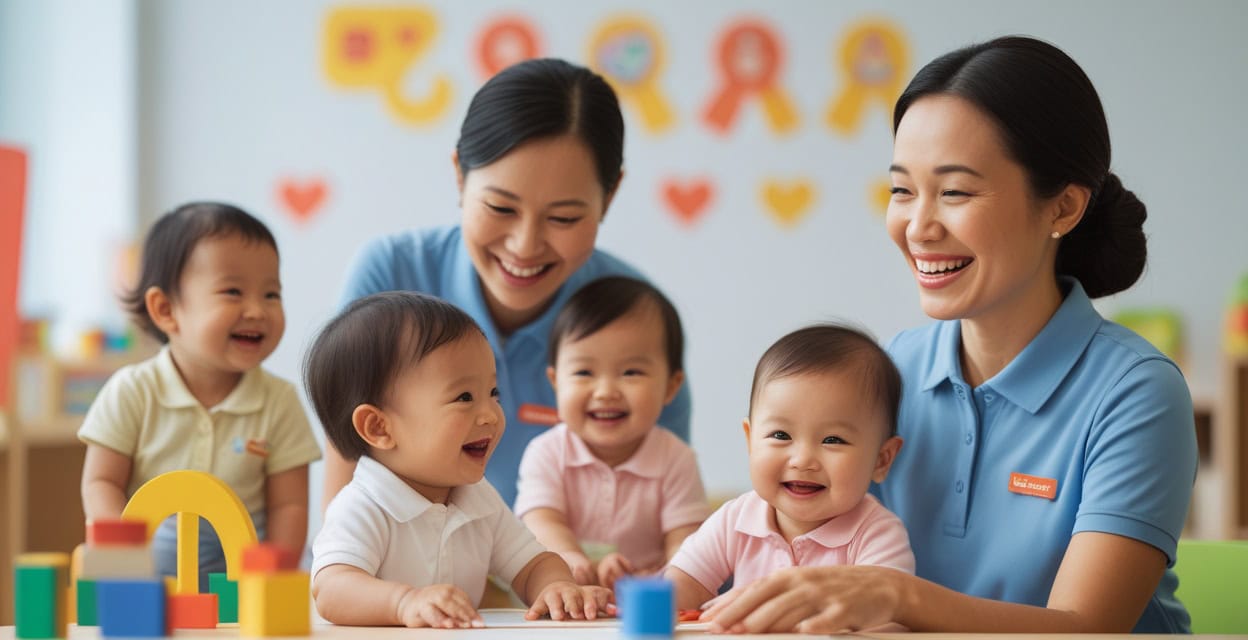
Families today juggle demanding work schedules and the intimate needs of newborns. EduNanny answers with a micro‑pod model that prioritises attachment, intentional learning, and near‑home access. With a 1:3 infant ratio, trained and background‑checked childminders, CCTV in caregiving areas, transparent communications, and a strong emphasis on safety, every pod becomes a trusted space where babies feel secure and families feel supported.
Key insights for families include:
- Near‑home access reduces travel stress for infants and parents, supporting better sleep and alertness.
- Ultra‑low density care strengthens attachment and social‑emotional development through stable, consistent relationships.
- Transparent communication and clear incident protocols build trust and reduce anxiety around early care transitions.
- Affordability within a subsidised framework helps families access high‑quality care without compromising financial stability.
The Five Pillars That Define EduNanny’s Craft
1) The science of tiny groups: attachment as infrastructure
In a pod of three, attachment is deepened, not diluted. Caregivers function as reliable, secure bases, a concept rooted in Bowlby and operationalised by Pikler’s respectful, child‑led approach.
- Continuity of caregiver: Minimise handovers; aim for one reliable adult to foster deep relational trust.
- Predictable transitions: Establish consistent feeding, changing, and settling routines that feel relational rather than procedural.
- Gentle socialisation: Early peer interactions become soothing cues, enabling natural development of turn‑taking, empathy, and curiosity.
Practical example: A caregiver maintains a photo board and a simple daily notebook to capture cues observed across days, helping families see growth trajectories without adding stress to routines.
2) The pedagogy of daily life: learning is woven, not bolted on
EduNanny’s curriculum is a curriculum of care—speech, touch, and playful invitations tailored to each child’s development. The approach is guided by Vygotsky’s zone of proximal development and Montessori’s emphasis on independence.
- Sensorimotor play: Floor time with treasure baskets, cause‑and‑effect toys for grasping and tracking, and activities that build core strength.
- Language bath: Narrated caregiving, culturally rich songs, and simple signs to support communication and emotional literacy.
- Autonomy through setup: Low open shelves, infant‑friendly mirrors, and clearly defined soft zones to encourage exploration within safe boundaries.
- Observation‑driven scaffolding: Planning micro‑goals from observed cues ensures progress is personalised and meaningful.
Practical tip for families: request a short, weekly “micro‑goal” update from the caregiver, focused on one targeted skill (e.g., reaching for objects, vocalising a new syllable) to track progress without overwhelming logs.
3) Safety by design: the architecture of trust
Safety is a culture, not a checklist. EduNanny aligns environments, people, and processes to prevent hazards, prepare for contingencies, and maintain transparency.
- Environment: Baby‑proofed spaces, strict sleep practices (supine, firm mattress, no loose items), and rigorous food safety and allergy management.
- People: Certified infant care specialists, ECDA background checks, ongoing professional development, and ongoing judgment training.
- Protocols and CCTV: CCTV is standard in community spaces; in home pods, cameras are placed in caregiving areas during service hours with consent, balancing safety with domestic privacy.
- Health policies: No Sick Child Policy; clear medication protocols; escalation pathways for health concerns.
Practical tip: ask for a simple incident‑report template and a week‑by‑week health policy overview, so families know exactly how health decisions are made and communicated.
4) Rhythm and happiness: the ecology of calm
Joy in early years is measurable and memorable. Calm babies grow into confident, curious children, and calm adults model co‑regulation that benefits the entire pod.
- Daily cadence: Wake windows, responsive feeding, and age‑appropriate sensory play aligned to each infant’s temperament.
- Emotional climate: Gentle voices, unhurried handling, warm lighting, and a culture of patience that supports self‑regulation.
- Partnership with parents: Concise daily notes on sleep, feeds, nappies, and highlights help families stay connected to their child’s day.
Practical tip: develop a shared “calm signal” between home and pod (e.g., a simple hand gesture or cue for when a baby needs extra soothing). This reduces misreads and supports quicker attunement.
5) The purpose of childminding: a profession of dignity and public value
Childminders are early years professionals whose craft shapes the nation’s future. EduNanny’s role in the ECDA Pilot is part of a broader social initiative to expand safe, high‑quality care and to provide meaningful employment across neighbourhoods.
- Professionally prepared: Standardised training, reflective practice, and ongoing development keep the field modern and rigorous.
- Community anchored: Home‑based and community pods reduce travel burden and support family‑friendly city living.
- Public value: A robust, dignified caregiving workforce strengthens the social fabric and supports child development at scale.
The Benefits of EduNanny at a Glance
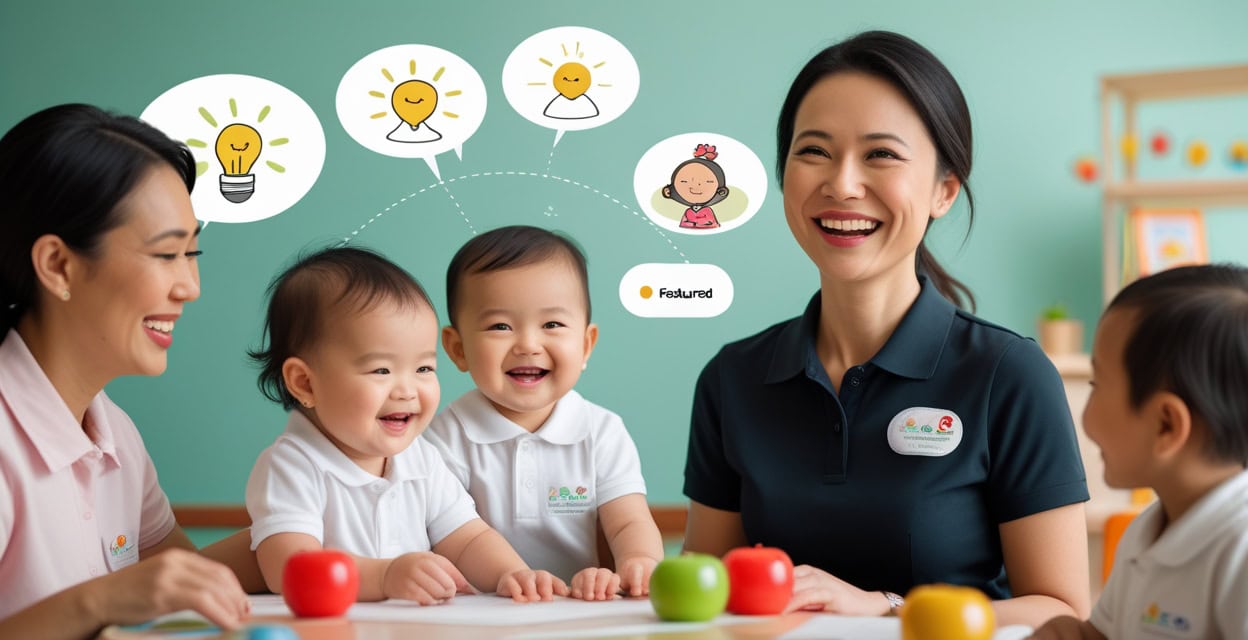
- Ultra low density with an excellent 1:3 infant ratio
- Centre‑style community pods and home‑based pods islandwide
- Monday to Friday, 7am–7pm, with flexible day blocks
- Affordable fees under the ECDA Pilot: 5‑hour half‑day and 10‑hour full‑day options before GST
- Fees payable using CDA/Baby Bonus during subsidised hours
- CCTV provided in caregiving areas with privacy safeguards
- Certified, trained, and ECDA background‑checked childminders
- No Sick Child Policy to protect micro‑pods
- Modern, infant‑centred layouts with strict safety standards
- National initiative with standards, oversight, and accountability
- Near‑home convenience and reduced commute stress
- Transparent communication and clear incident protocols
How the ECDA Childminding Pilot Supports Families
- Eligibility: Singapore Citizen infants aged 2 to 18 months, not concurrently enrolled in ECDA‑licensed infant care centres
- Hours and flexibility: Half‑day (5 hours) or full‑day (10 hours) blocks, 7am–7pm, Mondays to Fridays, excluding public holidays
- Locations: Childminders’ homes or community spaces
- Oversight: ECDA conducts background checks and sets industry standards; operators ensure training, safety, suitability, and quality

Who, What, When, Where, Why: The Purpose of Childminding
- Who: Families needing safe, nearby, consistent care; infants thriving in stable, intimate groups; childminders prepared to serve with skill and heart.
- What: Micro‑pods that transform caregiving into an early learning environment where attachment, autonomy, and curiosity take root.
- When: The first thousand days—when brain architecture is most malleable and responsive.
- Where: In communities where families live—home‑based and community pods that reduce transitions and respect infants’ need for security.
- How: Through rigorous safety, trained professionals, transparent systems, and a caregiving pedagogy that treats daily life as the richest curriculum.

Practical Guidance for Parents: Day One and Beyond
What parents can expect on Day One includes a gentle handover, a familiar item from home, a calm first day, and clear updates at pickup. To help families prepare, consider the following actionable strategies:
- Day‑one readiness: Gather a minimal set of comfort items with familiar textures and scents; communicate a primary routine with the caregiver (feeding cues, nap windows, preferred soothing methods).
- Transition rituals: Create a simple, repeatable goodbye ritual (a kiss, a wave, a hug, and a brief moment of eye contact) to anchor trust.
- Communication channels: Use daily notes or a digital update system to track sleep totals, feeds, nappies, and notable cues; request a weekly progress highlight.
- Naming needs and cues: Teach the child’s caregiver basic signs or gestures that the infant can use for needs and feelings; this accelerates mutual understanding.
- Emergency preparedness: Ensure you know the escalation path for illness or injuries; keep emergency contacts and medical information up to date with the caregiver.

How to Sign Up: Steps to Enrolment
To begin your EduNanny journey, families can follow these practical steps:
- Visit https://edunanny.com/edunanny-ecda-childminding-service/ and fill out the inquiry form, or enquire via WhatsApp from the same page.
- Receive a response from the EduNanny Concierge Team to answer questions and book a site visit.
- Attend a site visit to a home‑based pod or community pod near you to observe layout, safety measures, and caregiver interactions.
- Enrol and align your infant’s routine with the childminder; begin with a gentle onboarding period to establish trust.
- Explore more resources at EduNanny.com and Childminding.EduNanny.com for ongoing guidance and best practices.

EduNanny: A Clear, Transparent Vision for Early Care
EduNanny’s philosophy centres on protecting the bond between caregiver and child, stewarding development, and honouring family rhythms. We believe that dignity and delight belong in the same sentence, and that excellence in care should be accessible and near to home. Our mission is to uphold trust, foster curiosity, and empower families to thrive through thoughtful, evidence‑based practice in every micro‑pod.

Conclusion
There is a quiet nation‑building that happens every weekday morning between 7 and 7, when a trusted adult welcomes a small person with care and intention. In that moment, safety becomes confidence, and confidence becomes curiosity. EduNanny stands ready—with ECDA and fellow operators—to make this promise real for every eligible family seeking dignified, near‑home care. For a daily investment of $33 (before GST) during subsidised hours, your infant can thrive in a pod designed for attachment, exploration, and joy. For parents, transparency. For childminders, professional pride. For Singapore, a foundation worthy of our future.
Let us build it together—one small, steady morning at a time.
[#EduNannySingapore, #InfantCareSingapore, #ECDAChildmindingPilot, #1to3InfantRatio, #NearHomeCare]