Fraud Blocker edunanny.com

Category: Childminding

edunanny-a9b85615-09b4-4137-819c-db2b603bbea8
October 4, 2025

Near Home 1 to 3 The EduNanny Blueprint for Safe Joyful Infancy and Civic Care in Singapore

Introduction: What is EduNanny?

Introduction: What is EduNanny?

EduNanny by BUTLER presents a vision of childminding and infant care that transcends traditional services. It rests on three clear convictions that guide every decision, every space, and every interaction with families and infants:

  • Care must be close, wise, and dependable. Proximity and consistency matter most when children are forming early patterns of safety and curiosity.
  • Safety must be designed into every second, not added as a signboard. Safe environments are created through thoughtful planning, training, and continuous improvement.
  • Development must be joyful, culturally rooted, and guided by evidence. Learning thrives when exploration is supported by relationships, language, and meaningful experiences.

EduNanny operates islandwide in Singapore from Monday to Friday, 7am–7pm, offering both center-based and home-based care in community and home premises. Our model features an ultra-low infant ratio of 1:3, modern layouts engineered for calm and safety, and innovative CCTV that strengthens trust and partnership with families. It is accessible and affordable—from $33/day—and eligible fees may be covered by CDA or Baby Bonus. As a national social initiative participating in the ECDA Childminding Pilot, EduNanny aligns with a Maximum Employment Mandate that uplifts good jobs and dignified work in caregiving across neighborhoods. EduNanny is care as public spirit—a nation-building effort one safe, attuned, and curious infant at a time.

Four Fresh Lenses on Infant Care: Pedagogy, Safety, Development, and the Purpose of Childminding
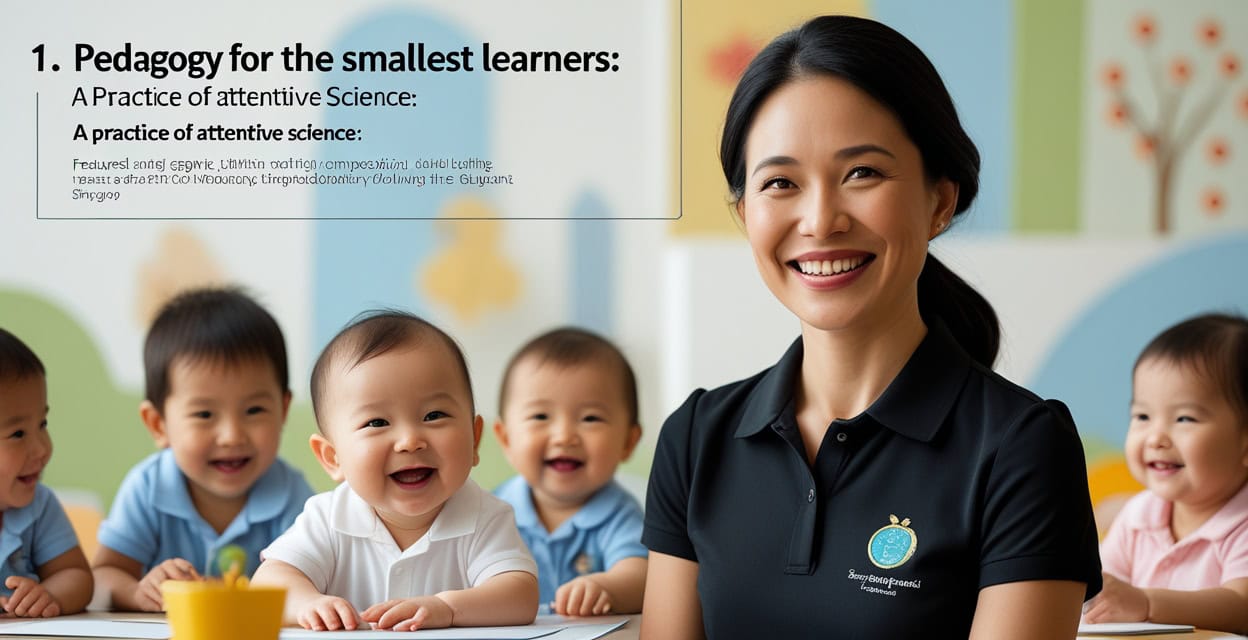

1. Pedagogy for the Smallest Learners: A Practice of Attentive Science

1. Pedagogy for the Smallest Learners: A Practice of Attentive Science

First learning experiences are quiet, relational, and deeply respectful. Our pedagogy blends the best of established approaches—Montessori’s freedom-within-limits, Vygotsky’s guided discovery, Bowlby’s secure attachment, Pikler’s respect for autonomous movement, and Erikson’s emotional foundations. At EduNanny, this becomes a daily practice we call Attend–Name–Nudge:

  • Attend: Notice the child’s gaze, breath, and body—clues to emerging schemas as Piaget described.
  • Name: Put words to feelings and actions; language becomes a bridge, not just a subject.
  • Nudge: Offer the next small challenge inside the child’s zone of proximal development; scaffolding invites growth without rushing.

Floor-level practice includes infants exploring low, open shelves designed for safe choice. Caregivers sit on the ground to be eye-to-eye, responding with warmth and precision. Movement is never rushed; rolling, reaching, pivoting, and cruising are celebrated when bodies are ready. Expect soft narration, careful hands, and rooms paced to infant breath, not adult schedules. This is how curiosity grows with calm rather than haste.

2. Safety by Design: The Tranquility of Good Systems

2. Safety by Design: The Tranquility of Good Systems

Safety that depends on luck is not safety; it’s hope. EduNanny embeds safeguarding from the floorplan to the final handover:

  • People: 1:3 infant ratio, rigorous vetting, ongoing training, reflective supervision, and escalation protocols. We coach for composure because a calm adult creates a safe environment.
  • Place: Modern layouts with clear sightlines, gated zones, firm sleep surfaces, and stable, rounded, accessible furniture. Every item has a purpose and a place.
  • Process: Sleep safety the ABC way (Alone on the Back in a Crib), bottle hygiene, nappy and hand-wash routines, temperature checks, safe baby-wearing, and outdoor guidelines tailored to Singapore’s climate.
  • Transparency: Innovative CCTV supports professional accountability and parent partnership, with clear data governance and privacy standards.
  • Preparedness: Regular emergency drills, incident-prevention audits, and a culture that treats near-misses as lessons, not secrets.

Good safety feels like tranquility, not tension. When safety becomes a rhythm, children and adults can relax—and true learning begins.


3. Development and Happiness: Joy as a Developmental Outcome

3. Development and Happiness: Joy as a Developmental Outcome

Happiness is not a luxury; it is a measurable condition for healthy brain development. We cultivate joy through rhythm, relationship, and rich experience:

  • Rhythm: Predictable flows—feed, play, sleep—that reduce stress chemistry and prime attention.
  • Relationship: Warm, attuned caregiving that fosters secure attachment—the bedrock of resilience and exploration.
  • Rich Experience: Sensory play with natural materials, bilingual songs and stories connected to multicultural identity, tummy-time zones for strength, mirror corners for self-awareness, and open-ended play that invites discovery.

We track development through careful observation and meaningful conversation, not only checklists. Parents receive updates that explain what was tried, what took hold, and what we’ll try next—so home and care environments sing the same song. When infants feel safe and seen, they take cognitive risks, expand motor skills, babble boldly, and laugh with their whole bodies. This is joy with purpose.


4. The Purpose and Profession of Childminding: A Civic Craft

4. The Purpose and Profession of Childminding: A Civic Craft

Childminders are not merely stopgaps in the labor market; they are culture bearers of care. EduNanny invests in the profession with training, reflective practice, and community recognition:

  • Craft and Career: Clear pathways for growth—from trainee to lead caregiver to mentor. Training covers attunement, infant mental health basics, observation, documentation, and family partnership.
  • Community and Employment: A Maximum Employment Mandate that elevates care into good jobs near home, stabilizing families and neighborhoods.
  • Ethical Practice: Boundaries, confidentiality, and shared decision-making with parents. Each caregiver learns to be a steady base—present, patient, and purposeful.

When care is respected and resourced, the child receives the best self. That is not a slogan; it is a daily pattern we see in classrooms, homes, and neighborhoods.


How EduNanny Makes Childminding Great in Singapore

How EduNanny Makes Childminding Great in Singapore

  • Islandwide convenience with center-based and home-based options near where families live and work.
  • Monday–Friday, 7am–7pm coverage that aligns with modern work-life needs.
  • Affordability starting at $33/day, with eligible fees supported by CDA/Baby Bonus.
  • Ultra-low 1:3 infant ratio for safety and individualized attention.
  • Innovative CCTV for trust and transparency alongside privacy safeguards.
  • Modern layouts designed to be calm, uncluttered, and conducive to safe exploration.
  • Participation in the ECDA Childminding Pilot as a national social initiative and contributor to a better caregiving ecosystem.
  • Maximum Employment Mandate creating dignified, local caregiving jobs.
  • Strong family partnership through daily notes, milestone conversations, and responsive adjustments.
  • Distance support—consults, check-ins, and guidance that strengthen home routines.
A Day in the Life: What Families Can Expect

A Day in the Life: What Families Can Expect

A typical day centers on calm, connection, and scaffolding development. Here is a model sequence families can reference when planning daily routines at home and in EduNanny care:

  • Morning welcome: Unrushed greetings, health check, and a gentle handover that honors parental insight.
  • Feeding with attunement: Paced bottle feeds or breastfeeding support; hygiene and timing adapted to the child’s needs.
  • Floor-level exploration: Safe, open-ended play that respects developmental readiness and curiosity.
  • Sensory learning: Textures, music, and light play tailored to the child’s sensory profile.
  • Language and culture: Multilingual songs and stories that reflect home cultures and identities.
  • Outdoor time when weather permits: Shade, hydration, and movement anchors that support physical development.
  • Sleep with dignity: Quiet rooms, safe cribs, individual soothing strategies, and vigilant supervision.
  • Afternoon connection: A second wave of exploration aligned to energy levels and winding-down patterns.
  • Evening handover: Clear notes on progress, next steps, and insight that informs tomorrow’s plan.
Why This Matters Now

Why This Matters Now

Singapore families face growing demands: grandparents assisting longer, parents balancing hybrid work, and infants needing steady care grounded in science and culture. A nation that cultivates creativity and character demands belonging and curiosity from infancy. EduNanny makes that design practical—near home, easily accessible, reliable, and deeply human.
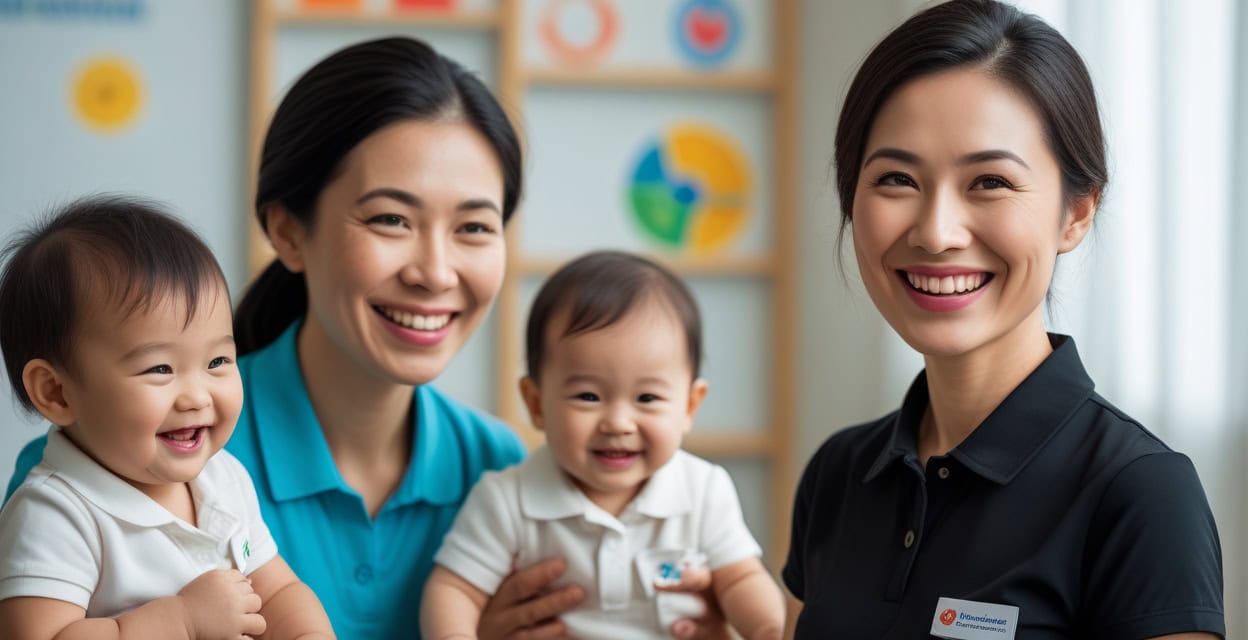

The Practical Promise: Benefits at a Glance

The Practical Promise: Benefits at a Glance

  • Excellence and quality embedded in training, supervision, and everyday routines.
  • Centre-based and home-based options across the island for true proximity.
  • Monday–Friday, 7am–7pm availability to match real working hours.
  • Affordability from $33/day; CDA/Baby Bonus eligibility supported.
  • 1:3 infant ratio for safety and individual developmental attention.
  • Innovative CCTV promoting trust and transparent communication.
  • Calm, modern layouts designed for safe exploration and restful spaces.
  • EduNanny by BUTLER as part of a National Social Initiative under the ECDA Childminding Pilot.
  • Maximum Employment Mandate to create dignified local caregiving jobs.
  • Simple next steps at EduNanny.com and Childminding.EduNanny.com.
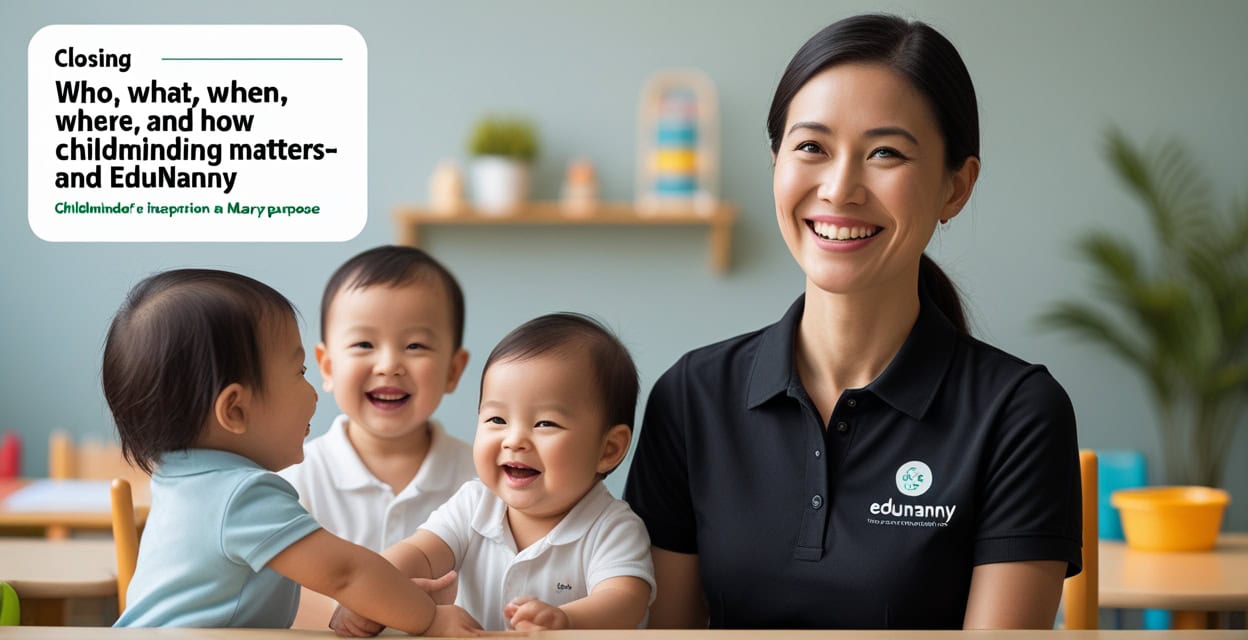
Closing: Who, What, When, Where, and How Childminding Matters—and EduNanny’s Purpose

Closing: Who, What, When, Where, and How Childminding Matters—and EduNanny’s Purpose

Who matters? Every infant, every caregiver, every parent—because early care is a civic ecosystem, not a private errand.

What matters? Safety that’s felt, learning that’s lived, and relationships strong enough to carry a child’s courage into tomorrow.

When does it matter? Now—during working hours, throughout nap times that reset the nervous system, and in the tiny triumphs that signal readiness for more.

Where does it matter? Near home, in centers, in community rooms, and in the everyday spaces where life actually happens.

How does it matter? Through low ratios, thoughtful design, trained and trusted caregivers, transparent systems, and a respectful partnership with families that says, “We see your child as you do: a whole human, ready for wonder.”

EduNanny exists to turn these convictions into daily practice. Our philosophy is simple and ambitious: if we get infancy right—if we align safety, joy, and development with community employment and family convenience—we build not only better childhoods, but a wiser, more gracious Singapore.

So let us keep bending the city down to hear a baby’s breath—and let the infant feel the city answer back: “You are safe. You are seen. You can grow.”

To learn more, visit EduNanny.com and Childminding.EduNanny.com. To enroll, to work with us, or to partner as a community host location, we welcome you. The door is open, the floor is clear, the ratio is low, and the future is wide.


Conclusion

Conclusion

EduNanny is more than a care program; it is a framework for nurturing trust, curiosity, and resilience from the very first months of life. By combining a low 1:3 infant ratio, safety designed into every corner, development-centered pedagogy, and a civic-minded profession, EduNanny creates environments where babies grow with dignity, parents feel supported, and communities benefit from a stable, caring infrastructure. If you are a parent, caregiver, or community partner, consider how these practices translate to your daily routines—from home routines that honor a child’s pace to center experiences that model calm, inquiry, and multilingual roots. The invitation is simple: engage in the conversation, explore EduNanny options near you, and join us in shaping Singapore’s future by investing in its youngest citizens today. The city’s future depends on how gently we hold its youngest hearts—and how boldly we listen to their breath.

Visit EduNanny.com and Childminding.EduNanny.com to learn more, ask questions, and begin a partnership that respects both science and culture.

[#keyword1, #keyword2, #keyword3, #keyword4, #keyword5]
edunanny-c0ae99bb-e30a-44a1-85a2-bf76b4e13493
October 4, 2025

The Living Promise of the First Thousand Days in Singapore

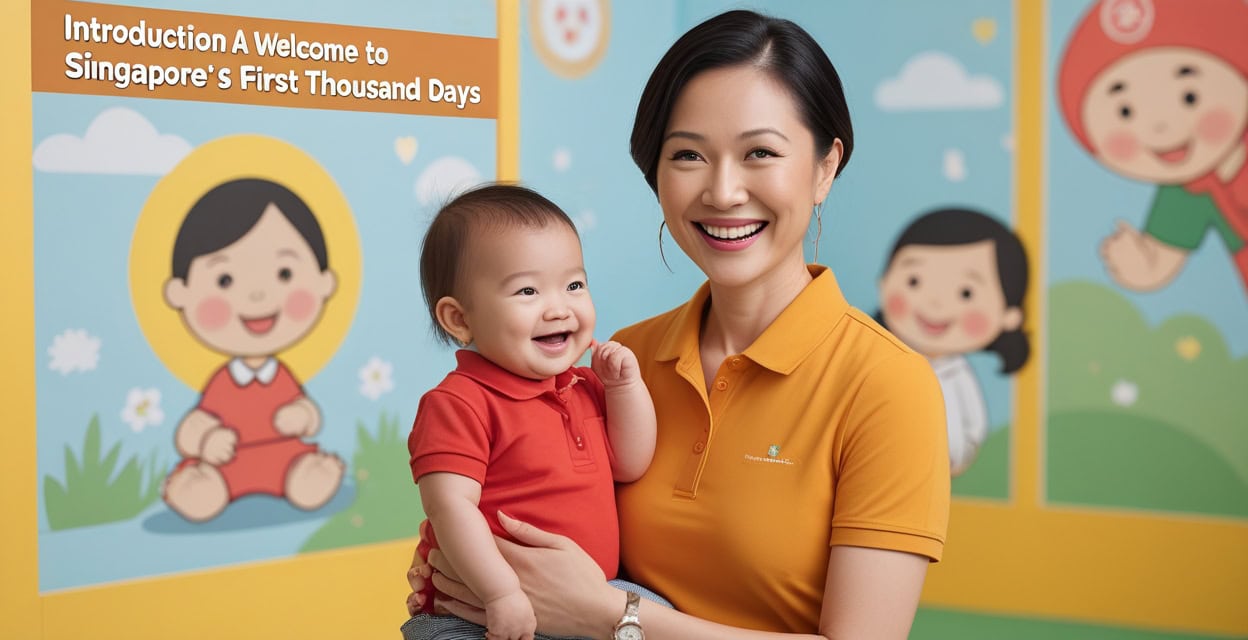
Introduction: A Welcome to Singapore’s First Thousand Days

Introduction: A Welcome to Singapore’s First Thousand Days

Thank you for lending your ears and your hopes to a subject that deserves both: the first thousand days of life. EduNanny—born in Singapore, powered by BUTLER, shaped by science, and sustained by community—stands on the shoulders of giants in early education. Montessori’s respect for the child, Pikler’s trust in self-initiated movement, Piaget’s discovery through play, Vygotsky’s social learning, Bowlby’s attachment, and Erikson’s stages of trust inform our daily care. We translate that wisdom into a calm, safe, and deeply human approach to care that supports confidence, language, empathy, and curiosity from the very start.

We offer a promise to families: every tiny moment in care is a building block. The sound of a caregiver’s voice, the steadiness of a hand at diaper change, the rhythm of naps and feeds, and a room designed for crawling and reaching—all become the curriculum of life. This is how a child’s world learns to respond, and how a child learns to trust the world.


What is EduNanny?

What is EduNanny?

  • Centre-based settings with modern, purpose-built layouts designed for safe exploration and visible learning.
  • Home-based childminding for neighbourhood convenience without compromising quality or oversight.
  • Distance support for parents—tele-consultation, daily updates, and guidance that travels with you.

EduNanny operates Monday to Friday, 7am to 7pm, islandwide across Singapore. We welcome infants at an exceptional 1:3 ratio to safeguard attention, co-regulation, and learning. Our plans are flexible and affordable—from $33/day—with fees payable by CDA or Baby Bonus, subject to prevailing guidelines. We integrate parent-view CCTV with privacy-by-design safeguards and a transparent daily record. We participate in the ECDA childminding pilot (Dec 2024–Dec 2027) as a national social initiative aligned to strengthen early years care and meaningful employment. Through our Maximum Employment Mandate, we professionalise caregiving careers—training, certifying, and uplifting the people who nurture our nation’s youngest citizens.


How EduNanny Makes Infant Care and Childminding Truly Work for Singapore

How EduNanny Makes Infant Care and Childminding Truly Work for Singapore

Care Models That Meet Real Lives

  • Centre-based care brings robust routines, safety systems, and collaborative learning in a guided environment.
  • Home-based childminding places care in familiar neighbourhoods, with the same standards and supervision.
  • Distance support keeps families connected during travel, illness, or busy seasons, with timely updates and expert guidance.

Safety, Ratios, and Design

  • 1:3 infant ratio ensures every child is truly seen and soothed, enabling responsive care and secure attachment.
  • Modern layouts, clear sightlines, safe sleep practices, and clean air and sanitation routines support physical safety and calm exploration.
  • Transparent daily records and parent-view options provide real-time insight and trust.

Safety, Privacy, and Verification

  • Privacy-by-design CCTV and data protections protect families while enabling meaningful observation for safety and development.
  • Double-verification handovers, medication controls, allergy plans, and emergency drills create reliable, repeatable safety routines.
  • Continuous quality improvement cycles ensure care evolves with science and family feedback.

Five Ideas That Shape Our Practice

Five Ideas That Shape Our Practice

1) The Dialogic Minute: Care as Conversation

Every routine is an opportunity to wire the brain for trust and language. Our caregivers follow a simple, evidence-informed sequence:

  • Notice: “I see you’re rubbing your eyes.”
  • Name: “You look sleepy. It’s time to rest.”
  • Nurture: “I’m here. I’ll hold you while we zip your sleep-sack.”
  • Navigate: “We’re placing you on your back in your cot, lights dim. I’ll be right here.”

In a 1:3 environment, these micro-exchanges happen often and intentionally. This is Vygotsky’s social learning in the nursery, Montessori’s respect in routine, and Bowlby’s secure base in action. Over time, infants learn that the world responds, language has meaning, bodies are safe, and calm can be found with another person.

2) Four Rings of Safety: People, Place, Process, Proof

Safety is a system, not a sign on the wall.

  • People: Certified caregivers trained in infant CPR/FA, safe sleep, hygiene, and responsive care; ongoing mentoring, reflective supervision, and structured debriefs after incidents.
  • Place: Floor plans with clear sightlines, anchored furniture, cot areas separated, air quality routines, temperature checks, and secure entries/exits.
  • Process: Double-verification for handovers and medications; safe sleep checks; bottle labelling; allergy plans; emergency drills; incident reporting within defined timeframes.
  • Proof: Parent-view CCTV with robust data protection; daily logs; internal audits; continuous improvement cycles.

3) The “Tiny Lab of Life”: A Micro-Curriculum for Whole-Child Development

In the sensorimotor stage, purposeful exploration is learning. Our day is a gentle arc that respects sleep science, feeding rhythms, and the infant’s natural curiosity:

  • Morning: Warm arrival ritual; floor time for tummy-to-side-to-back transitions; mirror play and object permanence baskets; songs that scaffold turn-taking and sound discrimination.
  • Midday: Unhurried feeds with serve-and-return conversation; tactile play with textures; infant-led gross motor practice (Pikler-inspired principles—no forced sitting or walking).
  • Afternoon: Outdoor strolls or sensory balcony time; peekaboo and simple finger plays; reading routines; co-regulation toward rest.

For older infants, we add social imitation games, early gesture vocabulary, and simple problem-solving trays. This is a practical application of the Zone of Proximal Development (ZPD): just enough support to stretch a new skill, just enough freedom to discover it.

4) Joy as a Safety Signal: The Emotional Climate of Care

Happiness is a sign of nervous system safety. Our caregivers attune to infants’ cues with predictable rhythms, warm tone, and playful invitations to sustain curiosity and reduce stress. We support caregiver well-being through fair shift design, breaks, and peer support—recognizing that regulated adults co-regulate infants. Family rituals—arrival songs, comforting items from home, and a shared family notebook—weave a continuous world for the child and strengthen home-care connections.

5) The Purpose of Childminding: A Civic Engine

High-quality childminding is essential infrastructure. When care is reliable, safe, and nearby, parents work with confidence and infants form secure attachments in stable groups. Our Maximum Employment Mandate expands dignified jobs, professional pathways, and ongoing development for caregivers, supporting both the care economy and family stability. Childminding is not a fallback; it is a frontline investment in a nation’s future.


A Day in the Life: What Families Can Expect

A Day in the Life: What Families Can Expect

Below is a typical day designed to balance routine, learning, and caregiver attention. Adjustments are expected with each child’s needs and family schedules.

  • 7:30am: A gentle hello; quick health check; care plan review; a familiar song. Parent-view update posted after settling.
  • Morning window: Floor play with guided reach-and-roll; caregiver narrates actions and feelings; short, responsive reading moments.
  • Nap: Back-to-sleep in a firm cot; no loose bedding; quiet checks; logged sleep patterns.
  • Feed: Hygiene protocols; paced bottle or supported breastfeeding; eye contact, pauses, and coos to make feeding relational.
  • Afternoon: Sensory exploration (textures, soft brushes, gentle music), outdoor time when possible, and a slow wind-down with familiarity.
  • Evening handover: What we noticed, what we celebrated, and what we’ll try tomorrow—tiny threads that connect home and care.

The EduNanny Advantages—Clear and Practical

The EduNanny Advantages—Clear and Practical

  • Excellence and Quality: A living practice guided by science, refined by reflective supervision, and measured by visible outcomes in calm, curiosity, and growth.
  • Centre-Based and Home-Based: Two high-standard settings supervised to the same rigorous benchmarks.
  • Distance Support: Daily digital updates, parent coaching, tele-consults, and continuity plans for travel or illness.
  • Convenience: Weekdays 7am–7pm, islandwide coverage, neighbourhood options to shorten travel and preserve family life.
  • Affordability: From $33/day, with CDA/Baby Bonus eligibility per policy.
  • Real 1:3 Infant Ratio: Visible, measurable attention and care that families can feel.
  • Parent-View CCTV: Transparent, secure viewing paired with strong data protections.
  • Modern Layouts: Safe sleep zones, sensory corners, movement-friendly floors, and gentle lighting and sound design.
  • EduNanny by BUTLER: Singapore-built platform with professional service standards and a family-centered heart.
  • ECDA Childminding Pilot: Participation within the national framework to raise standards and access.
  • National Social Initiative: Expanding quality care while advancing caregiver employment opportunities.
  • Easy Next Steps: Visit EduNanny.com and Childminding.EduNanny.com to tour spaces, meet caregivers, and review plans.

Why Pedagogy Matters to Safety—and to the Future

Why Pedagogy Matters to Safety—and to the Future

Infants learn first through their bodies and their relationships. When a caregiver narrates a nappy change, the brain links words to actions; when a baby is given unhurried time to roll, balance and confidence develop; when two infants share a caregiver’s rhythm, empathy grows. Repeated with consistency and skill, these moments become the architecture of resilience, laying a foundation for lifelong learning, social competence, and well-being.


What Parents Often Ask—and Our Answers

What Parents Often Ask—and Our Answers

  • “Will my child be safe?” Yes—through systems, not slogans: trained people, designed places, tight processes, and visible proof.
  • “Will my child be happy?” Joy is a sign of nervous system safety. We protect rhythm, relationship, and play so happiness becomes a climate, not just a moment.
  • “Will my child learn?” Absolutely. In infancy, learning looks like curiosity, purposeful movement, shared attention, and secure exploration. Our micro-curriculum is built for precisely that.

Closing: Who, What, When, Where, and How—Why Childminding Matters Now

Closing: Who, What, When, Where, and How—Why Childminding Matters Now

  • Who: Infants, parents, and professional caregivers—each indispensable.
  • What: Childminding that honours attachment, play, and safety as daily practice, not just marketing language.
  • When: The first thousand days—when brains are most plastic, habits are most shapeable, and help matters most.
  • Where: In neighbourhood homes and centres, 7am–7pm, Monday to Friday, islandwide across Singapore.
  • How: With a genuine 1:3 ratio; trained, supervised caregivers; safe-by-design environments; transparent operations; and a curriculum woven into care.
  • Why: A calm, secure start compounds over days to become a confident child, a resilient adult, and a society that trusts itself.

Conclusion: A Practical Vision for Every Family

Conclusion: A Practical Vision for Every Family

Our philosophy is simple: presence before programming; relationship before routine; curiosity before content. Our purpose is sturdy: to give every family a safe hand to hold and every infant a confident beginning worthy of their potential—while lifting up caregiving as a respected, well-supported profession. If this vision matches your hopes, we invite you to see it up close. Visit EduNanny.com or Childminding.EduNanny.com to tour a space, speak with a caregiver, read a daily log, and observe five minutes of care before you decide whether this feels like the world you want your child to greet.

On behalf of every EduNanny caregiver and family we serve, thank you for believing with us that the future is built—quietly, carefully, joyfully—in the cradle. Let’s build it together.

SEO keywords: [#keyword1, #keyword2, #keyword3, #keyword4, #keyword5]


edunanny-70408195-8686-49df-9c28-bbe07ec286a4
October 4, 2025

Near Home, Safe Start EduNanny and the Public Promise of Singaporean Infancy

Introduction: A Subject Close to Home

Introduction: A Subject Close to Home

Thank you for gathering for a subject that is both intimate and immense: how we hold a child at the start, and how that start holds a country together. EduNanny is a Singapore-built, research-led, family-hearted effort delivered by BUTLER, designed to meet the real rhythms of life in Singapore. We exist to ensure that infant care is not merely a service but a public good—center-based, home-based, and distance-enabled care that is excellent, affordable, and close enough to trust. This article expands on our philosophy, practical models, and actionable insights every parent and caregiver can use today.


EduNanny: A Singapore-Built, Research-Led Approach

EduNanny: A Singapore-Built, Research-Led Approach

Our Promise

  • That every infant’s day can be both safe and alive with meaning.
  • That every caregiver can be trained, supported, and dignified as a professional.
  • That every parent can feel both present and unburdened.
  • That a city can be measured by the quality of its quietest rooms—the rooms where babies nap, stretch, gaze, and begin to belong.

Practical Implications for Families

Our promise translates into real, day-to-day practice. Parents can expect transparent safety measures, predictable daily rhythms, and meaningful moments of growth—even within busy schedules. For caregivers, we provide clear career pathways, ongoing training, and a culture of reflective practice. For policymakers and employers, EduNanny demonstrates a scalable model where care quality and employment dignity rise together.


How EduNanny Makes Childminding Great for Singapore

How EduNanny Makes Childminding Great for Singapore

  • Proximity without compromise: Islandwide care from Monday to Friday, 7am–7pm, in community centers and trusted home premises—reducing long commutes and preserving family time.
  • Tiny groups, deep attention: An ultra-low 1:3 infant ratio to ensure every child is seen, understood, and supported as an individual.
  • Safety you can see: Innovation CCTV with privacy-by-design and secure parent access, turning trust into a deliberate system rather than a slogan.
  • Spaces that teach calm: Sleep-safe rooms, soft lighting, and sensory-aware materials designed to educate the environment itself.
  • Excellence that families can afford: Fees from $33/day, with CDA/Baby Bonus support to make high-quality care accessible.
  • A public mission: Participation in the ECDA Childminding Pilot, aligned with national social initiatives and a Maximum Employment Mandate to lift families and create dignified caregiving jobs.

Five Fresh Ideas Shaping Our Care

Five Fresh Ideas Shaping Our Care

1) Micro-Attention as Pedagogy: The Quiet Science of Noticing

Infancy is not about rushing to milestones; it is about being well-met in small, consistent moments. Our educators practice micro-attention—short, frequent cycles of notice, name, and nurture.

  • Notice: Observe cues such as a blink, hand splay, or foot flex to identify readiness or fullness.
  • Name: Label the moment: “You’re turning toward the rattle; you’re curious about sound.”
  • Nurture: Respond with the next right activity—gentle repetition, a restful pause, or a fresh sightline.

These micro-encounters build secure attention, memory, and early language precursors. In a 1:3 setting, practitioners can sustain this all day—five seconds at a time—laying the groundwork for confident learning.

2) Safety That Learns: Anticipatory Design and Transparent Systems

Safety is a living discipline, not a checklist. We embed anticipatory design and transparent systems so families can trust the day-by-day routine.

  • Anticipatory design: Floor-level scanning every hour, safe sleep checks every 10–15 minutes, color-coded zones, and allergen/medication logs verified by two staff.
  • Transparent systems: Encrypted CCTV access for parents, privacy-occluded toileting zones, proactive incident reporting that prioritizes families.
  • People first: Every childminder trained in infant CPR and choking response; daily readiness huddles and reflective debriefs to improve care continuously.

3) Rhythm Builds the Brain: The Architecture of a Trustworthy Day

Predictable days create courageous children. Our daily arc is simple, protective, and developmentally attuned.

  • Arrival Ritual: Warm handover, three questions (sleep, feeding, new observations), wellness checks, and a short sensory greeting.
  • Play Bout, Rest Bout: Short cycles of exploration and recovery—learning happens in waves, not in marathon sessions.
  • Feed With Relationship: Responsive feeding with posture, eye contact, and pacing—whether breastmilk, formula, or early solids.
  • Outdoors or Nature Moments: Fresh air and nature-inspired play—indoors or outdoors depending on weather and space.
  • Unbusy Afternoons: Quiet reading, gentle music, and transitional activities that ease evening routines at home.

Rhythms provide a secure base from which curiosity can grow, and a secure base supports lifelong learning.

4) Joy Is Serious Work: Play-Inquiry for Growing Brains and Brave Hearts

Play is how infants practice life with discovery and without fear. We curate play to cultivate sensory literacy, agency, and social empathy.

  • Sensory literacy: Rattles, fabrics, and textured tools that help the brain file exteroceptive information accurately.
  • Cause and effect: Simple mechanisms (pulleys, boxes, water play) that reveal agency and consequences in safe ways.
  • Social mirroring: Face-to-face games, cooing duets, and peekaboo to rehearse early empathy.
  • Singapore in miniature: Local music, bilingual lullabies, and everyday objects used safely to reflect culture from day one.

5) The Childminder’s Charter: Purpose, Professionalism, Partnership

EduNanny’s childminders are not casual helpers; they are early-years professionals with a clear charter.

  • Purpose: Be a secure base and a skilled guide, not a substitute parent or a screen-only experience.
  • Professionalism: Ongoing training, supervision, reflective practice, and transparent career pathways.
  • Partnership: Daily updates, development snapshots, and coaching for families to align sleep, feeding, and soothing with a family culture.

The Service Blueprint Parents Asked Us to Build—and We Did

The Service Blueprint Parents Asked Us to Build—and We Did

  • Models of care: Centre-based childminding in bright spaces; home-based care in vetted, safety-proofed homes; distance care via virtual coaching, digital diaries, and secure video check-ins.
  • Availability: Weekdays, 7am–7pm, islandwide, with flexible drop-off windows and extended wrap for commuting families.
  • Ratio: Consistent 1:3 infant-to-minder ratio across models.
  • Affordability: From $33/day, with CDA/Baby Bonus support.
  • Technology with a conscience: Dignity-first privacy controls, encrypted storage, and need-to-know access for caregivers and families.
  • Modern layouts: Sleep rooms separated from active play; ergonomic feeding zones; pram parking; safe nappy stations; and quiet reading corners.
  • Public mission: ECDA Childminding Pilot participation and alignment with national social initiatives to raise standards and create local employment.

What This Means for Your Child Today and for Our Society Tomorrow

What This Means for Your Child Today and for Our Society Tomorrow

  • A safer start: Sleep safety, clean air, hygiene rituals, and responsive handling reduce avoidable risk.
  • Faster settling: Predictable care with familiar adults and gentle transitions shorten separation stress.
  • Stronger development: Fine and gross motor skills, language foundations, and social curiosity flourish in micro-groups.
  • Happier homes: A well-supported child returns home ready to engage, feed, and sleep more easily.
  • Stronger communities: Reliable care enables parents to work, caregivers to thrive, and neighborhoods to value their youngest members.

The Promise Behind the Price

The Promise Behind the Price

From $33/day is not a marketing hook; it is a civic decision. Excellence should be accessible to all, not gated by privilege. CDA/Baby Bonus support, aligned hours, and islandwide presence make high-quality care a feasible choice for families across Singapore. When excellence is reachable, families breathe easier, and children grow with confidence in the future.


The Who, What, When, Where, and How of Why Childminding Matters—and How EduNanny Serves

The Who, What, When, Where, and How of Why Childminding Matters—and How EduNanny Serves

  • Who: Infants from birth through the first years, their families, and professional childminders committed to this craft.
  • What: Relationship-centered childminding blending safety, science, and joy across centre-based, home-based, and distance formats with a 1:3 ratio.
  • When: Weekdays, 7am–7pm, with daily rhythms designed to support regulation and growth.
  • Where: Islandwide Singapore—safe, modern spaces and approved homes close to work and community life.
  • How: Trained professionals, anticipatory safety, micro-attention pedagogy, privacy-conscious transparency (CCTV), and strong family partnership—backed by a national pilot and employment mandate.

Our Philosophy and Purpose in One Breath

Our Philosophy and Purpose in One Breath

A baby is not a task to be managed but a person to be met. Meet them well—and they meet the world well. EduNanny exists so that meeting can happen every hour of every weekday, across Singapore, in places designed for tiny bodies and generous beginnings. We do this with excellence because your child deserves it; with affordability because society needs it; with transparency because trust requires it; and with joy because learning loves it.


To Parents, To Childminders, To Employers and Policymakers

To Parents, To Childminders, To Employers and Policymakers

To parents: May you feel both supported and central. Trust that your child’s day is being observed with warmth, expertise, and attention to the smallest cues. Build routines that you can sustain at home and in care, and engage with us as a true partner in development.

To childminders: You are culture-makers. We will train you, protect your time, and celebrate your craft. You deserve professional growth, reflective practice, and a career with meaning.

To employers and policymakers: When care is strong, participation grows and futures brighten. Invest in quality, accessibility, and pathways that lift families and workers alike.

To the infants asleep as we speak: We are building rooms worthy of your dreams—safe, calm, and rich with possibility.


Getting Started: How to Begin with EduNanny

Getting Started: How to Begin with EduNanny

  • Explore programs and enrolment at EduNanny.com.
  • Learn about community childminding at Childminding.EduNanny.com.
  • Ask for centre-based, home-based, or distance options near you.
  • Use your CDA/Baby Bonus to make excellence affordable.
  • Visit a site; meet a childminder; watch safety work in plain sight.

Conclusion

Conclusion

EduNanny stands for a simple, nation-shaping belief: give every child a steady start, and you give every family, every workplace, and every neighbourhood a steadier tomorrow. Let’s hold the beginning with both hands—carefully, confidently, and together. If you are ready to begin, we are ready to welcome you.

SEO keywords: [#keyword1, #keyword2, #keyword3, #keyword4, #keyword5]


edunanny-755023b8-968c-440b-9b5c-222d4b2f1f41
October 4, 2025

The Gentle Architecture of Beginnings A Near Home Civic Care Vision for Singapore First Thousand Days

Introduction: The Gentle Architecture of Beginnings

Introduction: The Gentle Architecture of Beginnings

Good evening to parents, grandparents, childminders, community leaders, and friends of the first thousand days. This article amplifies EduNanny’s vision—a civic-minded promise that begins long before formal schooling and continues through the daily rhythms of care. In Singapore, where the first thousand days shape lifelong well-being, the quiet rooms at dawn, the unhurried gaze between a baby and a carer, and the trust established in micro-moments are not mere routines but a foundation for possibility. EduNanny by BUTLER exists to elevate infantcare and childminding from a service to a shared public good—safe, joyful, affordable, and deeply connected to home and community.


EduNanny: Near-Home Care as Civic Infrastructure

EduNanny: Near-Home Care as Civic Infrastructure

EduNanny is both a practical service and a civic movement. We operate Centre-Based and Home-Based childminding, Monday to Friday, 7am to 7pm, islandwide. We maintain an ultra-low 1:3 infant ratio, design modern, safe spaces, and offer parent-authorized CCTV for transparency. We accept CDA/Baby Bonus and strive to make quality care accessible—from $33 per day. We are part of the ECDA Childminding Pilot and contribute to a National Social Initiative with a Maximum Employment Mandate—creating good jobs while laying the groundwork for strong beginnings. This is the EduNanny difference: a near-home network of human-centered care that turns daily routines into a living curriculum—so infants feel safe, families feel supported, and communities feel proud.


The Four Essentials that Elevate Infantcare and Childminding

The Four Essentials that Elevate Infantcare and Childminding

Proximity: Near-Home, Near-Heart

Proximity is more than geography; it is a design principle for trust and seamless transition. Practical actions for families and caregivers include:

  • Map your day with a near-home base: identify two to three nearby hubs (home-based, community centre, or faith-based spaces) that align with your routines.
  • Plan short handovers: a predictable routine where parents arrive, share a quick health cue, and a caregiver begins a familiar activity—reducing cortisol and easing adaptation.
  • Choose space with clear sightlines and infant-height organization: essential for safety and easy supervision during transitions.

Ultra-Low Ratios: Seeing Every Cue

At 1:3, educators can attend to each infant’s cues with warmth and precision. Practical tips for families and providers:

  • Document daily cues and responses: a simple log helps caregivers celebrate incremental progress and informs home routines.
  • Train carers to observe first, respond second, scaffold third: this creates a reliable loop that strengthens attachment and supports executive function from day one.
  • Design room layouts that encourage independent exploration while ensuring a quick, gentle hand when needed.

Science-Led Pedagogy: Respectful, Singapore-Relevant Practice

Our approach blends globally recognized theories with Singapore’s diverse cultural landscape:

  • Montessori-inspired respect for self-directed exploration within safe boundaries.
  • Vygotsky’s guided participation to scaffold learning through social interaction and caregiver support.
  • Bowlby’s attachment theory to build secure bases that encourage curiosity and resilience.
  • Pikler’s respectful caregiving to honor the infant’s pace and autonomy.
  • Practical adaptation for multilingual and multicultural Singaporean families, including language-rich daily interactions and culturally familiar routines.

Safety by Design: Prevention-Centered Environments and Digital Trust

Safety is proactive, not reactive, and is woven into every layer of EduNanny’s model:

  • Environment: modern layouts, clear sightlines, infant-height organization, and hazard elimination at design stage.
  • Routine: consistent handovers, robust identity verification, regulated ratios, emergency drills, and hygienic protocols tailored to Singapore’s climate.
  • Technology and trust: parent-authorized CCTV, secure digital records for attendance and health, and ongoing training to prevent incidents before they occur.
  • People: rigorous vetting, continuous supervision, reflective practice, and coaching—because safety lives in the calm, competent adult in the room.

Five Fresh Lenses that Define Our Practice

Five Fresh Lenses that Define Our Practice

1) The Attuned Micro-Interactions Method: Pedagogy You Can Feel

Infants learn through relationships before formal curricula. EduNanny’s approach centers on attunement—every serve-and-return exchange is a teachable moment.

  • Observe first, respond second, scaffold third: turning curiosity into competence.
  • Promote uninterrupted, self-directed movement to support motor, sensory, and cognitive growth.
  • Contextual language: name feelings, actions, objects, and intentions to build vocabulary and trust.
  • Invitations to explore: soft materials, open-ended objects, and gentle challenges to foster executive function from day one.

Actionable home application: set aside daily “observation moments” where caregivers narrate your child’s actions during play, then pause to listen for cues and respond with phrases that name feelings and intentions.

2) Safety by Intention, Not Just Inspection

Safety as culture, not a checklist:

  • Environment: infant-height storage, clear sightlines, safe sleep spaces aligned with evidence-based practices.
  • Routine: disciplined handovers, identity checks, regulated ratios, and drills designed to reduce error and promote dignity during diapering and feeding.
  • Technology and trust: CCTV with strong privacy controls; transparent health checks and care notes; ongoing incident-prevention training.
  • People: continuous coaching, reflective practice, and careful supervision to sustain calm, capable caregivers.

Actionable home application: discuss emergency procedures with your caregiver, review daily health checks, and request periodical safety refreshers for all staff.

3) Whole-Child Development: Pathways from Body to Mind to Heart

Movement, attachment, language, and emotion are interconnected pathways, not separate boxes to tick:

  • Movement matters: daily floor time, tummy time as tolerated, reaching, grasping, rolling, cruising—documented as a tapestry of growth.
  • Attachment first: predictable, sensitive caregiving builds a sense of safety that invites exploration.
  • Language and music: songs, rhymes, and responsive talk build neural connections for later literacy.
  • Emotional literacy: co-regulation practices help caregivers share calm through voice, breath, and presence.
  • Outdoor and nature contact: supervised outdoor experiences expand sensory worlds and resilience.

Actionable home application: integrate daily routines that combine movement with language—narrate every action you take and offer choices to promote autonomy within a secure relationship.

4) Joy as a Condition for Learning: Happiness as a Foundational Habit

Joy is not a reward; it is the soil in which learning grows:

  • Measure delight: smiles, playful vocalizations, and engagement with familiar caregivers signal healthy development.
  • Choreograph a balanced day: energizing exploration, restorative rest, warm snuggles, and quiet moments foster sustainable curiosity.
  • Culture matters: multilingual lullabies, cultural festivals, familiar foods, and stories support identity and belonging.
  • Screens: prioritize human interaction; keep screens away in infancy to preserve face-to-face connection as primary learning material.

Actionable home application: create a daily “delight log” that notes moments of joy and what triggered them, then plan future activities around those triggers to sustain enthusiasm.

5) Childminders as Civic Professionals: The Profession as Public Good

Childminding is a dignified, professional vocation that contributes to the nation’s well-being:

  • Structured training, live coaching, and observation feedback create a pathway for continuous growth.
  • Carer well-being matters: regulated, supportive environments sustain calm, confident care for children.
  • Maximum Employment Mandate alignment: secure, meaningful work that strengthens families and communities.
  • Partnership with families: daily notes, photos, and open conversations ensure home and care environments reinforce each other.

Actionable home application: engage with caregivers as co-educators—request weekly summaries, ask questions about the child’s day, and share home experiences to align strategies.


What Parents Can Expect, Every Day

What Parents Can Expect, Every Day

A Predictable Day: Rhythms that Align with Home Life

EduNanny structures days to mirror home routines—feeds, naps, and play in harmonious cycles. Practical tips for smooth days:

  • Ask for a consistent daily timetable that outlines feeding, nap, and play blocks.
  • Request advance notice of handovers to prepare your infant emotionally for transitions.
  • Encourage caregivers to document notable moments and share a short day-end summary to reinforce home routines.

The 1:3 Promise: Attended Cues, Attentive Care

Three infants per caregiver ensures no cue goes unnoticed. How to leverage this in daily life:

  • Discuss signs of fatigue, hunger, or discomfort with your caregiver so responses are timely and consistent.
  • Provide a small set of comfort items and a familiar routine from home to ease transitions.
  • Use the caregiver’s notes to anticipate infant needs before they escalate into distress.

Transparent Partnership: Visibility, Updates, and Escalation

Partnership is built on clear communication and trusted channels:

  • Innovation CCTV with parent authorization provides transparency; review footage as needed, respecting privacy.
  • Regular updates via notes, photos, and brief video clips help families stay connected.
  • A defined escalation pathway ensures questions or concerns are addressed promptly and respectfully.

Formats to Meet Your Family: Centre-Based, Home Base, and Distance Support

EduNanny provides flexible formats to fit varied needs:

  • Centre-Based Childminding: communal spaces for social development, peer modeling, and structured routines.
  • Home Base Childminding: near-home care that respects local culture and neighborhood rhythms.
  • Distance Support: tele-consults and coaching that extend guidance to families with flexible schedules or remote locations.

Practical Accessibility: Hours, Affordability, and Enrollment

Key practicals to plan around:

  • Hours: Monday–Friday, 7am–7pm, islandwide coverage.
  • Affordability: care from $33/day, with fees payable via CDA/Baby Bonus where applicable.
  • Enrollment: straightforward pathways through EduNanny.com and Childminding.EduNanny.com, with clear expectations for intake.

A Day in the EduNanny Way

A Day in the EduNanny Way

A typical day is designed to balance safety, learning, and joy:

  • Arrival: Warm greetings, quick health check, and a respectful handover honoring your infant’s mood.
  • Settling: Familiar songs, preferred comfort items, and a predictable series of floor-time activities aligned with today’s developmental interests.
  • Exploration: Simple, open-ended play with opportunities for fine motor, gross motor, language, and sensory invitations.
  • Co-regulated Rest: Quiet, dimmed sleep spaces with individualized soothing strategies and safe positioning.
  • Connection and Close: Key highlights of the day shared with families, including feeds, naps, and notable discoveries.

Standards, Ethics, and the Singapore Promise

Standards, Ethics, and the Singapore Promise

EduNanny operates by a clear compass designed to protect, uplift, and include every child and family:

  • Excellence and quality as non-negotiable standards across all settings.
  • Proactive safety—visible, ongoing efforts to prevent risks before they arise.
  • Joy as an integral design feature—every activity invites wonder and warmth.
  • Inclusion, dignity, and cultural celebration—every family’s heritage is honored in daily practice.
  • Affordability and access—ensuring that high-quality care is within reach for Singaporean families.

Who, What, When, Where, and How: The Singapore Promise in Practice

Who, What, When, Where, and How: The Singapore Promise in Practice

Who

Infants, families, and the childminders who anchor them. The investment in the adult-in-relationship is an investment in every child touched by that relationship.

What

Attuned, evidence-informed care—relationship-rich, safe by design, and developmentally wise.

When

Now, and every weekday from 7am to 7pm, because reliability is love made practical.

Where

Near home and across Singapore—Home Base Childminding, Centre Based Childminding, and Distance support to meet families where they are.

How

Training, reflection, and transparent systems—supported by innovation CCTV, modern layouts, a 1:3 ratio, CDA/Baby Bonus acceptance, and affordability from $33/day.


Philosophy and Purpose That Guide Us

Philosophy and Purpose That Guide Us

EduNanny’s core beliefs shape every decision and action:

  • We believe the infant’s body is their first classroom; movement and rest are equally valued as learning experiences.
  • We believe attachment is the original safety system; predictable, warm relationships come first, and everything else follows.
  • We believe community is curriculum; the songs, foods, languages, and stories of Singapore belong in our pods and centres.
  • We believe employment is social good; professionalizing childminding dignifies work and stabilizes families.
  • We believe parents are partners; full transparency in how and why, not just what, to support shared goals for children.

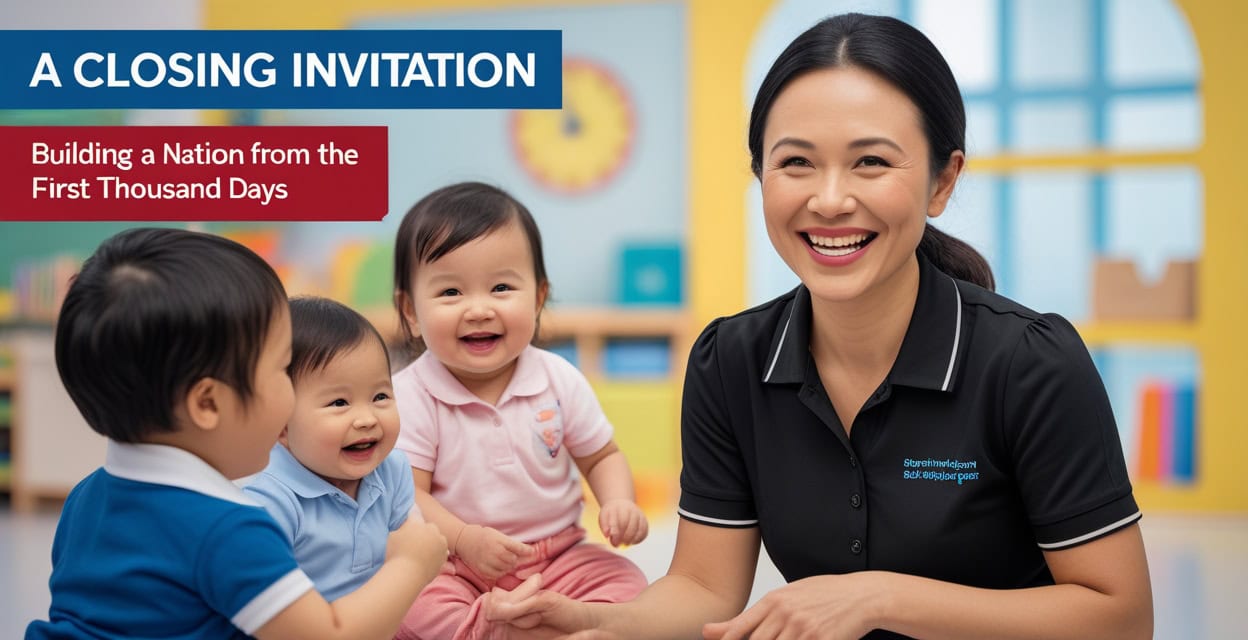
A Closing Invitation: Building a Nation from the First Thousand Days

A Closing Invitation: Building a Nation from the First Thousand Days

If you remember only one line tonight, let it be this: the strongest nations are built in the arms of steady adults. EduNanny exists to train, support, and multiply those steady adults—so every infant in Singapore has a safe place to unfold, a joyful day to look forward to, and a trusted hand to hold.

To learn more, enrol, or explore opportunities to become a childminder, visit EduNanny.com and Childminding.EduNanny.com. We invite you—parents, carers, employers, and neighbours—to help us build this gentle architecture of beginnings.


Conclusion

Conclusion

EduNanny envisions a Singapore where the first thousand days are grounded in proximity, trusted relationships, and developmentally wise care. By combining near-home access, ultra-low infant ratios, science-informed pedagogy, and safety-by-design—supported by human warmth and transparent collaboration—we shape daily experiences into durable foundations for lifelong learning. Parents and childminders are partners in a shared mission: to nurture curious, resilient, and confident children who grow within a community that values dignity, culture, and safety. This is not merely childcare; it is a public investment in Singapore’s future and a humane model for families everywhere.

Join us in this mission. Engage with EduNanny, participate in the dialogue, and be part of the gentle architecture that turns ordinary days into extraordinary beginnings.

[#earlychildhood, #infantcare Singapore, #nearhomecare, #1to3ratio, #safecare] [#keyword1, #keyword2, #keyword3, #keyword4, #keyword5]
edunanny-36e265e7-de2c-4bb0-a1ad-a32f2b20e910
October 3, 2025

Presence Pause Read Respond The EduNanny Way to Safe Joyful Infancy Across Singapore

EduNanny: A Modern, Human-Centered Approach to Childminding in Singapore

EduNanny: A Modern, Human-Centered Approach to Childminding in Singapore

Distinguished parents, neighbours, partners, and friends, thank you for gathering to consider something both ordinary and extraordinary: the way a baby is held, greeted, fed, changed, and soothed—minute by minute—across Singapore. In those minutes, futures are formed. That is the work of EduNanny. EduNanny is a Singapore-born, science-led, heart-forward childminding movement by BUTLER. We operate centre-based, home-based, and distance-support models, Monday to Friday, 7am to 7pm, islandwide. We serve families where they live—in community premises and in carefully prepared homes—so that infants experience consistency, safety, and joy close to the rhythms of their family life. We honour parents with transparency, affordability, and choice: a modern infrastructure made human.


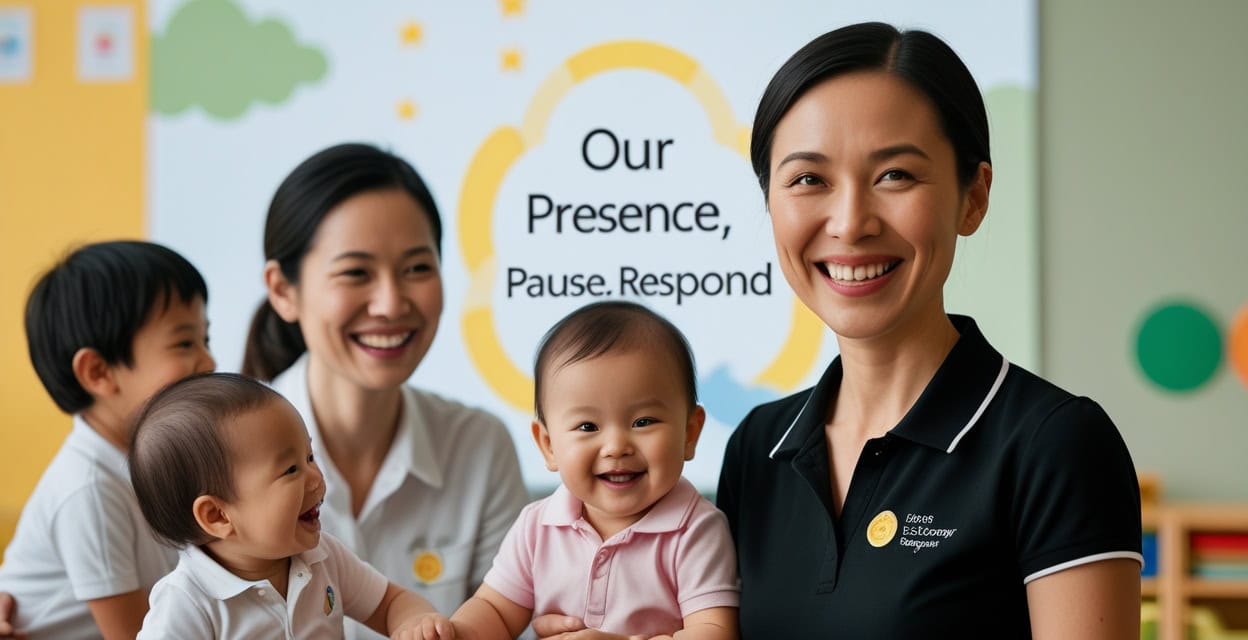
Our Pedagogy: Presence, Pause, Read, Respond

Our Pedagogy: Presence, Pause, Read, Respond

Pause: Presence as Safety

Educators begin with a deliberate breath and a stable posture before approaching the infant. This steadiness communicates safety and prepares the environment for focused listening. Practical steps you can observe in EduNanny spaces include: quiet transitions between activities, low voices, and a calm, unhurried approach to feeds and nappy changes. For parents, the takeaway is to model a calm cadence at drop-off and to notice how your child responds to a steady, predictable routine.

Read: Reading Cues That Speak Before Words

Infants convey readiness, discomfort, curiosity, and need through cues—gaze, hand splay, foot flex, and vocal tone. Our teams train to interpret these signals as a language in itself. Practical examples: long looks signaling curiosity during floor play, a pause in movement when overwhelmed, or a soft whimper indicating a need for gentle touch. For families, this means keeping a brief observational journal at home, noting the infant’s cues and the moments when comfort or challenge arises.

Respond: Thoughtful, Timed Action as Curriculum

Response means matching the child’s state with action—slowing the feed, rolling the toy closer, narrating the nappy change. A 10-minute nappy change becomes language development (“I’m lifting your leg now”), consent (“I’m going to wipe; are you ready?”), and trust (predictable sequence, warm tone). A tummy-time moment becomes agency when we wait an extra beat and let the infant reach rather than rush to fix. Care becomes curriculum when every ordinary care moment holds intentional learning.

Implementation in Daily Practice

  • We document small, meaningful moments to share growth with families—photos, concise observations, and short notes that map the infant’s arc.
  • Staff training emphasises consistency across Centre-Based, Home-Based, and Distance Support models.
  • Parents are invited to participate in reflective conversations about cues and responses, strengthening the home–caregiver partnership.

Safety by Choreography: Designing Safe Routines and Environments

Safety by Choreography: Designing Safe Routines and Environments

Spaces that Sense and Support

Safety is engineered, not merely checked. Our environments prioritise low shelves, rounded edges, breathable sleep surfaces, and floor-based movement zones that encourage exploration while maintaining clear line-of-sight supervision.

Protocols that Travel with the Child

Safe sleep with firm mattresses, feet-to-foot positioning, and face-clear checks; bottle preparation by two-step verification; illness and sanitation routines guided by evidence. These are not static rules but rehearsed routines that staff refine over time.

Technology with Purpose

Innovation CCTV provides secure, consent-based access for families, and time-stamped incident reporting ensures transparency and swift action when needed. This is about trust, not surveillance—allowing families to verify safety while preserving a calm caregiving environment.

People as the Core

  • Aultra-low 1:3 infant ratio enables real supervision, attunement, and timely intervention.
  • Calm-handling training, choking response, and respectful restraint of adult urgency are standard competencies.
  • Continuous coaching supports staff growth, ensuring consistent quality across all EduNanny models.

Development as a Gentle Ascent

Development as a Gentle Ascent

Motor: Movement Before Restriction

Daily floor time with soft obstacles and unlimited safe exploration promotes motor milestones. We celebrate the “almosts”—the near-roll or near-crawl—recognising that each tiny achievement builds the brain’s circuitry for later learning.

Language: Multilingual Start, Identity Through Rhythm

We talk to infants in the languages that shape Singapore—English, Mandarin, Malay, Tamil—so rhythm carries meaning and identity. Home–caregiver interactions reinforce language cues, expanding vocabulary through songs, storytelling, and responsive turn-taking.

Social & Emotional: Co-Regulation as Foundation

Co-regulation is the precursor to self-regulation. A caregiver’s steady face, soft voice, and predictable responses teach infants to return to calm after a moment of arousal. This is the core of early emotional literacy.

Thinking: Play as the Work of Learning

From peekaboo to working memory, object permanence to early logic, and simple choice-making to autonomy, play is the method of learning. We weave small, meaningful challenges into daily routines to illuminate cognitive development without sacrificing joy.

Documentation as Feedback

Progress is visible through quiet documentation: photos, brief notes, and narrative summaries that respect families’ time while keeping parents informed about their child’s arc.


Joy as a Vital Sign

Joy as a Vital Sign

Rhythm: Predictable, Adaptable Days

Infants thrive when their days follow a consistent rhythm—feed–play–rest–outdoor time—adapted to each child’s cues. Predictability reduces stress and supports healthy development.

Sensory Nourishment: A Balanced Sensory Diet

Sunlight, gentle music, and textured experiences nourish senses without overstimulation. Screens are minimised in favour of human connection and hands-on exploration.

Outdoor Time: Fresh Air as Learning Time

Where possible, short neighbourhood walks and courtyard visits provide real-world stimulus and opportunities for language-rich commentary about nature, people, and objects.

Caregiver Wellbeing: The Foundation of Safety

A peaceful, supported caregiver is the best safety device. EduNanny employs staff-supervision models that ensure caregivers are present, attentive, and supported by coaching and reasonable workloads.

From Joy to Routine

Joy is not an occasional moment; it is embedded in daily conditions that invite curiosity, warmth, and trust. We design environments and interactions that invite joy to visit often and linger.


Childminders as Community Weavers

Childminders as Community Weavers

A Public Purpose in a National Context

As part of the ECDA Childminding Pilot, EduNanny advances a National Social Initiative that strengthens families and unlocks employment—creating dignified, professional roles for caregivers while delivering the standard of care families deserve.

Dignified Profession, Clear Pathways

Education, observation-led coaching, and reflective practice underpin career development for childminders. By formalising pathways, we attract skilled individuals who bring heart and expertise to the daily routine of care.

Inclusive and Culturally Attuned

Partnering with families of differing needs and abilities, liaising with allied health professionals, and building a shared language of care across home and service ensure a consistent, inclusive experience. Cultural continuity—songs, stories, and festivals—supports infants’ sense of belonging from day one.

Community-Centric Neighbourhood Care

EduNanny’s design situates care near the home, strengthening trust within families and enhancing neighbourhood resilience. When care is local, connections deepen, and communities grow stronger.


What Families Can Expect from EduNanny

What Families Can Expect from EduNanny

  • Excellence and quality you can feel in the first five minutes of a visit: calm rooms, purposeful caregivers, attentive leadership.
  • Centre-Based Childminding for families seeking a communal, modern space; Home-Based Childminding in carefully prepared homes near you; and Distance Support for families working from home with scheduled check-ins, guidance, and safety planning.
  • Monday to Friday, 7am to 7pm availability across the island, in community and residential premises.
  • An ultra-low 1:3 infant ratio that is non-negotiable.
  • Innovation CCTV for transparent, secure access by families, with PDPA-compliant protections.
  • Modern layouts prioritising natural light, line-of-sight supervision, and floor-based exploration.
  • Affordability from $33/day, with CDA/Baby Bonus support to keep quality within reach.
  • A simple route to start: EduNanny.com and Childminding.EduNanny.com.

Starting with EduNanny: Practical Steps for Parents

Starting with EduNanny: Practical Steps for Parents

  • Visit EduNanny.com or Childminding.EduNanny.com to explore options across Centre-Based, Home-Based, and Distance Support models.
  • Book a tour of a nearby space to experience the environment, observe caregiver interactions, and assess safety features firsthand.
  • Discuss your child’s routine, language needs, and any allergies or health considerations with EduNanny’s team to design a personalised plan.
  • Consider a home-based setup in your estate as a practical choice for continuity of care, while understanding Centre-Based options for social development.
  • Prepare a list of questions for caregivers: daily routine, training, emergency procedures, use of CCTV, and how progress is communicated to you.

Conclusion

Conclusion

EduNanny’s philosophy is both modest and ambitious: to make the smallest gestures—calm greetings, careful feeding, and mindful play—into the bedrock of a flourishing Singapore. We provide excellence close to home, with transparent technology, rigorous training, and a public purpose that elevates families and employment together. If this vision resonates, visit EduNanny.com or Childminding.EduNanny.com, tour a nearby space, or speak with us about preparing a home-based setting in your estate. Let us begin, humbly and resolutely, at the cradle—where the minutes are small and the future is large.

On behalf of EduNanny by BUTLER, thank you for trusting us with your child, your workday, and your hopes. We will meet them with care worthy of Singapore.

[#keyword1, #keyword2, #keyword3, #keyword4, #keyword5]

edunanny-dc19970d-10c9-498b-99ec-439440c6e9a9
October 3, 2025

Fluent Grammar for Early Childhood Care Singapore, Attunement as Everyday Practice for Safe Joyful Learning

EduNanny Singapore: Fluent Grammar for Early Childhood Care

EduNanny Singapore: Fluent Grammar for Early Childhood Care

Good evening, friends, families, and fellow caregivers of Singapore. Before a nation learns to write its story, a child learns to be held. The great early childhood thinkers—Montessori’s respect, Piaget’s discovery, Vygotsky’s guided dialogue, Froebel’s play, Malaguzzi’s hundred languages, Bowlby’s secure base, Pikler’s unhurried movement, Spock’s common sense, and Erikson’s stages of trust—agree on one essential truth: the quality of early care becomes the grammar of a life. EduNanny exists to make that grammar fluent for every infant, every parent, and every neighborhood in our city. This article translates that vision into practical, field-tested guidance for parents and caregivers in Singapore’s dynamic care landscape.


Pedagogy: The Attunement Cycle

Pedagogy: The Attunement Cycle

What is the Attunement Cycle?

The Attunement Cycle is a daily discipline that makes learning relational, not transactional. It is the humane intersection of respect for independence and guided support, where caregivers see and respond with intention.

  • Primary caregiving at 1:3: Each infant has a consistent caregiver who understands cues, reducing stress and building trust.
  • Rhythm-based days: Care, play, and rest follow predictable patterns, helping brains and bodies anticipate and regulate states.
  • Schema play and heuristic exploration: Real-world objects in safe baskets invite mouthing, shaking, comparing, and storytelling.
  • Serve-and-return language: When a baby coos, we answer; when they point, we name; when they pause, we wait with curiosity.
  • Daily micro-reflections: Three minutes for the caregiver to note a moment of fascination and plan extension for tomorrow.

Practical Implementation for Families

How can families adopt the Attunement Cycle at home?

  • Start with a predictable routine: Set three core daily blocks—care, play, and rest—so infants feel secure and curious.
  • Observe before you respond: Spend 60 seconds simply watching a cue before offering an activity or a word.
  • Extend learning with naming: When a child stacks blocks, name shapes, colors, and counts; pause to let them respond.
  • Keep a simple log: A five-minute end-of-day note helps you plan tomorrow’s extension activities.
  • Involve families in attunement: Share a brief “today’s insight” note with caregivers and invite family observation from home.

Safety: Four Rings of Protection

Safety: Four Rings of Protection

Ring One — Environment

Environment is the first line of defense and discovery. Modern layouts with clear sightlines, stable furniture, anchored shelving, gated zones, and dedicated sleep spaces create a safe stage for exploration.

  • Safe-sleep practice: Lay infants on their backs in a clear cot, with breathable bedding and appropriate room conditions.
  • Childproofed zones: Use safety gates, outlet covers, and low-height storage to minimize risk during active play.
  • Adaptive spaces: Design calm corners for quiet listening, book-sharing, and caregiver-led activities, allowing gentle transitions between activities.

Ring Two — Hygiene and Health

Hygiene and health are daily rituals that protect both child and caregiver. Consistency here builds confidence and reduces illness-related disruptions.

  • Hand hygiene as ritual: Hands washed at key moments—before meals, after outdoor play, after diapering.
  • Toy and surface sanitation: Regular cleaning schedules with age-appropriate products; avoid shared gear that isn’t easily sanitized.
  • Bottle and feeding protocols: Safe handling, appropriate temperatures, and allergy-aware practices.
  • Monitoring routines: Daily checks on temperature, breathing, and general well-being; clear escalation paths for parents.

Ring Three — Practice

Careful handling and thoughtful routines support healthy development and posture, while minimizing risk during transitions and routines.

  • Gentle handling: Supportive holds during movement, careful positioning for sleep, and avoidance of propping or unsafe devices.
  • Outdoor transitions: Shade, hydration, and supervision during outdoor activities; adjust plans in heat or rain to maintain safety.
  • Secure pick-up verification: Consistent, documented processes to confirm a child is released only to authorized adults.

Ring Four — Transparency and Governance

Transparency builds trust. CCTV, incident reporting, and ongoing training ensure care is accountable and continuously improving.

  • Secure CCTV with clear guidelines: Oversight while protecting privacy; families have input on how footage is used and who can access it.
  • Plain-language reporting: Incidents explained in accessible terms with steps taken to prevent recurrence.
  • Training refreshers: Regular, bite-sized refreshers on safety, first aid, and child protection policies.

Development: The Play–Work Continuum

Development: The Play–Work Continuum

Play as Serious Work

Infants learn through play that engages their whole being. EduNanny designs activities around the five domains of development while honoring Singapore’s multilingual tapestry and cultural richness.

  • Motor development: Emphasize floor time, safe exploratory movements, and outdoor experiences that respect weather and safety.
  • Sensory development: Use varied textures, lighting, and sound to build sensory discrimination without overstimulation.
  • Language development: Incorporate songs in home languages, routine naming during diapering and feeding, and gestural communication that matures into words.
  • Social–emotional development: Practice shared attention, turn-taking, and gentle guidance that supports self-regulation.
  • Early thinking: Introduce object permanence, cause-and-effect play, and simple problem-solving through guided exploration.

The Five-Second Windows

Young brains wire best with brief, timely cues. A caregiver’s nod, a word, or a smile within a five-second window can anchor confidence and curiosity.

Practical Home Activities

  • Cause-and-effect play: Stacking cups, motion toys, and simple puzzles with guided support.
  • Schema-rich exploration: A basket with safe household objects (soft fabrics, wooden spoons, bowls) for tactile discovery.
  • Daily micro-reflections: End-of-day notes on what fascinated the child and how to extend it tomorrow.

Happiness and Belonging: Joy as Baseline

Happiness and Belonging: Joy as Baseline

Joyful Care as a Core Principle

Joy is not the reward after care; it is the foundation of secure attachment and healthy development. Safety paves joy, and joy reinforces trust in every interaction.

  • Predictable greetings and departures: Rituals for reunification that reduce separation anxiety and foster a sense of belonging.
  • Care as curriculum: Everyday routines—feeding, bathing, diapering—are moments for reciprocity and learning, not interruptions.
  • Music, movement, and sunlight: Regular access to singing, dance, and natural light supports mood and circadian rhythm.
  • Family partnership: Daily notes, consented photo sharing, and culturally respectful practices that honor family values and hopes.
  • Gentle guidance: A calm, consistent tone that avoids shaming and supports steady autonomy development.

The Professional Childminder: A Civic Craft

The Professional Childminder: A Civic Craft

Valuing Caregivers as Professionals

Great childminding is a profession with training, mentorship, and clear progression. EduNanny contributes to Singapore’s national initiative by elevating caregiving as dignified work, fostering career ladders, and recognizing excellence through certifications and ongoing development.

  • Training and mentorship: Comprehensive modules on observation, safe handling, play-based pedagogy, and family collaboration.
  • Certification pathways: Structured progression that encourages skill-building and professional recognition.
  • Ethical standards: Privacy, transparency, and respectful engagement with families and communities.
  • Impact on society: A stable, skilled workforce supports families, employers, and national well-being.

What It Looks Like for Families, Practically

What It Looks Like for Families, Practically

Access and Convenience

Islandwide options at community centers and home-based settings, with center-based sites designed for modern learning. EduNanny operates Monday–Friday, 7am–7pm, to align with work and family life.

  • Multiple pathways: Center-based, home-based, and distance-supported guidance to fit diverse family needs.
  • Proximity and quality: Care that is near home or work yet meets the highest professional standards.

Affordability with Dignity

Quality care should be accessible. EduNanny offers fees from $33/day, with options to pay through CDA/Baby Bonus schemes to ease financial planning for families.

  • Transparent pricing: Clear breakdowns of services, with predictable monthly costs.
  • Flexible plans: Packages that align with work schedules and family income.

Ultra-Low Ratio

A 1:3 infant-to-caregiver ratio ensures each child is known, understood, and supported in real time.

  • Consistency matters: Regular caregivers reduce stress and support consistent development trajectories.
  • Individual pacing: Care plans tailored to each child’s pace of learning and comfort with new experiences.

Transparency with Care

Secure CCTV and clear communication provide visibility while respecting privacy, so families feel informed and included.

  • Ethical CCTV: Oversight that protects children without compromising trust or family privacy.
  • Accessible reports: Plain-language updates on daily progress and safety measures.

Multiple Pathways and Distance Support

For families who value in-home intimacy or need guidance at a distance, EduNanny offers flexible solutions that stay aligned with national standards.

  • Center-based care: Social learning in a thoughtfully designed environment with trained caregivers.
  • Home-based care: Small-group learning that mirrors family dynamics and block-based routines.
  • Distance-supported guidance: Virtual coaching, development plans, and remote consultations to keep families engaged.

A Unified Promise

Behind every door—center, registered home setting, or distance channel—the EduNanny standard remains the same: safety by design, pedagogy by research, and relationships by heart.


Five Straightforward Questions

Five Straightforward Questions

Who makes childminding matter?

Infants whose brains are rapidly forming; parents who pursue work and well-being with daily intimacy; professional childminders who convert routine moments into breakthroughs; employers and communities who benefit when families are supported and hopeful.

What is childminding, at its best?

Responsive, professional caregiving that integrates safety, development, and joy. It is not babysitting; it is the daily architecture of attachment and early learning.

When does it matter most?

In the first years when trust forms, language blooms, and movement organizes the mind; during life transitions such as returning to work, a new sibling, or relocation. Care is needed at 7am, 7pm, and in the quiet moments between.

Where should it happen?

Close enough to be part of family life, yet built to national standards—registered home environments, well-designed centers, and supportive distance channels that bring guidance into the living room.

How do we make it real, every day?

Through a 1:3 ratio, modern layouts that permit safe exploration, trained observation and gentle handling, secure CCTV with ethical privacy, and affordable options supported by programs like CDA/Baby Bonus. A workforce strategy that honors childminders as skilled professionals closes the loop between policy and practice.


Conclusion

Conclusion

In EduNanny’s view, the measure of a society is how it greets its youngest citizens. By holding the child with skill and warmth, holding the parent with respect and clarity, and holding the community with purpose, we turn small moments into mighty outcomes. If EduNanny’s approach resonates, explore EduNanny.com or Childminding.EduNanny.com for options near you, whether center-based, home-based, or distance-supported. Learn about availability, the ECDA Childminding Pilot, and how CDA/Baby Bonus can simplify fees. Let Singapore’s earliest care be a shared commitment—excellent care that families feel, safety they can trust, and joy children remember, in the hands of professionals who know that the smallest embrace can open the largest future.

Thank you.

[#keyword1, #keyword2, #keyword3, #keyword4, #keyword5]

edunanny-041f591d-1451-4893-a112-8fa41357c0ab
October 3, 2025

EduNanny by BUTLER The Attunement Roadmap to Safe Joyful Infancy in Singapore

EduNanny by BUTLER: A Bold Vision for Infants and Families in Singapore

EduNanny by BUTLER: A Bold Vision for Infants and Families in Singapore

The smallest hands hold the largest promise. EduNanny is designed to protect that moment, multiply it, and make it reliably available to every family in Singapore. This article expands the keynote into a practical, actionable guide for parents, caregivers, and communities who want to understand what high-quality infant care looks like in daily life—and how to partner with EduNanny to support child development from the very first days.


The Attunement Pedagogy: Observe, Tune, Invite

The Attunement Pedagogy: Observe, Tune, Invite

Education in the earliest months is less about instruction and more about relational artistry. The Attunement Pedagogy foregrounds presence, responsiveness, and purposeful opportunities for learning within a calm, predictable routine.

Observe: Presence as Foundation

  • Caregivers read infant cues with patience, noting gaze, breath, and micro-signals between sounds. Observation becomes a living story of each child’s rhythms and interests.
  • Practical example: Maintain a simple observation journal during the day—one newborn cue you notice, the context, and how you responded. Review weekly to identify patterns and adjust routines accordingly.

Tune: Respond with the Child’s Tempo

  • Caregivers respond with slow hands, warm voice, and predictable touch. Narration of routines helps infants experience caregiving as partnership rather than procedure.
  • Practical example: When a baby pauses before a smile, extend a soft greeting and wait a beat to allow joint attention to blossom before continuing feeding or a diaper change.

Invite: Purposeful, Simple Materials

  • Provide carefully selected materials and change only one variable at a time to support just-enough challenge and sustained curiosity.
  • Practical example: Offer a single safe mirror or a cloth with texture once per session, observe the child’s response, and gradually rotate materials to avoid overwhelm.

The Attunement Pedagogy integrates Piklerian respectful caregiving, Montessori prepared environments, and Vygotskian scaffolding—translated for Singapore’s daily life. It protects curiosity and nurtures agency from the very first interactions.


Safety as a System, Not a Slogan

Safety as a System, Not a Slogan

Safety is the bedrock of trust and learning. EduNanny treats safety as a comprehensive system—design, practice, and transparency working in harmony.

Design Safety: Environment as Developmental Nutrient

  • Centre-based and home-based spaces feature uncluttered layouts, soft lines, low-light glare control, stable furnishings, and clearly defined safe zones that encourage movement without hazard.
  • Practical tip: Create a small, dedicated safe play area at home with a low shelf, a soft mat, and a few open-ended toys to reduce overstimulation during transitions.

Practice Safety: Hygiene, Routines, and Handovers

  • Hygiene protocols, routine handwashing, and consistent handovers reduce the risk of illness while modeling healthy lifelong habits.
  • Practical tip: Establish a simple pre-shift checklist for caregivers and a post-shift debrief to ensure continuity of care and quick identification of any concerns.

Transparent Safety: Visibility, Data, and Consent

  • Innovation-led CCTV with consent and robust data safeguards provides transparent visibility. Supervisors use structured observation tools, and families receive timely updates.
  • Practical tip: Agree on a simple “two-way updates” cadence—brief daily notes and a weekly photo summary—so families feel connected without feeling overwhelmed.

Ratio Safety: Deep Attention for Each Child

  • The 1:3 infant-to-caregiver ratio is a deliberate design choice to enable unhurried feeding, safe movement, and meaningful conversations with families.
  • Practical tip: During peak hours, schedule caregivers to focus on one infant with extra support for transitions, ensuring every child receives individualized attention.

Safety is the soil from which development grows. With it, infants dare to explore; without it, pedagogy cannot flourish.


The Whole-Child Milestone Lattice

The Whole-Child Milestone Lattice

Development is a lattice of interwoven strands rather than a single ladder. EduNanny’s approach nurtures attachment, communication, movement, thinking, and self-care in harmony.

Attachment and Emotion

  • Consistent caregiving, clear greetings and goodbyes, and rituals help infants feel secure as a base for exploration and learning.
  • Practical activity: Create a predictable goodbye ritual (a wave, a song, and a special touch) to ease transitions and build trust.

Communication

  • Responsive soundscapes, mirroring of facial expressions, and reading board books with expressive cadence support language development and social bonding.
  • Practical activity: Narrate daily moments—“You’re reaching for the red ball”—to connect language with action and emotion.

Movement

  • Safe floor time emphasizes rolling, pivoting, creeping, pulling, and cruising. Equipment is minimal and purposeful to encourage exploration.
  • Practical activity: Design a short movement circuit on the floor with soft mats, a low incline, and a mirror to celebrate new skills as they emerge.

Thinking

  • Cause-and-effect play, early categorizing, and simple sequences build memory and problem-solving through joyful experimentation.
  • Practical activity: Offer hide-and-reveal activities with safe containers to invite prediction and curiosity.

Self-Care Foundations

  • Unhurried routines for diapering, feeding, and dressing become rich classrooms for autonomy where infants participate and contribute.
  • Practical activity: Involve the child in simple choices—“Would you like to hold the bottle or be fed from the spoon?”—to foster agency.

The lattice respects individual pacing. The result is sturdy competence and quiet pride that grows from secure roots.


The Joy Protocols: Happiness You Can Feel and Measure

The Joy Protocols: Happiness You Can Feel and Measure

Joy is not an accident; it is designed into the day. Joy Protocols translate happiness into observable, developmental outcomes.

Predictable Rhythm, Flexible Edges

  • Infants thrive on sequence with gentle flexibility for feeding cues and naps. Maintain a predictable structure while honoring the child’s rhythm.
  • Practical activity: Use a simple daily rhythm poster in the care space to help families see the day at a glance and anticipate transitions.

Sensory Sanity

  • Natural textures, gentle contrasts, soft voices, and outdoor time support focus and sensory processing. Fewer toys, more wonder encourages sustained attention.
  • Practical activity: Rotate a small set of textures weekly and incorporate nature-based materials such as leaves, wood, and water play in a controlled setting.

Social Warmth

  • Small groups (never more than three infants per caregiver) promote turn-taking, joint attention, and early friendships.
  • Practical activity: Facilitate guided “share a toy” moments to build early cooperation and empathy.

Family Bridge

  • Parents receive meaningful updates with empathy and clarity—photos showing concentration, brief notes on new abilities, and a shared sense of progress.
  • Practical activity: Create a monthly “milestone snapshot” for each child that families can store and reflect on together.

Celebration of Small Wins

  • Mark the first reach, gaze, or shared laugh—celebrated with families as milestones of humanity, not mere checkboxes.
  • Practical activity: Maintain a “joy journal” with a short sentence about a positive moment each day to reinforce positive associations with learning.

Joy is both a daily outcome and a developmental driver. A happy infant learns more because learning is experienced as attuned partnership, not entertainment.


The Purpose of the Childminder: A Civic Professional with a Tender Craft

The Purpose of the Childminder: A Civic Professional with a Tender Craft

EduNanny positions childminders as professionals practicing a public good. This is both a vocation and a community service—where dignity, career growth, and trusted family partnerships converge.

A Defined Vocation

  • Each caregiver holds a clear role, code of practice, and pathway for growth. Ongoing mentoring, reflection, and supervision are integral to the weekly routine.
  • Practical tip: Encourage caregivers to maintain personal reflection journals and to participate in monthly peer dialogue circles to share insights and challenges.

A Community Anchor

  • Centre-based and home-based options bring care closer to where families live and work. Islandwide availability reduces commute time and supports family wellbeing.
  • Practical tip: Map out local community hubs and collaborate with neighborhood organizations to create consistent, trusted care options in every district.

A National Social Initiative

  • Aligned with ECDA’s Childminding Pilot and a maximum employment mandate, EduNanny dignifies caregiving work, creates meaningful jobs, and builds local expertise.
  • Practical tip: Families can participate in feedback loops and volunteer opportunities to strengthen the public value of caregiving careers.

An Ethical Partner to the Family

  • Caregivers honor family culture, routines, and hopes, becoming guests in the child’s story and stewards of trust.
  • Practical tip: Start a family-cultural profile—favorite phrases, bedtime rituals, and preferred languages—to guide caregivers in daily routines.

When caregivers are respected and supported, infants feel it. Professional dignity translates into infant security and long-term developmental advantage.

  • Availability and Convenience: Monday to Friday, 7am–7pm, with centre-based and home-based options islandwide to fit diverse family needs.
  • Ultra-Low Ratio: A consistent 1:3 ratio enables deep attention during feeding, nap, and play times.
  • Transparent Design: Innovation-led CCTV with consent, modern layouts, and clear, respectful updates to families.
  • Flexible Access: Centre-based, home-based, and distance-supported engagements for transitional support or virtual check-ins.
  • Affordable Excellence: Options from $33/day, with fees payable by CDA/Baby Bonus, making high-quality care accessible.
  • One Movement, One Standard: EduNanny operates within ECDA’s Childminding Pilot to widen access, raise quality, and expand employment opportunities.

This section translates philosophy into everyday experiences for parents and caregivers, with concrete expectations and practical examples.

A Typical Day: Structure and Flow

  • 7:00–9:00 am: Arrival, calm greeting rituals, and individualized routines (feeding, diapering, and gentle play).
  • 9:00–11:00 am: Attunement play, floor time, and explorations designed to spark curiosity while ensuring safety.
  • 11:00 am–1:00 pm: Feeding, nap preparation, and quiet wake-times with sensory-rich environments.
  • 1:00–3:00 pm: Mobility activities, supervised exploration, and small-group interactions to foster social skills.
  • 3:00–5:00 pm: Language-rich activities, storytime, and reflective caregiver updates for families.
  • 5:00–7:00 pm: Departure routines, brief day-end notes, and transition planning for families’ evening schedules.

What Parents Receive: Updates, Access, and Peace of Mind

  • Real-time visibility through consent-based CCTV and structured caregiver observation tools.
  • Concise, meaningful updates: a short sentence capturing a new milestone, a photo, and a note about the day’s rhythm.
  • Open channels for questions, concerns, and celebrations—supporting families in partnership with educators.

Home-Based and Community-First Implementation

  • Care options in residential areas reduce travel time and improve punctuality of feeds and naps, supporting a stable daily rhythm.
  • Community partnerships enable care in familiar neighborhood spaces while preserving safety and quality standards.

For families considering EduNanny, practical steps help ensure a smooth transition and a strong foundation for child development.

Questions to Ask During Tours or Meetings

  • What is the exact caregiver-to-infant ratio for different times of day, and how is coverage ensured during breaks?
  • What is the daily routine, including nap times, feeding cues, and sensory activities?
  • How is privacy and data security managed for CCTV and parent access?
  • How are home languages and family cultures incorporated into daily care?
  • What professional development opportunities exist for caregivers, and how is quality maintained?

Preparing for the Drop-Off: Practical Transitions

  • Introduce the caregiver to your child gradually with short visits to establish familiar faces and routines.
  • Provide a small “child’s book” with familiar photos and comfort items to ease separation anxiety.
  • Share a one-page daily routine and milestone sheet to align expectations and celebrate progress.

Home Practices that Complement EduNanny Care

  • Establish predictable mealtime and nap routines at home to reinforce the child’s sense of security.
  • Engage in language-rich activities, reading aloud in home languages and narrating daily actions to support early literacy.
  • Practice slow, affectionate handling and gentle, respectful communication to mirror EduNanny’s attunement approach.

EduNanny is committed to affordable, high-quality care that respects families, supports caregivers, and strengthens communities. By combining a rigorous safety framework, a holistic development lattice, and a joy-forward daily routine, EduNanny helps families invest in a child’s most formative years with clarity and confidence.


Closing: A Call to Partnership and Action

Closing: A Call to Partnership and Action

To every parent: your child’s growth is our syllabus. To every caregiver: your calm, skilled presence is a public treasure. To partners in government and community: thank you for believing that quality care can be both excellent and accessible. The smallest hands hold the largest promise. Let us meet that promise with quiet skill, transparent care, and everyday joy.

To begin, visit EduNanny.com or Childminding.EduNanny.com. We are ready—Mondays to Fridays, 7am to 7pm, islandwide—to welcome your child, partner with your family, and serve Singapore with excellence, quality, convenience, and heart.


Conclusion: A Reflective Ending and Call to Action

Conclusion: A Reflective Ending and Call to Action

In envisioning EduNanny, we imagine a Singapore where infant care is both science and heart—where safety is a plan, development is a lattice, and joy is a daily practice. This is not merely a service; it is a commitment to every family’s peace of mind and every child’s right to dignified, loving care. We invite you to participate in this movement—choose a path that fits your family, engage with caregivers as true partners, and watch your child flourish in a community that values them from first light to first steps.

SEO keywords: [#InfantCareSingapore, #AttunementPedagogy, #ChildminderProfession, #SafetyInChildcare, #EduNannyPilot]


edunanny-841dcb68-688c-460a-bdbf-8d125de4ed63
October 3, 2025

Near Home 1 to 3 The EduNanny Standard for Safe Joyful Infancy in Singapore

EduNanny: Proximity, Ratios, and Transparency — A New Standard for Infant Care in Singapore

EduNanny: Proximity, Ratios, and Transparency — A New Standard for Infant Care in Singapore

Thank you for joining in shaping the future of infant care in Singapore. EduNanny is designed for the critical first thousand days—the period when the brain is writing its lifelong operating system. Our model blends the science of development with the art of human presence, delivering a standard of care that can be near every home across our island. This article expands on the vision, pedagogy, safety systems, and practical steps families can use to nurture calm, curious, and confident infants from day one.


The EduNanny Pedagogy: See, Soothe, Seed

The EduNanny Pedagogy: See, Soothe, Seed

At the heart of EduNanny is a deliberate, relationship-first approach that translates a century of developmental insight into everyday practice. Our See, Soothe, Seed framework guides caregiver actions and daily routines.

  • See: Observe closely, without rush or judgment. Read cues—eye gaze, breath, hand movements—and respond to the infant’s pace rather than the clock. Practical tip: keep a simple cue log during the day and note how infants initiate interactions—this informs responsive timing for routines and play.
  • Soothe: Co-regulate before you stimulate. Security births exploration. In practice, establish predictable routines, gentle touch, and a familiar adult in a small pod. Practical tip: develop a 2–3 minute pre-activity routine (hug, gaze, soft talk) to help the infant transition into activity.
  • Seed: Offer the next right challenge. Use scaffolded experiences—treasure baskets, soft ramps, sensory play, gentle turn‑taking, and multilingual songs. Practical tip: rotate a small set of play materials weekly to provide new challenges without overwhelming the infant.

With a 1:3 ratio, educators narrate caregiving, track micro-milestones, and tailor environments to each child’s zone of proximal development. Learning becomes the air of the day, not a single event.


Safety as a System, Not a Slogan

Safety as a System, Not a Slogan

Safety is a living architecture that starts before a child arrives and remains active long after pickup. EduNanny’s safety model rests on four rings: People, Place, Process, and Proof.

  • People: Rigorous staff selection, infant-first training, paediatric first aid and CPR, supervision ratios that exceed common standards, and reflective coaching to prevent complacency. Practical tip: require a standardized onboarding checklist for all caregivers and monthly refreshers on safety topics.
  • Place: Safe sleep by default (supine, firm mattress, no pillows or loose blankets), hazard‑mapped rooms, air quality checks, heat/haze protocols, secure entry, and layouts designed for calm and micro‑movement. Practical tip: conduct quarterly safety walkthroughs with families to review room layouts and sightlines.
  • Process: Digital health and hygiene checklists, feeding logs, medication double-checks, incident reporting with root‑cause analysis, evacuation drills, and a duty‑of‑care rhythm practiced regularly. Practical tip: use a simple daily health check app for quick parent–caregiver handovers and concerns.
  • Proof: Privacy-respecting CCTV in designated areas, regular audits and coaching, daily family briefings, and transparent data that turn promises into evidence. Practical tip: publish quarterly safety and quality snapshots for families and the community.

In safety, repetition shapes excellence. The goal is a predictable, trustworthy environment where caregivers are continually reflecting and improving together with families.


Developmental Windows, Everyday Practice

Developmental Windows, Everyday Practice

Infants learn through the rhythm of daily life. Care routines are opportunities for learning, not interruptions to development. EduNanny integrates core developmental domains into everyday moments.

  • Motor: Prioritize floor time, free movement, and minimal propping. Prioritize tummy time as relational and progressively challenging to build core strength that supports later speech and attention. Practical tip: embed short, unhurried movement breaks between activities and model safe mobility on a soft mat.
  • Language: Warm, responsive talk with multilingual exposure reflects Singapore’s diversity. Narrate experiences, pause for child responses, and model turn‑taking. Practical tip: pair daily routines with language cues (e.g., during feeding say the steps in English, Mandarin, Malay, or Tamil as appropriate).
  • Self-regulation: Gentle transitions, dim lights before sleep, and predictable routines cultivate calm neural pathways. Practical tip: establish a simple ‘comfort routine’ before nap and use a consistent transition song or phrase.
  • Nutrition and Rest: Responsive feeding and safe sleep practices are foundational to growth. Practical tip: observe hunger and fullness signals, offer age-appropriate textures, and create individualized nap plans that respect each infant’s rhythms.
  • Observation and Partnership: Short daily notes and periodic developmental check-ins keep families aligned. Practical tip: share a weekly milestone snapshot with parents and invite questions to co-create home activities that support progress.

Joy and Belonging as Vital Signs

Joy and Belonging as Vital Signs

Happiness is not a bonus in infancy—it is a determinant of learning. Joy and belonging are tracked as vital signs that guide care and curriculum decisions.

  • Is the child eager to engage on arrival?
  • Are play invitations sparking exploration at the child’s pace?
  • Do routines feel unhurried, dignified, and predictable?
  • Is the room calm enough to hear a giggle and warm enough to welcome a cry?

Culture is woven into daily life through lullabies, stories, familiar foods, and celebrations that reflect Singapore’s shared civic life. Belonging is both intimate and public: an infant who feels seen will grow to see others.


The Craft and Calling of Childminders

The Craft and Calling of Childminders

Childminding is both a profession and a public good. EduNanny’s caregivers are trained, coached, and valued as the first teachers of the first years. They keep journals, participate in supervision, and have clear pathways for growth. This is dignity in practice: investing in caregivers is investing in children—and in the nation.

  • Professional pathways: structured coaching, reflective practice, and regular upskilling.
  • Journaling and feedback: daily reflections that inform future interactions and home partnerships.
  • Public trust: consistent standards across centre-based and home-based settings, supported by transparent communication with families.

A Day in EduNanny: A Practical Overview

A Day in EduNanny: A Practical Overview

What does a typical day look like when safety, learning, and happiness are woven together?

  • 7:00–7:30 a.m.: Arrival and handover with a familiar caregiver. Brief health check, warm greeting, and soft tone to signal safety.
  • 7:30–9:30 a.m.: Exploration on a low shelf of textures. Narrated play and micro-milestones tracked by the caregiver for developmental notes.
  • 9:30–10:15 a.m.: Focused tummy time and floor play designed to strengthen core muscles and encourage exploration.
  • 10:15–11:30 a.m.: Responsive feeding with a calm, predictable routine; caregivers narrate cues and anticipate needs.
  • 11:30 a.m.–12:30 p.m.: Nap/quiet time with dim lights and familiar transitions, followed by re-entry into play.
  • 12:30–2:00 p.m.: Language-rich activities—songs in multiple languages, turn-taking games, and social interaction with peers.
  • 2:00–4:00 p.m.: Outdoor or sensory play, protected movement space, and safe exploration of new textures and materials.
  • 4:00–6:00 p.m.: Closing routines, narrative notes for parents, and reflective feedback that links home practice to classroom observations.
  • 6:00–7:00 p.m.: Handover, final health check, and a plan for the next day shared with families.

Safety, learning, and happiness are not separate tasks; they are woven into the fabric of every moment.


Benefits of EduNanny at a Glance

Benefits of EduNanny at a Glance

  • Excellence and Quality: Consistent standards across centre-based, home-based, and distance support.
  • Centre-Based and Home-Based: Modern centres or licensed home premises near you, with the same pedagogy and safeguards.
  • Distance: Tele-coaching and parent support to extend learning beyond the classroom.
  • Convenience: Monday–Friday, 7am–7pm, islandwide.
  • Affordability: From $33/day; fees payable by CDA/Baby Bonus.
  • Ultra‑Low Ratio: 1:3 infant ratio enabling true attunement and safety.
  • Innovation: Privacy-respecting CCTV for transparency; modern layouts designed for calm movement and supervision.
  • EduNanny by BUTLER: Hospitality-grade service systems adapted for early years.
  • Childminding Pilot: Part of ECDA’s Childminding Pilot and a National Social Initiative focused on quality, access, and trust.
  • Maximum Employment Mandate: Dignified roles and upskilling pathways for local caregivers while raising the standard of care.
  • Islandwide Access and Choice: Both Home Base and Centre Based Childminding to fit family rhythms.

Learn more and book a visit at EduNanny.com and Childminding.EduNanny.com. The day-to-day practice is designed to feel familiar, supportive, and consistently excellent for every family.


Concluding Call: Cradling Our Future with Intention

Concluding Call: Cradling Our Future with Intention

Let us cradle our future with intention. Proximity becomes presence; presence becomes trust; and trust becomes a generation ready to learn, relate, and lead. EduNanny invites families to visit, observe, and partner with us. Book a tour at EduNanny.com or Childminding.EduNanny.com. The first thousand days are underway—and they are worth every child’s potential and Singapore’s promise.

Key takeaways for parents and caregivers:

  • Prioritize proximity to care for time savings, continuity, and peace of mind.
  • Choose settings with a transparent, safety-by-design approach—look for the four rings of safety (People, Place, Process, Proof).
  • Engage in See, Soothe, Seed practices at home: observe cues, co-regulate, and scaffold learning with simple, age-appropriate challenges.
  • Foster joy and belonging through routine, culture, and responsive care that treats everyday moments as learning opportunities.
  • Support caregivers through ongoing training, journaling, and collaborative partnerships with families.

Together, we can make the first thousand days rightly worthy—near at hand, near to home, and near to every family in Singapore.

SEO keywords: [#infantcare, #earlychildhooddevelopment, #attunement, #1to3ratio, #EduNannySingapore]


edunanny-2c2382ae-db88-4058-96db-8bc8e92ded0b
October 3, 2025

EduNanny Attunement and Civic Care A Bold Start for Singapore First Thousand Days

EduNanny Singapore: A Public Promise for the First Thousand Days

EduNanny Singapore: A Public Promise for the First Thousand Days

Good evening again to parents, caregivers, neighbours, and friends of Singapore. This is a vision that treats the earliest years not merely as private joy but as a public promise. EduNanny by BUTLER embodies that promise: a Singapore-born approach to infant care and childminding that holds safety, development, and joy in equal measure. By design, EduNanny aims to make the first thousand days of a child’s life calmer, more connected, and deeply purposeful—so that today’s tiny hands become tomorrow’s confident thinkers, creators, and citizens.

In these pages we translate a compelling speech into practical guidance, actionable steps, and real-world insights for families navigating early care. Read as a blueprint, EduNanny’s philosophy blends science with care, policy with partnership, and accessibility with excellence—so that every family can access high-quality care without sacrificing the warmth of a home-grown, human approach.


The EduNanny Five: A Framework for Early Learning

The EduNanny Five: A Framework for Early Learning

1) A pedagogy of micro-moments: learning in the gentle grain of time

Education in the first thousand days happens in small, meaningful moments that add up to a lifetime of capability. EduNanny turns big ideas from Montessori, Piaget, Vygotsky, and others into minute-by-minute practice we call the Attuned Micro-Moment Method.

  • Observe, Name, Nurture: Start with observation to discern a child’s intention, then respond with just-enough support. For example, during diaper changes, name what you see and offer a calm hand to guide the process—then release.
  • The Play Arc: Reach, Repeat, Rest. Plan activities that invite exploration, allow for rehearsal, and provide time to integrate learning—so repetition becomes mastery, not monotony.
  • Floor-time as a language: Get down to eye level, share heartbeat, and use facial expressions and gentle voices to build trust and vocabulary.
  • Ecology over equipment: Prioritise open-ended objects, safe floor space, and responsive adults over flashy toys. Real learning comes from relationships, not plastic toys.

2) Safety as choreography: a three-ring system of space, people, and information

Safety in EduNanny is designed into daily life, not appended as a checklist. It’s a choreography of thoughtful design, trained presence, and transparent communication.

  • Space: Modern layouts with sightlines, soft corners, quiet sleep zones, and open movement areas reduce fatigue and overstimulation. Lighting and acoustics are chosen to support calm and focus.
  • People: A 1:3 ratio means a named primary caregiver for each child, ensuring continuity and trust. Regular drills and hygiene practices happen calmly, not as emergencies after the fact.
  • Information: Innovation CCTV provides visibility with respect for privacy, while care logs share essential updates, sleeps, feeds, and moments that matter—helping parents feel involved without micromanagement.

3) Development without worksheets: the everyday curriculum of the first thousand days

Development unfolds through lived experiences rather than worksheets. EduNanny weaves evidence-based practices into daily routines that any caregiver can learn and any infant can feel.

  • Attachment: Predictable greetings, steady transitions, and consistent caregivers create a secure base for exploration.
  • Sensorimotor mastery: Tummy time, supported rolling, and free movement with safe spaces build strength and coordination without over-engineered solutions.
  • Language and culture: Rich talk, real songs, and family words support identity formation and linguistic development from day one.
  • Early self-regulation: Quiet corners, gentle co-regulation, and predictable sleep-play-wake rhythms cultivate emotional resilience.
  • The Four R’s: Rhythm, Relationships, Repetition, Reflection—these form an academic foundation that translates into lifelong learning habits.

4) Happiness as practice: turning joy into a daily discipline

Happy infants thrive; their early well-being predicts curiosity, resilience, and social trust later on. EduNanny treats happiness as a measurable, daily practice.

  • The harmony check: Monitor balance across sleep, hunger, stimulation, and connection. Adjust inputs to protect the whole child.
  • The comfort index: Beyond smiles, track how quickly children recover from upset with support—an indicator of effective co-regulation.
  • Cultural heritage in care: Invite family songs, objects, and languages into daily routines to strengthen belonging.
  • Outdoor moments: Daily exposure to natural light and breeze can reset mood, appetite, and sleep patterns.

5) The purpose of childminders: civic stewards of beginnings

Froebel spoke of educators as gardeners of the human garden. EduNanny expands that idea to civic stewardship—where professional, near-home care uplifts communities and strengthens social fabric.

  • Professional pride: Ongoing training, mentoring, and reflective supervision cultivate skill with heart.
  • Maximum Employment Mandate: Professionalising near-home care creates dignified, meaningful jobs across neighbourhoods.
  • Partnership with parents: Weekly reflections, transparent planning, and shared goals reinforce families rather than replace them.
  • Community as extension: Centres and home-based sites connect with libraries, parks, and everyday life, rather than existing as isolated silos.

Practical Guidance for Singapore Families

Practical Guidance for Singapore Families

Choosing EduNanny: questions to ask and what to observe

  • What is the standard caregiver-to-child ratio on different days and times, and how consistent is the named caregiver for each child?
  • How is safety designed into the physical space and routine—sleep areas, handover procedures, hygiene practices?
  • What does the daily update look like? Can you receive real-time or regular photos, notes, and milestone observations?
  • How is learning—especially language, early numeracy, and social‑emotional development—embedded in everyday activities?
  • What is the process for parent partnership: weekly reflections, shared planning, and involvement in routines?

A sample day: practical rhythms for families

  • 7:00–7:30am: Arrival, eye-to-eye greeting, soft transition with familiar caregiver.
  • 7:30–9:00am: Free exploration with open-ended materials, scaffolding for curiosity.
  • 9:00–10:30am: Snack, book-sharing, and language-rich activities in the child’s home language.
  • 10:30–12:00pm: Sensorimotor play in a safe space; floor-time interactions that invite problem-solving.
  • 12:00–2:00pm: Calm rest or nap, followed by gentle re-engagement with meaningful routines.
  • 2:00–4:00pm: Outdoor time when possible; movement-based activities that encourage independence.
  • 4:00–6:00pm: Reflection, song circle, and family language moments; end-of-day handover with caregiver notes.

Home-based and distance-supported care: practical options

  • Distance-support: Learn from EduNanny coaches via scheduled video check-ins and receive a home-kit with guided play and movement activities.
  • Home-based care: A trained caregiver visits your home with a consistent schedule and a log system that captures daily progress and notable moments.
  • Centre-based options: Local hubs designed to feel like a connected neighbourhood classroom with safe play zones and calm retreat spaces.

What EduNanny Delivers: A Quick Reference

What EduNanny Delivers: A Quick Reference

  • Centre-based and home-based high-quality infant care with ultra-low 1:3 ratios and named primary carers
  • Distance-support for families who prefer care at home, with coaching and home kits
  • Monday–Friday, 7am–7pm, islandwide availability
  • Transparent, privacy-conscious CCTV and ongoing communication with parents
  • Modern, calm layouts prioritising movement and safe exploration
  • Affordability with options from $33 per day and CDA/Baby Bonus payment options
  • Participation in ECDA Childminding Pilot and alignment with Singapore’s Maximum Employment Mandate
  • Educational philosophy grounded in Montessori, Piaget, Vygotsky, Froebel, and more, applied daily

Partnering with EduNanny: A Working-Parent Perspective

Partnering with EduNanny: A Working-Parent Perspective

For families, the most valuable outcome is the peace of mind that their child is known, safe, and growing. This means caregivers who respond quickly to cues, routines that reflect a child’s rhythm, and a community that treats every family as a partner. Here are practical ways to engage with EduNanny from day one:

  • Set your family’s language and culture at the center of daily routines—family songs, greetings, and customary moments should travel with your child.
  • Keep a simple turn of phrases handbook for caregivers to refer to your child’s cues, preferences, and signals.
  • Schedule weekly reflections with your caregiver to align on progress, goals, and any concerns.
  • Participate in occasional family‑caregiver events to strengthen community ties and support networks.
  • Use the home-distance toolkit as a bridge when you’re away from the child, ensuring continuity of care and connection.

Conclusion: Start Safe, Start Strong, Start Together

Conclusion: Start Safe, Start Strong, Start Together

EduNanny’s approach to infant care and childminding is a deliberate, caring system designed for Singapore’s life as a modern city with traditional values of family and community. By combining ultra-low ratios, transparent practices, and a pedagogy rooted in research and relationship, EduNanny aims to provide a calm, curious, and connected beginning for every child—and a relief and partnership for every parent. If this vision resonates with your hopes for your child, your neighbourhood, and your country, we invite you to learn more, explore spaces, meet caregivers, and feel the difference a 1:3, heart-led day can make.

Because in Singapore, we do not leave the start of life to chance. We craft it—carefully, courageously, together. Thank you.

[#keyword1, #keyword2, #keyword3, #keyword4, #keyword5]

edunanny-d2ce1a5f-facb-436d-a14c-3c545c99b4dd
October 3, 2025

Cradling a Nation: EduNanny and the Near Home Blueprint for Safe Joyful Infancy in Singapore

EduNanny by BUTLER: A Blueprint for Extraordinary Beginnings in Singapore

EduNanny by BUTLER: A Blueprint for Extraordinary Beginnings in Singapore

In a city that moves at the pace of progress, the earliest moments of a child’s life deserve deliberate attention. EduNanny reimagines infant care as an everyday infrastructure—center-based, home-based, and distance-enabled—designed for trust, joy, and development from birth through the opening years of life. Grounded in the wisdom of Montessori, Pikler, Bowlby, Vygotsky, and Erikson, EduNanny translates sophisticated child development science into practical, tangible routines that families can rely on every weekday.

This article expands on the core speech that introduced EduNanny, translating its ideals into actionable guidance for parents, caregivers, and policymakers. Learn how five pillars—Pedagogy, Safety, Development, Happiness, and Civic Purpose—combine to create a coherent, compassionate approach to infant care that is both high-quality and affordable.


EduNanny: What We Are and What We Stand For

EduNanny: What We Are and What We Stand For

EduNanny by BUTLER is Singapore’s integrated network for infant care that aligns with ECDA’s Childminding Pilot and National Social Initiatives. We offer:

  • Center-based, home-based, and distance-enabled childminding options
  • Ultra-low 1:3 infant ratios for deeper attention
  • Modern, ergonomic spaces designed for movement and calm
  • Secure, transparent monitoring with privacy-compliant CCTV
  • Accessible fees, supported by CDA/Baby Bonus
  • Island-wide coverage, Monday to Friday, 7am–7pm
  • A living ecosystem that harmonizes family, caregiver, and community

EduNanny isn’t just a service; it is a civic infrastructure built to support parents who work, study, and contribute to Singapore’s future. Our focus on trust, consistency, and development ensures that every infant experiences one world—care that is coherent across home and care spaces.


The Five Pillars of EduNanny’s Craft

The Five Pillars of EduNanny’s Craft

Our approach to infant care rests on five interlocking pillars. Each pillar contains practical practices you can see, measure, and replicate at home and within EduNanny’s network.

1) Pedagogy: The Four Quiet Arts of Attuned Care

Infants learn through relationship and sensitive, respectful action. Our pedagogy centers on four quiet arts that turn every interaction into a learning opportunity:

  • Pause: Allow the infant to initiate, with unhurried handling and predictable touch. Examples: waiting 5–10 seconds for a baby to reach or look toward a caregiver; giving a pause before changing a diaper to acknowledge the infant’s state.
  • Notice: Read and respond to cues—gaze shifts, lip movements, hand openings—before distress arises. Practical steps: daily cue-checks during transitions; create a visual cues chart for caregivers to recognize early signals of hunger, fatigue, or discomfort.
  • Name: Narrate truthfully in the moment—“You’re reaching for the red cup; I’m here; we’ll change your diaper now.”
  • Nurture: Scaffold new skills with micro-challenges and secure-base returns, honoring trust as the bridge to autonomy. Practical ideas: use short, successive steps to encourage reaching, grasping, and self-regulation; celebrate tiny attempts to try a new grip or a new word.

Practical home applications:

  • Create a daily “language of care” routine: narrate actions, name emotions, and label successes during feeding, dressing, and play.
  • Record brief observations after key interactions to track tempo and preferences for each child.
  • Use slow, deliberate movements during caregiving tasks to model calm, focused attention.

2) Safety: Rituals You Can See, Design You Can Feel

Safety is a behavior, not a banner. At EduNanny, safety is visible in room design, routines, and the discipline of caregivers. Practical safeguards include:

  • Name-to-face checks at every transition, two-person handovers, and time-stamped digital logs
  • Safe sleep practices: flat surfaces, supine sleep, temperature and light control, no loose bedding
  • Strict feeding protocols: paced bottle feeding, sterile prep, allergen logs, a second verifier for medications
  • Hygiene rhythm: handwashing songs, high-touch surface cycles, footwear zones, dedicated diaper disposal
  • Childproofed environments: grounded furniture, clear sightlines, non-toxic materials, age-appropriate fixtures
  • Staff readiness: infant CPR/AED and first aid, evacuation drills, choking/allergic response scenarios
  • Transparency within privacy standards: secure CCTV for parent review and constructive supervisory coaching

Tip for parents: ask to see the safety logbook, observe transitions during a tour, and request a demonstration of the two-person handover process. A trustworthy program will model these rituals during your visit.

3) Development: The Daily Arc of Growth

Infant development is a conversation between body, brain, and world. EduNanny maps a gentle developmental arc into daily practice:

  • Sensory-motor mastery: Floor time on clean mats, open-ended objects, repetitive opportunities for grasping, rolling, and creeping; avoid rushing toward sitting or standing.
  • Language in context: Rich talk in the child’s home languages; songs, rhymes, and picture books that connect sound with meaning.
  • Social referencing: Joint attention through peekaboo and mirror play; caregiver face-time to build early empathy.
  • Self-regulation: Responsive soothing, predictable routines, and supported transitions to help infants manage arousal.
  • Documentation that matters: Short, clear notes for families; milestone-aligned snapshots; triage and referrals when needed.

Practical home guidance:

  • Set a predictable daily rhythm: wake, feed, play, nap, and gentle caregiver handoffs. Children thrive on routine.
  • Incorporate multi-language exposure and culturally relevant songs or rhymes to support language development.
  • Maintain a simple, consistent method for tracking milestones—e.g., a monthly one-page progress update you review with your caregiver.

4) Happiness: The Climate of Learning

Happiness is not mere entertainment; it is belonging, safety, and a nervous system ready to learn. The climate we cultivate includes:

  • Rhythm and ritual: consistent greetings, goodbyes, and handoffs with flexible adaptation to the child’s day
  • Nourishment with dignity: unhurried feeds, comfortable positioning, and responsive timing
  • Rest that restores: quiet, dark sleep spaces; appropriate white noise; caregiver presence that supports settling
  • Culture in color: lullabies and phrases from a child’s heritage; family photos at eye level to feel like home
  • Nature as teacher: regular outdoor time when possible; ample natural light; limited artificial interventions to allow minds to settle

Parental takeaway: a nurturing climate is built through consistent routines, sensitive feeding practices, and a calm, present caregiver who sees the child as a whole person, not a task to complete.

5) Purpose: Childminding as a Civic Craft

Care is a public good. EduNanny frames childminding as a civic infrastructure that uplifts families and communities:

  • Workforce development: scaling skilled, stable jobs near home with coaching, certification, and clear pathways to advancement
  • Affordability and accessibility: reliable care island-wide, close to home and work
  • Standards and shared learning: alignment with ECDA pilots and sector-wide knowledge sharing
  • Parent partnership: daily notes, prompt escalation, and a collaborative stance on the child’s well-being

Policy and practice alignment: great infant care is a productivity policy and a public health strategy, not a luxury. It pays dividends in classrooms, workplaces, and neighborhoods for decades to come.


Practical Guidance for Families: Making the EduNanny Model Work for You

Practical Guidance for Families: Making the EduNanny Model Work for You

Islandwide Access and Routine

Choose a network that offers flexibility across center-based, home-based, and distance-enabled options. When evaluating options, consider:

  • Proximity to home and work for convenient drop-offs and quick pickups
  • Clear hours that accommodate shifts, studies, and emergencies
  • Transparent fee structures with CDA/Baby Bonus support
  • Available live check-ins, up-to-date feeding logs, and progress notes

The 1:3 Ratio: Why Depth of Attention Matters

A 1:3 infant ratio means caregivers can:

  • Provide more individualized attention to each infant’s cues and needs
  • Shift attention between infants without neglecting any child
  • Implement consistent routines that support attachment and trust

Practical steps for families:

  • Ask for live demonstrations of how the ratio is maintained during peak and trough times (transitions, feeding, naps)
  • Request a simple, universal handover protocol you can review daily

Safety You Can See

Request tangible demonstrations of safety rituals:

  • How transitions are handled with name-to-face checks
  • How sleep areas are arranged and monitored
  • How feeds are prepared, logged, and checked
  • How hygiene routines are implemented and tracked

Family–Caregiver Communication

Partner with EduNanny through open, honest communication:

  • Daily notes that reflect the child’s cues, mood, and progress
  • Timely escalation pathways for concerns or health changes
  • Regular family conferences to review milestones and adjust routines

Observing and Supporting Development

Parents can actively support development using simple practices:

  • Engage in floor-time sessions at home—15 minutes, twice daily, with open-ended toys and mirrors
  • Introduce age-appropriate languages and joint attention activities
  • Record brief, milestone-aligned observations and share them with caregivers

Questions to Ask Before Enrolling

  • What is the exact caregiver-to-infant ratio, and how is it maintained during staffing changes?
  • What safety certifications do staff hold, and how often are drills conducted?
  • What does a typical daily log look like, and can I access it remotely?
  • How are cultural and family routines incorporated into daily care?
  • What are the steps for escalation if my child shows signs of distress or illness?

Standards and Accountability: What Families Should Expect

Standards and Accountability: What Families Should Expect

  • Name-to-face checks at every transition and clear handover protocols
  • Safe sleep as non-negotiable policy with documented compliance
  • Visible, scheduled hygiene practices and predictable routines
  • Concise, accurate developmental notes that inform care decisions
  • A caregiver who knows your infant’s cues and needs intimately
  • Supervision that improves practice and supports ongoing learning, not just audits
  • A setting that feels like home but functions like a clinical standard of care

A Day in a Singapore EduNanny Setting: A Practical Snapshot

A Day in a Singapore EduNanny Setting: A Practical Snapshot

Imagine a Tuesday morning at EduNanny:

  • 7:42am: Aisha arrives on a caregiver’s hip; Li Wei checks today’s plan on his phone. Note, CCTV indicator is visible; feeding rhythm is logged. The caregiver, Nur, meets Aisha at eye level and names what she sees: “You’re curious. You’re safe.”
  • The room supports movement with clearly arranged zones, sightlines, and a calm, predictable rhythm for each infant.
  • Rituals keep transitions smooth: handovers are two-person, notes are time-stamped, and parents feel connected to what’s happening.

Practical application for families:

  • Request a day-in-the-life snapshot to understand how routines unfold in practice
  • Observe how staff use pauses to honor infant initiative during care tasks

Conclusion: Building Trust, Creating a Nation of Learners

Conclusion: Building Trust, Creating a Nation of Learners

The earliest months are not a waiting room for childhood; they are the childhood itself. By combining a thoughtful pedagogy with rigorous safety, a clear development arc, a climate of happiness, and a civic purpose, EduNanny creates a reliable foundation for lifelong learning and well-being. We invite families, caregivers, and policymakers to join us in building a Singapore where every infant is seen, soothed, and prepared to reach. If you share this vision, explore EduNanny as a partner—visit EduNanny.com for enrollment information or Childminding.EduNanny.com to learn how to join our profession. Ask hard questions. Tour our spaces. Feel the calm. And let your child experience one world, not two.

Thank you.

[#EduNannySingapore, #InfantCareSingapore, #1to3Ratio, #ChildmindingPilots, #CivicInfrastructureCare]