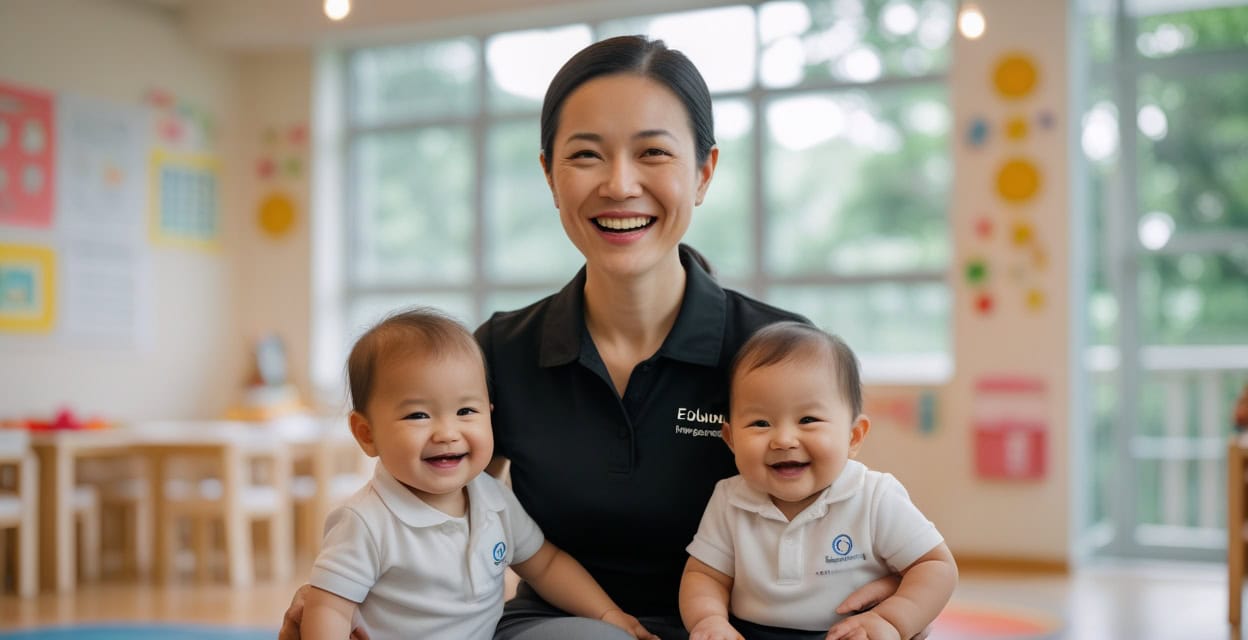
Cradling a Nation: EduNanny and the Near Home Blueprint for Safe Joyful Infancy in Singapore

EduNanny by BUTLER: A Blueprint for Extraordinary Beginnings in Singapore
In a city that moves at the pace of progress, the earliest moments of a child’s life deserve deliberate attention. EduNanny reimagines infant care as an everyday infrastructure—center-based, home-based, and distance-enabled—designed for trust, joy, and development from birth through the opening years of life. Grounded in the wisdom of Montessori, Pikler, Bowlby, Vygotsky, and Erikson, EduNanny translates sophisticated child development science into practical, tangible routines that families can rely on every weekday.
This article expands on the core speech that introduced EduNanny, translating its ideals into actionable guidance for parents, caregivers, and policymakers. Learn how five pillars—Pedagogy, Safety, Development, Happiness, and Civic Purpose—combine to create a coherent, compassionate approach to infant care that is both high-quality and affordable.
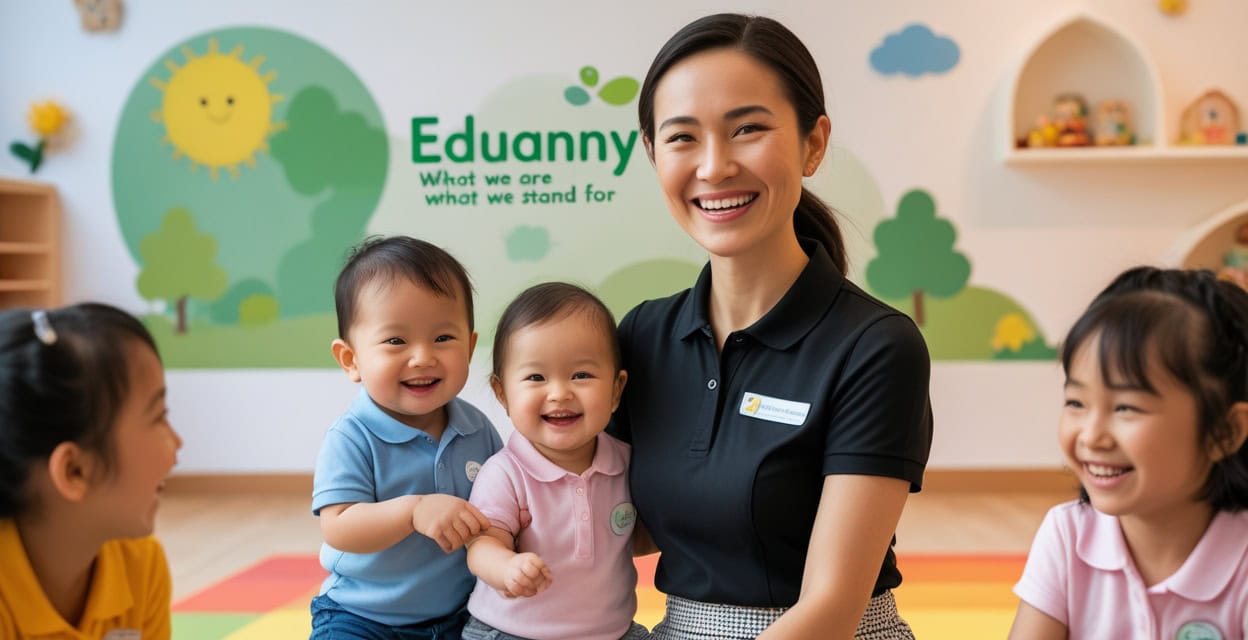
EduNanny: What We Are and What We Stand For
EduNanny by BUTLER is Singapore’s integrated network for infant care that aligns with ECDA’s Childminding Pilot and National Social Initiatives. We offer:
- Center-based, home-based, and distance-enabled childminding options
- Ultra-low 1:3 infant ratios for deeper attention
- Modern, ergonomic spaces designed for movement and calm
- Secure, transparent monitoring with privacy-compliant CCTV
- Accessible fees, supported by CDA/Baby Bonus
- Island-wide coverage, Monday to Friday, 7am–7pm
- A living ecosystem that harmonizes family, caregiver, and community
EduNanny isn’t just a service; it is a civic infrastructure built to support parents who work, study, and contribute to Singapore’s future. Our focus on trust, consistency, and development ensures that every infant experiences one world—care that is coherent across home and care spaces.

The Five Pillars of EduNanny’s Craft
Our approach to infant care rests on five interlocking pillars. Each pillar contains practical practices you can see, measure, and replicate at home and within EduNanny’s network.
1) Pedagogy: The Four Quiet Arts of Attuned Care
Infants learn through relationship and sensitive, respectful action. Our pedagogy centers on four quiet arts that turn every interaction into a learning opportunity:
- Pause: Allow the infant to initiate, with unhurried handling and predictable touch. Examples: waiting 5–10 seconds for a baby to reach or look toward a caregiver; giving a pause before changing a diaper to acknowledge the infant’s state.
- Notice: Read and respond to cues—gaze shifts, lip movements, hand openings—before distress arises. Practical steps: daily cue-checks during transitions; create a visual cues chart for caregivers to recognize early signals of hunger, fatigue, or discomfort.
- Name: Narrate truthfully in the moment—“You’re reaching for the red cup; I’m here; we’ll change your diaper now.”
- Nurture: Scaffold new skills with micro-challenges and secure-base returns, honoring trust as the bridge to autonomy. Practical ideas: use short, successive steps to encourage reaching, grasping, and self-regulation; celebrate tiny attempts to try a new grip or a new word.
Practical home applications:
- Create a daily “language of care” routine: narrate actions, name emotions, and label successes during feeding, dressing, and play.
- Record brief observations after key interactions to track tempo and preferences for each child.
- Use slow, deliberate movements during caregiving tasks to model calm, focused attention.
2) Safety: Rituals You Can See, Design You Can Feel
Safety is a behavior, not a banner. At EduNanny, safety is visible in room design, routines, and the discipline of caregivers. Practical safeguards include:
- Name-to-face checks at every transition, two-person handovers, and time-stamped digital logs
- Safe sleep practices: flat surfaces, supine sleep, temperature and light control, no loose bedding
- Strict feeding protocols: paced bottle feeding, sterile prep, allergen logs, a second verifier for medications
- Hygiene rhythm: handwashing songs, high-touch surface cycles, footwear zones, dedicated diaper disposal
- Childproofed environments: grounded furniture, clear sightlines, non-toxic materials, age-appropriate fixtures
- Staff readiness: infant CPR/AED and first aid, evacuation drills, choking/allergic response scenarios
- Transparency within privacy standards: secure CCTV for parent review and constructive supervisory coaching
Tip for parents: ask to see the safety logbook, observe transitions during a tour, and request a demonstration of the two-person handover process. A trustworthy program will model these rituals during your visit.
3) Development: The Daily Arc of Growth
Infant development is a conversation between body, brain, and world. EduNanny maps a gentle developmental arc into daily practice:
- Sensory-motor mastery: Floor time on clean mats, open-ended objects, repetitive opportunities for grasping, rolling, and creeping; avoid rushing toward sitting or standing.
- Language in context: Rich talk in the child’s home languages; songs, rhymes, and picture books that connect sound with meaning.
- Social referencing: Joint attention through peekaboo and mirror play; caregiver face-time to build early empathy.
- Self-regulation: Responsive soothing, predictable routines, and supported transitions to help infants manage arousal.
- Documentation that matters: Short, clear notes for families; milestone-aligned snapshots; triage and referrals when needed.
Practical home guidance:
- Set a predictable daily rhythm: wake, feed, play, nap, and gentle caregiver handoffs. Children thrive on routine.
- Incorporate multi-language exposure and culturally relevant songs or rhymes to support language development.
- Maintain a simple, consistent method for tracking milestones—e.g., a monthly one-page progress update you review with your caregiver.
4) Happiness: The Climate of Learning
Happiness is not mere entertainment; it is belonging, safety, and a nervous system ready to learn. The climate we cultivate includes:
- Rhythm and ritual: consistent greetings, goodbyes, and handoffs with flexible adaptation to the child’s day
- Nourishment with dignity: unhurried feeds, comfortable positioning, and responsive timing
- Rest that restores: quiet, dark sleep spaces; appropriate white noise; caregiver presence that supports settling
- Culture in color: lullabies and phrases from a child’s heritage; family photos at eye level to feel like home
- Nature as teacher: regular outdoor time when possible; ample natural light; limited artificial interventions to allow minds to settle
Parental takeaway: a nurturing climate is built through consistent routines, sensitive feeding practices, and a calm, present caregiver who sees the child as a whole person, not a task to complete.
5) Purpose: Childminding as a Civic Craft
Care is a public good. EduNanny frames childminding as a civic infrastructure that uplifts families and communities:
- Workforce development: scaling skilled, stable jobs near home with coaching, certification, and clear pathways to advancement
- Affordability and accessibility: reliable care island-wide, close to home and work
- Standards and shared learning: alignment with ECDA pilots and sector-wide knowledge sharing
- Parent partnership: daily notes, prompt escalation, and a collaborative stance on the child’s well-being
Policy and practice alignment: great infant care is a productivity policy and a public health strategy, not a luxury. It pays dividends in classrooms, workplaces, and neighborhoods for decades to come.

Practical Guidance for Families: Making the EduNanny Model Work for You
Islandwide Access and Routine
Choose a network that offers flexibility across center-based, home-based, and distance-enabled options. When evaluating options, consider:
- Proximity to home and work for convenient drop-offs and quick pickups
- Clear hours that accommodate shifts, studies, and emergencies
- Transparent fee structures with CDA/Baby Bonus support
- Available live check-ins, up-to-date feeding logs, and progress notes
The 1:3 Ratio: Why Depth of Attention Matters
A 1:3 infant ratio means caregivers can:
- Provide more individualized attention to each infant’s cues and needs
- Shift attention between infants without neglecting any child
- Implement consistent routines that support attachment and trust
Practical steps for families:
- Ask for live demonstrations of how the ratio is maintained during peak and trough times (transitions, feeding, naps)
- Request a simple, universal handover protocol you can review daily
Safety You Can See
Request tangible demonstrations of safety rituals:
- How transitions are handled with name-to-face checks
- How sleep areas are arranged and monitored
- How feeds are prepared, logged, and checked
- How hygiene routines are implemented and tracked
Family–Caregiver Communication
Partner with EduNanny through open, honest communication:
- Daily notes that reflect the child’s cues, mood, and progress
- Timely escalation pathways for concerns or health changes
- Regular family conferences to review milestones and adjust routines
Observing and Supporting Development
Parents can actively support development using simple practices:
- Engage in floor-time sessions at home—15 minutes, twice daily, with open-ended toys and mirrors
- Introduce age-appropriate languages and joint attention activities
- Record brief, milestone-aligned observations and share them with caregivers
Questions to Ask Before Enrolling
- What is the exact caregiver-to-infant ratio, and how is it maintained during staffing changes?
- What safety certifications do staff hold, and how often are drills conducted?
- What does a typical daily log look like, and can I access it remotely?
- How are cultural and family routines incorporated into daily care?
- What are the steps for escalation if my child shows signs of distress or illness?

Standards and Accountability: What Families Should Expect
- Name-to-face checks at every transition and clear handover protocols
- Safe sleep as non-negotiable policy with documented compliance
- Visible, scheduled hygiene practices and predictable routines
- Concise, accurate developmental notes that inform care decisions
- A caregiver who knows your infant’s cues and needs intimately
- Supervision that improves practice and supports ongoing learning, not just audits
- A setting that feels like home but functions like a clinical standard of care

A Day in a Singapore EduNanny Setting: A Practical Snapshot
Imagine a Tuesday morning at EduNanny:
- 7:42am: Aisha arrives on a caregiver’s hip; Li Wei checks today’s plan on his phone. Note, CCTV indicator is visible; feeding rhythm is logged. The caregiver, Nur, meets Aisha at eye level and names what she sees: “You’re curious. You’re safe.”
- The room supports movement with clearly arranged zones, sightlines, and a calm, predictable rhythm for each infant.
- Rituals keep transitions smooth: handovers are two-person, notes are time-stamped, and parents feel connected to what’s happening.
Practical application for families:
- Request a day-in-the-life snapshot to understand how routines unfold in practice
- Observe how staff use pauses to honor infant initiative during care tasks

Conclusion: Building Trust, Creating a Nation of Learners
The earliest months are not a waiting room for childhood; they are the childhood itself. By combining a thoughtful pedagogy with rigorous safety, a clear development arc, a climate of happiness, and a civic purpose, EduNanny creates a reliable foundation for lifelong learning and well-being. We invite families, caregivers, and policymakers to join us in building a Singapore where every infant is seen, soothed, and prepared to reach. If you share this vision, explore EduNanny as a partner—visit EduNanny.com for enrollment information or Childminding.EduNanny.com to learn how to join our profession. Ask hard questions. Tour our spaces. Feel the calm. And let your child experience one world, not two.
Thank you.
[#EduNannySingapore, #InfantCareSingapore, #1to3Ratio, #ChildmindingPilots, #CivicInfrastructureCare]