When an Infant Turns Away from Play
An infant turning away from a toy need not mean that play has gone wrong. Learn how a childminder can notice the cue, ease the interaction, offer fitting support and leave room for the infant to respond.

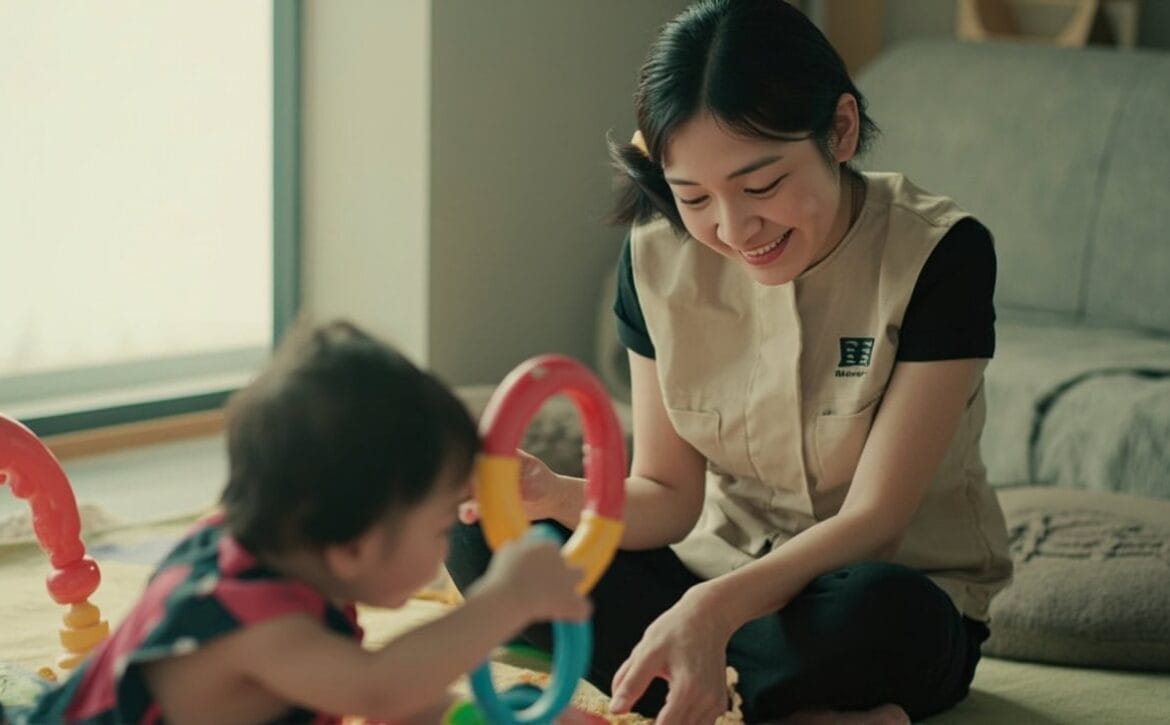
An infant turning away from a toy need not mean that play has gone wrong. Learn how a childminder can notice the cue, ease the interaction, offer fitting support and leave room for the infant to respond.

Singapore’s infant childminding pilot has a published eligibility range of 2 to 18 months. As that boundary approaches, families can plan how to share useful routines, preferences and cues with the next caregiver.

Responsive attention can create more back-and-forth learning opportunities when an adult notices an infant’s cues. A low ratio may widen that opportunity, but it cannot by itself prove earlier milestones, higher intelligence or measured pilot gains.
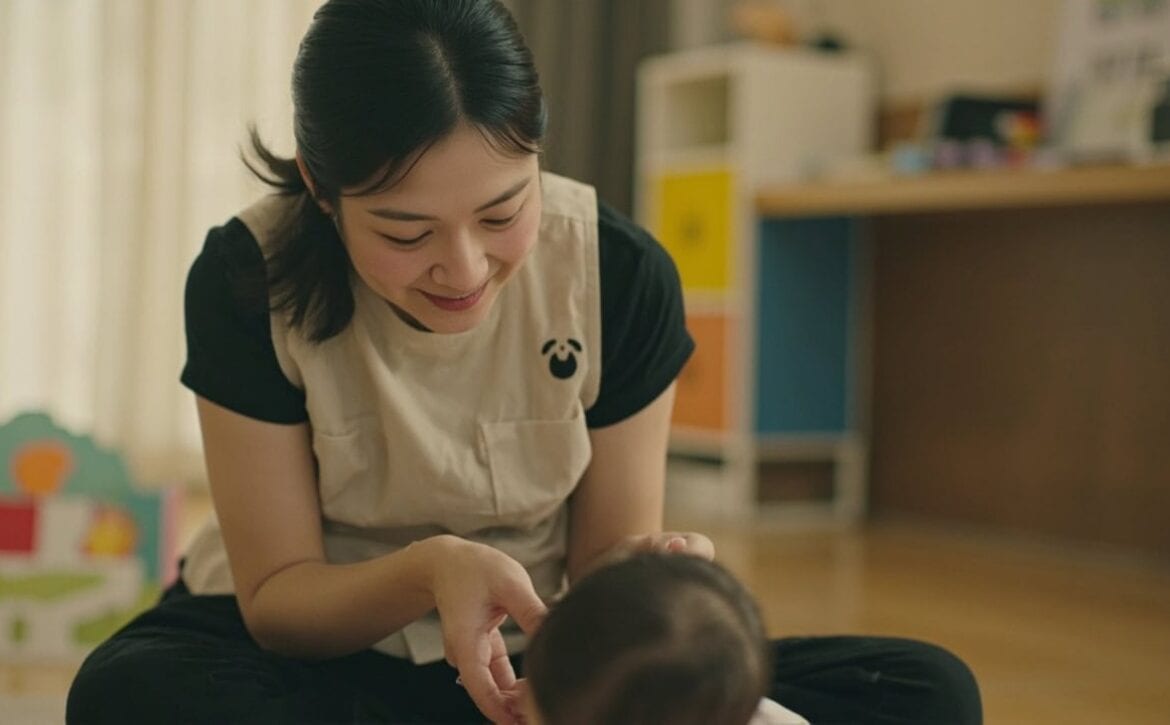
A low ratio of adults to children can describe a staffing arrangement, but it cannot prove better care or a developmental advantage. Here is how Singapore parents can verify the number and examine responsive care in practice.
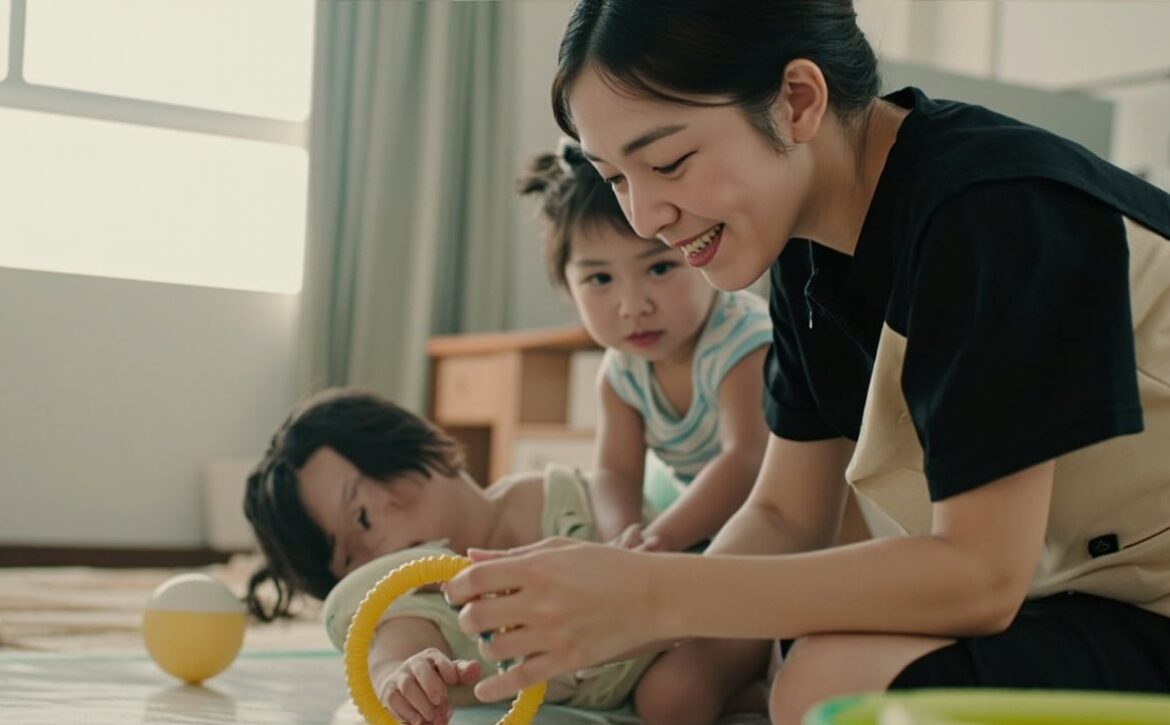
When should an infant be helped during play? Follow the infant’s immediate response—not a fixed timer—to decide whether to wait, offer one cue, change the activity or step in.
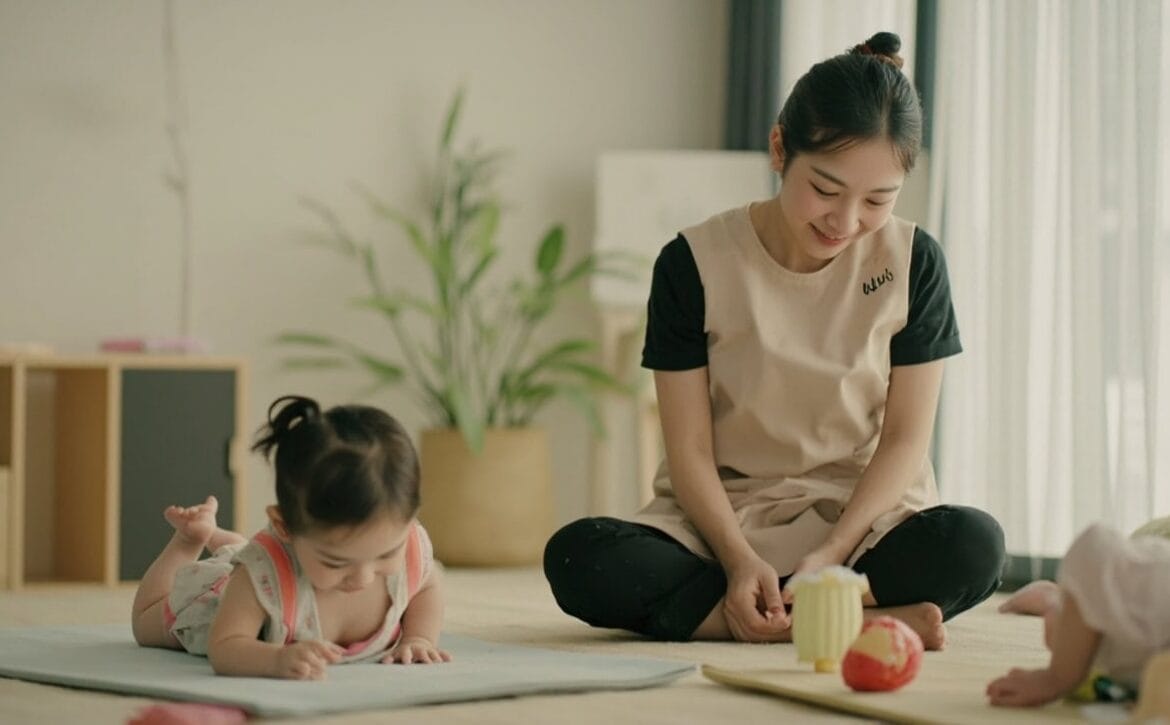
Responsive infant interaction is not a special activity or a guaranteed outcome. It is a way of designing care so an adult notices a baby’s contribution, responds and leaves the next turn open to the infant.

An infant’s move from play to rest, care or another caregiver is a small but meaningful everyday transition. Low-ratio care can make more room for a responsive pause, a practical response and shared context, without turning the moment into a milestone test.
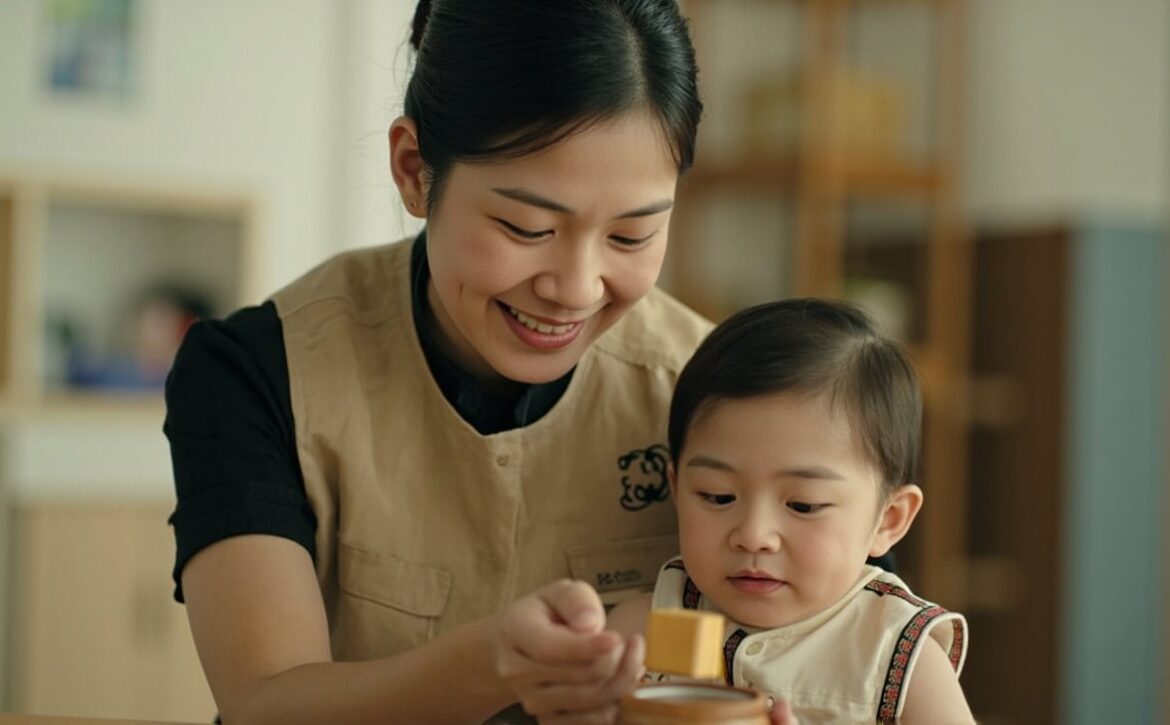
Your baby drops the same wooden spoon for the tenth time. You pick it up. They drop it again. This is not mischief. It is one of the first experiments of their life—and the difference between simply watching and quietly noticing can turn a small moment into something richer.

Most parents feel a quiet flutter of worry at the drop-off gate. What exactly happens during the day? Who feeds them, how do they sleep, who holds them when they cry? This guide reframes the pre-care conversation as professional alignment rather than micromanagement, walking through four practical pillars and offering a simple checklist to use this week.
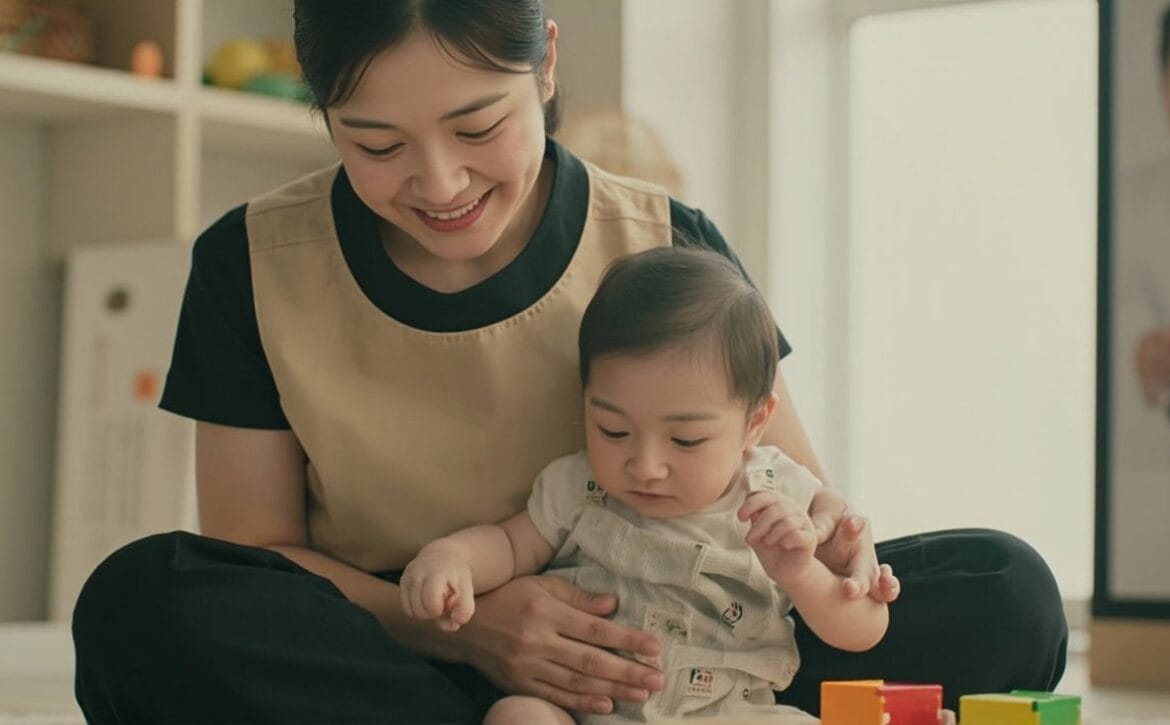
When your baby tracks a familiar cup across the room, they are doing cognitive work. Learn how visual attention grows through peek-a-boo, shared books and responsive care.