Fraud Blocker edunanny.com
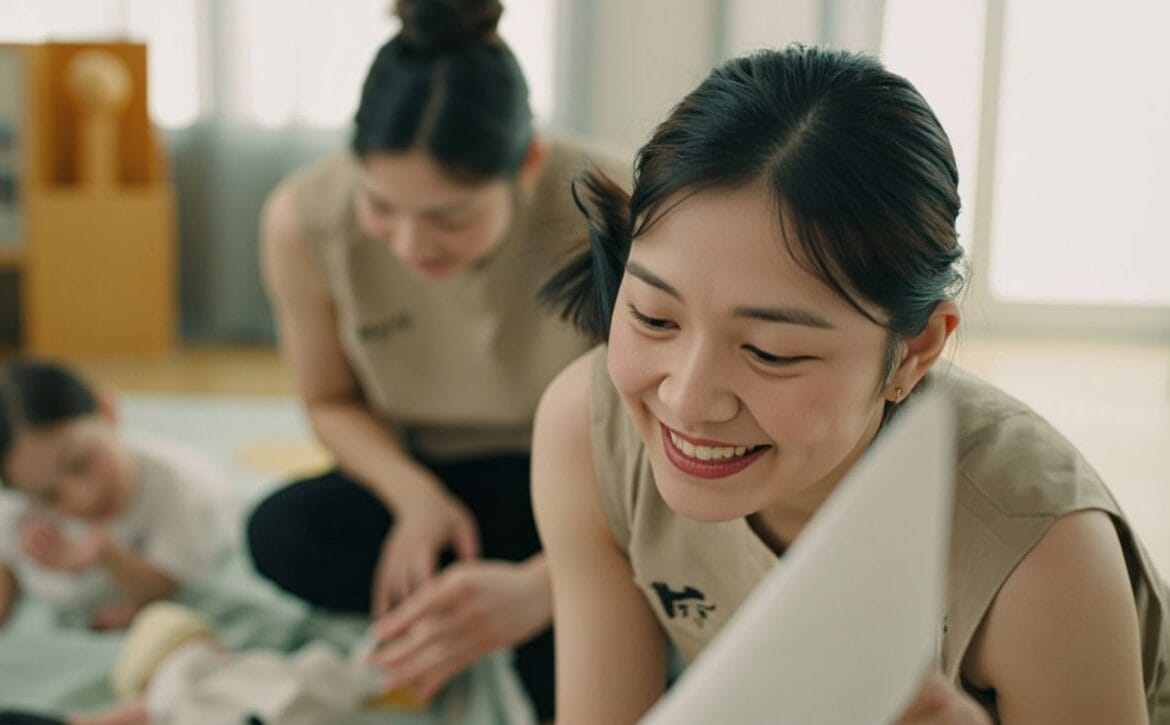
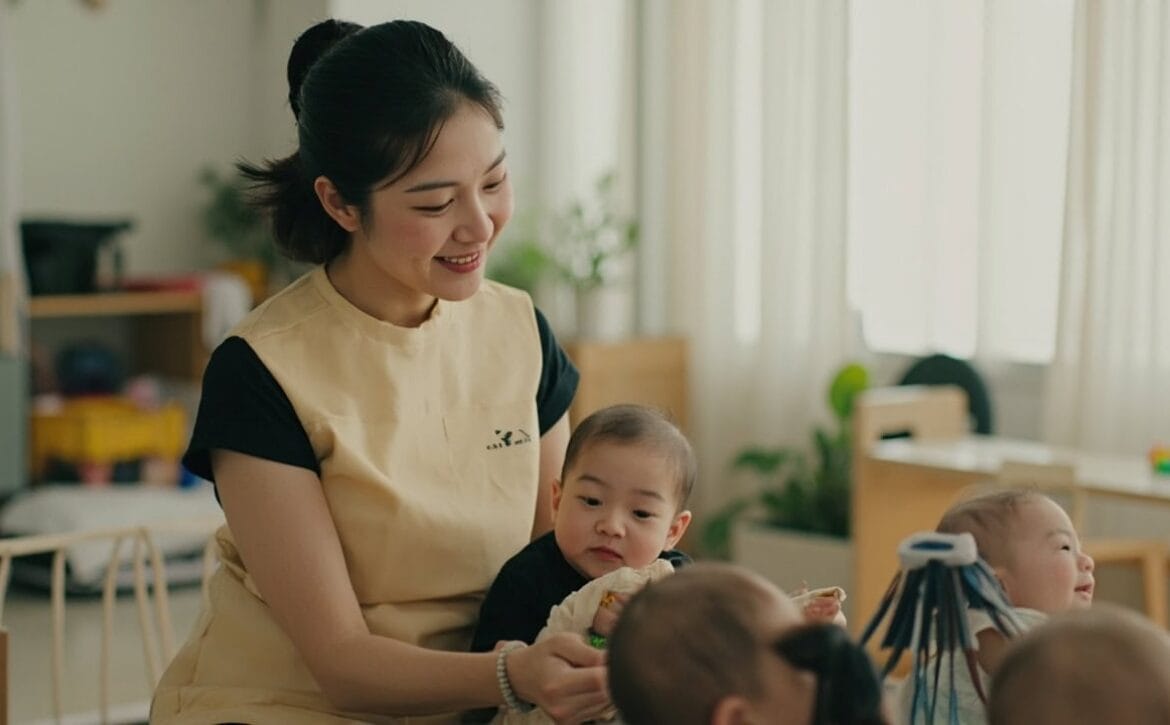
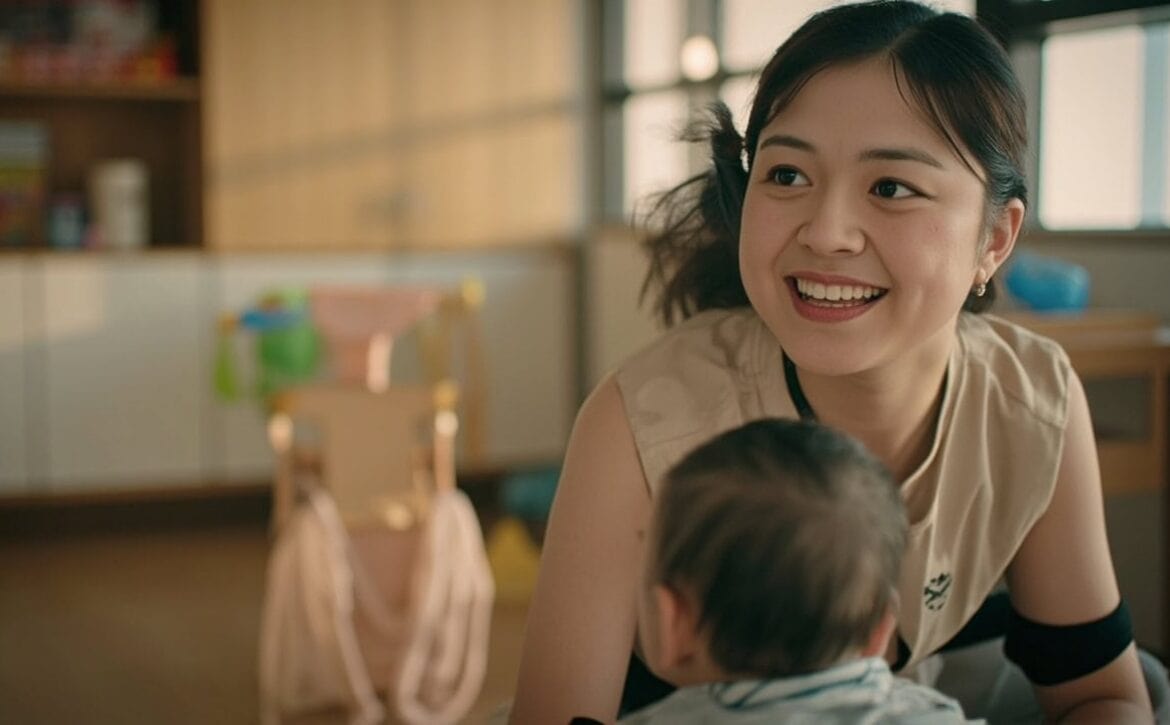
Childminder watches an infant reach for a stable cloth object in a calm childminding room.
October 1, 2026

Making Room to Respond in Small-Group Infant Care

A calm room is not proved by how many toys it holds. Materials, visual focus, adult position and pauses offer a practical lens for small-group care—without turning room design into a developmental promise.
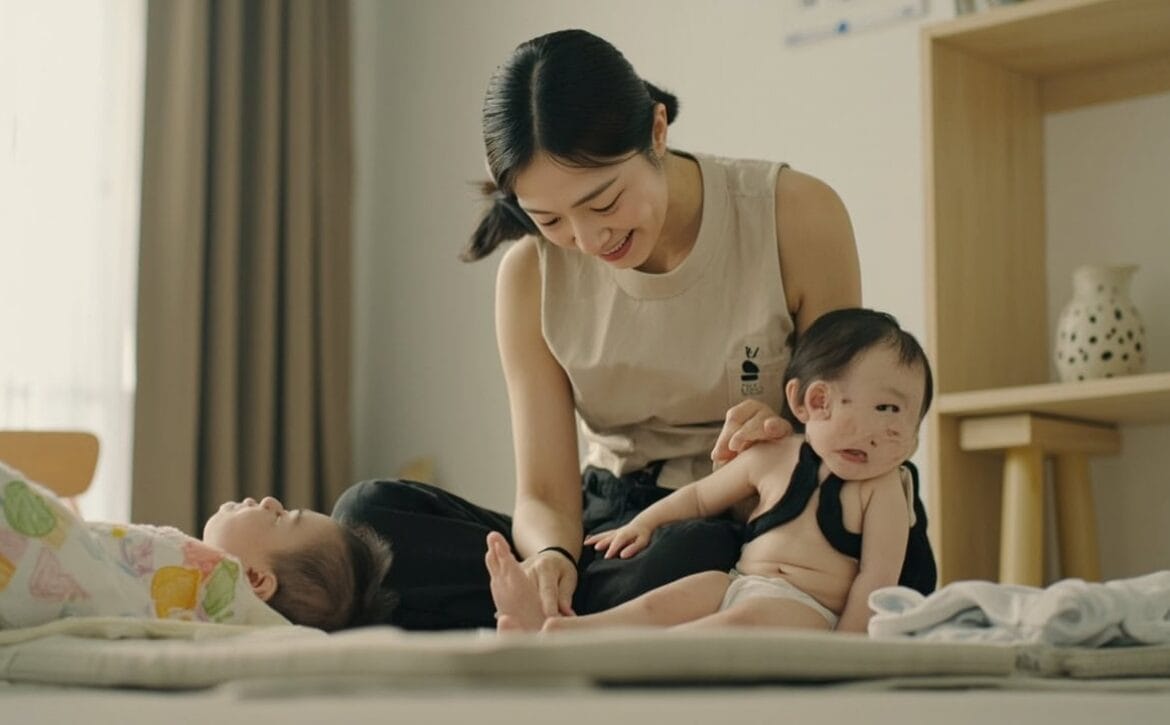
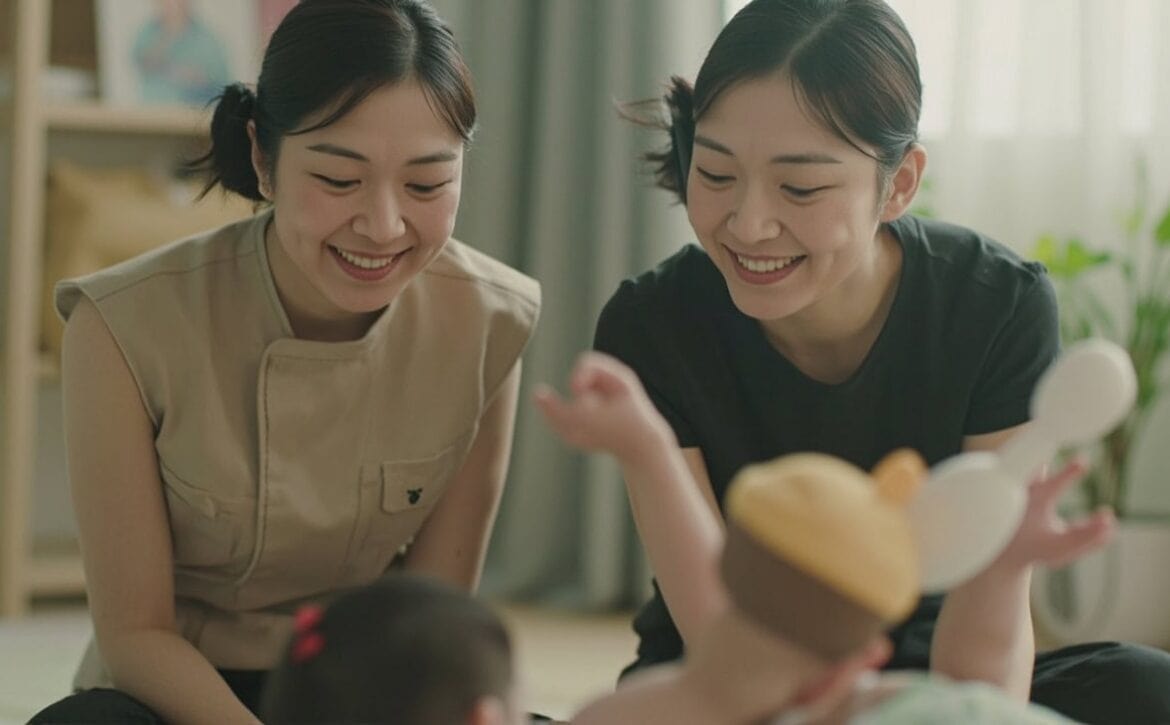
Childminder acknowledges two infants during shared floor play
October 1, 2026

When Two Babies Need Care at Once in a Small Group

Responsive care is not uninterrupted one-to-one contact: it is the repeated act of noticing an infant’s cue, responding and returning. A small group may create room for those exchanges, but it cannot guarantee them or a developmental result.

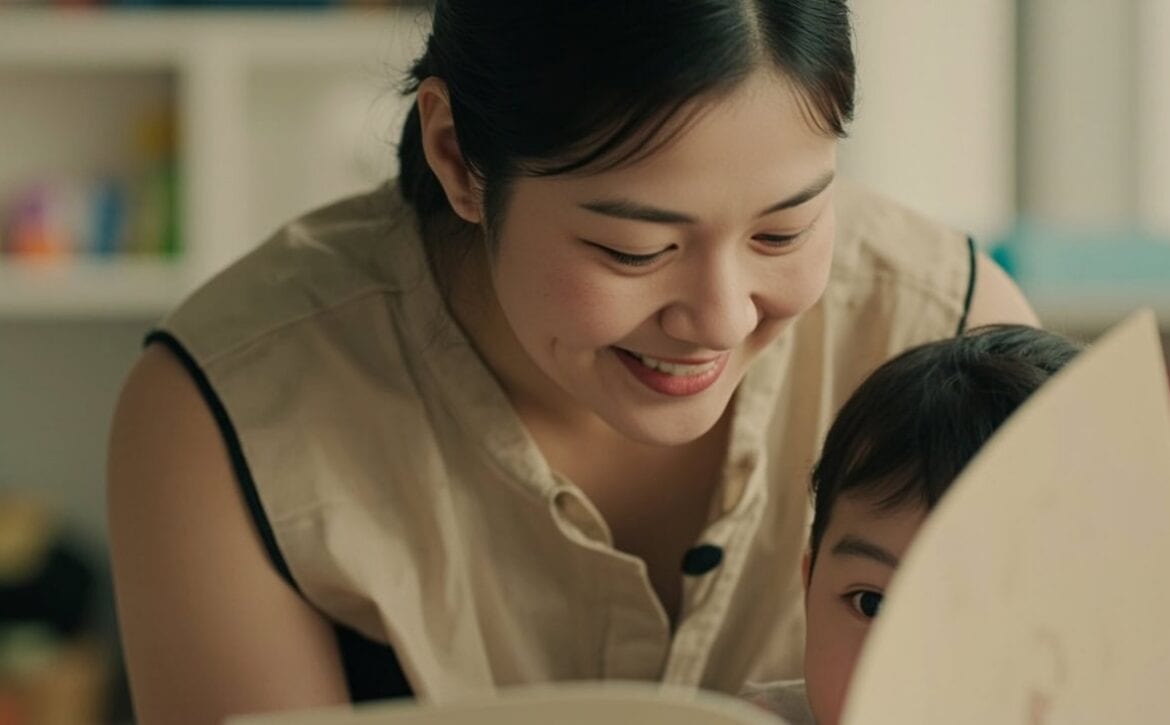
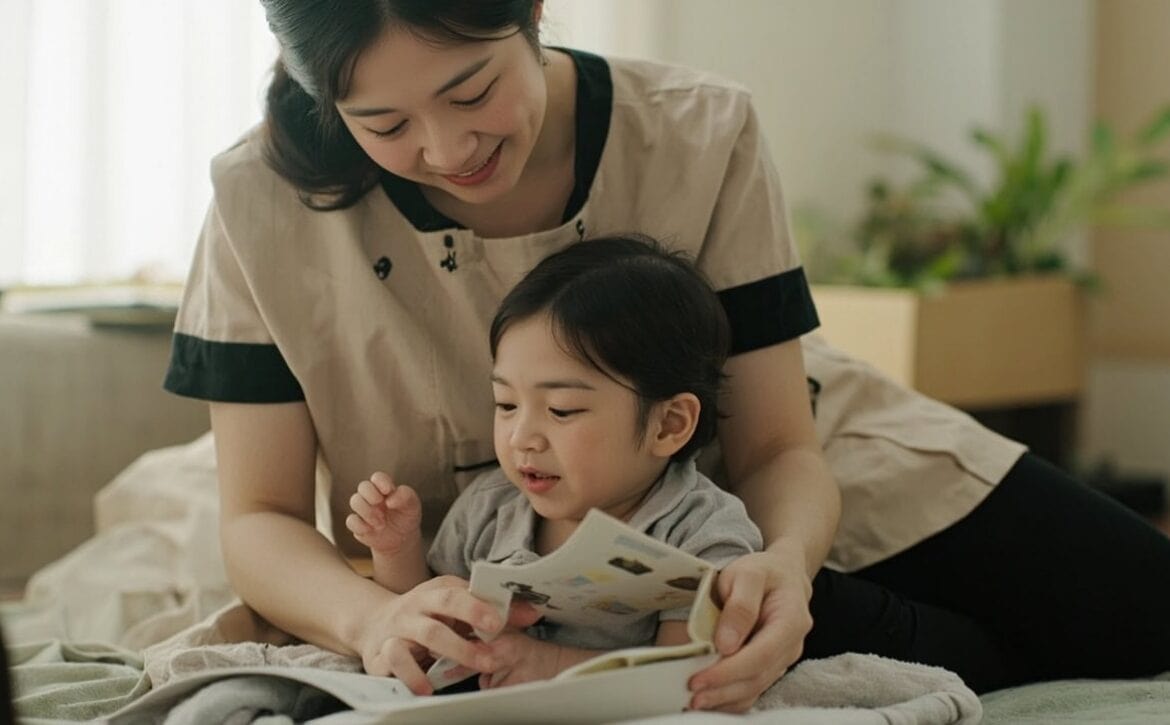
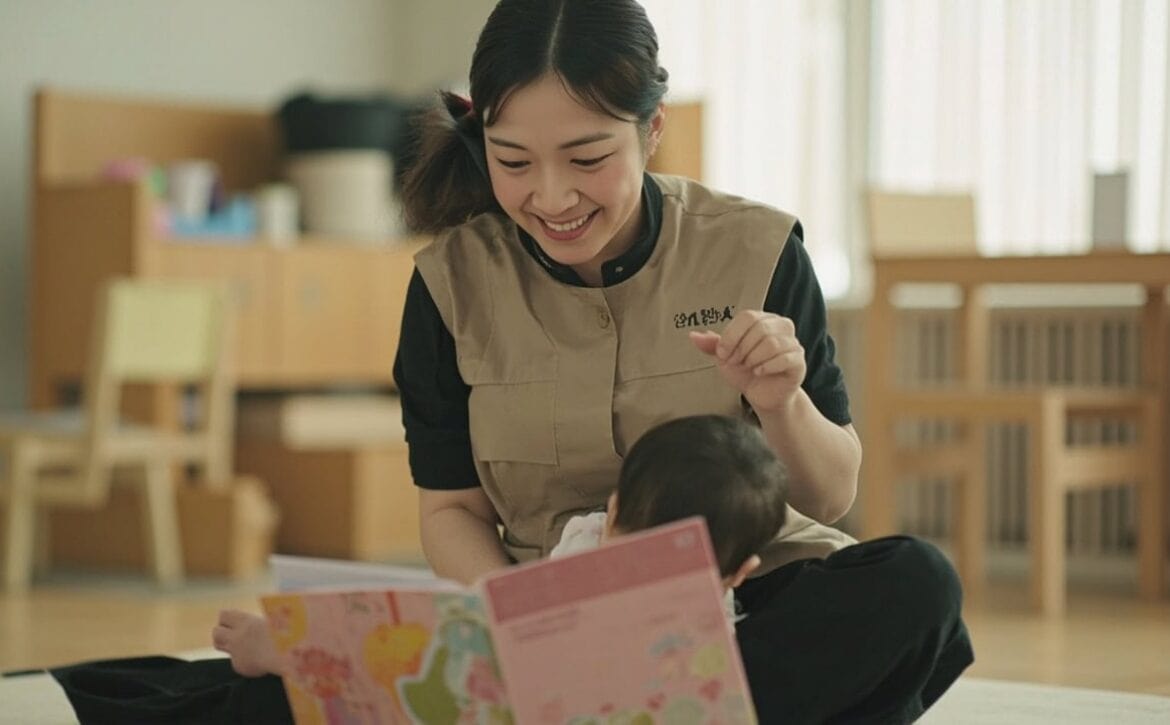
Childminder and infant sharing a cloth book during attentive floor time
October 1, 2026

When a Small Change Persists: Turning Observation Into Conversation

A recurring infant change deserves context, not a label. Parents and childminders can record what happened, share it clearly and keep everyday notes separate from formal screening.

Childminder watches an infant reach for a cloth book during floor play.
October 1, 2026

After the Song: How Infant Care Becomes Individualised

Individualised infant care is less about choosing a special activity than building a repeatable rhythm: notice, respond, check and adjust. That approach makes ordinary care personal without turning one cue into a fixed label.

Childminder responds as an infant reaches for a soft rattle.
October 1, 2026

Childminding Pilot Quality: A Four-Part Visit Note

Individual attention is easier to judge when parents record what changes after an infant’s cue. A practical four-part visit note follows the cue, response and pattern, keeping care observations separate from unsupported promises about developmental gains.

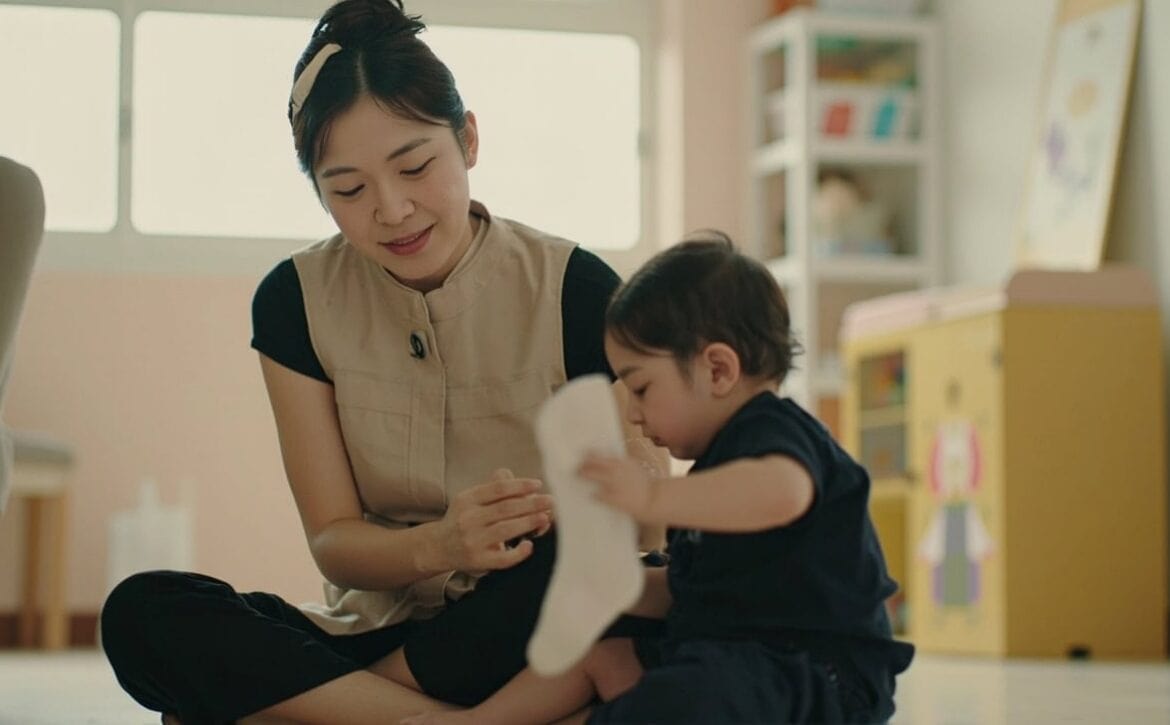
Childminder watches as an infant reaches for a sock
October 1, 2026

Responsive Care Is Not the Same as Early Teaching

A word, song or picture can support early learning, but concept presentation alone is not evidence of responsive care. A practical test is whether an infant’s cue shapes what happens next.

Childminder following an infant’s gaze during cloth-book time
October 1, 2026

How to Read an Infant’s Cues in Responsive Care

Responsive infant care is a repeated pattern: notice an infant’s cue, respond to what it means, leave room for an answer and adapt when the infant’s response changes.

Childminder noticing one infant’s reach while another infant plays nearby in a supervised group.
October 1, 2026

Responsive Care by Infant Age: Two Numbers, Two Different Jobs

Singapore’s ECDA childminding pilot uses ages 2 to 18 months to define eligibility. Responsive care by infant age adds the distinction parents need: programme rules and staffing capacity do not replace attention to what an infant communicates now.

Childminder responding to one baby while two other infants remain visible during small-group floor play.
October 1, 2026

Consistency Is a Pattern of Response, Not a Repeated Activity

Reliable infant care is not a fixed sequence of toys, songs and mealtimes. It is a dependable pattern of noticing signals, responding with care and leaving room for the infant to answer.

Childminder pauses with a cloth picture book within an infant’s view as the infant looks away.
October 1, 2026

After a Missed Infant Cue: A Thoughtful Next Turn

A missed look or sound need not define an interaction. This feature follows the aftermath: how to reopen a familiar exchange, respect the infant’s timing and separate what happened from what an adult assumes.