Make Room for Toddler Movement Throughout the Day
EDUNANNY® BY BUTLER · PLAY AND LEARNING
How can you make room for toddler movement when the day also includes meals, naps, journeys and care handovers? Start with those fixed parts, then look for safe opportunities to move between them.
This guide focuses on mobile toddlers around 13 to 18 months. Use your child’s current abilities and care needs when planning; walking independently is not a requirement for joining in.
Spread opportunities across the day
HealthHub’s guide for toddlers aged 13 to 18 months recommends at least 180 minutes of varied structured and unstructured physical activity across the day once a toddler is mobile, in a safe, supervised environment. Crawling and walking with assistance are included in its description of being mobile.
That is a whole-day recommendation. It does not mean one continuous three-hour exercise session or three hours of adult-led games. The KKH-led Singapore activity guidelines also place toddler movement alongside sleep, sedentary time and eating habits within a 24-hour day.
Keep meals, sleep and needed comfort in the plan. A quiet pause is not itself physical activity, and time spent sitting in a pushchair is not interchangeable with moving. The practical task is to create opportunities throughout the waking day, rather than stretch one game or remove rest to fill a number.
If your child has a health condition, a movement limitation or a developmental concern, ask their healthcare professional how to adapt activity. A day map is a planning aid, not an assessment of your toddler or a prescribed exercise programme.
Make a map around your actual day
On a page, mark the parts that are already agreed: meals, sleep, travel and care hours. Then add the safe spaces and adults available for movement. A gap on the page only becomes a useful opportunity when the setting and supervision are ready.
The examples below are invented planning options. Choose, adapt or leave them out according to your child. They have no assigned duration and do not, by themselves, represent the full recommended daily activity.
| Part of the day | A possible movement opportunity | What the adult prepares |
|---|---|---|
| At home when ready for play | Movement opportunityReach or crawl towards a suitable large toy within a clear floor area. | Adult preparationCheck the toy and floor, stay close, and keep the distance within the child’s abilities. |
| After arriving from a journey | Movement opportunityOffer floor play once you have reached a safe destination. | Adult preparationComplete the journey safely, then prepare a supervised place to move. |
| During an indoor play period | Movement opportunityClap or sway together during a familiar song, in a comfortable position. | Adult preparationKeep space clear and let the child join, change the action or finish. |
| When an outdoor opportunity fits | Movement opportunityMove at the child’s pace in an age-appropriate, supervised play space. | Adult preparationCheck the conditions and setting before choosing it; use a suitable indoor option if needed. |
Use the map to find a practical gap. If an afternoon has plenty of safe floor play but the morning is mostly travel and waiting, you might prepare an opportunity at the destination. If every proposed activity depends on an outing, add an indoor option that the supervising adult can actually offer.
Keep the same familiar option available when it still interests your toddler. A fresh toy or a harder task is not needed every time. You can change the place or timing without turning each opportunity into a new lesson.
Prepare the space before adding an invitation
HealthHub’s toy-safety guidance advises choosing age-appropriate toys, keeping small toys away from children under three and checking for broken parts. Read age and safety instructions on the product rather than judging suitability from a photograph.
Clear the chosen floor area and stay available to supervise. Choose an invitation that fits what your toddler already does: reaching, crawling, shifting position or walking with suitable support. Do not require a new skill to take part.
HealthHub includes music and movement and supervised outdoor play among its ideas. The play itself can remain simple. Offer one familiar action, notice what follows and leave room for your toddler’s own exploration. Stop or pause when they need care, comfort or a change.
Connect the opportunities at home and in care
If more than one adult cares for your toddler, compare the broad shape of the day. Ask where movement opportunities already happen and where a long period of sitting or waiting might be broken up safely. Leave space for the caregiver’s account rather than assuming that all care hours were active.
A possible question is: “Which parts of today offered room to move, and what might fit after pickup?” This is an invented conversation prompt. It does not require a minute-by-minute report or a particular private nanny, pilot or childcare-centre record format.
Make the next action concrete: prepare a suitable toy at the destination, agree who supervises a play period, or retain an indoor option for a day when an outing will not work. Check again when travel, care hours or your child’s needs change.
For a brief shared game within that wider day, see our copy-and-echo play guide. That guide concerns one exchange; this map concerns the opportunities surrounding it.
A useful starting point for tomorrow
Mark meals, rest, travel and care first. Identify where your toddler can move safely with an adult present, then prepare the space and one suitable option. Review the whole day together, keeping the activity guidance in view without asking any single game to do all the work.
Sources and image credit
- HealthHub: caring for toddlers aged 13 to 18 months — movement, supervision and developmental concerns.
- KKH: Singapore Integrated 24-Hour Activity Guidelines — toddler activity within the wider day.
- HealthHub: The Toy Story on Safety — age-appropriate toys and small-part hazards.
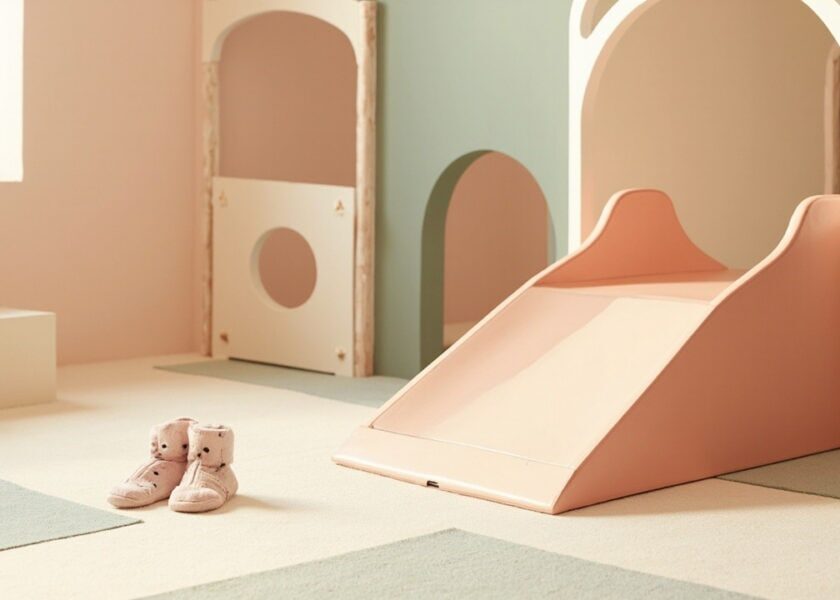
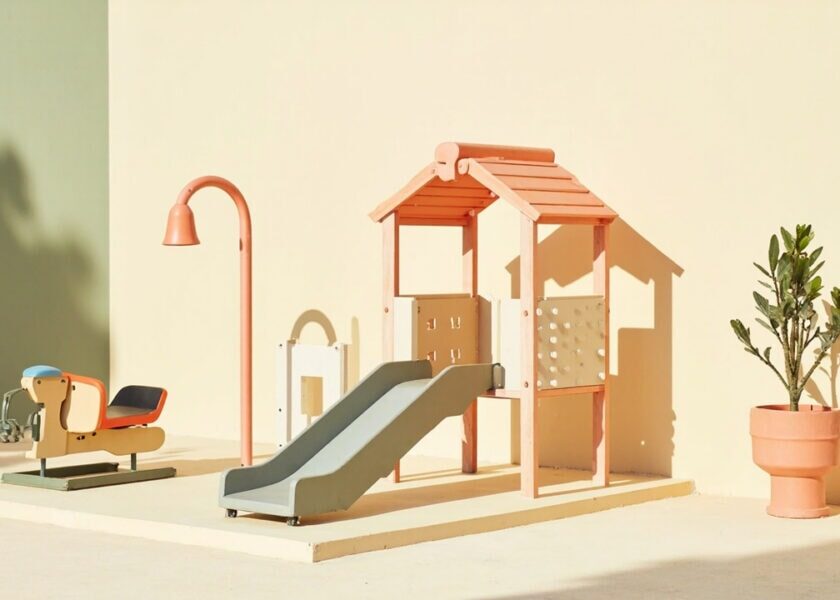
Stock photograph by Patrick Fore on Unsplash, used under the Unsplash licence. An illustrative movement image; it does not establish the child’s age, endorse the pictured setting or show EduNanny staff or clients.