A Toddler Movement Menu for 13 to 18 Months
EDUNANNY® BY BUTLER · PLAY AND LEARNING
For a short play moment with your 13-to-18-month-old, choose one invitation: a toy within reach, something to grasp, or movement with a familiar song. Prepare a suitable space and let the moment develop from there.
The menu gives you options to choose from. Your toddler can explore one, change what they are doing or finish. You can use what you notice to decide whether to continue, simplify the invitation or attend to another need.
Prepare a suitable place and one option
Choose a clear, level floor area away from stairs, breakables and other hazards. Keep an adult close and available to supervise throughout. Start from movements your toddler already uses, in a comfortable position; a new skill is not needed to enter the play.
Choose toys by their age labels and instructions. The Consumer Product Safety Office’s toy guidance recommends following age recommendations, checking frequently for damage and keeping older children’s toys out of younger children’s reach. Set aside damaged toys and anything with accessible small or loose parts.
For object play, use a suitable age-labelled ball or block that your toddler can handle comfortably. If you use a toy container for placing, check that it is also appropriate for the child and follow its instructions. You do not need to assemble all the materials before choosing an invitation.
Keep the surrounding floor clear as play changes. Put unused toys away so they do not become a tripping hazard. If your toddler is already comfortably exploring something suitable, you can stay with that interest instead of introducing a new option.
Choose one invitation from the menu
HealthHub’s guide for 13 to 18 months includes reaching towards floor toys, handling age-appropriate blocks and responding to music. The table below is an original way to organise those ideas into optional starting points.
| Invitation | A small beginning | Room for your toddler |
|---|---|---|
| Reach and move | A small beginningPlace a suitable ball where your child can reach it or move towards it using their current abilities. | Room for your toddlerLet the action unfold. Bring the ball closer if needed. |
| Grasp and explore | A small beginningOffer one suitable block to hold, turn or tap. If placing interests them, show one placement into a suitable open toy container. | Room for your toddlerThey can continue handling the block. Placing or stacking is optional. |
| Move with a song | A small beginningUse a familiar song at a comfortable volume and show one gentle clap or sway. | Room for your toddlerThey can watch, move in their own way or finish. |
Choose the option that fits the present moment and available materials. Keep the rest aside. You do not need to add a faster rhythm, a longer reach or another toy to make the play worthwhile.
For a shared gesture exchange in more detail, see our copy-and-echo play guide. This menu helps you choose a starting invitation; you can keep any one option brief.
Notice what happens before adding more
The Harvard serve-and-return handout describes noticing a child’s focus, leaving time for a contribution and recognising when the child moves on. Those general principles inform the pauses here; this menu is our own practical suggestion.
After an invitation, leave room rather than giving another instruction straight away. If your toddler returns to the same action, you can leave the familiar option available. If the setup is awkward, make it easier. If their attention changes or they become upset, stop the invitation and attend to what they need.
Changing one detail can make the next action clear. You might move an already suitable ball closer, or return to the familiar song without adding another movement. This is a way to simplify your invitation, not evidence that the change caused a response.
Do not move your toddler’s hands into a clap or ask them to stand or walk to complete the menu. Keep play within their current abilities, and follow any individual advice given by their healthcare professional.
Here is a fictional example. A toddler already comfortable with reaching is playing with an age-appropriate ball in a clear floor area. The adult places it within easy reach and stays close. The toddler touches it, then turns towards a familiar book. The adult stops the ball invitation and attends to the next moment.
The example records a sequence. It does not establish why the toddler changed focus, whether they prefer books, or what they should do next time. The ball did not need to be reached again to make the play complete.
Keep developmental concerns separate from the game
A short play moment cannot assess development. If you are concerned about your toddler’s movement or development, speak with their doctor. HealthHub advises acting early and talking to a doctor if a toddler is not walking independently by 18 months.
You can describe what you notice in ordinary situations without repeatedly setting up a play test. If your child has a health condition or needs additional movement support, ask their healthcare professional how to adapt activities for them.
Keep broader activity planning alongside this small menu. Our guide to movement throughout the day considers opportunities around meals, rest, journeys and care. One invitation does not represent the whole day’s activity.
Prepare one invitation for the next play moment
Choose a suitable object or a familiar song, make the space ready and keep your attention available. Offer one small beginning, then notice what follows. Your next step can be to continue, simplify or finish.
Sources and image credit
- HealthHub: caring for toddlers aged 13 to 18 months — movement ideas and seeking advice about development.
- Consumer Product Safety Office: safety tips on children’s toys — age labels, product instructions, damage checks and toy hazards.
- Harvard: five steps for serve and return — noticing focus, leaving room and ending an exchange.
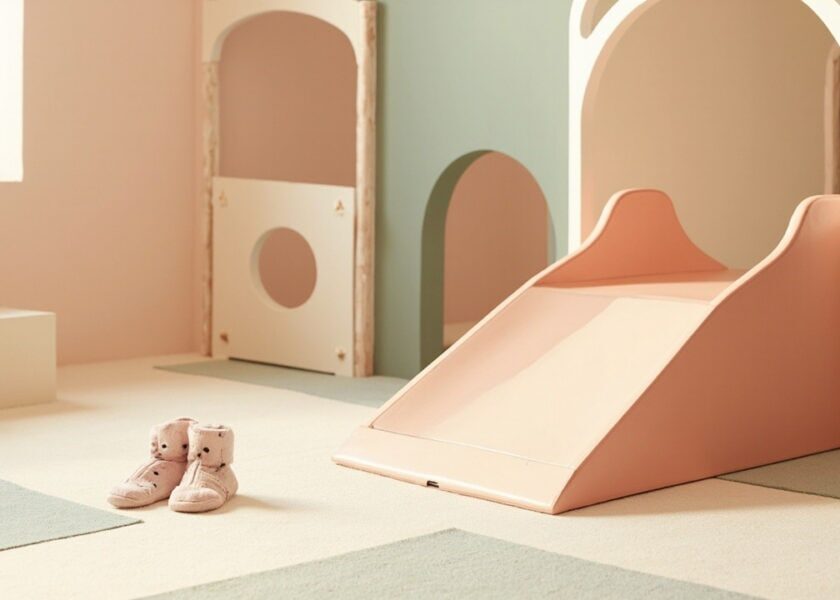
Stock photograph by Patrick Fore on Unsplash, used under the Unsplash licence. An illustrative movement image; it does not establish the child’s age, endorse the pictured setting or show EduNanny staff or clients.