
The Quiet Cradle of a Nation: EduNanny’s Near‑Home Pods and the 1000‑Day Promise in Singapore (December 2024–December 2027)

Introduction: Reframing the First Thousand Days for Singapore
Good evening, parents, grandparents, caregivers, neighbours, and friends of the early years. Thank you for gathering to consider a simple, powerful idea: that the first thousand days of life are a national treasure, and that care done well—near home, in tiny groups, with trained, trusted hands—can change a child’s whole story. This article introduces EduNanny by BUTLER, a purpose-built approach to infant care in Singapore that blends attachment science with neighbourhood-based service. It is designed to support families, empower caregivers, and nurture infants who blossom with security, curiosity, and joy.

EduNanny Infant Childminding Service: Our Mission and Our Approach
EduNanny by BUTLER is honoured to be appointed by ECDA as one of three operators for Singapore’s Childminding Pilot for Infants (1 December 2024 to 31 December 2027). Our mission is clear: to bring attachment‑rich, ultra‑low‑ratio infant care into Singapore’s heartlands—reliably, affordably, and with uncompromising safety—so families can thrive and infants can blossom.
We build 1:3 infant pods in childminders’ homes and carefully designed community micro‑centres across the island, weekdays 7am–7pm. Each pod is small by design, professional by training, transparent by technology, and tender by culture. We marry the heart of caregiving with the science of development—drawing inspiration from Montessori’s respect for the child, Pikler’s trust in autonomous movement, Bowlby’s secure attachment, Vygotsky’s social learning, Froebel’s play, Piaget’s discovery, Malaguzzi’s “hundred languages,” and Erikson’s stages of confidence.
Ultra-Low Density and Ultra-Low Ratio
- 1 childminder to a maximum of 3 infants, ensuring the caregiver can truly see and respond to each child’s cues.
- Small groups enable flexible routines, precise observation, and rapid adaptation to each family’s rhythm.
- Low density reduces illness transmission risk and supports calmer transitions between activities.
Professionalisation, Safety, and Accountability
- Certified childminders with ECDA background checks and ongoing infant care training.
- EduNanny Academy practices, regular coaching, and safety audits for home and community settings.
- Transparent, safety‑forward design: hazard reduction, safe sleep protocols, hygiene routines, and clear incident procedures.
Attachment‑First Curriculum
- Primary caregiver model: Each infant has a named EduNanny who builds a secure, responsive relationship.
- Serve‑and‑return interactions and predictable routines that foster trust and language development.
- Respect for autonomy and autonomy‑supportive caregiving: diapering, feeding, and dressing pauses that invite baby participation.
- Culture and language continuity: home languages, lullabies, and kitchen‑table rituals that feel familiar and comforting.
Accessibility, Time, and Affordability
- Islandwide availability from Monday to Friday, 7am–7pm; half‑day or full‑day blocks with subsidies.
- Fees designed to be accessible, with Baby Bonus CDA monies accepted for subsidised hours.
- Subsidised blocks and flexible weekly planning to support working parents, students, and caregivers’ needs.
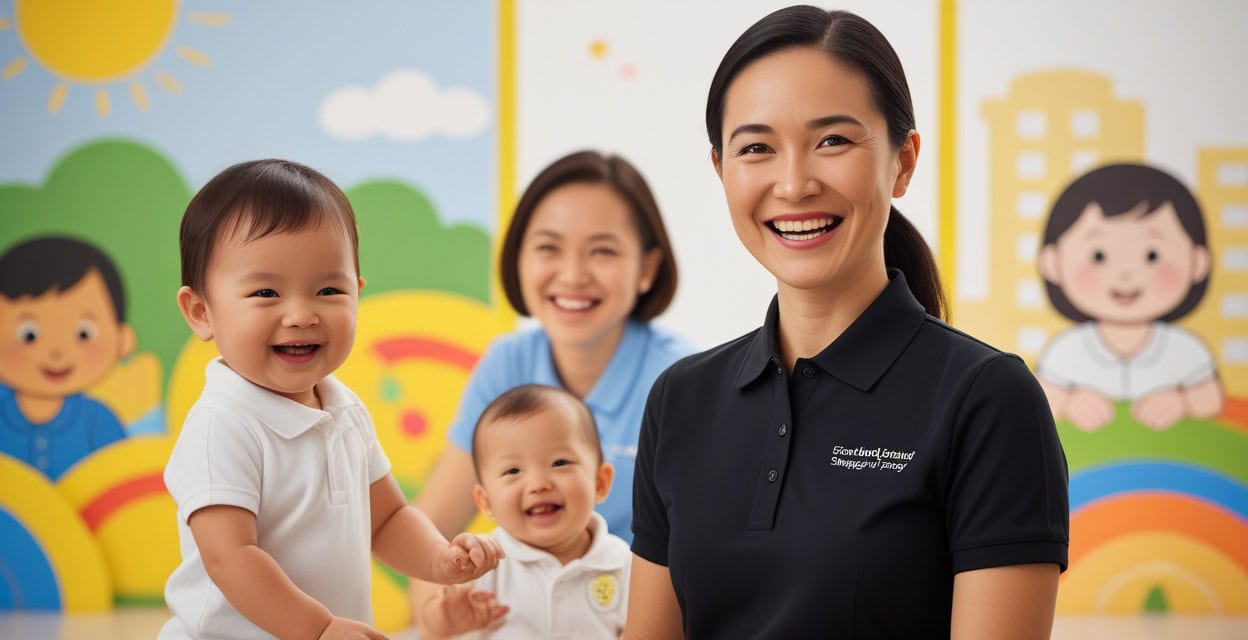
Five Perspectives That Guide Our Daily Practice
1) The Quiet Power of Small: Pods That Breathe
A pod of three infants is a rhythm, not just a ratio. In a small pod, educators can:
- Attune to each baby’s cues—eye gaze, reaching hands, feeding rhythms, and sleep patterns—creating a secure base in the Bowlby sense.
- Allow autonomous movement and safe exploration—Pikler’s principles—on low shelves and soft mats to build core strength and body confidence.
- Maintain calm through considerate transitions, soft noise levels, and individualised pacing so learning emerges naturally, not by crowd pressure.
- Reduce health risks through low density and strict hygiene, leading to fewer disruptions and more dependable care.
2) Safety by Design, Not by Chance
Safety is a culture, not a checklist. Our approach includes:
- Certified and background‑checked childminders; infant first aid and basic care training; food safety and choking response readiness.
- Hazard‑minimised environments with age‑appropriate equipment and sanitisation routines; temperature checks and clear incident procedures.
- Documented handovers, daily health observations, and a No Sick Child Policy during care hours to protect the group.
- Transparency: CCTV in community spaces; optional caregiving‑area‑only CCTV in home pods with consent during care hours.
- Alignment with ECDA standards and ongoing audits to make safety systematic and enduring.
3) Attachment as Curriculum
Attachment is the curriculum of infancy—critical to lifelong development.
- Primary caregiver assignment ensures consistent cues awareness and family culture integration.
- Warm handovers and respectful transitions strengthen infants’ sense of safety and predictability.
- Serve‑and‑return interactions promote language, self‑regulation, and social cognition—core neural pathways in the early years.
- Autonomy‑supportive practices, drawing on Montessori and Pikler, give babies room to participate in daily routines.
- Culture and language continuity deepen identity and belonging during early months and years.
4) Joy as Daily Practice: Micro‑Routines for a Happy Brain
Infant happiness is built from reliable patterns of care that feel safe in the body and joyful in the heart.
- Unhurried feeds and naps, outdoor time when possible, gentle sensory play, and varied textures to explore.
- Piagetian exploration on safe play floors, Froebel‑inspired loose parts, and early language through songs and books.
- Outdoor exposures and nature moments to regulate stress and foster curiosity.
- Attention to wellbeing signals: appetite, sleep quality, relaxed posture, attentive gaze, and self‑soothing rhythms.
5) The Civic Craft of Childminding
Childminding is public purpose at the family scale, connecting individuals to a broader social fabric.
- Parents gain nearby, reliable support for work, study, or rest with reduced guilt and fear.
- Childminders gain dignified, formal employment pathways with training, standards, and professional recognition.
- Communities gain safe, neighbourly micro‑centres that strengthen local trust and safety nets for families.
- National resilience grows as infants’ early experiences build empathy, confidence, and curiosity.

What Parents Receive with EduNanny
- Ultra low density, ultra low ratio: 1 childminder to a maximum of 3 infants.
- Safety and trust:
- Certified EduNanny childminders; ECDA background checks (including regular access checks for home-based care).
- Mandatory training before deployment; ongoing coaching.
- Clean, hazard‑reduced environments; safe sleep and feeding protocols; clear incident management; documented handovers.
- No Sick Child Policy to protect pods; agreed medication procedures when needed.
- Transparency:
- CCTV provided in community spaces.
- Optional caregiving‑area CCTV in home pods with consent during care hours.
- Formats and convenience:
- Home‑based childminding and community‑based micro‑centres with modern layouts.
- Islandwide availability, Monday–Friday, 7am–7pm.
- Half‑day (5 hours) or full‑day (10 hours) subsidised blocks; choose the number of days per week you need.
- Affordability and access:
- Fees before GST: $16.50 (half‑day), $33.00 (full‑day).
- CDA (Baby Bonus) monies accepted for subsidised hours.
- National initiative under the ECDA Childminding Pilot (Dec 2024–Dec 2027).
- Quality and purpose:
- Excellence, consistency, and compassionate pedagogy aligned to attachment, autonomy, and joyful learning.
- A public‑spirited service strengthening families and neighbourhoods.
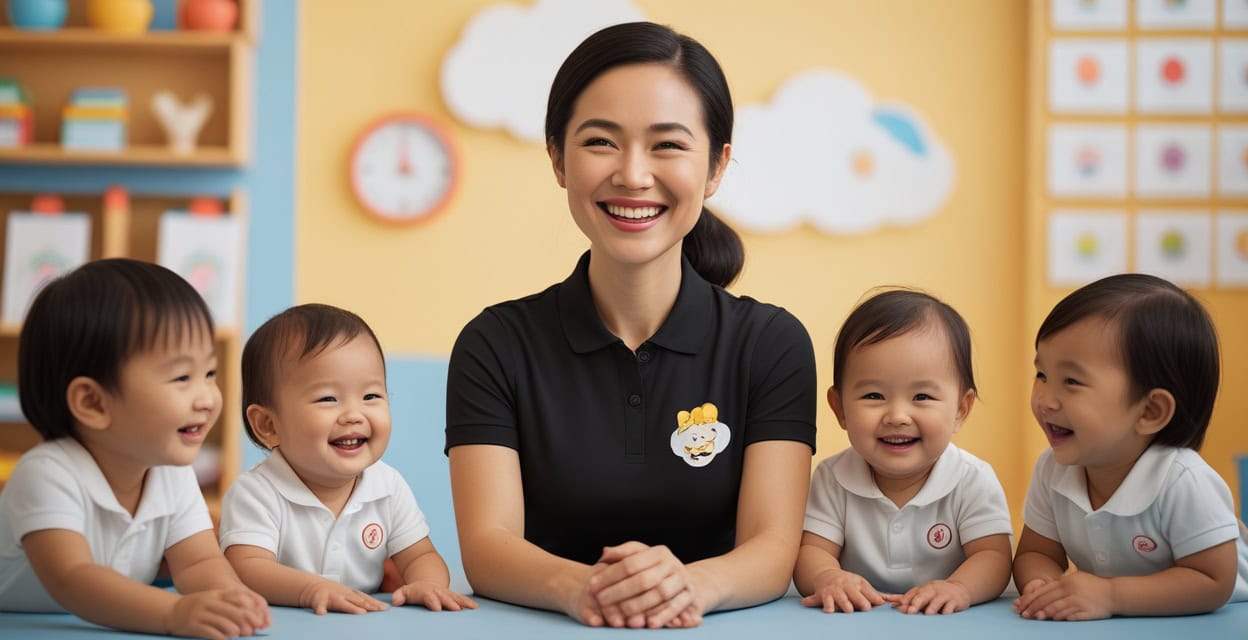
Eligibility, Hours, and Flexibility
- Eligible infants: Singapore Citizens, 2 to 18 months, not concurrently enrolled in ECDA‑licensed infant care centres.
- Hours: Monday–Friday, 7am–7pm; subsidised in 5‑hour or 10‑hour blocks.
- Flexibility: Choose the number of days you need each week; discuss extended hours beyond subsidies directly with the operator at regular rates.

How to Sign Up: A Concierge‑Led Journey
Joining EduNanny is a guided, straightforward process designed to minimise friction and maximise trust.
- Visit the information page: visit the URL edunanny.com/edunanny-ecda-childminding-service/ and read the overview and FAQs.
- Contact the EduNanny Concierge Team via the inquiry channels described on the site; expect a prompt, friendly response.
- Schedule a site visit: choose a home‑based pod or a community micro‑centre for your child’s first day and routine integration.
- Enrolment and transition planning: complete eligibility checks, share your family routine, and establish the first two weeks’ plan with your EduNanny team.
Websites
- EduNanny.com
- Childminding.EduNanny.com

A Brief Explainer: Why This Matters Now
Singapore is writing a new chapter in infant care. By grounding services in neighbourhoods; keeping groups ultra small; insisting on training, audits, and clear standards; and weaving in thoughtful technology, we make care both humane and dependable. Parents gain time, rest, and dignity; childminders gain esteem, income, and a defined professional path; and infants gain the simplest, best promise we can offer: You are safe. You are seen. You can explore.
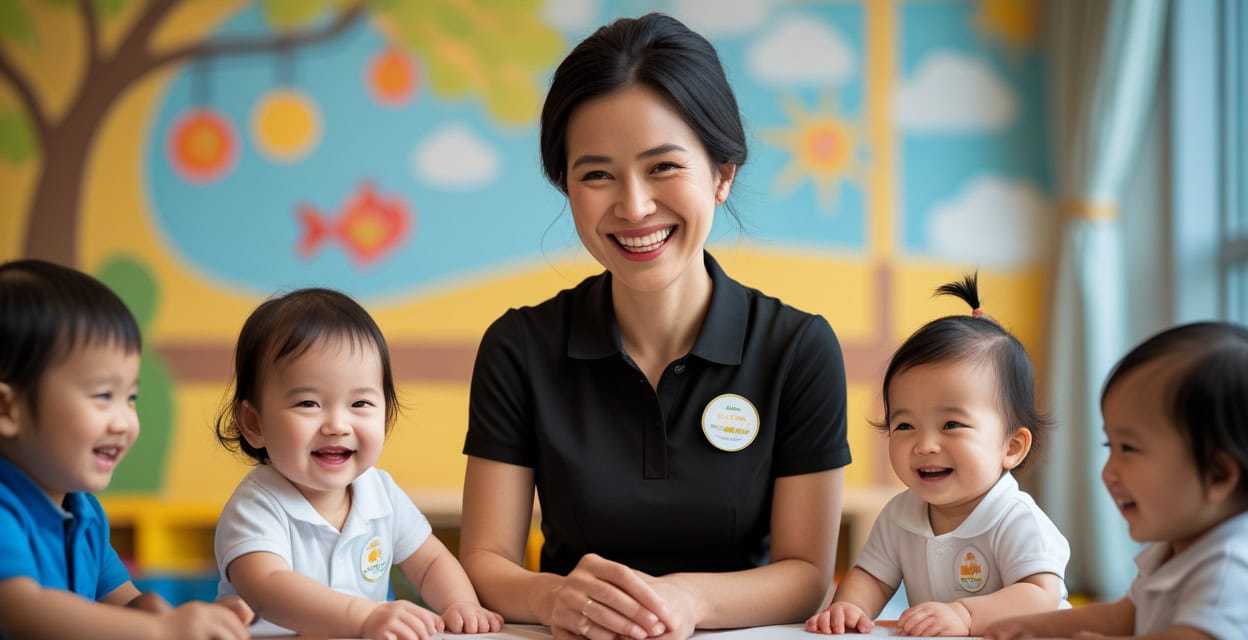
Concluding Call: Who, What, When, Where, How
Who: Parents seeking trust and time; infants seeking attachment and discovery; childminders seeking meaningful, professional work.
What: Childminding as a craft—attachment‑first, safety‑led, joy‑filled—delivered in ultra‑low‑ratio pods.
When: The first thousand days, when the brain’s architecture is built at breathtaking speed.
Where: Near home, in home‑based pods and community micro‑centres across Singapore.
How: Certified and background‑checked childminders; 1:3 ratio; clean, calm environments; CCTV in community spaces (and optional in home pods with consent); clear health policies; Monday–Friday 7am–7pm subsidised blocks; affordability from $33/day before GST; CDA acceptance; a concierge‑guided journey from enquiry to enrolment.
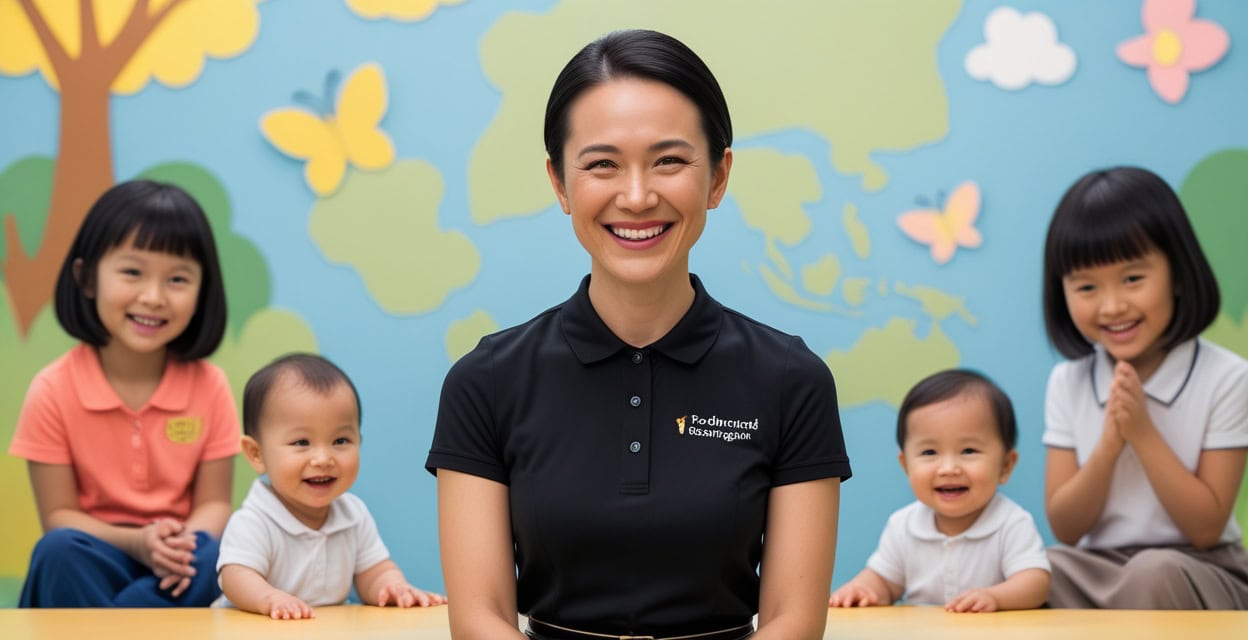
Conclusion: A Reflective Path Forward
Infancy is not a waiting room for life; it is life in its most formative, impressionable, hopeful form. When we invest here—with care that is careful, science that is humane, and systems that are neighbourly—we do more than mind children. We grow confidence. We grow kindness. We grow Singapore.
On behalf of EduNanny by BUTLER, and in partnership with ECDA and our fellow operators, I invite you to see a pod, meet a childminder, and feel the quiet power of small. The future is cradled in our arms every day between 7 and 7. Let us hold it well.
To begin, visit the information page or contact our Concierge Team. The journey from enquiry to enrolment is designed to be gentle, transparent, and respectful of your family’s needs. Thank you.
[#premier, #infantcare, #earlychildhooddevelopment, #attachmenttheory, #Singaporeeducation] [#keyword1, #keyword2, #keyword3, #keyword4, #keyword5]