Baby Not Crawling? What to Notice and When to Ask
Understand why crawling alone is not a pass mark, notice everyday movement and prepare a clear conversation with your baby’s doctor about concerns.


Understand why crawling alone is not a pass mark, notice everyday movement and prepare a clear conversation with your baby’s doctor about concerns.

Answer your four-month-old’s comfortable coos with a gentle reply, leave room for what happens next, and know when to discuss communication concerns.

Prepare a bedside conversation about your baby’s first feed. Ask the maternity team about the current plan, safe support and what should happen next.

Keep feeding, sleep, comfort and awake interaction in view without assigning fixed slots. Use a simple day map that changes with your baby and current care instructions.
Check the floor, nearby routes, toy instructions and adult supervision before play. Repeat the check when the room changes or new places become reachable.
Prepare a clear space for awake floor play, then observe, offer, wait and adjust. Keep supervision and your baby’s comfort central, and record what you saw without scoring it.

Confirm what the provider supplies and what to bring: milk, nappies, spare clothing, permitted comfort items and current care instructions.
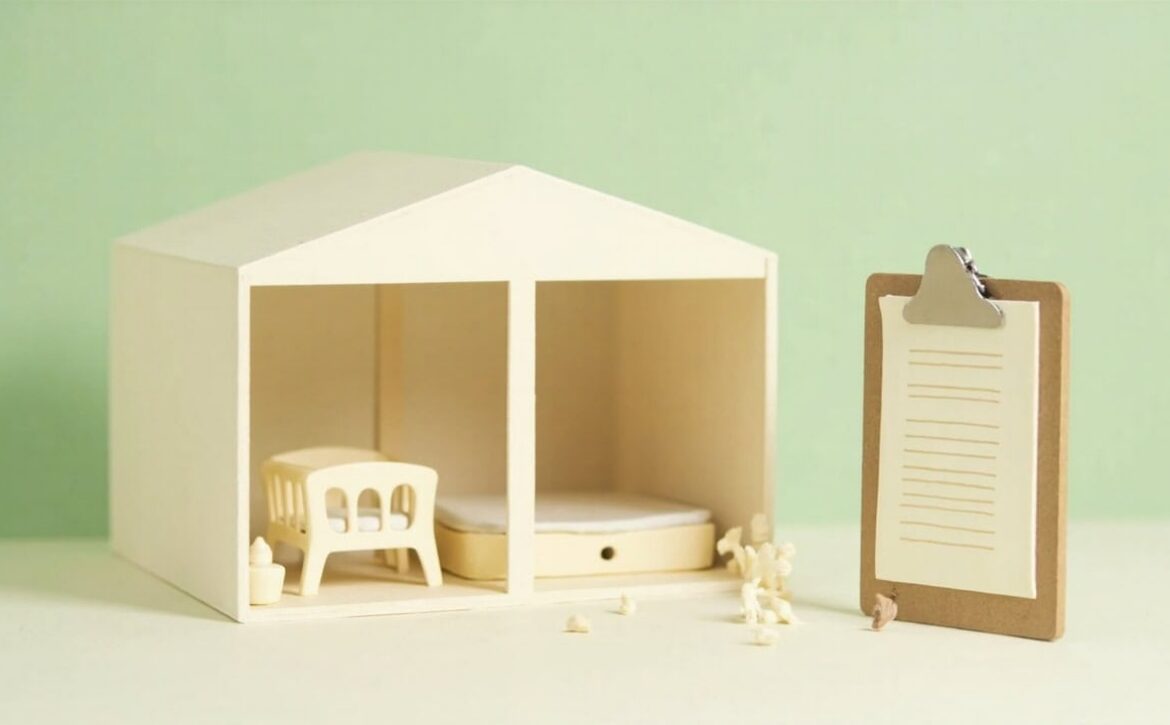
ECDA’s new partnership guide is written for preschools, so here is what carries over to a baby and where records actually exist in writing today.

Singapore’s published infant care guidance describes routines you can ask about: meals and milestone records, feeding, sleep space and emergency plans.
The 2026 report describes brainwave and executive-function patterns in one Singapore cohort, not proof that screens caused harm to a child.