Your Baby’s First Feed: What to Ask the Maternity Team
EDUNANNY® BY BUTLER · INFANT GUIDE
What should you ask when your newborn is ready for a first feed? Begin with the maternity team: ask what is appropriate for you and your baby now, what help is available and what should happen next.
This guide helps you prepare a bedside conversation in the first hour after birth. Your team’s assessment and individual care plan come first, including when feeding or skin-to-skin contact needs to begin later.
Ask what is appropriate for both of you now
KK Women’s and Children’s Hospital’s after-delivery guidance describes a nurse establishing skin-to-skin contact and initiating breastfeeding when the mother’s and baby’s conditions permit. It supports early breastfeeding within the first hour of birth.
The condition matters. You do not need to decide from a clock or a movement alone whether your baby should feed. Ask the professionals caring for you to explain what they are observing and the recommendation for this moment.
HealthHub’s postnatal guidance recommends at least an hour of skin-to-skin contact soon after birth when the mother and baby are well. It also directs families to nurses and lactation consultants for help with breastfeeding and latching during the hospital stay.
You can ask a short opening question: “Is skin-to-skin contact and a first feed appropriate for us now, and can you help us?” If the team recommends a different immediate plan, ask them to explain that plan and how feeding support will fit into it.
These recommendations support a beginning with professional help. They are not a deadline by which a family must demonstrate a successful feed.
Let the team show you safe positioning and support
Ask someone from the maternity team to help position and support your baby, and to explain what you should watch for. Tell them if you feel very tired, drowsy, uncomfortable or unable to hold your baby securely.
The UNICEF UK Baby Friendly skin-to-skin resource emphasises ongoing observation of mother and baby, supporting the baby’s head and keeping the airway clear. It also recognises that a tired mother may need continuing support and supervision. This is safety guidance for maternity care; ask your own team to show you what applies to your situation.
If you are concerned about your baby’s condition, alert maternity staff straight away. Ask for help before continuing if you cannot hold your baby safely. A question card or written note should never delay that conversation.
For breastfeeding, ask a nurse or lactation consultant to watch and help with positioning and attachment. You can describe what you noticed without trying to diagnose the problem yourself. KKH’s current guidance confirms that lactation consultants and trained ward nurses provide breastfeeding support.
Keep four useful questions within reach
The card below is an optional editorial aid for a conversation with the team. It does not assess feeding readiness, prescribe a feeding method or replace clinical instructions. Use the questions that fit your circumstances.
| Ask about | A question for the team | What to make clear |
|---|---|---|
| Readiness now | A question for the teamWhat are you noticing, and is a feed appropriate for our baby now? | What to make clearThe team’s assessment and immediate recommendation. |
| Holding safely | A question for the teamCan you help me support and position our baby safely, including if I feel tired? | What to make clearThe help you need and who will provide it. |
| Feeding support | A question for the teamCan someone observe the feed and show us what to do? | What to make clearThe support for the feeding plan advised for your baby. |
| The next step | A question for the teamIf this feed does not go as expected, what should we do and how should we call for help? | What to make clearThe current plan and the route to maternity staff. |
Ask one question at a time. If an answer is unclear, ask the team to show or explain it again. You do not need to complete every row before receiving help.
An illustrative opening, with room for an assessment
This wording is invented for illustration: “I noticed our baby making small movements while we were together. Could you assess what is happening and help us with the next step?” It reports an observation and asks for professional assessment. It does not declare that the movement proves feeding readiness.
Repeat the advice and keep a short note if useful
After the team has helped, repeat the next step in your own words: “So, the plan now is…” Give them a chance to correct anything you have misunderstood.
If a note would help you remember, separate what you saw from what the team advised. For example, leave space for: our observation; the team’s assessment; the support provided; the next instruction. These are optional memory prompts, not clinical records or a required hospital form.
Write only what has actually been explained. Leave a gap rather than guessing an instruction. If the situation changes or you are worried, speak to the team again rather than relying on an earlier note.
Before leaving hospital, ask how to obtain feeding support after discharge. KKH describes outpatient or tele-consultation lactation support for mothers with breastfeeding concerns after discharge; ask your own hospital about the arrangements available to you.
Leave with a clear route to help
The useful outcome is knowing the current feeding plan, what support you can ask for and who to contact next. There is no need to grade yourself or your baby by one attempt.
For the later transition home, our guide to separating agreed household tasks from feeding questions explains why clinical questions need the appropriate healthcare contact.
Sources and image credit
- KKH: after delivery — conditional first-hour breastfeeding and hospital lactation support.
- HealthHub: postnatal guidance — skin-to-skin contact when mother and baby are well, and help with latching.
- UNICEF UK Baby Friendly: skin-to-skin contact — safe positioning, observation and support.
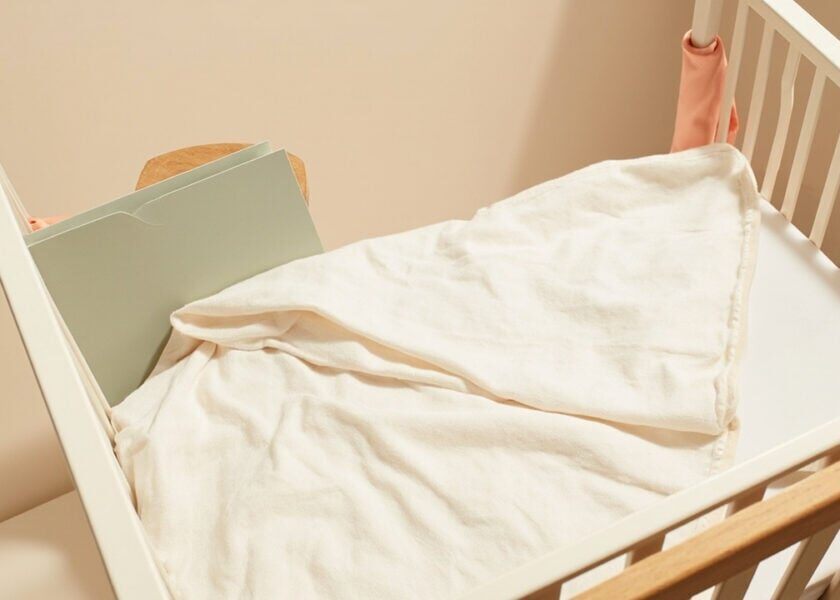
Stock photograph by Marcel Fagin on Unsplash, used under the Unsplash licence. An illustrative newborn detail; it does not demonstrate feeding or skin-to-skin positioning.