What to Ask About a Nap Camera in Childminding
A nap camera may be one consideration when choosing infant care, but its value depends on what it shows, how access works and how it fits alongside visits, conversations and daily updates.
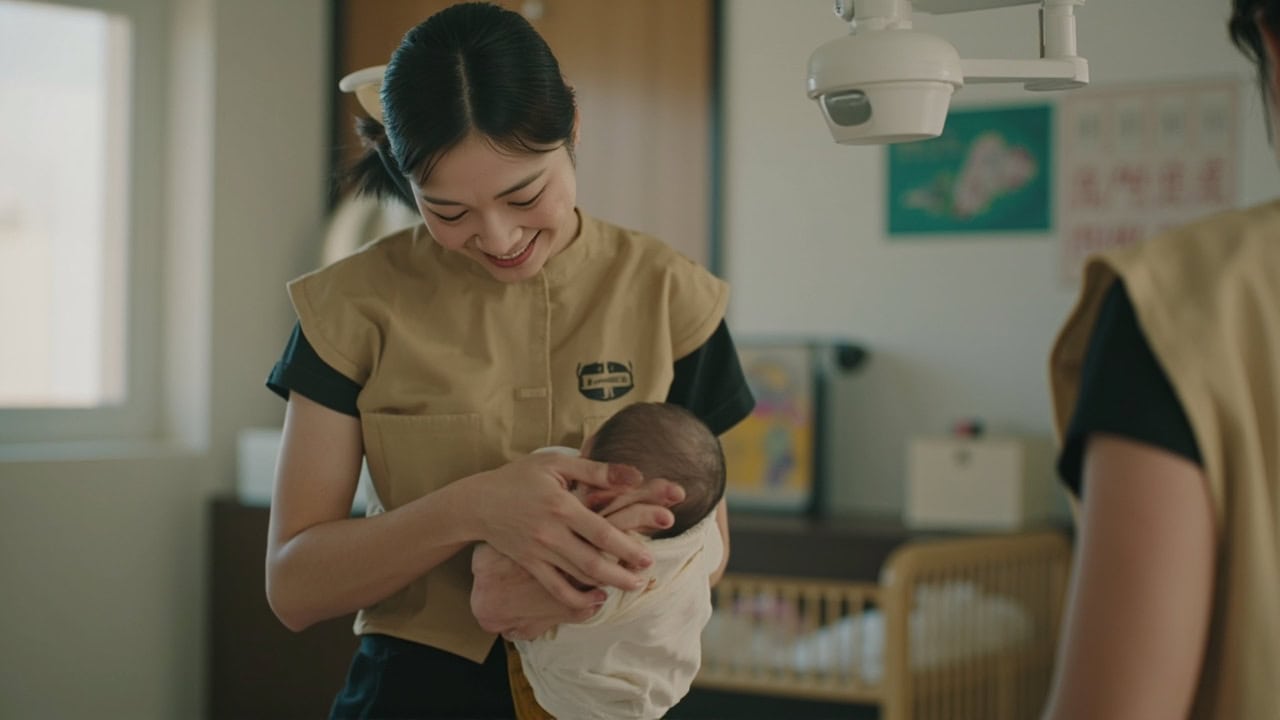
When your baby naps at childminding, you may want reassurance that they are settled and that the agreed care arrangements remain in place. A camera above the cot can make those arrangements more concrete, especially when you are away for the day. Before enrolment, it can also prompt useful questions about what the camera will show, how you will access it and who will explain its role in the care arrangement.
The camera is one part of a wider care arrangement. The Ministry of Social and Family Development says the pilot involves operators engaging childminders to look after infants, with each childminder caring for one to at most three infants at any one time. Its ECDA Appoints Three Operators for New Childminding … announcement sets out that numerical scope. The camera’s coverage and access are separate details that families should discuss for the setting they are considering.
At EduNanny, our ECDA Childminding Pilot page documents a camera above the baby’s cot and invites families to ask how access is arranged. The Frequently Asked Questions page gives a similar description, stating that a CCTV nap camera is provided and installed above the cot. Together, these pages document the device’s position and provide a useful starting point for questions about the care setting you are considering.
Start with What Is Documented
You can reasonably ask the team to explain what the camera’s position means in practice. Which parts of the cot and surrounding area will be visible? Will the view be the same at every care location? How will you be given access, and are there agreed times when the feed or access service will not be available? The available information does not specify these details, so the team’s answer for the setting you are considering matters.
You could begin with: “What will I see through the nap camera, and how will I access it?” If the answer refers to an app, agreed viewing times or requests through the team, ask what that means for your child’s time in care. You can also ask whether recordings or alerts are available if those features matter to you. These are practical questions about the service, not assumptions about what a camera should provide.
Turn the Answers into Clear Expectations
Camera questions are most useful when they produce a clear written understanding of access, privacy and communication. Before enrolment, ask who may view the feed and how access to parent accounts would be authenticated. Find out which members of the care team can access the feed and whether there are any restrictions you should know about.
It also helps to ask what happens if the camera or access service is unavailable. Who would notify you, and by which agreed method? You should also be clear about the information you will still receive about your child’s care, whether through daily updates, handover information or another agreed method.
At EduNanny, our pilot page says that daily updates and routine communication keep families informed about feeding, rest and how the day is going. Ask when updates are shared, what they usually include and how urgent matters are communicated. This places the camera within the context of the day, alongside information about the baby’s wider care rather than in place of it.
You may also ask what role the camera plays in the care routine. Is it intended for parent access, to support monitoring during sleep or as part of a specific safeguarding process? Ask for the answer in plain terms. Clear expectations will help you decide whether the arrangement meets your needs.
Use the Visit to Clarify the Arrangement
The camera arrangement is easier to assess when you can see the setting and meet the person caring for your child. Our pilot page encourages parents to meet the childminder and visit the setting. During your visit, ask where the cot and camera are positioned, what the view includes, how settling and rest are organised and how you will receive information while your child is in care.
Note which answers need to be demonstrated or confirmed. Ask whether the camera view and access arrangements are the same in EduNanny’s documented options for care at home and in the community. The pilot information also describes a trial lasting five days that can be arranged after a visit, subject to availability and the terms of the full agreement. Use the visit to resolve your practical questions before the trial begins, and confirm how handovers and updates will be handled while you are away.
You can bring a short list, but keep it focused on the choices that will affect your family. Note the confirmed access method, the people authorised to view the feed, the expected communication updates and the next step if the system is unavailable. A clear answer today is more helpful than a general promise to review the arrangement later.
The camera arrangement should be considered alongside a wider responsibility for care. Our The EduNanny® Oath describes commitments to safety, wellbeing, dignity, trust and professional accountability for every child in our programme. Consider those practical details alongside this wider context. Your final decision should take account of both the documented service and the setting your baby will use.
Sources and further reading
- EduNanny ECDA Childminding Pilot · EduNanny
- Frequently Asked Questions · EduNanny
- The EduNanny® Oath · EduNanny
- ECDA Appoints Three Operators for New Childminding … · www.msf.gov.sg
The images in this article were generated with AI for illustration. They do not show actual EduNanny staff, children or facilities.
Every family has different care needs. Speak with EduNanny to discuss care that is right for your child.