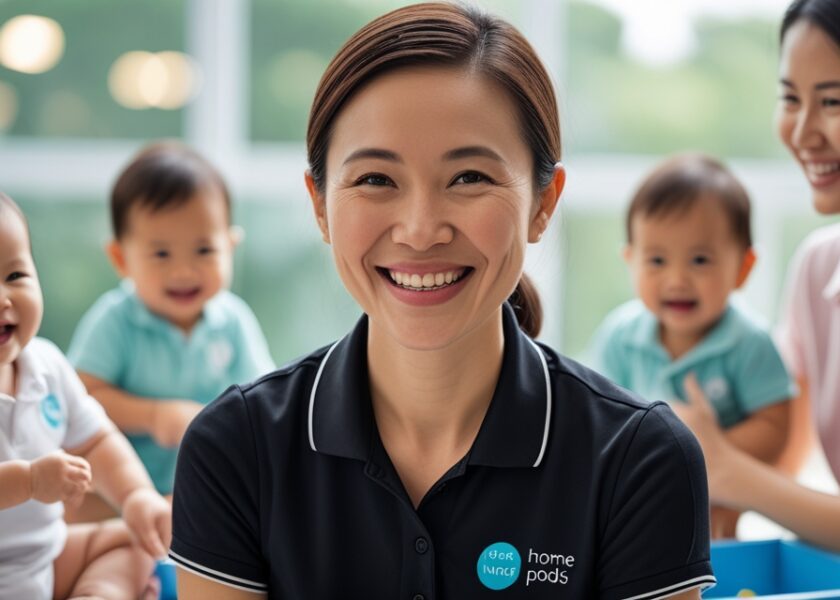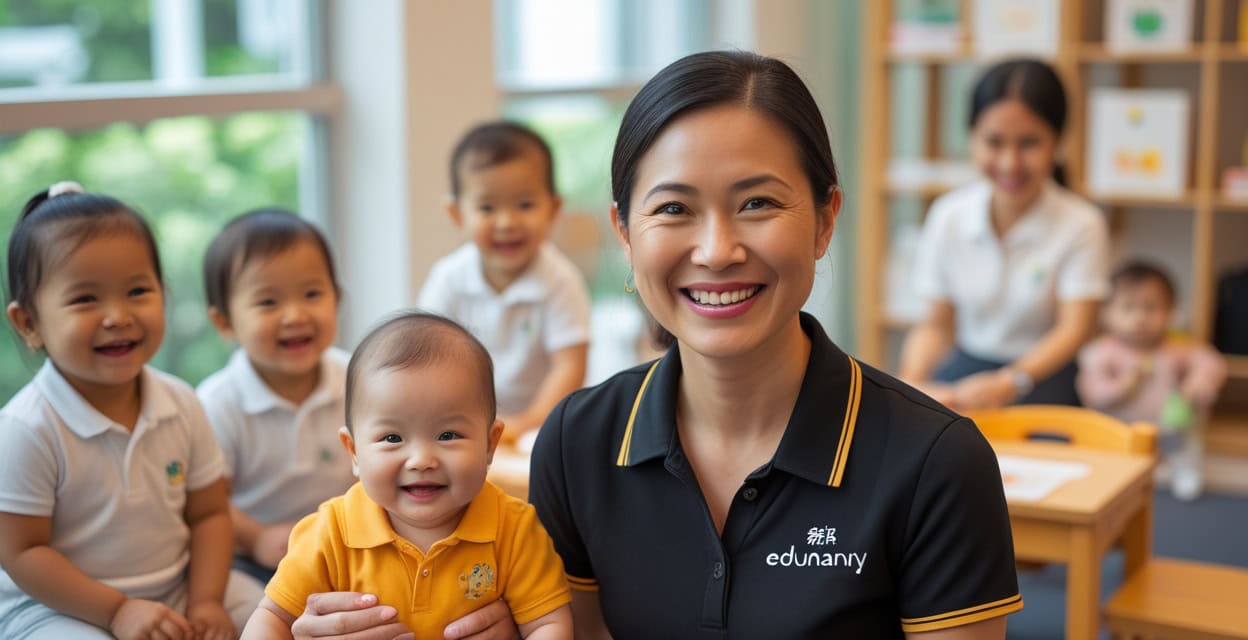
Near Home, Big Futures EduNanny Building the First Thousand Days for Singapore
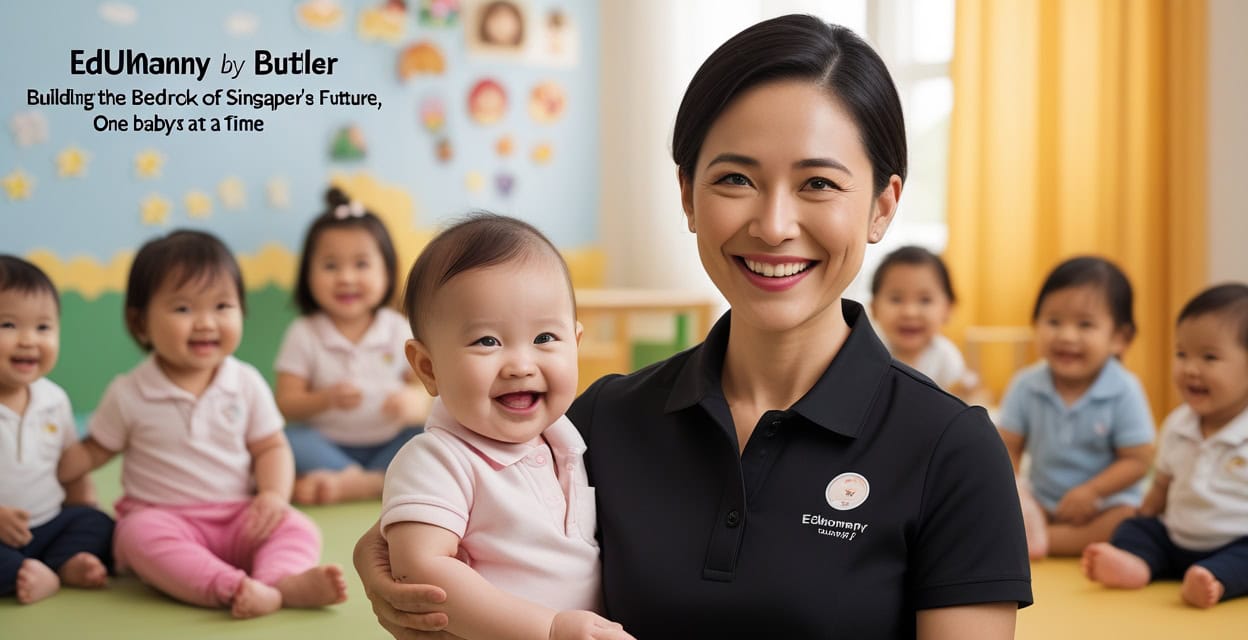
EduNanny by BUTLER: Building the Bedrock of Singapore’s Future, One Baby at a Time
Good evening. In Singapore’s journey toward a more inclusive, innovative future, the first thousand days are not simply a window of time—they are a national infrastructure. When caregivers kneel, meet a tiny gaze, and let a child’s breath set the pace, we do more than care for a child. We shape lifelong curiosity, resilience, and trust. EduNanny by BUTLER was founded to make those precious moments reliable, gentle, and near to every family, every weekday, across our island.

The EduNanny Manifesto: A Centre- and Home-Based, Science‑Backed, Human‑Scale Network
EduNanny by BUTLER is a thoughtfully designed network of centre- and home-based childminding. It is built with science, delivered with dignity, and scaled for human pace. Our mission is simple to state and ambitious to deliver: turn the art of attuned care into everyday access—safe, joyful, transparent, and affordable—for working families in Singapore.
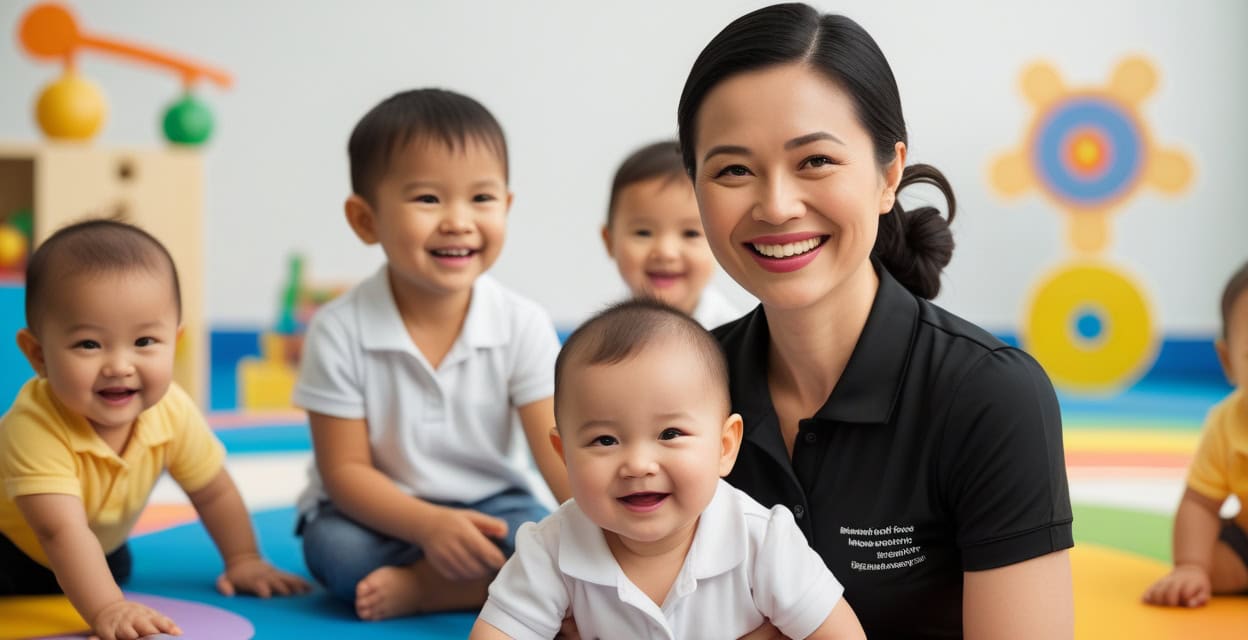
Five topics for a future‑ready cradle
1) The Pedagogy of Presence: Watch, Warm, Weave
- Watch: We begin with disciplined observation. Environment is prepared in the spirit of Montessori; pace respects the infant’s rhythms as Pikler suggests; Piaget informs our welcome of sensorimotor discovery. Practitioners notice micro‑cues—eye flicks, hand flutters, the pause before a babble—and shape responses around the child’s signal.
- Warm: We co‑regulate before we instruct. Drawing on Vygotsky, learning lives in relationship; drawing on Bowlby, safety is the engine of exploration. We match tone, tempo, and touch to the infant’s state until the body settles, and only then does the mind open.
- Weave: We connect play threads to build meaning—rolling, naming, handing, returning. We weave language to action: “Your hand found the bell. You shook. Hear the ring?” This is how neural pathways knit into habits of attention and delight.
2) Safety as a System, Not a Slogan
- Ratio that respects risk: A 1:3 infant ratio keeps eyes on, hands near, and responses timely.
- Rooms that prevent before they protect: Floor‑level learning, soft edges, clear sightlines, modern layouts, and predictable pathways to reduce startle and collision.
- Procedures that are living, not dusty: Hourly hazard scans, clean‑and‑check cycles, two‑factor handovers, double confirmations for bottles and allergies, sleep checks at scheduled intervals, and transparent incident communication within minutes.
- Ethical technology: CCTV with consent, clear guardrails, training support, transparency, and accountability without diminishing warmth.
3) Development with Rhythm and Rigor
- Rhythms: Feed‑play‑rest cycles paced to the child, not the clock, to reduce cortisol and fussiness. Gentle transitions—light cues, voice cues, touch cues—safeguard the nervous system.
- Language: Narration without noise. Simple, precise words grow receptive language; patient turn‑taking grows expressive attempts. Every diaper change becomes a conversation; every floor reach becomes a hypothesis test.
- Movement: Honour the floor. Encourage reach, roll, crawl, and pull to build balance, core strength, and spatial sense. Froebel would smile; so would a physiotherapist.
- Assessment: Track developmental micro‑milestones as trends, not verdicts. Escalate early in partnership with families, celebrate strengths loudly, and support lags with consistency.
4) Happiness You Can See (and Measure)
- The Five Joy Signals we monitor daily:
- Bright eyes scanning confidently after settling
- Soft shoulders and easy breath in a caregiver’s hold
- Initiated play—a toy offered, a shared smile
- Smooth handover and re‑connection with parent
- Rest arriving without struggle and ending without a startle
These signals are more than “nice to have”; they proxy secure attachment, self‑regulation, and openness to learning—the early triumph of trust over mistrust, as Erikson described.
5) The Purpose of Childminders: Care as Civic Work
- For families: We are the calm between work and home, the steady witness to firsts, the patient ear for a first word, a first friend, and a first breath that steadies a day.
- For the nation: We contribute to a care economy that dignifies essential work, expands workforce participation, and closes opportunity gaps at the very start of life.
- For the profession: We create ladders—from trainee to senior practitioner to pedagogy lead—so talent stays, craft deepens, and the work’s value is reflected in training, pay, and pride.
What EduNanny looks like in a day
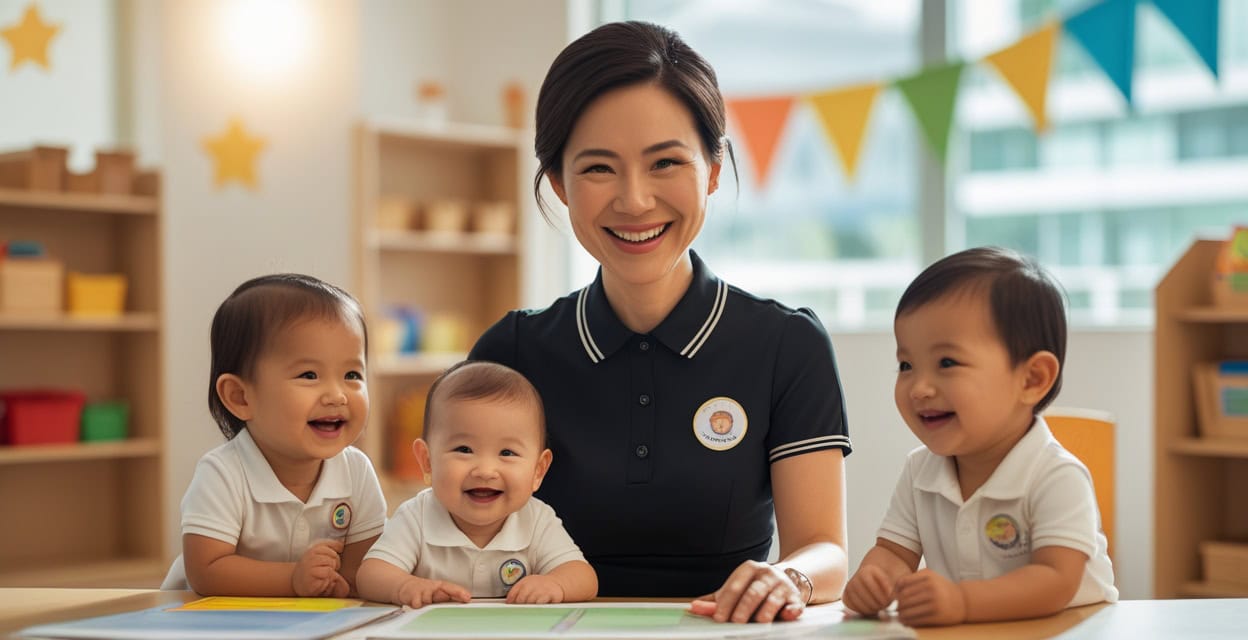
Imagine eight‑month‑old Yusuf reaching for a rattle. A practitioner kneels, waits, and mirrors Yusuf’s pace: “You’re aiming, Yusuf. I’m right here.” He grasps, shakes once, startles, then grins. In another corner, Mei Lin rests after a feed, a gentle hand placed on her tummy for two breaths, then released. The room hums at a human tempo—soft lighting, low noise, clear sightlines. A tablet logs a nap start, while a parent checks in briefly—not to micromanage, but to feel connected. Quiet excellence. Not heroic, but essential.
Transparent partnership with parents
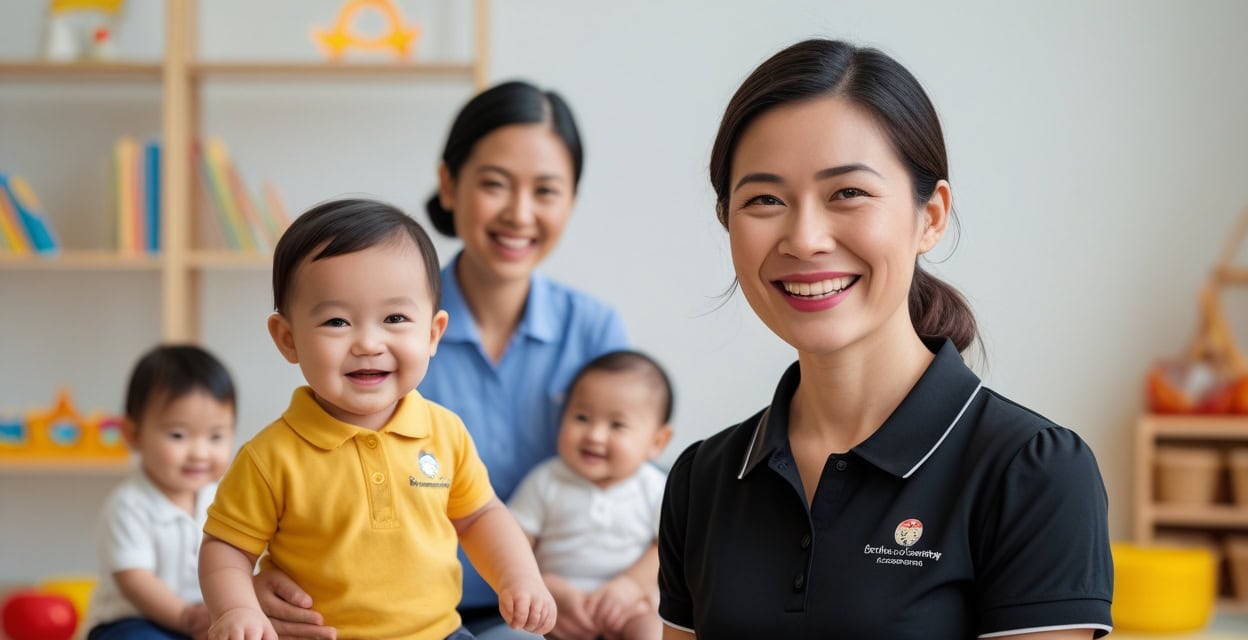
- Daily notes: Translate care into growth: meals, naps, new gestures, peer interactions.
- Shared goals: Short, actionable steps like “two sound‑play exchanges after naps this week.”
- Distance childminding support: Virtual coaching, tele‑check‑ins, and home setup guidance that extend care beyond the centre.
- Cultural respect: We welcome rituals, languages, and family rhythms so that the child hears one song of care, not competing choruses.

Why “near home” and “human scale” matter
Proximity reduces transition stress, returns parents time, and keeps communities cohesive. A 1:3 pod lowers noise, accelerates trust, and makes attunement practical. Smaller, nearer, calmer is not a luxury; it is a developmental advantage that supports daily life and long‑term growth.
Program benefits at a glance
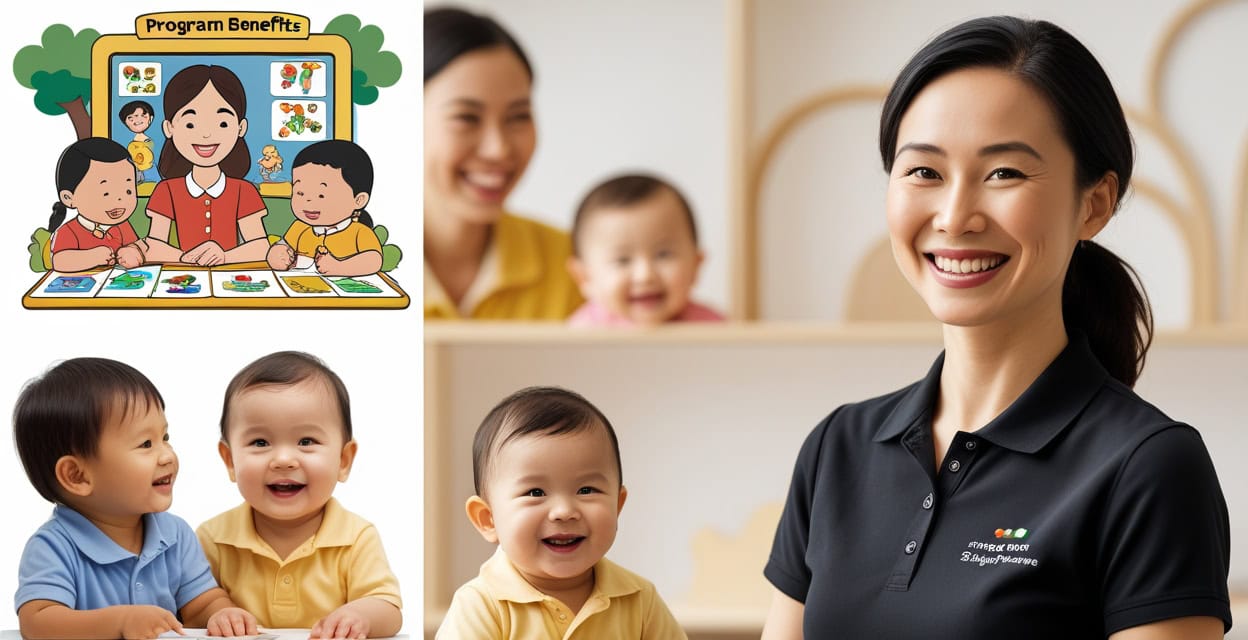
- Excellence and Quality: Rigorous training, evidence‑informed practice, continuous coaching
- Centre‑Based and Home‑Based options: The setting that fits your family rhythm
- Distance support: Tele‑coaching, virtual check‑ins, home‑setup guidance
- Convenience: Monday – Friday, 7am – 7pm, islandwide Singapore
- In community and home premises: Trusted spaces close to where families live and work
- Excellent 1:3 infant ratio: Time to see, hear, and respond to each child
- Innovation CCTV: Transparent, ethical visibility with consent and safeguards
- Modern layouts: Floor‑forward design, safe sightlines, sensory‑smart rooms
- Home Base and Centre Based under one umbrella
- Affordability from $33/day: Tiered options to widen access
- ECDA Childminding Pilot: Contributing to national learning and standards
- EduNanny by BUTLER: Service excellence with hospitality‑grade operations
- National Social Initiative: Strengthening families and communities through care
- Maximum Employment Mandate: Creating dignified jobs in the care economy
- Fees payable by CDA/Baby Bonus and more: Subject to prevailing regulations
- Visit: EduNanny.com and Childminding.EduNanny.com

What professionals see—and why it matters
- Neurodevelopment: Predictable co‑regulation lowers baseline stress, freeing neural energy for exploration and language.
- Attachment security: Consistent, warm responses shape internal working models of safety and worth, supporting empathy and persistence.
- Executive function: Tiny rehearsals of waiting, looking, reaching, receiving, and returning scaffold later attention and self‑control.
- Social start: Small micro‑groups rehearse sharing space, noticing signals, and forming early peer interest.

How we hold ourselves accountable
- Training with fidelity: From induction to advanced infant mental health modules, with observed practice and feedback loops.
- Environmental audits: Monthly room flow reviews, noise and light checks, hygiene spot checks.
- Parent voice: Structured feedback after settling, at six weeks, and each term, with transparent improvement logs.
- Data with humanity: We track patterns in sleep, feeding stability, and transitions while treating every child as a person, not a plot point.

A word on affordability and dignity
We reject a false choice between premium care and accessible care. Affordability from $33/day is achievable because we design for efficiency, shared services, scalable training, and operations that prioritise what matters for development. Dignity is non‑negotiable—for children, for parents, and for the dedicated professionals who choose this work.
The civic case for childminding
Strengthening the first thousand days yields calmer classrooms, healthier teens, and adults who can collaborate with confidence. Childminding is not a side service; it is quiet public infrastructure. The return on investment is measured in social cohesion, workforce participation, and a nation that grows its citizens with care that begins at home and continues in communities everywhere.
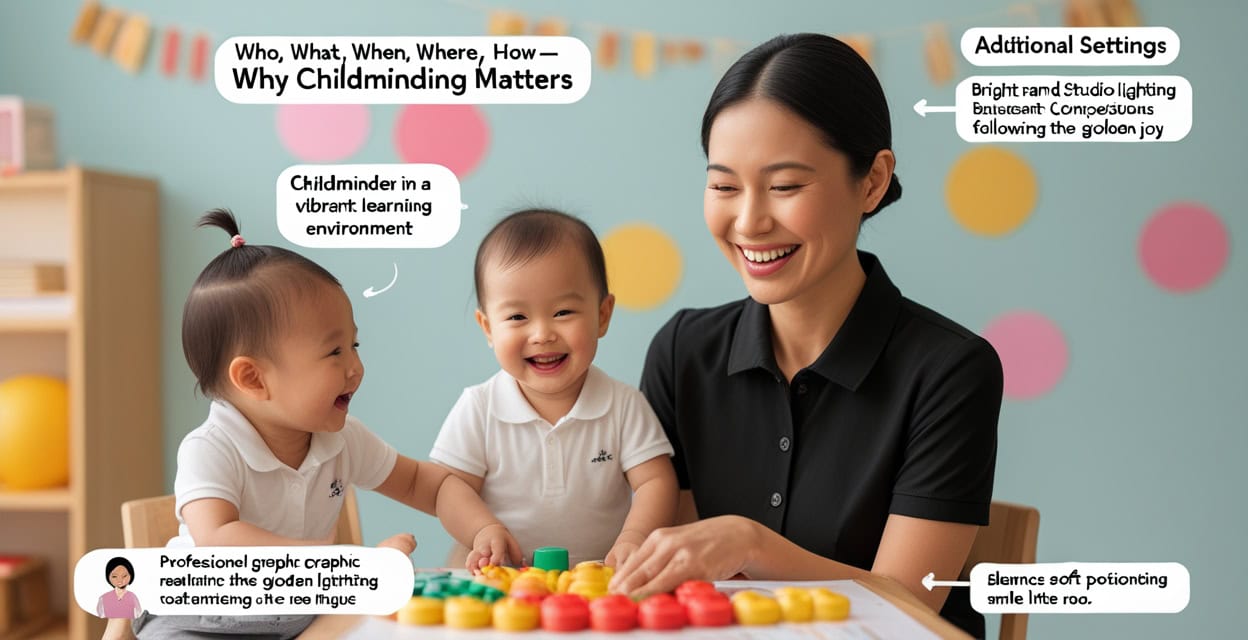
Conclusion: Who, What, When, Where, How—Why Childminding Matters
- Who: Infants and their families, practitioners whose craft deserves respect, and communities that gain strength when care is nearby and reliable.
- What: A 1:3, science‑led, heart‑forward childminding model that makes safety, attachment, and learning visible through centre‑based, home‑based, and distance supports.
- When: Monday to Friday, 7am to 7pm—covering the long hours families need, across the first thousand days of brain growth.
- Where: Islandwide Singapore, in community and home premises designed for modern, floor‑level movement and clear sightlines.
- How: With presence before pedagogy, safety as a system, transparency that builds trust, and affordability that widens the circle. With training that elevates a profession. With partnerships that honour family culture and voice.
And why? Because a nation’s future is formed not merely by tall buildings or fast networks, but by small rooms and gentle routines. The way we greet a baby today becomes the citizen tomorrow.

Join us in this path
On behalf of EduNanny by BUTLER, we invite you to walk this path with us: to watch, to warm, and to weave strong beginnings across Singapore—one steady minute at a time. To learn more or to enrol, please visit EduNanny.com or Childminding.EduNanny.com.
Thank you for trusting us with your most important work. We meet your child at their pace, at their level, and with our whole hearts.
[#keyword1, #keyword2, #keyword3, #keyword4, #keyword5]Ready to Experience Excellence?
Transform Your Family’s Journey
Discover Singapore’s leading infant care and childminding services. Expert guidance for your little one’s first thousand days.