Greet and Grow A Practical Civic Vision for Singapore Infants with EduNanny
Introduction: A Practical Vision for Singapore’s Youngest Citizens
Distinguished parents, caregivers, neighbours, and friends of Singapore’s youngest citizens — thank you for gathering, in person or in spirit, for a conversation that is as practical as it is profound: how a nation grows by the way it greets its babies. I stand before you as an EduNanny advisor who holds the science of infancy in one hand and the dignity of family life in the other. Our north star is simple: every baby deserves safety, attuned care, and joyful learning—delivered close to daily life and trusted by the community.
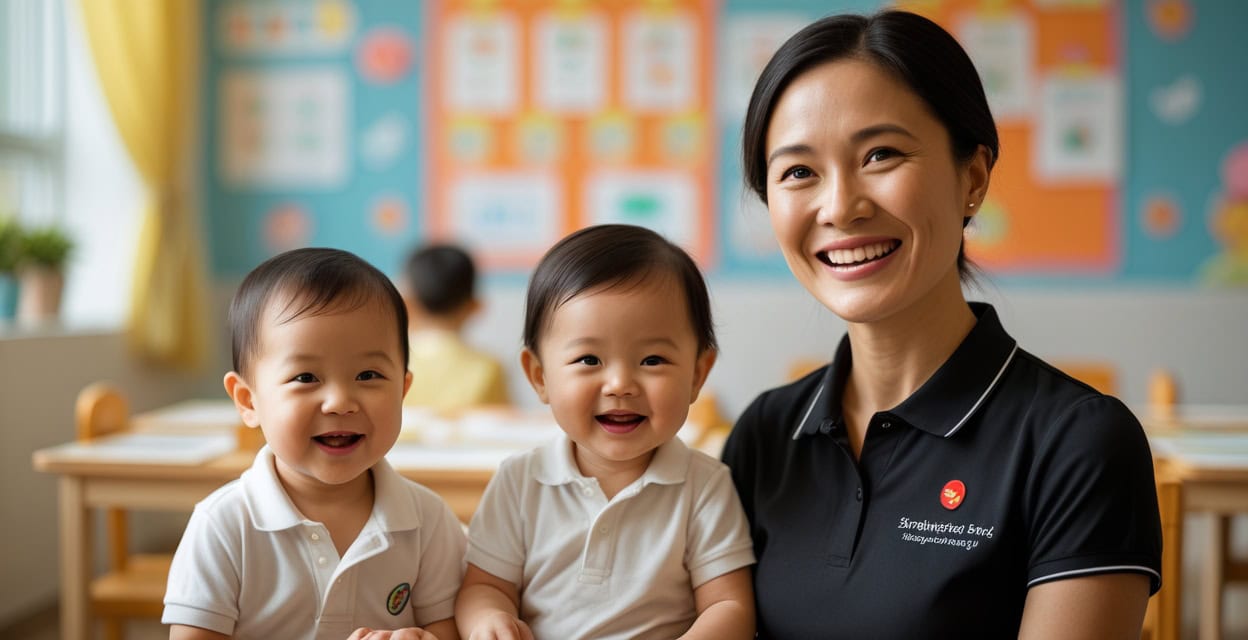
EduNanny by BUTLER is born in Singapore, shaped by evidence, and designed for everyday use. It is part of the ECDA Childminding Pilot, a national social initiative with a maximum employment mandate that does two things at once: it places an expert caregiver within reach of Singapore families, and it dignifies caring work with training, standards, and public trust. We operate Monday to Friday, 7am to 7pm, islandwide—through Centre Based Childminding, Home Based Childminding, and distance support for families who need flexible guidance. We commit to an excellent 1:3 infant ratio, modern layouts that are calm and purposeful, and an innovation CCTV layer for transparency. We do it affordably from $33/day, with fees payable by CDA/Baby Bonus. And we do it in the places life happens—community premises and family homes—with one promise: quality that feels human.

EduNanny: An Integrated Care Ecosystem
Foundations: Training, Standards, and Public Trust
EduNanny is built on a deliberate blend of international wisdom and local practicality. We draw from Maria Montessori, Emmi Pikler, John Bowlby, Jean Piaget, Lev Vygotsky, Friedrich Fröbel, Loris Malaguzzi, Benjamin Spock, and Erik Erikson to translate theory into everyday practice. Our approach is not abstract pedagogy; it is living, local practice designed to fit Singapore’s MRT map, hawker schedules, and working parents’ calendars. The result is a sustainable, scalable model where training, supervision, and professional standards turn caring into a respected vocation.
Our Reach: Hours, Models, and Islandwide Access
We operate with a family-friendly cadence that respects the realities of urban life. Our programs span:
- Centre Based Childminding — purpose-built spaces that support calm exploration
- Home Based Childminding — intimate settings embedded in family life
- Distance support — professional guidance accessible anywhere
Each setting adheres to a 1:3 infant ratio, with CCTV transparency and daily coaching to ensure consistency and growth. The model is designed to be resilient in busy urban life and flexible enough to align with family routines.
Affordability and Public Support
Our pricing starts from $33/day, with CDA/Baby Bonus compatibility. This is not a political pitch; it is a practical commitment to making excellent infant care accessible to families who need it. We aim to reduce stress around care decisions by providing clear value, reliable schedules, and transparent outcomes—so trust can flourish in the daily moments that matter.
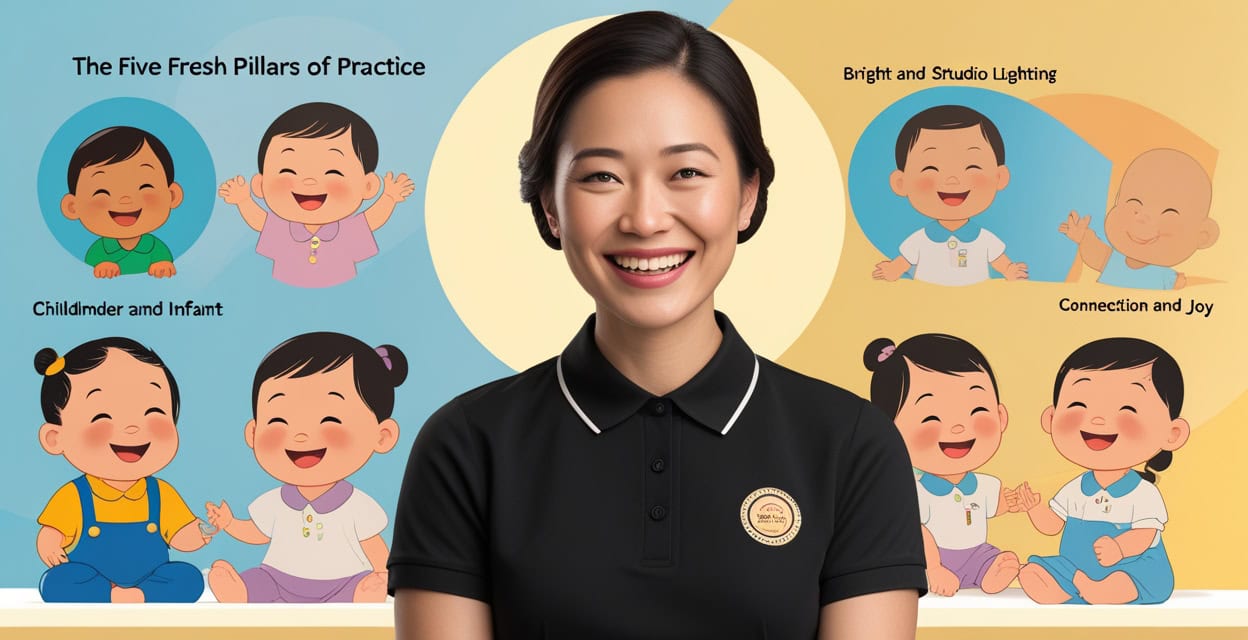
The Five Fresh Pillars of Practice
Topic One: The Golden Minute Method
In the first years, development does not arrive in grand speeches; it whispers in seconds. EduNanny trains childminders to navigate a cascade of 60‑second cycles: notice, name, nurture in real time.
- Notice: Observe an infant’s cue—gaze, hand flutter, breath shift—without rushing. This honors Pikler’s principle of slow, respectful care.
- Name: Mirror back with language, tone, and touch—“You’re reaching… you found the wooden ring.” This builds Piaget’s early schemas and Vygotsky’s social language.
- Nurture: Extend the moment with a gentle offer—“Would you like to roll it back to me?”—bridging independent effort and safe invitation.
Our innovation CCTV supports reflective practice: parents can review highlights, and caregivers can refine their craft with coaching. Modern layouts—floor‑level mats, low open shelves, and warm light—encourage infants to lead the exploration while adults offer secure scaffolding. These micro‑attunements create what Erikson called the foundation of trust, one minute at a time.
Topic Two: Safety by Invitation
The safest space is the one that makes the safest action the easiest choice. Rather than over‑policing movement, we design environments that invite wise behaviour.
- We keep clear sightlines so supervision is unobstructed.
- We choose materials with integrity—solid wood, natural textures, firm sleep surfaces—so the environment teaches through feel.
- We set predictable pathways—where water, changing, feeding, and rest each have a calm, consistent zone—so infants anticipate what comes next and relax into it.
This is Malaguzzi’s “environment as third teacher,” adapted for Singapore’s compact rooms. It is also common sense: when a baby can see the world clearly, they move clearly. Safety by invitation doesn’t replace standards; it elevates them by design.
Topic Three: The Trust Truss
At EduNanny, the bond between infant, caregiver, and parent forms a truss—a lightweight structure that bears heavy loads.
- Daily handovers are concise and meaningful: last feed, last nap, notable moods, and one small success.
- A shared “care lexicon” ensures continuity: the same words for soothing, the same signals for rest, the same phrasing for offers and boundaries.
- Our digital daily diary and transparent CCTV build continuity without cluttering family life; you see what matters, not a flood of noise.
This is Bowlby’s secure base in action, supported by Vygotsky’s idea that learning sits inside relationships. When adults pull in the same direction, babies sprint forward. Trust is not a slogan; it is a system.
Topic Four: Joy as a Measure, Not a Bonus
Joy is not extra. It is the sound that development makes when it is unfolding well. EduNanny trains caregivers to read joy as data:
- Warmth Index: frequency of shared smiles, relaxed shoulders, and open palms.
- Curiosity Count: spontaneous returns to a material or activity, sustained gaze, soft vocal play.
- Recovery Time: how quickly a baby returns to calm after a small frustration—a vital sign of emotional regulation.
Fröbel taught us that play is the child’s work; Montessori showed that concentration is joy in motion. We offer simple, beautiful materials; quiet songs in multiple languages; and unhurried routines that let babies try, fail, and try again. We record tiny victories—a steady roll, a first two‑handed transfer—and share them with families because joy shared is courage multiplied.
Topic Five: The Work–Home Bridge
Singapore’s families need care that respects the realities of work and the sanctity of home.
- Centre Based Childminding offers predictability, peer rhythm, and staffed oversight.
- Home Based Childminding offers intimacy, flexible transitions, and continuity within family rooms.
- Distance support offers coaching when a parent or grandparent is the daily caregiver but wants professional guidance.
Within this bridge sits our maximum employment mandate: we train, mentor, and uplift childminders as skilled professionals—a workforce that grows household incomes while elevating standards. This is public purpose made personal. By aligning schedules (7am–7pm), transport patterns (islandwide), and affordability (from $33/day and CDA/Baby Bonus accepted), we make reliability a family right, not a luxury.
What sets EduNanny apart is not a single innovation but an ecosystem working in harmony: excellence and quality anchored in training, supervision, and an excellent 1:3 infant ratio; a choice of settings—Centre Based or Home Based—so families can match care to temperament and logistics; convenience and distance support so guidance can reach any household, any time; transparent innovation through CCTV and daily diaries, so trust becomes visible; modern layouts that calm the senses and invite learning; and national alignment as part of the ECDA Childminding Pilot and a broader social initiative to strengthen families and jobs. This is infant care as civic craft—neighbourhood by neighbourhood, minute by minute.
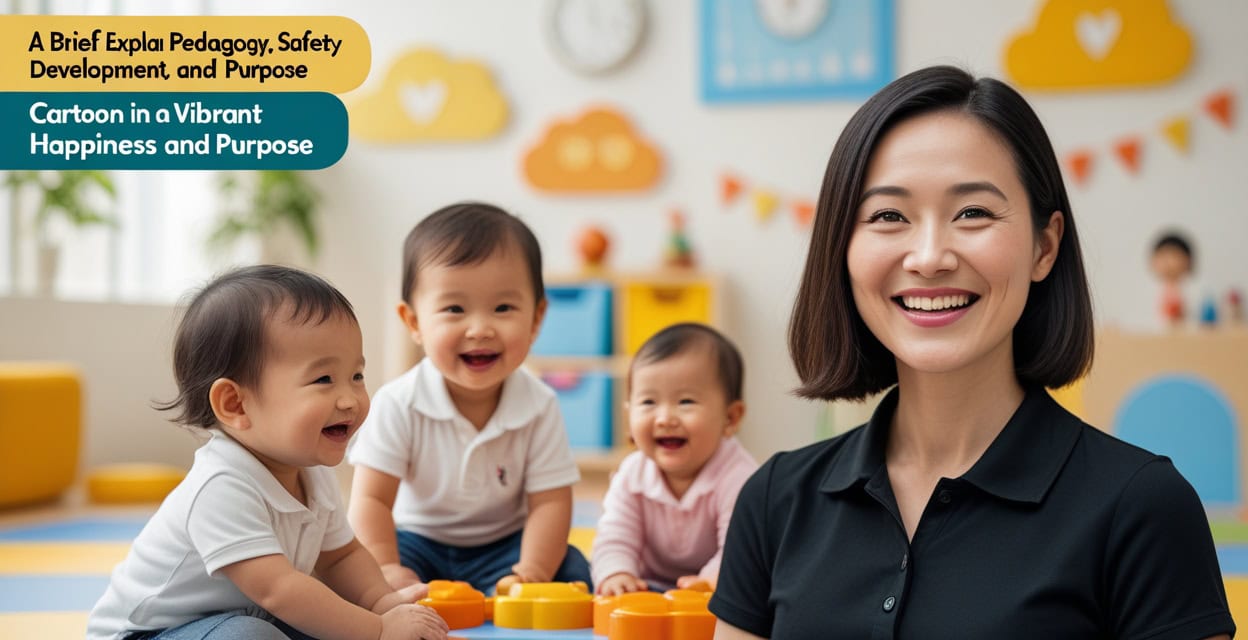
A Brief Explainer on Pedagogy, Safety, Development, Happiness, and Purpose
Pedagogy
We begin on the floor. Infants lead; adults kneel, listen, and phrase offers. We practice “low words, slow hands,” so autonomy blossoms without anxiety. Attunement is our curriculum; materials are our verbs. Practical example: a caregiver sits at eye level with an infant during play, narrating actions and inviting the infant to lead a turn with a simple toy, then gradually offering a choice between two safe options.
Safety
Safety is designed into space, encoded into routines, and reinforced through training and transparent oversight. We prevent more than we react. Practical tip: map a home or centre environment with a simple safety ladder—identify hazards, then remove or modify them, and establish calm, predictable routines that prevent rushed decisions.
Development
Motor freedom with mindful spotting. Language through responsive talk, song, and naming. Social growth in tiny circles of care where turn‑taking begins with eye contact and a shared toy. Practical example: structured turn-taking games using a single object that travels between two children, reinforcing patience and shared attention.
Happiness
We treat happiness as an essential health metric. Calm, curiosity, and connection frame our daily plan. If joy dips, we adjust the plan—not the child. Practical approach: maintain flexible daily rhythms, and schedule a brief joyful activity (singing a familiar song or a quick dance) if a baby shows signs of stress or fatigue.
Purpose of Childminders
They are culture carriers and growth partners. Their work is skilled, ethical, and nation‑building. We invest in their craft because babies can feel the difference. Practical takeaway for parents: acknowledge and celebrate caregiver expertise; ask about ongoing training, mentoring, and peer support plans in your centre or home setting.

Who, What, When, Where, and How Childminding Matters
Who
- Infants who deserve secure beginnings
- Parents who deserve peace of mind
- Childminders whose vocation merits respect
- Employers who benefit from stable workforces
- Communities that thrive when families are supported
What
- Reliable, relationship‑rich, expertly guided care that blends learning and love
- Not babysitting — it is the architecture of early life
When
- Every weekday, 7am to 7pm, during the years that shape lifelong outcomes
- In every golden minute when a cue is noticed and answered
Where
- Islandwide, in modern centre rooms and thoughtfully prepared homes
- In the real places that make up Singapore’s daily rhythm
How
- 1:3 infant ratio
- Trained, mentored caregivers
- Transparent CCTV
- Simple, beautiful environments
- Clear family partnerships
- Affordability from $33/day with CDA/Baby Bonus support
- Guidance of EduNanny by BUTLER under the ECDA Childminding Pilot
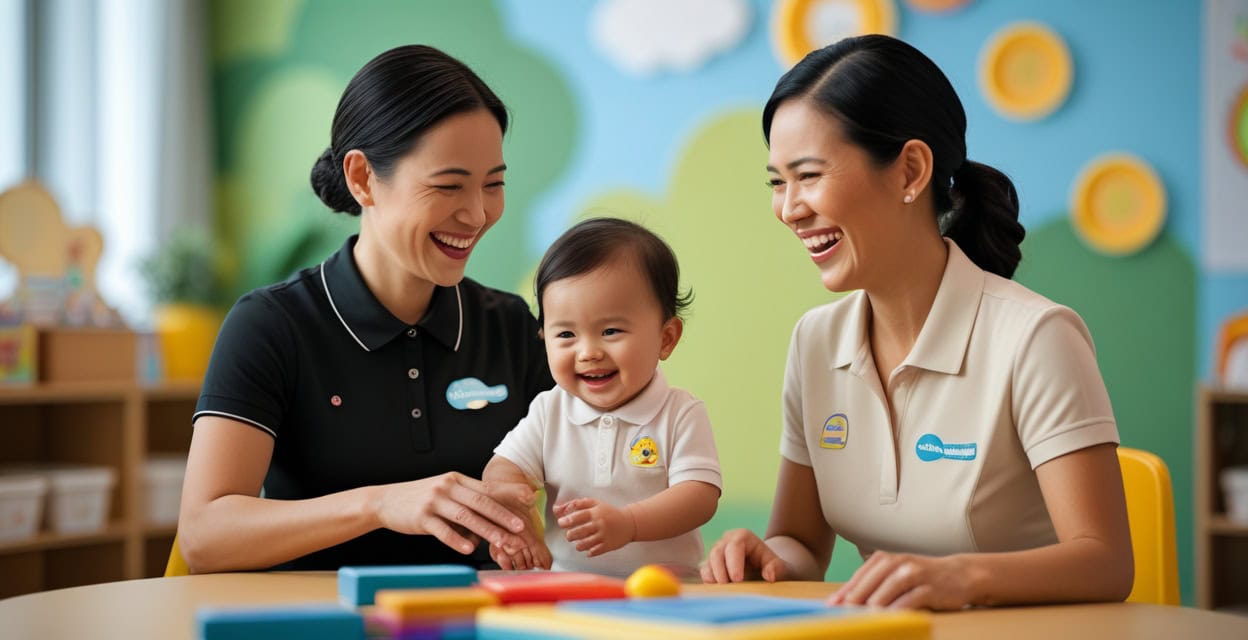
Practical Guidance for Parents: How to Engage with EduNanny
How to Observe and Interact Effectively
Start by watching a 60‑minute window of daily activity. Note how caregivers document a “notice, name, nurture” cycle and how transitions between activities feel. Practice at home: imitate 60‑second cycles with a safe, familiar toy to see how your child responds to language and gentle scaffolding. Maintain a consistent daily routine so cues become predictable and mastery grows from trust.
Using CCTV and the Daily Diary
Use CCTV highlights as a learning tool, not a surveillance tool. Watch clips with your childminder’s guidance to understand how routines support development. Read the daily diary together to celebrate small victories (a new word, a coordinated two‑handed transfer) and to identify when extra rest or a change in pacing is needed.
Building a Strong Home–Care Partnership
Schedule regular brief handovers that cover:
- Last feed and last nap
- Notable mood shifts
- One small success from the day
Ask for a common care lexicon and practice the same soothing words and signals at home. This consistency strengthens trust and reduces confusion for your child.
Establishing a Practical Daily Schedule
- Morning arrival routine (greeting, diaper change, minimal stimulation)
- Structured play with clear start and end times
- Midday feeding and rest block with calm transitions
- Evening wind‑down routine to prepare for a smooth caregiver handover
A predictable rhythm helps babies regulate stress and supports caregiver confidence in meeting evolving needs.

Choosing EduNanny: What to Ask and What to Look For
Key Questions for Parents
- How does the Golden Minute Method translate to daily practice in this centre or home setting?
- What does the 1:3 ratio look like in practice during peak hours?
- How is CCTV used respectfully and how is privacy protected?
- What training and ongoing supervision do caregivers receive?
- How does the care plan adapt to a child’s changing needs and temperament?
What to Observe in the Environment
- Calming, floor‑level layouts with accessible materials
- Clear sightlines for effective supervision without constant interruption
- Structured zones for water, changing, feeding, and rest
How to Read the Caregiver’s Practice
- Does the caregiver use a consistent language for soothing and boundaries?
- Are daily diaries precise, meaningful, and shared with families?
- Is reflective coaching present, with opportunities to learn from feedback?

Conclusion
EduNanny envisions infant care as a civic craft—neighbourhood by neighbourhood, minute by minute. By integrating research‑based practices with practical Singaporean realities, we aim to provide safe, attuned care that supports joyful learning and strong family life. Trust is built through predictable routines, transparent communication, and professional caregiving that respects both science and humanity. When Singapore wraps steady care around its infants—affordable, transparent, and exquisitely human—we do more than help families work; we help a generation thrive.
If this vision resonates, begin today. Learn more at EduNanny.com and Childminding.EduNanny.com. Visit a centre, meet a home‑based childminder, or schedule a distance consult. Ask to see how the 1:3 ratio feels, how modern layouts calm the room, how CCTV turns trust into clarity, and how affordability from $33/day—with CDA/Baby Bonus support—makes quality possible.
Let us greet our babies with presence and purpose, and build the Singapore they will one day lead—one golden minute at a time.
Thank you.
[#keyword1, #keyword2, #keyword3, #keyword4, #keyword5]Ready to Experience Excellence?
Transform Your Family’s Journey
Discover Singapore’s leading infant care and childminding services. Expert guidance for your little one’s first thousand days.