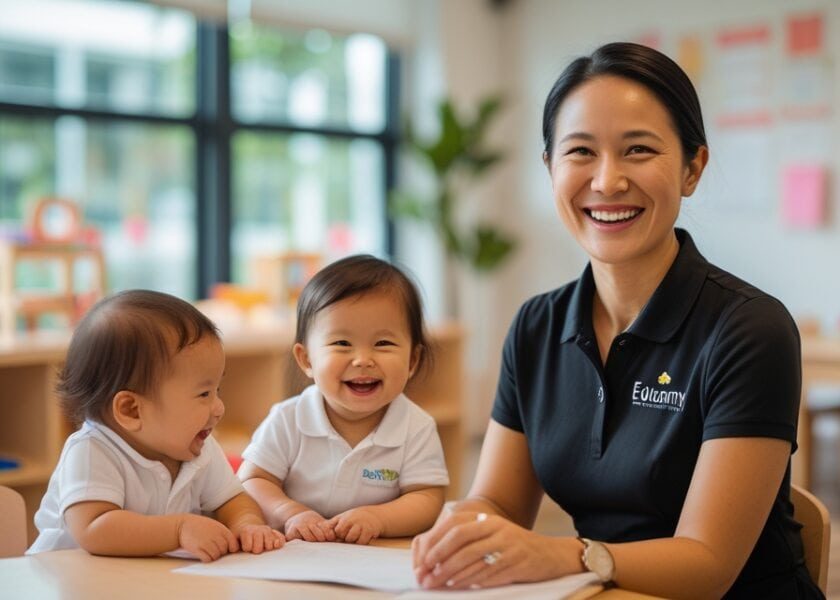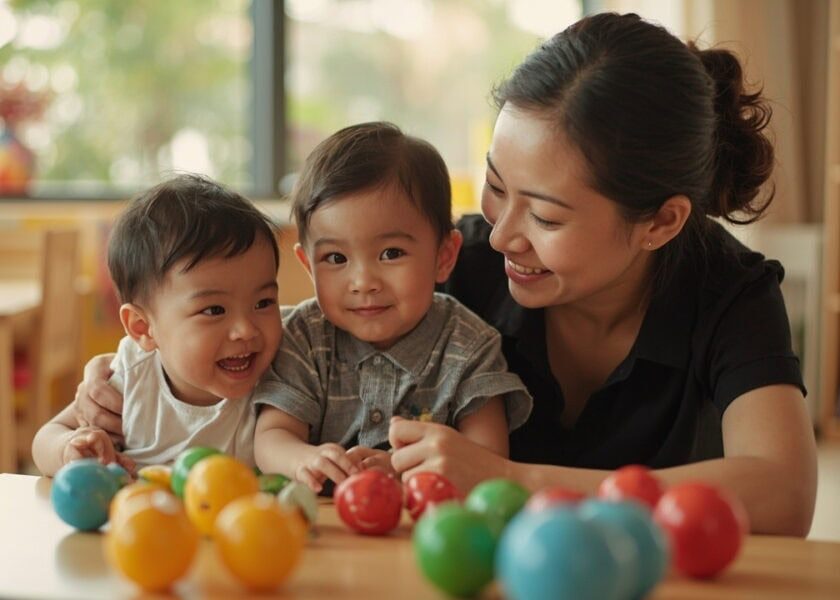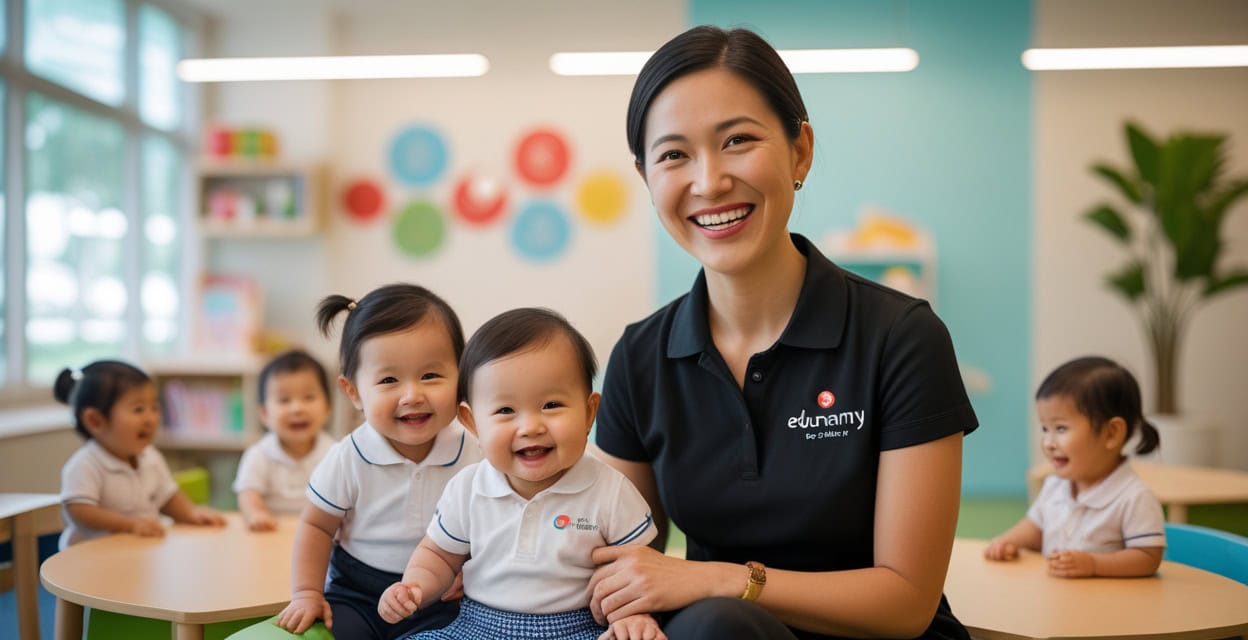
EduNanny by BUTLER A Civic Movement for Safe Joyful Infant Care Across Singapore One to Three Near Home Pods

EduNanny by BUTLER: A Childminding Movement for Singapore’s First Thousand Days
Good care in the earliest days shapes brains, hearts, and futures. EduNanny by BUTLER is a national initiative designed to make the most advanced infant care near home—so families work, rest, and grow with confidence. Built to participate in the ECDA Childminding Pilot, EduNanny blends world-class pedagogy with Singapore’s public spirit, delivering safety, calm, and human connection across Centre-Based, Home-Based, and Distance support. This article translates the vision into practical, actionable guidance for parents, caregivers, and communities who want to understand how EduNanny operates, what to look for, and how to participate in elevating infant care in Singapore.

Introduction: A Vision for Safer, Calmer, More Human Care
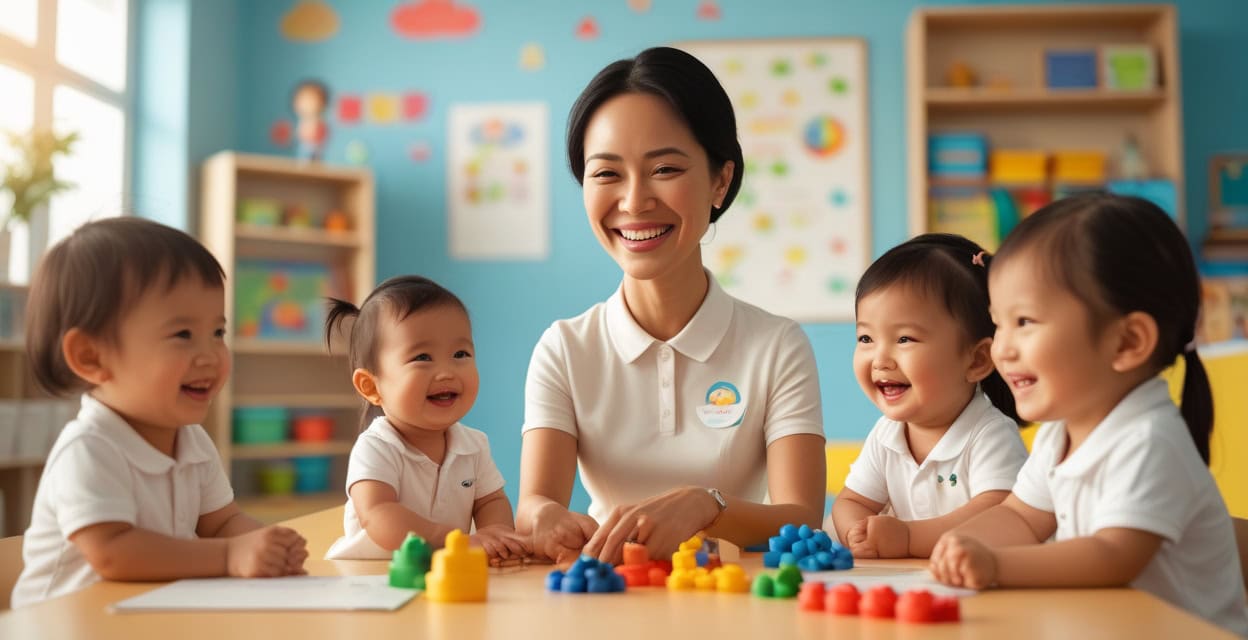
EduNanny is anchored in real-world care that you can see and trust. The program runs Monday to Friday, 7am–7pm, islandwide, with a 1:3 infant ratio and modern layouts engineered for safety and exploration. Transparent practices—including privacy-preserving CCTV, digital journals, and clear handover processes—give families visibility without intruding on a child’s rhythm. Fees are designed to be affordable, with CDA/Baby Bonus support, ensuring high-quality care is within reach for diverse families.
Parents deserve a care partner who blends scientific insight with practical routines. EduNanny integrates Montessori-inspired autonomy, Pikler-inspired unhurried care, Vygotsky’s social learning, and Bowlby/Erikson developmental foundations into daily rituals—naps, feeds, diapering, and play—so every moment supports growth. The aim is not mere supervision, but cultivation: language, trust, self-regulation, and belonging, nurtured in community and at home.
Five Pillars of EduNanny: Five Topics, Five Promises
Topic One: A Living Pedagogy of Attunement—Observe, Respond, Release
Infants learn through attuned relationships more than worksheets. EduNanny’s practice centers presence and micro-moments of learning.
- Observe: Caregivers notice cues others miss—gaze aversion signaling a need to pause, a palm flutter indicating a readiness to try, a yawn inviting rest. The 1:3 ratio provides the time and space to notice and interpret these signals accurately.
- Respond: Caregivers match tone, tempo, and touch. Serve-and-return conversations—where a baby’s coos are answered with language and acknowledgment—are the engine of early communication.
- Release: Once needs are met, adults step back, inviting mastery. This scaffolding—guided by Vygotsky—builds self-efficacy and independence over time.
Practical tip for families: Create a simple daily cue chart at home for feeding and nap times. Use calm, consistent language (for example: “I’m lifting you now,” “You’re reaching for the red ball”) to reinforce predictability and language development.
Topic Two: Safety as a System—People, Places, Processes, Proof
Safety is not a slogan; it is a structured system that integrates people, places, processes, and proof.
- People: Well-trained childminders with infant first aid, safe sleep mastery, reflective supervision, and ongoing coaching that translates protocols into practiced habits under pressure.
- Places: Safe-sleep rules (A–B–C), anchored furniture, finger-safe finishes, non-toxic materials, and distinct zones for feeding, sleeping, and play to minimize risk.
- Processes: Gold-standard handovers (arrival health check, mid-day update, end-of-day summary) and clearly defined triggers for illness, travel, and medications.
- Proof: Privacy-respecting CCTV, digital incident logs, cleaning schedules, and temperature checks that are auditable and transparent to families.
Actionable checklists for parents: Ask potential providers about their handover templates, what constitutes a red-flag illness protocol, and how often supervising staff conduct safety drills. Look for evidence that safety is practiced daily, not only on paper.
Topic Three: Development by Design—The Micro-Rhythms that Build a Mind
Development is a rhythm, not a single event. EduNanny designs days into micro-progressions that anchor brain growth in physical, linguistic, and social domains.
- Movement: Daily floor time and grounded motor development guided by Pikler-inspired freedom of movement, with tummy-time architectures that invite persistence and joy.
- Language: Sustained “sportscasting” of the child’s experience—narrating actions, labelling objects, and singing—supports vocabulary and narrative thinking. Distance coaching helps parents replicate language styles at home.
- Sensory: Gentle, varied sensory experiences (textures, temperatures, natural scents) delivered in “tolerance windows” to prevent overstimulation.
- Executive Function Seeds: Simple, age-appropriate activities—turn-taking with a rattle, matching objects, accessible clean-up tasks—that exercise early planning and self-regulation.
- Culture and Belonging: Multilingual songs and festivals, with attention to the child’s family language and cultural identity, form the basis of a secure sense of self.
Practical home application: Build a weekly routine that alternates between motor play, language-focused interaction, and quiet, soothing transition periods. Use shared family languages and favorite songs to reinforce consistency between home and EduNanny settings.
Topic Four: Happiness as a Developmental Right—Not a Bonus
Joy nourishes the developing brain, reduces stress responses, and supports immune health. EduNanny prioritizes happiness as a core outcome.
- Predictable Transitions: Consistent cues for naps and feeds reduce distress and support calmer brains.
- Dignity in Care: Slow, respectful diapering, consent-informed routines, and warm, deliberate handling foster trust and autonomy.
- Effort Over Result: Celebrate the process—claps for trying, not just success—and reinforce the child’s belief that effort brings people closer.
Parent partnership tip: Co-create a “joy log” for the child with your EduNanny team—note moments of delight, small milestones, and strategies that soothe or excite the child. Use it to tailor routines and language to your child’s personality.
Topic Five: The Modern Childminder—A Civic Professional
Childminders are not a stopgap; they are builders of futures. EduNanny supports practitioners across four lenses to ensure consistent, high-quality care.
- Attachment: Continuity of care, attachment-focused supervision, and burnout prevention through reflective practice.
- Pedagogy: Ongoing observation, documentation, and individualized plans aligned with the infant’s developmental arc.
- Health: Mastery of safe sleep, feeding safety (including expressed milk handling), hygiene, and infection control.
- Family Partnership: Coaching, respectful feedback, and cultural sensitivity that honours family values and routines.
Career development note: A well-supported workforce strengthens communities. EduNanny emphasizes training ladders, mentorship, and merit-based progression to elevate childminding into a respected profession with meaningful, long-term career opportunities for Singaporeans and PRs.

Why EduNanny Is Uniquely Singaporean—and Uniquely Helpful
- Proximity and Choice: Centre-Based and Home-Based options in neighbourhoods; Distance support for families in transition or with irregular schedules.
- Time That Matches Life: Monday–Friday, 7am–7pm, accommodating work, studies, and personal commitments without forcing trade-offs.
- 1:3 Advantage: A true infant ratio that enables attentive observation and responsive care, not a theoretical ideal.
- Transparency by Design: Privacy-respectful CCTV, digital journals, and clear, responsive communication channels.
- Beautiful, Modern Layouts: Spaces designed for calm, safe exploration that still feel like home or a well-planned studio.
- Affordability and Accessibility: From $33/day with CDA/Baby Bonus support—quality care without price barriers.
- Islandwide Network: A coordinated standard that brings near-home care across Singapore, with a common mission and shared best practices.
- A Public Purpose: As part of the ECDA Pilot and a National Social Initiative, EduNanny aligns private care with public well-being.

Education in Practice: How EduNanny Works for Families
EduNanny translates theory into daily practice that parents can observe, trust, and participate in.
- Near-Home Care: Pods near neighborhoods shorten commutes, honor infant sleep needs, and reduce parental stress.
- Heart with Evidence: Attachment-informed care measured by calm transitions, eye contact, and micro-developmental gains, with transparent reporting.
- Technology as Trust: Privacy-respecting CCTV and smooth digital journaling keep families connected without intruding on the child’s rhythm.
- Culture and Language: Care environments mirror family languages and rhythms to support identity development.
- Planning for the Ordinary: Clear routines for milk, medication, naps, and handovers reduce chaos and create dependable days.

Closing: Childminding Matters—Who, What, When, Where, and How
Who
EduNanny serves infants needing steady, attuned care; parents who deserve to work, rest, and hope without guilt; childminders who pursue a profession of purpose; and communities that benefit from rested, resilient families.
What
The work of childminding is attachment work wrapped in routine; pedagogy embedded in play and caregiving; health and safety turned into practiced habits; and a respectful partnership with families that honours culture and choice.
When
Key moments matter most—every weekday from 7am to 7pm, especially during the first thousand days when the brain is writing its most permanent code; and at every transition—return to work, a new sibling, a move—where confidence is fragile and support is essential.
Where
Near home—within familiar streets, lift lobbies, or community hubs—across centre-based studios and carefully prepared home settings. A digital layer keeps families connected—without disrupting the child’s pace.
How
EduNanny works through:
- a 1:3 infant ratio that enables true attunement;
- modern, safe layouts that encourage movement and calm;
- trained professionals with reflective supervision and audited routines;
- transparency tools—CCTV, digital journals, clear policies—that build trust;
- affordability—starting from $33/day, with CDA/Baby Bonus support;
- a national mandate to create quality jobs and strengthen the social fabric that supports families.
What You Can Do Today
If EduNanny’s vision resonates, consider exploring the options in your neighbourhood:
- Explore Centre-Based or Home-Based childminding near you.
- Consider Distance coaching for home routines or transitions between caregivers.
- Visit EduNanny.com or Childminding.EduNanny.com to learn more and enrol.
Conclusion: A Cathedral of Small Decisions for a Stronger City
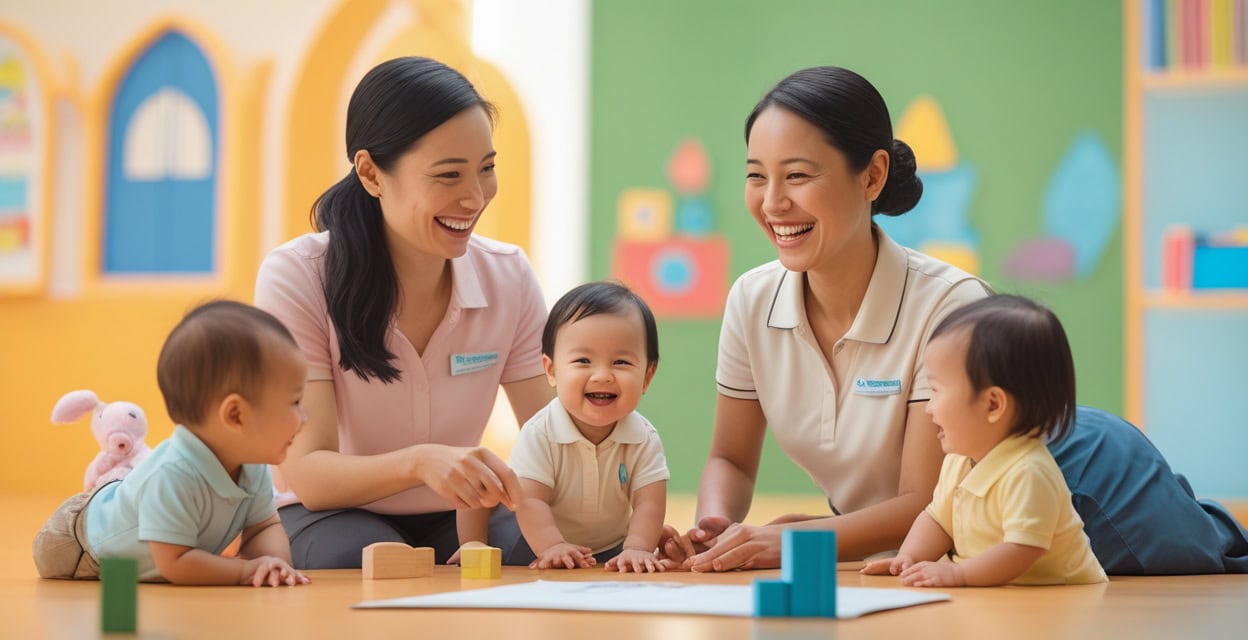
EduNanny believes that childminding is foundational public infrastructure: safe hands, calm rooms, and clear eyes that guide a child through the most rapid period of growth. When we steady the cradle, we steady the country. By centering attachment, development by design, and joy with purpose, EduNanny aims to make the best infant care the nearest care for every family in Singapore. This is not merely care—it is a civic act, a professional standard, and a hopeful future for our smallest citizens.
Call to action: If this vision speaks to you, engage with EduNanny today. Contact your nearest centre, inquire about Home-Based options, or explore Distance coaching to build routines that travel with your family.
EduNanny by BUTLER stands ready—calm rooms, warm hands, clear eyes—so your child’s first days become everyone’s best work. Because when we steady the cradle, we steady the country. Thank you.
[#keyword1, #keyword2, #keyword3, #keyword4, #keyword5]