Role-play play area safety: what pretend play milestones by age show
HealthHub names pretend play at 19 to 24 months and imaginative play in the Child Health Booklet’s 2-to-3-year checklist, with venue questions.

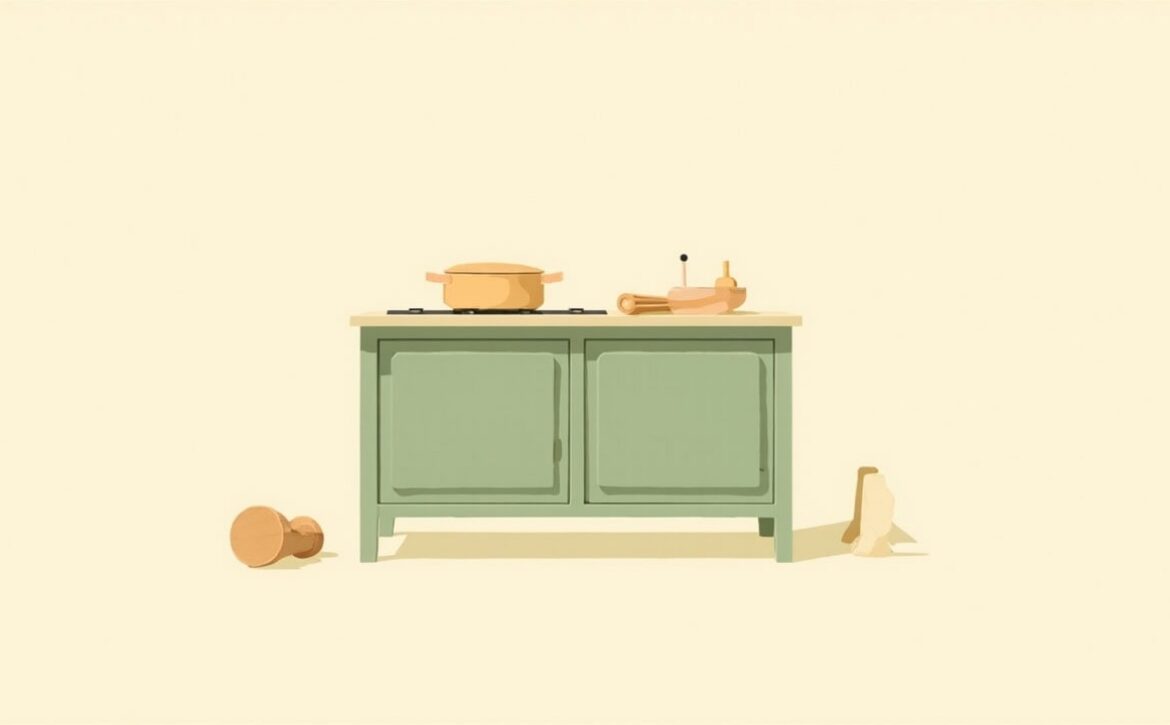
HealthHub names pretend play at 19 to 24 months and imaginative play in the Child Health Booklet’s 2-to-3-year checklist, with venue questions.
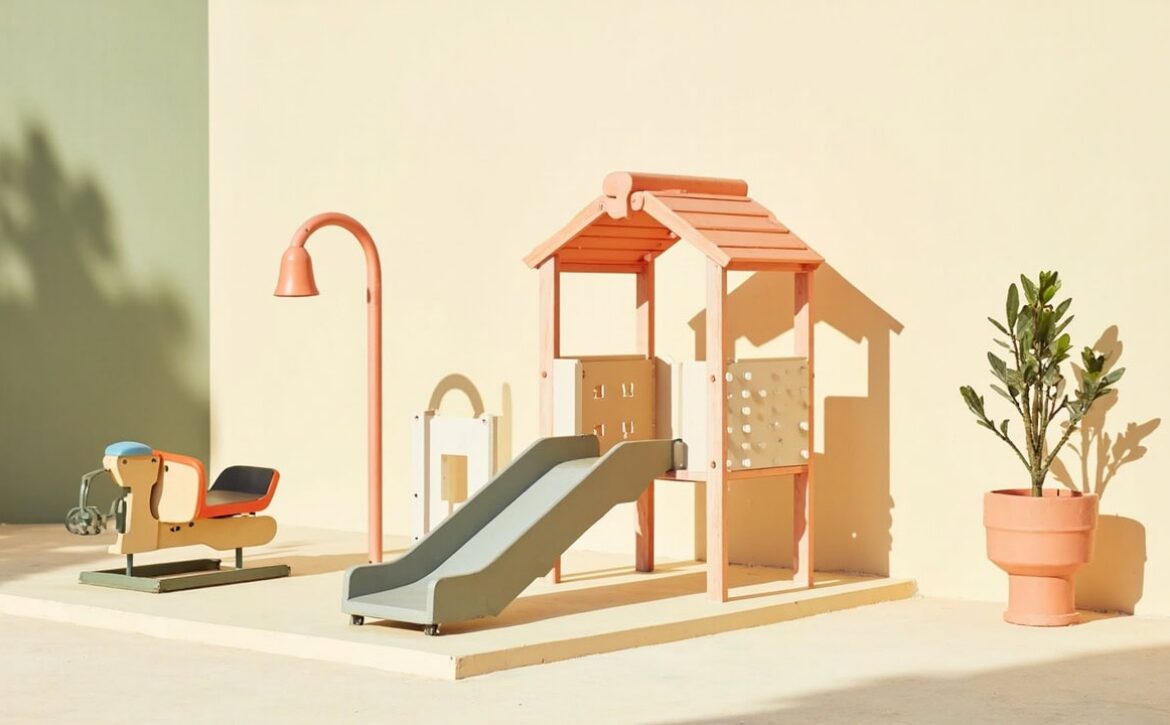
HDB’s playground design guidelines set floors for new and upgraded playgrounds, not a rating for yours. A one-minute three-bin tally at the gate.

Two new Singapore heritage picture books, a myLibrary ID step for existing members, and what to confirm at your branch before borrowing or attending storytime.

Singapore’s screen time limits cover two age bands, and the HPB checklist pairs each screen rule with physical activity and daily outdoor play.

Follow your toddler’s attention with one brief sensory invitation, then use the response to decide whether to repeat, change or close the moment. Try the worked leaf example and keep the three-line note for your next walk.
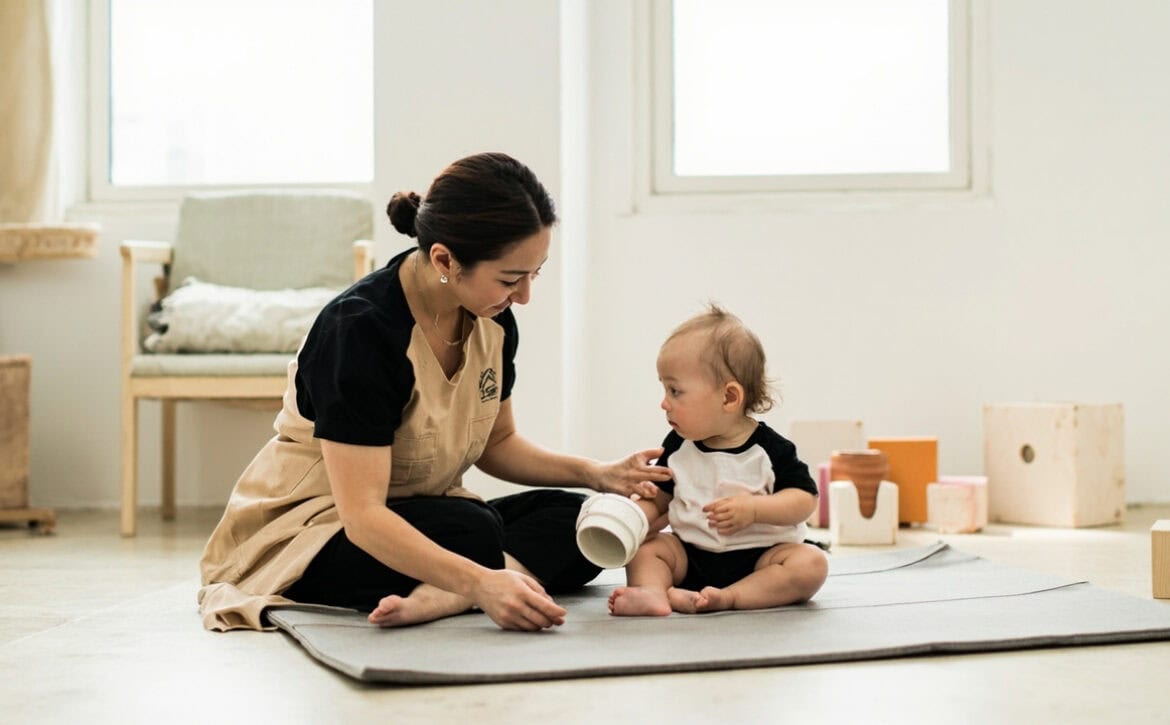
A calm home activity shows how to start with two pieces, repeat a familiar setup and introduce one change only when your toddler remains engaged.

Use one safe everyday object to follow your baby’s focus, respond briefly to a sound, look or movement, and leave room for their next contribution, even without direct eye contact.

Your newborn does not need a separate language lesson or a perfect reply. A few relevant words, a short pause and an honest response during care are enough to create a warm conversational rhythm.
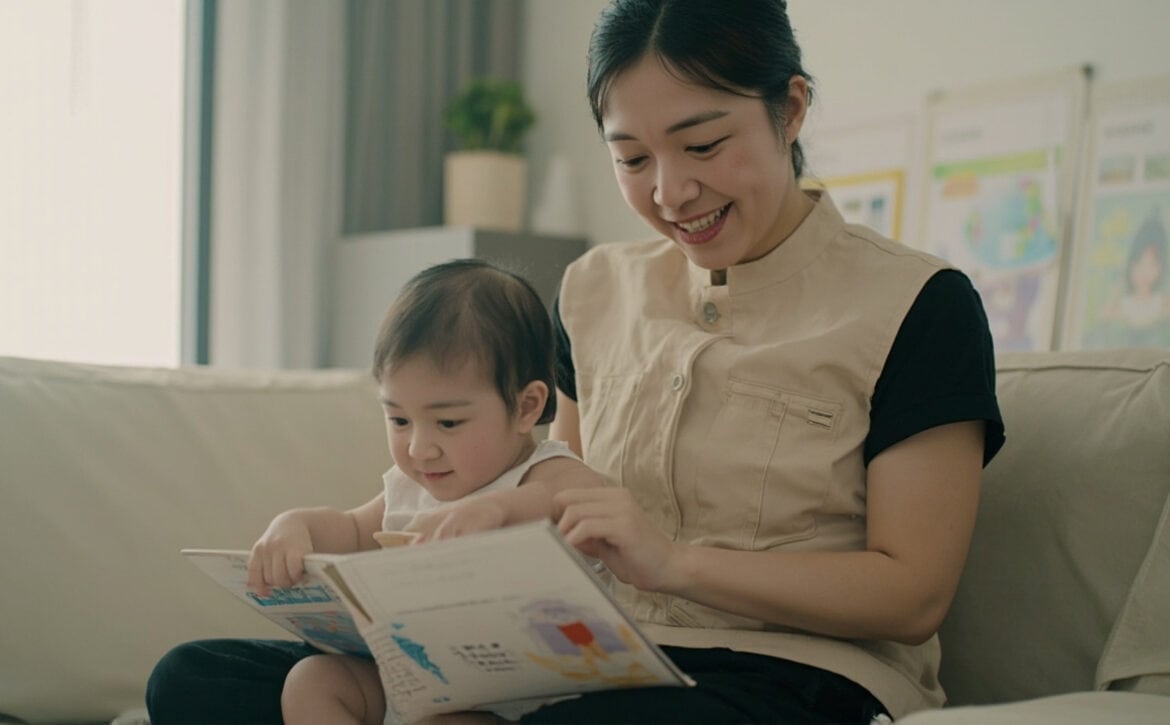
Turn a familiar routine into a short picture story with three clear moments, simple words and pauses that follow your baby’s attention.

A baby who is beginning to pull up does not need a training target. Prepare one clear play zone, stay close and follow a simple three-part example built around your baby’s choices.