
Presence at Eye Level A Living Covenant for Safe Joyful Infancy Across Singapore with EduNanny

EduNanny Singapore: An Editor’s Lens on Early Care That Shapes a Nation
Good morning, friends, families, and fellow caregivers. This article expands the keynote you heard from the EduNanny stage and translates it into practical, implementable guidance for parents and providers across Singapore. EduNanny is more than a service—it is a disciplined approach to seeing, holding, and guiding infants in ways that become the architecture of a lifetime. Here we deepen the five big ideas, translate them into home and centre practice, and offer actionable steps you can apply today.

Chapter 1: The Care Trio—adult, child, space
Every infant thrives inside a triangle of relationships: the caregiver’s attentive presence, the child’s signals and rhythms, and the environment’s design. This triad—adult, child, space—becomes the primary classroom, even before any formal curriculum begins. Below are practical ways to cultivate this trio at home and in smaller care settings.
1. Designing the environment at home
- Floor-forward layout: Create a low, uncluttered play area with reach-friendly shelves and a calm color palette. Keep transitions gentle and predictable to reduce overstimulation.
- Eye-level engagement: Sit on the floor at the baby’s level during interactions. Let eye contact, a soft voice, and slow, deliberate movements guide responses.
- Defined safe spaces: Use simple boundaries (e.g., a mat area for tummy time, a corner for quiet play) to give infants predictable places to explore and rest.
2. The adult’s near-eye presence
- Two-beat pause: When your baby signals, pause for a moment before responding. This teaches turn-taking and helps your infant learn that communication is a shared moment.
- Gentle touch, respectful distance: Use slow, supportive handling for diapering, feeding, and changing. Avoid rushing; let cues dictate pace.
- Observe and reflect: Maintain a simple “watch, note, respond” routine. Observe a behavior, record it in a quick notebook or app, and respond with a tailored activity next time.
3. The pause that ignites development
- Provide time for self-discovery: Allow short, unstructured opportunities for self-initiated movement (e.g., rolling to a new position, reaching for a toy) and celebrate small discoveries.
- Encourage turn-taking early: Use shared toys and model waiting turns during play to lay groundwork for social cognition and language.
- Document the “wonder” moments: Keep a simple log of moments when the child initiates a new action or vocalization; share these with families to align on development goals.

Chapter 2: Safety by design, not by chance
Safety is a system, not a moment. EduNanny’s framework rests on four reliabilities that translate to practical actions for families and providers alike.
1. The four reliability pillars
- Low ratio: A one-to-three infant-to-carer ratio enables early reading of micro-signals and timely, gentle intervention to prevent risk.
- Transparent oversight: CCTV provides an objective layer of safety and accountability, while also building trust with families. Use this as a learning tool for caregivers, not a surveillance burden.
- Spaces that speak safety: Design matters. Use sightlines, soft yet durable finishes, and clearly segmented activity zones to reduce hazards and sensory overwhelm.
- Routine that prevents risk: Hygiene rituals, safe sleep practices, bottle handling, and allergen protocols must be standard, documented, and practiced every day.
2. Building home safety literacy
- Create a simple safety checklist: floor safety (no small objects within reach during play), sleep positioning, feeding cues, and emergency contacts visible at eye level in the home.
- Practice a “calm, controlled” routine: Involve caregivers and family members in rehearsing transitions—so safety becomes second nature during busy mornings.
- Learn signal-reading: Encourage parents to record cues such as yawns, facial expressions, or changes in respiration, so caregivers can anticipate needs before distress signals escalate.
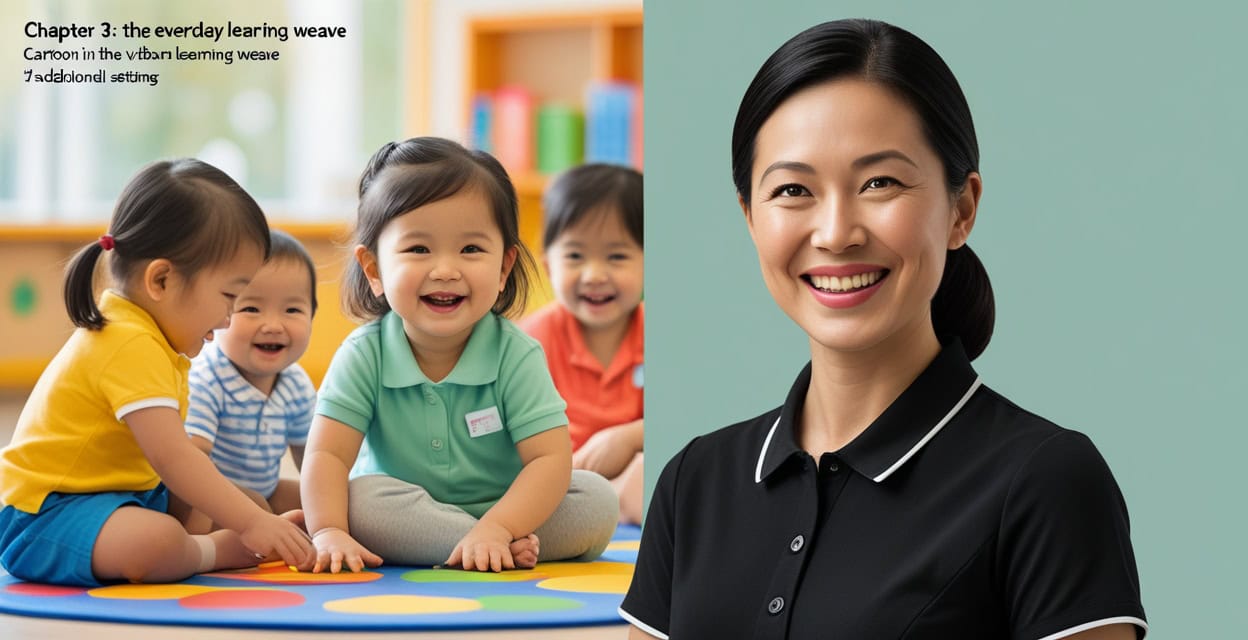
Chapter 3: The Everyday Learning Weave
Infants don’t need a scripted curriculum; they need a reliable weave of micro-interactions that evolve into curiosity, attachment, and early problem-solving. Here are practical threads you can weave into daily life.
1. Care moments as lessons
- Diapering as body-awareness class: Use gentle, respectful touch; narrate what you’re doing and invite the child to respond with a coo or a foot movement.
- Feeding as social learning: Pace meals with cues; name body parts involved (mouth, hands) and describe actions to support language exposure.
- Naptime as rhythm: Build a predictable, soothing routine that mirrors family patterns while honoring the child’s signals for sleep readiness.
2. Movement as thought
- Floor time and prone play: Build core strength and spatial awareness by varying surfaces and providing tummy-time opportunities at set times during the day.
- Side-lying transitions: Practice safe, supported transitions that promote motor development and reflex integration.
- Object handling with purpose: Provide simple, real-world objects (wooden spoons, fabric squares, textured balls) to foster reach, transfer, and cause-and-effect exploration.
3. Social attunement
- Triads in action: Include caregiver, infant, and peer in short, supervised interactions to start early empathic understanding and shared attention.
- Turn-taking practice: Use predictable routines that encourage waiting, responding, and shared joy in interaction.
4. Curriculum without hurry
- Create a flexible day that weaves play, rest, and nourishment into a simple rhythm, allowing each infant to progress at their own pace.
- Respect family culture: Incorporate familiar practices, language exposure, and routines that align with each child’s background.

Chapter 4: Joy as a developmental resource
Joy is not an accessory; it is a developmental resource. Positive, warm interactions release neurochemistry that supports memory, stress regulation, and motivation for exploration. Here’s how to cultivate and measure joy in early care.
1. The Joy Index: tracking well-being
- Steady states: Relaxed limbs, even breathing, soft gaze indicate trust in the care setting.
- Positive pursuit: Repeated reach, persistent crawling, and hopeful babble signal increasing motivation and curiosity.
- Social bids: Shared smiles, initiations of play, and responsive vocal exchanges are signs of healthy social development.
2. Practical tips for families
- Daily joy cues: Observe what calms your child and what excites them. Share these cues with caregivers to align activities.
- Joy routines at home: Maintain short, joyful rituals (a song before nap, a favorite toy during floor time) to anchor security and anticipation.
- Balance is key: Joy should be steady and reliable, not constant happiness. Prioritize secure attachment and regulated arousal.
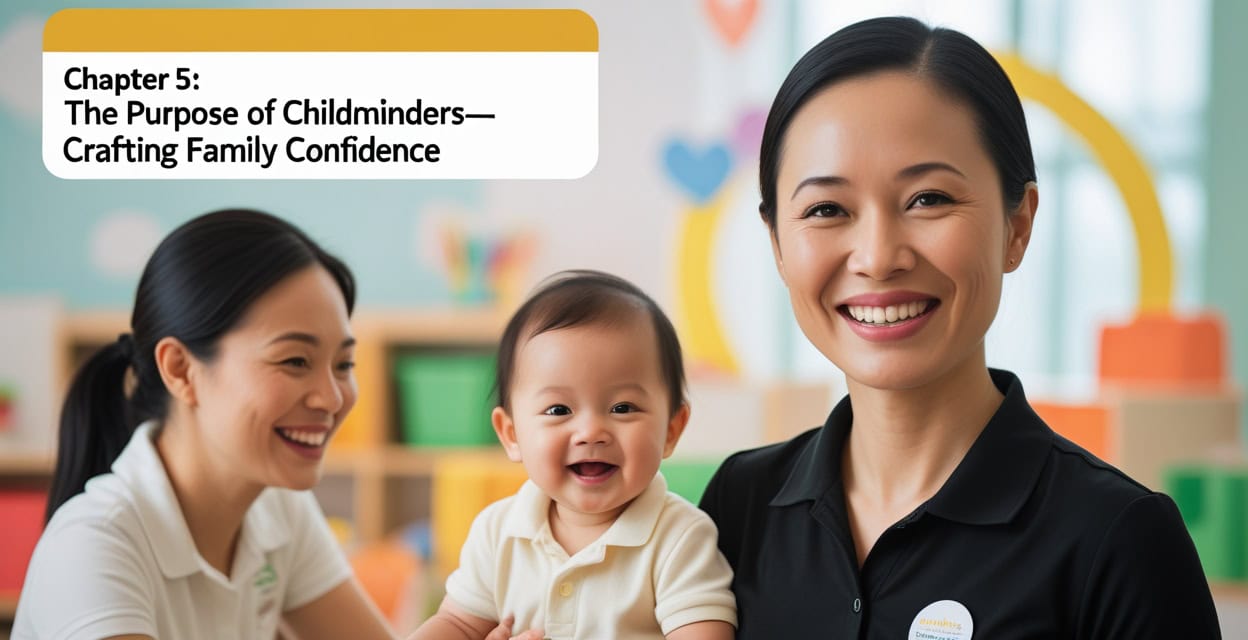
Chapter 5: The purpose of childminders—crafting family confidence
Childminding, at its best, is a public art of private reassurance. EduNanny’s multi-format model advances this mission by ensuring care is accessible, expert, and trusted by families across Singapore.
1. EduNanny formats for diverse families
: Modern, floor-forward spaces designed for infants who benefit from small groups and structured rhythm. - Licensed home-based settings: Care near families’ blocks, reducing transitions and maintaining routine familiarity.
- Distance supports: Tele-consults, safety checks, and developmental coaching to support families without requiring travel.
2. The Maximum Employment Mandate and caregiver value
- Training and progression: A clear path for professional development, ensuring caregivers advance through skill-building and leadership opportunities.
- Fair work and recognition: Wages and working conditions aligned with the responsibility of shaping the earliest years of a child’s life.
3. How to engage with EduNanny
- Visit EduNanny.com and Childminding.EduNanny.com for program details, enrollment steps, and success stories.
- Ask families and caregivers to review the CCTV policy, safety routines, and daily communication notes to ensure transparency and collaboration.

Chapter 6: A day in the life—by the clock
A typical EduNanny day is structured yet flexible, designed to honor the baby’s cues while maintaining dependable routines for families.
1. Morning welcome
- One minute of unrushed greeting: name, eye contact, gentle touch on the shoulder to set a calm tone.
- Simple cue-sharing: caregiver notes the baby’s mood, appetite, and energy level to tailor early activities.
2. Midday care
- Feeding paced by cues: Nutritious meals and feeds adjusted to the infant’s hunger signals and digestive comfort.
- Movement and exploration: Balanced scheduling of tummy time, floor play, and supervised mobility to support motor and cognitive development.
- Naptime aligned to signals: Sleep is responsive to the child’s sleep cues, not just the clock.
3. Afternoon handover
- Two-way storytelling: Sharing what was observed, what succeeded, and what might be tried next—so parents feel included, not minimized.
- Preview of tomorrow: A short plan for the next day aligned with the child’s ongoing development and family goals.
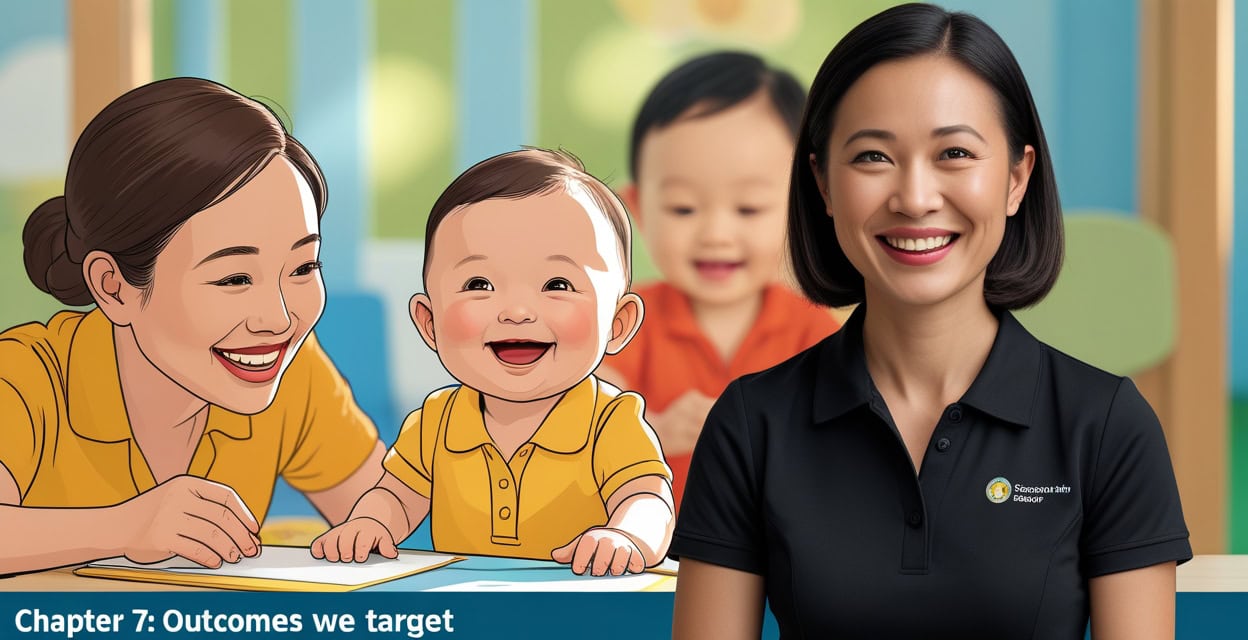
Chapter 7: Outcomes we target
EduNanny’s work centers on tangible, meaningful outcomes that families can observe and celebrate together.
1. Safety and secure attachment
- Low incidents ratio due to proactive monitoring and routines.
- Behavioral indicators of secure attachment, including comfort seeking and near-vision checking with caregivers.
2. Developmental progress
- smoother transitions, richer vocal play, stronger core and grasp, and early problem-solving skills.
- Increased social awareness and empathy through guided peer interactions.
3. Family confidence
- Parents report better sleep, steadier work attendance, and a sense of partnership in their child’s learning journey.
- Transparent communications keep families informed and engaged.
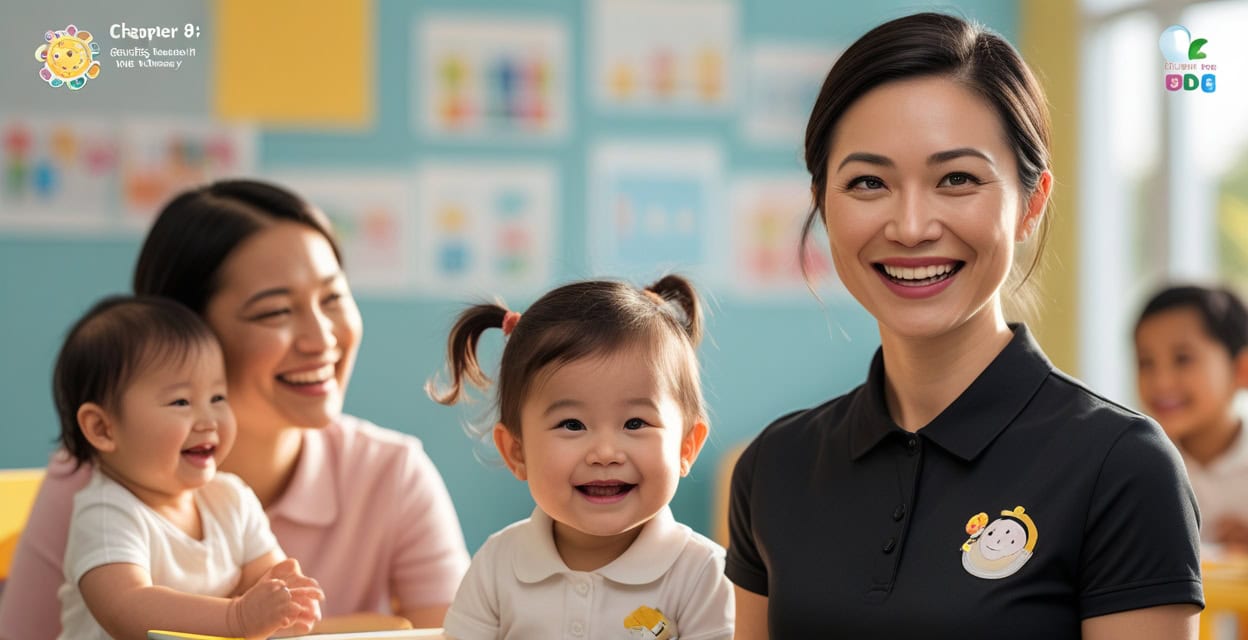
Chapter 8: Getting started with EduNanny
Whether you are a parent, a caregiver, an employer, or a policymaker, EduNanny offers pathways to participate in a system that supports infants, families, and communities.
1. For parents
- Explore centre-based and licensed home options near you; schedule a trial visit to observe the environment and the rhythm of the day.
- Ask about the 1:3 ratio, CCTV transparency, and safety certifications; request a sample daily log and a caregiver profile.
2. For carers and educators
- Engage with EduNanny training programs to grow skills in observation, responsive care, and reflective practice.
- Tap into career ladders and wage progression that honor the essential work of early childhood care.
3. For employers and community partners
- Partner in scalable, proximity-based care models that stabilize attendance and contribute to workforce productivity.
- Support policymakers with data on safety, workforce development, and family access to quality care.

Conclusion: A promise of presence
EduNanny is not about perfection; it is about presence—the consistent, patient attention that small minutes demand and big futures require. A room at eye level, a home near yours, a schedule that respects your shift, and a ledger of small moments that, added together, look like confidence. This is excellence made practical, quality made local, safety made visible, and growth made joyful. If you are a parent, sit on the floor with us and witness how your child looks back when we look closely. If you are a carer, bring your craft; we will help you turn it into a career. If you are a neighbour or leader, lend your support; we will widen access and elevate opportunity. And if you are simply curious, start at EduNanny.com or Childminding.EduNanny.com and imagine what a good morning could be for every baby in Singapore.

Final reflections and a call to action
Let us continue shaping a system that keeps care close, ratios low, and careers in caregiving strong. Let us practice the four safety principles daily, weave learning into ordinary moments, and measure joy as a core development metric. The future begins with how we greet and respond to the very first years—with presence, proximity, and partnership.
[#keyword1, #keyword2, #keyword3, #keyword4, #keyword5]Ready to Experience Excellence?
Transform Your Family’s Journey
Discover Singapore’s leading infant care and childminding services. Expert guidance for your little one’s first thousand days.