From Floor to Future: EduNanny’s 1:3 Foundation for Singapore’s First 1,000 Days

Introduction: EduNanny’s Commitment to Singapore’s First 1,000 Days
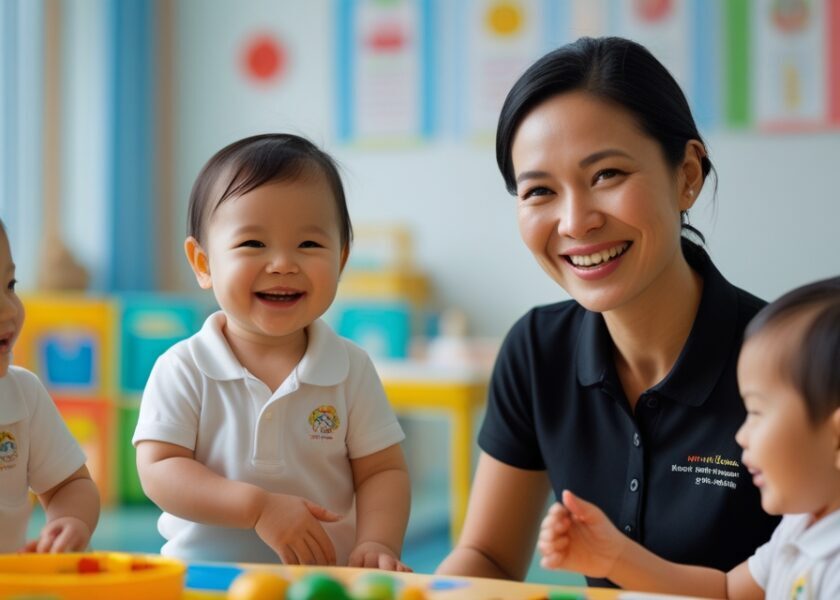
Good beginnings shape confident futures. EduNanny by BUTLER is a Singapore-grown network built to protect, nurture, and elevate the very earliest days of life. We align science, safety, and heart in every moment from 0 to 1,000 days — the window when the brain forms more connections per second than at any other time. Our model combines centre-based care, trusted home-based care, and distance-supported updates to meet families where they are, with an ultra-low 1:3 infant ratio, floor-level spaces designed for safety and curiosity, and family-visible transparency through innovative CCTV. This article expands on our core ideas with practical, actionable guidance for parents and caregivers, grounded in EduNanny’s experience and Singapore’s unique context.
I. The Floor-First Pedagogy: Settle, Signal, Stretch
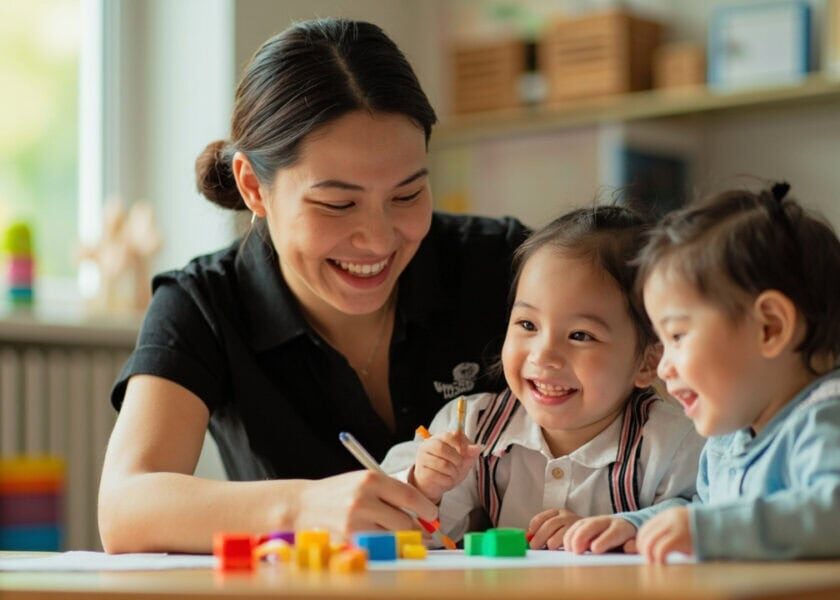
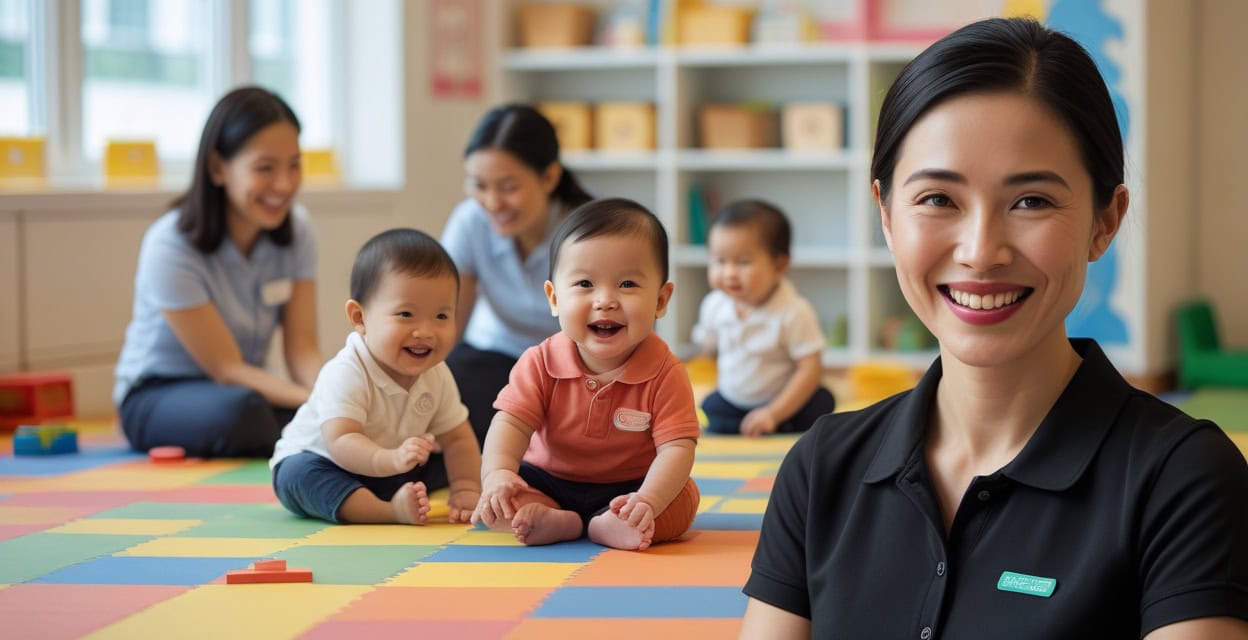
Our pedagogy centers on rhythms the infant understands before words. Settle, Signal, Stretch translates global developmental wisdom into daily practice that you can observe, trust, and participate in with your child.
Settle: Meet the child at eye level, in a safe rhythm
- Practical home practice: Create a calm, predictable “settle ritual” for naps and new experiences. A quiet dim room, a familiar comfort toy, and a gentle voice help a nervous system feel secure.
- What to look for in centers: Calm lighting, floor-level spaces, and routines that invite exploration without rush. Ask caregivers how they initiate the day with a child who has not yet learned to communicate verbally.
- Real-world impact: Secure attachment supports quicker return to curiosity after transitions, reducing fussiness and building a bridge to independent exploration.
Signal: Reading the smallest cues and responding in real time
- Practical home practice: Narrate your child’s actions during play (“I see you looking at the rattle. Shall we reach for it together?”). Name emotions and sensations as they arise.
- What to look for in centers: Staff who watch gaze, breath, and fingers, and who respond promptly with appropriate language and actions.
- Real-world impact: Strong language foundations, joint attention, and a robust bridge for later reading and learning routines.
Stretch: Extend play just beyond mastery, with support
- Practical home practice: Extend a mastered skill by a small challenge—reach a toy slightly farther, attempt a new texture, or try a new sound in a language you both share.
- What to look for in centers: Age-appropriate challenges that invite “Yes, I can” moments, without overwhelming the child.
- Real-world impact: Incremental growth builds confidence, autonomy, and a lifelong love of learning.
Implementation tips: Incorporate language-rich floor play, transform tummy time into object exploration, and use micro-transitions that are narrated rather than imposed. Design your home environment to support calm, predictable routines that honour the child’s pace.
II. Safety by Design: The Five Safeguards
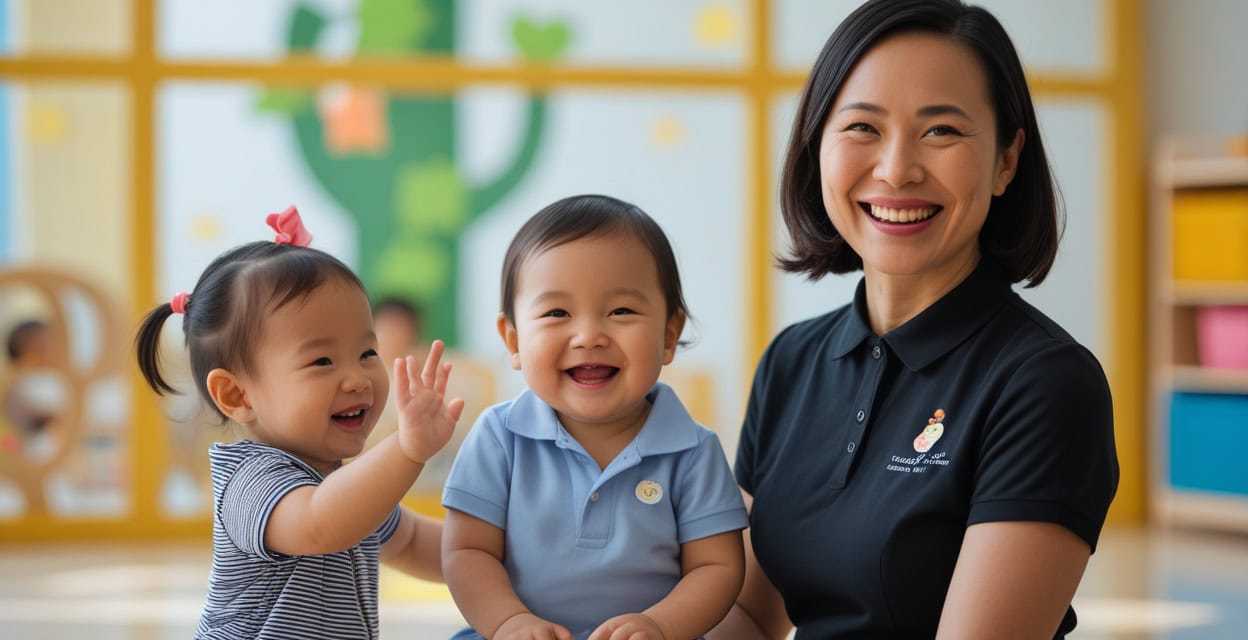
Safety is a living system, not a poster. Our Five Safeguards make safety observable, auditable, and human, so joy can unfold with confidence.
Proximity: Ultra-low 1:3 infant ratio
- What this means for families: Constant relational care, with a caregiver within listening and sight range. This isn’t just a rule; it’s daily experience for your child’s security and learning.
- Home-office alignment: If you hire in-home care, pair caregivers to maintain a 1:3 ratio in practice—avoid situations where a single adult is responsible for multiple infants without support.
Predictable Space: Floor-level layouts and safe exploration
- Practical home/centre tips: Rounded edges, low, sight-line-friendly furniture, and mapped hazard zones. Create defined play zones (sensory, tummy-time, quiet space) at child height.
- What to inspect: Wide, clear sight lines; secure storage for small objects; age-appropriate furniture that supports independent movement.
Visibility: Family-enabled CCTV and transparent communication
- What parents should expect: Real-time updates, incident reporting, and secure access to daily logs. Privacy protocols should be clear and respected.
- Home practice: Use cameras judiciously with consent and clear guidelines. Regularly review daily notes with your caregiver to align on milestones and routines.
Preparedness: Infant-first-aid, drills, and hygiene routines
- What to know: Staff trained in infant CPR/First Aid, safe-sleep practices, choking response, and emergency drills. Hygiene routines tuned to infant needs (sanitization, feeding surfaces, diaper changes).
- Parental actions: Confirm staff certifications, ask how drills are practiced, and request a cribbed checklist for daily safety tasks.
Partnership: Daily health checks and proactive family updates
- Practical collaboration: Secure check-in/out, daily health screenings, and writing up mood, nap, feed, and milestone notes for parents each day.
- To maximize trust: Review updates with your caregiver, discuss any concerns, and align on feeding and sleep expectations across home and care settings.
Safety by design turns care into policy that families can see, measure, and trust.
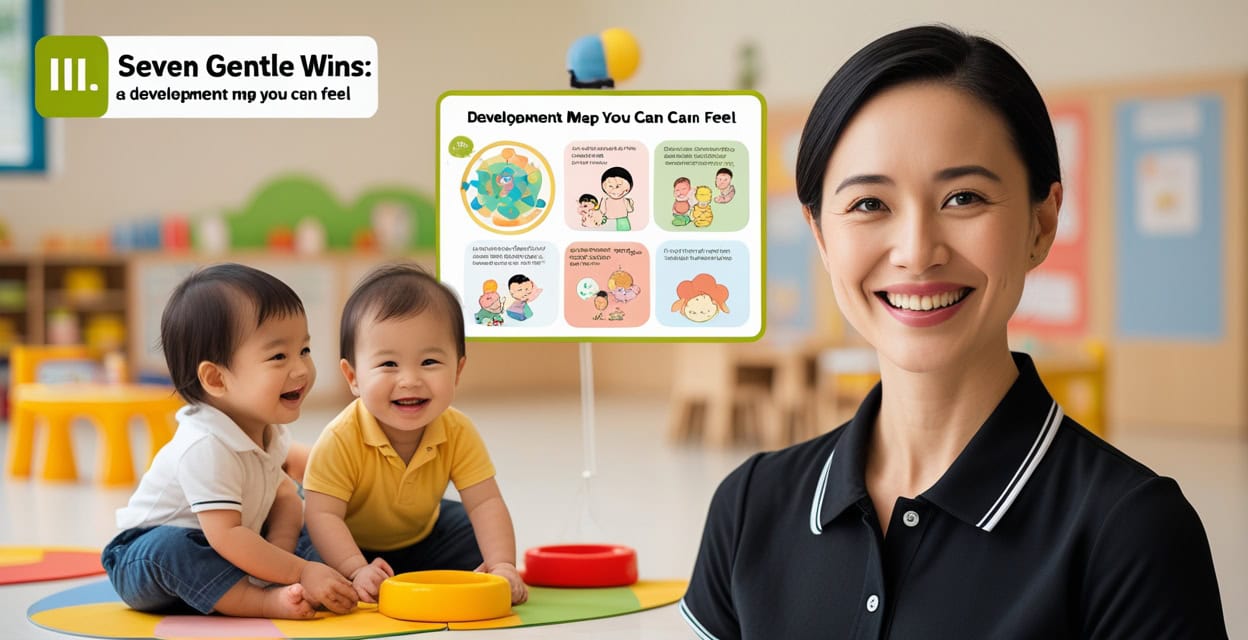
III. Seven Gentle Wins: A Development Map You Can Feel
We measure growth through daily “wins” that reflect soft, meaningful progress. These data points help caregivers tune interactions and give parents clear signals about their child’s development without reducing children to scores.
1) Secure Attachment
- Observation cues: child seeks key person, then safely returns to play; quicker recovery from minor stressors.
- Home actions: reinforce consistent caregiver recognition; maintain predictable routines to deepen security.
2) Sensorimotor Mastery
- Observation cues: head control, rolling, cruising milestones achieved with safe handling and ample floor time.
- Home actions: provide supervised floor play with varied textures and objects to explore motor skills.
3) Language Seeds
- Observation cues: increased babble, gestures, joint attention, and response to naming.
- Home actions: engage in serve-and-return conversations, read aloud in multiple languages, label actions and objects.
4) Self-Regulation
- Observation cues: calmer transitions, better nap routines, and gradually longer periods of independent play.
- Home actions: establish consistent sleep and feeding cues; model soothing strategies during transitions.
5) Nourishment
- Observation cues: responsive feeding, appropriate textures, and tolerance for variety.
- Home actions: collaborate on culturally appropriate foods and allergy safety; offer opportunities to explore new textures together.
6) Mini-Socials
- Observation cues: early turn-taking, eye contact, and comfort in small peer groups.
- Home actions: arrange short, supervised interaction times with peers to practice sharing and cooperation.
7) Wonder
- Observation cues: open-ended exploration, sustained curiosity with safe materials, and joy in discovery.
- Home actions: provide nature baskets, safe household items for investigation, and opportunities for outdoors play.
We document these gentle wins to tune adults, not to push children faster. The aim is deeper alignment and lasting confidence in the child’s journey.

IV. Joy as a Practice, Not a Perk
Joy is central to healthy development. When joy is structured, infants thrive; when it is visible, parents exhale with relief.
- Predictable daily flow: Eat, play, rest sequences that respect the child’s cues and energy levels, with flexibility for growth spurts.
- Rich, gentle experiences: Sensory play with safe textures, music and song, outdoor shade time, and water play that respects baby comfort and safety.
- Movement for mastery: Reaching, rolling, crawling, pulling to stand—each milestone celebrated and coached with support.
- Attuned talk: Name feelings and actions; narrate the world around the child to build language and social understanding.
Practical tips for caregivers and families:
- Include daily outdoor time in a shaded, safe area to promote exploration and fresh air.
- Use soft, musical, multilingual input to reinforce language development and cultural connections.
- Encourage safe exploration of household objects to spark curiosity while maintaining safety boundaries.

V. The Purpose of Childminders: Guardians of Beginnings
Childminders deserve professional dignity. EduNanny’s purpose includes three strategic pillars that shape our national impact and support families across Singapore.
A National Social Initiative
- We place high-quality care close to families through centre-based, home-based, and distance-supported options. Proximity reduces stress and increases time for parent-child connections.
- Tip for parents: seek care options that blend quality signals (low ratios, floor-first design, transparent updates) with convenience. Ask centers how they tailor services for your neighborhood and work schedule.
A Maximum Employment Mandate
- We train and employ Singaporeans across the care spectrum, creating neighbourhood opportunities that strengthen family life and community safety nets.
- Tip for jobseekers: consider care roles with formal coaching, observation, and a clear path to leadership. This investment benefits both your career and the children you serve.
A Clear Growth Pathway
- From apprentice to lead childminder, to centre lead—EduNanny’s ladder raises skill, status, and salaries through structured coaching and real-world practice.
- Tip for families: inquire about caregiver professional development plans and how staff are supported to upgrade credentials, ensuring consistent quality across your child’s setting.
What this looks like for families
- Availability: Monday–Friday, 7am–7pm; islandwide coverage across neighbourhoods.
- Modes: Centre-Based, Home-Based, and Distance-supported options with daily updates and coaching.
- Ratio and Design: 1:3 infant ratio; floor-level spaces designed for safety and exploration.
- Transparency: Innovative CCTV and daily logs for real-time trust.
- Affordability: From $33/day with CDA/Baby Bonus support.
- Access: EduNanny.com and Childminding.EduNanny.com for tours, enrollment, and information.
Why this matters uniquely in Singapore
- Proximity reduces logistical stress and increases precious parent-child time.
- Ultra-low ratios translate to more learning minutes per day.
- CCTV and daily reporting turn trust into a practical daily routine, not a quarterly conversation.
- Affordability with government support keeps excellence within reach for diverse families.
- A shared pedagogy aligns home and care settings to provide one consistent message: safety, belonging, and growth.

Conclusion: Who, What, When, Where, How Childminding Matters
Who: Infants who cannot yet speak for themselves; parents shouldering work and family life; childminders whose craft deserves pride; and a nation that recognizes beginnings as destiny.
What: Relational care in small pods, built on science and kindness, where safety is encoded in space, rhythm, training, and transparent communication.
When: Weekdays from 7am to 7pm — reliability as the first respect we pay to working families; during the earliest 1,000 days, when the brain is most receptive to care.
Where: In infant-focused centres, in family-friendly home premises engineered for floor-first learning, and at digital distance to maintain connectedness—across Singapore’s towns and neighborhoods.
How: Through disciplined Settle–Signal–Stretch pedagogy, the Five Safeguards of safety by design, the Seven Gentle Wins for holistic development, and a workforce growth plan that dignifies care and strengthens quality.
This is EduNanny’s philosophy in action: to make excellence normal, to place trust at a child’s eye level, and to weave safety, development, and joy into a daily fabric parents can feel. If this vision resonates, we invite you to explore a room with us — stand at the floor, meet a child’s gaze, and see the difference that a 1:3 ratio, calm spaces, and an attuned adult can make, not in theory, but in a single, unhurried minute. Great nations are built in such minutes.
To learn more, visit EduNanny.com or Childminding.EduNanny.com. Enrollment is open for centre-based, home-based, and distance-supported options across Singapore, Monday to Friday, 7am to 7pm, with affordability from $33/day and fees payable by CDA/Baby Bonus. Together, let us give Singapore’s youngest citizens what they cannot yet ask for and will never forget: safety they can feel, love they can trust, and room to grow into the future we are building with them—today. Thank you.
SEO keywords: [#EduNannySingapore, #InfantCareSingapore, #EarlyChildhoodDevelopment, #SafetyByDesign, #1to3InfantRatio]
Ready to Experience Excellence?
Transform Your Family’s Journey
Discover Singapore’s leading infant care and childminding services. Expert guidance for your little one’s first thousand days.