The Quiet Cradle Revolution EduNanny Near Home Pods Shape Singapore First Thousand Days
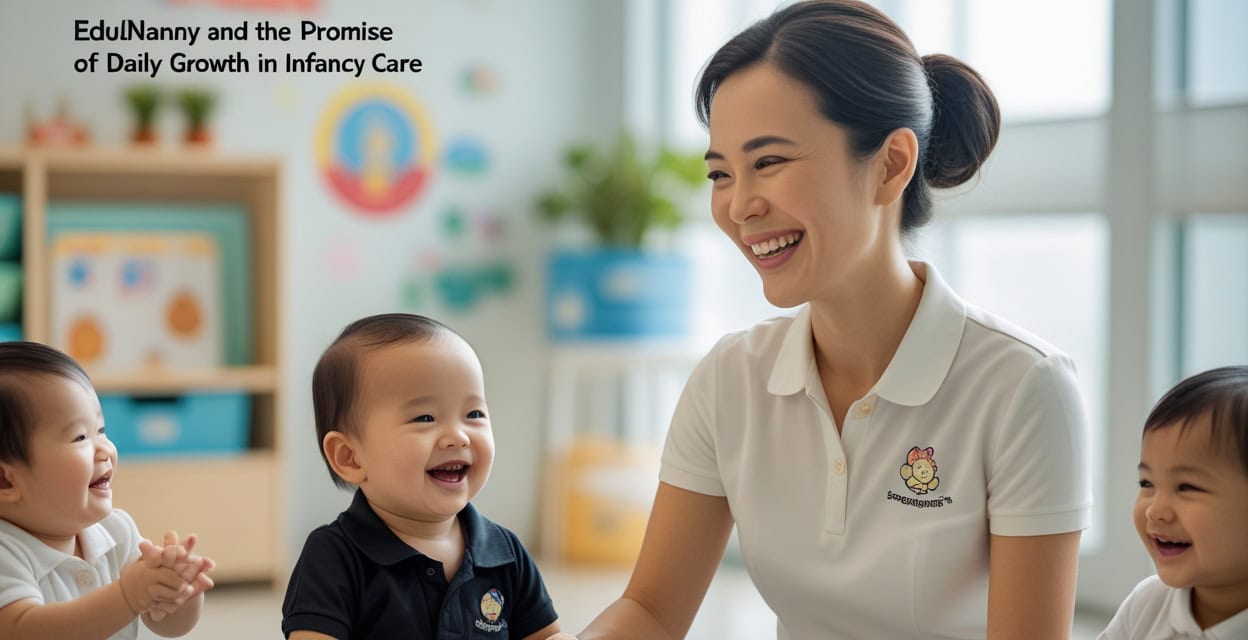
Introduction: EduNanny and the promise of daily growth in infancy care
Good evening to parents, caregivers, neighbours, and partners across Singapore. This article expands the speech into a practical, editor-grade guide for families and communities. EduNanny by BUTLER exists to turn daily care into daily growth, making high-quality infant and toddler care reliably available across the island, Monday to Friday, 7am to 7pm. Our purpose is simple and demanding: to dignify the professional work of childminders, provide nearby options for families, and embed a public ethic of calm, relational learning in every interaction with our youngest citizens.
EduNanny is a holistic model—center-based, home-based, and distance-supported—designed to meet real life. We operate within the ECDA Childminding Pilot as a national social initiative, with a maximum employment mandate that elevates the status of childminders while ensuring practical, high-quality choices for families near home and work. Our infant ratio is intentionally ultra-low at 1:3, so care remains calm, relational, and genuinely educational. Our spaces blend safety with exploration, and we embrace transparency through CCTV for secure, parent-facing insight. Pricing is accessible—starting from $33/day—with CDA/Baby Bonus support. Learn more at EduNanny.com and Childminding.EduNanny.com.

Five lenses to understand EduNanny: a public ethic in infant care
Topic 1: Pedagogy as presence—Pause, Pair, Play
Infants deserve a calm start and a richly invited day. Our three-part pedagogy is intentionally simple and powerful.
- Pause. We slow down at greeting, during diaper changes, and before sleep. Slowness is precision: it helps us notice cues—a turned head, a searching hand, a breath shift—and respond where the child actually is, not where we assume they should be.
- Pair. We establish primary caregiving pairs within each pod of three infants. This predictable relationship is the bridge from co-regulation to self-regulation; the child borrows our calm to build their own.
- Play. Floor-level exploration follows a sensorimotor focus: safe grasping, rolling, crawling; low mirrors for body awareness; natural textures; rhythm games for joint attention; simple cause-and-effect toys; and songs in families’ languages. We scaffold gently—offering just enough help to invite the next try.
Practical takeaways for parents: request a clear description of the daily rhythm, learn the cue-language used by carers, and observe how transitions are narrated. For educators, implement a dependable pause-time of 20–40 seconds after each greeting, ensure primary caregiving pairs remain consistent for at least two weeks, and design a weekly plan that foregrounds one new skill (e.g., grasp development or babble-melodic patterns) within a safe, responsive play sequence.
Topic 2: Safety as silent choreography—design, ratio, and routine
Safety is not a poster; it is a lived pattern in the room. Our safety framework blends design, discipline, and daily practice.
- Design. Modern layouts with rounded edges, low open shelving, washable textiles, slip-resistant flooring, and clear sightlines for continuous observation.
- Ratio. The 1:3 infant ratio is a deliberate practice that enables consistent eye-level contact, timely cue-reading, and calm transitions—core elements of attunement rather than mere supervision.
- Routine. Sleep follows safe sleep guidelines (individual cots, firm mattresses, no loose items); hygiene practices are ritualized (hands, surfaces, bottles); illness protocols ensure continuity of care and protection for all children and staff.
Practical tips for families: ask to see the floor plan, safety checklists, and the incident logging process. For operators: implement a CCTV-guided handover protocol that preserves privacy while ensuring essential transparency, and rehearse evacuation, allergy action plans, and escalation routes regularly with all team members.
Topic 3: Development and happiness—co-regulation to curiosity
In the first year, development unfolds in rhythm, not race. We document to notice, not to judge, translating observations into meaningful invitations to explore.
- Observation. Track tummy-time progress, rolling patterns, pincer grasp, early babble, joint attention, first gestures, and social referencing cues.
- Invitation. We weave music, rhythm, movement, and culturally resonant stories into daily life, honoring family languages and festival practices through sensory play and song.
- Home coherence. Live CCTV access, daily summaries, and weekly snapshots connect what happens in care with what families try at home, reinforcing a shared developmental narrative.
Practical guidance for parents: request a weekly developmental note with home-action tips (one or two simple activities per week); create a home routine that mirrors the infant care rhythm in care settings (e.g., nap timing, quiet alert periods, shared reading). For providers: maintain a simple, consistent observation framework, and train staff to translate observations into concrete home activities that families can replicate within their culture and schedule.
Topic 4: The purpose and dignity of childminders—professionals shaping beginnings
Childminders are not “helpers” on the margins of education; they are the nation’s first educators. EduNanny’s approach under the ECDA Childminding Pilot centers on training, mentorship, and career progression.
- Professional development. Training modules cover cue-reading, co-regulation, safe sleep, family communication, developmental observation, inclusive care, and emergency readiness.
- Quality over paperwork. Practice-based measures—reflection, peer support, and scheduled breaks—safeguard caregiver well-being and, in turn, child calm.
- Career pathways. A visible ladder that recognizes expertise gained in real-world settings, with opportunities for mentorship roles, lead caregiver positions, and supervisor tracks within the pilot.
Practical tips for families: seek out a clearly defined caregiver team, ask about ongoing training, and inquire into the support structures that help caregivers manage emotional labor and prevent burnout. For educators: implement monthly reflective circles, provide time-bound coaching cycles, and celebrate caregiver milestones and learning outcomes publicly within the program.
Topic 5: Access within reach—centre, home, and distance that fit real life
A robust model must fit the daily realities of a bustling city. EduNanny offers multiple formats and predictable hours to support diverse families.
- Centre-based. Communal, resource-rich environments that foster social exploration and peer learning in a safe, supervised setting.
- Home-based. Intimate, tranquil environments that support a quieter, individualized approach while maintaining high standards.
- Distance-supported. Virtual check-ins, daily activity prompts, and responsive coaching for days when a child remains at home or for families needing flexible guidance.
Practical tips for families: map your week around your child’s alertness patterns and your work schedule; identify a primary preference (centre or home) and test a short settling-in period to ensure compatibility. For providers: design a flexible booking system, maintain clear guidelines for distance support, and ensure accessibility islandwide—so care is truly within reach for every family.

A day in the life: turning policy into practice
To picture EduNanny in action, consider a typical day that begins with calm, purposeful routines and ends with clear, humane communication.
- 7:45 a.m. — Arrival and handover: quick health check, cue-sharing, and a warm greeting from the primary caregiver.
- Morning exploration: floor-based sensory play with safe textures, soft lighting, and gentle music tailored to the child’s language.
- Mealtimes and diapering: unhurried, narrated activities with consent-based language and transparent routines.
- Nap period: individual, safe-sleep practices with consistent soothing cues that reduce stress for infants and caregivers alike.
- Post-nap invitations: movement and exploration—rolling, reaching, cruising along a low rail—followed by outdoor time when possible.
- Afternoon wrap-up: reflective notes for families, with a short, human summary of what delighted the child and what helped them settle.
- 7:00 p.m. — Pick-up: a final dialogue about the day’s rhythms and any emerging strengths or needs, all supported by secure CCTV access for parents.
Practical takeaways: request a sample daily schedule, observe how caregivers narrate transitions, and ask for a sample end-of-day summary. For staff: document not just milestones but the emotional climate of the day—what soothed a child, what sparked curiosity, and what could be improved in the rhythm.

Why this model is distinctly Singaporean
- Discipline and care. Singapore’s systems-thinking approach ensures rigorous safety and accountability alongside warmth and belonging.
- Multicultural belonging. EduNanny honours language, food customs, and festival seasons, integrating cultural responsiveness into everyday care.
- Local job creation. The maximum employment mandate creates meaningful roles in neighbourhoods, bringing talent closer to home.
- Accessible, transparent infrastructure. Islandwide access, clear timeframes, and technology-enabled engagement that respects privacy while enabling trust.
Practical guidance for families: look for providers that demonstrate a blend of safety rigor and warm, culturally aware care. For policymakers and operators: ensure that regulations support professional development, fair employment, and scalable quality improvements across a diverse urban landscape.
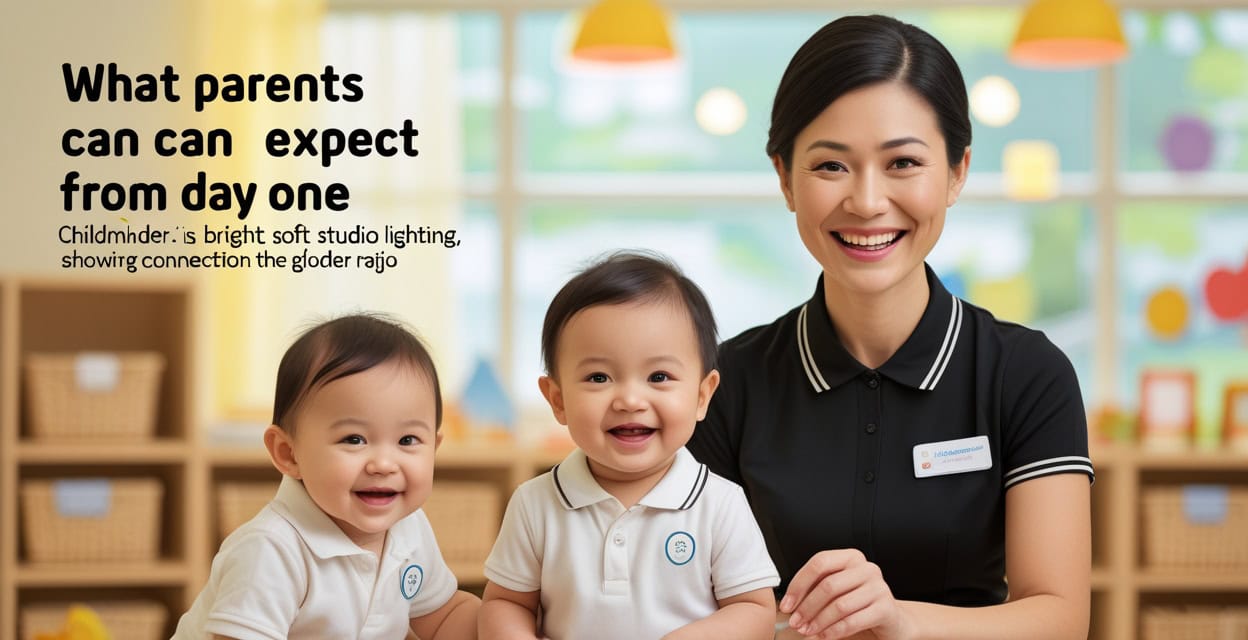
What parents can expect from day one
- A thoughtful match. Centre-based or home-based care aligned with your family’s needs and rhythms.
- A 48-hour settling-in plan. A tailored transition that eases your child into the new environment with predictable routines.
- Clear safety orientation. Live CCTV guidelines, privacy standards, and a transparent handover process.
- A primary caregiver. A consistent face your child will learn to trust and recognize.
- Weekly developmental notes. Plain-language insights linked to home activities you can reproduce.
- Parental support line. Timely guidance because infants don’t schedule surprises.

Answers to practical questions
- Excellence and quality. Achieved through thoughtful ratios, rigorous training, ongoing supervision, and daily observation.
- Types of care options. Centre-based, home-based, and distance-supported models to accommodate families, weeks, and infants.
- Convenience. Monday to Friday, 7am to 7pm, islandwide.
- Affordability. From $33/day, with CDA/Baby Bonus support.
- Transparency. Innovative CCTV, digital logs, and open communication channels.
- Safety. Modern layouts, rehearsed safety protocols, safe sleep practices, allergy action plans, and emergency readiness.
- Standards. Delivered by EduNanny by BUTLER within the ECDA Childminding Pilot as a national social initiative with a maximum employment mandate.

Closing: who, what, when, where, and how—and why it matters
Who does childminding serve?
Infants first, parents at the center, childminders as the nation’s first educators, and Singapore as a whole benefiting from strong early foundations.
What is childminding at its best?
It is the daily craft of attachment, safety, and exploration—a prepared environment, a steady hand, and a song at just the right moment.
When does it matter most?
In the first thousand days, when brains and world expectations are wiring at astonishing speed.
Where should it happen?
Where care is woven into daily life—centres designed with intention, homes approved and supported, and distance guidance when needed.
How does EduNanny make it work?
Through human-scale ratios, evidence-based practice, transparent technology, predictable hours, modern layouts, rigorous safety, and pricing that meets families where they are.
Why does it matter?
Calm, curious infants become secure, competent children—and a nation that honors its beginnings honors its future.
Singapore, let’s choose a standard of care that feels like home and performs like public infrastructure: reliable, dignified, and beautifully human. Visit EduNanny.com or Childminding.EduNanny.com. Tour a centre. Meet a home-based childminder. Ask us the hardest questions you have. Bring us your infant’s rhythms, your family’s culture, your hopes and worries. We will meet you at eye level—and we will hold that promise from the first greeting of the day to the last handover at 7pm.
A concluding reflection: turning minutes into milestones
This is the work that turns minutes into milestones and care into confidence. EduNanny by BUTLER stands ready to partner with families, communities, and policymakers to build a public infrastructure of trust around our youngest learners. Ready to move beyond “care” toward “care that teaches, supports, and elevates”? Tour a centre, connect with a caregiver, and help shape a Singapore where early beginnings become a strong national future.
Call to action: Explore EduNanny today, schedule a tour, and bring your infant’s rhythms and your family’s culture into a program designed to meet you eye-to-eye every day from 7am to 7pm.
[#earlychildhoodcare, #infantdevelopment, #Singaporechildminding, #EduNanny, #BUTLER]Ready to Experience Excellence?
Transform Your Family’s Journey
Discover Singapore’s leading infant care and childminding services. Expert guidance for your little one’s first thousand days.