Trust at the Cradle The Five Streams Attunement Blueprint Redefining Singapore First Thousand Days

Opening the Circle: A Professional Vision for EduNanny Singapore
Good evening, friends, parents, caregivers, and partners in the work of human beginnings. We meet at a threshold that every nation must cross with reverence: the first thousand days of life. In those days, there is no such thing as “small.” A five‑second pause before a caregiver responds is not a delay—it is a lesson in trust. A gentle hand on a shoulder is not a gesture—it is a blueprint for belonging. Today we introduce EduNanny: a science‑led, heart‑forward childminding movement built in Singapore for Singapore, designed to make the ordinary acts of care extraordinary in their impact.

Who We Are: EduNanny by BUTLER
EduNanny is a centre-based and home-based childminding operator participating in the ECDA Childminding Pilot as part of a broader national social initiative. We exist to bring professional, affordable proximate infant care to families islandwide—Monday through Friday, 7 a.m. to 7 p.m.—with an ultra-low 1:3 infant ratio, modern spatial layouts, and live CCTV innovation embedded for transparency and partnership. We operate in communities and home premises. We support family budgets with fees payable by CDA/Baby Bonus. We make quality accessible, with options from $33/day. And we do all this while creating dignified jobs under a maximum employment mandate—because caring for children and caring for caregivers is the same work in two directions.
What Makes EduNanny Different: A Coherent Philosophy in Action
What makes EduNanny exceptional is not a single feature; it is a coherent philosophy put to work. We weave the wisdom of Montessori, Pikler, Bowlby, Piaget, Vygotsky, Froebel, Malaguzzi, Spock, and Erikson into a living practice tuned to Singapore’s rhythm, pace, and promise. Below are five vital lenses through which we design, train, and partner with families.
1) The Pedagogy of Attuned Learning
Development is not downloaded; it is co‑created. Our pedagogy rests on attunement: noticing, naming, and nurturing what an infant is already trying to do.
- Respectful caregiving: slow, narrated routines that transform diapering, feeding, bathing, and settling into relationship‑rich micro‑lessons. Action: create a 10‑step routine log for each caregiver to use during transitions.
- Design for discovery: low open shelves, soft light, safe mirrors, treasure baskets, heuristic play. Action: set up a monthly “discovery corner” with rotating materials tied to a theme (textures, sounds, shapes).
- Language‑rich interaction: singing, parallel talk, rhymes, and mother‑tongue storytelling. Action: implement a daily 5‑minute language segment in the infant’s home language or a familiar language at home.
- Individualized documentation: daily observation notes, photos, and mini‑learning stories. Action: maintain a child‑specific journal that parents review weekly with a short narrative and next steps.
- Five‑second rule in practice: in moments of need, pause to read cues and respond appropriately. Action: provide a cue‑response checklist for caregivers and a short parent‑facing guide for common cues.
2) Safety as Architecture, Not Slogan
Safety is the floor, the walls, and the ceiling of trust—not an afterthought. We design spaces and routines that make safety visible and actionable.
- Environment design: modern layouts to reduce blind corners, dedicated sleep, play, and caregiving zones, and clear lines of sight for staff and families. Action: deploy a quarterly safety walkthrough with a simple rating and quick fixes.
- Evidence‑based sleep practices: independent cots, firm mattresses, no loose bedding, routine checks, temperature and noise control. Action: provide families with a safe sleep checklist for home transition.
- Hygiene by habit: hand hygiene, sterilization, food safety, daily sanitation logs, and drills. Action: publish a weekly sanitation log for families to review online.
- Competence and readiness: infant CPR/First Aid, safe sleep, choking response, and emergency protocols refreshed regularly. Action: implement a rotating quarterly certification calendar and mock drills.
- Live transparency with privacy safeguards: CCTV provides audit visibility while protecting family privacy through consent, access controls, and data minimization. Action: offer families intermittent, consented live views during critical moments (drop-off, pick-up) with optional highlights when appropriate.
- 1:3 infant ratio as a promise: more vigilant supervision and deeper relationships. Action: publish monthly staff‑to‑infant ratio reports and caregiver pairing strategies to ensure consistency.
3) A Developmental Continuum You Can See
Holistic development unfolds in braided streams. We track progress with a “Five‑Streams Passport” that is simple, shared, and humane.
- Regulation and Rest: feeding rhythms, sleep patterns, soothing cues. Action: provide parents with a simple bedtime routine guide aligned with the child’s patterns.
- Motor and Sensory: tummy time, reaching, grasping, rolling, crawling, cruising. Action: create a weekly “movement mini‑challenge” for caregivers and parents to try at home.
- Communication and Language: cooing, babbling, joint attention, first signs, first words. Action: implement a daily language booster game in the home language with parents’ involvement.
- Thinking and Problem‑Solving: cause‑and‑effect exploration, persistence, imitation, early categorization. Action: provide open‑ended toy sets and guided discovery prompts during care routines.
- Belonging and Emotion: secure base behaviours, peer curiosity, joyful engagement. Action: schedule regular family‑involved activities and celebrate milestone moments with simple home activities.
Every infant receives a personal plan co‑created with parents. We do not compare children to each other; we compare each child to yesterday. Through daily notes, weekly reflections, and monthly mini‑conferences, families see growth as a story they co‑author.
4) Happiness as a Design Choice
Joy is built by routines that honor bodies, senses, and culture. Happiness is learned through safe, predictable, and culturally resonant environments.
- Predictable, unhurried days: build in ample time for feeding, textures, naps, and warm hold. Action: create a daily rhythm map that families can reuse at home.
- Warm, small communities: consistent carers, familiar routines, and known spaces. Action: implement a caregiver‑infant rotation plan that stabilizes attachments.
- Culture‑forward caregiving: lullabies and stories in home languages, festival celebrations, familiar objects. Action: curate monthly culture moments and recommended home activities for families.
- Practical partnerships with families: real‑time updates, photos, and carry‑over ideas. Action: provide a simple home activity kit with suggested daily slots for parent‑child interaction.
- Caregivers cared for: reflective practice, supervision, and well‑being checks. Action: implement staff wellbeing huddles and professional development time as standard practice.
Happiness in infancy is expressed as soft eyes, steady breath, and curious exploration. We measure and nurture that daily in partnership with families.
5) The Purpose and Profession of Childminding
The word “childminder” carries the dignity of a craft. It is not casual work; it is a nation‑building vocation that shapes futures.
- Professional pathways: recruitment, rigorous selection, mentorship, and ongoing certifications. Action: outline a clear career ladder and formal mentorship program for EduNanny staff.
- Reflective culture: case reviews, peer learning, and practice labs. Action: implement monthly practice labs that address real‑life dilemmas with collective wisdom.
- Ethical code: respect for families, transparent communication, and duty of care beyond the shift. Action: publish a family‑facing ethics charter and monthly transparency reports.
- Local employment, national impact: a maximum employment mandate that widens entry points into meaningful care work. Action: partner with local training providers to create pathways for new carers and career progression for existing staff.
- Community anchor: connecting families to resources, early intervention referrals, and neighbourhood networks. Action: establish a regional family support hub in each community served for quick referrals and guidance.

A Practical Tool: The Five‑Stream Passport
The Five‑Stream Passport is a simple, shareable framework to document, reflect, and celebrate a child’s development. Here is a practical example of how to implement it in a family setting:
- Personalized plan: collaborate with parents to establish development goals across all five streams for the first 90 days.
- Weekly snapshots: quick notes on progress in each stream, highlighted with a photo or short anecdote.
- Monthly reviews: a short conference between caregiver and parents to adjust activities and expectations.
- Home partnerships: provide a simple at‑home activity sheet aligned with the passport streams for consistency and carry‑over.
Quick Service Snapshot for Busy Parents
- Delivery models: Centre‑Based Childminding and Home‑Based Childminding, with Distance support for guidance beyond the setting.
- Hours and access: Monday to Friday, 7 a.m. to 7 p.m., islandwide Singapore, in community and home premises.
- Ratios and rooms: ultra‑low 1:3 infant ratio; modern layouts designed to reduce stress and improve safety.
- Transparency: innovative CCTV for compliance, training, and family partnership, with privacy safeguards.
- Affordability: options from $33/day; fees payable by CDA/Baby Bonus; flexible scheduling within pilot guidelines.
- Getting started: visit EduNanny.com and Childminding.EduNanny.com to learn more and arrange a tour or trial.

How EduNanny Makes Infantcare and Childminding Great in Singapore
- Proximity matters: care close to where families live and work reduces travel strain and keeps parent presence at critical edges of the day.
- High standards, low barriers: trustworthy ratios, trained professionals, transparent environments, and practical pricing.
- Science meets culture: a curriculum of attachment, exploration, and language that respects Singaporean rhythms and values.
- Partnership with families: clear plans, daily visibility, and responsive support turn caregivers into trusted partners.
- Investment in people: a national social initiative that dignifies caregiving work and multiplies employment while improving infant outcomes.
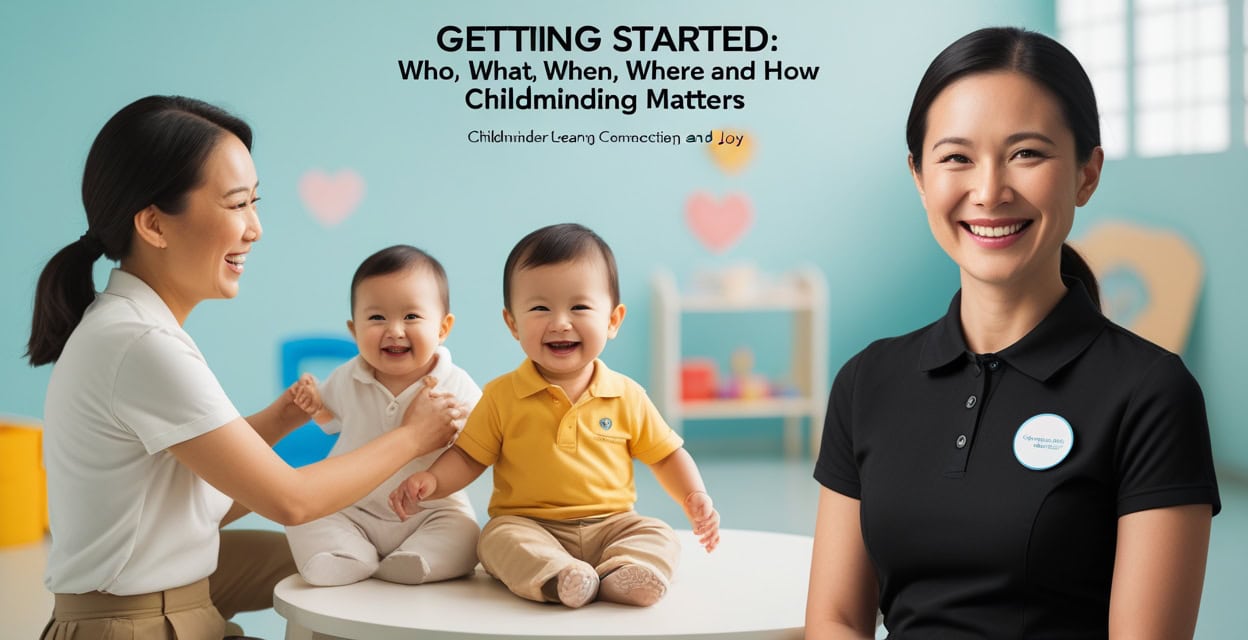
Getting Started: Who, What, When, Where, and How Childminding Matters
Who: Singapore’s youngest citizens, loving parents, and the childminders who stand watch and teach with presence.
What: Professional, transparent, and affordable childminding that turns routines into relationships and moments into milestones. EduNanny by BUTLER participates in the ECDA Childminding Pilot to bring a public‑spirited standard to everyday care.
When: Monday through Friday, 7 a.m. to 7 p.m.—with distance support and ongoing parent partnership beyond the clock.
Where: Across Singapore—centre‑based and home‑based pods in communities and homes, built with modern layouts that protect, soothe, and inspire.
How: With a 1:3 infant ratio; attunement‑led pedagogy; safety by design; innovative CCTV; trained, supported professionals; fees payable by CDA/Baby Bonus; and options from $33/day to keep quality within reach.
A Call to Action: Trust as the Child’s First Language
The philosophy and purpose of EduNanny, in one sentence, is this: to turn trust into the child’s first language. Trust that a caregiver will come. Trust that a need will be understood. Trust that the world is safe enough to explore and generous enough to welcome curiosity. From that trust flows everything else—attention, persistence, empathy, courage.
Singapore’s future is not waiting at the end of policy; it is blinking at the start of each day, in a cot, in a pod, in a caregiver’s arms. Let us make those first days worthy of the people we hope our children will become. Let us make excellence ordinary.
If you are a parent seeking a calm, competent beginning; a caregiver ready to grow a profession; or a partner who believes that infant care is nation‑building done softly and well—step into the circle with us.
Visit EduNanny.com or Childminding.EduNanny.com. Come see how five seconds of attuned care can open a lifetime of possibility.
Conclusion: A Reflective Ending and Call to Join
In the first thousand days, trust becomes the foundation for lifelong learning. EduNanny exists to translate that trust into tangible routines, spaces, and relationships that nurture children, support families, and strengthen communities. By embracing attunement, safety as architecture, a clear developmental continuum, happiness as design, and the professionalcraft of childminding, we build a resilient system where high quality care is accessible, affordable, and inviting to every Singaporean family. Join us in creating a future where excellence is not a privilege but a standard woven into the daily rhythm of care.
Ready to engage? Explore tours, parent partnerships, and caregiver career pathways today.
Visit: EduNanny.com | Partner: Childminding.EduNanny.com

Key Ideas at a Glance
- Attunement-led care improves trust and development
- Safety by design protects children and provides transparency
- A holistic five‑streams framework tracks development clearly
- Joyful routines foster resilient, curious children
- Professional, ethical, and community‑oriented childminding strengthens society
Note to readers: This article reflects EduNanny’s commitments to evidence‑based practice, cultural relevance, and the wellbeing of both children and caregivers within Singapore’s national context.
[#Education, #EarlyChildhoodCare, #SingaporeEducation, #InfantCareSingapore, #EduNannySingapore]