
EduNanny in Singapore ECDA Pilot 2024 to 2027 A Gentle Beginning for Infants and a Steady Path for Families

Introduction: A Gentler Beginning for Singapore’s Infants
Thank you for gathering to imagine something both simple and profound: a gentler beginning for our infants, and a steadier, more confident stride for families. This EduNanny vision draws on the wisdom of Montessori, Piaget, Vygotsky, Froebel, Malaguzzi, Bowlby, Pikler, Spock, and Erikson—and pairs it with pragmatic partnerships that recognize busy mornings, open hearts, and high standards. This article presents a WordPress-ready, in-depth guide to EduNanny’s Infant Childminding Service in Singapore, including practical steps, everyday routines, and actionable insights for families navigating early care and development.

EduNanny Infant Childminding Service: An Appointed Operator in the ECDA Pilot
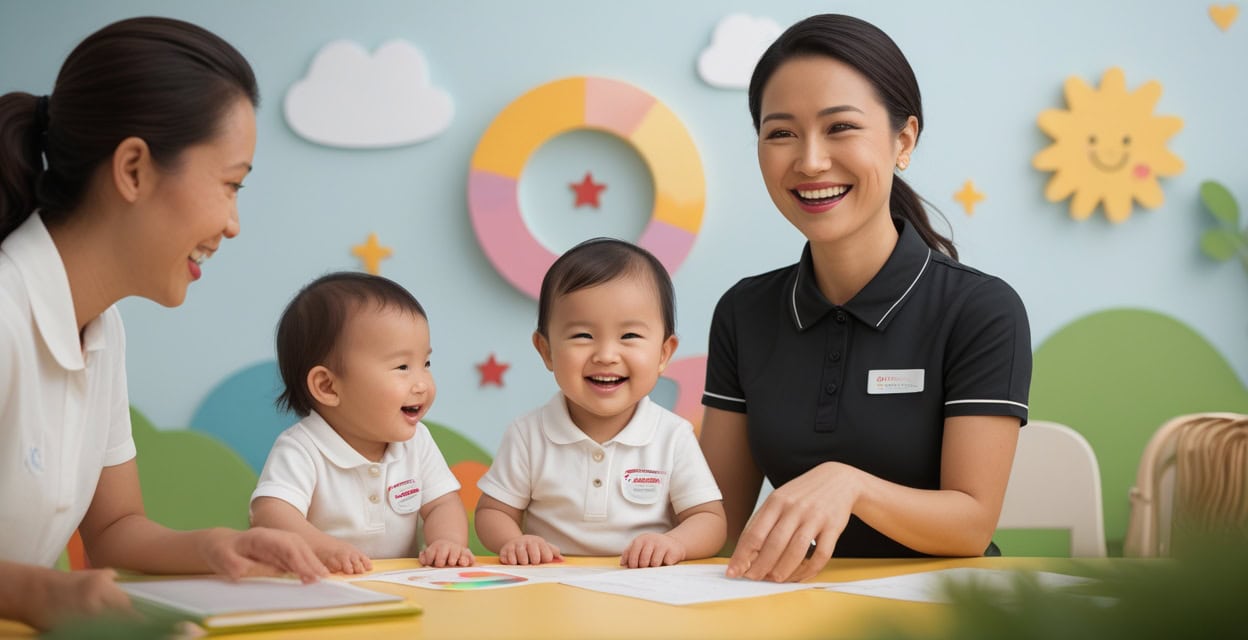
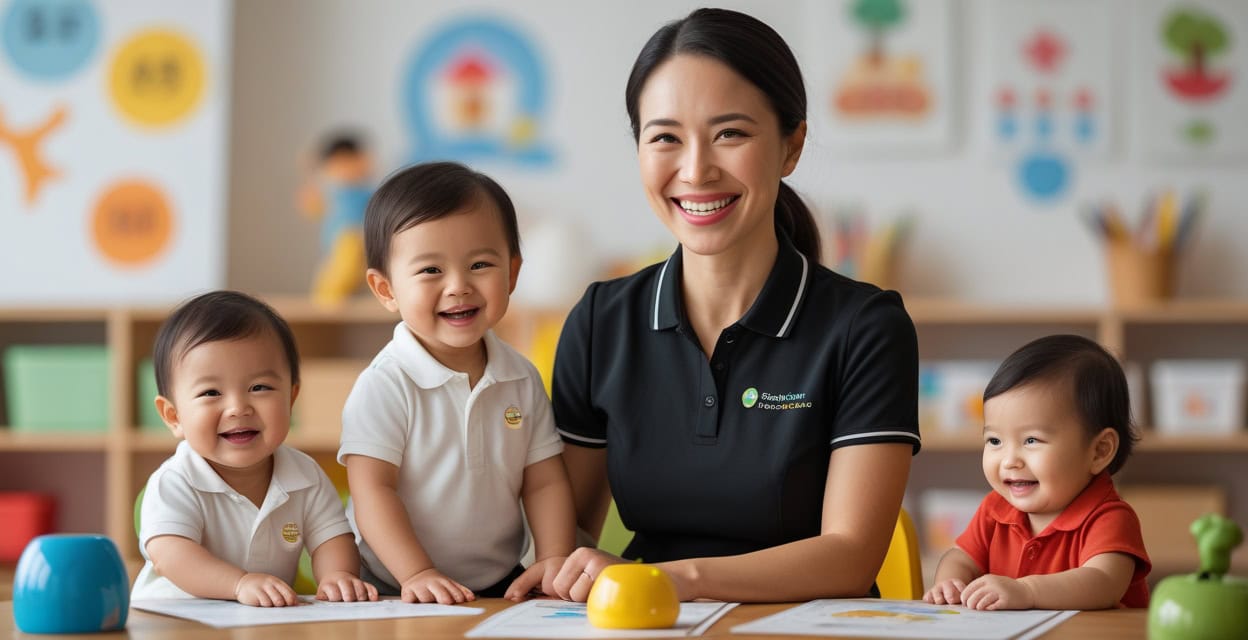
EduNanny is designed to make infant caregiving more affordable, safe, reliable, and personal for Singaporean families with infants aged 2 to 18 months. As an appointed operator in the ECDA Childminding Pilot (1 December 2024 to 31 December 2027), EduNanny operates with safeguards, training, and quality protocols that modern families expect and deserve. Under this pilot, each childminder cares for no more than three infants at a time—whether in their home or in an approved community space.
The Five Core Ideas That Shape Our Practice
1) Attachment and the Power of the Quiet Three
The 1:3 ratio is not just a number—it’s a promise. It means enough time for “serve-and-return” interactions, the foundation of language and emotional regulation. Secure attachment, guided by Bowlby’s principles, becomes the launchpad for courage. At EduNanny, consistent, responsive care builds secure attachment, so infants venture, return, and venture again.
Inspired by Pikler, we honor natural movement and infant agency. Milestones aren’t rushed; we create safe spaces where curiosity leads the lesson plan. Practical tips for families:
- Observe a childminder’s “serve-and-return” moments: how they imitate, respond, and expand a baby’s vocalizations or gestures.
- Encourage easy, predictable daily rhythms at home to complement the care environment (e.g., a short, soothing pre-nap routine).
- Use simple, responsive language during routines—narrating actions, naming objects, and labeling emotions to build vocabulary and emotional literacy.
2) Safety You Can See, Systems You Can Trust
Safety is an ecosystem, not a checklist. EduNanny assesses environments, removes hazards, and rehearses emergency protocols. Every childminder is trained in infant first aid and basic care before deployment.
- CCTV: Community spaces have CCTV for transparency; home-based care offers opt-in CCTV in caregiving areas during care hours to balance peace of mind with household privacy.
- Health and hygiene: A no-sick-child policy protects infants and staff. Common-sense exclusions apply (fever ≥37.5°C, vomiting, diarrhoea, suspected contagion). Medication is administered only with parent instructions on dose, timing, and watch-outs.
- Sleep safety: Back to sleep, firm mattresses, no loose bedding, routine checks; sleep practices are evidence-based and non-negotiable.
- Background checks: ECDA conducts checks on childminders; for home-based care, adults with regular access to the home are checked as well.
3) The Learning Science of the First Thousand Days
Piaget’s schemas, Vygotsky’s zone of proximal development, and Froebel’s play principles guide micro-moments: a rattle becomes physics; peekaboo becomes object permanence; babble becomes conversation.
We use a rhythm, not a rigid schedule: feed, rest, play, explore. Predictability lowers stress, and stress reduction fuels neural growth. Practical tips for parents:
- Create language-rich moments: name objects, describe actions, and narrate feelings during daily routines.
- Design simple, repeated activities that foster problem-solving (e.g., stacking cups during bath time, hiding a toy under a cloth and revealing it).
- Document development with short, observable notes—share milestones with your childminder to tailor activities to your infant’s interests.
4) Joy as a Standard, Not a Nice-to-Have
Infants learn best when they feel safe, seen, and soothed. EduNanny designs calm spaces, gentle transitions, and warm rituals—greeting songs, sensory baskets, and outdoor time where available. Caregiver well-being matters because a regulated adult co-regulates a child.
- Establish predictable greetings and farewells to foster security at transitions.
- Incorporate sensory play that supports exploration without overstimulation (soft textures, safe musical stimuli, varied scents).
- Encourage caregiver self-care and peer support through structured supervision and professional development.
5) The Modern Childminder: Educator, Guardian, Neighbour
The childminder is the everyday architect of trust—equal parts expert and ally. Our professionals are certified, trained, and reflective. EduNanny coaches childminders in observation, responsive routines, and respectful caregiving, while inviting parent voice for ongoing partnerships.
- Continuous professional development: monthly reflective practice and supervised experiences to elevate caregiving quality.
- Partnership with families: regular updates, milestone celebrations, and goal co-creation to align home and care environments.
- Community integration: childminders act as neighbors—helping families feel rooted and supported in their local area.

A Day in the EduNanny Experience
What a typical day can feel like for your infant and family within the 1:3 model:
- Arrival: A calm hello, health check, and a brief chat with parents to align on the day’s plan.
- Morning: Gentle sensory exploration, tummy time, songs, and safe outdoor time when possible.
- Midday: Unhurried feeds, responsive cuddles, and safe sleep with consistent routines.
- Afternoon: Books, language play, movement, and quiet discovery; quick documentation shared with parents.
- Closure: A succinct handover highlighting observed progress, next steps, and upcoming milestones.

Why Families Choose EduNanny
- Ultra-low ratio: 1 childminder to 1–3 infants—deep, responsive care.
- Ultra-low density: Calm, uncluttered environments designed for safety and focus.
- Certified childminders: Trained in infant first aid and basic care; ongoing professional development.
- Background-checked: ECDA checks for childminders and, in home-based care, for adults with regular household access.
- Safety-first culture: Clear incident protocols, safe sleep standards, hygiene routines, and no-sick-child policy to minimise spread.
- Transparency: CCTV in community spaces; opt-in CCTV in caregiving areas for homes during care hours.
- Affordability: From $33 per full day (10 hours) before GST during subsidised hours; half-day (5 hours) at $16.50 before GST; CDA/Baby Bonus may be used during subsidised hours.
- Flexibility and convenience: Monday to Friday, 7am–7pm (excluding public holidays); choose number of days and blocks that suit your family.
- Nationwide reach: Islandwide availability with home-based and community-based sites under the ECDA Pilot; centre-based options within EduNanny’s ecosystem.
- Modern environments: Thoughtful layouts and materials designed to respect infant movement and curiosity.

Where EduNanny Fits in Singapore’s Care Landscape
For families who want intimacy without isolation, the 1–3 model blends the warmth of home with training, oversight, and standards. For infants, it’s the Goldilocks zone—ample peer interaction for social learning, enough individual attention for secure attachment, and structured routines that support healthy development. For the nation, EduNanny represents a practical step toward a resilient future: strong starts for children, real support for parents, and dignified professional pathways for caregivers.
Who, What, When, Where, How—Why Childminding Matters Now
- Who: Infants aged 2 to 18 months who need attuned relationships, and parents seeking confidence beyond supervision.
- What: Evidence-based childminding that treats safety as culture, attachment as curriculum, and play as serious learning.
- When: During the most sensitive brain-development window where everyday interactions shape lifelong pathways.
- Where: Carefully vetted home-based and community spaces across Singapore—close to where families live and work.
- How: Ultra-low ratios, trained and background-checked childminders, clear health and safety standards, transparent communication, and affordable, flexible access.

EduNanny’s Philosophy and Purpose
Our purpose is to dignify infancy and support families. We believe:
- Infants deserve: A trusted, familiar adult and a calm place to grow.
- Parents deserve: Clarity, partnership, and a service that fits real life.
- Childminders deserve: Training, respect, and a clear professional pathway.
- Communities thrive: When the earliest years are safe, joyful, and thoughtfully guided.
Practical Essentials at a Glance
- ECDA eligibility: Singapore Citizen infants 2–18 months, not concurrently enrolled in ECDA-licensed infant care centres.
- Hours and fees (subsidised care): Half-day (5 hours) $16.50 before GST; Full-day (10 hours) $33.00 before GST; Monday–Friday, 7am–7pm (excluding public holidays); CDA/Baby Bonus may be used during subsidised hours.
- Locations: Home-based and community spaces (CCTV in community spaces; opt-in CCTV in caregiving areas for homes).
- Health policy: No-sick-child policy; medications only with parent instructions.
How to Sign Up
- Step 1: Visit https://edunanny.com/edunanny-ecda-childminding-service/ and complete the enquiry form—or message via WhatsApp from the same page.
- Step 2: EduNanny Concierge Team responds, learns your needs, and recommends suitable home or community sites.
- Step 3: Book a site visit to meet the childminder and see the environment.
- Step 4: Confirm your schedule (half or full day blocks, number of days), complete enrolment, and prepare for a gentle start.

Implementation: Practical Advice for Parents
To maximize outcomes from EduNanny’s model, consider these practical strategies:
- Prepare a one-page care brief: Include baby’s routines, feeds, sleep history, allergies, favorite soothing strategies, and any cues the infant uses when distressed.
- Create consistent routines at home: Align home routines with the care environment—e.g., similar nap times or feeding routines to reduce transitions.
- Leverage documentation: Use EduNanny’s simple observation notes to celebrate small milestones and adjust activities as your infant grows.
- Encourage family partnerships: Schedule regular updates and participate in joint goal setting for development milestones.
- Plan for transitions: When moving between home-based and community spaces, gradually acclimate your child to new environments with short initial visits.

In Closing
When we lower ratios, we raise attention. When we honour routines, we quiet stress. When we design for safety and joy, infants reveal what they were ready to do all along. Childminding matters because it touches the future at its softest point—where trust is formed, curiosity awakens, and families are steadied. EduNanny stands ready—with science in our practice, heart in our hands, and Singapore in our purpose. We invite you to visit, to ask, to see, and to feel the difference a thoughtful 1–3 model makes.
Because the first thousand days are not just the beginning of childhood; they are the beginning of everything.

Conclusion
EduNanny’s 1:3 infant care model blends attachment theory, safety, and developmental science into a practical, affordable solution for Singaporean families. With clear health policies, transparent communication, and professional, well-supported childminders, EduNanny aims to be a trusted partner in the earliest years. If you’re balancing work, family, and growth, consider how the EduNanny approach can provide a steady foundation for your child’s first thousand days—and beyond.
SEO keywords: [#InfantCareSingapore, #ECDAChildminding, #EduNanny1to3, #FirstThousandDays, #SingaporeChildcareAccessibility]