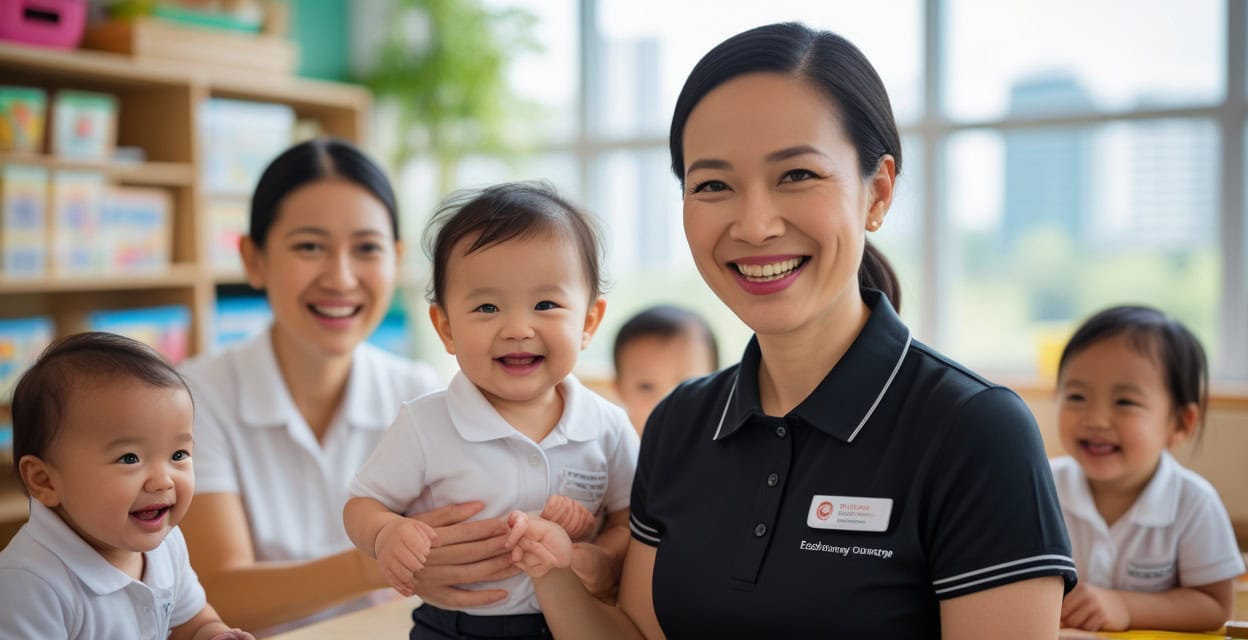
EduNanny Attunement and Civic Care A Bold Start for Singapore First Thousand Days
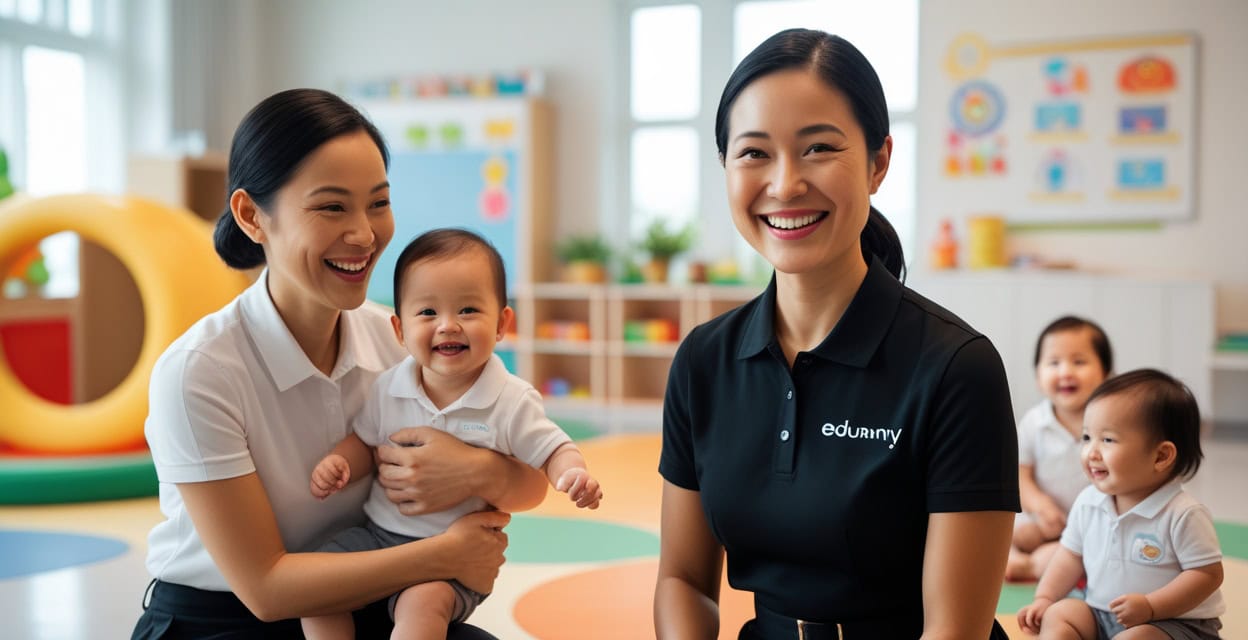
EduNanny Singapore: A Public Promise for the First Thousand Days
Good evening again to parents, caregivers, neighbours, and friends of Singapore. This is a vision that treats the earliest years not merely as private joy but as a public promise. EduNanny by BUTLER embodies that promise: a Singapore-born approach to infant care and childminding that holds safety, development, and joy in equal measure. By design, EduNanny aims to make the first thousand days of a child’s life calmer, more connected, and deeply purposeful—so that today’s tiny hands become tomorrow’s confident thinkers, creators, and citizens.
In these pages we translate a compelling speech into practical guidance, actionable steps, and real-world insights for families navigating early care. Read as a blueprint, EduNanny’s philosophy blends science with care, policy with partnership, and accessibility with excellence—so that every family can access high-quality care without sacrificing the warmth of a home-grown, human approach.
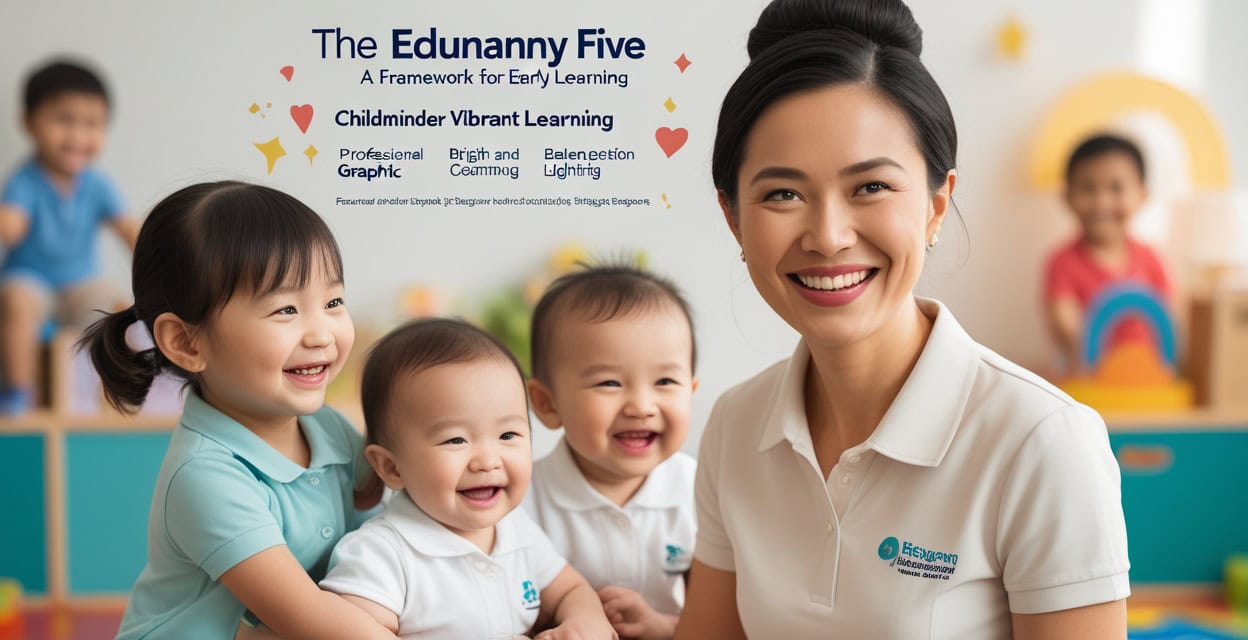
The EduNanny Five: A Framework for Early Learning
1) A pedagogy of micro-moments: learning in the gentle grain of time
Education in the first thousand days happens in small, meaningful moments that add up to a lifetime of capability. EduNanny turns big ideas from Montessori, Piaget, Vygotsky, and others into minute-by-minute practice we call the Attuned Micro-Moment Method.
- Observe, Name, Nurture: Start with observation to discern a child’s intention, then respond with just-enough support. For example, during diaper changes, name what you see and offer a calm hand to guide the process—then release.
- The Play Arc: Reach, Repeat, Rest. Plan activities that invite exploration, allow for rehearsal, and provide time to integrate learning—so repetition becomes mastery, not monotony.
- Floor-time as a language: Get down to eye level, share heartbeat, and use facial expressions and gentle voices to build trust and vocabulary.
- Ecology over equipment: Prioritise open-ended objects, safe floor space, and responsive adults over flashy toys. Real learning comes from relationships, not plastic toys.
2) Safety as choreography: a three-ring system of space, people, and information
Safety in EduNanny is designed into daily life, not appended as a checklist. It’s a choreography of thoughtful design, trained presence, and transparent communication.
- Space: Modern layouts with sightlines, soft corners, quiet sleep zones, and open movement areas reduce fatigue and overstimulation. Lighting and acoustics are chosen to support calm and focus.
- People: A 1:3 ratio means a named primary caregiver for each child, ensuring continuity and trust. Regular drills and hygiene practices happen calmly, not as emergencies after the fact.
- Information: Innovation CCTV provides visibility with respect for privacy, while care logs share essential updates, sleeps, feeds, and moments that matter—helping parents feel involved without micromanagement.
3) Development without worksheets: the everyday curriculum of the first thousand days
Development unfolds through lived experiences rather than worksheets. EduNanny weaves evidence-based practices into daily routines that any caregiver can learn and any infant can feel.
- Attachment: Predictable greetings, steady transitions, and consistent caregivers create a secure base for exploration.
- Sensorimotor mastery: Tummy time, supported rolling, and free movement with safe spaces build strength and coordination without over-engineered solutions.
- Language and culture: Rich talk, real songs, and family words support identity formation and linguistic development from day one.
- Early self-regulation: Quiet corners, gentle co-regulation, and predictable sleep-play-wake rhythms cultivate emotional resilience.
- The Four R’s: Rhythm, Relationships, Repetition, Reflection—these form an academic foundation that translates into lifelong learning habits.
4) Happiness as practice: turning joy into a daily discipline
Happy infants thrive; their early well-being predicts curiosity, resilience, and social trust later on. EduNanny treats happiness as a measurable, daily practice.
- The harmony check: Monitor balance across sleep, hunger, stimulation, and connection. Adjust inputs to protect the whole child.
- The comfort index: Beyond smiles, track how quickly children recover from upset with support—an indicator of effective co-regulation.
- Cultural heritage in care: Invite family songs, objects, and languages into daily routines to strengthen belonging.
- Outdoor moments: Daily exposure to natural light and breeze can reset mood, appetite, and sleep patterns.
5) The purpose of childminders: civic stewards of beginnings
Froebel spoke of educators as gardeners of the human garden. EduNanny expands that idea to civic stewardship—where professional, near-home care uplifts communities and strengthens social fabric.
- Professional pride: Ongoing training, mentoring, and reflective supervision cultivate skill with heart.
- Maximum Employment Mandate: Professionalising near-home care creates dignified, meaningful jobs across neighbourhoods.
- Partnership with parents: Weekly reflections, transparent planning, and shared goals reinforce families rather than replace them.
- Community as extension: Centres and home-based sites connect with libraries, parks, and everyday life, rather than existing as isolated silos.
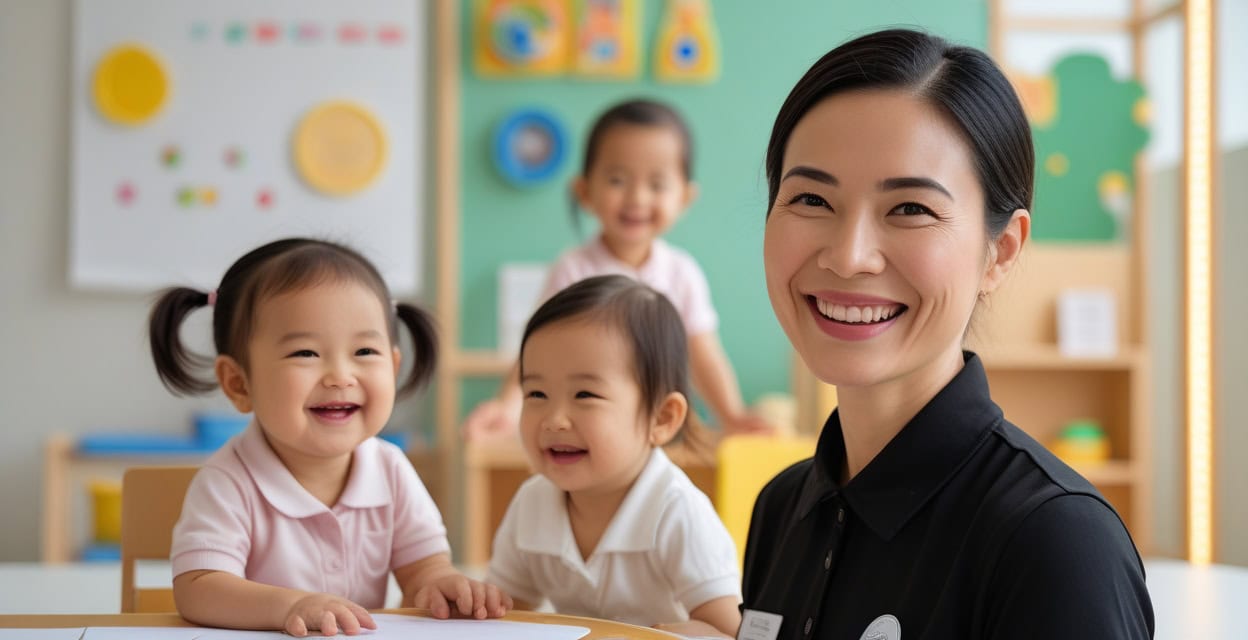
Practical Guidance for Singapore Families
Choosing EduNanny: questions to ask and what to observe
- What is the standard caregiver-to-child ratio on different days and times, and how consistent is the named caregiver for each child?
- How is safety designed into the physical space and routine—sleep areas, handover procedures, hygiene practices?
- What does the daily update look like? Can you receive real-time or regular photos, notes, and milestone observations?
- How is learning—especially language, early numeracy, and social‑emotional development—embedded in everyday activities?
- What is the process for parent partnership: weekly reflections, shared planning, and involvement in routines?
A sample day: practical rhythms for families
- 7:00–7:30am: Arrival, eye-to-eye greeting, soft transition with familiar caregiver.
- 7:30–9:00am: Free exploration with open-ended materials, scaffolding for curiosity.
- 9:00–10:30am: Snack, book-sharing, and language-rich activities in the child’s home language.
- 10:30–12:00pm: Sensorimotor play in a safe space; floor-time interactions that invite problem-solving.
- 12:00–2:00pm: Calm rest or nap, followed by gentle re-engagement with meaningful routines.
- 2:00–4:00pm: Outdoor time when possible; movement-based activities that encourage independence.
- 4:00–6:00pm: Reflection, song circle, and family language moments; end-of-day handover with caregiver notes.
Home-based and distance-supported care: practical options
- Distance-support: Learn from EduNanny coaches via scheduled video check-ins and receive a home-kit with guided play and movement activities.
- Home-based care: A trained caregiver visits your home with a consistent schedule and a log system that captures daily progress and notable moments.
- Centre-based options: Local hubs designed to feel like a connected neighbourhood classroom with safe play zones and calm retreat spaces.

What EduNanny Delivers: A Quick Reference
- Centre-based and home-based high-quality infant care with ultra-low 1:3 ratios and named primary carers
- Distance-support for families who prefer care at home, with coaching and home kits
- Monday–Friday, 7am–7pm, islandwide availability
- Transparent, privacy-conscious CCTV and ongoing communication with parents
- Modern, calm layouts prioritising movement and safe exploration
- Affordability with options from $33 per day and CDA/Baby Bonus payment options
- Participation in ECDA Childminding Pilot and alignment with Singapore’s Maximum Employment Mandate
- Educational philosophy grounded in Montessori, Piaget, Vygotsky, Froebel, and more, applied daily

Partnering with EduNanny: A Working-Parent Perspective
For families, the most valuable outcome is the peace of mind that their child is known, safe, and growing. This means caregivers who respond quickly to cues, routines that reflect a child’s rhythm, and a community that treats every family as a partner. Here are practical ways to engage with EduNanny from day one:
- Set your family’s language and culture at the center of daily routines—family songs, greetings, and customary moments should travel with your child.
- Keep a simple turn of phrases handbook for caregivers to refer to your child’s cues, preferences, and signals.
- Schedule weekly reflections with your caregiver to align on progress, goals, and any concerns.
- Participate in occasional family‑caregiver events to strengthen community ties and support networks.
- Use the home-distance toolkit as a bridge when you’re away from the child, ensuring continuity of care and connection.

Conclusion: Start Safe, Start Strong, Start Together
EduNanny’s approach to infant care and childminding is a deliberate, caring system designed for Singapore’s life as a modern city with traditional values of family and community. By combining ultra-low ratios, transparent practices, and a pedagogy rooted in research and relationship, EduNanny aims to provide a calm, curious, and connected beginning for every child—and a relief and partnership for every parent. If this vision resonates with your hopes for your child, your neighbourhood, and your country, we invite you to learn more, explore spaces, meet caregivers, and feel the difference a 1:3, heart-led day can make.
Because in Singapore, we do not leave the start of life to chance. We craft it—carefully, courageously, together. Thank you.
[#keyword1, #keyword2, #keyword3, #keyword4, #keyword5]