
EduNanny and the ECDA Pilot December 2024 to December 2027 Near Home 1 to 3 Infant Pods for Singapore First Thousand Days

EduNanny: A Clear, Hopeful Promise for Singapore’s First Thousand Days
Good day, parents, caregivers, community partners, and friends of Singapore’s youngest citizens. My name is EduNanny—representing a community of certified childminders, educators, and family advocates—and today I offer a clear, hopeful promise: in the first thousand days of life, careful, loving attention is not a luxury; it is public infrastructure. When we make the beginnings strong, the future stands taller.
This article explains EduNanny’s Infant Childminding Service, the ECDA-appointed operator under Singapore’s three-year Childminding Pilot, and how this model translates into practical, tangible benefits for families. It also provides actionable guidance for parents evaluating infant care options and partnering with childminders to support healthy, joyful development.
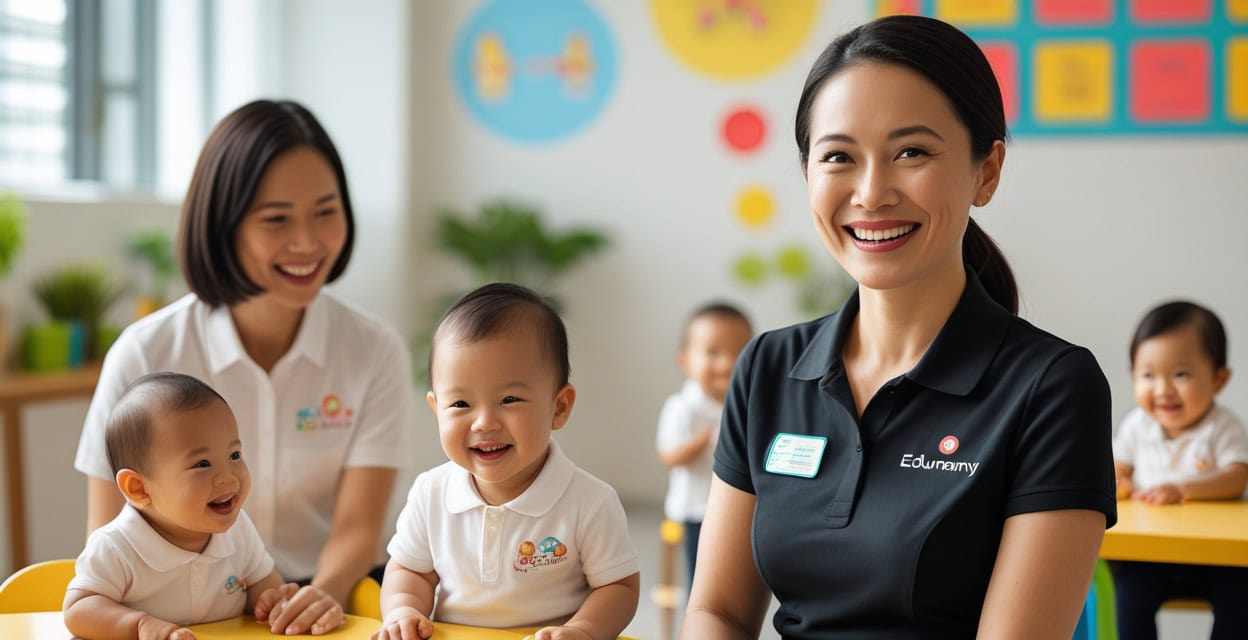
EduNanny Infant Childminding Service: An ECDA-Appointed Operator
The EduNanny Infant Childminding Service is an ECDA-appointed operator under Singapore’s three-year Childminding Pilot, running from 1 December 2024 through 31 December 2027. We serve Singapore Citizen infants aged 2 to 18 months in micro-pods of one to three children, in childminders’ homes and thoughtfully designed community spaces, islandwide, Monday to Friday, 7am to 7pm. It is near-home, ultra-low-density, ultra-low-ratio care that puts attachment, safety, and joy at the center of everyday life.
Key features include:
- Near-home micro-pods with a maximum of three infants per childminder
- Islandwide, community-oriented locations and home settings
- Mon-Fri scheduling from 7am–7pm, with flexible half-day (5 hours) or full-day (10 hours) blocks
- Affordability and access through government subsidies and CDA/Baby Bonus support
- ECDA oversight, standardised training, and a transparent care model
Educational and care leadership: EduNanny by BUTLER is honoured to be appointed alongside Kidibliss and NannyPro Care to deliver safe, reliable childminding under this national initiative. We take that trust seriously and are committed to continuous improvement, professional standards, and family partnership.

Three Design Choices That Ground Our Approach
Proximity: Care Near Home
Why proximity matters: reducing travel time lowers stress for infants, enhances family time, and weaves caregiving into the daily fabric of the neighborhood. Practical steps include:
- Curating community micro-hubs and supporting home-based options that are within a short walk or drive from homes.
- Offering flexible drop-off and pick-up windows to match family routines and traffic realities.
- Co-locating care spaces with safe, accessible routes and nearby amenities to support families (parks, libraries, clinics).
Actionable guidance for families evaluating proximity:
- Evaluate travel time from home to the care space and back, including peak traffic considerations.
- Ask about transition routines to minimize stress during arrivals and departures.
- Request a sample day timeline showing how proximity influences daily rhythms (feeding, naps, play).
Ratio: One Adult to Three Infants
Our ratio is not a slogan—it is a safety feature and a key to strong attachment. A 1:3 ratio creates space to notice the sleepy yawn, hear the first laugh, and respond to every cue. It is the soil where trust grows.
- With three infants, caregivers can provide consistent, responsive interactions and individualized attention.
- Smaller ratios support safer handling, precise observation, and timely caregiving decisions.
- Ratio is paired with continuous training and supervision to maintain high-quality practice.
Practical considerations for families:
- Ask how the caregiver rotates within the pod and how continuity is maintained across shifts.
- Inquire about the daily plan for each child and how the primary caregiver communicates with families about cues and routines.
- Discuss how the pod handles feeding, diapering, soothing, and sleep to ensure consistency across days.
Professionalisation: Training, Oversight, and Transparency
Professionalisation ensures warmth with the rigor of a national standard. EduNanny childminders are trained, assessed, and background-checked, with oversight under the ECDA Childminding Pilot. We combine compassionate caregiving with robust systems for safety, accountability, and continuous improvement.
- Mandatory infant first aid, basic infant care, and food safety training for all care providers.
- Ongoing coaching, audits, and performance feedback to sustain high practice standards.
- Transparent monitoring in community spaces via CCTV, and encouraged use of CCTV in home settings during care hours with consent, to build trust while respecting privacy.
Four Themes That Define Our Care
1) Pedagogy with a Heartbeat
We blend established developmental theories into daily practice, focusing on attachment, exploration, and language-rich interactions.
- Primary caregiver continuity: a single, consistent adult acts as a safe base for each child.
- Unhurried caregiving: routine activities (diaper changes, baths, feeding) become opportunities for dialogue and connection rather than chores.
- Floor time and free movement: safe spaces for infants to roll, reach, pull to stand, crawl, and explore.
- Rich language and song: warm narration, daily songs, finger plays, and conversations that build language development and brain architecture.
- Purposeful sensory invitations: gentle textures, natural materials, mirrors for self-discovery, and safe objects to explore.
- Rhythms that respect the child: individualized naps and feeding windows within predictable routines that foster security.
Practical tips for parents:
- Ask about how care plans are tailored to your child’s temperament, feeding preferences, and sleep cues.
- Request a sample day schedule that demonstrates unhurried transitions and language-rich interactions.
- Discuss how new experiences (outdoor walks, sensory play, music) are integrated into the day.
2) Safety as an Architecture, Not an Add-On
Safety is embedded in every decision, not tacked on as a checklist. Our layered approach includes:
- Vetting and training: rigorous background checks for caregivers, plus mandatory infant first aid and food safety training.
- Environment by design: clean, hazard-minimised spaces, clear sightlines, secured storage, and child-safe furnishings.
- Health protocols: a No Sick Child Policy and clear guidance on exclusion, return-to-care, and medication administration.
- Ratios that protect: the 1:3 ratio directly supports safer care and faster cue-response.
- Transparent monitoring: CCTV in community spaces; encouraged CCTV in home caregiving areas during care hours with consent, to build trust and accountability.
- Clear incident response: documented protocols, prompt parent communication, and fair resolution pathways.
Family-driven safety tips:
- Ask how illness policies are implemented and how return-to-care decisions are handled.
- Clarify what kind of incidents are monitored, reported, and how families are notified.
- Find out how the care team communicates changes in a child’s mood, appetite, or sleep patterns.
3) Development That Is Whole, Humane, and Evidence-Based
Infants are explorers—scientists and poets—learning through touch, gaze, and caregiver interactions. Our approach is:
- Individualised care plans: collaboration with families on feeding preferences, sleep cues, cultural practices, languages spoken at home, and developmental goals.
- Observation-led practice: short, daily observations guide environment and interaction adjustments.
- Social learning in tiny communities: one to three infants promote early social curiosity without overwhelm.
- Screen-free infancy: learning through bodies, relationships, and real-world experiences rather than screens.
- Seamless parent partnerships: bite-sized updates and periodic check-ins keep you connected.
Practical guidance for families:
- Ask for a template of the care plan and how it evolves with your child’s development milestones.
- Request a regular cadence of updates (photos, notes, short videos) that fit your needs.
- Discuss how the environment adapts to your child’s needs (e.g., quiet corners for sensitive infants, language exposure, cultural practices).
4) Happiness, Belonging, and the Rhythm of Family Life
Joy is rooted in being seen, safe, and welcomed. Our emphasis on belonging supports long-term wellbeing and resilience.
- Gentle arrivals and departures: predictable transitions through consistent caregiver assignments.
- Songs, smiles, and slow moments: we create space for delight and reflective cues throughout the day.
- Cultural resonance: we honor family customs, objects, lullabies, and caregiving routines from home.
- Flexible hours in accessible locations: half-day (5 hours) or full-day (10 hours) blocks within 7am–7pm, islandwide.

The Purpose of Childminders: A Public Good with a Human Face
EduNanny views childminders as anchors of community well-being. We are building a dignified profession that is:
- Trusted: Certified and background-checked under a national initiative.
- Supported: Ongoing training, supervision, and peer learning.
- Local: Providing employment pathways in the very neighborhoods where families live, strengthening community resilience.
- Accountable: Clear standards, transparent practices, and family partnership at the core.
When childminders thrive, infants flourish—and so do families and neighborhoods.

Concretely: What This Means for You, the Family
- Ultra-low ratio, ultra-low density micro-pods: maximum three infants per childminder.
- Trained and certified EduNanny childminders: infant first aid, basic infant care, food safety.
- Background checks by ECDA, extended to household members in home settings.
- Clean, modern caregiving spaces with environments designed for movement and calm.
- CCTV installed in community spaces; home-based CCTV available during care hours with consent.
- Clear No Sick Child Policy to protect every infant.
- Centre-style community micro-hubs and home-based options across Singapore.
- Monday to Friday, 7am–7pm, with half-day (5h) or full-day (10h) blocks.
- Affordable from $33/day for full-day blocks and $16.50 for half-day blocks (before GST) during subsidised hours, payable via CDA/Baby Bonus.
- Islandwide convenience, near-home care, and a concierge to guide you end-to-end.
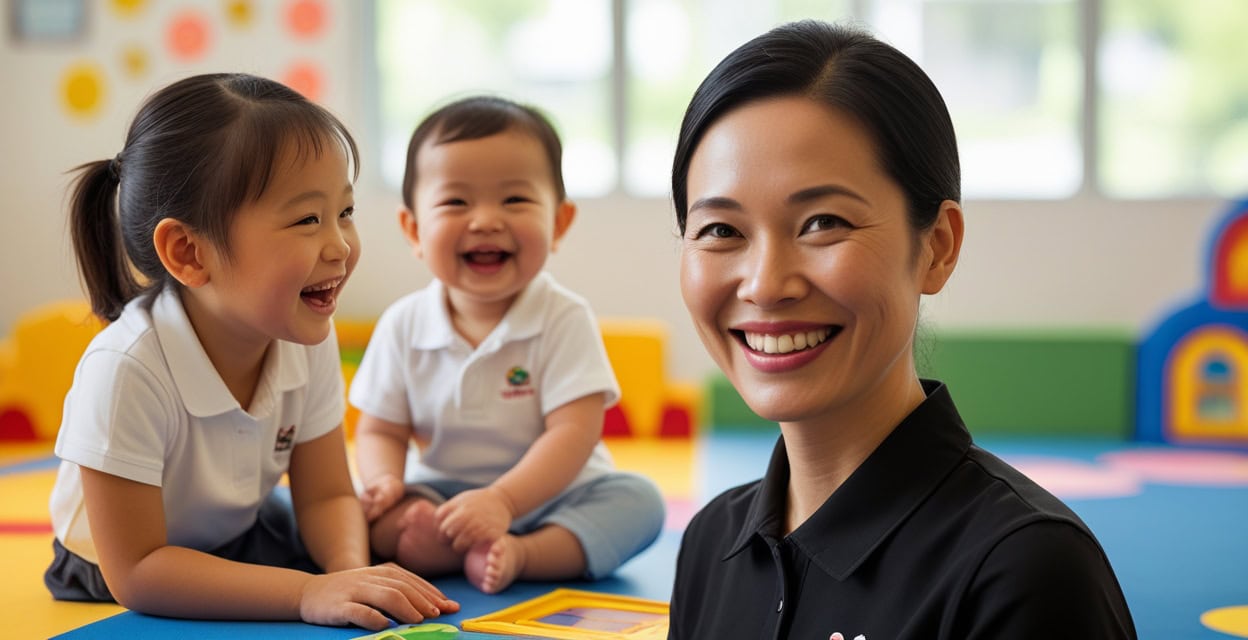
About the ECDA Childminding Pilot
- Duration: 1 December 2024 to 31 December 2027
- Eligibility: Singapore Citizen infants, 2–18 months, not concurrently enrolled in ECDA-licensed infant care centres
- Locations: Childminders’ homes or community spaces
- Ratios: One to three infants per childminder
- Subsidised hours: Weekdays, 7am–7pm, excluding public holidays
- Fees (before GST): Half-day (5h) $16.50; Full-day (10h) $33.00
- Payment: CDA/Baby Bonus monies can be used for subsidised hours
EduNanny by BUTLER is honoured to partner with Kidibliss and NannyPro Care to deliver safe, reliable childminding under this national initiative. We take that trust seriously and are committed to upholding high standards of care, transparency, and family partnership.

A Brief Explainer: Why This Model Works
- Near-home micro-pods reduce distance and stress, while increasing responsiveness and continuity.
- The 1:3 ratio enables strong attachment and observable safety in daily practice.
- Professionalisation and visibility—training, standards, environment checks, and optional CCTV—turns intimate care into accountable care.
- Choice of half-day or full-day blocks offers genuine flexibility for working families.
- Subsidies during standard hours make high-quality care accessible, not exclusive.
How to Sign Up: A Simple Path to Care
- Visit https://edunanny.com/edunanny-ecda-childminding-service/ and complete the short form, or message us via WhatsApp from that page.
- EduNanny Concierge Team will respond promptly to understand your needs—location, schedule, preferences.
- Confirm a site visit to a community micro-hub or a home-based setting.
- Enrol and meet your child’s primary caregiver before the first day. We’ll co-create your child’s care plan together.
You can also learn more at EduNanny.com and Childminding.EduNanny.com.

Practical Guidance: Questions to Ask and How to Prepare
- What does a typical day look like in a 1:3 micro-pod? Ask for a sample timetable that includes feeding, nap times, and activity blocks.
- How is continuity of care maintained if a caregiver is unavailable? Request details on backup arrangements and handover processes.
- What are the exact health and sickness protocols, including when a child must stay home and how returns are managed?
- How does the care plan incorporate your child’s cultural practices, languages spoken at home, and family routines?
- What is the policy on cameras and privacy, both in community spaces and home settings?
- What training and ongoing support do care providers receive? How are performance and safety standards verified?

Conclusion
EduNanny’s vision for Singapore centers on presence, relationship, safety, and development—putting the earliest relationships at the heart of a thriving society. By prioritising proximity, small caregiver-to-infant ratios, and professional standards, we create environments where infants feel secure, curious, and capable. These are the foundations that empower families, strengthen communities, and shape a future where every child can flourish.
If this vision resonates with your family’s hopes, begin your journey with EduNanny today. Visit the sign-up page, connect with our Concierge, and book a site visit to experience near-home, attachment-focused infant care for yourself.
Together, we will turn the smallest moments into the strongest foundations—one caregiver, one micro-pod, one joyful day at a time. Thank you.
SEO keywords: [#EduNannySingapore, #ECDAChildmindingPilot, #InfantCareSingapore, #NearHomeChildminding, #FirstThousandDays]