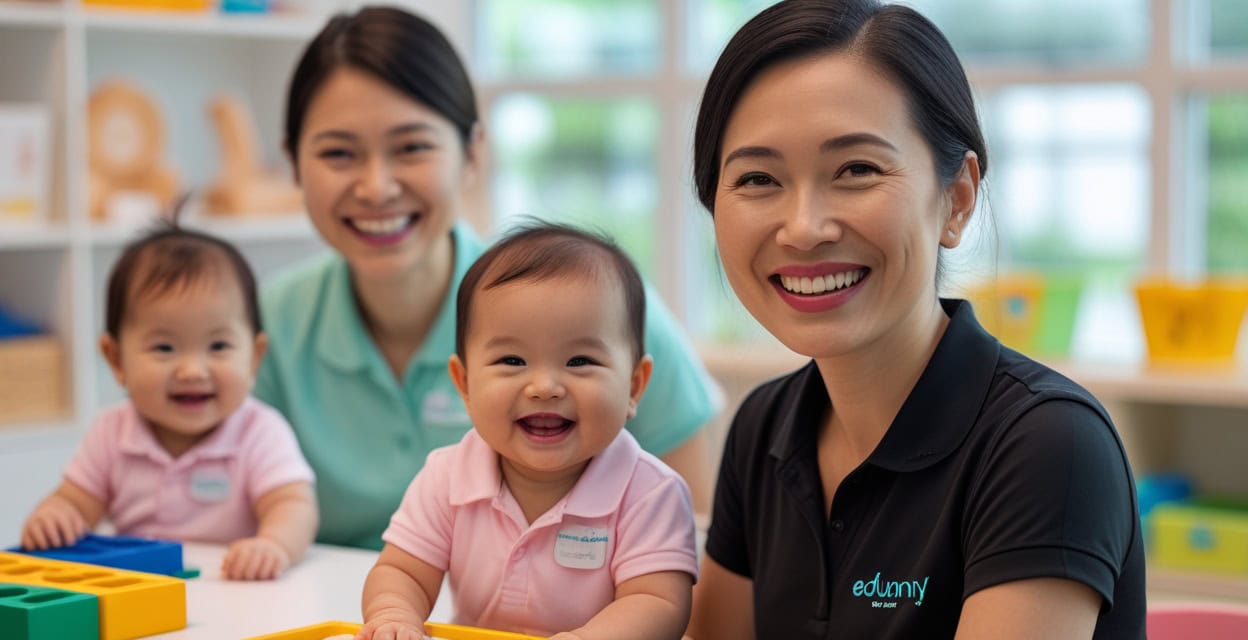
Reimagining Singapore’s Infant Care Future with EduNanny’s Heartfelt and Science-Driven Approach

Reimagining Infant Care and Childminding in Singapore: The EduNanny Approach
In Singapore’s rapidly evolving society, early childhood care and development are becoming more crucial than ever. Parents seek trustworthy, nurturing environments where their children can thrive intellectually, emotionally, and socially. EduNanny stands at the forefront of this transformation, redefining what quality infant care entails with a comprehensive approach rooted in excellence, safety, and heartfelt engagement. This long-form guide dives deep into EduNanny’s philosophy, practical strategies for parents, and how this innovative model is shaping Singapore’s future generations.
The Foundation of EduNanny: A New Era in Childcare
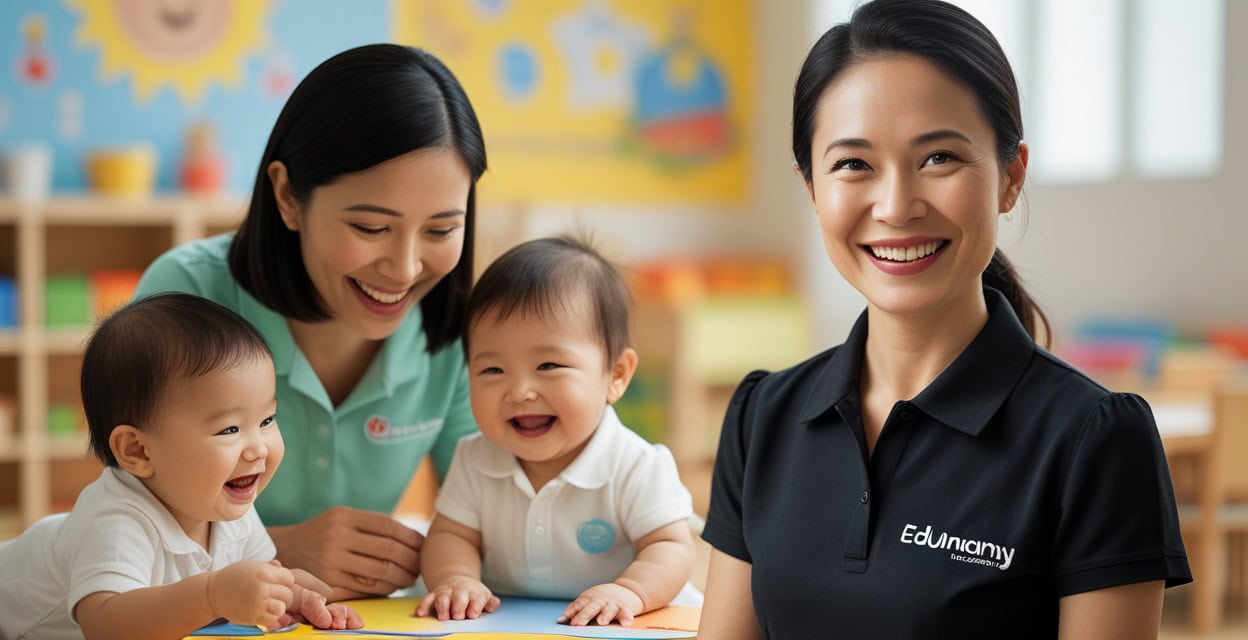
EduNanny is more than a childcare service—it is a national movement dedicated to elevating standards and reimagining childhood care. Rooted in the philosophies of Piaget, Montessori, Malaguzzi, and modern developmental science, EduNanny emphasizes each child’s individuality while fostering a community-centered environment. This approach recognizes early childhood as a pivotal stage where the foundation for lifelong learning, happiness, and resilience is laid.
Deepening Our Pedagogy of Possibility
Creating an Inquiry-Driven Learning Environment
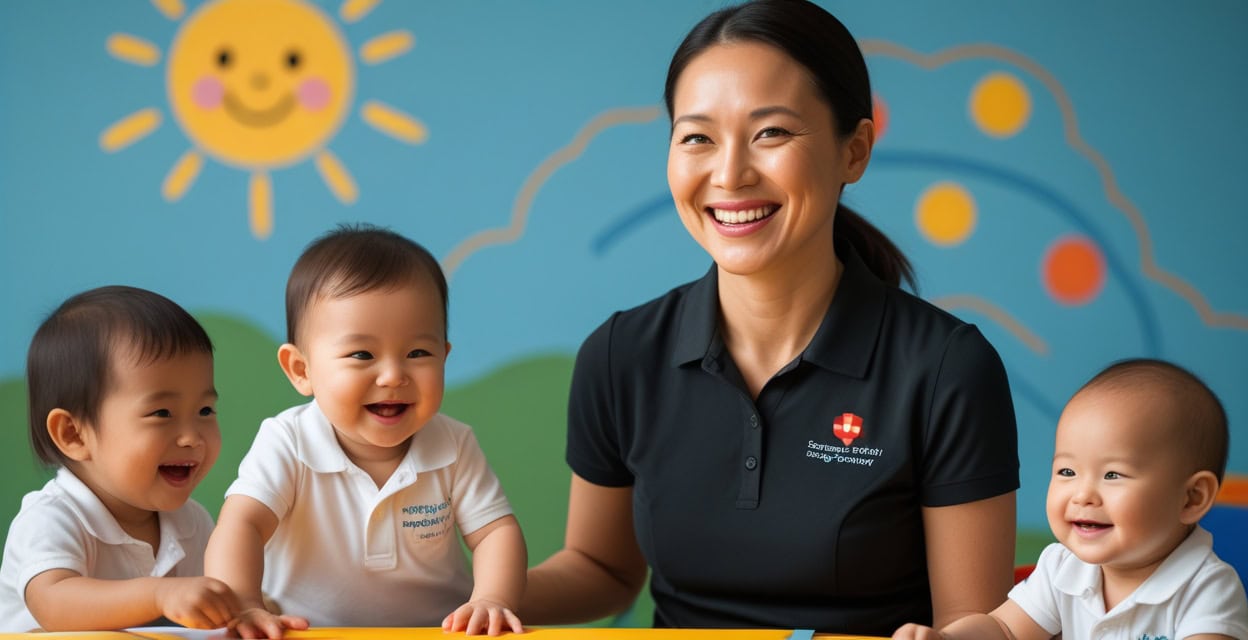
EduNanny’s pedagogy encourages children to explore, question, and discover through hands-on experiences. For parents, this means supporting a child’s natural curiosity at home by providing real-world objects—such as water, sand, or safe household items—that invoke sensory and cognitive engagement. For example, setting up sensory bins with rice and spoons allows infants to experiment with pouring and scooping, enhancing fine motor skills and problem-solving abilities.
Children thrive when their environment responds to their interests. Educators adapt activities based on ongoing observations. Parents can adopt this approach by observing what excites their children—be it animals, music, or nature—and integrating related activities into daily routines, like nature walks to stimulate their sense of wonder.
Utilizing Culturally Relevant Materials and Practices
EduNanny infuses local cultural heritage into activities—think of storytelling based on Singaporean folklore or cooking traditional snacks together. This inclusion nurtures children’s cultural identity and emotional security. Parents can reinforce this at home by sharing stories or songs from their cultural backgrounds, fostering a sense of belonging and pride.
Prioritizing Unwavering Safety and Well-being
Designing Safe Environments
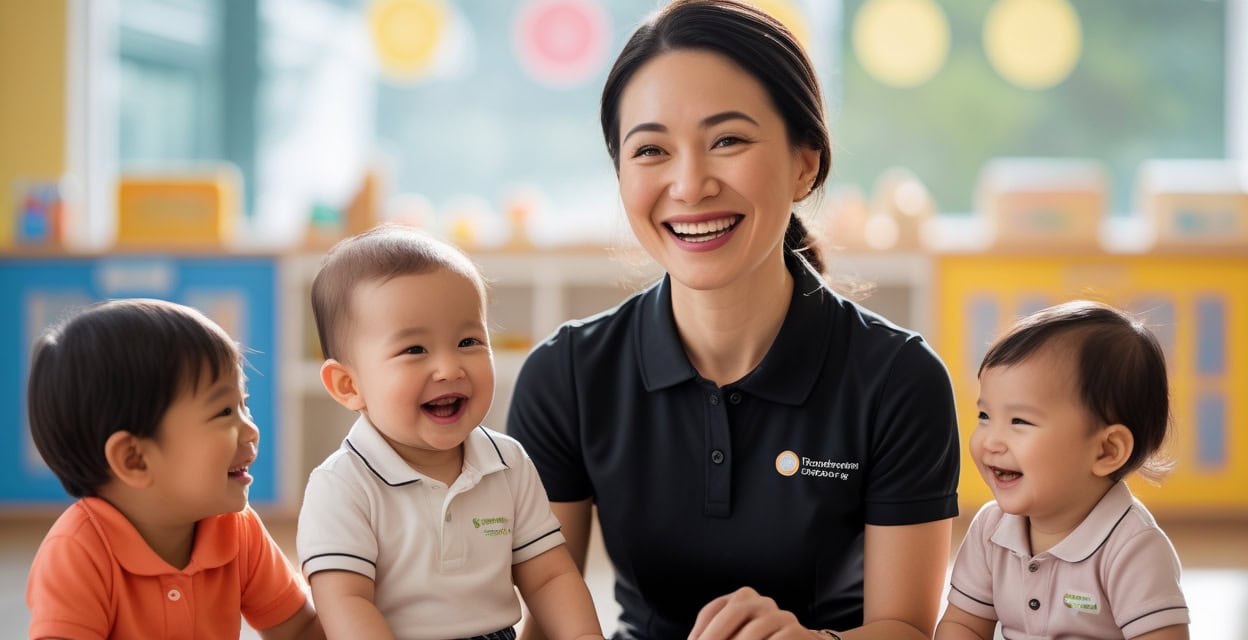
Safety is the cornerstone of EduNanny. Classrooms and home-based settings are designed with child-friendly furnishings—rounded corners, natural light, toxin-free materials—and are regularly inspected to meet the highest safety standards. Parents should ensure that furniture and toys at home are age-appropriate, free from small parts, and made from non-toxic materials.
Implementing Rigorous Protocols
Staff undergo continuous training in emergency responses, hygiene practices, and responsive caregiving. For parents, establishing daily routines—such as proper sleep positions, handwashing practices, and nutrition standards—helps maintain a safe environment. For example, regularly sanitizing toys and surfaces reduces infection risks, while clear sleep routines promote safe sleep habits.
Nurturing Happiness, Creativity, and Emotional Resilience
Creating Joyful and Engaging Routines
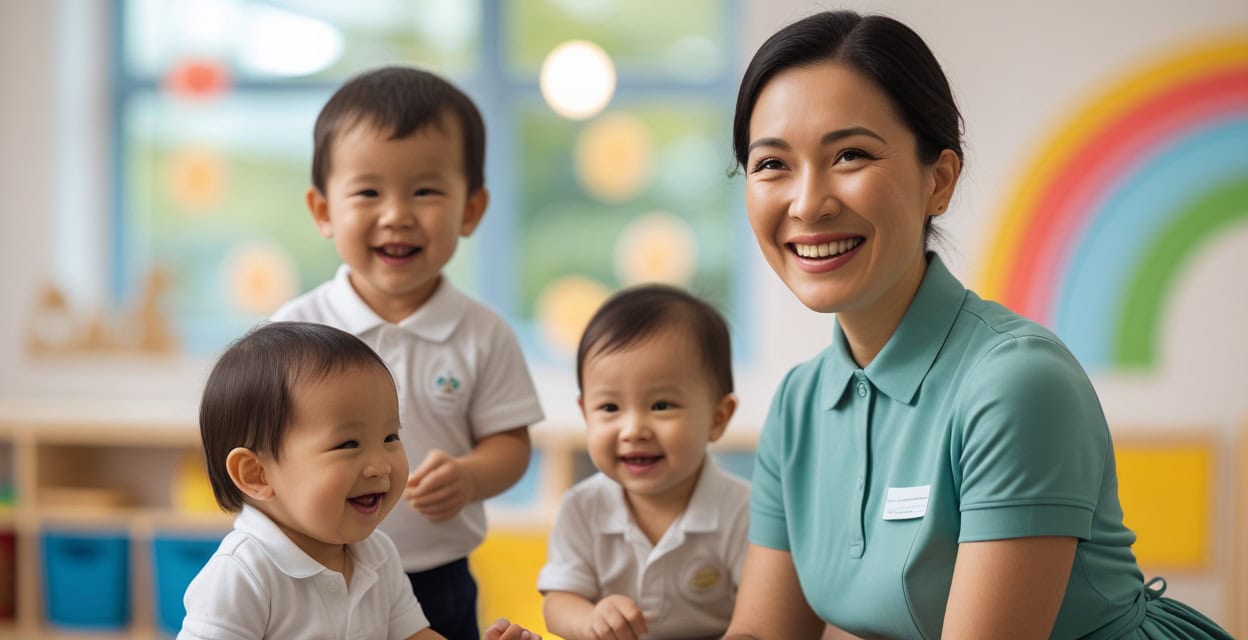
EduNanny’s daily schedule is infused with music, storytelling, movement, and sensory activities. These routines are crafted to create a sense of stability and joy. Parents can incorporate similar activities at home—for instance, singing lullabies during diaper changes, reading bedtime stories, or playing music during meal times—to strengthen bonds and emotional security.
Supporting Emotional Development
Responsive caregiving involves recognizing and validating children’s feelings. EduNanny’s childminders respond calmly to distress, helping children develop self-regulation. Parents should practice mirror-like listening: acknowledging their child’s emotions (“I see you’re upset because your toy broke”) and guiding them toward adaptive responses, fostering emotional intelligence.

The Role of Childminders: Building Trust and Inspiration
Empowering Caregivers with Professional Development
EduNanny invests heavily in training and mentorship, emphasizing empathy, adaptability, and educational expertise. For parents, choosing a caregiver who is continually learning and committed to their child’s development assures quality care. Engaging in regular communication, asking about daily activities, and participating in caregiver workshops can deepen partnership and understanding.
Creating a Community of Care
Childminders serve as mentors and role models, exemplifying kindness, patience, and curiosity. Parents should foster a collaborative relationship—sharing observations, concerns, and aspirations—to align efforts for each child’s growth. Hosting family events or informal meetings creates a network of shared support rooted in mutual trust.

Community, Accessibility, and Social Impact: Building Inclusive Childcare
Ensuring Equitable Access
EduNanny’s affordable fee structure, starting from just $33 per day, combined with subsidies like CDA and Baby Bonus, makes premium care accessible across socio-economic strata. Parents should explore available subsidies and flexible options—centre-based or home-based—to find the best fit for their family’s needs.
Supporting Families and Boosting Economy
Beyond individual care, EduNanny positively impacts society through the Maximum Employment Mandate—training a new generation of skilled childcare professionals, creating jobs, and strengthening social infrastructure. Parents and communities benefit from a vibrant ecosystem where high-quality care translates into better social and economic outcomes.
Empowering Parents with Practical Strategies for Early Childhood Development
Partnering with Educators for Child Growth
Open communication channels with caregivers are vital. Parents should request regular updates, participate in feedback sessions, and share insights about their child’s unique needs and interests. This collaboration ensures consistency and maximizes developmental benefits.
Creating Stimulating Home Environments
Simple modifications—like setting up a dedicated play corner, providing open-ended toys, and establishing predictable routines—can significantly enhance early learning at home. For example, consistent reading times foster language development and emotional bonding.
Supporting Holistic Development
Activities that combine physical movement, sensory play, and language enable comprehensive growth. Incorporate outdoor play, art projects, and music into daily routines. For instance, outdoor water play can teach about textures and cause-effect relationships while boosting gross motor skills.

Conclusion: Childcare as a Reflection of Society’s Values
EduNanny exemplifies a forward-thinking vision—merging scientific pedagogy with heartfelt care, ensuring every child’s early years are nurturing, safe, and joyful. For Singapore families, choosing such a model signifies a commitment not only to individual children but also to building a resilient, inclusive society. Early childhood is the foundation of a nation’s future; investing in quality care and development today ensures a brighter, more compassionate tomorrow.
As parents and community members, embracing innovative childminding practices like EduNanny means recognizing that the earliest years are pivotal—and that quality care, grounded in love and science, can shape leaders, innovators, and caring citizens of the future. Let us champion excellence in early childhood and commit to nurturing every child’s potential from their very first days.

SEO Keywords
#EarlyChildhoodDevelopment, #InfantCareSingapore, #ChildmindingSingapore, #QualityChildcare, #ParentingTipsSingapore