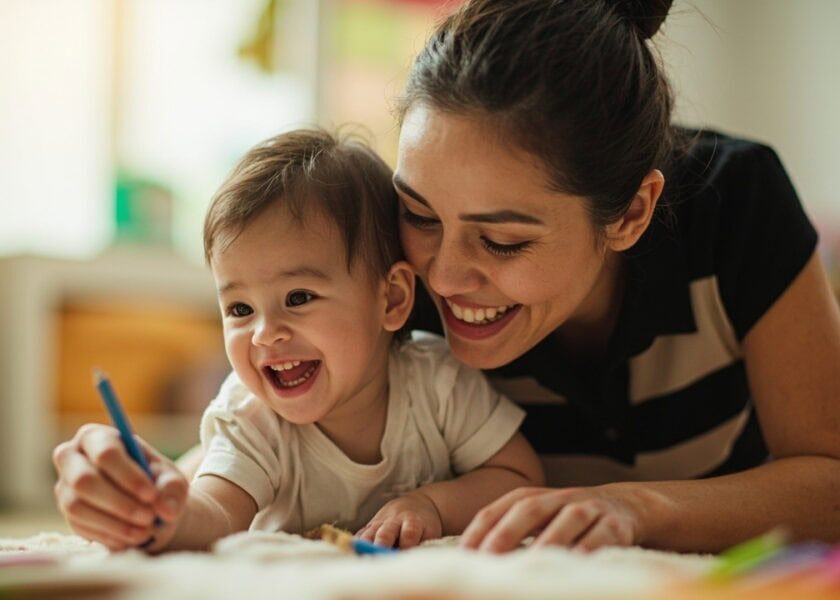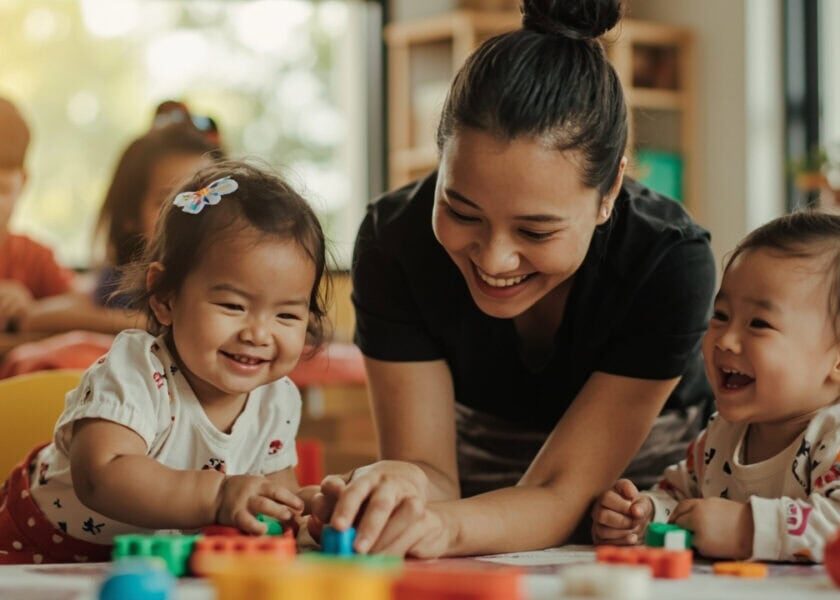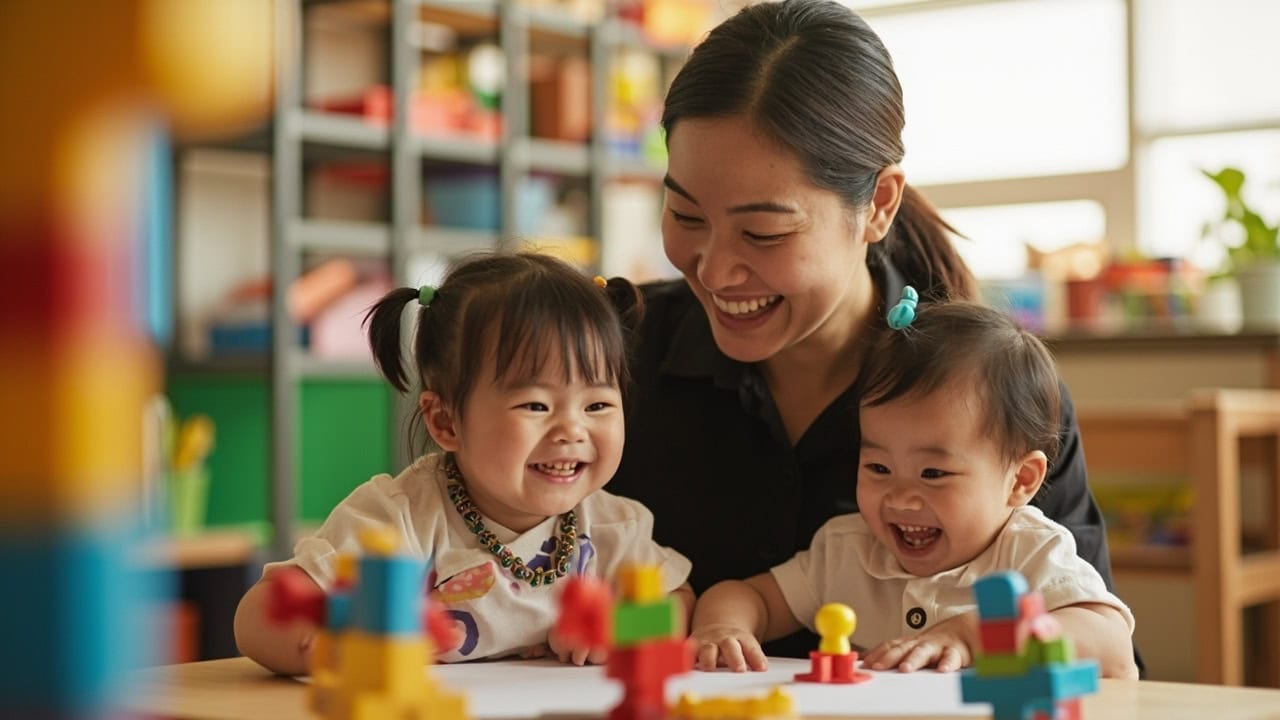
Raising Siblings Together: What Makes Them Partners for Life
The Longest Bond Your Children Will Ever Have
The relationship between siblings is one of the most enduring connections a person will ever carry. It begins before school, before memory takes hold, before a child understands what family means.
Siblings grow up together. They share a history no one else will ever fully know. They fight and reconcile. They exclude and include. They teach and learn from each other in ways that no other relationship can replicate.
In Singapore, many families are raising two, three, sometimes four children. These families navigate a world of competing demands—work schedules, school routines, household responsibilities, the sheer logistics of moving multiple small people through daily life.
And in that navigation, there is often a tension that parents feel deeply but rarely name clearly: How do I give each of my children the individual attention they need while also nurturing the connection between them?
Here is what matters most:
- Individual attention and sibling connection are not competing priorities. When each child feels secure and seen, they are free to reach toward their sibling from a place of fullness rather than need.
- The sibling bond is built, not guaranteed. It happens in the environments where children spend their earliest hours, and those environments can either foster cooperation or competition.
- Trained caregivers make a measurable difference. When caregivers observe each child in relation to their sibling—not just as an individual—both children benefit.
- Your childcare choice is also a sibling choice. The environment you select will shape how your children experience each other during these formative years.
- Long-term sibling relationships are predicted by early sibling interaction quality. The patterns your children build now will echo into their adult lives.
Two Different Ways to Raise Siblings
There is a difference—subtle but significant—between siblings who happen to be raised in the same household and siblings who are raised together.
“Raised together” means their development is understood in relation to each other. When a caregiver observes one child, she is also aware of how that observation connects to the sibling beside them. When play is structured, it is structured with an awareness that these two children are building a relationship that will outlast this room, this day, this week.
At EduNanny Singapore, this is how we think about siblings in care. Not as two individual children occupying the same space, but as a pair—sometimes a trio or more—whose bond is actively, thoughtfully supported by the environment we create.
What Quality Sibling Care Looks Like in Practice
Think for a moment about what it means for two siblings to be in quality care together. Not just in the same house, not simply under the same roof, but in a care environment where trained caregivers understand what siblings need from each other and how to support that need without forcing it.
When siblings are in care together, they learn something profound: they learn to be each other’s first peers and partners. Not just in the way of sharing toys or competing for attention, but in the deeper sense of discovering another person who is always there, who shares their world, who is learning and growing alongside them.
A Morning in Quality Childcare
Consider a morning in quality childcare where two siblings are present. The caregiver has observed that the older child is going through a phase of seeking more autonomy, while the younger child is newly mobile and testing boundaries through physical exploration.
These are not separate observations. They are connected.
The caregiver understands that the older child’s desire for independence may be manifesting in how they interact with the younger sibling—sometimes supportively, sometimes with impatience. And the younger child’s physical assertiveness may be provoking responses in the older sibling that have nothing to do with jealousy and everything to do with the natural negotiation of space.
A trained caregiver does not intervene clumsily. She creates conditions:
- She structures activities that invite cooperative play rather than competition.
- She gives the older child an opportunity to contribute in a way that feels meaningful.
- She gives the younger child the space to explore without the older sibling feeling constantly disrupted.
- She notices when siblings reach for each other without being asked to, and she lets that moment breathe.
This is the work of observation—the EduNanny approach that understands each child as an individual while honoring the sibling dynamic they are part of. It is not a technique. It is a way of seeing.
Security and Connection: Why They Work Together
Here is something that may reframe the way you think about your children’s needs:
A child who receives consistent, individual attention from a caregiver who truly knows them is a child who feels secure enough to reach outward.
Security is the foundation of connection. When a child knows they are seen, known, and cared for as an individual, they do not hoard that feeling. They share it. They are more able to play cooperatively, to share space, to tolerate frustration, to extend trust to the sibling beside them.
This is what trained, attentive caregiving does. It does not divide a caregiver’s attention so that siblings compete for it. It builds the emotional foundation in each child so that they can give to each other what they have first received.
Bonds That Grow from Fullness, Not Need
When siblings are in an environment where both children are being individually seen and supported, they are free to discover each other on their own terms. They are not driven by scarcity. They are drawn by genuine curiosity about the person beside them—because that person is not a rival for attention but a companion in discovery.
The thing that helps siblings bond is not forcing them to share more, or spending more unsupervised hours together, or sacrificing one child’s individual needs for the sake of the other.
The thing that helps siblings bond is ensuring that each child is secure enough, seen enough, developed enough to reach toward their sibling from a place of fullness rather than need.
Building Bonds That Last Decades
The quality of sibling interaction in early childhood predicts the quality of the sibling relationship in adolescence and adulthood. Not the quantity of time siblings spend together, but the quality of how they interact when they are together.
When siblings learn to navigate conflict, share space, celebrate each other’s wins, and feel secure enough to be vulnerable with each other in their earliest years, they are building skills that will serve their relationship for a lifetime.
When they learn that the environment is zero-sum, that their sibling’s needs automatically diminish their own, they are building patterns that will follow them.
This is why the childcare decision for a multi-child family is not just about what happens to each child individually. It is about what is being built between them.
A Shared Foundation
When siblings are in the same care environment day after day, they are building a shared narrative. They hear the same songs. They navigate the same transitions. They experience the same caregiver’s warmth, the same rhythms of the day, the same small triumphs and frustrations.
This shared foundation gives them something to hold onto together:
- A common reference point
- A shared language of experience
- A sense of “we have been through this together”
Not the specific lessons, not the detailed curriculum, but the feeling of having grown up alongside someone. Of having a witness. Of knowing that their sibling was there, in the same place, held by the same hands, learning what it means to be part of something larger than themselves.
EduNanny Singapore: Built for Multi-Child Families
EduNanny Singapore, operating under the ECDA Childminding Pilot, offers families pathways designed with this reality in mind. These are not just practical features. They are enablers of sibling connection.
Home-Based Care
With intimate caregiver-to-child ratios, home-based care means your children are not just names on a class list. They are individuals whose sibling dynamic is known and tended to by a caregiver who observes how they interact, support each other, and navigate conflict together.
Community and Centre-Based Pathways
For families seeking a different structure, community and centre-based pathways offer environments where siblings can experience the broader social world together, while still receiving the individual attention each of them deserves.
Accessible and Predictable
The pilot fee structures are designed to make quality care accessible. CDA and Baby Bonus funds can be used, reducing the financial weight that so many families feel when balancing quality care against affordability.
The Monday to Friday care blocks give families the consistent rhythm that siblings need to build their shared foundation. This predictability is not just convenient—it is foundational to the sibling bond being built.
Trust Through Transparency
Trust is built through transparency and consistency over time. When CCTV measures are in place, when communication is regular and honest, when caregivers are trained not just in child development but in the specific art of observing how siblings interact, families know what is happening in those hours apart.
Children are perceptive. They sense when their parents are at ease, when the transition to childcare is smooth, when the adults in their lives are aligned. That ease is not superficial. It is an emotional atmosphere that siblings absorb. It tells them that the world is reliable, that the adults are working together, that they are free to focus on the most important work of their early years: growing, learning, and finding each other.
Extending Sibling-Nurturing Into Your Home
For parents, this raises a practical question: how do I extend the sibling-nurturing practices from childcare into my home life?
The answer begins with seeing what the caregiver sees. When your childcare partner communicates transparently about how your children interact—which moments of cooperation delighted them, which tensions they observed and gently navigated, how each child is growing individually—you gain insight into your children’s dynamic that you may not have access to in the rush of home life.
What This Looks Like at Home
At EduNanny, we believe that communication is not a feature. It is a commitment. When families receive regular, thoughtful updates about how their children are developing—both as individuals and as siblings—they are equipped to reinforce those same patterns at home.
- Notice when siblings reach for each other and let that moment land.
- Create space at the dinner table for sibling conversation, not just sibling compliance.
- Resist the easy framing of older child as helper and younger child as burden.
- See two children who are learning to be partners.
This is how sibling bonds are extended beyond the care environment. Not by replicating the classroom at home, but by carrying forward the understanding that your children are building something together that will outlast this season of their lives.
The Questions Worth Asking
When you are evaluating childcare options for your multi-child family, here are questions worth asking that go beyond the standard list:
- How does your care approach account for siblings? Do caregivers observe how children interact with their siblings, or only as individuals?
- How do you support sibling bonds while ensuring each child gets individual attention? Look for an answer that shows these are understood as complementary, not competing.
- How do you handle sibling conflict? The best answer will describe observation and environment-shaping, not just intervention.
- How do you communicate about sibling dynamics? Will you know when your children cooperate, struggle, or reach for each other?
- What does the daily rhythm look like for siblings? Are they together for meaningful portions of the day, or separated into isolated age groups?
The answers you receive will tell you whether a childcare provider sees siblings as an afterthought or as a relationship worthy of intentional nurturing.
The Decision You Are Actually Making
Sibling bonds are not built despite childcare. They are built through it, when the right developmental partnership is in place.
This is the understanding that EduNanny Singapore brings to every family we serve. We do not see siblings as an afterthought or an add-on to individual child development. We see them as a relationship that deserves to be understood, nurtured, and protected—one that will shape your children long after they have left our care, long after they have left your home, and long into the lives they will build as adults.
When you choose childcare for your family, you are making a decision about your children’s individual futures. That is important. But you are also making a decision about the bond your children will carry with each other through every season of their lives.
The sibling who will be there at family gatherings decades from now. The sibling who will understand references no one else will get. The sibling who was there from the beginning, who shared the same small room, the same caregiver’s voice, the same songs and routines and daily rhythms of early childhood.
That sibling bond is not guaranteed. But it can be built.
So when you make your childcare decision, ask not only how your child will be cared for.
Ask how your children will be raised together.
Ask the question. Then find the partner who has the answer.
At EduNanny Singapore, we are here to walk that journey with you. Learn more about our approach or connect with our team to explore what quality sibling care can look like for your family.