

Presence as Pedagogy, Near Home Childminding and the Singapore First Thousand Days
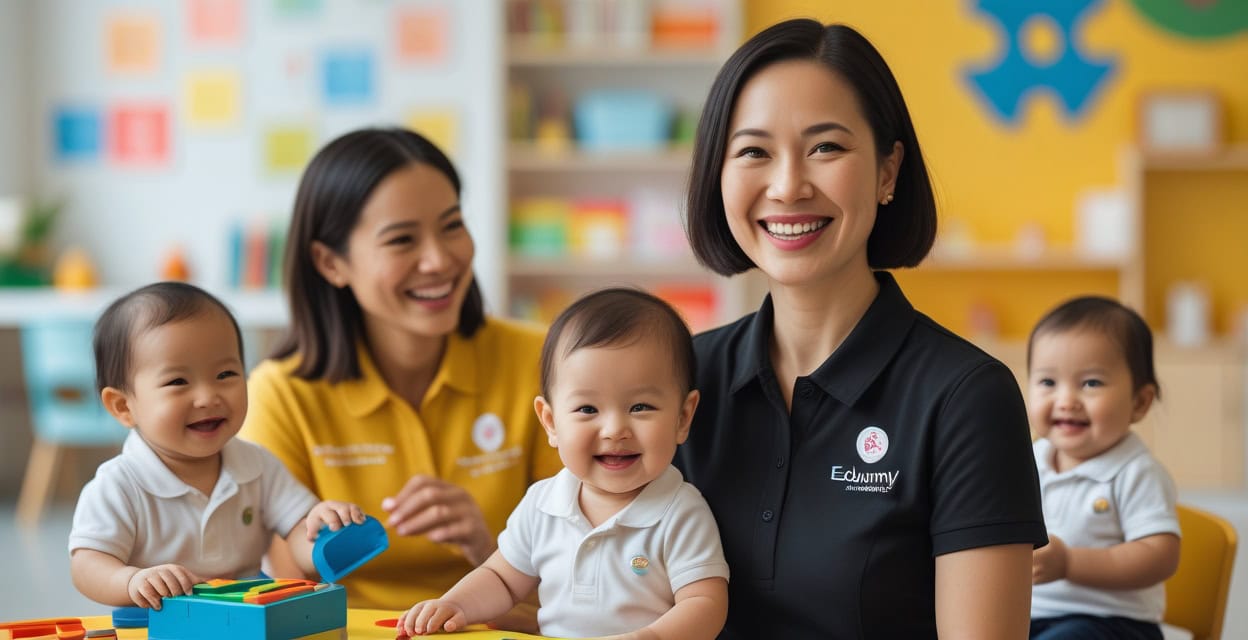
Intro: A Handover of Trust—EduNanny’s Vision for Singapore
Good evening, Singapore. At 7:02 a.m., a lift door opens in a familiar HDB corridor. A parent kneels, kisses a tiny forehead, and whispers, “You’re safe. I’ll be back.” In that moment, trust changes hands. EduNanny exists for that handover—the small transfer that shapes a lifetime. We stand with a team of educators, nurses, child development specialists, and neighbourhood childminders who share a simple, public‑spirited conviction: in the first thousand days, presence is pedagogy, safety is dignity, and joy is a child’s right. EduNanny by BUTLER brings that conviction to life through a national childminding pilot across Singapore—centre‑based, home‑based, and near‑home—to make excellent infant care available Monday to Friday, 7 a.m. to 7 p.m., islandwide.
Below you’ll find a detailed, practical, and action‑oriented blueprint: how EduNanny works, why it matters, and how families, caregivers, and communities can participate and benefit.

Chapter 1: Our Model—Simple, Ambitious, and Real‑World Practical
- 1:3 infant ratio—deep attunement, fewer interruptions, and time for individualized care.
- Centre‑based and home‑based options—modern, calming layouts that fit into neighbourhoods and daily life.
- Innovative CCTV—secure, consent‑based visibility that fosters transparency while safeguarding privacy.
- Affordability from $33/day—fees payable by CDA/Baby Bonus to reduce financial barriers.
- Blended support—near‑home care with distance updates so parents stay in the loop.
- National social initiative—part of a broader effort to professionalise caregiving roles across communities.

Chapter 2: The Educational Foundations We Honour
We draw on timeless principles to guide everyday care in a modern setting:
- Montessori and Froebel: prepared environments that invite independent exploration and purposeful play.
- Piaget and Vygotsky: social interaction as a driver of cognitive growth and learning.
- Malaguzzi: the hundred languages of the child—expressive, social, and creative ways to learn.
- Erikson, Bowlby, Pikler: trust, attachment, respectful handling, and the primacy of relationship.
- Approach informed by contemporary child health science and a non‑judgmental, family‑centered ethos.
Practical takeaway for families: when you visit EduNanny, look for calm routines, respectful interactions, and environments that invite safe exploration and language development.
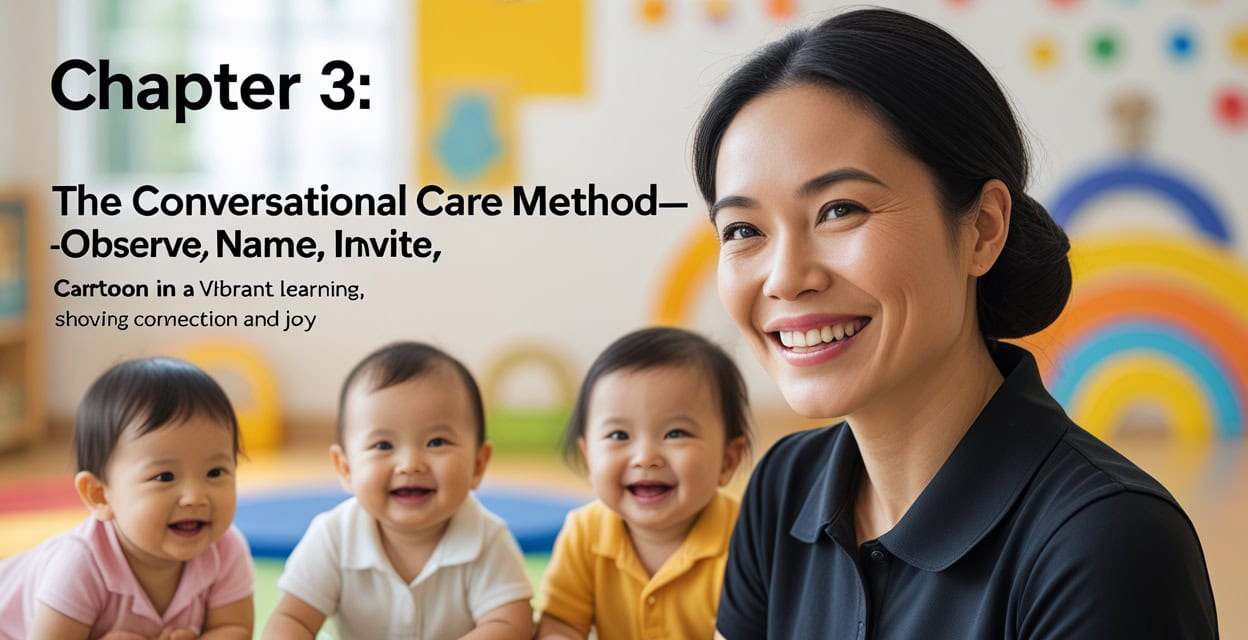
Chapter 3: The Conversational Care Method—Observe, Name, Invite
Infant learning is a dialogue long before it becomes a curriculum. Our caregivers use a simple, replicable technique:
- Observe: Watch gaze, breath, and body tone for cues before intervening.
- Name: Label what the child is doing or feeling in a gentle, non‑intrusive way: “You’re looking at the bright window.”
- Invite: Extend the next step without forcing it: “Would you like to reach for the scarf?”
Why this matters: it builds security and language skills, supports early self‑regulation, and grounds care in a two‑way conversation. This approach aligns with Vygotsky’s zone of proximal development and Pikler’s respectful care. With a 1:3 ratio, caregivers have time to attune and respond to subtle cues, forming a reliable, predictable daily rhythm.
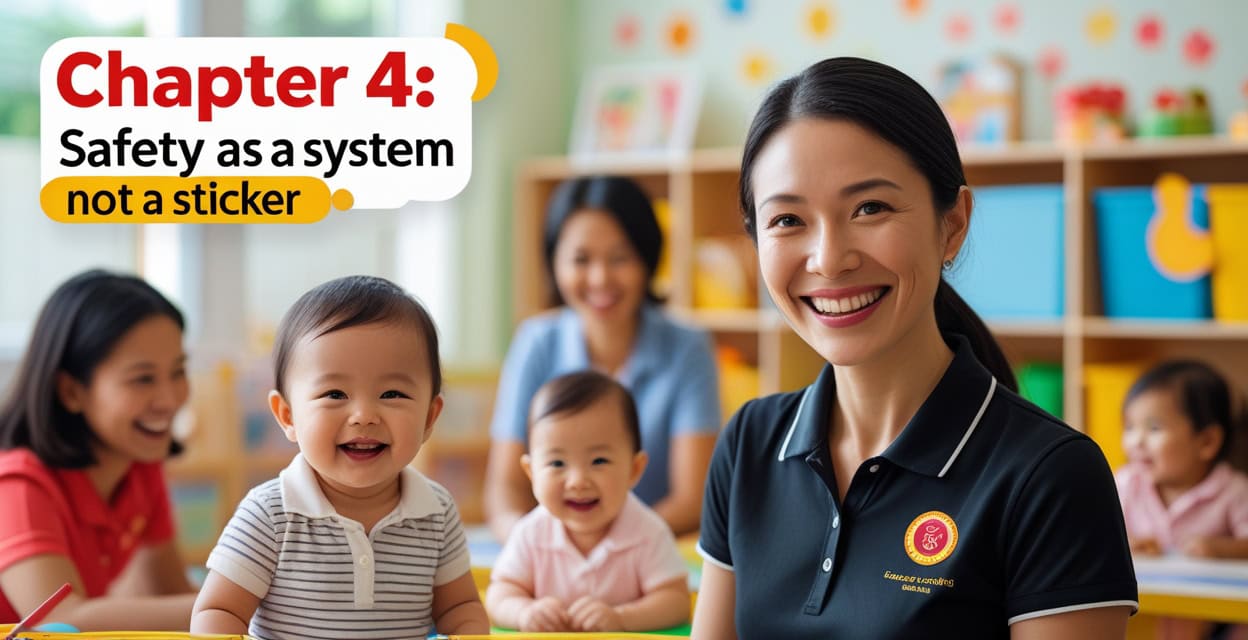
Chapter 4: Safety as a System, Not a Sticker
Safe Design and Environment
- Open sightlines, clearly separated clean and dirty zones, and color‑coded sanitation stations to minimize cross‑contamination.
- Cot‑to‑floor transitions and ergonomic furniture to reduce lifting strain and fall risks.
Evidence‑Based Sleep Practices
- Infant sleep positioning (supine), firm mattress, and a clutter‑free cot with no soft toys; supervise awake tummy time to build core strength.
- Nap checklists and documented sleep windows to support predictable routines for babies and parents alike.
Hygiene, Health, and Health‑Data Integrity
- Medical‑grade disinfection protocols; hand‑to‑surface hygiene practices; clear guidelines for illness exclusion and return to care.
- Digital logs with time stamps for meals, naps, sleep cues, and health observations—shared securely with parents.
Supervision, Transparency, and Privacy
- Secure, consent‑based CCTV access for parents; robust data privacy safeguards; prompt incident reporting with compassionate follow‑through.
Practice Under Pressure
- Monthly evacuation drills and quarterly scenario‑based simulations to strengthen judgment, not just compliance.
- Regular safety audits and reflective practice sessions for caregivers to continually raise standards.
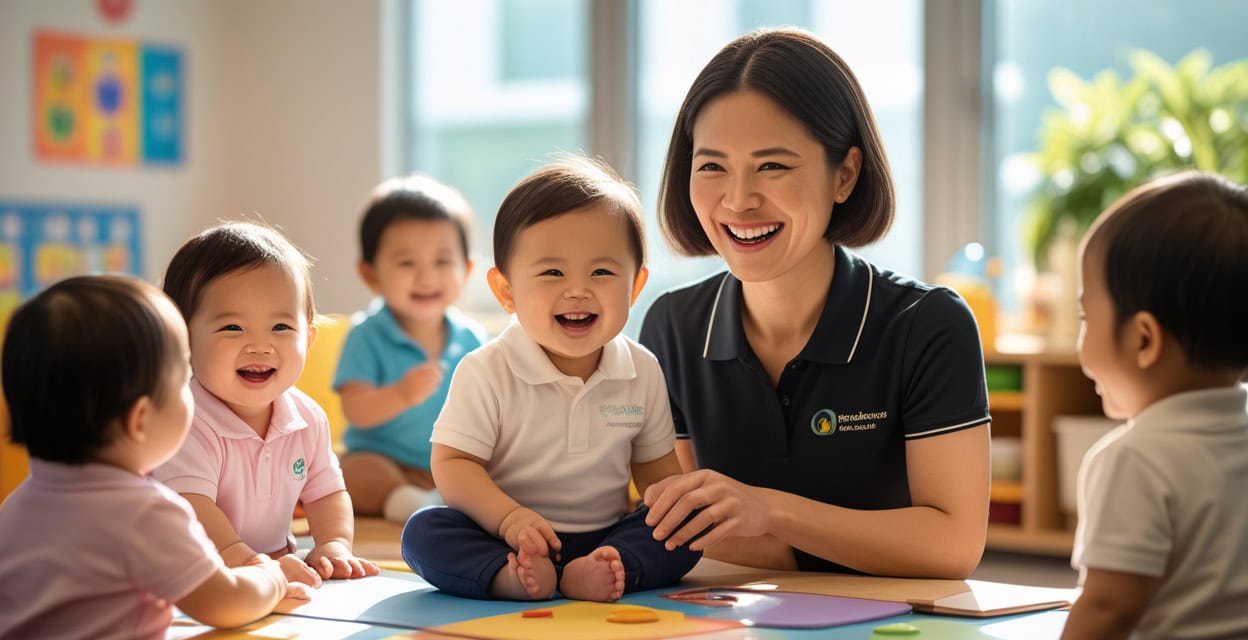
Chapter 5: Micro‑Milestones and the Three Lenses of Development
EduNanny tracks development through three integrated lenses—Movement, Meaning, and Mutuality:
- Movement (gross and fine motor): head control → rolling; palmar grasp → pincer grip; floor‑based play to prevent overreliance on seating devices.
- Meaning (language and cognition): multilingual narration of routines; turn‑taking in proto‑conversations; exposure to languages common in Singapore homes.
- Mutuality (attachment and self‑regulation): five‑second attunement pauses to read infant state and respond with calm, predictable signals.
Micro‑observations are recorded daily, shared with parents, and translated into a weekly intention for each child—one achievable goal that personalises growth and avoids generic milestones.
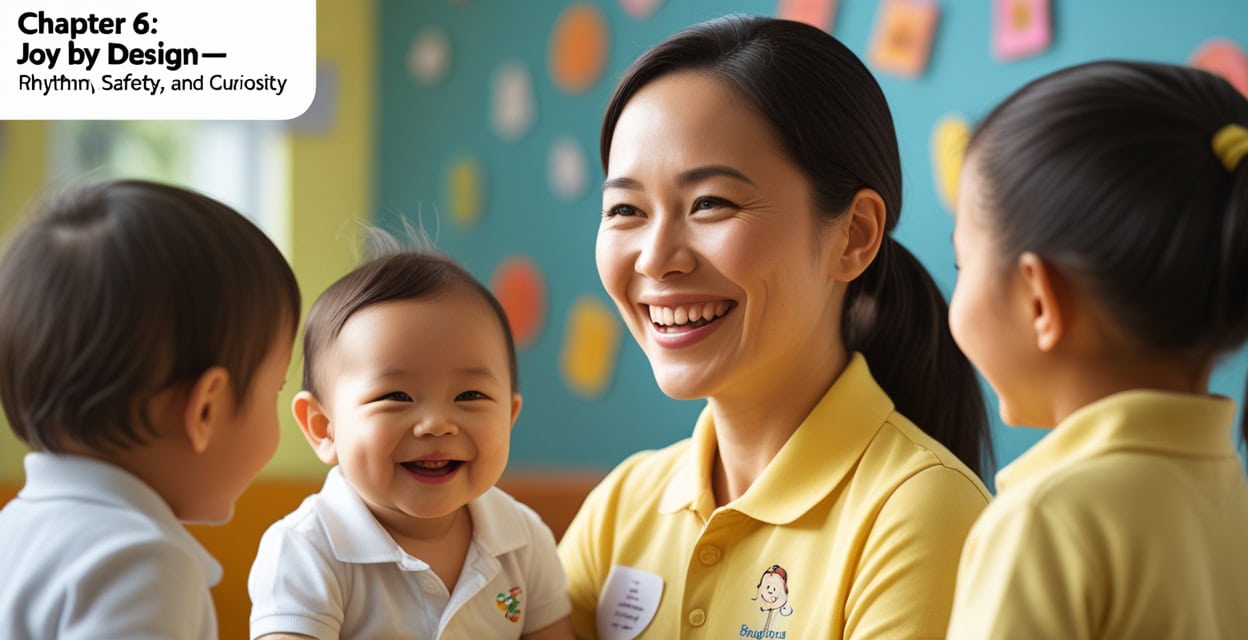
Chapter 6: Joy by Design—Rhythm, Safety, and Curiosity
True happiness in infancy comes from rhythm and respectful engagement, not mere entertainment. Our day is designed to lower cortisol and lift curiosity through:
- Warm arrival handover and sensory‑soft welcome.
- Purposeful play windows aligned with sleep pressures—reaching, rolling, social smiles, singing, and cause‑and‑effect exploration.
- Rest periods protected by sound dampening and thoughtful lighting; transitions narrated and unhurried to reduce stress responses.
- Micro‑outdoor moments (when safe): breeze on the skin, visual scanning of the sky, gentle nature stimuli.
Joy is measured in concrete indicators: settled sleep, steady feeding, engaged gaze, coo‑back rates, and easier separations at goodbye. When joy is engineered as rhythm, learning becomes natural and meaningful.
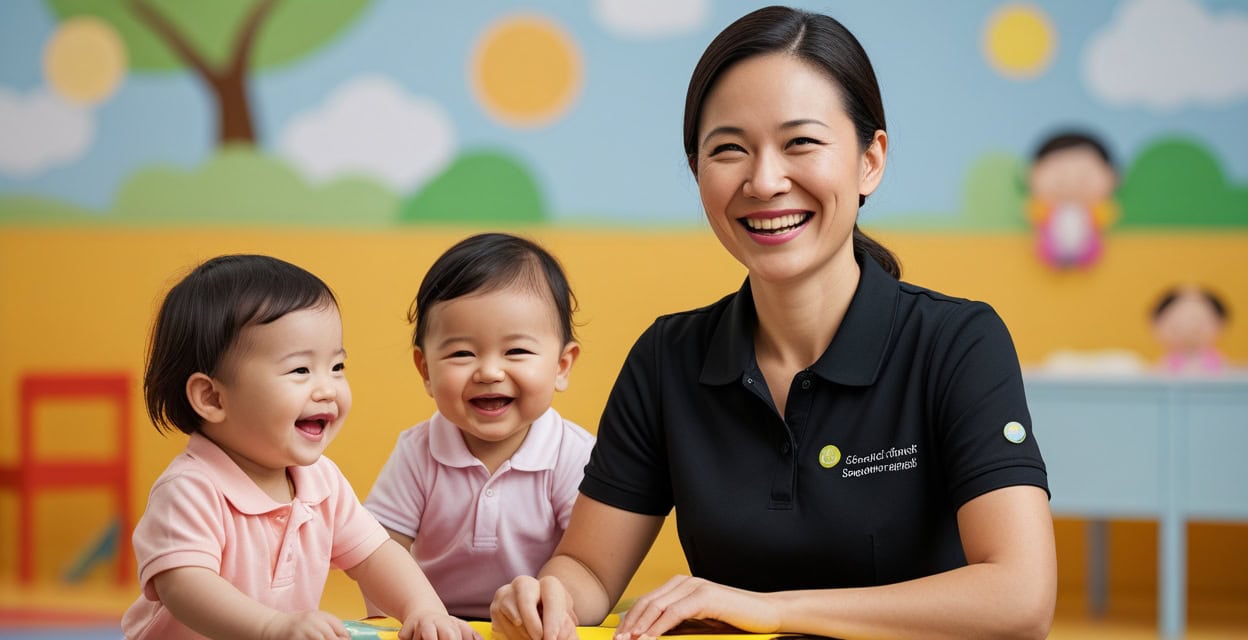
Chapter 7: The Civic Craft of Childminding—Profession, Purpose, and Pride
- Maximum Employment Mandate—commitment to training, certification, and retention of caregivers as dignified professionals.
- Coaching and career ladders that convert talent into vocation, supported by ongoing observation and reflective practice.
- Near‑home placements strengthen neighbourhoods, reduce commute stress for families, and embed care within local communities.
- Parent partnership as a core value—co‑designing routines, cultural practices, and feeding preferences with respect and clarity.
In this civic frame, childminding becomes public infrastructure: it enables participation, strengthens families, and shapes the future by investing in our youngest citizens.
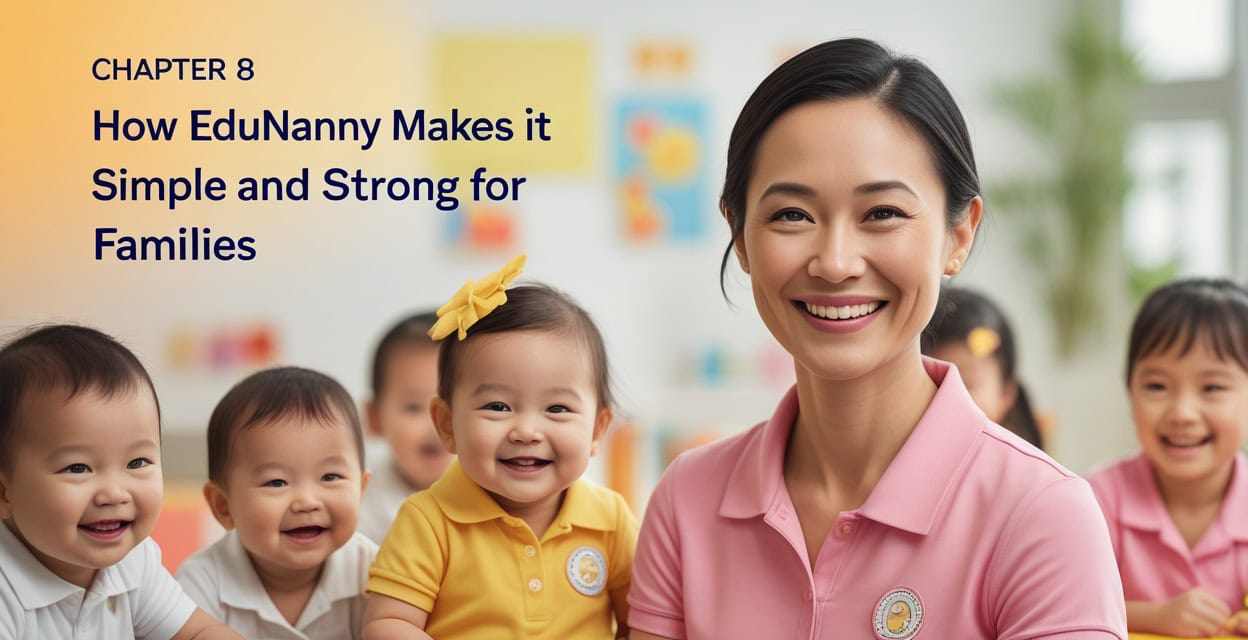
Chapter 8: How EduNanny Makes It Simple and Strong for Families
- Excellence with a 1:3 infant ratio and evidence‑based practices.
- Centre‑based, home‑based, and near‑home options islandwide.
- Mon–Fri, 7 a.m.–7 p.m. for predictable scheduling around work and family life.
- Transparent technology: secure CCTV access, real‑time updates, and clear communication channels.
- Affordable from $33/day with CDA/Baby Bonus support to ease family budgets.
- Distance support: secure check‑ins, video updates, and timely messages that keep parents connected.
- Aligned with a national pilot framework—compliance, safety, and quality guided by ECDA standards.
- Explore locations, enrolment, and careers at EduNanny.com and Childminding.EduNanny.com.

A Day in the Life, Briefly
A baby arrives and is named by a familiar caregiver. Morning feed, sleep window, and mood are reviewed. Eye contact is prioritized, followed by a narrated nappy change. Floor time begins with a scarf trail, a rattling toy, and a song in English and Malay. When fatigue signals, a consistent nap ritual begins. After rest, a quiet corner for a bottle; tummy time follows with a gentle challenge, just within reach. A parent checks the live update, smiles, and returns to work with lighter shoulders. At pickup, two micro‑milestones and tomorrow’s intention are shared. Small, humane, repeatable care that compounds into lasting trust.
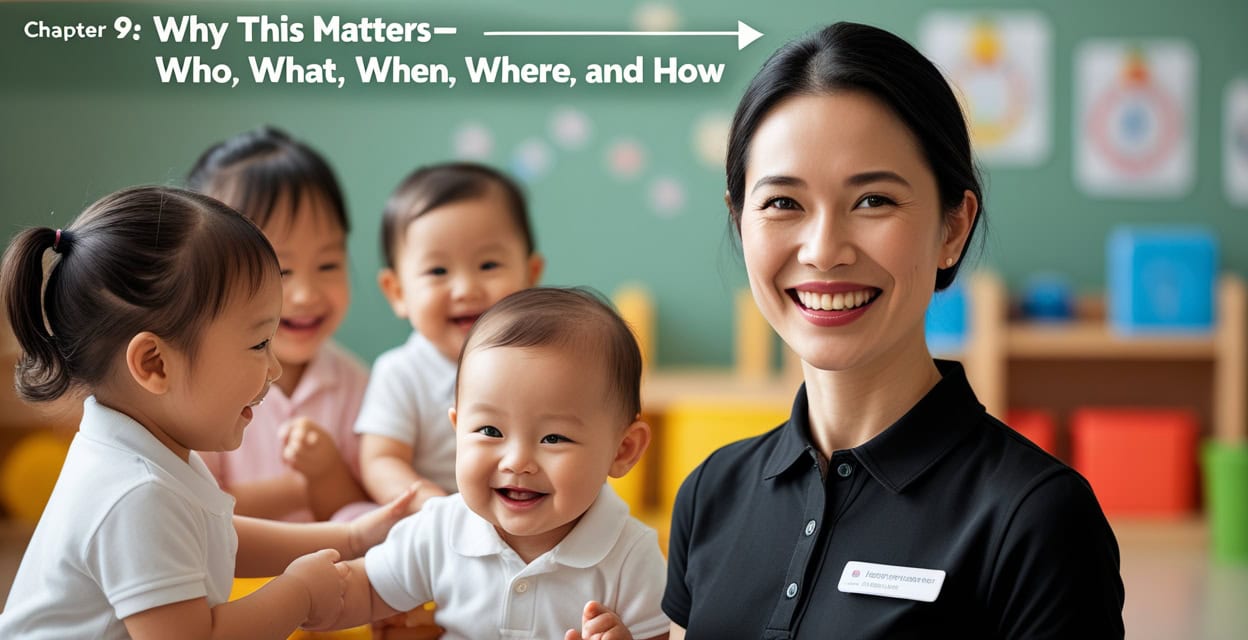
Chapter 9: Why This Matters—Who, What, When, Where, and How
- Who: Infants aged 0–36 months, families seeking dignified, development‑oriented care, and employers valuing stable teams.
- What: Trust‑anchored childminding that turns everyday care into a living curriculum of attachment, safety, and learning.
- When: Now—within Singapore’s national pilot window through December 2027 and beyond as the first thousand days become foundational for long‑term outcomes.
- Where: Islandwide, near home—with centre‑based rooms and licensed home environments designed for visibility, calm, and safety.
- How: 1:3 ratio, trained supervision, transparent technology, rigorous safety systems, and a parent partnership that is honest, kind, and practical.

Chapter 10: Our Philosophy in One Breath
Presence before program. Safety before speed. Relationship before routine. And yet—when those are right—the routine sings, the program hums, and development unfolds precisely as nature intended. This is the core ethos we bring to every EduNanny room.
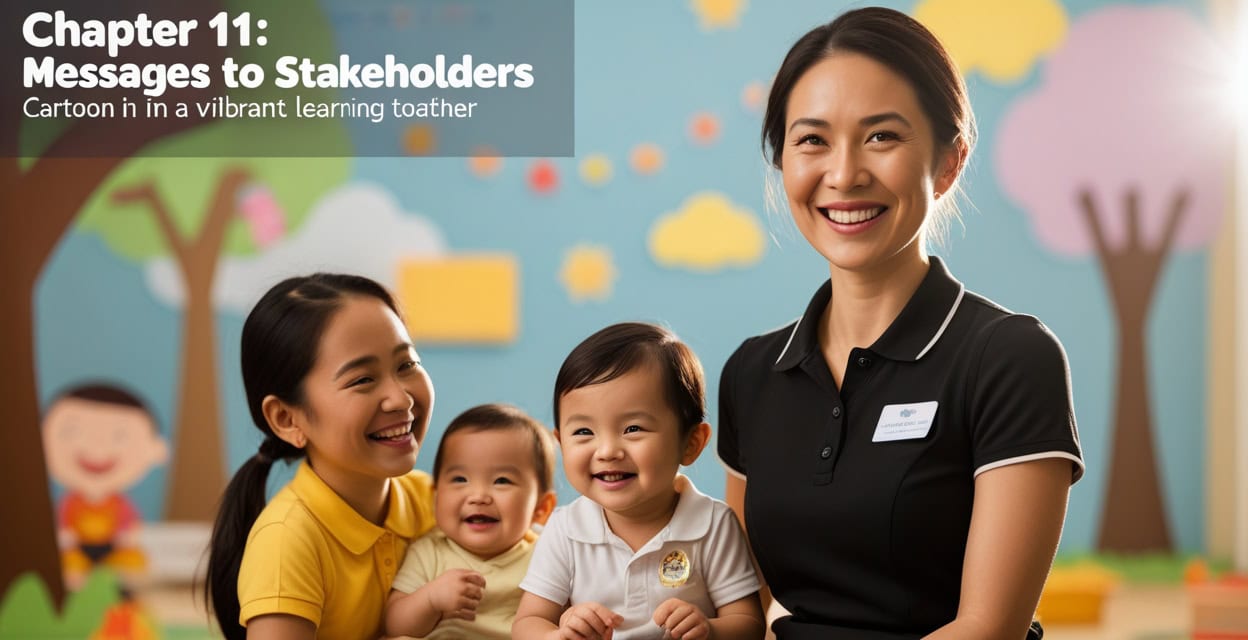
Chapter 11: Messages to Stakeholders
To Parents
Your child deserves care that is not only safe, but deeply seen. Visit our rooms, meet our people, test our systems, and feel the calm that comes from care aligned with science. We operate Monday to Friday, 7 a.m. to 7 p.m.—designed to support you as you work, rest, and return to a child who has spent a day in dignity.
To Caregivers
Your craft is nation‑building. EduNanny commits to training, coaching, and celebrating your work. This is a career with purpose, a community that supports you, and the daily reward of contributing to a child’s wellbeing and development.
To Singapore
Early care is public infrastructure. By investing in the first thousand days, we enable greater workforce participation, strengthen families, and sculpt a more resilient, compassionate society for decades to come. The future begins with each attentive minute today.
Chapter 12: Closing—the Quiet Rehearsal of Tomorrow
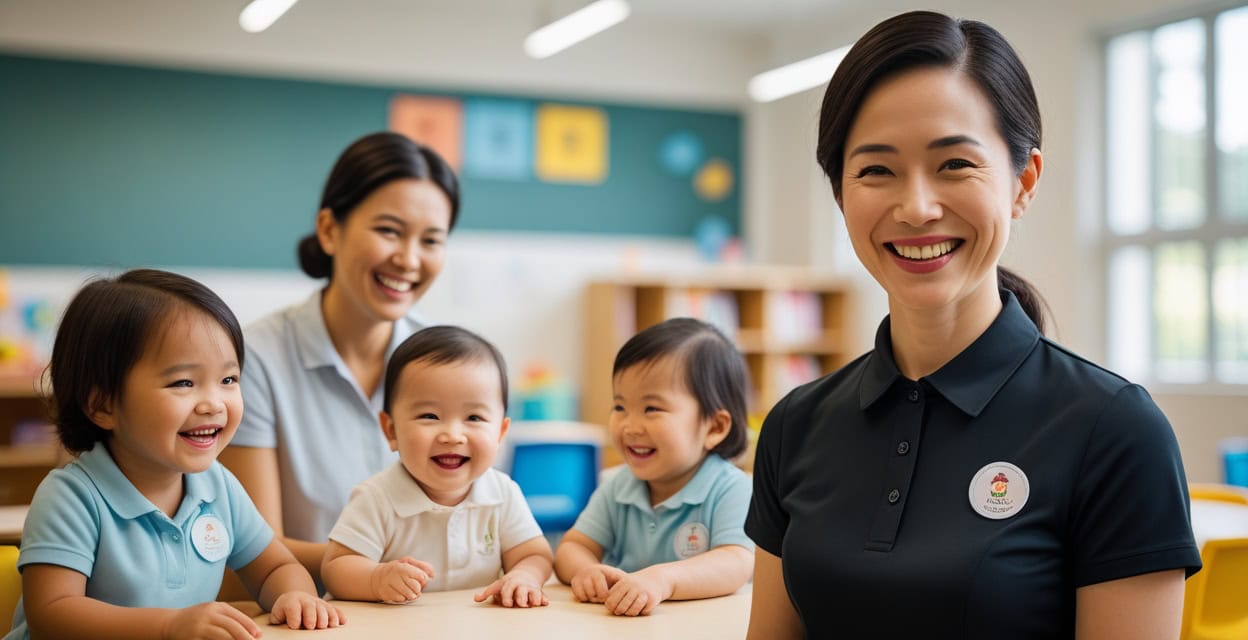
In the quiet cradle, tomorrow is rehearsed. In every five‑second pause to attune, a child learns the world will meet them with care. In every transparent system, a parent learns they can trust again. This is the work of EduNanny by BUTLER—simple in the moment, mighty in its compounding effect. Let us make it possible for every goodbye at daybreak to be confident, and every reunion at dusk to be easy. Let us place excellence within reach, near home, at a price that honours families and a profession that honours caregivers. Let us hold Singapore’s future gently and deliberately—one attentive minute at a time.

Conclusion
EduNanny’s approach translates strong theory into everyday practice: a reliable, human‑centred care system that supports families, elevates caregivers, and strengthens communities. By prioritising presence, safety, and joyful, development‑oriented routines, we can redefine what early care looks like in Singapore—and lay a durable foundation for lifelong learning and wellbeing. We invite parents, caregivers, employers, and community partners to engage with EduNanny, explore enrolment and career opportunities, and join the pilot to help build a trusted, near‑home childcare ecosystem for all Singaporeans.
Visit EduNanny.com or Childminding.EduNanny.com to book a tour, join the pilot, or begin a career in the civic craft of childminding.
[#EduNannySingapore, #First1000Days, #InfantCare, #ChildmindingSingapore, #EarlyChildhoodDevelopment]