Helping with dressing: when to step in, when to ask, when to take over
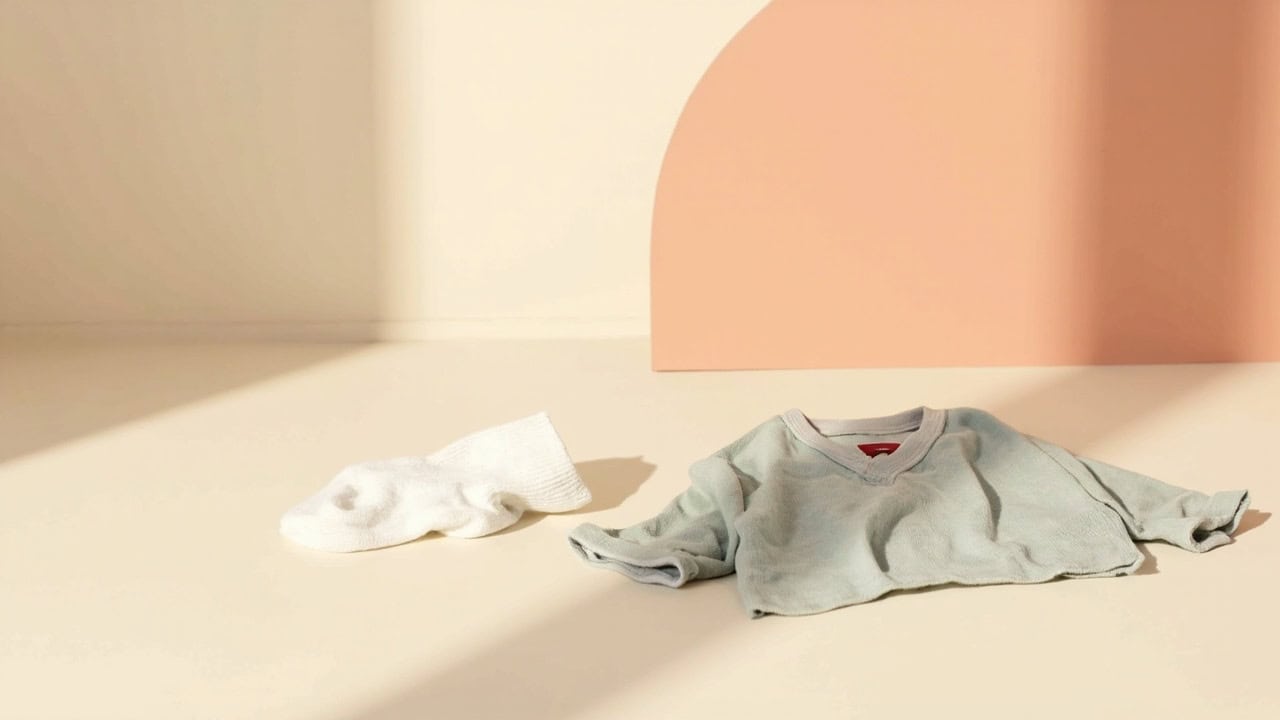
When your preschooler is wrestling with a sock or a shirt, the question is not whether you help. It is what you change at each level of help, and what stays with the child. A Straits Times parenting feature published on 30 August 2026 starts from that tension: trying to give children the best possible start, some of us feel we have to supervise them more, solve their problems and pack their schedules with as much as possible. The comparison below runs through one invented dressing attempt, offered as an optional editorial illustration. [1]
Four levels are worth naming, and you can move between them: wait and observe; ask one open question; offer a small setup or a short demonstration, especially if help is asked for; or take over when a practical or safety reason makes that the right call. The first three keep the child's attempt going and change only what the adult adds. The fourth replaces it, and is better made deliberately. The wording here adapts ECDA Beanstalk parenting and play guidance to one dressing scenario. It is an optional editorial illustration, not an official dressing protocol or a tested routine, and no developmental outcome is claimed. [2] [3]
Ask what help would change
Dr Quah Saw Han, a clinical psychologist and a member of MSF's Advisory Panel on Parenting, defines overparenting as parents becoming overly involved in their children's lives, such as planning every small detail or doing tasks for them. She says it often stems from a desire to protect children from mistakes or challenges, or from time pressure that makes it quicker to handle things yourself. Both motives are familiar on a rushed morning. [2]
Her self-check is short. She asks herself: is this something my child can do on their own? Then give them space to experiment within safe boundaries, and notice whether you are talking more than the child is. She says that intervening too often limits a child's ability to develop skills such as self-help, problem-solving and critical thinking, and that it is important to connect before correcting — building warmth and making sure the child is calm before addressing misbehaviour. [2]
Wait and observe, then ask one question
Begin the invented attempt here: an adult stands nearby while a child works a shirt over their head before school. Waiting means the adult adds nothing and says nothing, and the child keeps every part of the attempt. ECDA's Beanstalk guidance lists 'observe, don't project' as the first of six playful-learning strategies: resist the urge to step in and show children the 'right' way, and instead notice what they are trying to do and support their ideas with the tools they need. That guidance is written about play and adapted here as an editorial idea, not a dressing instruction. [3]
One question changes the next level. The adult asks, 'What are you trying to do?' or 'How can I help?', then waits again. ECDA calls this 'guiding by the side': asking open-ended questions rather than being directive, which supports children's thinking without taking over, with adults not needing to have all the answers. The child is still doing the dressing; what is new is that the adult has handed back part of the thinking. [3]
Offer a setup, then decide about taking over
At the third level, the adult changes the conditions rather than the task: lay the shirt flat, or fasten one sleeve once to show, then hand it back. ECDA's guidance on the competent child asks adults to pause the impulse to intervene so the child may step forward, and to speak with children rather than at them; the tips it shares include letting children take the lead with questions like 'I wonder what will happen if…?' instead of giving instructions or immediate solutions. The child still attempts the dressing. [4]
Taking over is the fourth level, and a separate decision. Doing the task for them is where Dr Quah's definition of overparenting sits, and her question — is this something my child can do on their own? — together with a rushed schedule explains most of it. It is also sometimes the right call. The point is that you choose between supporting an attempt and replacing it, rather than drifting from one into the other. [2]
Where safety changes the decision
Safety and independence are not opposites. HealthHub's preschooler guidance advises ensuring a child's safety while they explore, and setting clear and consistent boundaries using non-hurtful discipline when needed; its toddler guide describes gaining independence as a natural and important part of growing up, recommends a safe environment to master new skills, and says reasonable boundaries are needed as a toddler seeks autonomy in decisions. ECDA Fellows note that in Singapore, safety often takes precedence over risky play, and limited physical space is a common constraint. [5] [6] [7]
So, in that invented attempt: keep waiting, keep one question, or offer a small setup while your child is still working at it, and take over when the clock or a genuine safety risk makes that the sensible call — with the child there to see how it is done. If the concern is wider than dressing, and covers how your child behaves, learns and functions in different settings, HealthHub points parents to a developmental assessment with a family doctor, a polyclinic doctor or a paediatrician, and to talking with other caregivers and preschool teachers. [5] [2]
Read next
- Child Health Booklet milestones: what the numbers do not say
- Preschooler gives up easily: Child Health Booklet checklist and when to see a doctor
Sources
- How to do more parenting by doing less | The Straits Times
- Beanstalk ECDA | Balanced Parenting: A Tricky Balance
- Parents Portal | Can learning be child's play? Yes, and here are six simple ways to make it happen
- Beanstalk ECDA | When Our Image of Children Shape Their Competencies
- Is My Child Developing Well?
- The Beginner's Guide To Taking Care of Your Toddler: 13 to 18 Months
- 5 Truths About True Play
EduNanny Editorial · AI-assisted research and writing, reviewed by our automated editorial team. Sources checked 2026-10-10. Featured image: AI-generated editorial illustration.