
Nurturing the Future: How EduNanny’s Holistic Innovation Is Elevating Infant Care and Childminding in Singapore

Cradling Singapore’s Tomorrow – How EduNanny Makes Infant Care and Childminding Truly Exceptional
In the vibrant landscape of Singapore’s early childhood care, EduNanny emerges as a transformative movement dedicated to redefining how we nurture our youngest citizens. At the core of this revolution is a steadfast commitment to delivering safe, joyful, and developmentally enriching experiences for infants and toddlers. For parents, caregivers, and community stakeholders, understanding the profound philosophy behind EduNanny offers a pathway toward raising resilient, confident, and curious children. This comprehensive guide delves into the principles, practices, and innovations that make EduNanny Singapore’s leading infant care provider and trusted partner in early childhood development.

Understanding the EduNanny Philosophy
EduNanny is more than a childcare service; it is an ethos rooted in world-class educational theories, local Singaporean values, and a vision to create an ecosystem of holistic early childhood care. By integrating renowned pedagogies such as Montessori, Vygotsky’s social learning, Froebel’s emphasis on play, Bowlby’s attachment theory, and Pikler’s respect for infant autonomy, EduNanny offers a truly balanced, respectful approach to caregiving. This fusion fosters environments where infants feel secure, loved, and free to explore in a way that promotes lifelong resilience and curiosity.
Practical Strategies for Parents and Caregivers
1. Building Secure Attachments
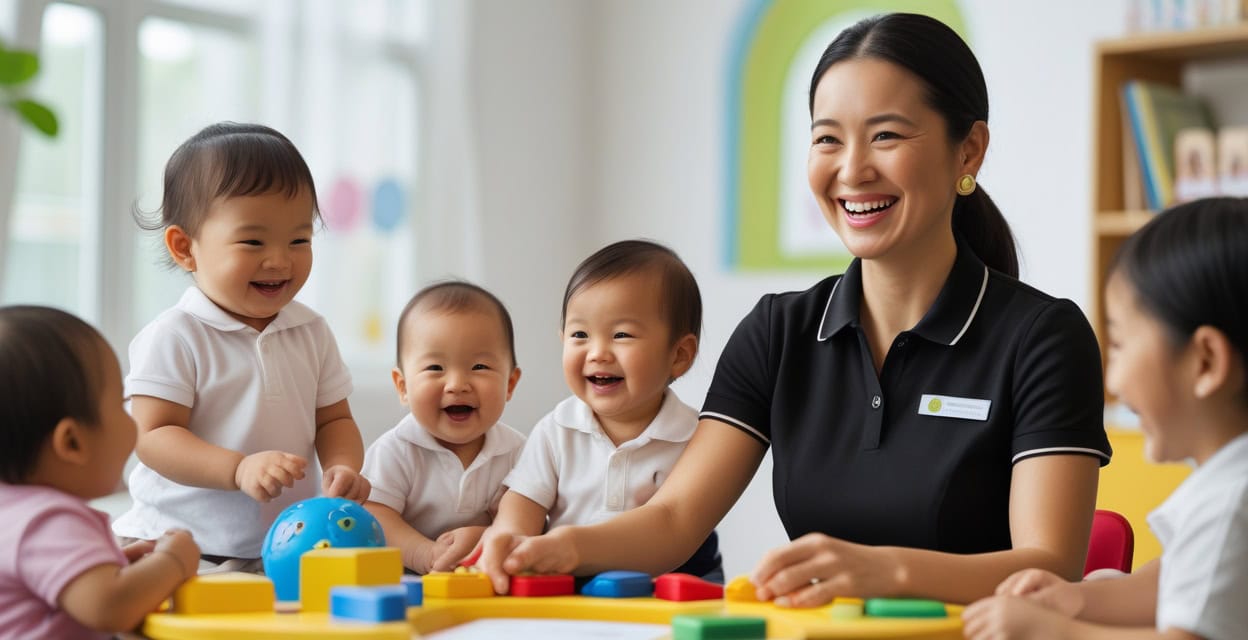
- Create Consistency: Establish regular routines and familiar faces to foster trust. For example, having the same caregiver during daily activities helps infants feel safe and secure, which is vital for emotional development.
- Responsive Caregiving: Attend promptly to infant cues—whether they are seeking comfort or exploration. Recognizing a baby’s need for closeness or independence allows for nurturing interactions that develop secure attachment bonds.
- Physical Affection: Gentle touches, hugs, and eye contact reinforce safety and love, foundational for infants’ confidence to explore their environment.
2. Creating Individualized Learning Experiences
- Observe and Adapt: Pay attention to each child’s unique rhythms, interests, and responses. For example, some infants may enjoy tactile play while others prefer visual stimuli. Tailoring activities supports their developmental needs.
- Respect Developmental Stages: Avoid rushing milestones; instead, scaffold learning with gentle challenges. When a baby begins to sit unassisted, provide safe spaces to practice and encourage independence.
- Use Quality Play Materials: Incorporate sensory toys, musical instruments, and natural objects to stimulate exploration and learning in a meaningful way.
3. Ensuring Safety and Well-being
- Real-time Updates: Utilize EduNanny’s digital platforms to stay informed about your child’s daily activities, health, and mood—empowering you to respond quickly and meaningfully.
- Design Thoughtful Spaces: Create calm, clutter-free environments with soft lighting and good air quality to promote relaxation and focus.
- Train Caregivers Effectively: Ensure staff are not only certified in first aid and hygiene but also trained in emotional safety and child psychology—facilitating a secure environment where infants feel protected and supported.
4. Fostering Emotional Literacy and Well-being
- Name Big Feelings: Encourage infants to identify emotions like happiness, frustration, or surprise through simple language and facial expressions. For example, saying “You seem happy today!” reinforces emotional awareness.
- Model Calm Behavior: Caregivers should demonstrate calm responses to infants’ emotions, teaching children self-regulation skills that underpin resilience.
- Build Transition Routines: Gentle routines for meals, sleep, and departures lessen separation anxiety and create a predictable, comforting environment.

The Role of Parents and Caregivers in Early Childhood Development
Early childhood development is a collaborative effort. Parent and caregiver partnerships enhance a child’s experience profoundly. Here’s how you can actively support your child’s growth:
Maintain Open Communication
Use digital tools offered by EduNanny such as daily journals and video updates to stay informed about your child’s progress and routines. Engage in regular conversations with caregivers to align on goals and address concerns.
Engage in Responsive Play
Spend quality time playing, reading, and exploring with your child at home. Follow their cues, provide safe challenges, and celebrate their discoveries. For instance, if your child shows interest in water, incorporate supervised water play at home to stimulate sensory development.
Model Lifelong Curiosity
Show enthusiasm for learning—visit parks, museums, or nature trails to expand your child’s horizons and reinforce a love of exploration beyond the caregiving environment.

Innovating Childminding as a Profession
EduNanny champions elevating childminding from a conventional role to a respected vocation filled with purpose and professionalism. This shift benefits families, communities, and caregivers alike. Practical steps include:
- Continual Professional Development: Encourage caregivers to undertake advanced training in child psychology, developmental sciences, and special needs education.
- Recognition and Respect: Promote awareness that well-trained childminders are vital community pillars, deserving dignity, career advancement, and fair compensation.
- Community Building: Foster networks where childminders can share best practices, mentor new caregivers, and contribute to national standards.

Embracing Innovation and Community Integration
Technology plays a crucial role in expanding access and transparency in infant care. EduNanny’s bilingual platforms and real-time monitoring tools exemplify this commitment. Furthermore, the model’s islandwide reach ensures equity—whether in bustling urban districts or peaceful suburban neighborhoods—making quality infant care accessible to all families.
Practical examples include:
- Online booking for flexible scheduling aligned with working parents’ needs.
- Community forums for parents to exchange experiences and advice.
- Blended models that combine home- and center-based care, providing tailored solutions for diverse family circumstances.
Conclusion: Why Investing in Infant Care Matters
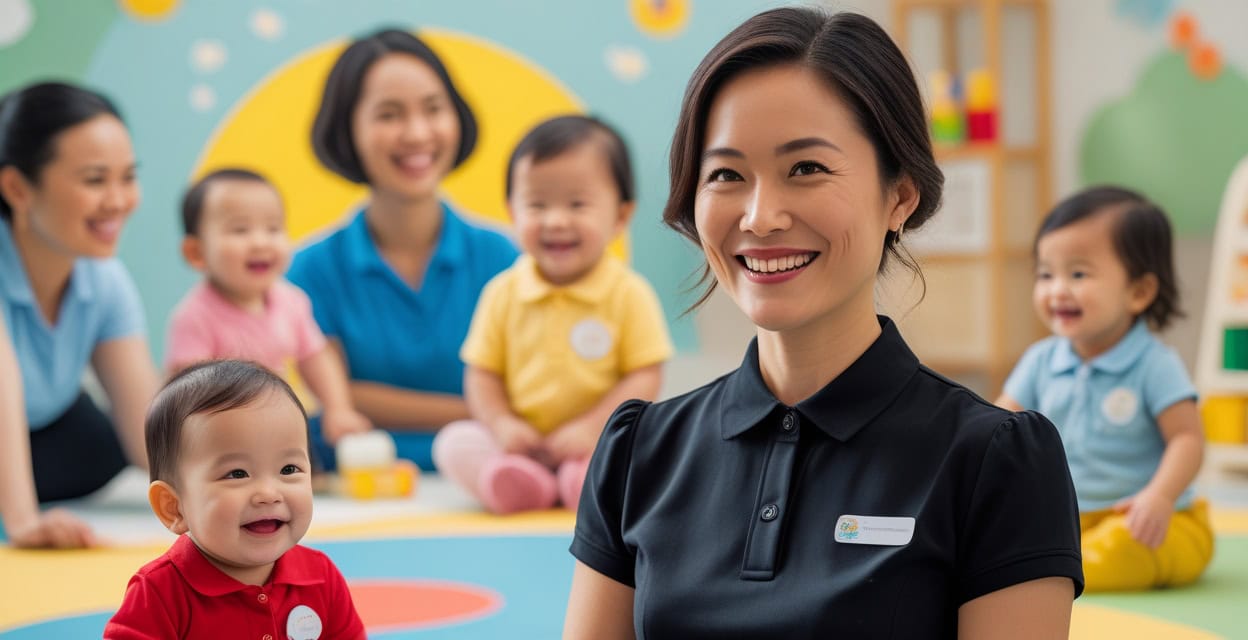
Our children are the architects of Singapore’s future. Their earliest interactions, environments, and the people who support them shape their capacity for resilience, empathy, and innovation. EduNanny’s holistic approach—grounded in science, compassion, and community—sets a new standard for early childhood care in Singapore.
By prioritizing secure attachments, individualized experiences, emotional well-being, and professional growth, we lay the foundation for a nation of confident, capable individuals. As parents, caregivers, and community members, your role is vital in nurturing this future.
Let us embrace the collective responsibility to create nurturing, safe, and inspiring environments where every child can flourish. Together, we can build a Singapore where early childhood care is truly exceptional—today and for generations to come.

Key Takeaways
- Holistic infant care rooted in trusted educational philosophies
- Importance of security, personalized learning, and emotional literacy
- Partnerships between parents and caregivers to optimize development
- Recognition and elevation of the childminding profession
- Innovations and community-based models ensuring islandwide access

Reflective Closing
Every child begins life with infinite potential. By investing in their earliest years through informed, compassionate, and innovative care—like that offered by EduNanny—we lay the groundwork for a brighter, more resilient Singapore. Let’s commit to nurturing their dreams today, so they may build a better tomorrow.