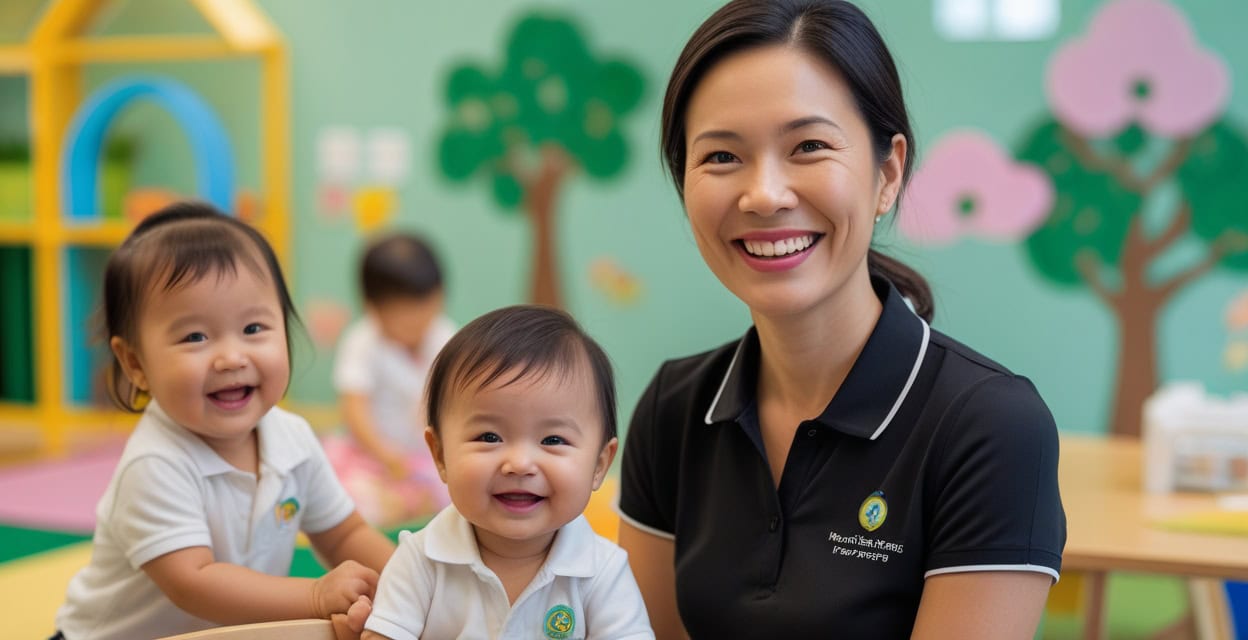
Near Home Pods and the First Thousand Days A Civic Blueprint for Safe Joyful Infancy in Singapore

Introduction
In Singapore’s compact urban fabric, the first years of life unfold with remarkable speed and tenderness. The adults who walk beside infants—parents, caregivers, educators, and community partners—shape a child’s sense of safety, belonging, and possibility. The EduNanny promise is simple but ambitious: close, calm, and consistent care that feels like family, yet meets the standards of professional education and safety. This article builds on the spirit of the Homespun Beginnings speech and translates it into practical guidance for parents and caregivers, with real EduNanny insights you can apply from Day One.
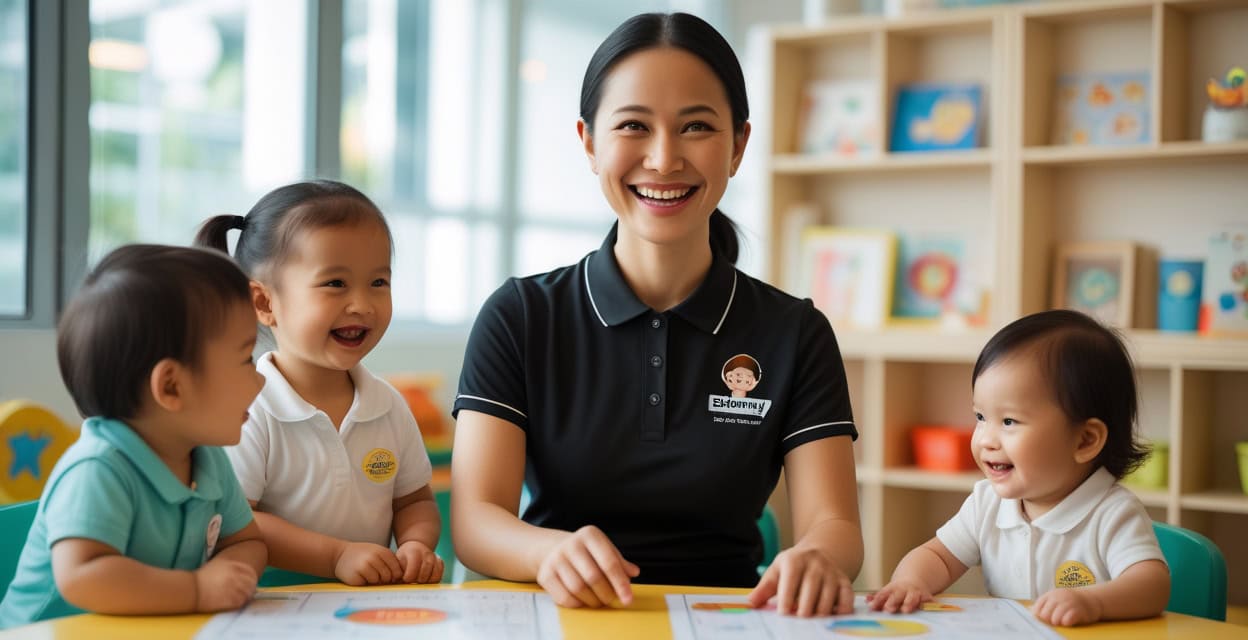
The EduNanny Promise in Singapore
EduNanny exists to turn daily routines into powerful opportunities for development. We offer a near‑home network of centre‑based and home‑based childminding that blends the intimacy of family life with the reliability of a professional standard. Key features include:
- Excellent 1:3 infant ratio to ensure true attention and responsive care.
- Monday–Friday, 7am–7pm availability islandwide, with centre‑based and home‑based settings.
- Modern, calming environments designed for exploration and security.
- Innovation like secure CCTV for partnership and accountability, paired with strict privacy safeguards.
- Accessible pricing and options payable by government schemes such as CDA and Baby Bonus.
- EduNanny operates as EduNanny by BUTLER within the ECDA Childminding Pilot, aligning with a national initiative to raise quality, widen access, and support maximum employment while centering families.
Our thesis is simple: when care is close, calm, and consistent, infants grow in trust; when trust grows, learning accelerates; and when learning accelerates, a child’s world—and our country’s future—expands. Below are five living ideas that shape every room, routine, and relationship.

Five Commitments to Infant Care
1) A Listening Curriculum: Because development starts with being seen
Infancy is a conversation long before vocabulary emerges. The Listening Curriculum formalises this into daily practice:
- Pause before prompting: practice a three‑second quiet window to observe gaze, gesture, or sound before offering an opportunity to respond.
- Narrate the child’s world in multiple languages: English, Mandarin, Malay, and Tamil to reflect home languages and community belonging.
- Work at eye level and at the infant’s tempo: follow their rhythm rather than imposing adult speed.
- Micro‑journals: two or three short observations daily to anchor continuity between carers and with parents.
- Protect uninterrupted exploration: adults step back at the right moments to let curiosity lead.
- Practical tip for parents: keep a small “observations” notebook or app entry for one moment of discovery each day (e.g., “gazed at caregiver during song,” “reached for the rattle with intention”).
Actionable takeaway for families: at drop‑off, share one strength observed at home; at pick‑up, share one strength observed in care. This twin‑signal exchange reinforces trust across home and care settings.
2) Safety as Choreography: Because secure bodies make curious minds
Safety is not a checkbox; it is a shared rhythm—designed, practiced, and refined. Core elements include:
- Sleep safety: firm mattresses, back‑to‑sleep positioning, no pillows or soft toys in cots, temperature‑appropriate clothing, and routine checks without disturbing rest.
- Hygiene and health: rigorous hand hygiene on entry, after nappy changes, before feeding; sterilised equipment; clear illness protocols; confident first‑aid readiness.
- Movement zones: soft, open floor space; stable furniture; cords out of reach; constant line‑of‑sight supervision; prevention over correction.
- Secure partnership: CCTV for transparency paired with robust privacy standards; technology serves trust, not surveillance for its own sake.
- Routine risk scanning: a morning space sweep, midday refresh after meals/nappy changes, end‑of‑day reset.
Practical insight for parents: review the care environment through a “safety rhythm” lens—are there visible cues for safe sleep, clean surfaces, and clear space for movement? If you notice a potential risk, speak up and request a quick re‑check routine with the carers.
3) The Four Rivers of Growth: Attachment, Movement, Language, Regulation
EduNanny threads daily life through four developmental rivers to carry infants forward. Practice examples you can adopt at home and in care settings:
- Attachment: consistent primary carers within a 1:3 pod; familiar greetings; small rituals signaling belonging. Drop‑offs begin with a handover that includes one strength observed at home; pickups end with one strength observed in care.
- Movement: daily tummy time, reaching games, rolling, cruising practice, soft climbing, outdoor pram walks when suitable. Celebrate motor milestones as processes, not deadlines.
- Language and music: daily shared books, songs, fingerplays; responsive back‑and‑forth vocal play; welcome home languages and simple baby signs to reduce frustration and amplify agency.
- Regulation: breathable routines for feeding, sleep, and play; dim lighting and calm voices before naps; soothing transitions; repair after upsetting moments without rushing.
Practical at‑home activities:
- Attachment: create a simple goodbye ritual (wave, hug, and a tiny “goodbye moment” you repeat daily).
- Movement: set up a mini obstacle course with pillows and safe cushions to encourage crawling and cruising; track progress with a tiny chart.
- Language: narrate daily activities in two languages; use interactive reading times with picture books; incorporate a weekly song circle.
- Regulation: practice slow, rhythmic transitions—dim the lights, speak softly, and offer a preferred security object during changes in activity.
4) Joy as a Vital Sign: Because happiness is information
Joy is a measurable signal of wellbeing and learning readiness. Treat daily delight as a data point you monitor and respond to:
- Ask three quick questions each day: Did the child seek connection today? Did they sustain attention during a small challenge? What soothed them?
- Interpret cues: smiles, relaxed shoulders, and engaged eyes signal positive states; changes may indicate overwhelm or fatigue requiring adjustment.
- Daily delights: sensory play (water play, textures), mirror games, peekaboo, and person‑to‑person interactions that are warm and predictable.
- Evidence of learning: route your observations toward both milestones and the quality of the interaction—the calm, curious state matters as much as a sprint to a milestone.
Practical parent guidance: keep a “joy log” for a week—note what activities produced smiles, what soothed when upset, and how the child initiates social exchanges. Use this to tailor care plans with educators.
5) The Childminder’s Craft: A profession with civic purpose
Childminders are trained professionals and civic partners. Strengthening this craft benefits families and communities alike. Focus areas include:
- Training: practical safety, sleep, feeding, observation, family communication, and ethical technology use; ongoing reflective practice helps carers grow.
- Career pathways: dignified roles near home that build community resilience while raising standards; pathways to advanced practice for experienced carers.
- Documentation: brief daily logs and weekly summaries that are useful, jargon‑light, and respectful of family routines.
- Family partnerships: intake conversations, collaborative care plans, shared routines, and open channels through platforms and regular check‑ins.
Practical tip for families: when meeting a potential caregiver, request a sample daily log and a short plan for a week that aligns with your home rhythms. Ask about training certificates and ongoing professional development goals.
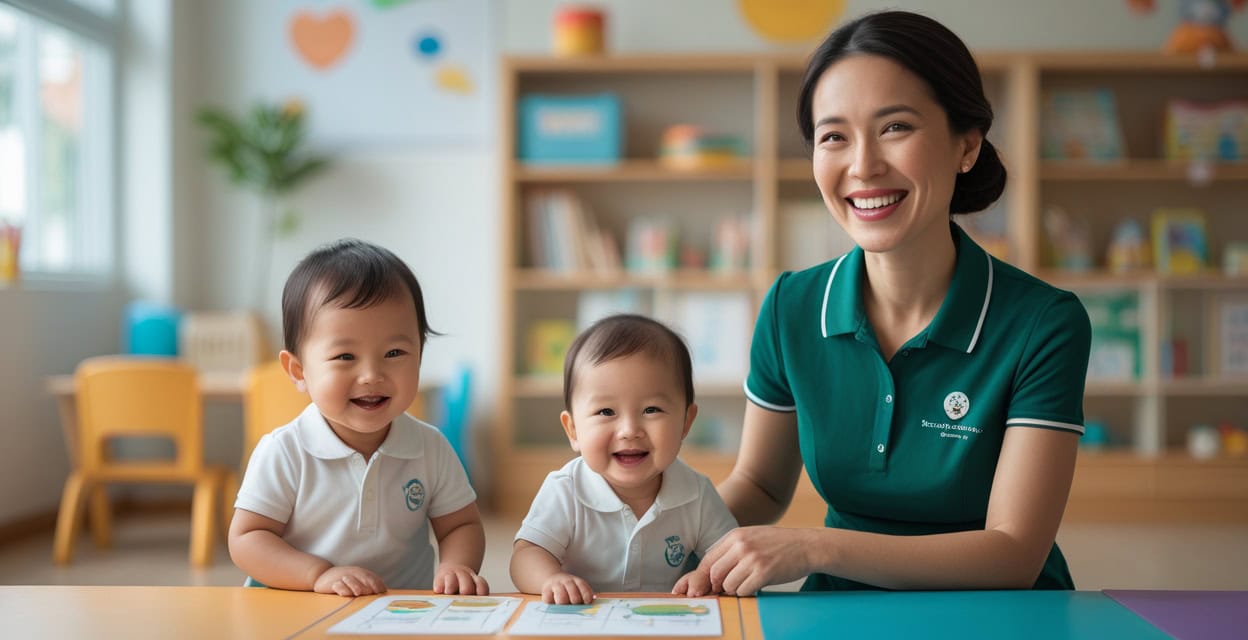
Daily Life: How It Looks in a Day
Sample timeline to illustrate the rhythm of EduNanny care, with practical details you can adapt to your family:
- 7:00–7:45am: Arrival is unhurried. Carers greet each child by name; parents share a detail from home and carers share a detail from yesterday to reinforce continuity.
- Mid‑morning: Bottles, solids, sensorimotor play; tummy time framed as an ongoing story of effort and achievement; books are explored with joint attention and gentle narration.
- Late morning: Nap routines are predictable—dim lights, soft music, gentle patting, and a quiet pause; rest is treated as a right, not a task left undone.
- Afternoon: Outdoor pram walks (weather permitting), simple art projects to support grasp and texture, mirror talk to reinforce identity; carers narrate social moments with kind language.
- 5:00–7:00pm: Departure moments are bridges—highlights, challenges, and a small care idea for home that aligns with family rhythms; transitions are smooth and predictable.
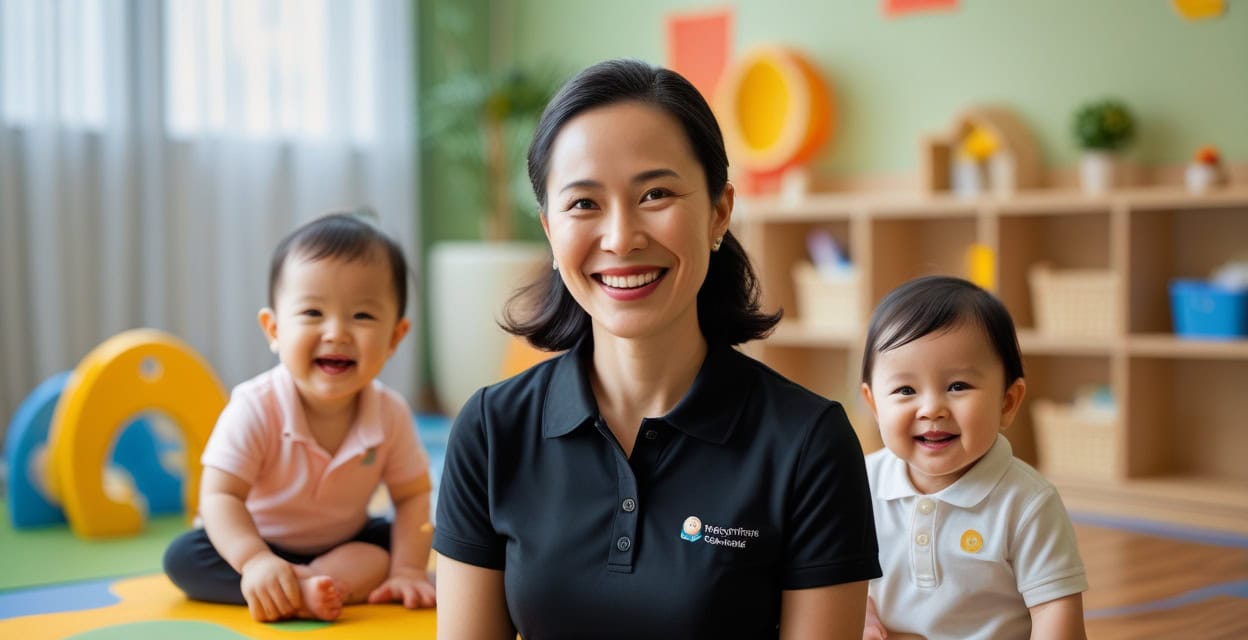
Why Near‑Home Matters in Singapore
Singapore’s dense urban environment means proximity to care significantly reduces stress for families and strengthens community ties. Near‑home pods offer several tangible benefits:
- Time savings: shorter commutes mean more moments for bonding, play, and learning at home.
- Consistency: familiar corridors, neighbours, and playgrounds help children feel secure and see care as part of their everyday world.
- Community resilience: proximity fosters networks among families, carers, and local partners, reinforcing social safety nets for working parents.

What Parents Can Expect from EduNanny
EduNanny sets clear expectations so families can partner with confidence:
- Attentive people: gentle, trained childminders with a 1:3 infant ratio.
- Thoughtful places: modern layouts that are soft, orderly, and calming in both centre-based and home-based settings.
- Predictable routines: Monday–Friday, 7am–7pm, islandwide, across centre and home premises.
- Transparent partnership: secure, ethical CCTV; daily updates; clear channels for feedback and collaboration.
- Sensible fees: accessible pricing with options payable through CDA/Baby Bonus schemes.
- Simple access: learn more at EduNanny.com and Childminding.EduNanny.com.
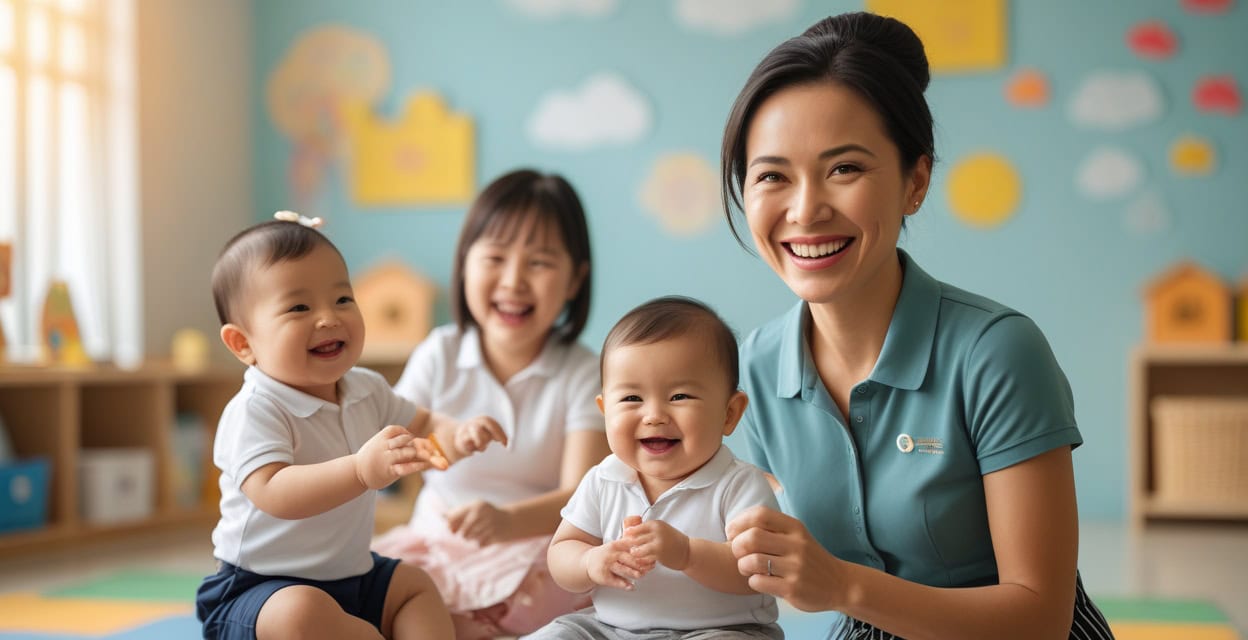
The Benefits at a Glance
- Excellence and quality you can feel in the room
- Centre‑based and home‑based options to fit family rhythms
- Near‑home distance and convenience that reduce daily stress
- Affordable plans from $33/day, with CDA/Baby Bonus options
- Monday–Friday, 7am–7pm, islandwide Singapore
- In community and home premises with modern layouts for calm and safety
- Excellent 1:3 infant ratio for true attention
- Innovation like secure CCTV for partnership and accountability
- EduNanny by BUTLER participating in the ECDA Childminding Pilot
- A National Social Initiative aligned with a Maximum Employment Mandate
- A living approach that integrates pedagogy, safety, development, and joy
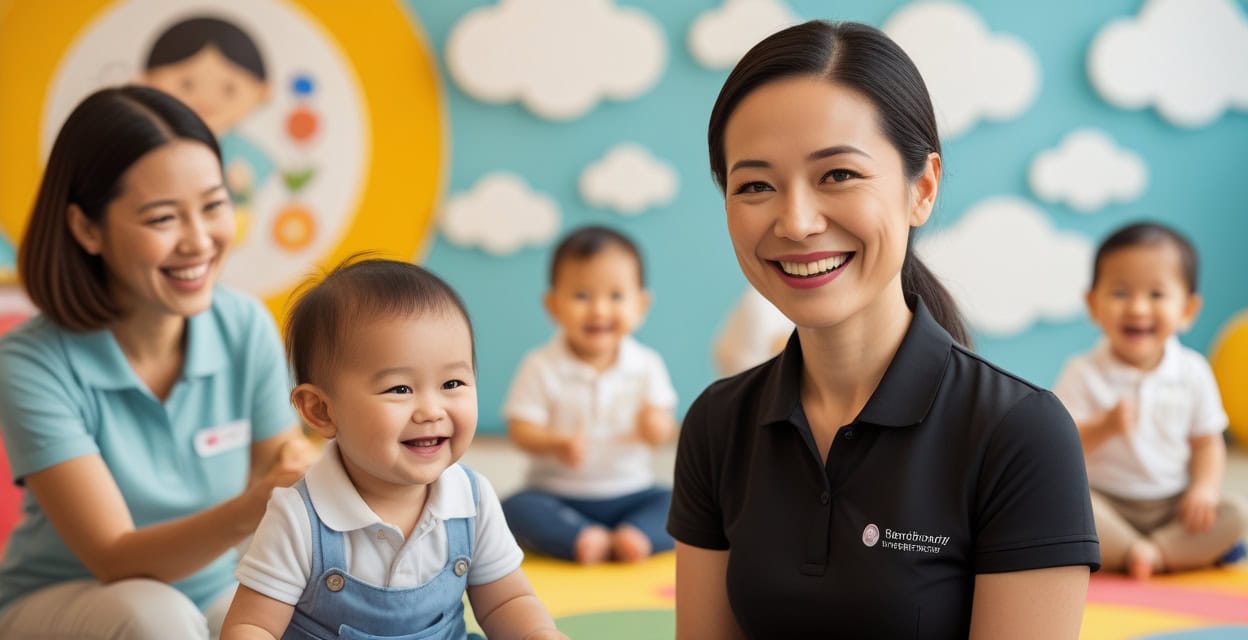
A Brief Word on Standards
Our practice rests on current evidence: safe sleep guided by health guidelines; serve‑and‑return as a foundation for brain development; hygiene protocols that are rigorous yet compassionate; and observation tools that honour culture, family routines, and individual differences. We train to these standards and audit them regularly. Children deserve consistency; parents deserve clarity and trust.
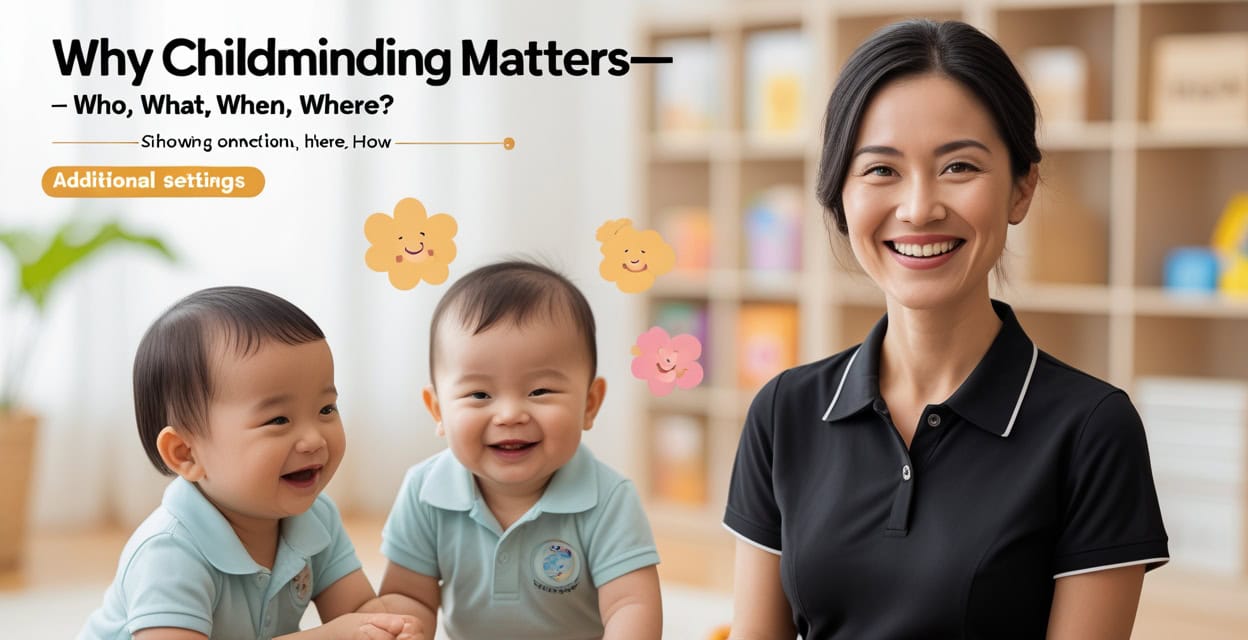
Conclusion: Why Childminding Matters—Who, What, When, Where, How
Who: Infants, parents, and the professionals who stand beside them. Childminders are not stand‑ins; they are co‑builders of a child’s first community.
What: Loving, structured, small‑group care that turns ordinary routines into learning, security, and belonging.
When: In the first thousand days and every weekday from 7am to 7pm, when families most need reliable partnership.
Where: Close to home, across Singapore—centre‑based and home‑based—because belonging grows best in familiar places.
How: With a 1:3 ratio, trained carers, safety by design, a listening curriculum, ethical technology, and family‑centred planning.
EduNanny invites you to join us as partners in care. If you are a parent, we welcome you. If you are a caregiver, we honour your craft. If you are a policymaker or partner, we invite you to walk with us as we lift the standard for the littlest among us. Visit EduNanny.com or Childminding.EduNanny.com to begin.
Homespun beginnings. Citywide confidence. In the quiet of each routine, the future of Singapore learns to feel safe, to be curious, and to belong. That is our promise—and our daily work. Thank you.
[#keyword1, #keyword2, #keyword3, #keyword4, #keyword5]