Kneeling at Eye Level The Human Scale Science That Builds Trust Joy and Learning in Singapore Early Years

EduNanny: A Human-Scale Science of Infant Care in Singapore
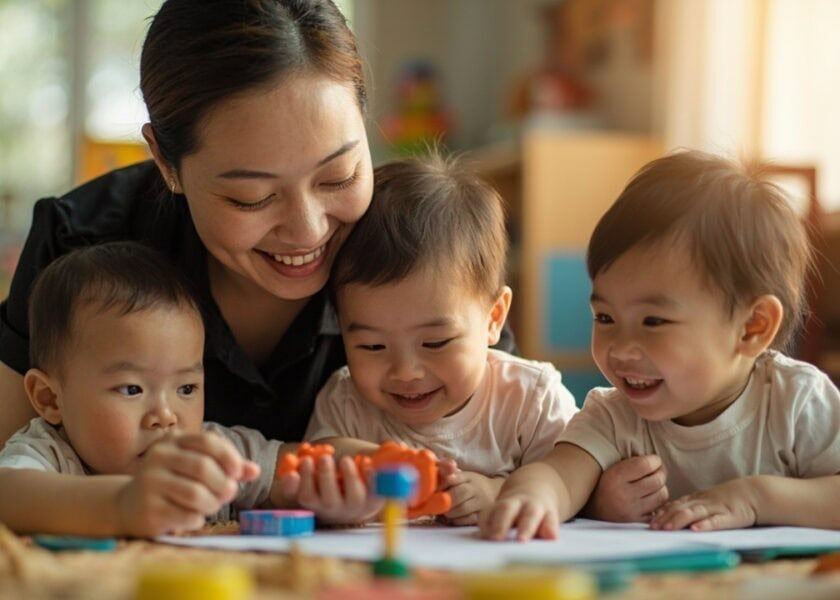
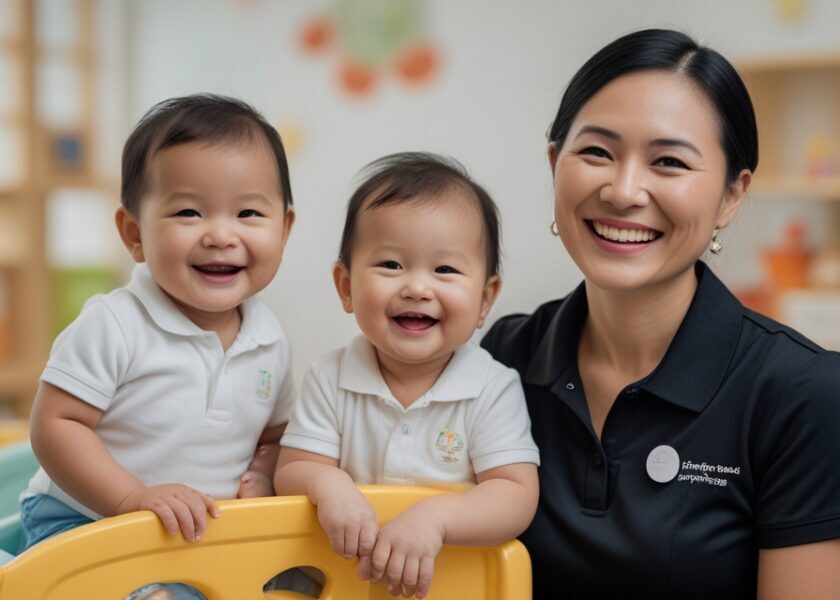
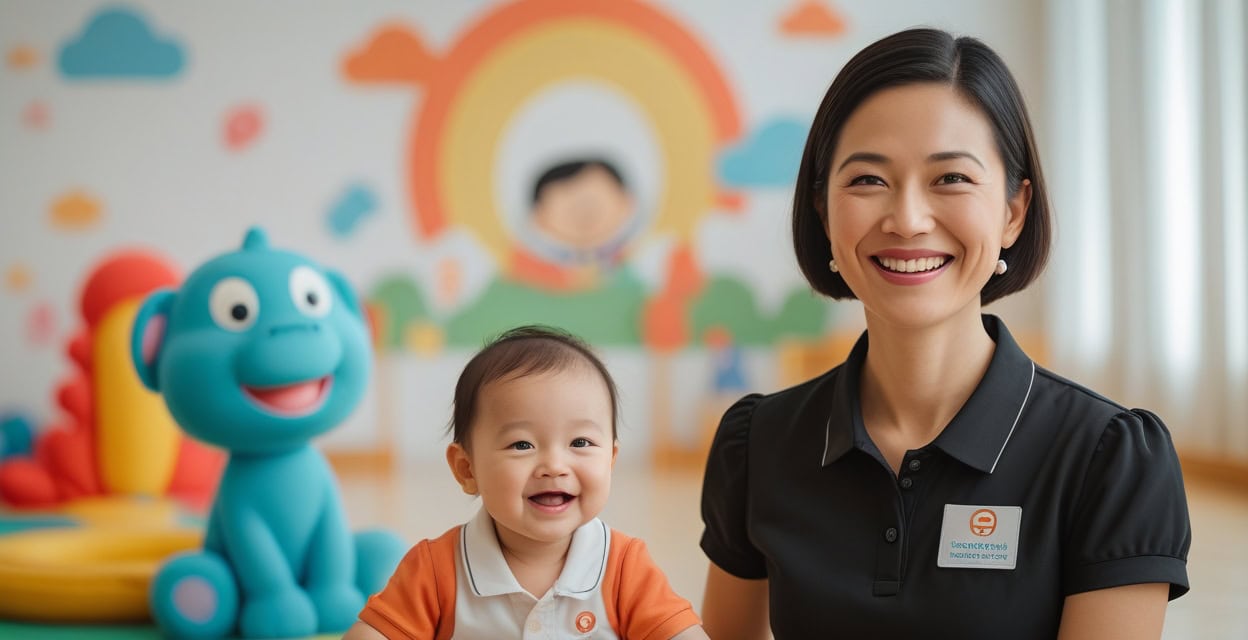
Good evening, friends, families, caregivers, and the many quiet heroes who greet Singapore’s youngest citizens at daybreak. In the simplest picture—a caregiver kneels, two palms open at floor height, and a baby meets that open posture with a steady gaze—trust is not a slogan; it is architecture. EduNanny was built to make more of those moments possible, reliably, near home, and every weekday from 7am to 7pm. We blend the heart of family with the standards of a centre, the calm of home with the clarity of science. We offer Home-Based Childminding and Centre-Based Childminding, and we support Distance services for families who need guidance, monitoring, or coaching across the week. Islandwide in Singapore, Monday through Friday, 7am to 7pm. We commit to an ultra-low 1:3 infant ratio. We use innovation CCTV for transparent, consent-based viewing. We design modern, floor-level layouts that are beautiful because they are safe. We are affordable—from $33 per day, with fees payable by CDA/Baby Bonus where eligible. We participate within the ECDA Childminding Pilot—a social initiative that aligns care quality with community opportunity and a Maximum Employment Mandate to train and place more skilled childminders across our neighbourhoods. This is logistics. Our deeper purpose is to hold the beginning well.
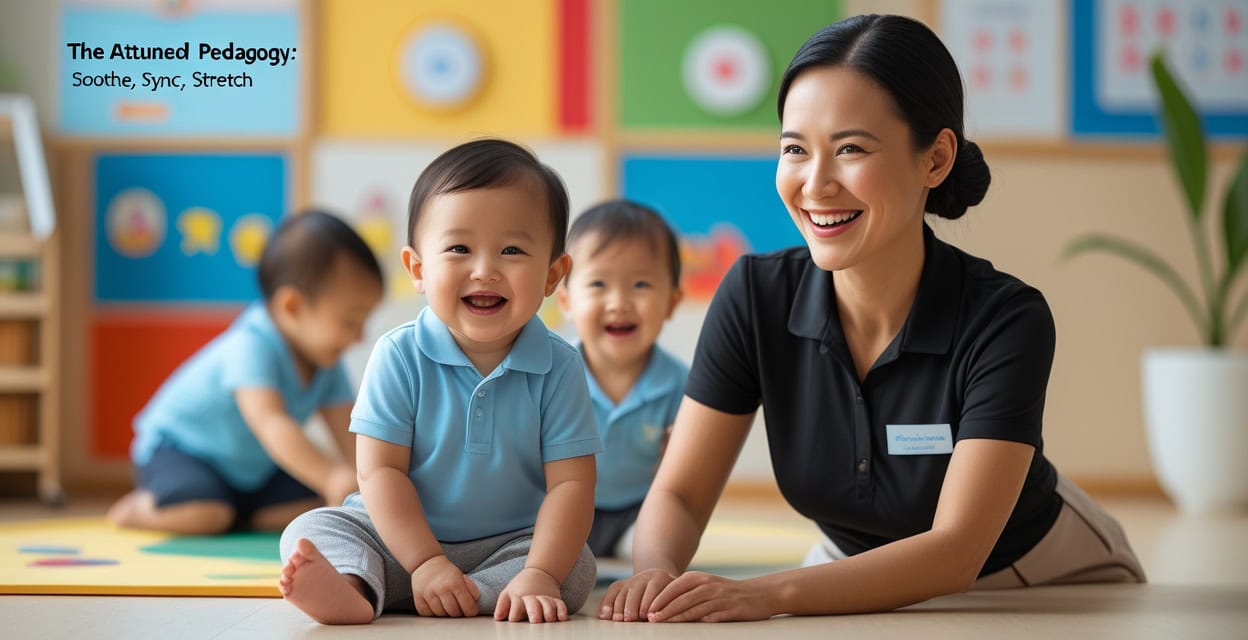
The Attuned Pedagogy: Soothe, Sync, Stretch
EduNanny’s pedagogy stands on giants’ shoulders and translates them into a Singapore-specific practice: the attuned adult at eye level, the floor as laboratory, the neighbourhood as a gentle horizon. We call this human-scale science: small circles, precise routines, and a thousand quiet adjustments that shape a lifetime of ease. Here are four fresh lenses that guide our practice, with practical examples you can apply at home and in any EduNanny setting.
Soothe: Calm as Developmental Bedrock
- Five-breath welcome: A predictable caregiver kneels at floor level, breathes slowly, and greets the infant by name with gentle contact—palm to palm, shoulder to shoulder—before any transition. This routine reduces cortisol and seeds curiosity.
- Predictable space and rhythms: Dim lights, soft sounds, and a calm entry into activities help infants settle and feel safe to explore.
- Home-language warmth: Use a familiar greeting and tone in the family’s language to reinforce attachment and ease.
Sync: Serve-and-Return as the Grammar of Learning
- Notice micro-signals: gaze shifts, finger splay, foot flex. Respond quickly with simple, clear actions.
- Narrated care: “I’m lifting your left arm into the sleeve now,” “You’re looking at the red ball; I see it too.”
- Consistent predictability: Build a shared language with the child, so the world becomes legible and trust deepens.
Stretch: Humble Challenges that Build Confidence
- Zone humbly applied: Small, frequent challenges—new textures, slightly more complex grasps, simple social games—are introduced millimetre by millimetre, not leaps.
- Home-friendly studios: Treasure baskets, low shelving, mirrors at floor level, ramps and soft blocks for safe crawling, and child-safe reach zones that encourage movement without constant “no.”
- Everyday growth opportunities: The environment becomes a continuous learning invitation rather than a timed milestone checklist.
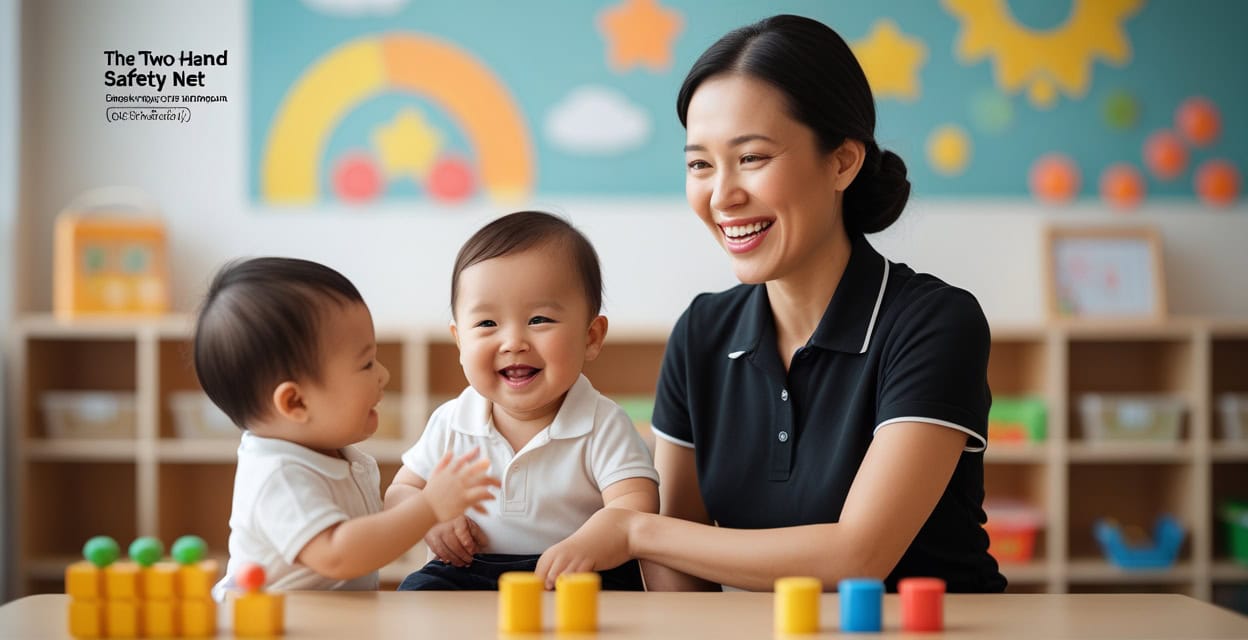
The Two-Hand Safety Net: Design Plus Supervision
Safety is both body and choreography. We teach it as a two-hand net—one hand designing space that forgives, the other ensuring supervision that never blinks.
Hand One: Space That Forgives
- Soft corners, anchored shelves, floor-level activity zones, and non-slip materials keep risk low where infants play.
- Mats and sleep spaces are bare, visible, and free of chokepoints. Sleep spaces are flat and within sight.
- Workspaces and feeding stations stay within arm’s reach of supplies to avoid leaving an infant unattended.
- Sightlines and separate tracks for sleep, feed, and play prevent cross-contamination and confusion.
Hand Two: Supervision That Never Blinks
- 1:3 ratio as the backbone, with rhythmic checks: audible and visible breathing assessments during sleep, frequent head counts, and a “two-eyes rule” for any elevated surface—two hands on baby or two eyes on baby, always.
- Consent-based CCTV for live viewing or review: the aim is shared confidence, not surveillance; families participate in safeguarding together.
- Hygiene as ritual: wash before/after feeds, after nappy changes, upon entry, and after outdoor walks. Health screening on arrival is kind and consistent.
The Sensorimotor Studio at Home: Development Through Free Movement
Development is not a worksheet; it is a room that invites a next move. EduNanny creates a sensorimotor studio at home through thoughtful layout, materials, and caregiver narration that invites self-directed exploration.
Free Movement, Pikler-Style
- Avoid forcing milestones. Provide a firm mat, open floor space, low bars for pulling up, objects that roll slowly, and safe slopes to challenge balance.
- When a child designs their own practice, the gains are deep and durable—self-regulation emerges from trust in their own body and the environment.
Montessori Order at Ground Height
- Everything has a place; low baskets and visible materials reduce overwhelm. A rotation system keeps a few materials in sight at once, encouraging sustained attention and exploration.
- Prefer real objects with weight, temperature, and sound, rather than plastic substitutes, to connect the hand, mind, and environment.
Vygotsky and the Tiny Lift
- Provide supports as bridges, not crutches. Narrate the strategy and then watch the child attempt—success belongs to the child, encouragement belongs to the caregiver.
- Scaffold learning with language; keep it succinct and meaningful so the child can internalize the strategy over time.
Erikson’s Trust and Autonomy
- Protect the morning nap and unhurried feeds; offer “yes spaces” where exploration is safe and correction minimal.
- Celebrate small acts of self-help—the first reach for a spoon, the first attempt to roll—to seed autonomy as a gentle, growing voice.
Joy as Policy: Happiness You Can Schedule
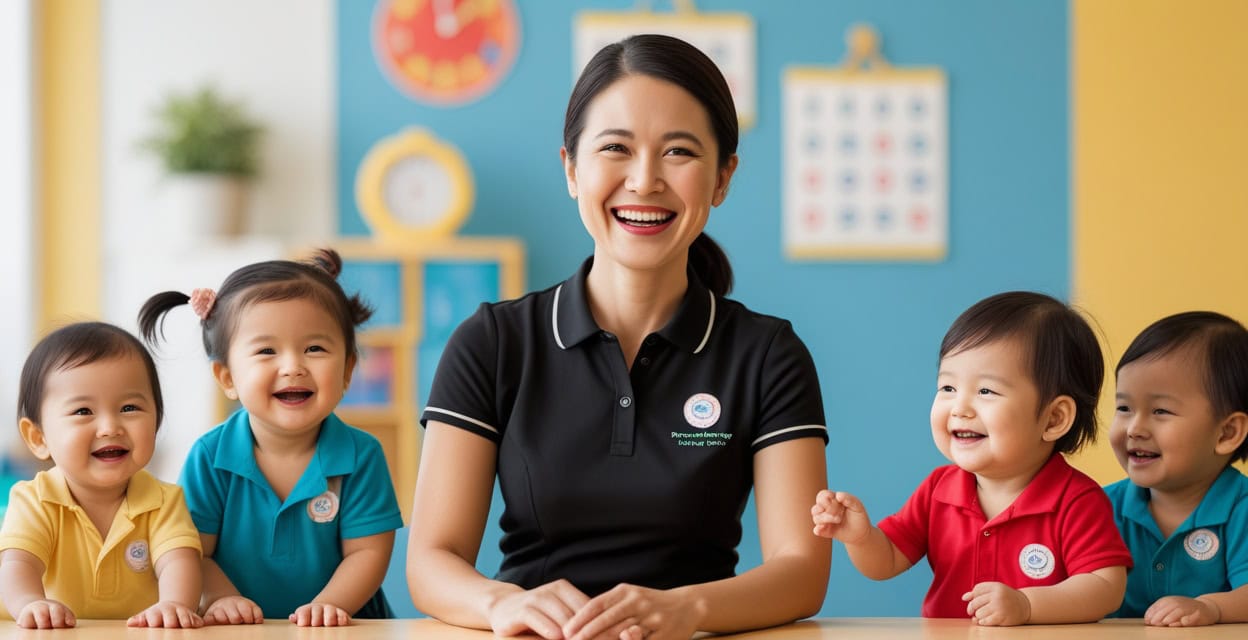
Happiness is not a mood we hope for; it is a climate we consciously cultivate. EduNanny designs daily rituals and micro-adventures to anchor joy in the ordinary.
Rituals That Root
- A consistent greeting song in the child’s home language to begin each day.
- A midday window of sunlight and slow music to reset energy and mood.
- A closing routine that recaps the infant’s “three good things” for the day, shared with families through photos and notes.
Micro-Adventures Near Home
- Gentle pram walks along void decks and courtyards, turning city life into a curriculum of observation.
- Notice three things on each walk—colors of the market, sounds of the MRT, rhythm of rain—through the infant’s lens.
Food as Relationship
- Feeding is face-to-face and unrushed. Narrate textures, aromas, temperatures, and family preferences within safety guidelines.
- Introduce allergens carefully with meticulous records and partner with families for a consistent approach.
Play That Belongs to the Child
- Avoid noise toys that hijack attention; prefer open-ended objects—scarves, wooden rings, cups—that invite exploration, persistence, and delight.
Why Childminders, and What Is Their Purpose?
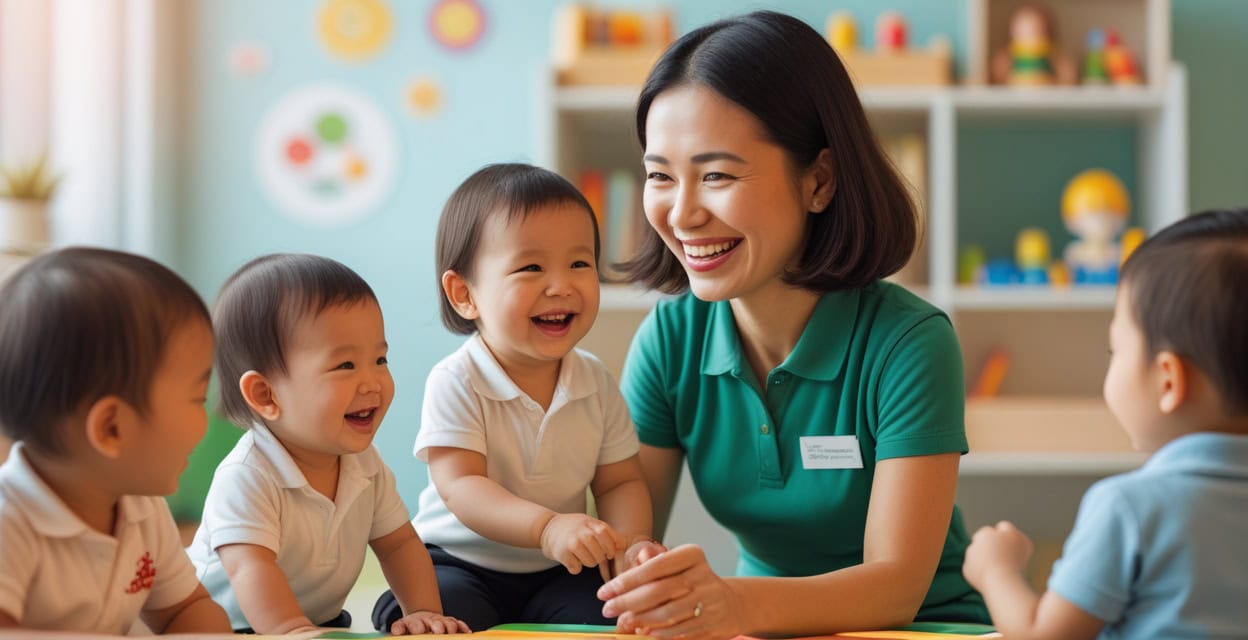
A good childminder is a nation’s quiet advantage. The profession is not casual labour; it is a skilled practice in observation, regulation, and relationship. EduNanny trains for three enduring capacities:
- Composure under pressure: Calm hands, steady breath, soft voice. A dysregulated adult cannot co-regulate a child.
- Precision in the ordinary: Non-negotiables for safe sleep, meticulous hygiene choreography, and simple, useful documentation.
- Partnership with families: Listen for values before offering advice; transmit the day as a story of the child’s efforts, interests, and mood; invite families into the circle—attachment is a team sport.
EduNanny also views childminding as public good. Through a Maximum Employment Mandate, we train and place local caregivers into dignified roles with clear standards, continuous learning, and fair work windows. Quality care for infants and quality jobs for adults rise together.
EduNanny in Singapore: How We Make Care Great
Excellence and Quality
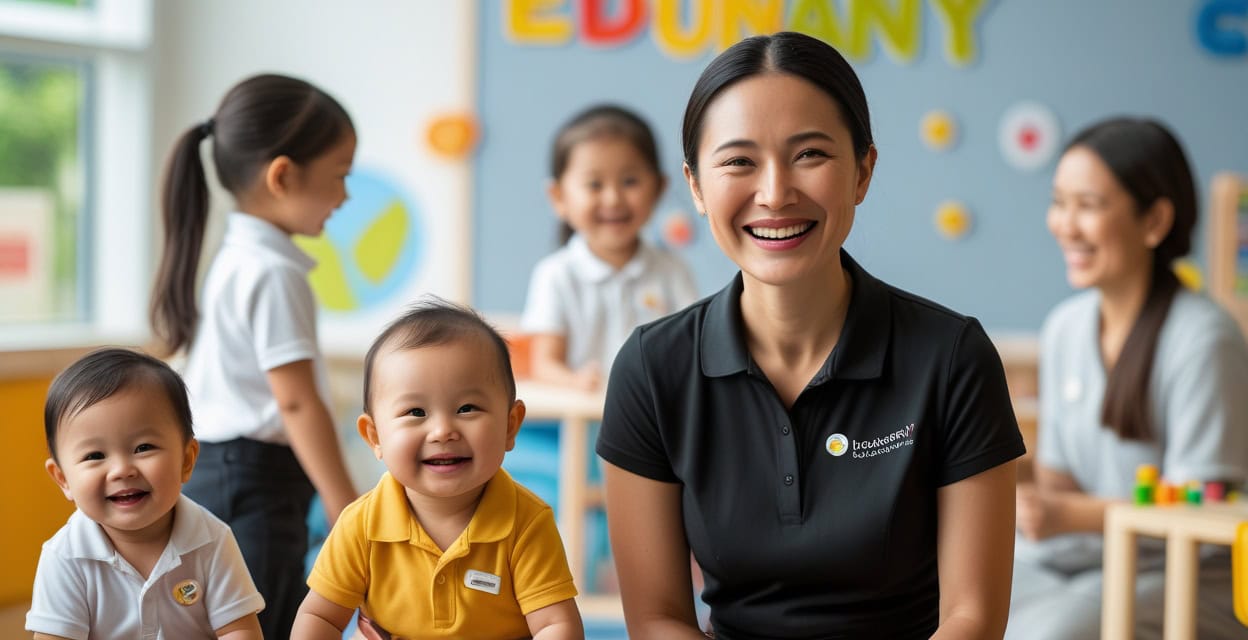
- Ultra-low 1:3 ratio with trained childminders, science-informed practice, ongoing supervision, and reflective coaching.
- Incident reviews are conducted to learn and improve, not to assign blame.
Choice and Convenience
- Centre-Based and Home-Based options, with Distance supports for families who prefer home care but want professional scaffolding.
- Open Monday–Friday, 7am–7pm, islandwide.
Affordability and Access
- From $33/day, with fees payable by CDA/Baby Bonus where eligible.
- Transparent pricing, clear inclusions, and simple enrollment at EduNanny.com and Childminding.EduNanny.com.
Safety by Design
- Floor-level learning, modern layouts, anchored furnishings, and rigorous hygiene protocols.
- Innovation CCTV with privacy safeguards to support trust and transparency.
A National Social Initiative
- Operating within the ECDA Childminding Pilot to align our standards with Singapore’s broader mission to support families in the first thousand days—building capacity, careers, and community confidence.
A Brief Word on Distance Supports
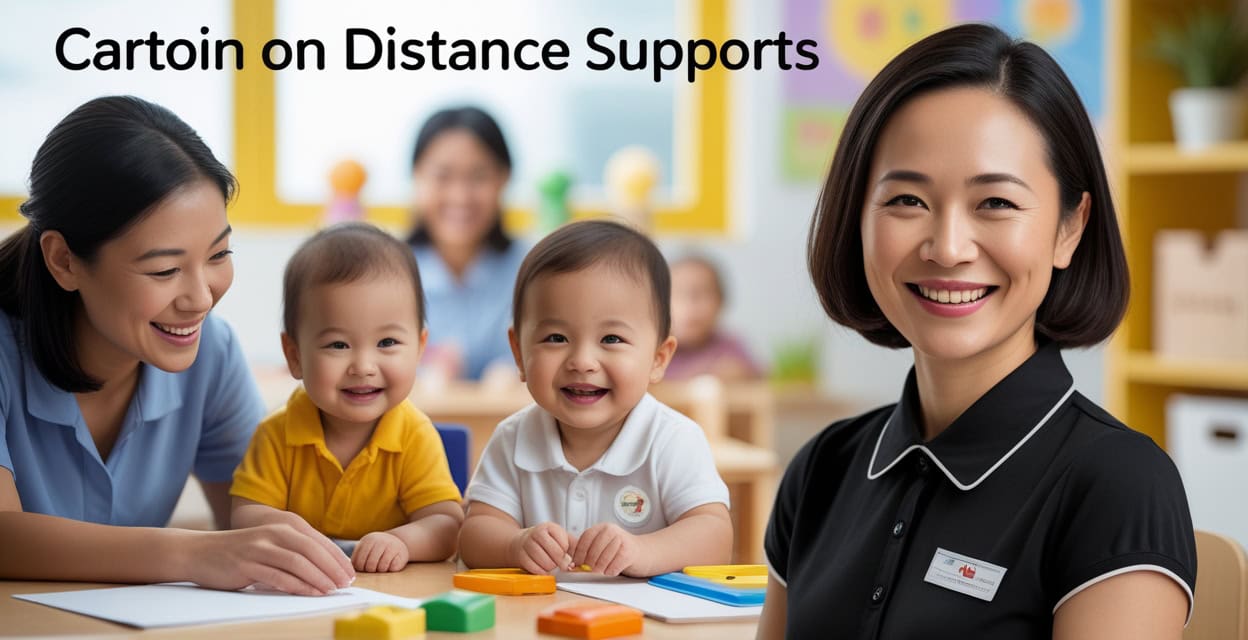
Families who choose home care can still be held by a village. Our Distance offerings include:
- Virtual home set-up consultations to tailor spaces for safety and learning.
- Weekly developmental check-ins to track growth and address concerns early.
- Video-guided play ideas and responsive sleep/feeding coaching to empower caregivers at home.
- Secure sharing of routines and progress to maintain family involvement and trust.
Closing: Who, What, When, Where, and How Childminding Matters
- Who: Every infant in Singapore, every working parent who needs reliability, every grandparent who seeks guidance, and every caregiver who aspires to a dignified path.
- What: Childminding that is safe by design, joyful by habit, developmental by intention, and transparent by technology.
- When: The first thousand days—the period when the brain builds speed, trust, and ease—and the moment when social infrastructure yields the greatest return.
- Where: Near home in neighbourhoods, in calm centres, in well-prepared home premises, and in a broader community where daily sights become a curriculum of belonging.
- How: By kneeling to meet the eyes of a child; by holding a 1:3 ratio; by scheduling calm; by designing spaces that forgive; by training adults to see, listen, narrate, and respond; by partnering with parents and using innovation CCTV wisely; by offering Monday–Friday, 7am–7pm, islandwide; by making quality affordable with CDA/Baby Bonus where eligible; by treating the profession as a vocation and a public promise.
Philosophy and Purpose We Carry Forward
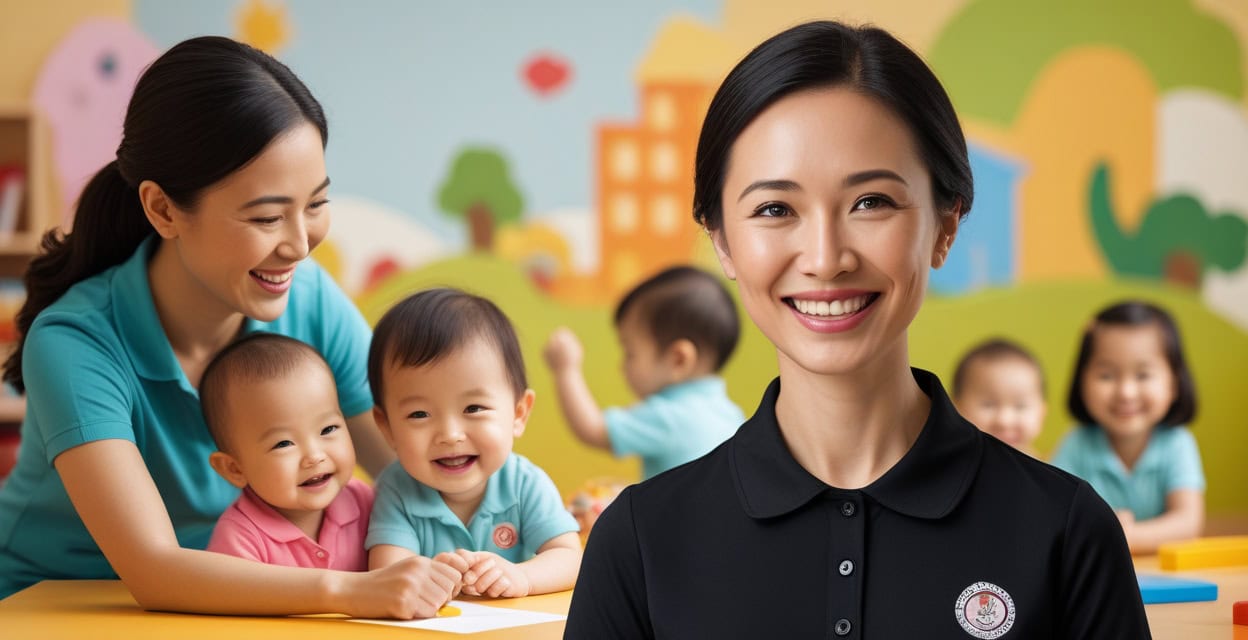
EduNanny is a covenant: soothe before we teach, sync before we stretch, keep the child’s dignity at the center, and turn the ordinary minute into a dependable bridge. We believe a nation’s future is shaped by the posture of its adults around a child—shoulders lowered, hands ready, eyes kind, voice steady. This posture births trust, nurtures curiosity, and roots resilience in early life.
If you remember one sentence tonight, let it be: small circles change big futures.
For details, enrolment, or to join us as a trained childminder, visit EduNanny.com or Childminding.EduNanny.com. For families, we stand ready—centre-based, home-based, or at a distance—to hold your mornings and your hopes with the excellence your child deserves.
Thank you for allowing us to kneel beside your beginnings. May our shared care make Singapore a place where every baby feels safe to look up, reach out, and discover the world waiting gently at eye level.
SEO keywords: [#keyword1, #keyword2, #keyword3, #keyword4, #keyword5]
Ready to Experience Excellence?
Transform Your Family’s Journey
Discover Singapore’s leading infant care and childminding services. Expert guidance for your little one’s first thousand days.