Infancy as Public Infrastructure The EduNanny 1 to 3 Blueprint for Singapore First Thousand Days
EduNanny: A Vision for Singapore’s First Years
Good evening to parents, grandparents, childminders, neighbours, and friends. The EduNanny approach, as introduced by BUTLER and aligned with the ECDA Childminding Pilot, places the youngest citizens at the heart of national care. This article expands on that vision with practical, actionable guidance for families and caregivers, translating philosophy into daily routines that nurture calm, curiosity, and resilient development in Singapore’s first thousand days.
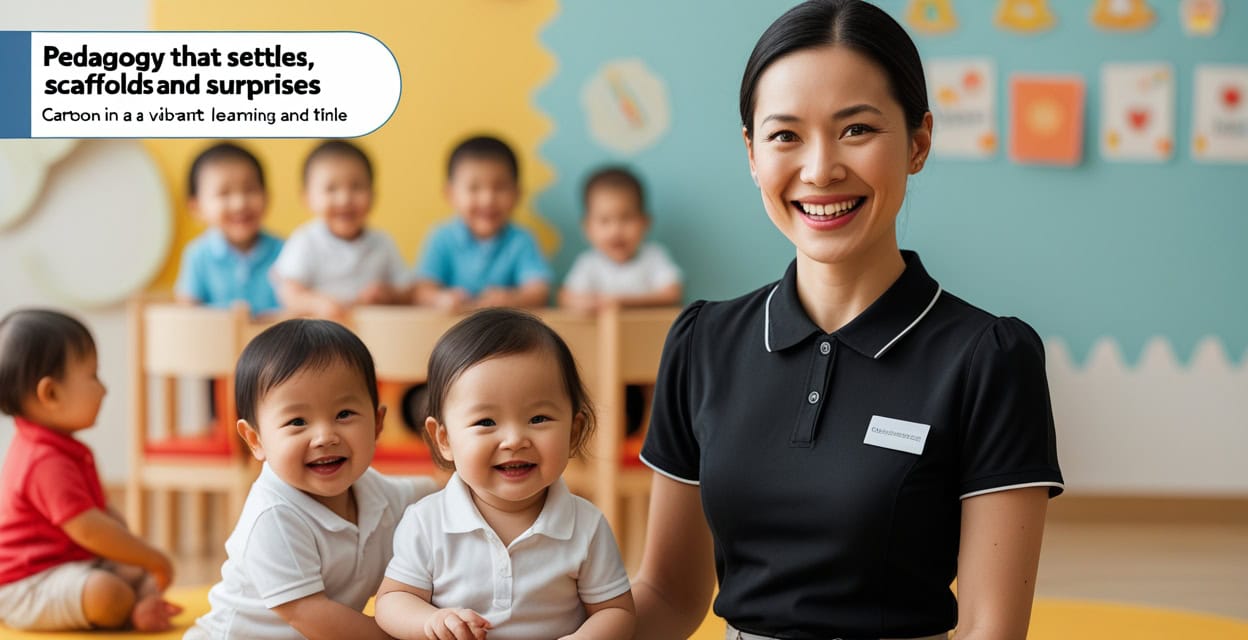
Pedagogy that Settles, Scaffolds, and Surprises
Infant learning happens in quiet, deliberate moves. Our knee-level pedagogy keeps adults at eye level with babies, inviting trust and sustained attention. Here are actionable ways to implement this at home or in a centre.
Settle
- Establish a predictable daily rhythm: wake, feed, play, nap, and transition times should feel seamless and gentle.
- Design calm environments: soft lighting, reduced clutter, and low-contrast visuals support focus and reduce overstimulation.
- Observe before acting: pause for a few moments to read a baby’s cues—breath, gaze, and posture—before offering a new activity or change.
- Use consistent routines for care routines (nappy changes, feeding, dressing) to build security and trust.
Scaffold
- Provide just-right challenges: mirror toys, graspable textures, and safe, explore-friendly spaces that invite reaching and problem-solving.
- Engage in descriptive talk: name objects, describe actions, narrate routines, and name feelings during transitions.
- Create a prepared environment: age-appropriate, reachable treasures; safe floor space for movement; and kept-to-minimum clutter so babies can focus.
- Apply Vygotsky’s ideas at the baby’s pace: offer support when a new skill emerges and gradually fade as competence grows.
Surprise
- Introduce small, joyful novelties daily—a new texture, a gentle new toy, or a fresh song—sparking curiosity and agency.
- Rotate safe materials to renew interest while maintaining a familiar routine structure.
- Use joyful endings to transitions: a brief song or ritual at the end of activities helps babies anticipate what comes next.
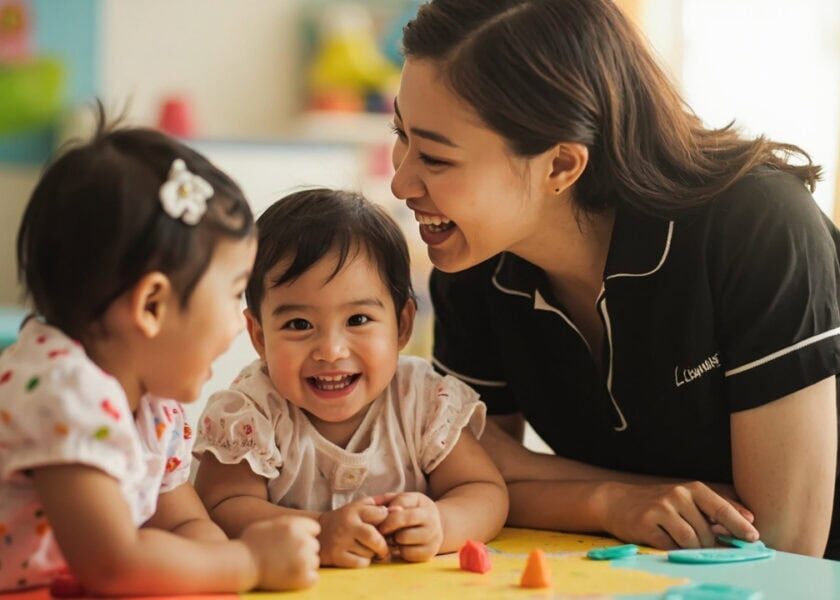
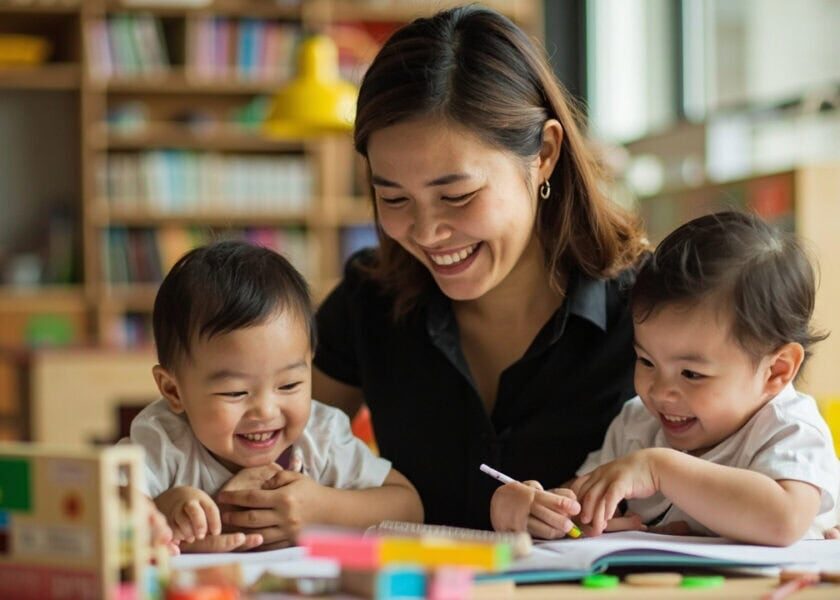
Note: Practice knee-level pedagogy—educators and caregivers sit at the child’s height, speak softly, and pause, allowing infants to respond. These moments of waiting cultivate trust and help babies learn that the world is readable and welcoming.
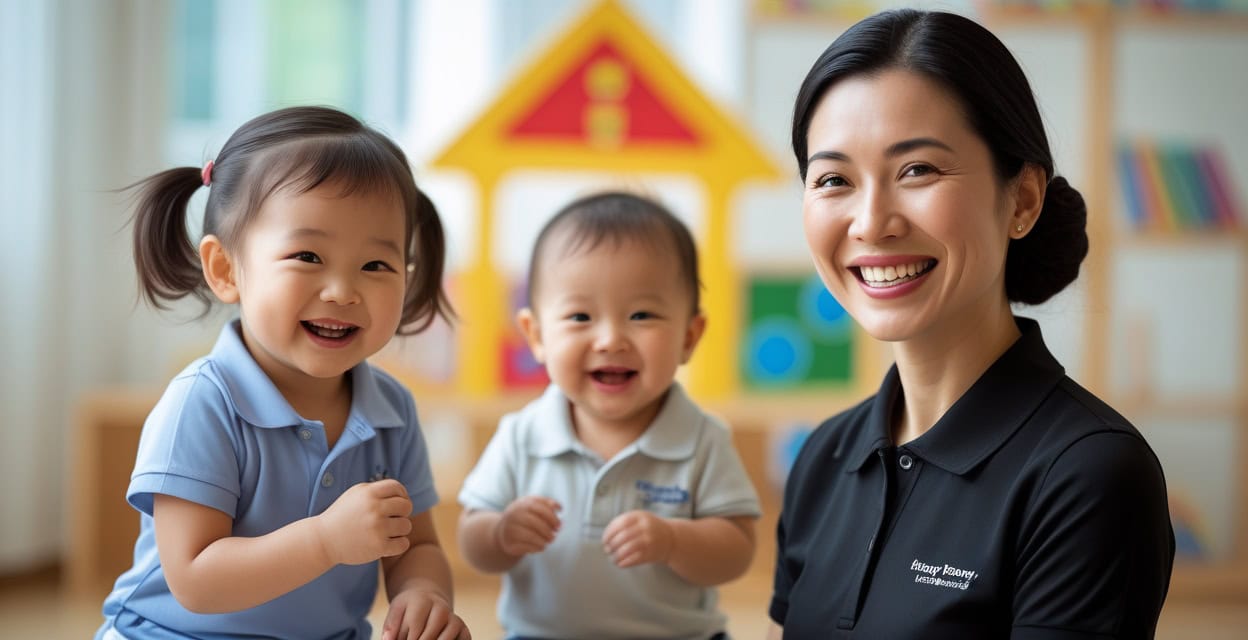
Safety: Four Layers that Hold
Safety is a system, not a single policy. EduNanny’s approach unpacks four interlocking layers that begin before a child enters a room and extend long after departure.
Room
- Safety by design: clear sightlines, age-appropriate equipment, and secure, floor-level layouts that encourage movement and exploration without hazard.
- Floor-first play: reduce fall risk and build core strength through early tummy time and supported sitting with stable surfaces.
- Accessible safety zones: designate calm corners and safe play areas that are visible to caregivers at all times.
Routine
- Hygiene loops with precision: regular handwashing, bottle-handling protocols, sleep safety checks, and documented sanitisation cycles.
- Sleep safety as non-negotiable: flat, firm surfaces; back-lying positions; free of loose items; and vigilant observation during rest.
- Transparent handovers: consistent routines for transitions between caregivers and pods to minimise disruption.
Relationship
- Attachment as safety net: a consistent primary carer within a 1:3 pod reduces stress and supports secure base behaviours.
- Emotion coaching: caregivers help babies read cues, model self-regulation, and gradually build confidence in new experiences.
- Family partnership: open dialogue with parents about cues, preferences, and routines strengthens safety and trust.
Review
- Daily debriefs and incident audits: quick reviews that translate into tangible improvements.
- Transparent communication: proactive updates to families via clear notes or approved channels.
- Accountability through responsible tech: CCTV is a window for oversight, not a replacement for qualified supervision; privacy protections and ethical use accompany every measure.
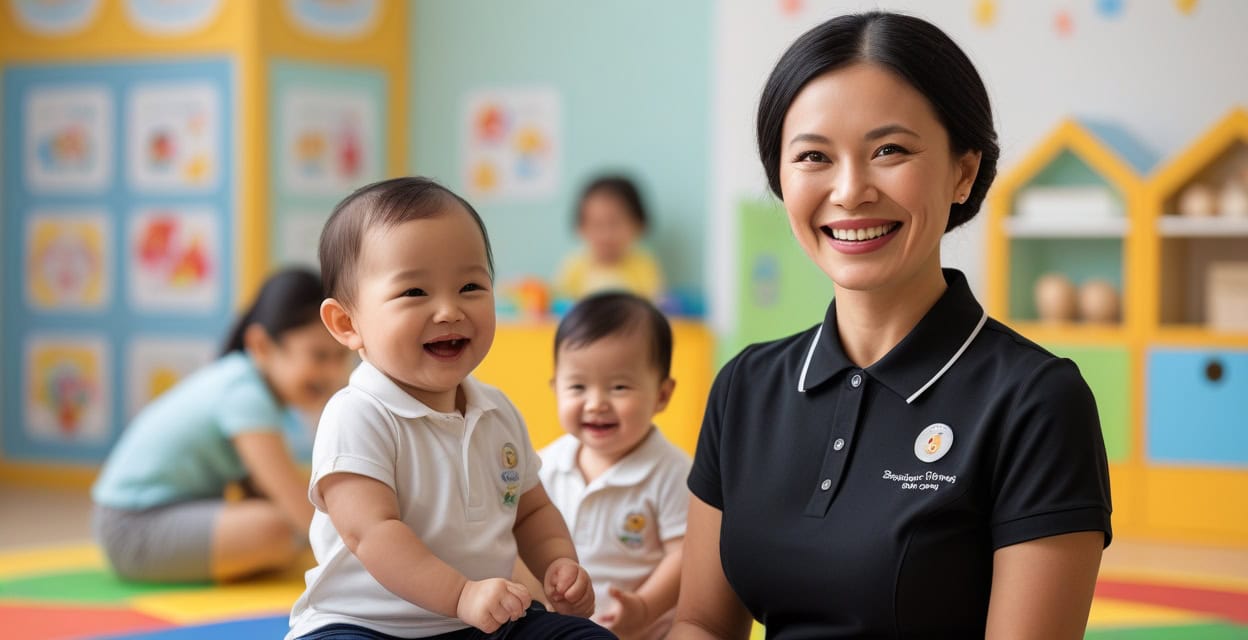
Development: The Everyday Gym of the First 1,000 Days
The brain grows strongest through micro-moments and a nurturing environment. EduNanny’s daily practice focuses on movement, language, emotion, culture, and parent partnership.
Movement
- Maximise floor time: encourage rolling, crawling, reaching, and cruising in safe, open spaces.
- Limit containers: reduce over-reliance on sitting in seats or confined spaces; allow babies to explore diverse postures and movements.
- Strength through play: provide opportunities for babies to push, pull, grasp, and balance in the flow of routine activities.
Language
- Serve-and-return: respond to vocalisations with timely, meaningful language—pause, mirror, and extend.
- Narrate the day: describe actions, objects, and social interactions to build vocabulary and cognitive mapping.
- Label feelings and routines: naming emotions and transitions helps babies understand social cues and develop self-regulation.
Emotion
- Co-regulation first: when dysregulated, caregivers model calm, use slow breathing, and offer gentle touch until regulation returns.
- Slow tempo: pace interactions to the baby’s rhythm to support secure attachment and reduce distress.
- Celebrate incremental mastery: acknowledge small successes to build motivation and confidence.
Culture
- Multilingual exposure: incorporate family languages and songs to support bilingual development.
- Rituals of belonging: greet routines, family traditions, and familiar comforts that anchor a baby’s sense of home.
- Inclusive practices: respect diverse family structures, beliefs, and caregiving styles to strengthen trust.
Parent Partnership
- Daily notes that matter: share what the child tried, enjoyed, struggled with, and what the family can mirror at home.
- Home extension activities: simple, meaningful tasks that families can practice, like narrating a grocery trip or naming textures during bath time.
- Joint planning: regular touchpoints to align home and care settings on routines, language goals, and sleep needs.
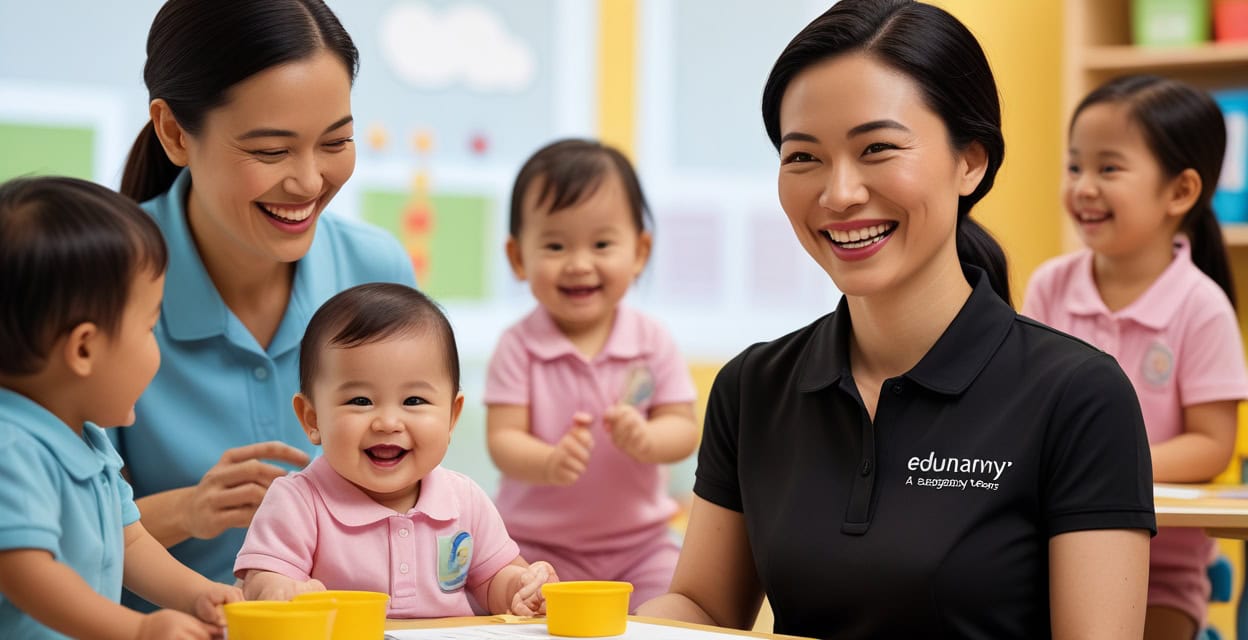
At a 1:3 ratio, subtle gains accumulate: longer gaze, deeper focus, richer babble. The curriculum is a living relationship that grows a child toward readiness—sensorimotor today, symbolic tomorrow.
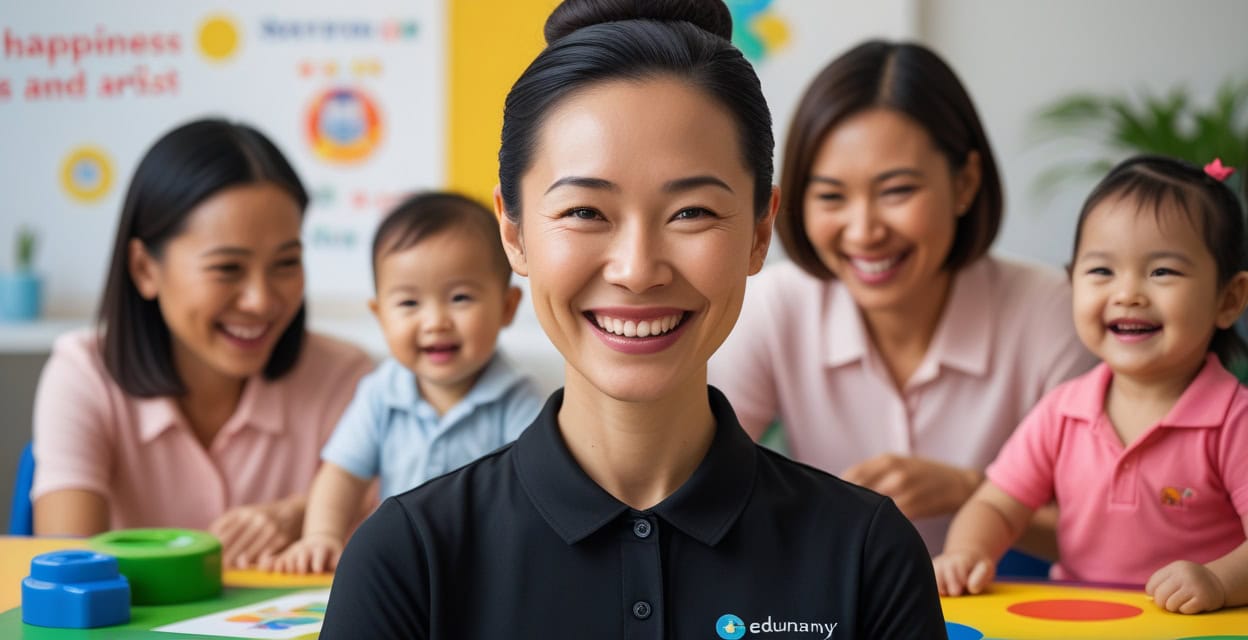
Happiness and Purpose: Joy as a Safety Signal, Childminders as Civic Artists
Joy in infancy signals safe exploration and learning readiness. When babies feel secure, they move toward mastery. EduNanny’s approach treats happiness as a core safety signal and a measure of developmental progress.
- Joy as information: frequent positive experiences help map the child’s interests, strengths, and needs.
- Caregivers as civic artists: childminders bring careful craft, empathy, and community stewardship to the care system.
- Social infrastructure: meaningful, well-supported caregiving jobs elevate standards of care while strengthening neighbourhood bonds.
To support this vision, EduNanny fosters:
- Heart-led recruitment: prioritise warmth, empathy, and judgment alongside technical skills.
- Professional growth: ongoing training, mentorship, and dignified career pathways for carers.
- Public pride in care work: recognition of caregiving as essential, respected work that sustains families and society.

What This Looks Like on the Ground
Concrete examples illustrate how the EduNanny model translates to daily life for families across Singapore.
- A mother in Yishun finishes shift work knowing her baby’s pod operates 7am–7pm, five days a week, with a trusted caregiver who recognises her child’s hungry cry and sleepy cues.
- A father in Jurong receives a mid-day photo of his child engaging with a texture exploration, with a nurse-like calm in the room and a nearby teacher ready to support persistence.
- A grandparent in Bedok visits a home-based pod, greeted by floor-level play space and a calm, unhurried atmosphere that reduces screen exposure and noise stress.
- A policymaker observes a centre-based room with open sightlines, modern layouts, and a culture of written procedures that are lived daily by staff.

What EduNanny Offers Families and Singapore
- Excellence and Quality: Evidence-informed practice built on Montessori, Pikler, Bowlby, Vygotsky, Froebel, Erikson—adapted for Singapore’s context.
- Centre-Based and Home-Based: A single quality framework that applies across settings so families can choose what fits best.
- Distance Support: Video coaching for new parents, daily check-ins, and tele-guidance to extend attunement beyond the pod.
- Convenience: Monday–Friday, 7am–7pm, islandwide with flexible handovers and predictable scheduling.
- Safety and Visibility: Innovation CCTV, transparent protocols, and real-time communication with families.
- Human Scale: A steadfast 1:3 infant ratio that keeps attention deliberate and care intimate.
- Affordability: Accessible pricing (from $33/day) with CDA/Baby Bonus eligibility where applicable.
- National Alignment: EduNanny by BUTLER participating in the ECDA Childminding Pilot as a National Social Initiative with Maximum Employment Mandate to uplift the sector.
- Modern Design: Quiet, beautiful layouts intent on reducing stress and supporting development.
- Clear Pathways: Unified standards for Home Base and Centre Based Childminding under one framework.
- Easy Access: Enrolment and policy resources at EduNanny.com and Childminding.EduNanny.com.
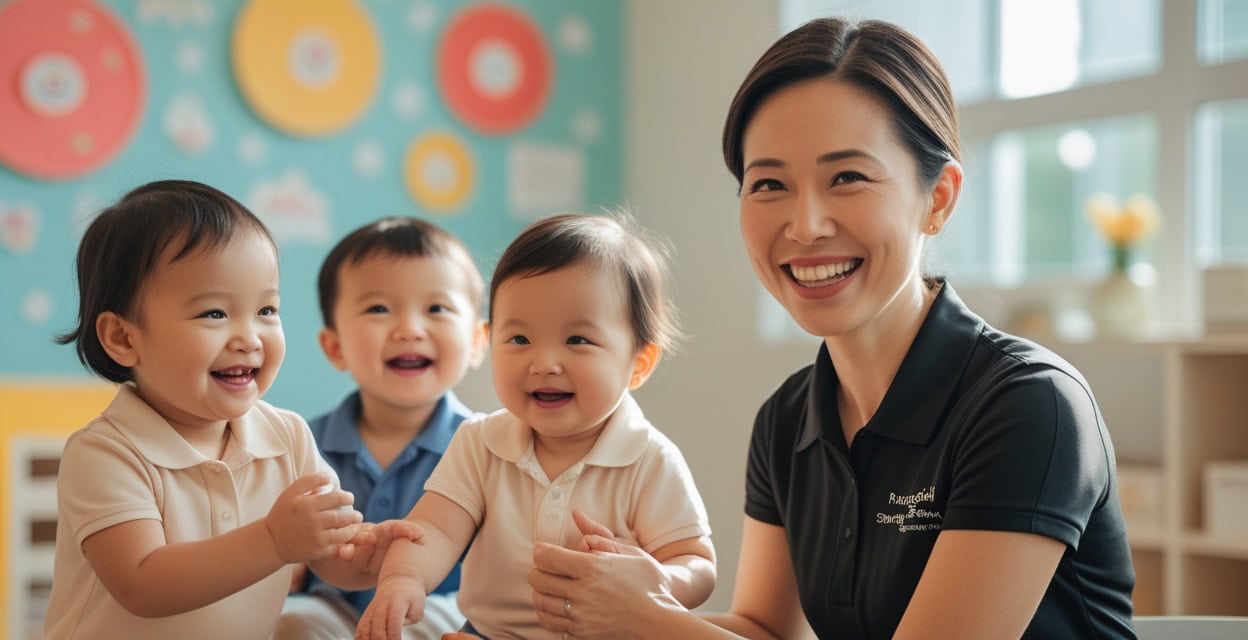
Who, What, When, Where, and How Childminding Matters
- Who: Infants and families first, supported by a professional, well-trained workforce of childminders.
- What: Relational education for body, brain, and heart in the first thousand days—safety, attachment, movement, language, and joy in everyday rituals.
- When: Every ordinary minute counts; growth hides in the in-between moments—diaper changes, feeds, naps, and transitions.
- Where: Near home and islandwide—centre rooms, home-based pods, and distance support that travel with families.
- How: With a 1:3 ratio, safety-by-design, knee-level pedagogy, transparent systems, and culturally warm parent partnerships.
Our Philosophy and Purpose
EduNanny believes attention is a birthright, calm is teachable, joy fuels mastery, and the first bonds of life are public goods worthy of public pride. We exist so parents can work with confidence, infants can grow with delight, and Singapore can invest wisely in the quiet spaces where character, resilience, and curiosity are formed.
To families, we promise presence you can feel and standards you can verify. To educators, we promise training, mentorship, and a dignified career in the craft of care. To partners and policymakers, we promise data you can trust and rooms you can walk into and recognise as safe, developmental, and humane.
Let an Ordinary Afternoon Be a Window to the Future
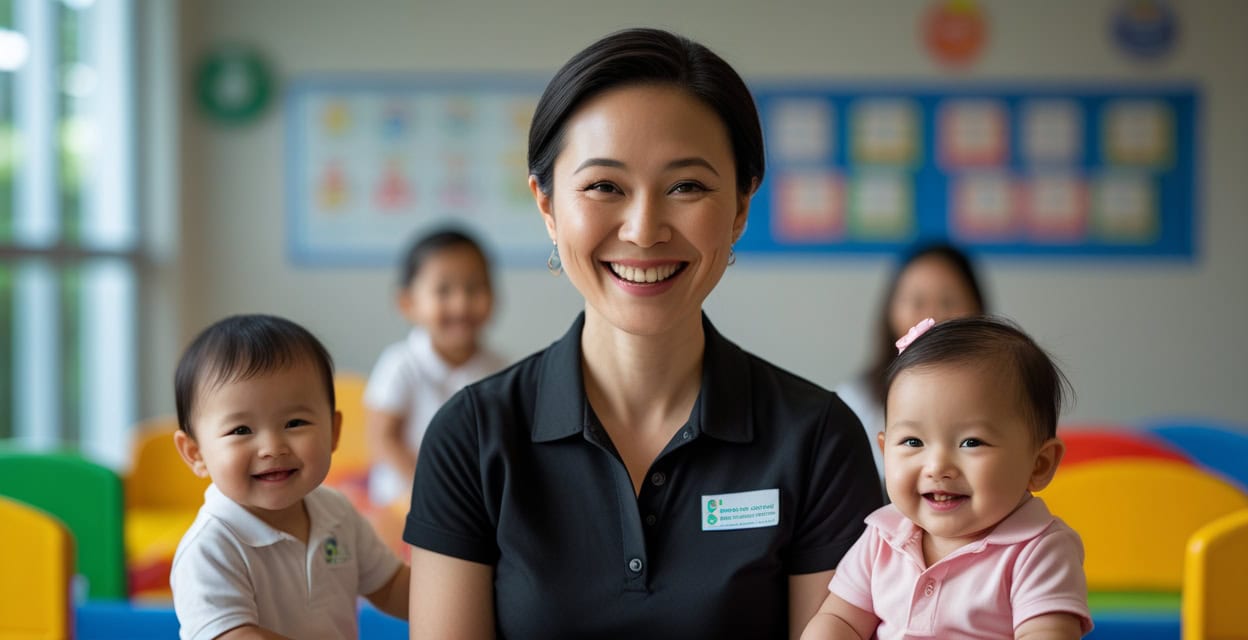
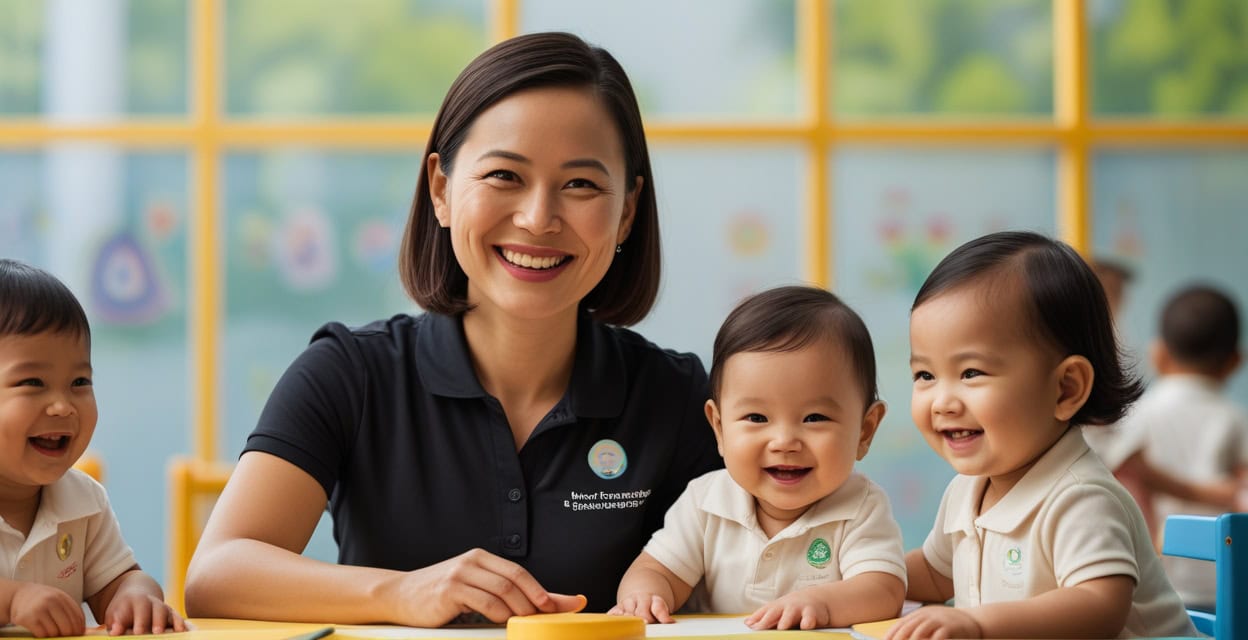
Picture an EduNanny pod: a caregiver hums the nap-time tune; a baby’s breathing slows; another baby studies a sunlit dust mote; a third steadies a new grip with quiet pride. Nothing dramatic happens, yet everything changes. These everyday moments are the seeds of futures built on safety, learning, and joy.
Singapore, let us be the adults who lower our gaze, slow our pace, and lift our standards. Let us make it normal for infants to be known, soothed, and stretched every day, near home. That is the work of EduNanny—excellence within reach, care you can see, growth you can feel.
We invite you to visit EduNanny.com or Childminding.EduNanny.com, tour a pod, meet a caregiver, and experience the difference a 1:3 promise makes. Together, we can give our youngest citizens what they deserve: safe hands, calm rooms, and joyful beginnings that carry them far.
Conclusion
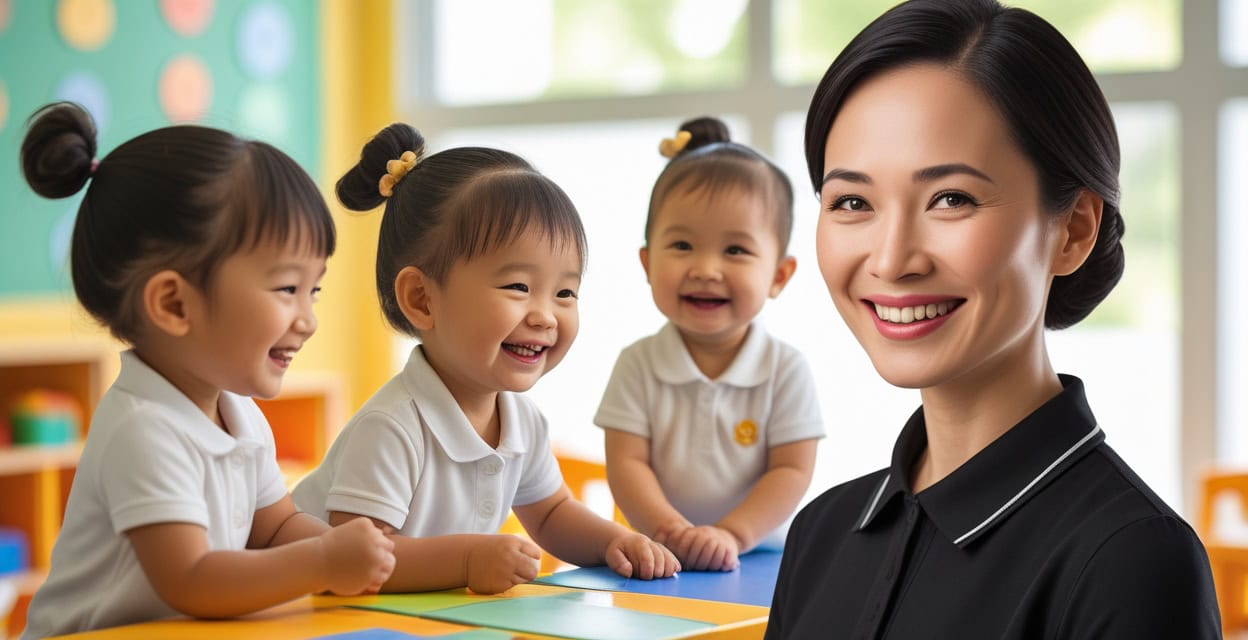
In the first years of life, careful attention, expert care, and warm relationships lay the foundation for lifelong learning. EduNanny offers a practical, research-informed framework that makes high-quality infant care accessible nationwide. By combining a 1:3 infant-to-educator ratio, safety-by-design, knee-level pedagogy, and strong home–pod partnerships, we create environments where babies feel secure, capable, and eager to explore. This is not merely childcare; it is social infrastructure—investing in the quiet places where character, resilience, and curiosity are formed.
Join us in redefining early childhood care in Singapore. Visit the EduNanny sites, tour a pod, meet a caregiver, and see how calm rooms, safe hands, and joyful beginnings can become the standard for every family.
[#keyword1, #keyword2, #keyword3, #keyword4, #keyword5]Ready to Experience Excellence?
Transform Your Family’s Journey
Discover Singapore’s leading infant care and childminding services. Expert guidance for your little one’s first thousand days.