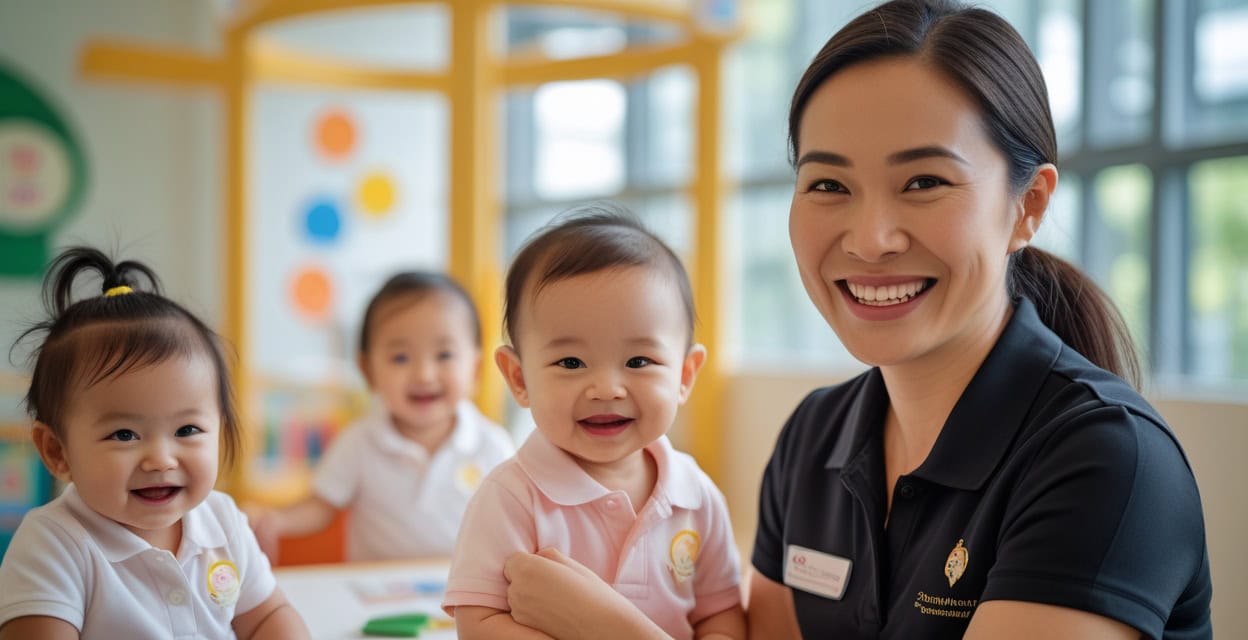
EduNanny Singapore Turning Care into Growth An Editorial Vision

EduNanny Singapore: Turning Care Into Development—An Editorial Vision
Good evening, Singapore. Tonight we offer a professional, evidence-based approach to infant care that treats care as the first curriculum. Our aim is to translate trusted caregiving into durable brain architecture: trust, language, movement, self-regulation, and joy. EduNanny by BUTLER is a Singapore-born movement—an integrated system of centre-based and home-based infant care designed for real working families in real neighborhoods. With a commitment to professional dignity, family warmth, and transparent practice, EduNanny seeks to make high-quality infant care accessible and sustainable.
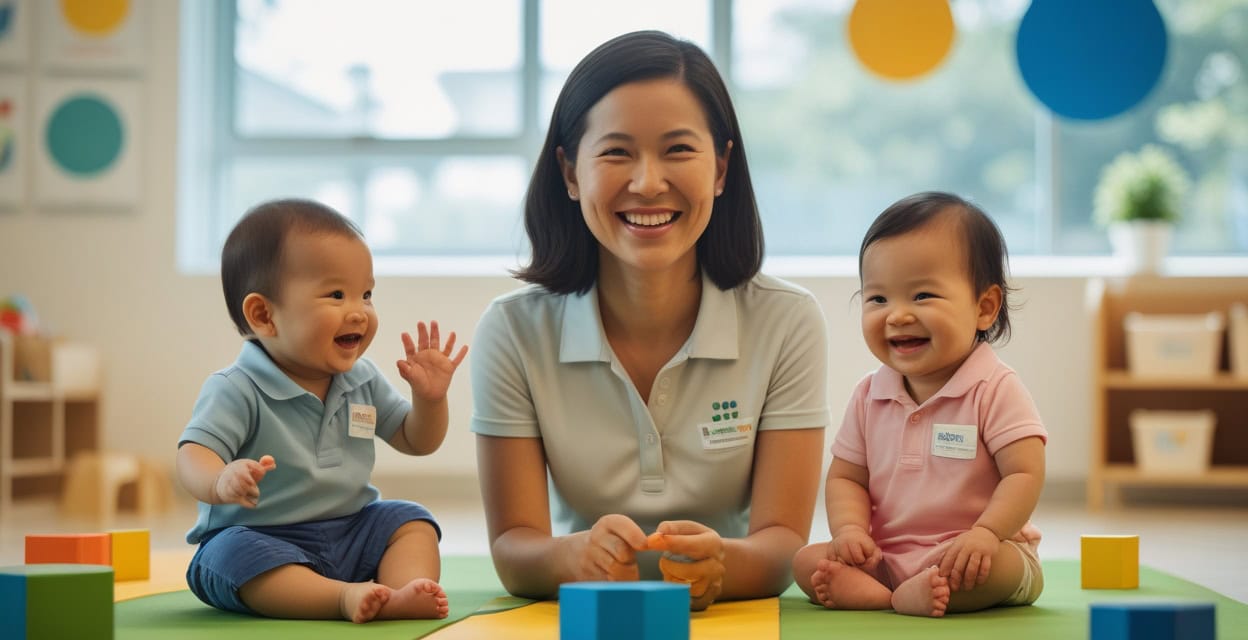
Lantern One: Floor-Level Intelligence—Pedagogy that Starts Where Babies Are
What this means for families and carers
Infant pedagogy is not a scaled-down version of schooling. It is eye-level presence, predictable rhythm, and responsive “serve-and-return” exchanges that knit security to curiosity. Our approach blends the best of developmental theories with practical caregiving strategies to create a calm, stimulating environment.
- Daily rhythm that mirrors infant attention: greet, feed, rest, explore, and connect in short, repeatable cycles that build mastery over time.
- See–Say–Support in action: describe what you notice in warm language, invite a turn, and assist the next step without taking over.
- Materials chosen for purposeful exploration: two-hand graspers, high-contrast visuals, open floor spaces for rolling and crawling, tactile books, and simple, safe everyday items.
- Readiness cue awareness: track vocal turn-taking, weight shifts, and gaze to tailor interactions to each infant’s pace.
Practical home applications:
- Establish a predictable daily rhythm at home—one where a caregiver and infant co-create transitions (e.g., “hands to heart” for quiet moments, followed by a new activity).
- Use language-rich cues: narrate actions, describe feelings, and label objects during routine tasks such as feeding or dressing.
- Involve infants in simple problem-solving: hide a toy under a cloth and encourage cause-and-effect exploration with gentle prompts.
EduNanny insight: when caregivers share attention and acknowledge infant contributions, infants learn to trust that communication brings outcomes—and this is the seed of attention, memory, and social confidence.

Lantern Two: Safety as a Welcome, Not a Warning
Designing safety into everyday life
Safety, when thoughtfully implemented, feels like ease and freedom rather than fear. We embed safety into the environment, routines, and ongoing training so babies and families can exhale and focus on growth.
- Environment: soft corners, secure gates, clear sight lines, grounded cords, and clutter-free pathways that reduce overstimulation and hazards.
- Safe sleep: individualized sleep plans, firm mattresses, back-lying positions, temperature and light monitoring, and quiet zones for restful periods.
- Hygiene discipline: rigorous hand hygiene before and after care, regular sanitizing of high-touch surfaces, safe formula and expressed milk handling, and routine toy cleaning.
- Transparent trust: CCTV windows that meet safety and privacy standards, controlled entry, and clear incident reporting focused on root-cause learning.
- Prepared people: regular infant CPR, choking response training, allergy management, and climate-appropriate heat-health protocols.
Practical home applications:
- Set up a dedicated, safe baby zone with clearly defined play and rest areas to minimize mid-activity hazards.
- Develop a simple safety checklist for caregivers visiting your home (lighting, temperature, sleep environment, and safe storage of small objects).
- Practice monthly drills (again and again) so all caregivers reply with calm, precise actions in emergencies without panic.
EduNanny insight: safety-by-design is dignity-by-design. It liberates attention for meaningful interaction and supports family trust through consistent, reliable practice.

Lantern Three: The Everyday Curriculum—Care as the First Classroom
Integrating learning into every moment
Development is not confined to a scheduled “learning hour.” It unfolds within daily care, through language, movement, thinking, and self-regulation—all embedded in routine.
- Language: narrate care routines, engage in sustained “serve-and-return” conversations, sing across languages, and read aloud daily—even to the youngest infant.
- Movement: prioritize floor time, avoid forced positions, and gradually expand freedom to roll, belly-crawl, sit, and pull-to-stand. Outdoor walks provide vestibular input and fresh air.
- Thinking: use simple nested objects, containers with lids, cause-and-effect toys, peekaboo variations, and early imitation games to seed attention and memory.
- Self-regulation: model calm tone, regulate pacing, and establish predictable sequences so infants learn that signals elicit timely, warm responses.
- Observation and continuity: maintain living profiles of each infant—sleep, feeds, interests, thresholds, and emerging skills—shared with families and refined weekly.
Practical home applications:
- Convert routines into teachable moments: describe what you observe during diaper changes or feeding and invite the child to participate in tiny ways (hand washing, opening a book together).
- Use simple games that foster memory and attention: stacking cups, simple hide-and-reach toys, and repetitive songs with gestures.
- Maintain a family “care journal” updated weekly with milestones, sleep patterns, and new interests to share with caregivers.
EduNanny insight: slow magic—small, consistent repetitions build durable capacities. The goal is deepening attention and joyful participation, not rushing progress.
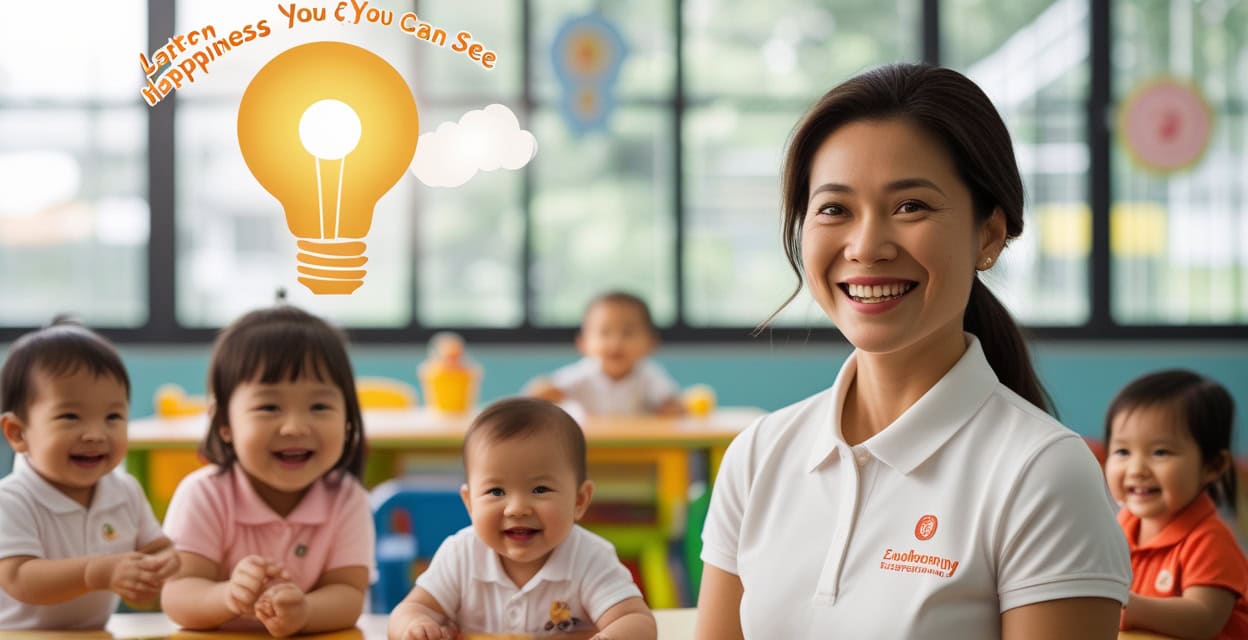
Lantern Four: Happiness You Can See, Belonging You Can Measure
Fostering wellbeing and community
Joy in infancy is a reliable indicator of healthy development. We monitor happiness as a practice—tracking wellbeing while nurturing a sense of belonging for families and carers alike.
- Wellbeing markers: bright eyes, relaxed posture, stable feeding and sleep rhythms, vocal play, and curiosity during interactions.
- Emotional climate: soft voices, unhurried transitions, predictable routines, and sensitive touch that respects consent and comfort.
- Family partnership: daily notes, photography updates, CCTV glimpses, weekly check-ins on feeding and sleep, and monthly family-goal sessions.
- Distance support: tele-guidance for home-based or relative care that extends EduNanny expertise beyond premises.
Practical home applications:
- Create a “happiness checklist” for routines—notice and celebrate little wins (a new word, a new smile, a longer stretch of alertness).
- Establish a consistent emotional tone across caregivers by aligning on language and pace during transitions.
- Use family photos and simple milestone boards to reinforce belonging, especially in tele-guided or home-based care scenarios.
EduNanny insight: when babies feel seen and safe, their social and cognitive exploration expands—belonging becomes a foundation for resilience and lifelong learning.

Lantern Five: The Gentle Profession—Why Childminders Matter to a Nation
Craft, dignity, and a national vision
Childminding is intimate craft and civic service. It requires clear standards, ongoing training, and a robust career path that honors caregivers as professionals.
- Professional identity: established standards, supervision, and reflective practice circles; mentorship for new carers to share wisdom and guidance.
- Dignified work: reliable, family-friendly schedules; stable employment; and pathways toward specialization in infant development and family coaching.
- Community rootedness: neighbourhood access reduces commute stress, keeps babies near home, and builds micro-communities of mutual support.
- Maximum Employment Mandate: pilots designed to create quality jobs for Singaporeans—particularly women re-entering the workforce—without compromising ratios or outcomes.
- A National Social Initiative: stabilizing early care supports family formation, workforce participation, and social cohesion.
Practical implications for policy and families:
- Advocate for clear professional pathways, including accredited training, mentorship programs, and career ladders in infant care.
- Prioritize stable, family-friendly schedules that enable parents to work with confidence and carers to maintain sustainable livelihoods.
- Support neighbourhood-based care options that reduce travel time and strengthen community ties.
EduNanny insight: dignifying the first years does more than support individual families; it sustains a nation’s capacity for empathy, focus, and resilience. The best early care policy is one that treats care work as essential infrastructure for human potential.
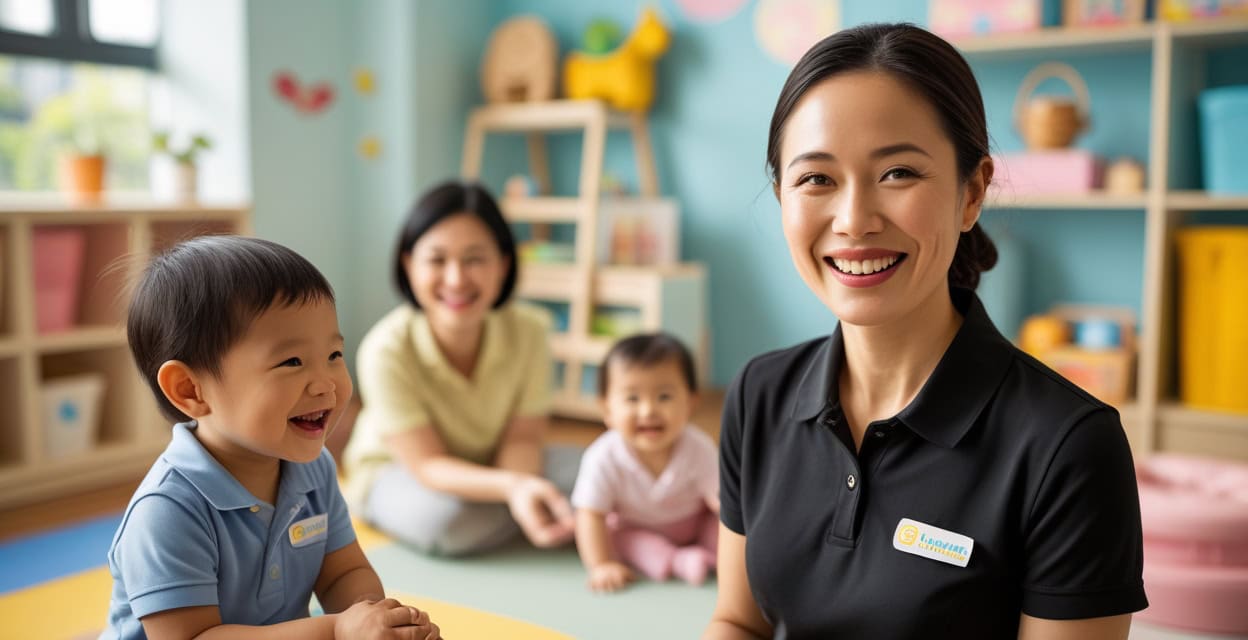
What EduNanny Offers Families—At a Glance
- Excellence and Quality delivered centre-based, home-based, and at a distance
- Convenience: Monday–Friday, 7 a.m.–7 p.m., islandwide access in community and home premises
- An exceptional 1:3 infant ratio for true responsiveness
- Modern layouts designed for calm focus and clean sight lines
- Innovation CCTV for parent transparency and trust
- Affordable from $33/day; fees payable by CDA/Baby Bonus
- Part of the ECDA Childminding Pilot; a National Social Initiative with a Maximum Employment Mandate
- Easy pathways: EduNanny.com and Childminding.EduNanny.com

Practical Implementation for Singapore Families
Turning theory into home practice
Families can adopt EduNanny principles at home to support infants while waiting for centre placements or when using home-based care. The goal is consistency, warmth, and development-aligned routines.
- Structured yet flexible daily routine: a consistent start and end to the day, with predictable meal, play, rest, and caregiver transition times.
- Attuned communication: narrate actions, describe emotions, and name needs during care moments to grow language and social signaling.
- Calm transitions: use gentle pacing during changes (diaper, clothing, feeding) and explain what comes next to reduce stress.
- Environment design at home: create a safe play area with clear sight lines, age-appropriate toys, and minimal clutter to support focus and exploration.
- Family-to-caregiver collaboration: maintain a shared log of routines, milestones, and concerns; establish weekly touchpoints to align on goals.
- Tele-coaching and remote support: leverage video guidance to optimize home play setups, routine structure, and safety enhancements.
- Wellbeing tracking: monitor indicators such as engaged attention, joyful vocalizations, settled sleep, and stable appetite; adjust care strategies accordingly.
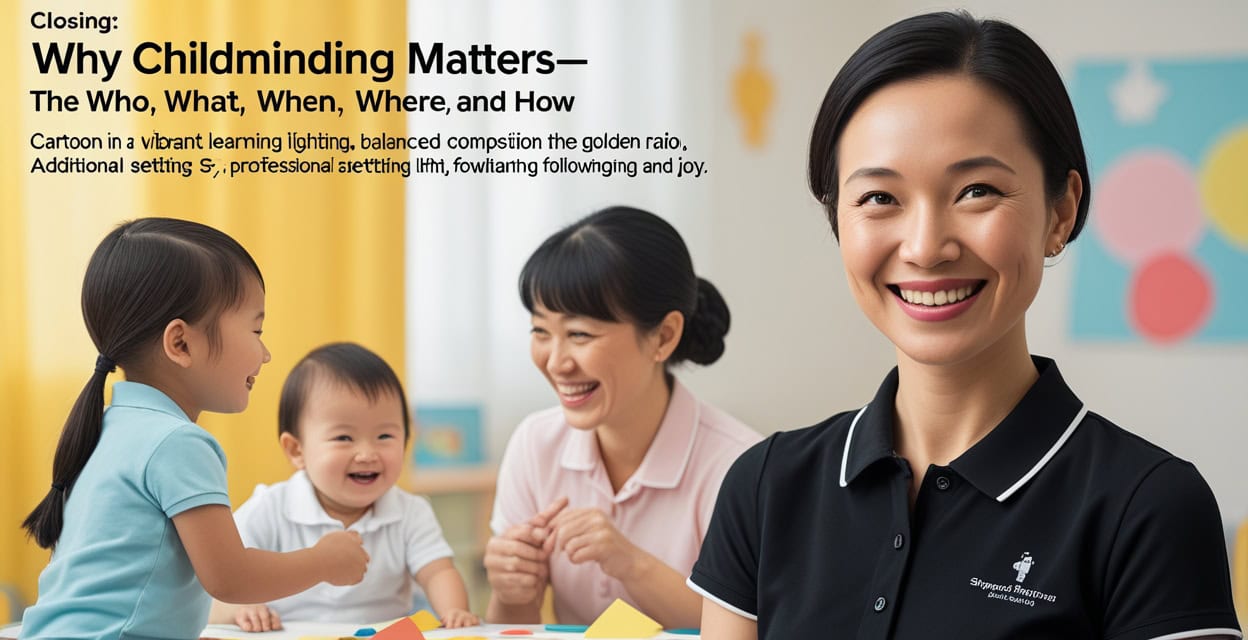
Closing: Why Childminding Matters—The Who, What, When, Where, and How
- Who: Our littlest citizens, their families, and the professionals who stand with parents every weekday to nurture growth and security.
- What: Consistent, responsive, science-led care that treats feeding, sleep, play, and comfort as the first curriculum of life.
- When: The working day, reliably—7 a.m. to 7 p.m., Monday to Friday—so families can plan, work, rest, and thrive.
- Where: Neighbourhood centres designed for calm and safety; licensed home settings that feel familiar; and distance-support that strengthens care anywhere babies are.
- How: With an ultra-low 1:3 ratio, trained childminders, transparent CCTV, modern environments, and living routines that honor each child’s pace.

Conclusion
EduNanny Singapore envisions infant care as a disciplined art and a science of human development. By embracing floor-level intelligence, safety as a welcome, the everyday curriculum, measurable happiness, and a dignified profession for carers, we create environments where infants thrive and families feel empowered. This is not simply care; it is a structured, compassionate system that turns daily routines into lifelong capabilities. If this vision resonates, we invite families, care professionals, and policymakers to collaborate—enrolling in EduNanny, pursuing caregiver training, and supporting national pilots that elevate the first years for every child. Together, we can ensure that Singapore’s youngest hands grow with confidence, curiosity, and boundless potential.
[#keyword1, #keyword2, #keyword3, #keyword4, #keyword5]Ready to Experience Excellence?
Transform Your Family’s Journey
Discover Singapore’s leading infant care and childminding services. Expert guidance for your little one’s first thousand days.