
EduNanny Singapore 1 to 3 Infant Care Revolution A Safe Joyful Development Under ECDA Pilot Dec 2024 to Dec 2027

Introduction: EduNanny Singapore—a new standard in infant care
EduNanny by BUTLER stands at the intersection of science, heart, and public purpose. Grounded in a simple conviction — presence is pedagogy, safety is love made visible, and trust is the curriculum — EduNanny introduces a national standard for infant minding in Singapore. As part of ECDA’s national Childminding Pilot (1 December 2024 to 31 December 2027), we invite families, caregivers, and partners to imagine mornings where calm, care, and curiosity shape every day. This article expands the themes of presence, safety, and development into practical, actionable guidance for parents navigating early childhood care.

The Pedagogy of Presence—what a 1:3 ratio unlocks
Key principles behind a 1:3 pod
- Attachment first: Drawing on Bowlby and Ainsworth, EduNanny models primary caregiving and consistent key person routines so infants develop a secure base.
- Freedom to move, freedom to grow: Inspired by Pikler and Montessori, infants experience unhurried motor development with floor-time play, low furnishings, and safe reachables to master movement.
- Language-rich minutes: Vocabulary-rich interactions, social turn-taking, and storytelling transform daily events into linguistic practice.
- Observation cycles: Daily micro-notes on cues, sleep patterns, feeding, and emerging skills guide tomorrow’s plan.
- Gentle routines: Predictable sequences—arrive, settle, play, feed, rest—tailored to each child’s signals and family preferences.
Practical daily schedule (example)
7:00–7:30 a.m. | Arrival and eye-level check-ins; settle with a calm routine.
7:30–8:30 a.m. | Sensorial exploration: soft textures, mirrors, and simple objects; floor-time play.
8:30–9:15 a.m. | Breakfast and language activities: naming foods, connecting actions to words, and gentle songs.
9:15–10:00 a.m. | Outdoor time or sensory-rich indoor play; caregiver narrates actions.
10:00–11:30 a.m. | Nap/quiet rest with individual sleep cues respected.
11:30 a.m.–12:30 p.m. | Solids or breastfeeding/formula feeding; social interaction and simple self-help tasks.
12:30–2:00 p.m. | Structured play: problem-solving, basic music, and reciprocal play with peers (where appropriate).
2:00–3:30 p.m. | Snack, language games, and reflective conversations about feelings and transitions.
3:30–5:00 p.m. | Free exploration, art, or movement activities; two‑way handovers begin.
5:00–7:00 p.m. | Settling routines, light meals, and departure preparations.
Tips for parents
- Observe how the caregiver responds to a child’s signals during transitions; note whether routines are flexible yet predictable.
- Ask to see example micro-notes and how plans adapt when a child shows new skills or changing sleep patterns.
- Bring a simple family routine card to align daily rhythms between home and pod (feeding windows, sleep cues, and preferred comfort items).
- Encourage childminders to narrate the child’s day to you in plain language during handovers.

Safety as a system—an architecture you can trust
Safety architecture that is visible, verifiable, and humane
- Ultra low density and vigilance: Maximum three infants per childminder to ensure constant supervision and infection control.
- Certified caregivers: Mandatory infant first aid, basic infant care, and food hygiene training; ECDA background checks plus ongoing competency assessments.
- Environment by design: Child-safe layouts, hazard mapping, safe-sleep spaces, daily sanitation checklists, and strict milk-handling protocols.
- Privacy-preserving CCTV with transparency: CCTV in community spaces; opt‑in, caregiving-area‑only CCTV in home pods with secure access and consent.
- Health protection: No Sick Child Policy during care hours; guidance on exclusion periods and return-to-care aligned with public health advice; clear medicine administration protocols when needed.
- Incident clarity: Clear agreements, escalation paths, and prompt reporting to address concerns quickly and fairly.
Home-based vs centre-based safety considerations
- Centre-based pods offer standardized layouts, professional supervision, and built-in safeguards; convenient for families seeking predictable hours and formalised settings.
- Home-based pods provide intimate care in a familiar environment with opt-in privacy features; ensure a well-defined safety plan, clear household access controls, and regular safety drills.
What to expect during visits
- Observe the cleanliness of the space, availability of safe sleep areas, and how the caregiver communicates with children.
- Ask about daily health checks, food hygiene practices, and how fever or illness is managed in the pod.
- Request a sample daily log to understand how information is captured and shared with families.

Development and happiness—how we know infants are thriving
Measurable joy and development indicators
- Developmental touchpoints: Gentle tracking across motor, language, social, and self-regulation domains—used to inform supportive interventions, not labels.
- Content and connected index: Cue reading, affect balance, smoother transitions, and quicker recovery after upset signal positive momentum.
- Sensory diet, not overload: Balanced exposure to light, textures, and sound; outdoor time where feasible; protection of deep sleep windows.
- Two-way handovers: Morning intentions and evening reflections ensure alignment between home and pod care; practical tips for parents to try at home.
- Respectful care rituals: Slow diaper changes, unhurried feeds, and eye contact that reinforce trust and bonding.
Practical examples for parents
- Keep a simple “today I noticed” journal for your child’s caregiver to reference, noting new words, favorite activities, or signals of readiness for another challenge (e.g., standing with support, a new food texture).
- Use home-pod handovers to discuss any changes in routines (e.g., a later nap or a new word the child is learning) so the day remains seamless for the child.
- Encourage caregivers to model self-regulation techniques during upset moments (breathing cues, brief quiet times) and share these strategies with you.

The purpose and profession of the childminder
High-quality childminding as public mission
- CertifiedEduNanny professionals: Vetted, trained, coached, and recognized for their critical role in early development.
- A national social initiative: The ECDA Pilot expands access to quality infant care while creating dignified, flexible work for caregivers. The Maximum Employment Mandate underlines a commitment to training and deploying more qualified childminders without compromising standards.
- Career pathways: Progression from childminder to lead childminder, mentor, or trainer—ensuring expertise is retained and valued.
- Community of practice: Regular reflective circles, safety drills, and pedagogy refreshers keep skills sharp and spirits high.
Practical implications for families
- Ask about the childminder’s training plan and ongoing professional development schedule when touring a centre or pod.
- Inquire how mentors or lead carers support new staff and how feedback is shared with families.
- Look for a demonstrated culture of continuous improvement—records of safety drills, updates to routines, and updated care plans.

Family partnership, proximity, and price—care that fits real life
Location, accessibility, and community
- Near to home: Choose pods thoughtfully located for distance, convenience, and social proximity to your community.
- Centre-based and home-based options: A mix that suits family preferences, from a structured environment to a more intimate home setting.
Flexible scheduling and affordability
- 7am–7pm Monday–Friday with half-day (5 hours) or full-day (10 hours) blocks.
- Fees subsidised under the ECDA Pilot: $16.50 half-day; $33.00 full-day (before GST), payable via CDA Baby Bonus during subsidised hours.
- Transparent pricing and straightforward billing to help families plan monthly budgets.
Transparency and technology
- Digital daily logs with clear, parent-friendly language; real-time reminders and updates.
- Concierge team accessibility: A single point of contact who can answer questions and troubleshoot scheduling issues by phone or message.

The EduNanny advantage—plainly stated
- Ultra Low Ratio 1:3 and ultra low density pods for vigilant, individualized care.
- CCTV provided in community premises; opt-in CCTV in home pods with consent and secure access.
- Certified and background-checked childminders, trained before deployment and supported by ongoing coaching.
- No Sick Child Policy to protect pods and routine integrity.
- National initiative under the ECDA Childminding Pilot (Dec 2024–Dec 2027).
- Centre-based and home-based options with island-wide coverage near-home.
- Affordable fees (before GST): $16.50 half-day; $33.00 full-day; subsidies via CDA Baby Bonus during subsidised hours.
- Monday–Friday, 7am–7pm with flexible blocks to fit real working lives.
- Modern layouts designed for infants and soothing caregiving zones.
- EduNanny by BUTLER—find us at EduNanny.com and Childminding.EduNanny.com.
- Maximum Employment Mandate to grow a capable, caring workforce.
- Commitment to safe, joyful, and dignified care for Singapore’s youngest citizens.
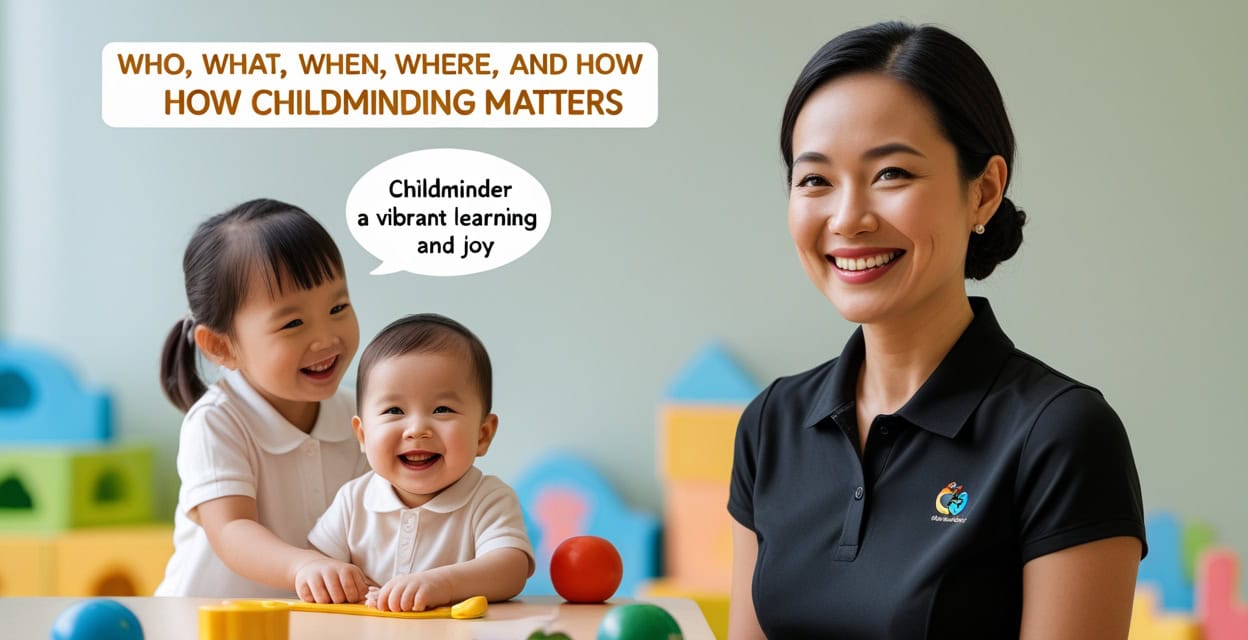
Who, what, when, where, and how childminding matters
- Who: Singapore Citizen infants aged 2–18 months and the families who nurture them.
- What: A 1:3 childminding model combining attachment-first caregiving with rigorous safety and evidence-based routines.
- When: Weekdays, 7am to 7pm, with flexible blocks to fit working life and family needs.
- Where: Calm, modern centre-based spaces and carefully prepared home-based settings across Singapore.
- How: Certified caregivers, ECDA oversight, background checks, training, opt‑in CCTV, and routines that turn everyday moments into developmental opportunities.

Why does it matter?
Because early relationships shape trust, exploration, and leadership. Safety enables curiosity. Proximity and affordability ensure families participate in the promise of a nation that values its youngest citizens.

Our philosophy and purpose
EduNanny cradle beginnings and strengthens families. We gift parents time and peace of mind, offer infants steady hands and attentive eyes, and help Singapore build an infrastructure of care that is humane, science-informed, and publicly accountable.
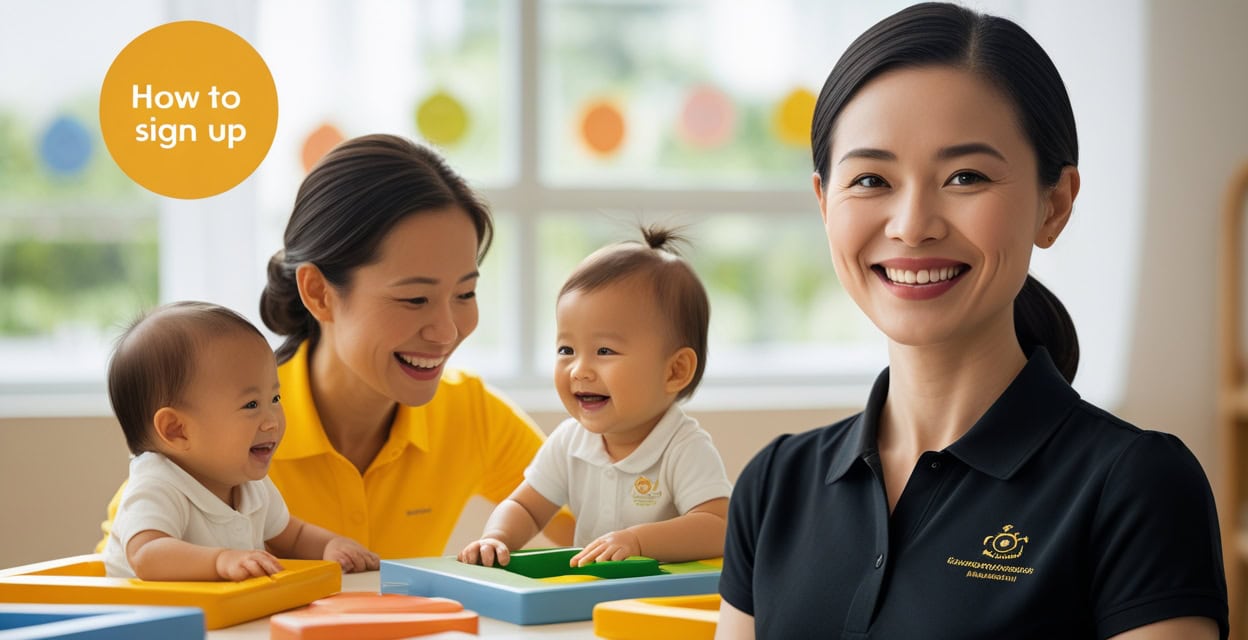
How to sign up
- Visit https://edunanny.com/edunanny-ecda-childminding-service/ and fill out the form, or enquire via WhatsApp.
- Receive a response from our EduNanny Concierge Team.
- Schedule a site visit (centre-based or home-based).
- Enrol and begin care on your chosen schedule.

In closing
If you believe, as we do, that small circles of care carry a nation’s hopes, join us. Let us build mornings that begin with calm, days that unfold with discovery, and evenings that end with confident goodbyes. For in the quiet of a well-held infant lies the loudest proof that a society keeps its promises.

Call to action
Join EduNanny today to experience the 1:3 care model, rigorous safety, and development-focused routines designed for Singapore’s youngest citizens. Sign up, schedule a tour, and begin a journey of peaceful mornings and thriving afternoons for your child.
Educational notes for parents: Remember to verify caregiver qualifications, request a sample day plan, review safety policies, and discuss how your family’s routines will be integrated into the EduNanny pod. Each family’s needs are unique; collaboration with your EduNanny team is essential to tailor care that respects your child’s pace and family values.
[#InfantCareSingapore, #1to3CareModel, #ECDAPilot, #CCTVinChildminding, #EarlyChildhoodDevelopment]