EduNanny and the Civic Promise for Singapore Early Years

EduNanny: A Civic Promise for Singapore’s Early Years
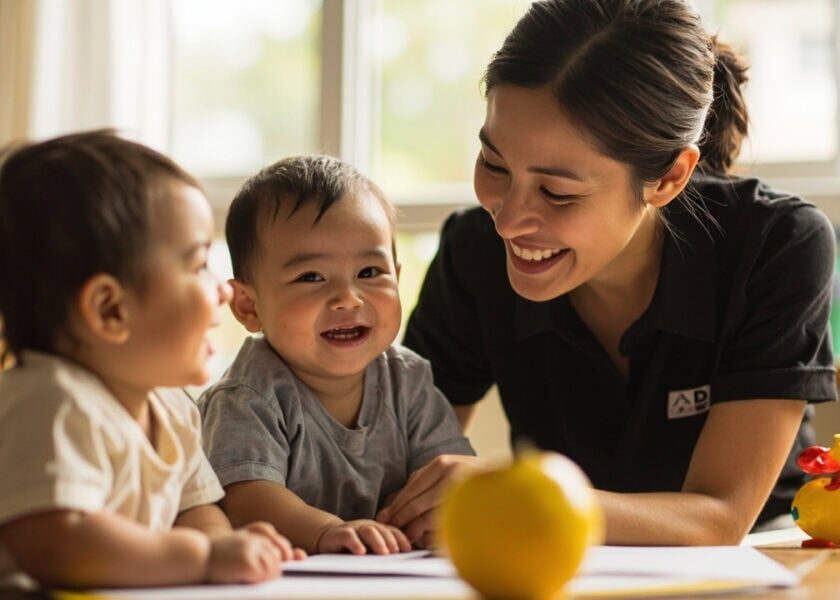
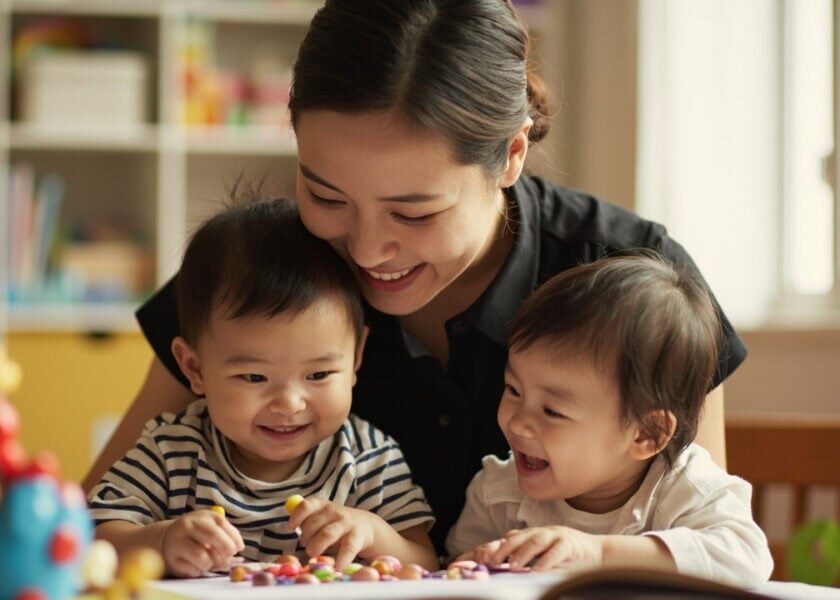
Ladies and gentlemen, parents and grandparents, caregivers and community partners—good evening. The first years of life are not a waiting room for “real learning.” They are the architecture of a lifetime. When safety, attachment, exploration, and family partnership are woven together with care, we set the compass for confidence, curiosity, and compassion. EduNanny is a Singapore‑born childminding movement that treats infant care as a civic promise—a universal service that supports families, strengthens communities, and honors the developmental science at the heart of early childhood. This article expands the vision into practical, actionable paths for parents, caregivers, and employers alike.
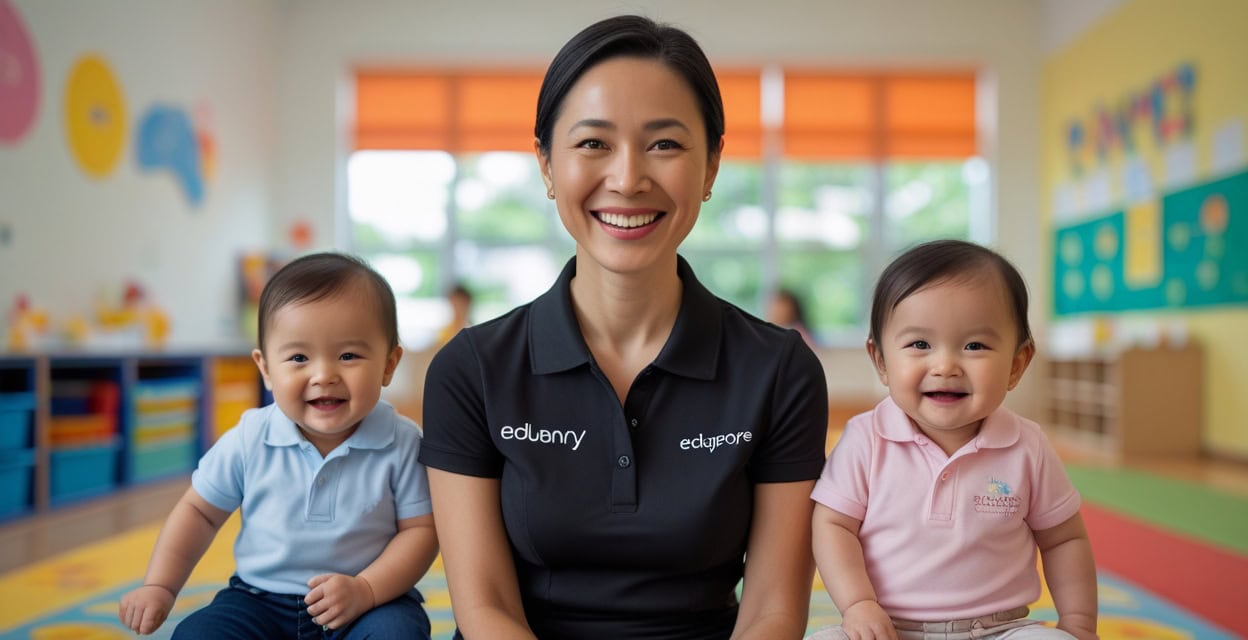
EduNanny, operated by BUTLER, participates in the ECDA Childminding Pilot as a national social initiative and advances a Maximum Employment Mandate—shaping meaningful jobs while strengthening family life. We are designed for excellence and access—affordable, reliable, and transparent care from Monday to Friday, 7 a.m. to 7 p.m., islandwide. With a 1:3 infant‑to‑educator ratio, modern spaces, optional innovation CCTV, and a pedagogy rooted in secure attachment, respectful care, purposeful play, and community, EduNanny is more than a service; it is a social infrastructure for the 21st century.
Below is an in‑depth, practical guide to EduNanny’s philosophy in action—complete with realistic examples, actionable steps for families, and insights drawn from our fieldwork and research in early childhood development.

The Five Pillars of EduNanny
First: Attachment as Architecture
Infants do not borrow trust; they build it with you brick by brick. Our 1:3 ratio is a developmental oxygen—critical for healthy growth. Continuity of care means each infant has a primary educator who knows their micro‑rhythms and cues: the exact moment they reach for the bottle, the soft pause before sleep, the tiny finger curl that signals readiness to try. Inspired by Bowlby, Pikler, and relational science, care moments become learning moments. We slow down routine tasks to create dialogue, eye contact, and co‑regulation. This is where language begins, self‑worth begins, and patience begins.
- Attachment‑informed day: Predictable routines with flexible timing to accommodate individual needs; “Yes spaces” that invite movement and exploration; gentle separations at morning handover and warm reunions at day’s end to build resilience.
- Practical implementation: Train educators to track each child’s micro‑rhythms in a simple, secure binder or digital log accessible to families with context for the day’s learning.
- What parents can do: Share your child’s cues at drop‑off, maintain a consistent goodbye ritual, and reinforce the day’s language at home (e.g., “We’re going to do tummy time now.”).
Second: Safety as a System, Not a Slogan
Safety is not a single checklist; it’s a living system with four layers: environment, practice, people, and visibility. A robust safety culture thrives when all four are aligned and continually improved.
- Environment: Modern layouts with clear sightlines, reachable storage for caregivers, anchored furniture, defined zones for feeding, sleeping, and exploration, plus hygiene protocols shaped by current evidence.
- Practice: Staff trained in infant CPR/first aid, safe sleep, risk assessment, and step‑by‑step routines that make safe behavior the easiest choice.
- People: Recruitment for warmth; ongoing coaching; reflective practice; regular development reviews to strengthen caregiver–child relationships.
- Visibility: Transparent partnerships with families through safe CCTV use, daily updates, and purposeful documentation aimed at improving care rather than overwhelming parents.
Safety is the scaffolding of joy. When families trust the floor beneath them, infants dare to reach higher in their development.
Third: Developmental Choreography—Learning Woven into Life
We believe learning emerges when care, play, and rest align with developmental stages. Our approach draws on Montessori respect for autonomy, Piaget’s exploration, and Vygotsky’s zone of proximal development: the curriculum arises from the child, not from worksheets.
- Movement: Ample floor time, tummy time, and safe climbing to build core strength and spatial awareness. Avoid premature seating or devices that restrict movement; every muscle is a pathway to the brain.
- Senses and attention: Gentle, open‑ended materials—natural textures, soft mirrors, simple musical elements—that invite curiosity without overstimulation.
- Language: Narration during care moments, emotion naming, and scaffolded bilingual exposure through songs, stories, and home phrases.
- Social joy: Tiny peer pods where the first rules of community—wait, watch, share, take turns—are learned through guided, playful interactions.
- Rest: Sleep as a learning partner; naps aligned to each infant’s cues, protected calm zones, and safe sleep practices that support memory consolidation.
Fourth: Happiness with Hinge Points—Care that Bends Toward Well‑Being
Infant happiness is not constant smiles; it is calm, curiosity, and comfort across transitions. We design hinge points to support the nervous system and foster mastery over change.
- Handover: Gentle arrivals with a short ritual—hang the bag, cuddle, a song, a wave. Predictability reduces separation anxiety and builds trust.
- Feeding: Responsive feeding—watching cues, avoiding force, honoring cultural preferences with safety as the guide.
- Play to rest: Consistent cues for transitions—lower lights, soft hum, two deep breaths—so the nervous system can shift smoothly.
- Reunion: A tidy pickup routine—diaper check, a brief recap, a familiar object—so parents receive a child and a story, not just a bag and a wave.
Happiness with dignity means the infant who feels seen becomes the child who can see others.
Fifth: The Public Purpose of Childminding
Childminding is not private luxury; it is public infrastructure. It unlocks parental employment, supports mental health, and knits neighbourhoods together. EduNanny’s model serves Singapore’s living patterns by providing flexible, near‑home options that still uphold developmental integrity.
- Near‑home choice: Centre‑based care for families seeking structured environments; home‑based care for intimate settings; distance support for transitions and continuity when life gets complicated.
- Islandwide access: Monday–Friday, 7 a.m.–7 p.m. availability to align with modern work schedules.
- Affordability and inclusion: Affordable from $33/day, with CDA/Baby Bonus options to ensure access is not tied to fortune or postcode.
- Jobs with dignity: A Maximum Employment Mandate to professionalize caregivers, offer career progression, and elevate the status of this essential work.
- Transparent partnership: Innovation CCTV and daily documentation empower families to participate in decisions, not merely observe.
The EduNanny Day, In Practice
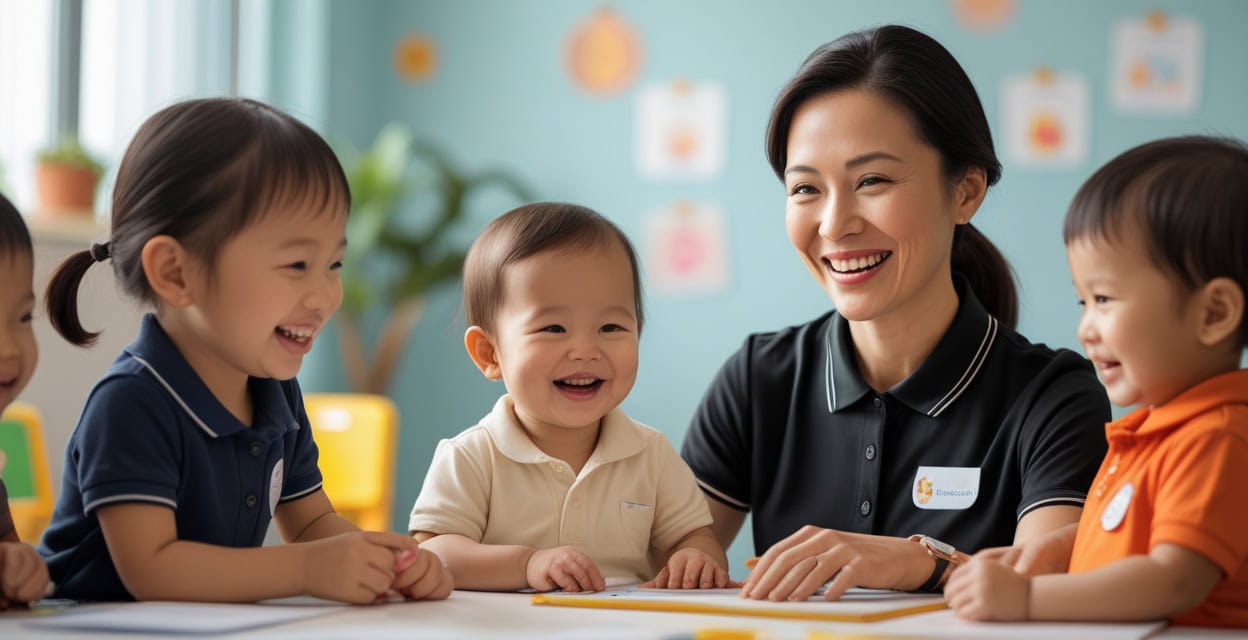
Picture a morning in a home‑based pod and a centre‑based pod alike. Both environments share a common language of care, safety, and development.
A typical home‑based pod might unfold as follows:
- The caregiver greets each child by name, with a quick health note from the parent, signaling readiness for the day.
- A short floor session of sensory play with scarves and soft instruments, followed by a story in two languages.
- A baby-friendly bottle offered responsively, a period of tummy time, then a supervised neighbourhood stroll with sun hats and songs.
- Lunch is unhurried; post‑lunch sleep comes easily as the environment remains calm and predictable.
- In the afternoon, a photo update and a two‑line parent message: “Kai rolled tummy to back twice today. We celebrated with a song!”
- Pickup includes a brief handover: what was observed, what will be supported tomorrow, and how home routines align.
A centre‑based pod scales this intimacy with clear sightlines, defined play zones, and dedicated quiet spaces to ensure restorative naps. The principle remains the same: a small group, a big heart.
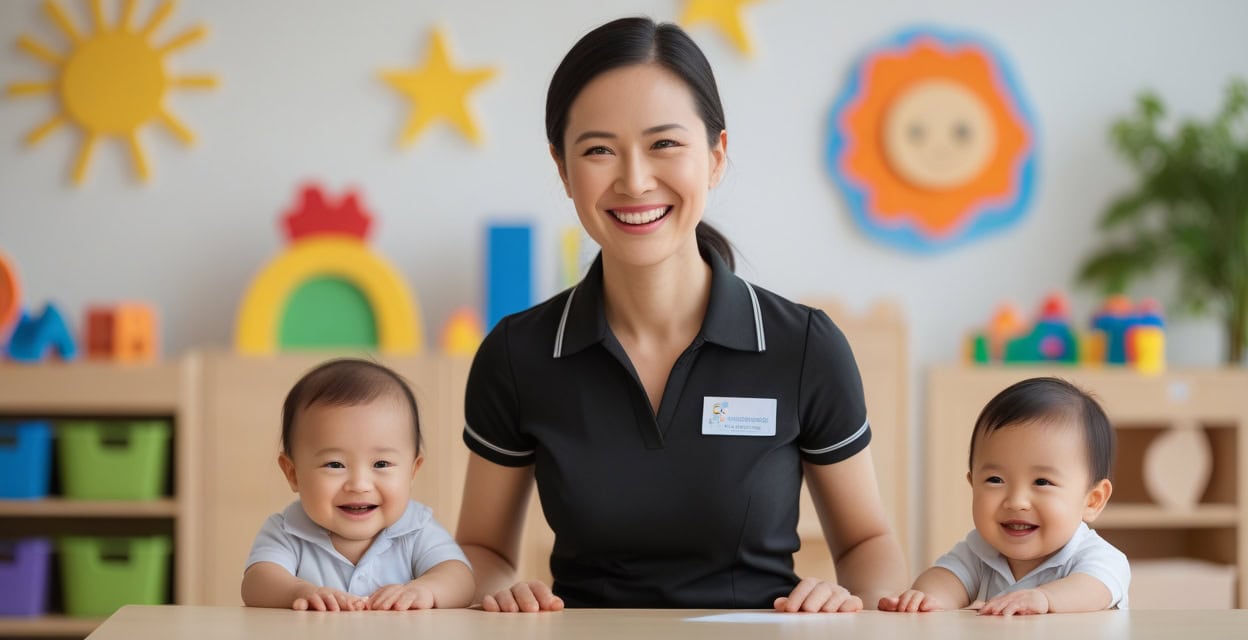
Practical Guidance for Parents: Choosing Quality Childminding
Key questions to ask when evaluating a program
- What is the infant‑to‑educator ratio, and how is continuity of care ensured across staff changes?
- What is the program’s approach to attachment, and how is co‑regulation practiced in daily routines?
- How are safety protocols monitored and updated (environment, practice, people, visibility)? Is there transparent reporting to families?
- How does the curriculum incorporate movement, language development, social skills, and rest?
- What is the process for handling feeding cues, sleep schedules, and family cultural preferences?
- What are the qualifications and ongoing professional development opportunities for caregivers?
- How is feedback from families collected and acted upon, and how are concerns escalated?
- Is there a clear plan for emergency situations, including responses to illness, weather, or other disruptions?
Observing a care environment
- Look for consistent routines and a calm, predictable atmosphere that respects infants’ need for both stimulation and quiet time.
- Notice whether caregivers engage in warm, responsive interactions—eye contact, name usage, and gentle co‑regulation during transitions.
- Assess safety features: clean, organized spaces; clear separation of zones; easy access to hygiene facilities; and safe sleep practices.
- Ask to review the daily documentation and talk with caregivers about how they tailor activities to individual developmental stages.
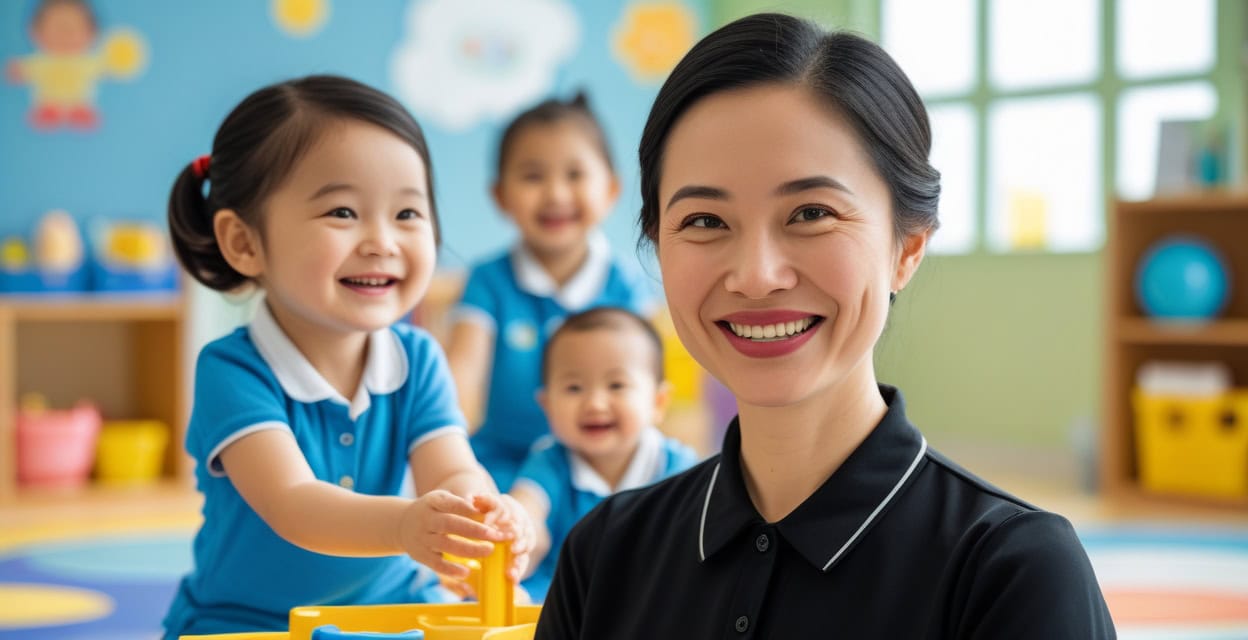
Safety, Quality, and Transparency: A Practical Framework
Safety is the foundation; quality is the daily practice; transparency turns care into a collaborative process with families.
- Accountability: Regular audits of safety practices; clear incident reporting and quick follow‑up on improvements.
- Documentation: Value‑driven updates that help families participate in decisions about their child’s learning path.
- Staff development: Ongoing coaching and reflective practice to ensure caregivers grow alongside the children.
- Community partnerships: Collaboration with healthcare providers, early intervention specialists, and family support services to address diverse needs.

Why Singapore Needs This Now
- Family needs: Busy work patterns demand care that is reliable, convenient, and high quality without sacrificing developmentally appropriate practices.
- Employer value: A stable care system supports workforce stability, productivity, and retention for a dynamic economy.
- Community resilience: Valuing caregivers and investing in professional development strengthens social cohesion and neighbourhood vitality.
- Infant outcomes: Consistent, attachment‑anchored early care supports language development, socio‑emotional skills, and lifelong well‑being.
EduNanny by BUTLER exists to meet these realities: to hold heart and system in balance, ensuring no family must choose between care and development.
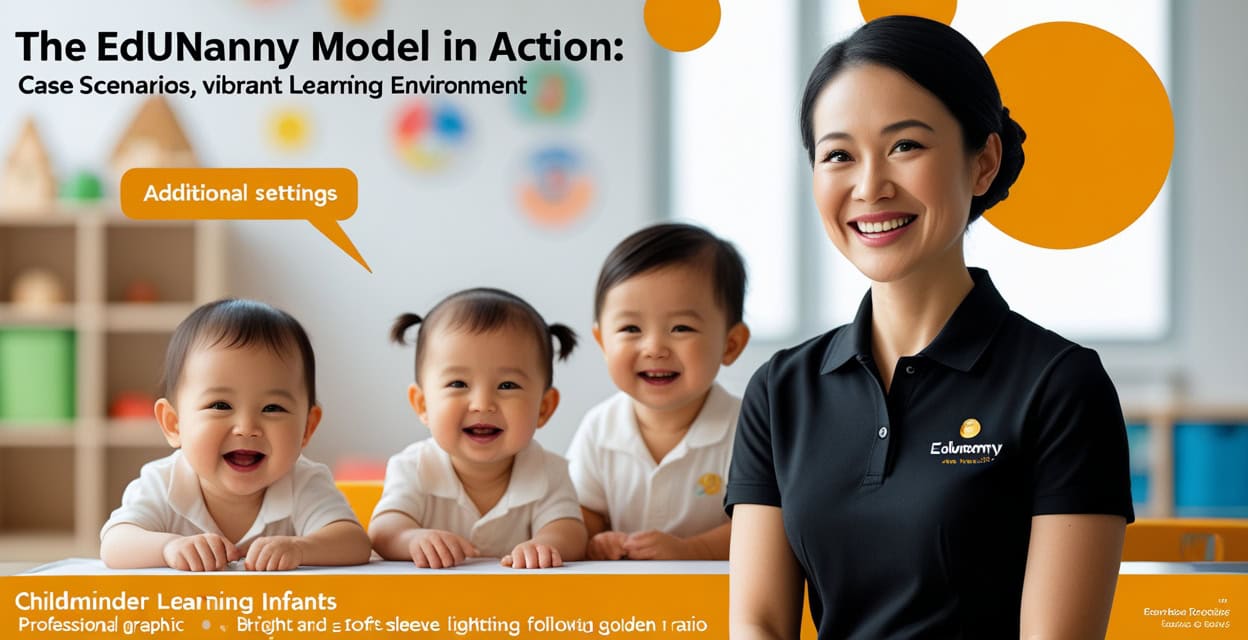
The EduNanny Model in Action: Case Scenarios
Consider two illustrative cases that reflect EduNanny’s principles in everyday life:
- Case A – Centre‑based pod: A group of three infants in a bright room with sightlines, a dedicated quiet corner, and a routine that weaves tummy time, language play, and a gentle singing routine into the day. The primary educator records a brief note each afternoon, highlighting a milestone (e.g., “emerging babble, two new sounds”) and a suggestion for home practice (e.g., “mirror work for facial expression awareness”).
- Case B – Home‑based pod: A caregiver builds a micro‑ecosystem around one family’s routines, translating home language and cultural practices into the care plan while maintaining consistent safety and documentation. Parents report increased confidence in leaving their child, because the caregiver communicates proactively and reflects home life in daily activities.
Both cases demonstrate how EduNanny’s approach translates into tangible benefits: stable relationships, predictable routines, and meaningful, caregiver‑led learning moments within safe, modern spaces.
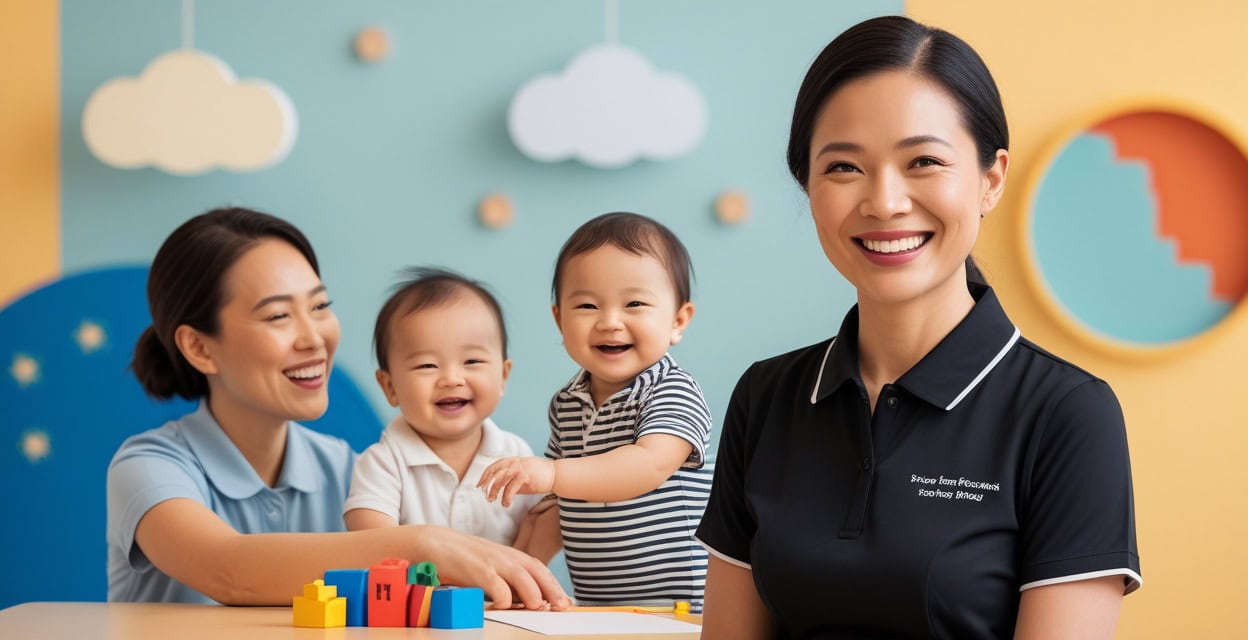
Conclusion: The Future of Early Care in Singapore
Education begins in the cradle — not in a classroom alone, but in every moment a caregiver sits with a child, narrates a moment, and knits a daily routine that respects a child’s pace. EduNanny offers a practical, scalable model that keeps heart and system in balance: secure attachments, rigorous safety, developmental choreography, hinge‑point happiness, and a public, shared purpose. We invite families, caregivers, employers, and communities to join us in building a robust, humane, forward‑looking early care ecosystem for Singapore.
If you are a parent seeking a calm, intelligent start for your child; a caregiver wishing to build a meaningful career; an employer ready to support working families; or a neighbour who believes in a city defined by how it treats its youngest, come learn more about EduNanny. Tour a centre, explore a home‑based pod, or speak with our team. See how small groups and big hearts can live together in one daily rhythm.
The future arrives quietly through secure bonds, trusted care, and everyday acts of care that shape a lifetime. This is EduNanny. This is Singapore at its most humane and forward‑looking. And this is your invitation to join us.
Thank you.
[#EduNanny, #SingaporeChildcare, #EarlyChildhoodDevelopment, #InfantCare, #AttachmentTheory]