
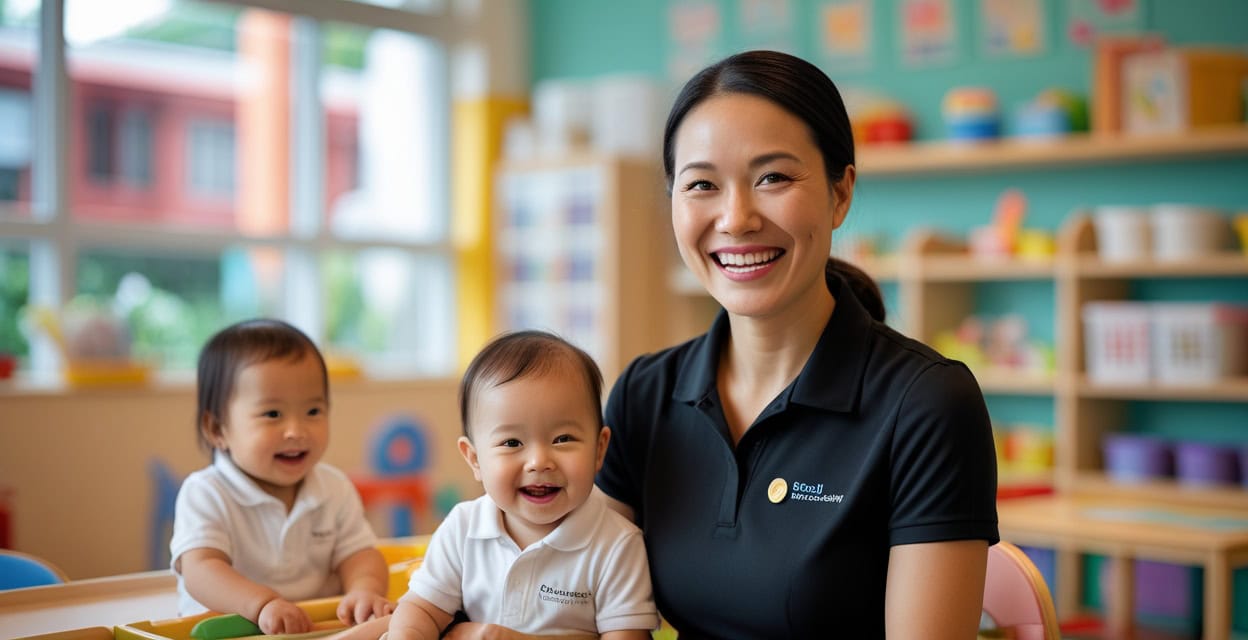
Close to Home, Bold Beginnings The EduNanny Model for Safe Joyful Infancy Across Singapore
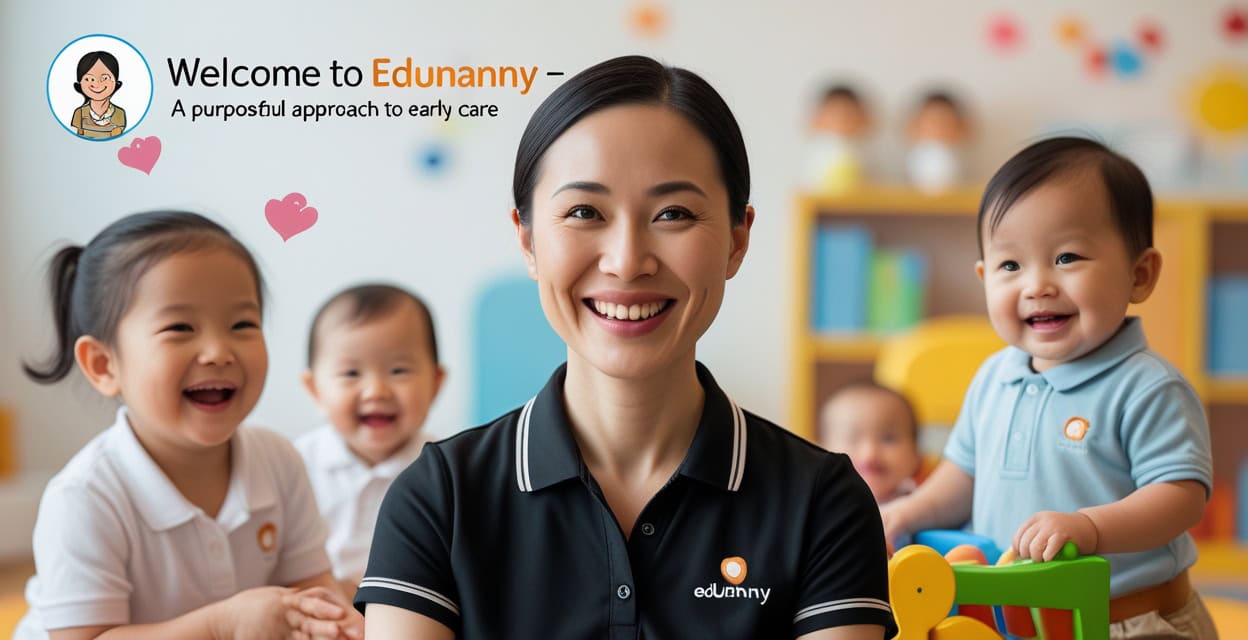
Introduction: Welcome to EduNanny — A Purposeful Approach to Early Care
Thank you for gathering to welcome a simple but powerful idea: that the smallest hands deserve the largest care, and that great care belongs close to home. EduNanny is an evidence-led, people-first childminding movement designed for Singapore’s families, powered by trained childminders, and grounded in the best of early childhood science. This article expands on that vision with practical, implementable guidance for parents, caregivers, and communities seeking to elevate everyday care into a disciplined craft.
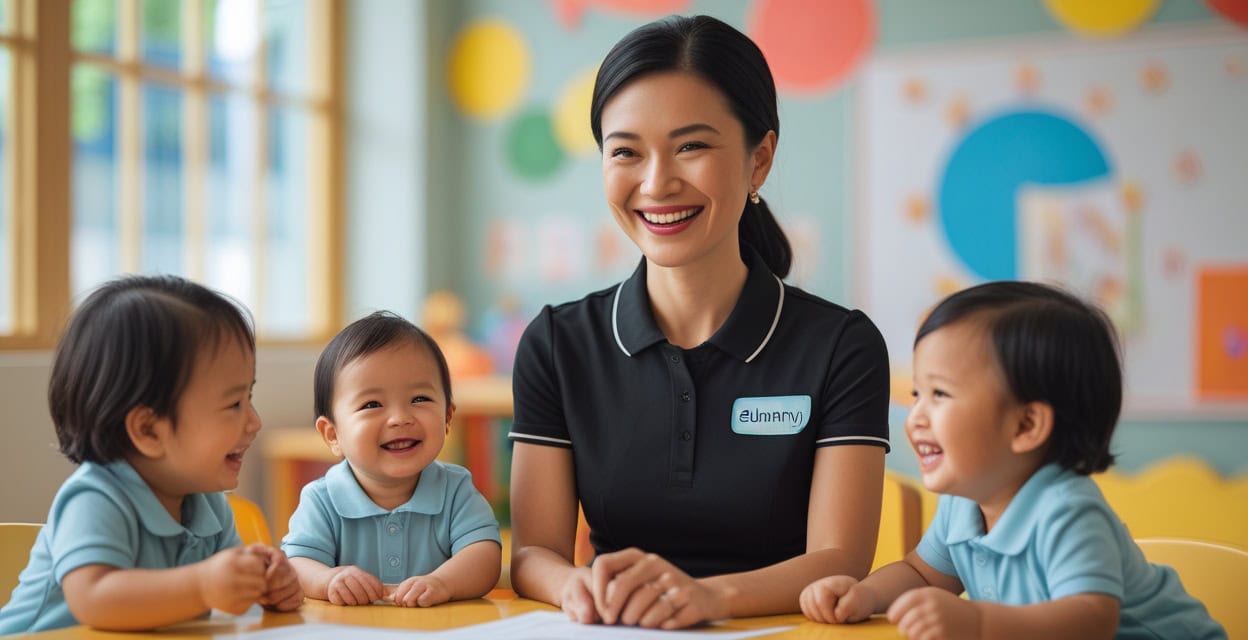
What is EduNanny
EduNanny by BUTLER is a national social initiative that brings professional childminding and infant care to where families live and work—across community spaces and home premises, complemented by thoughtfully designed centres. We operate Monday to Friday, 7am to 7pm, islandwide, with an excellent 1:3 infant-to-childminder ratio to ensure presence, trust, and developmental attention.
Key design commitments you can expect:
- Centre-based, home-based, and distance support options for flexibility and resilience around work and family life.
- Affordability from $33/day, with fees payable by CDA/Baby Bonus and transparent budgeting for families.
- Live transparency through innovation CCTV for parent peace of mind, balanced with privacy safeguards.
- Modern, safety-forward layouts designed for infant movement, comfort, and calm.
- Participation in the ECDA Childminding Pilot to strengthen quality, access, and trust across Singapore.
- A Maximum Employment Mandate that dignifies caregiving work and builds long-term careers for caregivers.
- Enrolment and ongoing information at EduNanny.com and Childminding.EduNanny.com.
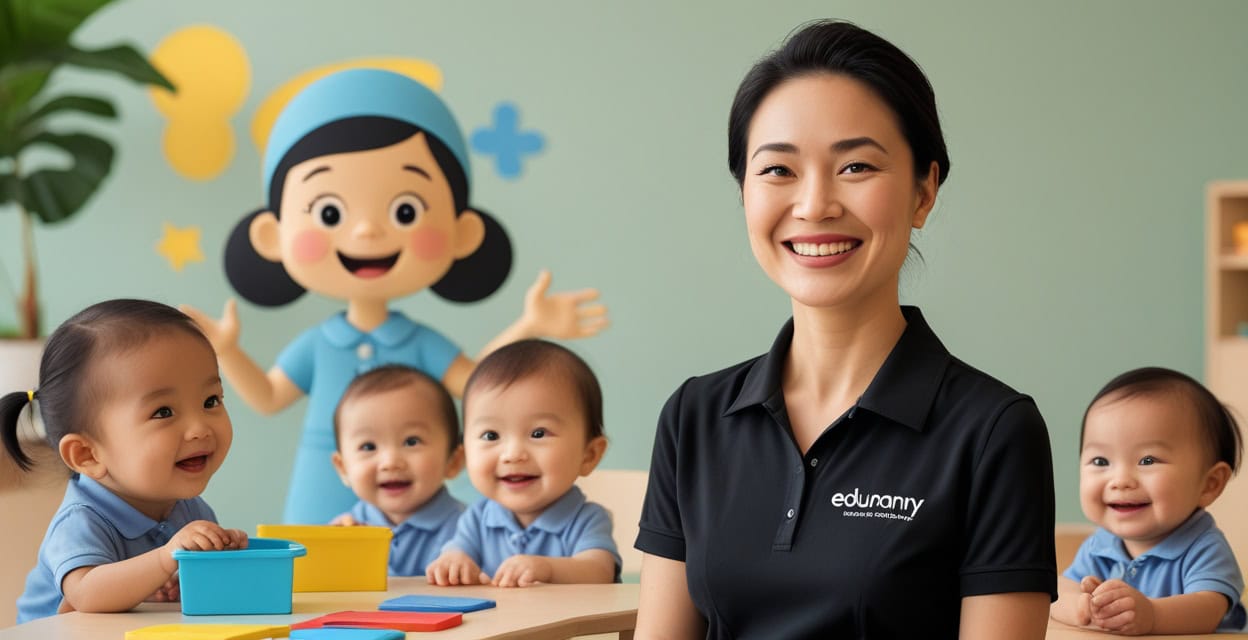
How EduNanny Makes Childminding Exceptional in Singapore
Singapore moves at pace, and families balance long commutes, variable hours, and early choices about development. EduNanny answers with proximity, predictability, and professionalised care. Here are actionable practices that translate theory into daily practice for families and childminders alike.
- Proximity, not distance: prioritise care within walking distance or a short commute. For families awaiting placement, create a bridging plan with home visits or micro-centres to maintain routine.
- Predictable routines: use a simple daily rhythm that mirrors educators’ cycles: feeding, movement, restful moments, and play. Share this rhythm with your childminder and adapt by developmental cues, not a clock alone.
- Professional standards made practical: insist on 1:3 ratios, safety-trained caregivers, and regular reflective practice meetings with the team. Ask for caregiver bios, languages spoken, and child-led observations during updates.
- Developmental attention at scale: implement observation-led planning: track milestones across five streams (see below) and translate observations into small-step goals each week.
- Family partnerships: schedule regular check-ins, create a shared digital log, and involve families in selecting play materials and language exposure that reflect home culture.

Five Topics That Define Our Approach
1) Soft-Edge Pedagogy: The Gentle Architecture of Learning
Infants learn at the edges of comfort—where curiosity meets safety. Translate this into home and centre practices with these practical steps:
- Prepared spaces: set floor-level play areas with low, open shelves, visible storage, soft mats, and minimal clutter. Use gaze-friendly layouts so infants can see caregivers and peers easily.
- Gentle invitations: offer open-ended objects (shapes, textures, simple bells) and avoid interrupting activity; allow self-initiated exploration and momentary pauses for processing.
- Rhythms over rush: structure feeding, sleeping, and play around each child’s cues; use predictable, soothing transitions (a song, a handover ritual) to reduce distress during changes.
- Guided participation: narrate actions (“You’re stacking blocks softly now. Let’s try…”) and name feelings to scaffold language and social learning in the Zone of Proximal Development.
Actionable tip: Create a home “soft-edge” kit: a low shelf with a few safe, open-ended toys, a story corner, a calm-down basket, and a small mirror for self-recognition activities. Rotate objects weekly to sustain curiosity.
2) Safety as a System: Ten Rings of Everyday Protection
Safety is a choreography, not a single rule. Our Ten Rings ensure infants are secure and parents remain confident:
- Safe sleep: firm mattress, supine position, no loose bedding, room-temperature monitoring.
- Health checks: daily wellness screening, explicit exclusion/return-to-care policies.
- Hygiene and feeding: strict sterilisation, safe milk handling, and allergy awareness in menus and feeding routines.
- Movement and environment: floor-level design, anchored furniture, and cords/outlet protection; regular small-object audits to prevent choking.
- Sun, heat, and haze: plan outdoor time with PSI and temperature in mind; ensure hydration breaks are built into every routine.
- Infection control: hand hygiene, sanitized surfaces, and toy rotation to minimise cross-contamination.
- Caregiver readiness: ambulatory infant first aid, CPR certification, and periodic emergency drills.
- Child protection: robust safeguarding policies, clear escalation pathways, and staff training.
- Arrival and release protocols: verified handovers, identity checks, and consistent caregiver handoffs.
- Transparency layer: CCTV for reassurance and monitored learning, with privacy safeguards and consent.
Practical note: Build a personal safety plan with your childminder that includes who to contact, emergency steps, and a “go-to” person if you cannot be reached.
3) The Bond-to-Bravery Pathway: Five Streams of Development
We track growth through five streams that turn attachment into exploration. Use these as a framework in home or centre settings:
- Secure base: consistent 1:3 ratios, attunement, naming needs, co-regulation, and trust-building conversations with each infant.
- Sensorimotor mastery: tummy time, rolling, grasping, cruising—supported by inviting environments and safe, supervised exploration.
- Language and music: rich talk, songs in familiar languages, and narrative routines to build early phonology and social skill.
- Self-soothing and sleep: predictable rhythms, comforting objects when appropriate, and gentle transitions that support restorative rest.
Social curiosity: playful routines that foster joint attention, turn-taking, and early empathy. Observation is our instrument; relationship is our method; progress is our shared delight.
4) Joy as a Metric: The Daily Wellbeing Check
Joy is developmental data. Use it to shape daily decisions and caregiver interactions:
- Micro-rituals of joy: greet, reconnect during handovers, celebrate small achievements with warm phrases and smiles.
- Daily Wellbeing Check: track mood, appetite, sleep quality, and engagement; review patterns weekly with families.
- Parent partnership: brief updates at pick-up, secure digital logs, and optional CCTV viewing windows to build trust (with consent).
- Cultural resonance: integrate familiar lullabies, textures, and local expressions to reinforce belonging.
Tip for families: maintain a two-minute daily debrief with your childminder to align expectations for the next day and celebrate small wins together.
5) The Vocation of Childminding: Craft, Career, and Civic Value
Childminding is a professional craft that strengthens families and society. Here’s how to view and grow it:
- Selection and training: recruit for temperament, train for skill—attuned observation, responsive caregiving, infant development, reflective practice.
- Career pathways: certifications, ongoing mentoring, and advancement opportunities within a recognised profession.
- Consistency of care: small groups, predictable caregivers, and relational continuity for infants and families.
- Maximum Employment Mandate: meaningful jobs, flexible schedules, and community-rooted work that respects caregivers and uplifts households.
- Purpose in practice: dignifying caregivers fosters dignity in children; stable workers stabilise families; capacity-building strengthens communities.
The Singapore Advantage: Access, Quality, and Ease
- Islandwide availability across community spaces, home premises, and select centres—infant-forward layouts to support movement and calm.
- Predictable hours: Monday to Friday, 7am to 7pm, designed to align with modern work patterns.
- Flexible models: centre-based, home-based, and distance guidance to match evolving routines and values.
- Affordability and inclusivity: options from $33/day; CDA/Baby Bonus-supported fees with clear budgeting.
- Transparency and trust: innovation CCTV, robust policies, and regular, clear communication with families.
- ECDA Pilot integration: alignment with national goals for quality early care and stronger family ecosystems.
- Onboarding ease: streamlined access via EduNanny.com and Childminding.EduNanny.com.
A Brief Explainer: What Changes When Care Comes Closer
When care is close and ratios stay low, handovers become bridges rather than cliffs. Closer proximity shortens commutes, reduces stress hormones, stabilises sleep, and strengthens family rhythms. In this breathing room, infants practice tiny acts of mastery, parents arrive restored, and Singapore’s social fabric grows stronger—one quiet morning at a time.
Who, What, When, Where, and How Childminding Matters
Who
Infants and toddlers in their most formative months, alongside the parents and caregivers who love them. Childminders are trained professionals who turn everyday routines into secure attachments and meaningful learning.
What
High-quality childminding with a 1:3 ratio, woven from safety, responsive caregiving, and play-rich learning—delivered through centre-based, home-based, and distance support models.
When
Monday to Friday, 7am to 7pm, with emphasis on the brain’s plastic years when trust, language, and self-regulation take root.
Where
Across Singapore’s neighbourhoods—in community spaces, modern centres, and approved home premises—so families can choose care that matches routines and values.
How
Through a system of trained childminders, prepared environments, daily rhythms, clear safety protocols, observation-led planning, transparent communication, innovation CCTV, and affordability supported by CDA/Baby Bonus. All coordinated via EduNanny.com and Childminding.EduNanny.com, under national pilot programs and the Maximum Employment Mandate that turns care into meaningful work.

Why This Matters—For Parents, For Infants, For Singapore
- Because the earliest months are lived, not paused; they are the foundation of lifelong confidence and curiosity.
- Because security today becomes curiosity tomorrow, and trusted relationships support resilient development.
- Because a world explored at floor height grows into the self-assured, capable young adult who meets challenges with poise.
- Because quality, close-to-home care should be accessible, culturally warm, and sustainable as a public good—not a luxury.
Closing
I invite you to picture a scene that repeats every morning across our island: a parent kneels, whispers a promise, and a child reaches forward—willing to cross the small distance between uncertainty and trust. EduNanny exists to make that crossing gentle, meaningful, and beautifully ordinary. We stand for excellence and quality. We operate where you live, with hours that honour your work. We design spaces that invite movement, minds, and music. We keep infants safe with a choreography of care. We make happiness observable and development measurable. We recognise childminders as artisans of attachment. And we make it affordable, accessible, and accountable.
This is childminding with purpose. This is family life with support. This is Singapore investing in the smallest rooms where the biggest futures begin. Come see how we work. Ask every question. Tour a space. Meet a childminder. Enrol when you are ready. At EduNanny.com and Childminding.EduNanny.com, a place is waiting—close to your home, close to your heart, and close to the future you want for your child.
Thank you.
SEO keywords: [#EduNannySingapore, #ChildmindingSingapore, #EarlyChildhoodCare, #ProximityCare, #SingaporeEducation]