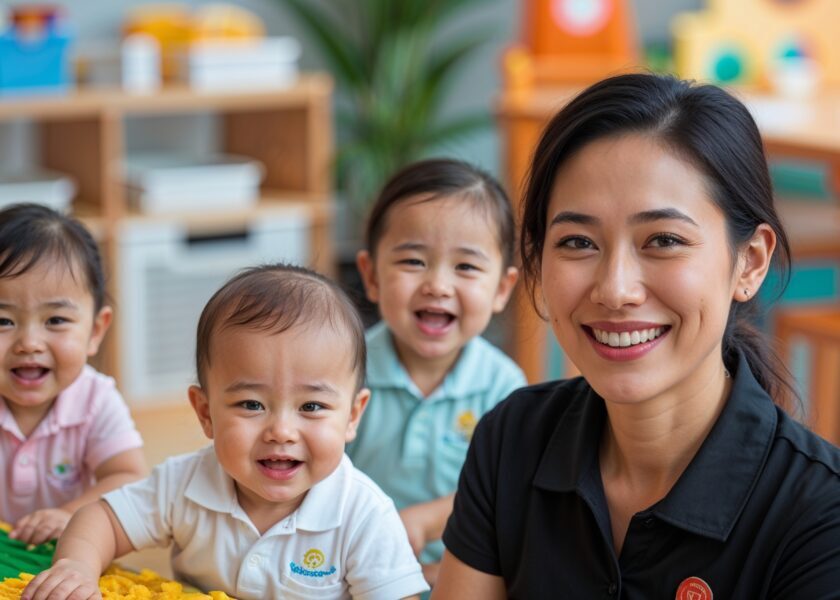
Childminder Safety Tips for June 1st 2025
Daily Excellence Briefing: Fostering Safety, Trust, and Development in Infant Care
Good morning, EduNanny Childminders! Today, as we gather to reflect on our essential roles in caring for the youngest members of our community, let us focus on the profound impact our actions have on their lives. This article provides practical, insightful guidance based on EduNanny’s philosophy, expanding on our shared commitments to excellence in early childhood care. Read on for actionable strategies, safety tips, and professional insights designed to empower every childminder in Singapore and beyond.
The Foundations of Quality Infant Care
The Cornerstone: Building Trust Through Care
Trust is the basis of healthy infant development. Reliable, gentle, and consistent caregiving helps infants feel safe and secure, laying vital groundwork for their emerging confidence and resilience. Your daily actions—how you respond to a baby’s cries, the warmth in your smile, the gentle way you comfort—are the bricks of a foundation that lasts a lifetime.
Maintaining Professional and Personal Well-being
Exceptional care begins with you. Prioritise your own physical and mental health so you can be present and responsive to each infant’s needs. Ensure adequate rest, eat nourishing meals, and take moments throughout your day for mindful breathing or meditation. Self-care is not an indulgence for caregivers; it is a necessity. When you are centered and healthy, your positive energy flows to those in your care.
Hygiene and Laundry: Elevating Safety and Comfort
High Standards of Cleanliness
Maintaining an immaculate environment ensures the health and well-being of infants. Adhere to these best practices:
- Daily laundry: Wash all bedding, towels, and soft toys used by infants at least once a week and immediately when soiled.
- Surface sanitation: Wipe down all high-touch surfaces, toys, and changing stations with child-safe disinfectants daily.
- Personal hygiene: Shorthand nails, regular hand washing, and tying back long hair further reduce the risk of germ transmission.
Fresh linens and clean play areas help children feel secure and cared for. A hygienic setting also reassures parents and upholds EduNanny’s reputation for excellence in infant care in Singapore.
Mental and Emotional Grounding: Mindfulness in Practice
Utilising Mindful Moments
Before beginning your care routine, try a brief meditation or grounding exercise. Close your eyes, breathe deeply, and centre your mind. Visualise sharing calmness and warmth, creating an environment where infants feel safe and loved. Consistent mindfulness helps you respond with patience and maintain composure, even in challenging moments.
Understanding Temperament: Personalising Infant Care
Recognising Individual Differences
Every baby is unique, with distinct personalities, sensitivities, and rhythms. By understanding and adapting to each child’s temperament, you foster emotional security and tailor your care to maximise their growth and ease transitions.
- Slow-to-warm infants: Provide ample time for transitions; offer consistent, gentle reassurance during new experiences.
- Highly sensitive babies: Minimise overstimulation by lowering noise and dimming lights when needed.
- Sociable infants: Stimulate social interaction with play, songs, and warm engagement—while respecting natural rest periods.
Take detailed notes on each child’s preferences and share observations with parents to foster continuity between home and care environments.
Creating Calming Routines: Teaching Emotional Regulation
Effective Calm-Down Strategies
Predictable routines help infants develop healthy sleep patterns and learn to settle their emotions. Implement and refine calming routines that fit each child’s needs.
- Recognise early signs of fatigue or distress—like gaze aversion or squirming—and respond before fussiness escalates.
- Provide gentle rocking, soft humming, or a quiet cuddle in a dim, quiet space dedicated to calming moments.
- Encourage families to maintain similar routines at home, promoting a sense of stability and predictability for the infant.
These practices not only support emotional regulation but also build a sense of trust, as infants learn that their needs are met with gentle attentiveness.
Essential Safety Practices in Infant Care
Physical Safety Protocols
- Always support an infant’s head and neck while lifting or carrying.
- Keep sleep environments clear: no loose bedding, pillows, or soft objects to minimise SIDS risk.
- Ensure all play and care areas are free of choking hazards, small items, cords, and sharp objects.
- Conduct regular safety checks of equipment such as cribs, strollers, and high chairs to confirm stability and maintenance.
Effective Supervision
Active supervision means being within sight and hearing range of infants at all times, anticipating potential hazards before they arise. Rotate supervising shifts to maintain alertness and avoid lapses, especially during transitions such as mealtimes or naptimes.
Responsive Care: Observing and Engaging with Intention
Reading Cues and Building Bonds
Infant communication is subtle and nonverbal—watch for changes in movement, facial expressions, and vocalisations. Respond promptly and lovingly to all cues, fostering secure attachment and emotional growth. Use “serve and return” interaction: when a baby reaches out or vocalises, reciprocate with touch, eye contact, or gentle words. This builds connections and supports early language and social development.
Partnership with Parents
- Send daily updates with photos or short videos, highlighting developmental milestones, new skills, or joyful moments.
- Communicate openly about routines, challenges, and suggestions for home care to ensure consistency and reinforce trust.
- Document any health or safety incidents according to EduNanny Singapore’s protocols, notifying parents promptly and honestly.
Conclusion: Shaping Brighter Futures with Care and Professionalism
As EduNanny Childminders, your expertise, compassion, and commitment set the gold standard for quality infant care in Singapore. By prioritising trust, responsive engagement, rigorous hygiene, and practical safety measures, you nurture not just healthy bodies, but resilient, confident hearts and minds. Remember, each interaction—however small—lays the foundation for lifelong development and happiness.
At EduNanny, we believe that confident, informed childminders are at the heart of excellence in early childhood education. If you ever need advice, resources, or support, reach out—and continue striving for the highest standards in everything you do. The trust you build, the safety you maintain, the growth you inspire—these are your legacy, and Singapore’s future is brighter for it.
Key takeaways: Prioritise self-care, hygiene, individualise routines, safeguard physical and emotional safety, and actively partner with families. Your dedication makes all the difference in infant care, childminding best practices, Singapore early childhood services, safety in infant environments, and professional early childcare. Together, let’s create nurturing spaces where children—and their caregivers—can flourish.