Beyond Babysitting: Why Childminding Is Becoming a Professional Career
Professional childminding combines purpose, flexibility and structured training. Explore the skills, support and opportunities behind a rewarding career with EduNanny.


Professional childminding combines purpose, flexibility and structured training. Explore the skills, support and opportunities behind a rewarding career with EduNanny.

Choosing someone to care for your infant is one of the biggest decisions any parent will make. Beyond finding someone who loves children, parents want reassurance that their child is in safe, capable and trustworthy hands. Questions such as Is the childminder qualified?, What training have they completed?, and How is quality maintained? naturally come to mind.
As home-based childminding becomes an increasingly recognised infant care option in Singapore, understanding how childminders are prepared has become more important than ever. While warmth, patience and genuine affection are essential qualities, professional childminding requires much more than simply having experience with children. It demands structured training, careful assessment, continuous learning and a strong commitment to safety.
At EduNanny, every childminder undergoes a comprehensive preparation process before being entrusted with the care of infants. This process has been designed to ensure that parents can have confidence in both the caregiver and the care environment. Rather than viewing childminding as informal babysitting, EduNanny approaches it as a professional caregiving role supported by structured standards, operational systems and ongoing development.
This article explores the journey every EduNanny childminder takes—from screening and training to certification and continuous professional development—and explains why these steps matter to every family.
Infants experience rapid growth during their first eighteen months of life. Every day brings new developmental milestones, changing feeding routines, evolving sleep patterns and increasing curiosity about the world around them. Caring for children during this critical stage requires knowledge, attentiveness and consistency.
Parents today expect more than supervision. They seek caregivers who understand infant development, recognise individual needs and know how to respond appropriately in different situations. Professional preparation provides the foundation for delivering this level of care.
Qualified childminders are better equipped to:
Professional preparation also creates consistency. When every childminder follows the same standards and best practices, families can have greater confidence that quality remains high regardless of who is providing care.
Becoming a childminder begins long before any infant enters the home or care setting.
At EduNanny, prospective childminders are first evaluated to determine whether they are suitable for the role. This initial stage helps ensure that only individuals who demonstrate the appropriate qualities proceed to training.
According to EduNanny’s operational framework, childminders must complete several mandatory requirements before deployment, including background screening, health checks and suitability assessments.
These checks are important because childminders work closely with infants and families. Parents must feel confident that the person caring for their child has been carefully assessed.
The screening process focuses not only on technical eligibility but also on qualities such as:
By conducting thorough screening at the outset, EduNanny aims to establish a strong foundation of trust before formal training even begins.
Although every effort is made to prevent accidents, emergencies can occur unexpectedly. Being prepared to respond appropriately can make a significant difference.
For this reason, first-aid training forms an essential part of every EduNanny childminder’s preparation programme. Before deployment, first-aid training is listed as a mandatory requirement alongside other safeguarding measures.
First-aid knowledge helps childminders respond confidently should an infant require immediate attention while awaiting professional medical assistance.
Beyond emergency response, first-aid training also promotes greater awareness of everyday safety practices, enabling childminders to identify potential hazards and reduce risks before incidents occur.
For parents, knowing that their child’s caregiver has received first-aid training provides valuable reassurance and confidence.
Looking after infants requires specialised knowledge that differs significantly from caring for older children.
EduNanny therefore requires every childminder to complete dedicated infant-care training before they begin providing care. This requirement forms part of the organisation’s mandatory preparation process.
Infant-care training focuses on understanding the unique needs of babies from two months to eighteen months of age. During this period, infants develop rapidly and require responsive caregiving that supports their physical, emotional and cognitive development.
Training helps childminders understand:
Equally important is learning that every infant is unique. Childminders are encouraged to work closely with parents to understand each child’s individual routines, preferences and personality.
Maintaining continuity between home and childminding care helps infants adjust more comfortably while providing parents with peace of mind.
Learning in the classroom is only one part of becoming a competent childminder.
Knowledge must also be translated into safe and effective caregiving practice.
To ensure readiness, EduNanny requires prospective childminders to complete practical examinations before they are approved to provide care. Practical examinations are listed as one of the compulsory deployment requirements.
These practical assessments allow childminders to demonstrate that they can apply what they have learned in realistic caregiving situations.
Rather than relying solely on written learning, practical assessments evaluate whether childminders can consistently perform caregiving tasks according to expected standards.
This emphasis on demonstrated competency reflects EduNanny’s commitment to ensuring that childminders are prepared not only in theory but also in practice.
For families choosing home-based childminding, the environment itself plays an equally important role.
Parents naturally want reassurance that the home where their infant spends the day is safe, clean and suitable for childcare.
EduNanny therefore requires every home-based childminder to undergo a home assessment before commencing operations. This assessment is one of the mandatory preparation requirements outlined within the programme.
The purpose is to evaluate whether the home provides an appropriate setting for infant care.
Home assessments help ensure that care takes place within an environment that supports:
To further support new childminders, EduNanny also provides essential equipment needed to establish an infant-care environment. This reduces the financial burden on aspiring childminders while helping to maintain consistent operational and safety standards across approved homes.
This support enables childminders to begin their caregiving journey with confidence while ensuring families receive a consistent standard of care.
Professional caregiving is an ongoing journey rather than a one-time achievement.
Children’s needs evolve, operational practices improve and new knowledge continues to emerge. For this reason, EduNanny views continuous learning as an essential component of quality childcare.
Beyond initial preparation, childminders continue participating in learning through EduNanny’s Learning Management System (LMS). Ongoing LMS training is identified as a mandatory requirement for childminders.
Continuous professional development allows childminders to:
Rather than treating certification as the end of training, EduNanny encourages continuous improvement throughout each childminder’s professional journey.
Technology has become an important tool in strengthening childcare quality while supporting transparency for families.
EduNanny integrates technology into its operational model to complement, rather than replace, human caregiving.
One example is the provision of nap-monitoring cameras for home-based childminding arrangements. According to EduNanny, these cameras enhance visibility during infants’ rest periods and provide parents with additional reassurance regarding the care environment.
Technology also supports quality through structured digital learning and competency development.
By combining professional training with digital systems, EduNanny aims to maintain consistency across its growing childminder network while ensuring that every childminder continues meeting expected standards.
This balanced approach demonstrates how technology can strengthen—not replace—the human relationships that remain at the heart of quality childminding.
Completing training is only the beginning.
EduNanny also recognises childminders who successfully demonstrate their ability to provide safe, consistent and professional care within an operational home environment.
According to the programme, home-based childminders who successfully complete an infant’s intended care journey may receive formal home-based childminder certification recognising both their preparation and their demonstrated operational capability.
This recognition reflects EduNanny’s broader vision of developing childminding as a respected professional pathway rather than temporary or informal work.
Professional recognition benefits everyone involved.
For childminders, it acknowledges their dedication and competence.
For parents, it provides another layer of confidence that their child’s caregiver has met clearly defined standards.
One of the greatest concerns for parents is uncertainty.
Who will be caring for my baby?
How were they selected?
What safeguards are in place?
How do I know they are ready?
EduNanny believes that transparency helps answer these questions.
By openly communicating the training journey, assessment process and quality assurance measures, parents gain a clearer understanding of the standards behind every childminder.
This openness helps build trust before a child even begins attending care.
Confidence grows when families understand that professional childminding involves far more than experience alone. It is supported by structured preparation, mandatory assessments, continuous learning and ongoing operational support.
As Singapore’s childminding landscape continues to evolve, professional standards will play an increasingly important role in shaping public confidence.
Families deserve more than convenience—they deserve assurance that every caregiver has been thoroughly prepared for one of life’s most important responsibilities.
At EduNanny, this preparation begins long before a childminder welcomes an infant into their care. Through comprehensive screening, mandatory training, practical assessments, home evaluations, continuous learning and technology-enabled quality assurance, the organisation seeks to provide families with safe, nurturing and professional childminding services.
Ultimately, great childminders are not defined by a single qualification or certificate. They are distinguished by their commitment to learning, their dedication to children’s wellbeing and the trust they build with every family they serve.
For parents, understanding this journey offers more than reassurance—it provides confidence that behind every EduNanny childminder is a carefully designed system focused on delivering safe, consistent and high-quality infant care

For many parents in Singapore, finding safe and reliable infant care is one of the most important decisions they will make during the early stages of their child’s life. Infants require constant attention, careful supervision, and caregivers who understand both their developmental needs and safety requirements.
Recognising these needs, the Early Childhood Development Agency (ECDA) introduced the ECDA Childminding Pilot Programme. This initiative aims to strengthen Singapore’s childcare ecosystem by providing structured, high-quality childminding services for infants while ensuring caregivers meet professional standards.
The ECDA Childminding Pilot provides parents with an additional childcare option that combines the intimacy of small-group childminding with the reliability of professional standards and oversight.
In this article, we explore what the ECDA Childminding Pilot is, how it works, and how it benefits parents and families across Singapore.
The ECDA Childminding Pilot Programme is an initiative launched by the Early Childhood Development Agency to provide structured childminding services for infants aged two to eighteen months.
The programme was designed to address several challenges faced by modern families, including:
Under the ECDA Childminding Pilot, selected childminding operators work within a framework of clear operational guidelines, safety standards, and caregiver training requirements.
This structured approach ensures that infant care providers operate responsibly while maintaining high levels of safety and accountability.
In recent years, Singapore has seen an increase in demand for childcare services, especially for infants.
Infant care is particularly challenging because babies require:
Traditional childcare centres sometimes struggle to meet this demand due to space limitations and operational constraints.
The ECDA Childminding Pilot addresses this challenge by enabling small-scale, professionally managed childminding services.
This approach allows more infants to receive quality care while maintaining the safety standards expected within Singapore’s childcare system.
The ECDA Childminding Pilot operates under a regulated structure designed to ensure consistent childcare quality.
Key components of the programme include:
Childminding services are managed by approved operators who implement structured operational systems and ensure caregivers meet required standards.
These operators oversee:
This ensures that childminding services maintain professional oversight.
Caregivers participating in the programme must receive proper training in infant care.
Training typically includes:
By ensuring caregivers possess the necessary knowledge and skills, the programme enhances the safety and quality of childcare services.
One of the key features of the ECDA Childminding Pilot is the use of small caregiver-to-infant ratios.
Smaller group sizes allow caregivers to provide more attentive and responsive care. Infants benefit from:
This small-group model helps create calm and nurturing environments that support early childhood development.
The ECDA Childminding Pilot offers several advantages for parents seeking childcare solutions for their infants.
One of the biggest benefits of the pilot programme is that it increases the availability of infant care services in Singapore.
As more families require childcare support, infant care places in traditional centres can become limited. The childminding pilot introduces additional childcare capacity without compromising safety standards.
Parents therefore gain access to more childcare options while maintaining confidence in the quality of care.
Infant safety is a central focus of the ECDA Childminding Pilot.
Childminding operators participating in the programme follow structured operational procedures designed to protect children and maintain safe environments.
These procedures may include:
By implementing structured systems, childcare providers can minimize risks and maintain consistent care standards.
The ECDA Childminding Pilot emphasises the importance of professional caregiver training.
Parents benefit from knowing that caregivers have received structured training in areas such as:
Trained caregivers are better equipped to respond to infants’ needs and maintain safe environments.
Infants require close supervision and individualised attention.
The small-group structure of the ECDA Childminding Pilot allows caregivers to focus more closely on each infant’s needs.
Smaller ratios enable caregivers to:
This personalised approach can support infants’ emotional security and early development.
Modern families often require flexible childcare arrangements due to varying work schedules and responsibilities.
The ECDA Childminding Pilot helps address this need by expanding childcare formats beyond traditional centre-based models.
Parents may find that childminding services offer:
These options help families find childcare solutions that better fit their daily routines.
Child safety is a top priority in any childcare setting.
The ECDA Childminding Pilot requires operators to implement safeguarding policies that protect children from harm.
These policies may include:
Such measures help ensure infants remain protected within the childcare environment.
Infants are particularly vulnerable to illnesses due to their developing immune systems.
The childminding pilot emphasises strict hygiene and sanitation standards designed to protect infants’ health.
These practices may include:
By implementing these measures, childcare providers can help prevent the spread of infections within childcare environments.
Strong communication between caregivers and parents is essential for effective childcare.
The ECDA Childminding Pilot encourages childcare operators to maintain open communication with families.
Parents may receive updates regarding:
These updates help parents stay connected with their child’s experiences during the day.
Operators play a crucial role in ensuring the success of the ECDA Childminding Pilot.
Their responsibilities include:
By providing professional oversight, operators help ensure childminding services operate safely and effectively.
Beyond safety and supervision, infant care services also support early childhood development.
Infants learn rapidly during their first year of life, developing important skills related to:
Quality childminding environments provide infants with opportunities for:
These experiences contribute to healthy developmental outcomes.
Singapore continues to evolve its childcare landscape to support working families.
The ECDA Childminding Pilot represents an important step forward in improving access to reliable infant care while maintaining high safety standards.
By combining professional training, operational oversight, and structured caregiving practices, the programme helps strengthen the overall quality of childcare services across the country.
As childcare demand continues to grow, initiatives like the ECDA Childminding Pilot play a critical role in supporting families and promoting early childhood wellbeing.
For parents evaluating childcare options, understanding available programmes can help inform better decisions.
When considering infant care services, parents may wish to evaluate factors such as:
Programmes like the ECDA Childminding Pilot provide a structured framework that helps ensure these important factors are addressed.
The ECDA Childminding Pilot Programme is designed to improve access to high-quality infant care in Singapore while maintaining strong safety and professional standards.
By encouraging structured childcare operations, trained caregivers, and smaller group settings, the programme helps ensure infants receive attentive and safe care during their earliest stages of life.
For parents, the pilot programme provides reassurance that childminding services operate within a regulated framework focused on safety, professionalism, and child wellbeing.
As Singapore continues to strengthen its childcare ecosystem, initiatives like the ECDA Childminding Pilot will play an increasingly important role in supporting families and nurturing the next generation.
Singapore’s screen-free preschool trend is growing. But evidence shows quality matters more than quantity when it comes to early childhood technology. Here is the nuanced reality parents need.
Expert guidance on understanding the ecda childminding pilot for infants in singapore. Professional infant care and childminding services in Singapore by Edu…

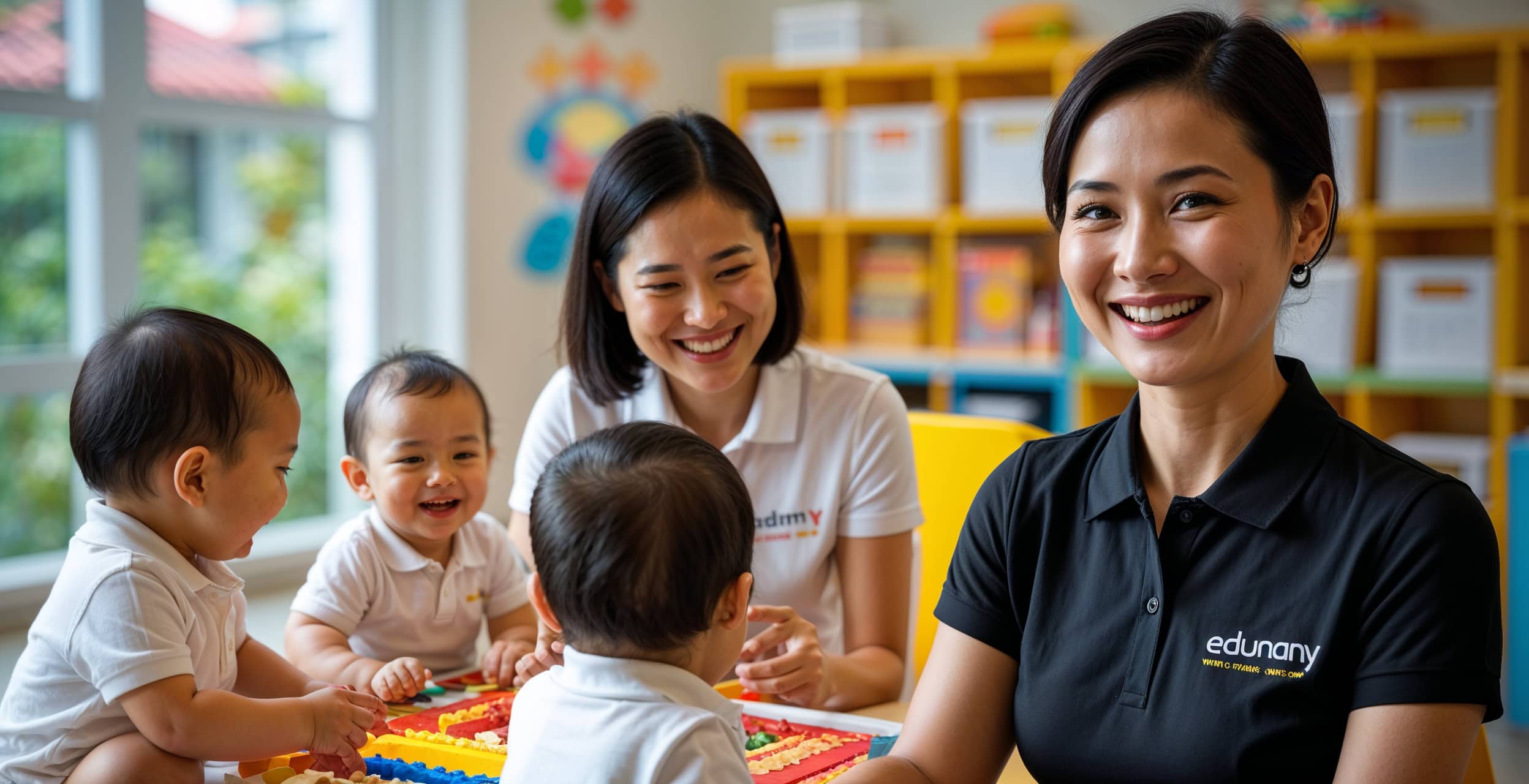
Distinguished guests, esteemed colleagues, devoted parents, and all friends of early childhood,
Today, I am privileged to share with you a compelling vision — one that not only redefines infant care but also shapes the very future of Singapore. At the heart of this transformation stands EduNanny, an institution setting the gold standard in holistic, secure, and enriching childminding. By blending the timeless wisdom of Montessori, the pioneering spirit of Froebel, and the compassionate insights of Bowlby, augmented with Singapore’s innovative spirit, EduNanny champions an approach that is both sophisticated and accessible.
In a nation as dynamic as Singapore, families deserve infant care that is safe, inspiring, and tailored to the unique needs of each child. EduNanny’s mission is to make high-quality childminding affordable—starting from just $33 per day—while ensuring every child experiences a purposeful, joyful beginning. Let us explore how this groundbreaking approach is revolutionizing early childhood care through research-backed pedagogy, relentless safety commitment, emotional nurturing, and community-driven support.
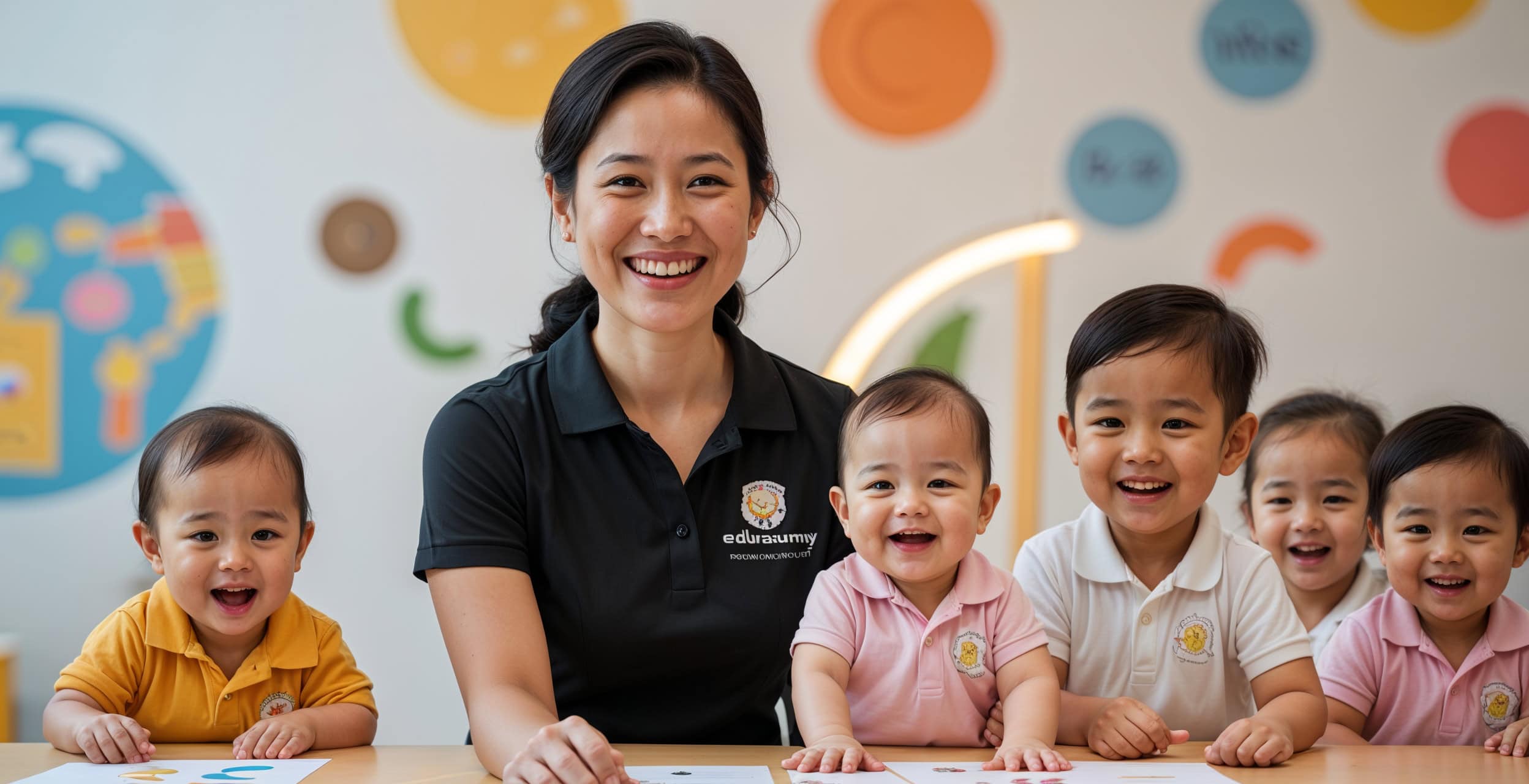
At the core of EduNanny’s philosophy is a pedagogical model built on evidence-based research and global best practices. Education during these formative years is not passive supervision but an active, intentional process that nurtures each child’s innate potential.
Inspired by Montessori’s principle of “follow the child,” EduNanny educators craft immersive, purpose-driven learning experiences. These are not mere playdates but thoughtfully designed activities that stimulate curiosity and motor development. For example:
With a low teacher-to-infant ratio of 1:3, each child receives individualized attention, ensuring their developmental rhythm is honored and nurtured. Whether in a vibrant centre or a familiar home setting, this personalized approach sparks lifelong love for learning.
True infant development integrates cognition, emotion, and physicality. EduNanny’s curriculum weaves sensory activities, storytelling, music, and movement into a seamless whole:
This integrated approach nurtures resilient, adaptable children prepared for future learning challenges.
As Froebel envisioned every child as a gardener’s blossom, EduNanny’s caregivers are lifelong learners. Regular training sessions in child psychology, trauma-informed care, and innovative pedagogies ensure that educators remain at the forefront of early childhood science, delivering responsive, empathetic care that meets each child’s evolving needs.

In the realm of early childhood, safety is non-negotiable. EduNanny elevates safety standards through technology, thoughtfully designed environments, and rigorous health protocols, ensuring peace of mind for families.
Families benefit from real-time CCTV that offers a window into their child’s day, without compromising the caregiver’s privacy or the child’s autonomy. This transparency fosters trust and allows parents to remain connected, providing reassurance during busy workdays or overseas travels.
Whether in centres or home-based settings, spaces are designed with child-centric safety in mind:
These thoughtful layouts encourage self-help skills and build confidence in children while prioritizing their safety.
Daily health screenings, routine sanitation, and emergency preparedness are embedded into the EduNanny culture, aligned with Singapore’s ECDA standards. This proactive approach minimizes health risks and ensures a quick, effective response when needed.
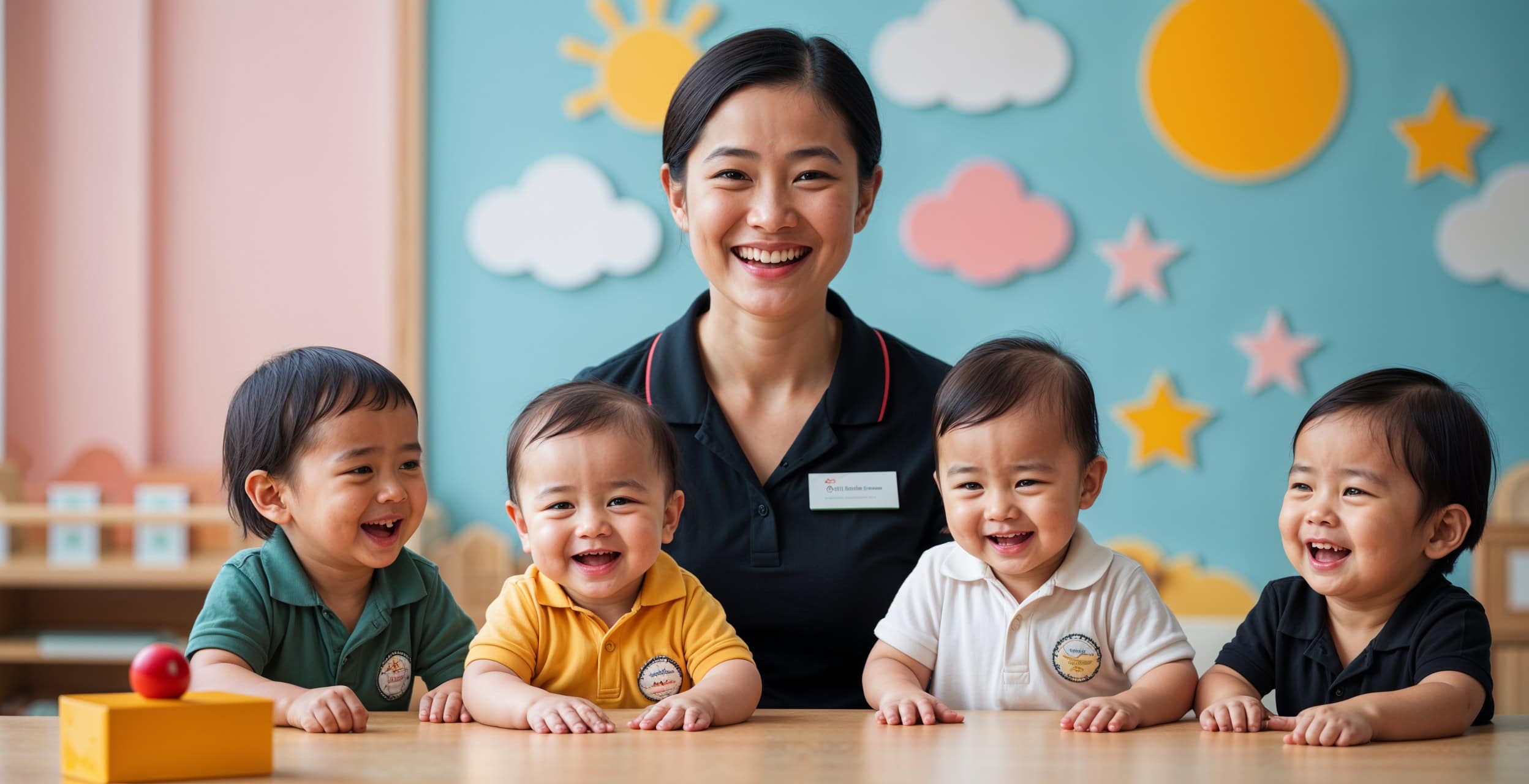
Beyond milestones and academics, EduNanny’s true goal is cultivating happy, secure, and emotionally intelligent children who thrive in all areas of life.
Grounded in Bowlby’s attachment theory, EduNanny emphasizes consistent, loving caregiver relationships. Practically, this involves:
Singapore’s multicultural landscape is reflected in EduNanny’s curriculum—integrating local stories, songs, festivals, and customs—fostering pride and a sense of belonging from the earliest years.
Happiness is a shared journey. EduNanny maintains daily updates via digital journals, photo sharing, and open dialogues with parents. This transparency builds trust, reassures parents, and reinforces shared goals for the child’s emotional growth.
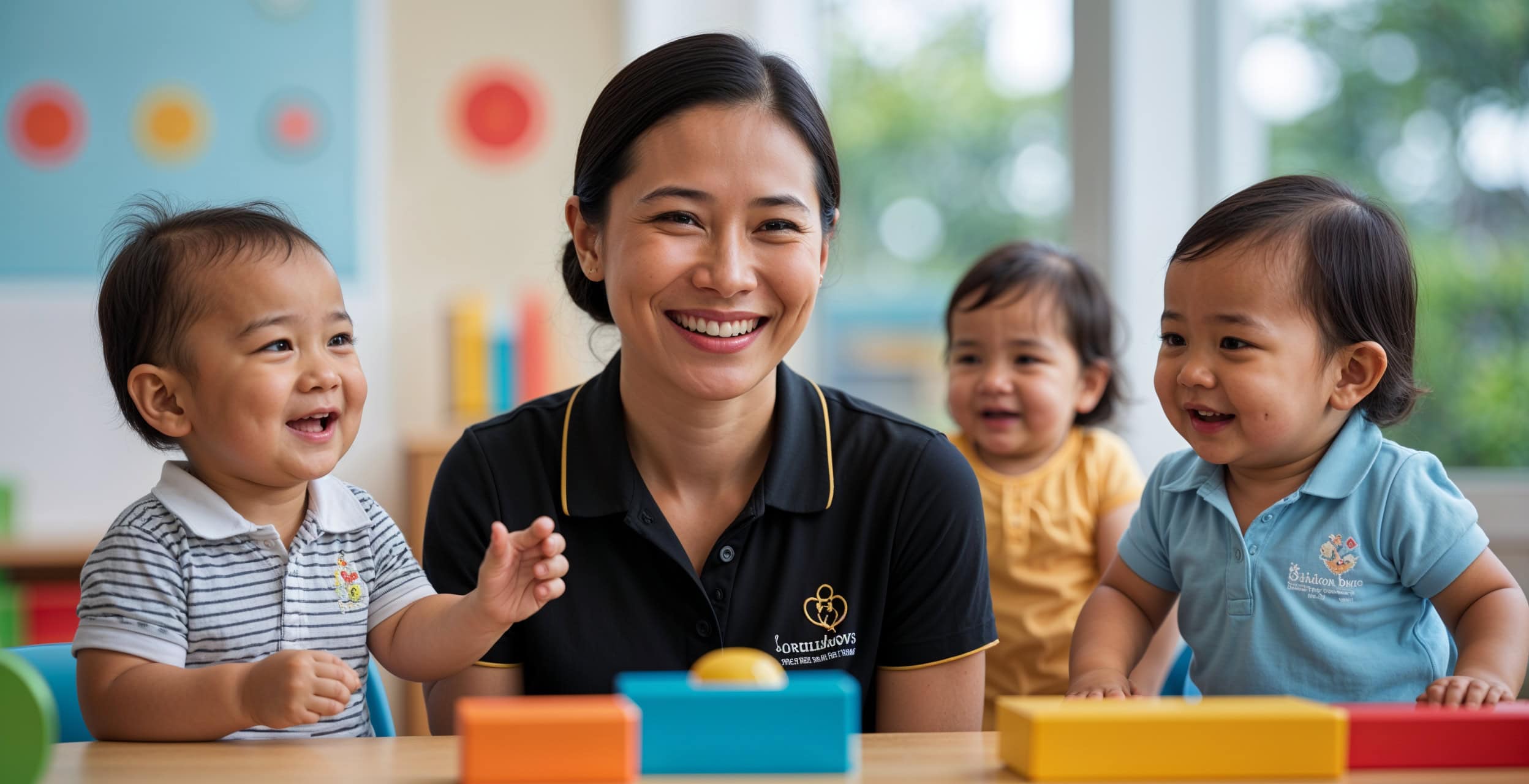
EduNanny elevates the role of the childminder from mere supervisor to mentor and confidence-builder:
Caregivers are trained to recognize each child’s strengths, nurture curiosity, and make mistakes a natural part of learning. Practical examples include:
EduNanny’s approach supports Singapore’s national initiative to empower and professionalize early childhood caregivers through fair employment practices, continuous training, and career pathways. This ensures:
With services from 7am to 7pm, five days a week, and flexible options for home or centre-based care, EduNanny offers families the adaptability needed in Singapore’s fast-paced economy. Payment options via CDA and Baby Bonus further ease financial planning, making quality care an attainable reality for all.
Community lies at the heart of EduNanny’s mission to create a supportive ecosystem for families:
By establishing local hubs within community centres and homes, EduNanny facilitates strong connections among families, caregivers, and child development experts. This fosters:
Distance learning, hybrid models, and mobile resources ensure equitable access across diverse backgrounds and geographies. Families feel supported regardless of their circumstances, turning early childhood care into a community effort.
Who is childminding truly for? It is for every child, every family, and every community that aspires to nurture the next generation of resilient, empathetic, and curious citizens. Quality childminding cultivates the foundational skills that underpin lifelong learning and social cohesion, shaping not just individual futures but the health of our entire society.
Great childminding transforms ordinary days into extraordinary opportunities—moments when children feel seen, loved, and inspired to explore the world around them with confidence. It is during these precious early years that the seeds of resilience, empathy, and curiosity are sown—traits that define our nation’s character.
Excellence in early childhood care must reside in every home, community, and centre—accessible, inclusive, and committed to continuous improvement. The collective belief that every child deserves a secure and inspiring beginning fuels EduNanny’s ongoing mission.
The EduNanny philosophy underscores this commitment: where every child’s potential is cultivated with safety, joy, and purpose; where families are true partners; and where caregivers are empowered guides. By embracing innovation, affordability, and heartfelt care, EduNanny is shaping Singapore’s social fabric, one child at a time.
Let us renew our pledge to provide the best start in life for all children—because a well-minded beginning leads to a flourishing tomorrow.