Child-led play at home: recycled household materials and the preschool numbers
Child-led play at home is not an extra programme to squeeze into the week. For a three-to-six-year-old it is physical activity, and Singapore publishes the figure to plan it against: the preschool physical activity guidelines ask for at least 180 minutes of varied activity of any intensity spread throughout the day, of which at least 60 minutes should be moderate to vigorous intensity. A few delivery boxes and a roll of masking tape can carry part of that time. No material, and no game, guarantees any of it. [1]
Two more official numbers sit beside that play rather than inside it. Sleep is set at 10 to 13 hours for three to four year olds and 9 to 13 hours for five to six year olds. Recreational screen time stays below an hour a day, which Ministry of Health guidance on screen use in children, carried on HealthHub, sets as less than one hour a day outside school for children aged 18 months to six. Active play contributes to the activity total; it is not a substitute for either of those. [1] [2]
What the 27 September report documents, and what it does not
A Straits Times report published on 27 September 2026 described Born To Play: A Family Playdate at the Level 4 Multi-Purpose Hall of Fernvale Community Club, 21 Sengkang West Avenue, on 10 and 11 October 2026. Across four sessions, children aged six and under joined parents and caregivers, with older siblings up to eight years old welcome too. Admission was free with advance registration, as walk-in entry was subject to availability. All 600 initial tickets had been claimed, with 80 more released on 28 September at 5pm. This is a one-off event, and the report says nothing about how a home setup should look. [3]
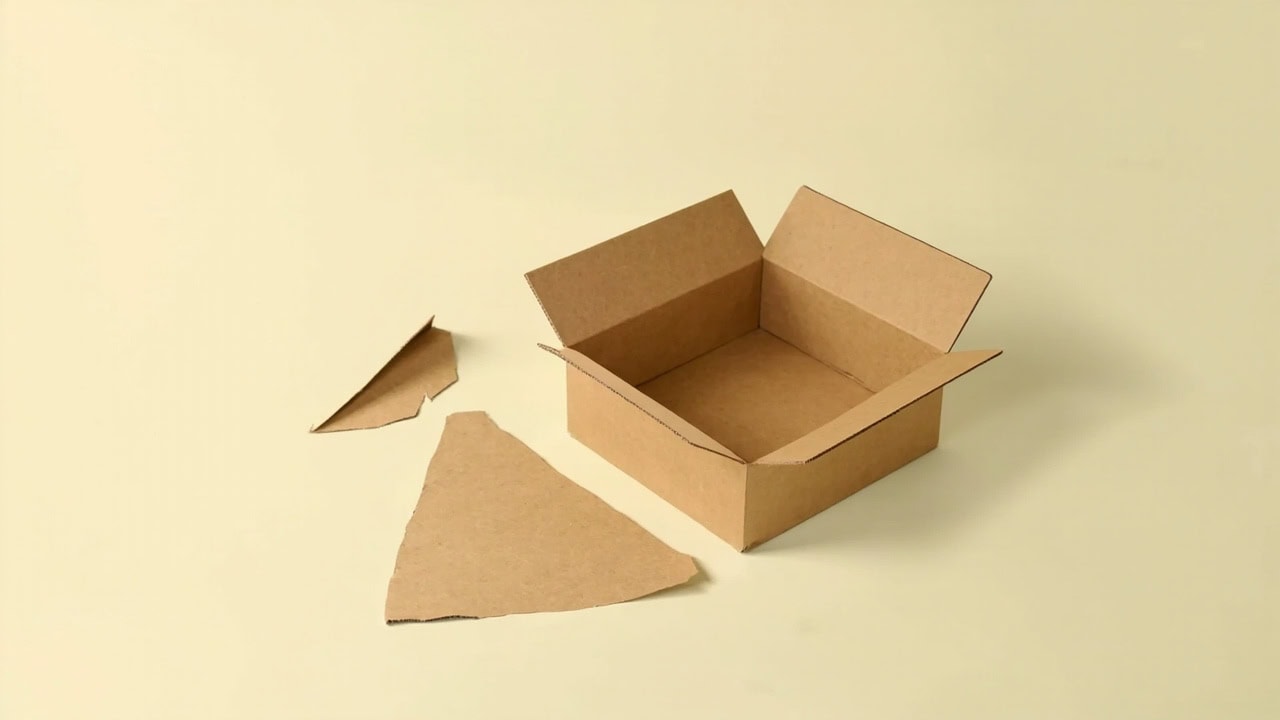
It did describe four play experiences: a DIY Cardboard Playground where children and parents build structures from recycled boxes, Nature Play using leaves, twigs and bark, Karang Guni Prints with paint and everyday items, and The Whispering Tent, a calm space to pause and reset. Read them as shapes of setup rather than as results. The tent in particular is reported event context, not an official movement target, and nothing in that report connects it to sleep. [3]
The official numbers, and how to judge intensity
Intensity needs no equipment, which helps when the materials are free. The talk test says a child at moderate intensity can talk in phrases or short sentences but cannot sing; at vigorous intensity, talking becomes difficult. Notice what that measures — the child's own effort, not the toy in their hands — and use it to read the moment rather than to push a child towards a limit. The same tips ask caregivers to encourage a wide variety of movements such as running, jumping, catching, throwing and kicking in different environments, and to introduce activity-based games such as animal movements and dance activity. [1]
The Health Promotion Board's Childhood Health Behaviours Checklist, completed by a parent for the four-to-six-year check, restates the figures with examples. It asks whether the child spends at least 180 minutes of varied activity spread through the day — playground play, ball games and cycling among them — and whether at least 60 minutes of that time is moderate to vigorous, with running, rope-skipping and games at the playground such as tag/catching given as examples. It also asks about daily outdoor active play, and, separately, about sleep and screen use. [4]
Setting up the room so the child leads
The guidelines' own practical tip for this age band is to create a home environment that encourages movement and exploration. The more detailed setup suggestions come from a HealthHub article written in collaboration with Dr Moira Chia, a consultant in the Department of Paediatrics at KK Women's and Children's Hospital, and last reviewed in January 2023. It is framed around toddlers rather than preschoolers. It asks you to let your toddler decide where and what to play, to mark a safe zone for movement indoors, and to play with items found around the house: a hopscotch pattern in masking tape across the floor, cushions for a game of catch, and an obstacle course built from household objects. [1] [5]
That toddler-framed article also restates the guideline figures: a minimum of 180 minutes of varied activity of any intensity spread through the day for children one to six, and for those aged three to six, at least 60 minutes of moderate to vigorous activity, with playground hide and seek, tag and catching, climbing, hopping, rope-skipping and casual ball games as examples. Applying that setup to a four-year-old is an optional suggestion on our part, not a preschool prescription the article makes. HealthHub's preschool Parent Hub states the wider point plainly: any form of physical activity, including playing, is important to a child's development. [5] [6]
Safety first, then one optional worked example
Safety comes from the source with the matching scope. A Health Promotion Board infographic produced with the KKH Injury Prevention Working Group covers the playground and children aged 0 to 6. It says to supervise your child at all times, to play with age-appropriate equipment, and to avoid clothing with cords or drawstrings, equipment that is broken or poorly maintained, wet equipment that is slippery and structures with no handrails and barriers. A companion HPB and KKH home infographic is organised by infant milestones, from crawling and sitting to walking and climbing, so we do not restate it as a preschool hazard checklist. [7]
For anything specific to your own preschooler, check the Child Health Booklet you keep with your child's health records, or ask your paediatrician. One optional worked example follows, an editorial idea rather than a tested routine. Tape a hopscotch pattern at one end of a cleared space and open a few delivery boxes at the other. In a 45-minute block, a child might spend about 15 minutes stepping and hopping along the tape, 20 minutes in a chase-and-catch game that reaches the moderate mark on the talk test, and 10 minutes drawing the route or resting. Count only the moving minutes, and count the 20 only when the talk test actually fits. [1] [4]
That block sits inside the day's 180 minutes, alongside daily outdoor active play, and counts toward neither the sleep hours nor the under-an-hour screen limit. [1] [4]
Read next
- HDB playground design guidelines: a parent's one-minute read
- Preschool social-emotional development at home: MOH screen and sleep guidance
Sources
- MOVE WITH FUN & GROW
- Parent Hub: 0-2 Years – Screen Time
- Free play dates for parents and pre-schoolers to bond | The Straits Times
- CHILDHOOD HEALTH BEHAVIOURS CHECKLIST
- Toddlers and Physical Activity – What You Need To Know
- Parent Hub: 3-6 Years – Healthy, Active Family
- 6737HPB_KKH Infographics 2_FA with copyright
EduNanny Editorial · AI-assisted research and writing, reviewed by our automated editorial team. Sources checked 2026-10-09. Featured image: AI-generated editorial illustration.