
Beginning with Trust and Care EduNanny Near Home 1 to 3 Infant Pods Pilot in Singapore December 2024 to December 2027
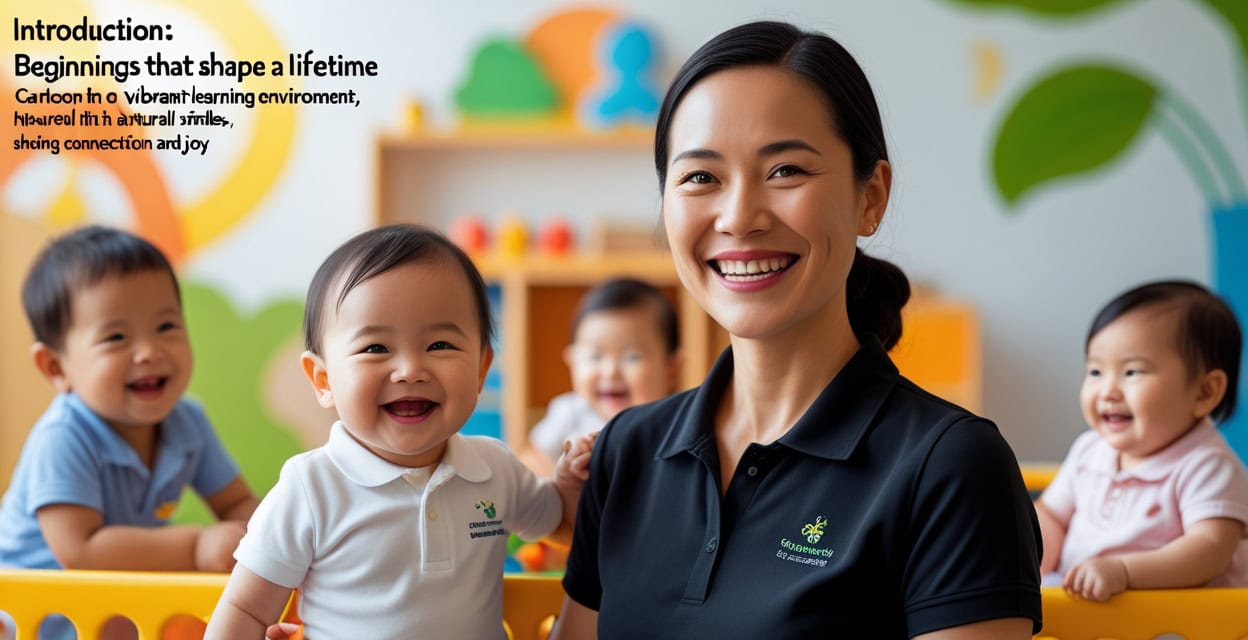
Introduction: Beginnings That Shape a Lifetime
Good evening, parents, grandparents, caregivers, and neighbours. Thank you for gathering for a conversation about beginnings—the kind that shape a lifetime. In the first thousand days of life, brain connections fire at a pace we adults can hardly fathom; trust is built or broken in the quiet minutes between feeds; and a nation’s future is quietly drafted in the rhythm of sleep, song, and safe arms.
I am honoured to introduce EduNanny Infant Childminding Service—an ECDA‑appointed operator under Singapore’s three‑year Childminding Pilot (1 December 2024 to 31 December 2027)—a national, near‑home model of infant care designed for dignity, safety, joy, and real‑world convenience. EduNanny by BUTLER delivers micro‑pods of one to three infants, led by certified, background‑checked EduNanny Childminders, operating in childminders’ homes and community premises across the island, Monday to Friday, 7am to 7pm.

EduNanny: A National, Near‑Home Infant Care Model
EduNanny responds to what families asked for: safe care you can trust, near home, with predictable hours, clear pricing, and a caregiver who truly knows your child. We pair those needs with the strongest early childhood science—Bowlby’s secure attachment, Pikler’s respectful care, Montessori’s prepared environment, Vygotsky’s guided participation, Froebel’s play, and the developmental insights of Piaget and Erikson. Then we translate big ideas into small, daily practices. The result is a simple promise: tiny pods, big attention.
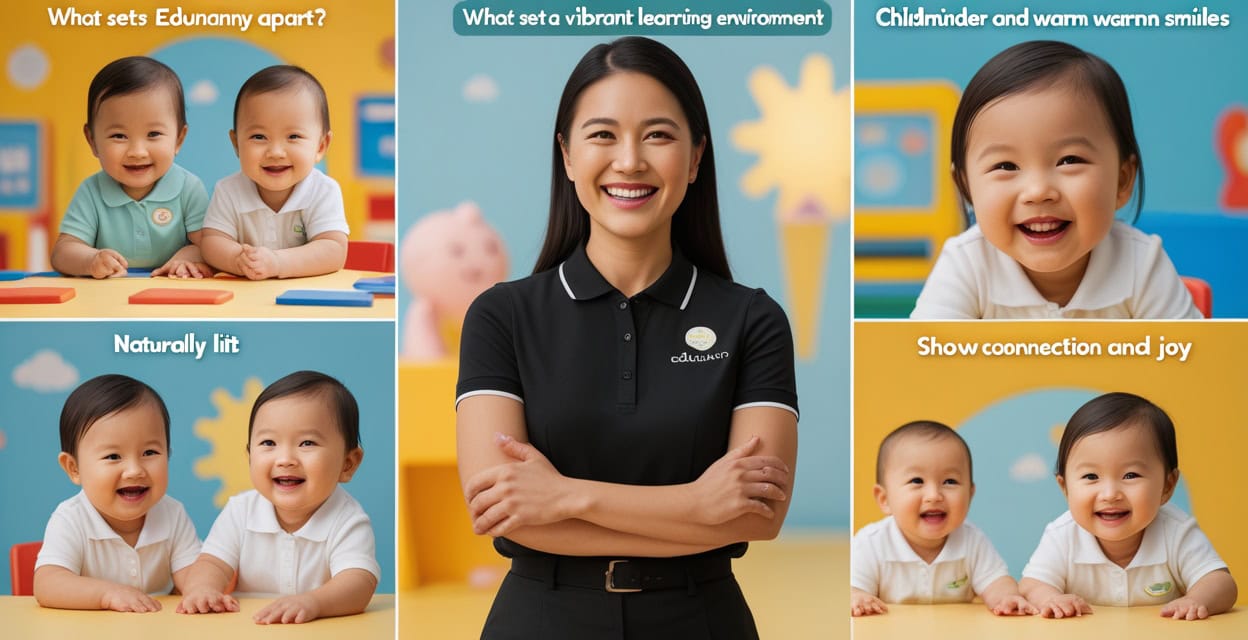
Five Fresh Lenses: What Sets EduNanny Apart
1) The Pedagogy of Attunement: learning begins in the relationship
- Presence, not pressure. We practice “slow care” inspired by Emmi Pikler—unhurried feeds, respectful touch, and eye‑to‑eye routines that teach infants their signals matter.
- A prepared micro‑environment. Following Montessori principles, our spaces invite free movement and exploration: low mirrors, safe floor time, open baskets, natural textures, and real objects—no flashing plastics needed.
- Scaffolding in the zone of proximal development. We offer just‑right support—modeling gestures, narrating action, and handing over control as babies show readiness.
- Hundred languages of expression. We listen to infants’ signals—gaze, reach, coo, kick, drift—and shape a personalised day around their unique communicative cues.
- Observation, not assumption. Each infant has a living care plan that evolves with daily notes on sleep windows, feeding patterns, sensory preferences, and motor interests.
2) Safety by Design: not one line of defence, but many
- Certified EduNanny Childminders. Mandatory training (including infant first aid and basic infant care), competency assessments, and ongoing professional development.
- Comprehensive background checks. ECDA conducts checks on childminders; for home‑based care, checks extend to individuals with regular access to the home.
- Environments audited for infant safety. Spaces are clean, hazard‑minimised, and developmentally appropriate—covering safe sleep, choking‑aware setups, secure storage, and hygiene protocols.
- CCTV with dignity. CCTV is provided in community sites as required. For home settings, CCTV is available by arrangement in caregiving areas during care hours, balancing privacy with transparency.
- Wellness policy and illness management. Clear no‑sick‑child policy and a shared plan for return to care, aligned with public health guidance.
- Incident management. Documented handovers, emergency readiness, and transparent reporting keep families informed and confident.
3) The Rhythm of Development: tiny routines that build big brains
- Sensorimotor mastery (Piaget). Floor time, grasping, rolling, cruising, and safe outdoor moments are woven into daily rhythms to support cognition through movement.
- Erikson’s trust in action. Predictable, warm responses cultivate secure attachment and emotional regulation.
- Language as caregiving. We label feelings, actions, and sensations during daily care—feeding, diapering, settling—to support language growth from lived experience.
- Nourish, rest, repeat. Sleep science and responsive feeding guide healthy rhythms, with naps protected and hunger cues read calmly.
- Micro‑rituals of belonging. A welcome song, home‑like objects, and smooth transitions reinforce safety and belonging at every pick‑up.
4) Joy as the Curriculum: happiness is measurable, and it matters
- Affection counts. We track “moments of joy”—shared smiles, responsive babbles, and little triumphs—as positive affect accelerates learning and resilience.
- Play with purpose. Open‑ended materials invite curiosity and problem‑solving without overstimulation, reflecting Froebel’s serious view of play.
- The caregiver’s calm. Reflective supervision and wellness support help maintain a calm environment that supports infant regulation and learning.
5) The Purpose and Profession of Childminding: a civic craft
- A public promise. ECDA‑appointed operators participate in a national initiative that makes infant care affordable, reliable, and near home, strengthening families and neighbourhoods.
- Maximum employment mandate. We foster dignified, skilled jobs for local caregivers, with training, standards, and community belonging.
- Partnership with parents. Parents remain the primary experts on their child; EduNanny offers concierge support, daily updates, and meaningful two‑way communication to keep home and pod in sync.

What This Looks Like for Your Family
- Ultra‑low density pods: Just 1 to 3 infants per childminder for deep attention, reduced noise, and fewer illnesses.
- Near home, islandwide availability: Home‑based childminding and centre/community micro‑sites across Singapore for walking‑distance convenience.
- Hours and flexibility. Monday–Friday, 7am–7pm, with subsidised half‑day (5h) or full‑day (10h) blocks and flexible days per week.
- Transparent pricing and subsidies. From $33 per full day (10 hours) or $16.50 per half day (5 hours), before GST, under the ECDA Pilot; CDA/Baby Bonus accepted during subsidised hours.
- Safety and trust built in. Certified EduNanny Childminders; ECDA background checks; infant first aid; clear wellness policy; incident protocols; CCTV in community sites and optional in homes by arrangement.
- Calm, modern environments. Spaces designed for safe exploration, rest, and movement with hazard awareness and thoughtful layouts.
- A consistent key person. The same calm adult attunes to your child’s cues across the day, forming a secure base for learning.
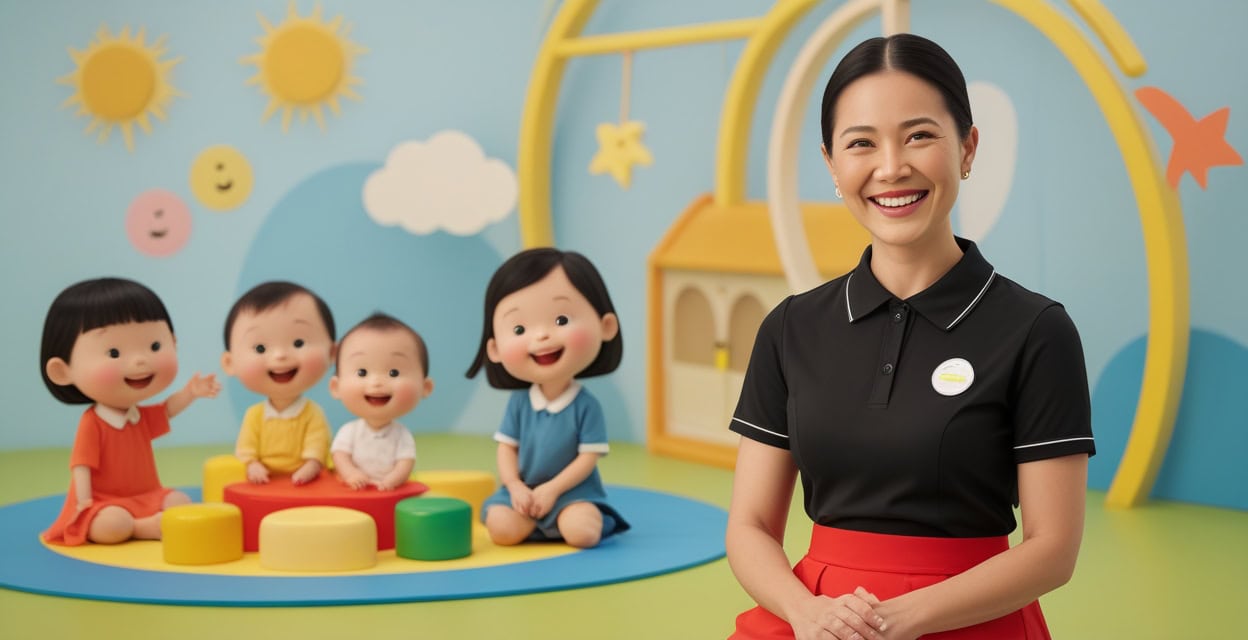
A Day in an EduNanny Pod: Arrival to Good‑Night
What a typical day could look like, with parents and caregivers collaborating for seamless routines and meaningful learning moments:
- Arrival. Unrushed handover, health check, comfort item placed within reach, and a brief shared update on last feed and sleep.
- Morning. Responsive feeding, floor time, songs in two languages, restorative outdoor time or fresh air when suitable, and observations logged for progress tracking.
- Midday. Unhurried care routine with narration, safe sleep wind‑down, and a reflective note on cues and changes in energy or mood.
- Afternoon. Sensorial exploration with textures and household objects, caregiver‑child turn‑taking games, and calm close of day with transitional rituals.
- Departure. Transparent update, tomorrow’s plan aligned, and a warm goodbye ritual that reinforces security and trust.
Practical tips for families: provide a comfort object from home, prepare a one‑page health and routine summary for the pod, and participate in brief weekly updates to stay aligned on your child’s evolving rhythms.
Choosing a Pod: Questions to Ask
- What are the caregiver qualifications, training requirements, and ongoing professional development plans?
- How is safety designed into the environment—sleep setups, choking prevention, hygiene practices, and emergency protocols?
- What is the policy on illness, medications, and return‑to‑care timelines?
- How is daily communication handled—updates, photos, notes, and access to observation logs?
- What is the plan for continuity if a caregiver is absent? Are there substitute caregivers and consistent routines?
Safety and Hygiene: Practical Standards
- Ensure spaces are hazard‑minimised with clear toy rotation and age‑appropriate materials.
- Confirm sleep safety guidelines (supine position, appropriate bedding, room sharing when recommended) and choking‑aware setups for infants starting solids.
- Inspect caregiver first‑aid certification and know how emergencies are communicated and addressed in real time.
Partnering with Your EduNanny: Daily Updates and Two‑Way Communication
- Establish a weekly rhythm of updates: a morning plan, mid‑day cue observations, and end‑of‑day reflections.
- Use shared notes to track sleep windows, feed patterns, and favourite soothers or comfort items.
- Provide a home routine script for consistency, including bilingual cues if applicable, to reinforce attachment and language development.

The Signup Process: Simple and Personal
- Step 1: Visit https://edunanny.com/edunanny-ecda-childminding-service/ and complete the short form, or enquire via WhatsApp from the same page.
- Step 2: EduNanny Concierge Team contacts you to understand needs, location, schedule, and any special considerations.
- Step 3: Schedule a site visit—home‑based pod or community site.
- Step 4: Finalise enrolment, select half‑day or full‑day blocks, number of days per week, and payment mode (including CDA/Baby Bonus for subsidised hours). Begin a gentle settling‑in period.

Why the Micro‑Pod Model Matters for Singapore
- Commuting down, connection up. Near‑home care reduces infant stress from long transitions and preserves family time for bonding and routines.
- Fewer transitions, stronger bonds. One key caregiver for up to three infants fosters secure attachment—the bedrock of resilience and later learning.
- Public value, private dignity. A national, standards‑driven approach that respects family preferences while elevating safety and transparency.
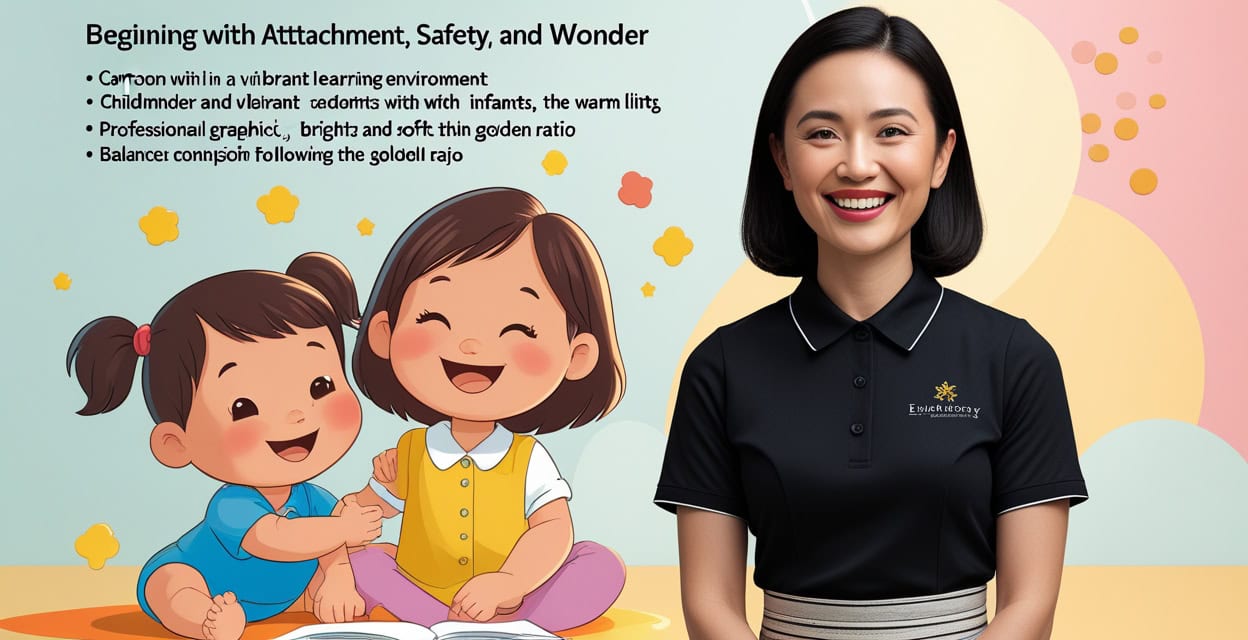
Conclusion: Beginning with Attachment, Safety, and Wonder
EduNanny childminding exists to provide peace of mind for working families, to nurture infants through secure bonds, and to strengthen neighbourhoods as circles of care. In the soft choreography of a feed, a nap, a song, and a smile, we are shaping the habits of trust, agency, and curiosity that carry children into school and life. If you believe that beginnings should be small enough to feel personal and strong enough to be public, we invite you to join us. Enquire today, meet a EduNanny Childminder, and begin the journey of a thousand moments, one quiet, joyful day at a time.
SEO Keywords: [#infantcare, #Singapore, #ECDA, #childminding, #earlychildhooddevelopment]