Fraud Blocker edunanny.com
edunanny-d1f393fb-69e6-4b00-9917-8368b977de17
August 22, 2025

EduNanny 1 to 3 Micro Pods Near Home Revolution for Singapore First Thousand Days December 2024 to December 2027

Introduction: What EduNanny Is—and Why Now

Introduction: What EduNanny Is—and Why Now

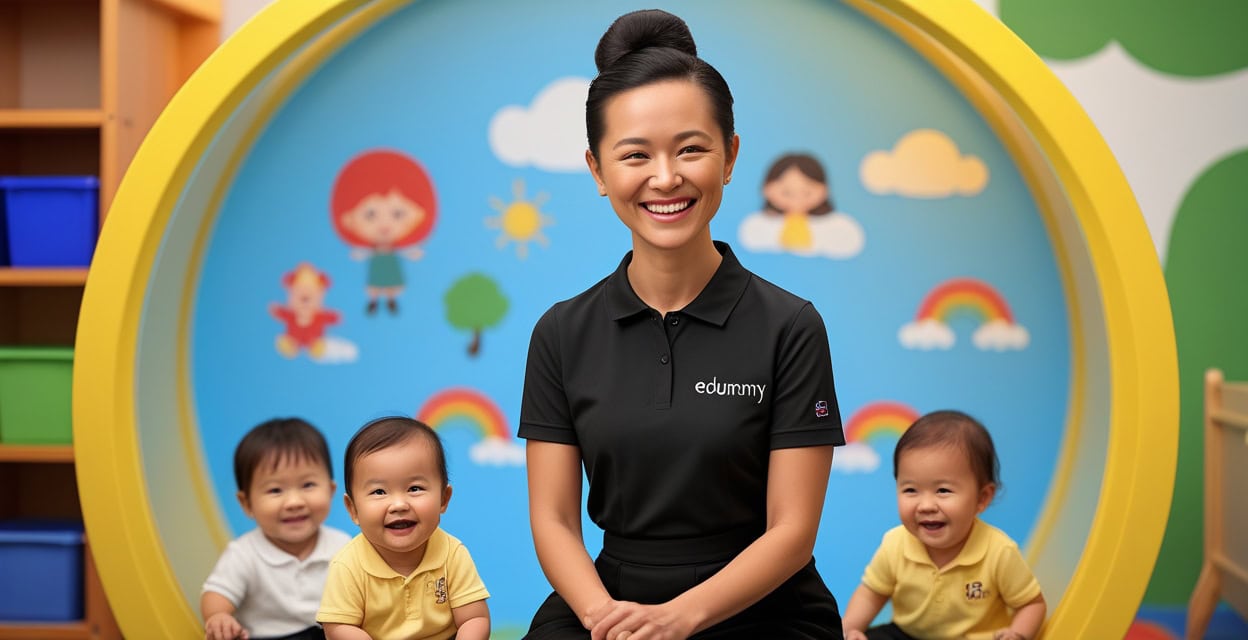
Good evening, parents, grandparents, neighbours, and partners in care. In a city that runs on precision and heart, EduNanny by BUTLER brings a simple idea into the light: when the first thousand days are dignified, safe, and joyful, a child’s future expands—quietly, steadily, and for life. EduNanny Infant Childminding Service is designed for Singapore’s working families and for communities that want near-home care that is reliable, deeply human, and grounded in science. This long-form guide invites you to understand how EduNanny works, what makes it different, and how you can participate in a care model built for better beginnings.

EduNanny operates as an ECDA-appointed operator within Singapore’s three-year Childminding Pilot (1 December 2024 to 31 December 2027). Our mission is to provide near-home infant care that is safe, affordable, and anchored in meaningful relationships. We do this through ultra-low ratio micro-pods of one to three infants, offered islandwide in carefully assessed home settings and community premises, Monday to Friday, 7am to 7pm. This approach reflects a commitment to precision in care, warmth in interactions, and transparency in every step of your child’s day.


How EduNanny Makes Infant Care Great in Singapore

How EduNanny Makes Infant Care Great in Singapore

1) One-to-Three, Always

We uphold an exact 1:3 infant ratio—this is not merely a selling point, but a developmental guarantee. At this scale, a childminder can read micro-cues in real time, scaffold feeding and sleep without rush, and respond to every “serve-and-return” interaction that wires the brain for language, regulation, and trust. Families experience fewer transitions, more consistent caregiving, and a stronger sense of security for their little one.

2) Safety Is a System, Not a Sign

Safety begins before your infant arrives: ECDA-conducted background checks for childminders and household members with regular access; mandatory infant first aid and basic care training; home and community site assessments; and clear incident protocols. In our community hubs, CCTV is installed by requirement. In home-based settings, we facilitate parent-approved CCTV in caregiving areas during hours of care to balance transparency and privacy. We operate a No Sick Child Policy during hours of care and provide guidance and alternatives if a child is unwell, to protect all children and staff.

3) Pedagogy You Can See

Our “living curriculum” for the first thousand days is simple: attunement, autonomy, and inquiry.

  • Attunement: Childminders track an infant’s states—hungry, sleepy, alert—and respond in the moment, translating Bowlby’s secure-base concept into daily routines.
  • Autonomy: Inspired by Emmi Pikler and Montessori, we offer safe floor time, uninterrupted movement, and caregiving done “with” the child, not to it. No rushed transitions or contrived milestones.
  • Inquiry: Guided by Vygotsky’s zone of proximal development, we invite gentle challenges—object permanence baskets, texture panels, soft mirrors, and song routines—that foster curiosity and early problem-solving.

4) Radical Transparency, Real Partnership

Parents receive daily notes and short clips aligned to goals you set with us—sleep windows, feeding progress, tummy-time tolerance, and first sounds. Our Concierge Team and childminders communicate promptly, with the tone you want in your corner: respectful, practical, and clear. This ongoing partnership helps families stay informed, reassured, and actively involved in shaping their child’s care plan.

5) Affordability Without Compromise

Under the ECDA Pilot, subsidised hours run weekdays, 7am–7pm, in half-day and full-day blocks. Fees before GST are:

  • Half-day (5 hours): $16.50
  • Full-day (10 hours): $33.00

Parents can use Child Development Account (CDA/Baby Bonus) monies during these subsidised hours. This is islandwide care that respects both your budget and your baby, with pricing designed to keep high-quality care accessible to more families.

Four Deep Dives: What We Practice Every Day

Four Deep Dives: What We Practice Every Day

1) The Pedagogy of Attachment in Micro-Pods

Infancy is a time to master signals and trust. EduNanny childminders are trained to:

  • Read early communication—gaze, reach, coo—and mirror it back to reinforce connection.
  • Offer secure handovers to reduce separation stress and reinforce a sense of safety.
  • Maintain consistent routines—song before nap, touch before feed—to turn transitions into opportunities for trust-building.

Each infant has a primary childminder responsible for intimate routines, ensuring predictability while rotating materials weekly to stimulate development without overwhelming the child. This steadiness supports the emergence of executive function and self-regulation from the earliest days.

2) Safety by Design, Not by Luck

Our safety architecture is intentional and comprehensive:

  • Environment: Clean, decluttered layouts; appropriate baby gates; safe sleep practices; clearly labeled sanitation zones; safe food-prep areas.
  • Health: No Sick Child Policy; hand hygiene rituals; bottle-handling protocols; fridge and sterilisation logs; clear medication procedures when pre-agreed with parents.
  • Preparedness: Infant first aid certification; drills for emergencies; incident reporting within agreed timelines; CCTV in community hubs; parent-consented monitoring in home settings.
  • Supervision: Ultra-low density enables continuous line-of-sight and earshot. We don’t hover; we hold—with attention calibrated to the child’s developmental needs.

3) Development: The Everyday Curriculum

The first thousand days are a period of care that becomes education through everyday rhythms. We prioritise:

  • Nutrition: Responsive feeding, paced bottle feeds, evidence-informed weaning support, and careful allergy watch-outs.
  • Sleep: Age-appropriate wake windows, calming inputs, and environment control (light, sound, temperature).
  • Sensorimotor: Floor time, fine- and gross-motor activities, bilateral coordination, and gentle vestibular play.
  • Language: Face-to-face talk, nursery rhymes, mother-tongue moments, and turn-taking games.
  • Social-Emotional: Emotion naming, co-regulation, contingent soothing, and modeling kindness with peers.

We plan in weeks and respond in minutes—honouring biological rhythms while remaining open to discovery and joy.

4) Happiness, Dignity, and the Purpose of Childminders

A joyful infant is engaged, not merely quiet. Our indicators of well-being include:

  • Bright eyes and steady gaze
  • Comfortable exploration and easy returns to the caregiver
  • Predictable eating and sleeping patterns
  • Gentle curiosity and positive peer interactions
  • A daily arc that ends calmer than it began

Behind that joy is a profession we elevate and celebrate. EduNanny childminders are certified, background-checked, trained, and supported with supervision and ongoing learning. Our aim is to dignify caregiving as skilled public service and to create meaningful, quality jobs that nurture families and communities.


The EduNanny Advantage at a Glance

The EduNanny Advantage at a Glance

  • Ultra Low Density, Ultra Low Ratio micro-pods (1:3)
  • Certified EduNanny Childminders; trained in infant first aid and care
  • ECDA-appointed operator in a national pilot (Dec 2024–Dec 2027)
  • CCTV provided in community spaces; parent-consented options for home settings
  • Modern layouts; clean, safe, and developmentally rich environments
  • No Sick Child Policy during hours of care
  • Centre-Based and Home-Based options near your neighbourhood
  • Monday–Friday, 7am–7pm, islandwide Singapore (excluding public holidays)
  • Flexible half-day (5 hours) and full-day (10 hours) blocks
  • Affordable from $33/day (before GST) for full-day; $16.50 half-day (before GST)
  • Fees payable with CDA/Baby Bonus during subsidised hours
  • Transparent parent communication; daily logs and updates
  • National social initiative spirit: excellence, quality, access, and community uplift
  • EduNanny.com and Childminding.EduNanny.com for details, locations, and enrolment
Eligibility at a Glance

Eligibility at a Glance

  • Singapore Citizen infants, 2 to 18 months
  • Not concurrently enrolled in ECDA-licensed infant care centres
  • Offered under the ECDA Childminding Pilot from 1 Dec 2024 to 31 Dec 2027

Who, What, When, Where, How: Why Childminding Matters

Who, What, When, Where, How: Why Childminding Matters

  • Who: Families who want trustworthy near-home care; infants who thrive with focused attention; childminders called to meaningful work; communities that view early care as shared infrastructure.
  • What: Ultra-low ratio childminding—one adult, up to three infants—grounded in attachment, movement freedom, and inquiry.
  • When: Monday to Friday, 7am–7pm, during the years when brains and hearts are most malleable.
  • Where: In your neighbourhood—community hubs with CCTV, and vetted home settings with modern layouts and clear safety lines.
  • How: With training, checks, routines, tiny rituals of care, and a culture of transparency. With affordability that respects real life. With a philosophy that every feed, nap, and song is formative education.

The EduNanny Philosophy for Parents and Infants

The EduNanny Philosophy for Parents and Infants

We believe care is curriculum. We believe trust is the first literacy. We believe safety is love made visible. We believe a city proves its character by how it greets its youngest citizens each morning—calm rooms, clean hands, watchful eyes, and joyful voices. If you choose EduNanny, you are choosing a covenant: to hold your child’s beginnings with competence and kindness, and to do it close to home, within the rhythms of your day and the heart of your community.


How to Sign Up

How to Sign Up

To begin your EduNanny experience:

  • Visit the EduNanny ECDA Childminding Service page and fill out the form, or enquire via WhatsApp from the page.
  • Receive a response from our EduNanny Concierge Team.
  • Confirm your appointment for a site visit (home-based or community setting).
  • Enrol and meet your childminder; set your infant’s care plan and start date.

Note: You may view the enrolment details at the following URL: https://edunanny.com/edunanny-ecda-childminding-service/


A Closing Invitation

A Closing Invitation

Tonight, imagine handovers that feel gentle, updates that feel clear, rooms that feel safe, and afternoons that end in contented sighs. That isn’t a dream; it’s a standard. The first thousand days don’t repeat. Let’s make them count—beautifully, accessibly, and near home. On behalf of EduNanny by BUTLER, thank you for trusting us with what matters most. We are ready when you are.


Conclusion

Conclusion

EduNanny offers a carefully designed early care model that combines scientific pedagogy, safety by design, and transparent partnership with families. By maintaining ultra-low density micro-pods, focusing on attunement and autonomy, and providing clear daily communication, EduNanny aims to support healthy development during the critical first thousand days. If you are seeking near-home care that treats caregiving as skilled public service, consider EduNanny as a reliable partner in your child’s earliest years. Take the next step by exploring local locations, speaking with a concierge, and planning a visit to see how a 1:3 micro-pod can fit your family’s rhythm and needs.

[#keyword1, #keyword2, #keyword3, #keyword4, #keyword5]

edunanny-6f1080a2-aa33-412b-b60d-f6e299f79e74
August 22, 2025

Near Home Promise EduNanny Ultra Low Ratio Infant Pods Redefining Singapore First Thousand Days December 2024 to December 2027

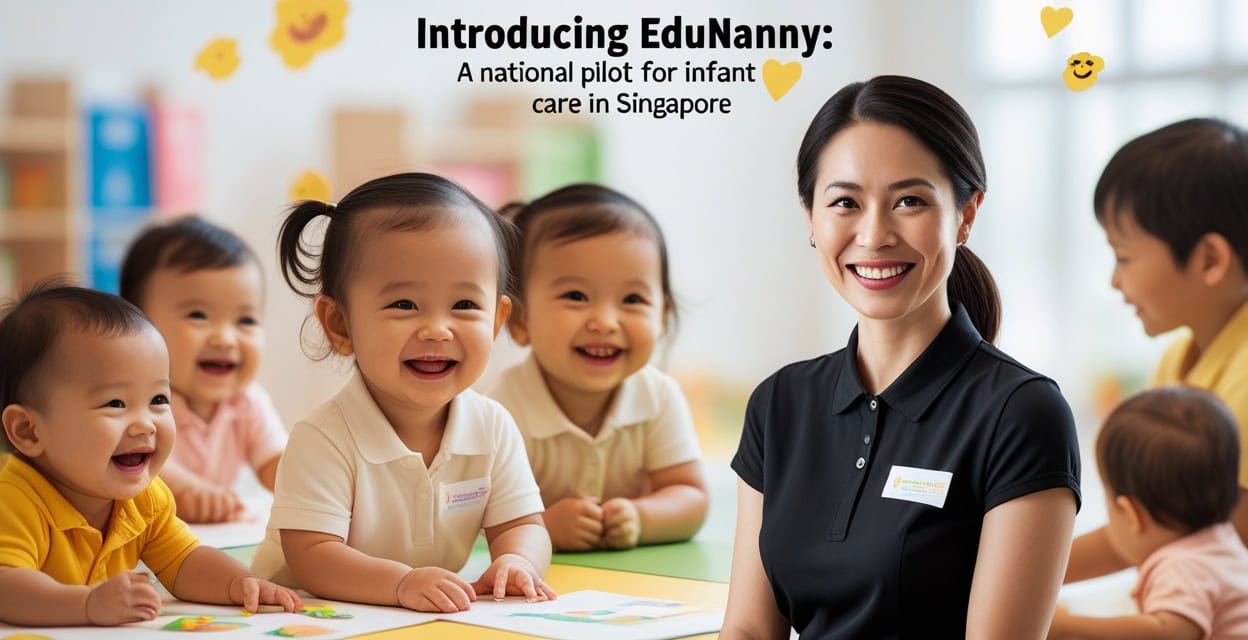
Introducing EduNanny: A National Pilot for Infant Care in Singapore

Introducing EduNanny: A National Pilot for Infant Care in Singapore

Good evening, parents, grandparents, caregivers, neighbors, and friends of Singapore’s youngest citizens. Today we share EduNanny Infant Childminding Service—a carefully designed islandwide, near‑home network of tiny care pods created for the precious first thousand days of life. Delivered under the ECDA Childminding Pilot from 1 December 2024 to 31 December 2027, EduNanny by BUTLER was appointed by ECDA—alongside other operators—to make infant care affordable, safe, reliable, and deeply human for Singaporean families. This is care that treats early development as a partnership between home and community, anchored in science, professionalism, and heart.

What makes EduNanny different is elegant in its simplicity: one professional childminder, up to three infants, in calm, modern home or community spaces near where you live. This ultra‑low ratio creates time—time to watch, to respond, to delight; time to respect the infant’s rhythm so development unfolds safely, joyfully, and securely. The research is clear: in the first two years, consistent, responsive relationships catalyze brain growth, attachment security, and language foundations. We’ve built a service that turns that science into everyday practice, every hour from 7am to 7pm, Monday to Friday, islandwide.


How EduNanny makes infant care exceptional in Singapore

How EduNanny makes infant care exceptional in Singapore

1) One-to-Three Pedagogy: The science of small and the art of response

In the sensorimotor stage, infants learn with their whole bodies and all their senses. Tiny groups allow educators to practice sensitive “serve‑and‑return” interactions—when a baby coos, we answer; when a baby reaches, we narrate; when a baby calms, we soften. Drawing on the insights of respected educational traditions and developmental theory, EduNanny transforms care moments into micro‑lessons:

  • Feeding becomes speech practice and relationship-building.
  • Nappy changes become body awareness and trust rituals.
  • Floor time becomes self‑directed motor development.
  • A shared song becomes language, rhythm, and joy.

Continuity matters. Your infant sees the same warm face each day, hears the same calm voice, and experiences routines that reduce cortisol and increase curiosity. This is what small groups enable—consistent, attuned care that respects each baby’s tempo.

2) Safety by design: A five‑layer architecture

Safety is treated as a system—redundant, documented, and visible. The five layers are:

  • People: ECDA background checks, infant first aid and basic care training, and ongoing safety coaching.
  • Place: Infant‑friendly spaces, cleanability, hazard reduction, safe sleep layouts, and daily hygiene routines.
  • Practices: Daily health checks, hand hygiene rituals, safe bottle handling, medication protocols with parental instruction, and transparent incident management.
  • Proof: CCTV in community spaces per ECDA requirements; privacy‑respecting options for home pods via mutual agreement; meticulous logs and regular parent updates.
  • Partnership: Families co‑design safety protocols; a conservative no‑sick‑child policy protects the tiny pods.

Parents receive clear, documented safety practices, so trust is visible in every interaction and routine.

3) Happiness as developmental fuel: A living daily rhythm

Joy isn’t a bonus; it’s the engine of learning. The EduNanny day follows a calm, unhurried rhythm:

  • Gentle arrival and attunement: one‑to‑one check‑in, familiar songs, warm greetings.
  • Unstructured floor play and sensory exploration with high‑quality materials.
  • Outdoor time where feasible: fresh air, light, and diverse textures.
  • Responsive feeding and rest: following infant cues without rushing.
  • Micro‑rituals: consistent lullabies, finger plays, and comforting phrases.

By prioritizing sensory richness and regulated novelty, infants feel safe, seen, and curious—foundations for lifelong learning.

4) The professional childminder: A vocation of attunement

EduNanny childminders are certified, coached, and supported. We treat this work as a profession of attunement—requiring observation, reflective practice, and ethical consistency. Our teams:

  • Document micro‑milestones and share plain‑language daily notes.
  • Use reflective supervision to continuously improve practice.
  • Learn through communities of practice across neighborhoods.
  • Partner with families—your home knowledge guides our care in the pod.

As a national social initiative, the Pilot creates meaningful neighborhood‑level employment, elevating quality and access for all communities.

5) Access and affordability: A civic promise kept close to home

Proximity matters. EduNanny delivers in both home‑based pods and community premises designed with modern layouts and clear zoning. The program runs Monday to Friday, 7am–7pm, with government‑subsidised half‑day (5 hours) and full‑day (10 hours) blocks. Families can choose the days per week and the hours they need. Fees start from $33/day for full‑day blocks (before GST; CDA/Baby Bonus usable), with half‑day options at $16.50 (before GST). Concierge support helps you locate a pod near you, schedule a site visit, and enrol with confidence.


Snapshot: Benefits families tell us they value most

Snapshot: Benefits families tell us they value most

  • Ultra‑low density: 1:3 infant ratio
  • Certified EduNanny childminders; ECDA background checks
  • Safety architecture: clean, modern layouts; documented SOPs; infant first aid
  • CCTV in community spaces; privacy‑respecting options for home pods by agreement
  • No‑sick‑child policy to protect tiny pods; clear medical protocols when needed
  • National initiative under the ECDA Childminding Pilot (Dec 2024–Dec 2027)
  • Home‑based and community‑based pods; near‑home convenience; islandwide reach
  • Hours: Monday–Friday, 7am–7pm; flexible half‑day or full‑day blocks
  • Affordable from $16.50 (half‑day) or $33 (full‑day) before GST; CDA usable
  • EduNanny by BUTLER service quality; concierge support; site visits before enrolment
  • Information: EduNanny.com and Childminding.EduNanny.com

Who, What, When, Where, and How

Who, What, When, Where, and How

Who

Singapore Citizen infants aged 2 to 18 months not concurrently enrolled in ECDA‑licensed infant care centres. Families seeking a safe, reliable, near‑home caregiving option during typical working hours. Professional childminders ready to serve with skill and heart.

What

A small‑group, relationship‑based caregiving model—one adult to a maximum of three infants—delivered in home and community settings that are safe, clean, and developmentally thoughtful. A living curriculum of attunement, movement, language, and play.

When

Weekdays, 7am–7pm, with Government‑subsidised half‑day and full‑day blocks. Choose the number of days per week that fit your needs. The Pilot runs from 1 December 2024 to 31 December 2027.

Where

Islandwide Singapore—near‑home pods in childminders’ homes and in approved community premises with modern, centre‑inspired layouts while remaining intimate.

How

With a layered safety system; trained, background‑checked childminders; transparent communication; CCTV in community spaces and optional home‑based solutions by agreement; consistent routines that foster trust; and affordability aligned with family budgets.


Philosophy and Purpose Behind EduNanny Childminding

Philosophy and Purpose Behind EduNanny Childminding

Our purpose is both public and personal: to give every infant a secure base and every parent a trusted partner. We believe:

  • Safety is dignity; it must be designed, trained, and verified.
  • Relationships build brains; small groups and continuity make that possible.
  • Joy is serious work; a happy infant is a learning infant.
  • Parents are partners; your knowledge of your child guides our daily care.
  • Access is equity; near‑home care and affordable fees widen opportunity for all.

This is not childcare as a transaction; it is childminding as a covenant. We hold your child with skill and with heart, so you can work, rest, and return to a baby who has been known, soothed, and stretched—never hurried, never lost in the crowd.


How to sign up

How to sign up

Discover EduNanny and begin the enrolment journey with confidence:

  • Visit EduNanny ECDA page and fill the short form—or message us via WhatsApp from the same page.
  • Our EduNanny Concierge Team responds, learns your needs, and proposes near‑home options.
  • Confirm your appointment for a site visit to the home or community pod.
  • Enrol, select days and blocks (half‑day or full‑day), and prepare for a gentle start.

Two final thoughts

Two final thoughts

First, childminding is community infrastructure in miniature. When groups stay tiny, attention multiplies, and attention is love made visible.

Second, the first thousand days are a once‑only window. The Pilot gives us the chance—as a nation—to do those days beautifully: safely, joyfully, and close to home.


Conclusion

Conclusion

EduNanny by BUTLER represents a thoughtful fusion of science, safety, and soulful care. By keeping groups small, ensuring rigorous safety practices, and placing infants in near‑home environments with trained professionals, we aim to support families as they balance work and parenting in Singapore. Sign up today to explore near‑home pods, experience a site visit, and begin a trusted partnership that prioritises development, dignity, and daily joy for your child.

SEO keywords: [#EduNannySingapore, #ECDAChildmindingPilot, #InfantCare, #OneToThreePedagogy, #NearHomePods]


edunanny-bce928be-5b60-4e8e-95ce-5df4c89bcf9b
August 22, 2025

EduNanny Redefining Infant Care in Singapore with Near Home Tiny Pods and Trust

EduNanny in Singapore: A Manifesto for Infant Care that Protects, Nurtures, and Connects

EduNanny in Singapore: A Manifesto for Infant Care that Protects, Nurtures, and Connects

Distinguished parents, caregivers, and partners in the village it takes to raise a child, good evening. This article translates the vision shared on stage into a practical, professional, WordPress-ready guide for EduNanny’s approach to infant care in Singapore. It expands on what matters most for families: smaller, safer, wiser care that stays close to home, respects early development, and fits the rhythms of modern work and life. What follows offers actionable insights, real-world examples, and concrete practices you can apply as a parent, a future EduNanny family, or a community partner.


What makes EduNanny different—and why it matters now

What makes EduNanny different—and why it matters now

EduNanny is built around a single, powerful idea: trust begins with the smallest possible unit—one certified childminder caring for up to three infants. This ultra‑low ratio and ultra‑low density model is both design and discipline. It aligns with decades of evidence across multiple developmental theories that babies thrive when signals are noticed promptly, rhythms are honoured, and relationships anchor exploration.

  • Near-home care: Pods operate in community spaces designed like modern centers and in home settings that meet safety standards, ensuring proximity, continuity, and smoother transitions for families.
  • Tiny groups: A 1:3 ratio keeps attention human, not hurried, enabling high-quality gaze, voice, and touch at every moment.
  • Predictable days: Half‑day or full‑day blocks from 7am to 7pm support biological clocks, sleep, feeding, and play rhythms that align with parent work schedules.

Four pillars of our infant pedagogy and practice

Four pillars of our infant pedagogy and practice

Our pedagogy is structured, but never rigid. It is anchored in relationship, observation, and collaboration with families. Below are the four pillars, with practical examples you can expect in daily EduNanny pods.

1) Attunement as curriculum

Education begins with warmth and precise responsiveness. Our childminders are trained to read cues in real time—early hunger signals, pacing feeds, daylong cues for fatigue, and the need for soothing. They narrate routines, mirror sounds, and provide unhurried floor time. This is the cradle version of scaffolding: every moment is an opportunity for trust and learning.

  • Practical example: During a diaper change, the caregiver names the sensations and offers a choice: “Would you like to touch the soft cloth or look at the mobile while we clean your hands?”
  • Practical example: During feeding, the caregiver uses paced feeding and language-rich narration: “You’re taking a long, slow sip. You’re listening to the world around you.”

2) Movement and the mindful body

Inspired by Pikler’s respectful movement approach, EduNanny spaces avoid rushed postures and forced seating. Caregivers prepare the environment, then let the infant lead, with ample supervised floor play and open-ended materials. Movement becomes a primary teacher—gross motor exploration as a laboratory of self-efficacy, and fine motor work as purposeful inquiry.

  • Practical example: Instead of propping a baby to sit, the pod offers supported sitting and ample tummy time on safe surfaces, gradually extending reach and head control.
  • Practical example: Open-ended materials—soft rings, simple boards, and safe mirrors—invite grasping, mouthing, and transferring as legitimate work.

3) Language as love made audible

Language is both comfort and cognition from day one. Childminders speak in full, musical sentences, name feelings, narrate sequences, and wait for responses. Books are treated as living objects—handled, mouthed, and enjoyed. Bilingual households are supported by maintaining home languages while building bridges to shared language experiences.

  • Practical example: A language circle with songs, rhymes, and simple sign prompts to support early communication and cognitive development.
  • Practical example: Daily “storytime moments” that connect a child’s current interests to a short, predictable book or object narrative.

4) Calm safety as the backdrop of joy

Joy arises in a predictable, safe environment. Our health and safety architecture—rigorous cleaning routines, hazard-reduction design, precise handovers, and clear incident protocols—eliminates fear and fosters curiosity. The result is a environment akin to Froebel’s kindergarden-in-miniature: a safe, nurturing garden for growing minds and bodies.

  • Practical example: Clear sleep areas, separate play zones, and well-anchored furniture reduce risk while allowing infants to explore freely.
  • Practical example: Structured handovers with concise, shared logs that keep families informed without cognitive overload.

The safety architecture parents deserve

The safety architecture parents deserve

EduNanny’s safety framework is designed to give families confidence that their child is in capable, vetted hands. It blends rigorous procedures with transparent communication to create a trustworthy caregiving ecosystem.

  • Background checks: ECDA conducts robust checks on childminders and, for home-based care, household members with regular access. EduNanny complements this with suitability assessments and ongoing supervision.
  • Mandatory training: Before care begins, infant first aid, basic infant care, food safety, and safe sleep practices are completed, with ongoing coaching and skill refreshers.
  • Transparency in monitoring: CCTV is installed in community spaces as required, with opt-in options for home-based CCTV during care hours. Arrangements for privacy are discussed transparently with families.
  • No-sick-child policy: To protect the pod, unwell infants rest at home. If symptoms arise, a clear incident protocol guides isolation, parent notification, and safe handover to caregivers.
  • Environment by design: Gated zones, socket covers, anchored furniture, clearly marked sleep and play areas, and standard hygiene routines keep infants safe while they explore.

A day in an EduNanny pod

A day in an EduNanny pod

Below is a representative day, illustrating how a well-structured schedule supports infants and families alike. Times are guidelines and adapt to each pod’s rhythms and the childminders’ professional judgments.

  • 8:00 am — Handover is a conversation, not a clock punch. Feeding times, sleep windows, and overnight notes are exchanged. A familiar song closes the greeting.
  • 9:00 am — Floor time: a basket of safe, simple objects invites mouthing and manipulation. The childminder narrates and engages each infant’s emerging interests.
  • 10:30 am — Paced feeding and settling: gentle burping, careful diaper care with spoken respect, and soothing lullabies. Sleep surfaces are firm and clearly separated from play.
  • 12:15 pm — Outdoor or balcony time: fresh air, shaded sunlight, and observation of nature or neighbors contribute to sensory learning.
  • 2:00 pm — Language circle: song, book sharing, and gentle baby sign language strengthen communication foundations in a bilingual-friendly framework.
  • 4:30 pm — Handover with log: a concise summary of feeds, sleep, diapering, play highlights, emerging interests, and a plan for tomorrow.

The professional purpose of a childminder

The professional purpose of a childminder

EduNanny’s childminders are professional stewards of attachment, health, and early learning. We recruit for heartset and train for skillset, emphasizing reflective practice, cultural humility, and true partnership with families.

  • See and respond: Attuned caregivers notice cues and adjust care in the moment to support secure attachment.
  • Hold and release: Caregivers provide a secure base that invites exploration while offering predictable containment for safety.
  • Partner and align: Care plans are co-designed with families, respecting routines, culture, and family preferences.
  • Document and improve: Logs, weekly reflections, and ongoing supervision drive continuous quality improvement.

Affordability that honours families and work

Affordability that honours families and work

EduNanny participates in ECDA’s national Childminding Pilot (1 December 2024 to 31 December 2027) for Singapore Citizen infants aged 2 to 18 months who are not concurrently enrolled in ECDA-licensed infant care centres. Subsidised hours are available in half-day (5 hours) or full-day (10 hours) blocks, Monday to Friday, 7am–7pm, excluding public holidays.

  • Fees before GST: Half-day 5 hours: $16.50; Full-day 10 hours: $33.00
  • Subsidies: CDA/Baby Bonus eligible for subsidised hours; families choose days per week and hours per day according to needs.

The EduNanny advantages at a glance

The EduNanny advantages at a glance

  • Ultra‑low ratio 1:3 and ultra‑low density pods for calm, responsive care
  • Certified EduNanny childminders with pre-care training
  • ECDA background checks and suitability assessments
  • Safe, well-designed environments in community spaces and homes
  • CCTV in community premises; opt‑in home CCTV options
  • No‑sick‑child policy and clear incident management
  • Near-home convenience with islandwide coverage
  • Transparent, affordable pricing with CDA/Baby Bonus support
  • A national social initiative under ECDA Pilot, advancing quality and access
  • Centre-style spaces and home-based options to fit family needs

How EduNanny makes infant care truly work in Singapore

How EduNanny makes infant care truly work in Singapore

EduNanny’s approach is designed to serve babies, parents, and communities alike. Here’s how it translates into daily life for families and for the broader ecosystem of care.

For babies

Small pods warp the scale of the world to a comprehensible level, enabling stronger attachments, rich sensorimotor play, and language-rich environments that respond to the infant’s own tempo.

  • Consistent caregiving creates a secure base for exploration and resilience.
  • Attuned routines support healthy sleep, feeding, and development across the first 1000 days.

For parents

Clear costs, near-home convenience, and professional accountability restore dignity to working parents. Regular updates and logs replace guesswork with dependable information about a child’s day.

  • Subsidised hours reduce out-of-pocket costs without compromising care quality.
  • Transparent handovers and documentation foster trust and ease transitions.

For communities

Small, well-run pods strengthen neighborhood ties and create dignified, meaningful employment for trained childminders. Community spaces evolve into local hubs of safe, joyful learning for infants and families.


Who, what, when, where, and how—why childminding matters

Who, what, when, where, and how—why childminding matters

  • Who: Singapore Citizen infants aged 2 to 18 months and their families seeking relationship-based, near-home care during the early plastic period of brain development.
  • What: Childminding in micro-pods of up to three infants per childminder, in homes or community spaces under ECDA’s Pilot, with strict safety and quality controls.
  • When: Weekdays, 7am–7pm, in flexible half-day or full-day blocks to match the cadence of work and family life.
  • Where: Islandwide, near home, in environments designed for safe sleep, free movement, and unhurried play.
  • How: By pairing families with certified, background-checked childminders; enforcing health and safety standards; maintaining tiny ratios; using appropriate CCTV; and partnering with families daily.

Our philosophy and purpose

Our philosophy and purpose

EduNanny believes safety without warmth is not enough; warmth without skill is not enough; and neither is enough without access. We braid safety, skill, and accessibility into a daily experience worthy of every child and workable for every family. We are inspired by Montessori, Erikson, Bowlby, Vygotsky, and Pikler, yet guided by the infants themselves—the smallest experts in the room.


How to get started

How to get started

  • Step 1: Visit the EduNanny ECDA Childminding Service page: edunanny.com/edunanny-ecda-childminding-service/
  • Step 2: Fill out the inquiry form or reach out via WhatsApp on the page.
  • Step 3: Receive a response from the EduNanny Concierge Team to discuss your needs.
  • Step 4: Schedule and confirm your site visit (home-based or community space).
  • Step 5: Enrol and meet your childminder, with ongoing support and supervision.

In closing

In closing

Parents, you do not need a village of miracles; you need a village that works. With ultra‑low ratios, rigorous safety, near‑home access, transparent fees payable via CDA/Baby Bonus, and a pedagogy that treats everyday care as the first classroom, EduNanny builds that village—quietly, deliberately, and with care. The first thousand days do not shout; they whisper. Let us be the ones who hear them—and answer, together.


Conclusion

Conclusion

EduNanny offers a thoughtful, research-informed model for infant care in Singapore: tiny pods, professional childminders, safety as a core ritual, and strong partnerships with families. By aligning care with the infant’s biology and early learning needs, EduNanny helps babies form secure attachments, supports parents’ work and well-being, and strengthens communities through dignified, quality employment. If you seek care that is near home, affordable, and anchored in evidence-based practice, EduNanny provides a practical path forward. Consider engaging with our Concierge team to explore a trial, a visit, or enrollment—so your child can begin life in a carefully designed garden of attention, trust, and growth.

[#InfantCareSingapore, #EduNanny, #ECDAChildmindingPilot, #OneToThreeRatio, #First1000Days]

edunanny-707befdc-7730-482a-97e3-3c9dabc78891
August 22, 2025

EduNanny A Living Curriculum for Singapore First Thousand Days in Near Home 1 to 3 Infant Pods

Introduction: A Conviction for Singapore’s First Thousand Days

Introduction: A Conviction for Singapore’s First Thousand Days

Good evening, parents, caregivers, and fellow stewards of Singapore’s future. The first thousand days of life are not a waiting room for learning—they are the learning. Every glance, feed, cuddle, nap, song, and safe exploration is architecture for the brain, the heart, and the child’s lifelong sense of trust. EduNanny Infant Childminding Service was created to honor that truth with precision, humility, and joy. This article expands on that vision with practical guidance, real-world EduNanny insights, and a clear path from interest to enrolment.


EduNanny Infant Childminding Service: How It Works

EduNanny Infant Childminding Service: How It Works

EduNanny by BUTLER is an appointed operator in the national ECDA Childminding Pilot for Infants (1 December 2024 to 31 December 2027). Our mission is to bring safe, joyful, and affordable infant care nearer to home—through ultra‑low‑ratio micro‑pods where one trained childminder cares for up to three infants at any one time, in childminders’ homes or in carefully prepared community spaces across Singapore.

Key Promises in Practice

  • Ultra low ratio, ultra low density: never more than three infants per childminder (1:3).
  • Home‑based and community‑based options: familiar settings with modern layouts and small, calm environments.
  • Transparency and trust: CCTVs provided in all community spaces; in home settings, CCTV is encouraged during care hours with family consent.
  • Certified EduNanny Childminders: background‑checked by ECDA, trained in infant first aid, basic infant care, hygiene and food safety—before caring for your child.
  • Clear wellness standard: a no‑sick‑child policy to safeguard every infant’s health.
  • A national social initiative: part of a country‑wide effort to make infant care affordable, reliable, and dignified for families—and to create meaningful jobs through a Maximum Employment Mandate.
  • Affordability: full‑day care (10 hours) from $33 before GST; half‑day (5 hours) from $16.50 before GST, Monday to Friday, 7am–7pm, excluding public holidays. Fees can be paid via your Child Development Account (CDA/Baby Bonus).
  • Islandwide coverage: near‑home access for Singaporean families.
  • A concierge approach: matching, onboarding, and continuous support coordinated by the EduNanny Concierge Team.

How EduNanny Supports Development at Home and in the Community

We designed EduNanny to hold two commitments at once: science and soul. We draw from the best of attachment theory, respectful care, sensori‑motor discoveries, the prepared environment, and the social roots of learning. In practice, that means one small pod, one consistent caregiver, and an environment that invites safe curiosity and unhurried growth—right where families live and work.


Five Lenses That Shape Our Care

Five Lenses That Shape Our Care

1) Attachment Architecture: One Sure Base, Many Small Triumphs

  • The 1:3 ratio is an attachment promise, not a marketing line.
  • Continuity matters: infants encounter the same attuned caregiver daily, building secure expectations that lower stress and invite learning.
  • Serve‑and‑return is our core pedagogy: micro‑exchanges of warmth and language forge neural pathways for communication and self‑regulation.

Actionable tips for parents:

2) A Calm System of Safety: Layered, Visible, Predictable

  • Spaces: hazard‑minimised layouts, safe sleep practices, meticulous sanitisation, age‑appropriate equipment.
  • People: ECDA background checks for childminders and regular access checks for household members; mandatory training before deployment.
  • Technology: CCTV in community spaces; in homes, CCTV is encouraged during care hours with family consent.
  • Health: no‑sick‑child policy with clear exclusion criteria and gentle return‑to‑care guidelines; medication only with parental instructions in writing.
  • Protocols: incident reporting, escalation pathways, and fair, timely parent agreements.

Practical check‑in for parents: request a copy of the safety and illness policy, and discuss how to handle minor illnesses and fever management at the pod or home setting.

3) The Living Curriculum: Daily Routines That Grow the Whole Child

  • Sensorimotor inquiry: tummy time, cause‑and‑effect play, safe materials for grasping and mouthing.
  • Language and music: warm narration, simple songs, rhythm activities, and book sharing aligned to the infant’s state.
  • Movement with respect: caregiving rituals that invite the infant to participate in diapering, feeding, and bathing.
  • Sleep and regulation: predictable nap cues, responsive soothing, and environment tuned to each infant’s needs.
  • Observation and partnership: daily notes with micro‑milestones; early communication if concerns arise.

Parent‑centered practice: request a weekly activity snapshot and a short note on any notable shifts in sleep or feeding patterns, with actionable guidance for home routines.

4) The Profession of Childminding: Skill, Dignity, and Community

  • Certified EduNanny Childminders are trained, mentored, and supported by practice leads; they are professionals, not “extra hands.”
  • Reflective practice: guided checklists, supervision visits, feedback loops, and ongoing education.
  • Career ladders: pathways from childminder to senior mentor and practice coach to support quality growth.
  • Maximum Employment Mandate: dignified, stable work across neighborhoods—benefiting families and communities alike.

What to look for when interviewing a potential caregiver: ask about training hours completed, supervision cadence, opportunities for professional growth, and how they handle challenging behaviors with sensitivity and safety.

5) Radical Transparency, Modern Tools

  • Consistent updates to parents; clear handover summaries at pick‑up.
  • CCTV in community pods; open discussion and consent for CCTV in home settings during care hours.
  • Quality assurance: routine reviews of health logs, safety checks, and developmental notes to inform practice improvements.

Privacy note for families: review data access policies, ask how information is stored, who can view it, and how long it is retained.


What You Can Expect—At a Glance

What You Can Expect—At a Glance

  • Ratio: 1 childminder to a maximum of 3 infants (1:3).
  • Hours: Monday to Friday, 7am to 7pm (excluding public holidays).
  • Locations: childminders’ homes and prepared community spaces throughout Singapore.
  • Fees (before GST): half‑day (5 hours) $16.50; full‑day (10 hours) $33.00. CDA monies accepted for subsidised hours.
  • Eligibility: Singapore Citizen infants aged 2–18 months not concurrently enrolled in an ECDA‑licensed infant care centre.
  • Near‑home convenience: pods placed within neighborhoods to minimise travel and stress.
  • Options: home‑based childminding and centre‑style community pods with calm layouts.
  • Safety anchors: ECDA background checks, mandatory training, CCTV in pods, encouraged CCTV in homes, no‑sick‑child policy, clear incident management.
  • Affordability and access: part of a national initiative to ensure quality care is reachable and reliable.

Why Childminding Matters: Who, What, When, Where, How

Why Childminding Matters: Who, What, When, Where, How

Who

Singapore Citizen infants aged 2–18 months and the families who love them. Care is delivered by certified, background‑checked EduNanny Childminders under a national pilot.

What

Intimate, high‑trust, developmentally wise infant care anchored by a 1:3 ratio, strong safety systems, and a warm, respectful pedagogy.

When

Weekdays, 7am–7pm, during the ECDA Childminding Pilot from 1 December 2024 to 31 December 2027.

Where

Near home—at the childminder’s residence or in community‑based micro‑pods equipped with CCTV and modern, soothing layouts.

How

Through relationship‑based routines, careful observation, and transparent partnerships with families—supported by training, technology, and national standards.


The Philosophy and Purpose Behind EduNanny

The Philosophy and Purpose Behind EduNanny

Our philosophy is simple: an infant deserves one steady hand, one steady voice, and one steady place from which to look out at the world. Safety creates calm. Calm creates curiosity. Curiosity creates learning. And learning—layered day by day in small, human moments—creates the resilient, compassionate citizens Singapore needs.

EduNanny’s purpose is civic as much as personal: to bring dignified care to every neighborhood; to make quality affordable; to professionalise the childminding pathway; to give parents back time, trust, and peace of mind; and to ensure that the earliest years are guided by evidence and heart in equal measure.


Benefits You Can Count On

Benefits You Can Count On

  • Ultra low ratio and density (1:3).
  • CCTV provided in community pods; home CCTV encouraged with consent.
  • Certified and ECDA background‑checked childminders.
  • No sick child policy for community well‑being.
  • National initiative with clear industry standards.
  • Affordable from $33/day (before GST); CDA/Baby Bonus accepted for subsidised hours.
  • Monday to Friday, 7am–7pm, islandwide access.
  • Home‑based and centre‑style community options with modern layouts.
  • EduNanny Concierge support from matching to enrolment and beyond.
  • Innovation in transparency and parent communication.

How to Sign Up

How to Sign Up

Ready to begin? Here are practical steps to move from interest to enrolment:

  • 1) Visit https://edunanny.com/edunanny-ecda-childminding-service/ and fill in the enquiry form—or reach us via WhatsApp through the same page.
  • 2) Our EduNanny Concierge Team will respond to confirm your eligibility and caregiving needs.
  • 3) Book a site visit to your preferred home‑based or community pod location.
  • 4) Finalise your match, select half‑day or full‑day blocks and number of days per week, and complete enrolment.
  • 5) Prepare for a gentle handover: we’ll help you with routines, health declarations, and a start‑date plan.

Conclusion

Conclusion

In a world that moves fast, infants need something beautifully slow: a familiar face who never rushes the feed, never misses a cue, and never forgets that care is the curriculum. EduNanny was built for that sacred work, near your home, within your community, and under a national promise of affordability, safety, quality, and dignity. If this vision resonates, take the next step: come see a pod, meet a childminder, and feel the quiet rightness of a space designed for small bodies and big futures. Start your journey today at EduNanny.com or Childminding.EduNanny.com, or go directly to https://edunanny.com/edunanny-ecda-childminding-service/. Our Concierge Team is ready to help you enrol. Thank you—for your trust, for your partnership, and for believing that the first thousand days deserve our very best.

SEO keywords: [#EduNannySingapore, #InfantCareSingapore, #EarlyChildhoodDevelopment, #ECDA, #SingaporeParents]


edunanny-287a9d24-2988-4238-be94-fb58876034fa
August 22, 2025

From Handover to Discovery EduNanny Near Home Pilot Redefining Infant Care in Singapore 2024 to 2027

Overview: EduNanny and Singapore's Commitment to Safe, Attentive Infant Care

Overview: EduNanny and Singapore’s Commitment to Safe, Attentive Infant Care

In a city that moves with precision and care, EduNanny offers a thoughtfully designed infant childminding service that respects the early emotional and physical needs of your child. Rooted in the science of the first thousand days and framed by Singapore’s national priorities, EduNanny serves as the bridge between a parent’s departure and a child’s discovery. This article provides an in-depth, practical exploration of how EduNanny works, the evidence behind its approach, and concrete steps you can take to make the most of this service for your family.


Introducing EduNanny Infant Childminding Service

Introducing EduNanny Infant Childminding Service

EduNanny Infant Childminding Service is appointed by the Early Childhood Development Agency (ECDA) under Singapore’s three-year Childminding Pilot, running from 1 December 2024 to 31 December 2027. It is designed for Singapore Citizen infants aged 2 to 18 months who are not concurrently enrolled in ECDA-licensed infant care centres. The service operates islandwide from Monday to Friday, 7am to 7pm (excluding public holidays), offering flexible, subsidised half-day (5 hours) or full-day (10 hours) blocks. Fees are $16.50 for half-day and $33.00 for full-day before GST, with payment options including the Child Development Account (CDA) and Baby Bonus. This model is designed to meet personal peace of mind while advancing public purpose.

What makes EduNanny different

  • Ultra-low density, ultra-low ratio: 1 childminder to a maximum of 3 infants (1:3), always.
  • Near-home convenience: care delivered in carefully prepared community spaces (“centre‑style” layouts) and vetted home premises.
  • Visible safety: CCTV provided in community spaces and available by arrangement in home settings during care hours, aligned with ECDA guidance and family privacy.
  • Certified, background-checked professionals: childminders trained in infant first aid, basic infant care, food safety; extensive background checks on household members with regular access for home-based care.
  • Health-first operations: No Sick Child Policy to protect every infant in our micro-pods, with clear protocols for recovery and return.
  • Modern environments: calm, uncluttered spaces with sensorily thoughtful design to support movement, attachment, and exploration.
  • Islandwide access and affordability: a national social initiative under the ECDA Pilot—quality care within reach, from $33/day (before GST).
  • Transparent partnership: clear incident protocols, parent communication charters, and optional live‑view solutions in community sites.
  • A broader purpose: EduNanny by BUTLER advances neighbourhood employment with a “maximum employment” social mandate—creating dignified jobs while elevating care standards.

The Four Pillars of Practice

The Four Pillars of Practice

1) Pedagogy of Attunement and Agency

  • Responsive caregiving: a single educator consistently reads cues—eye gaze, tone, rhythm of movement—to meet needs before distress escalates. This builds attachment literacy in action.
  • Prepared environment: low shelves, open floor space, natural light, and safe materials invite infants to choose, reach, and repeat—nurturing neural pathways through purposeful movement.
  • Freedom with safety: supervised tummy time, rolling, cruising, and grasping unfold with calm pacing; avoidance of bulky containers that hinder posture and motor development.
  • Ritual as curriculum: feeding, diapering, and napping are relational activities that anchor trust, language, and self-regulation rather than interruptions to learning.

2) A Safety Architecture You Can See and Feel

  • Triple-layer verification: ECDA background checks, operator vetting, and site safety audits ensure spaces meet high standards before infants arrive.
  • 1:3 supervision: fewer infants per adult means faster intervention and calmer caregiving.
  • Health protocols: No Sick Child Policy, hygiene routines, safe sleep checks, and medication administration only with parental instructions and consent.
  • CCTV with consent: mandatory in community spaces; offered in home-based care for caregiving zones and hours, balancing transparency with privacy.
  • Incident readiness: clear escalation paths, documentation, and timely follow-up—parents are kept informed respectfully.

3) Development, Play, and the First Thousand Days

  • Whole-child plan: each infant maintains a living profile tracking sleep, feeding, sensory preferences, motor milestones, and early communication.
  • Language in care: educators narrate caregiving steps and respond to babble and gestures to scaffold early communication and turn-taking.
  • Touch and tone: soothing prosody and warm handovers calm the nervous system and build resilience.
  • Gentle stimulation: rotation of materials, floor-level mirrors, high-contrast visuals for younger infants, and safe everyday objects that invite exploration.
  • Outdoor moments: pram walks or patio time to balance sensory input with daylight rhythms.

4) Happiness, Belonging, and Parent Partnership

  • Happiness as a signal: relaxed shoulders, steady feeding, curious gaze, and settled sleep indicate wellbeing and secure base.
  • Parent partnerships: daily updates, photos where appropriate, and transparent communication about routines, nappies, feeds, and naps; site visits prior to enrolment.
  • Cultural respect: familiar lullabies, home languages, and family rituals are welcomed and woven into daily care.
  • Transparency: parents know the who, where, when, and how of care—trust flourishes in daylight.

The Profession and Practice of EduNanny Childminders

The Profession and Practice of EduNanny Childminders

EduNanny childminders are artisans of early relational health, and their professionalism is central to the service’s impact. They are:

  • Professionally calm: composed, observant, and unhurried in every interaction.
  • Evidence-based: trained, assessed, coached, and re-certified to maintain high standards of care.
  • Community-focused: serving near their homes to strengthen neighbourhood bonds while upholding national standards.
  • Noble craft: in small pods, they create the patient, repetitive work that builds competence and confidence in infants.

Key Benefits at a Glance

Key Benefits at a Glance

  • Ultra-Low Density; Ultra-Low Ratio (1:3)
  • CCTV provided (mandatory in community spaces; available by agreement in homes)
  • Certified EduNanny Childminders; Background checks by ECDA and operator
  • No Sick Child Policy; clear health and hygiene protocols
  • A National Social Initiative under the ECDA Childminding Pilot (Dec 2024–Dec 2027)
  • Excellence and quality standards; incident protocols; parent charters
  • Centre-style community layouts and home-based options
  • Near-home distance and islandwide availability
  • Affordable from $33/day (before GST); CDA/Baby Bonus accepted
  • Monday–Friday, 7am–7pm; flexible half-day (5h) or full-day (10h) blocks
  • Innovation CCTV and modern, calm environments
  • EduNanny by BUTLER; learn more at EduNanny.com
  • A social commitment to maximise dignified neighbourhood employment while safeguarding quality

Sign-Up Steps: How to Begin with EduNanny

Sign-Up Steps: How to Begin with EduNanny

  • Visit the official page: https://edunanny.com/edunanny-ecda-childminding-service/ and fill out the enquiry form or message via WhatsApp on the same page.
  • Eligibility check: our EduNanny Concierge Team will confirm SC status, age (2–18 months), and non-enrolment in ECDA-licensed infant care simultaneously.
  • Site visit scheduling: arrange a visit to a nearby community pod or home-based setting to experience the care environment first-hand.
  • Plan confirmation and enrolment: choose half-day or full-day blocks, number of days per week, complete enrolment, and set up CDA/Baby Bonus payment if desired.

How to Use EduNanny: Practical Guidance for Parents

How to Use EduNanny: Practical Guidance for Parents

  • Preparing your child for the transition: start a week or two ahead with short visits to the pod or home setting; bring a familiar comfort item and gradually extend the drop duration.
  • Establishing routines at home that align with EduNanny: mimic the rhythms you will experience at EduNanny—consistent nap times, feeding windows, and calm wind-down rituals—so your child feels continuity across caregivers.
  • Communicating with the caregiver: use the daily communication charter to share preferences, routines, and any concerns; request periodic photos and short notes to stay connected with your child’s day.
  • What to document for your living profile: sleep patterns, feeding cues, favourite toys, languages spoken at home, and any significant milestones; this helps the educator personalize care.
  • Building a home-school partnership: participate in site visits, provide feedback, and attend any parent workshops; collaboration strengthens outcomes for your child.

Practical Considerations for Site Visits and Enrolment

Practical Considerations for Site Visits and Enrolment

  • Ask about safety protocols: how CCTV is used, what kind of supervision is available, and how incidents are communicated.
  • Inquire about the living profile: what data is tracked, how milestones are reported, and how privacy is protected.
  • Discuss health rules: how illnesses are handled, return-to-care criteria, and vaccination considerations.
  • Understand the space: what the “centre-style” layout looks like, how materials are stored, and how outdoor time is incorporated.
  • Clarify the sign-up timeline: expected wait times, documentation needed, and payment setup steps.

Frequently Asked Questions (Concise

Frequently Asked Questions (Concise

  • What ages does EduNanny serve? Infants aged 2 to 18 months who are not concurrently enrolled in ECDA-licensed infant care centres.
  • What is the caregiver-to-infant ratio? 1:3 at all times.
  • Where are care settings located? islandwide, in carefully prepared community spaces and vetted home premises.
  • What about safety and privacy? CCTV is provided in community spaces and available by arrangement in home settings, with privacy safeguards and parental consent; all safety protocols follow ECDA guidelines.
  • How are payments handled? Payments can be made via CDA/Baby Bonus where eligible, with prices starting from $33/day before GST.

Conclusion: A Thoughtful Path to Safe, Joyful Early Care

Conclusion: A Thoughtful Path to Safe, Joyful Early Care

EduNanny offers a carefully designed, evidence-informed approach to infant childminding in Singapore. By combining ultra-low density with near-home access, a robust safety framework, and a strong emphasis on development through attunement, play, and parent partnership, EduNanny creates spaces where infants can explore and grow with dignity. For families, this means fewer infants per caregiver, deeper attention per child, clear communication, and care that feels close to home. If you seek a structured, compassionate, and affordable option for your infant’s care during work hours, consider exploring EduNanny as a trusted partner in your child’s earliest years. Your family’s peace of mind—and your child’s healthy, secure development—are worth the thoughtful steps outlined above. Take the first step today and learn more about how EduNanny can fit your family’s needs.

SEO keywords: [#EduNannySingapore, #InfantCareSingapore, #EarlyChildhoodDevelopment, #SingaporeECDA, #ChildmindingPilot]


edunanny-841639f1-f4eb-4f83-bf14-3d01a9e51284
August 22, 2025

A Grounded Promise EduNanny Redefines Infant Care in Singapore with Ultra Low Ratios and Near Home Access

EduNanny: A Transformative Standard for Infant Care in Singapore

EduNanny: A Transformative Standard for Infant Care in Singapore

Good evening parents, caregivers, neighbors, and friends. Thank you for gathering to consider something both ordinary and extraordinary: the daily care of our youngest citizens. In the first months of life, every glance, every cuddle, every carefully prepared nap becomes a building block for trust, curiosity, and the lifelong love of learning. That is the heartbeat of EduNanny. This article expands that heartbeat into practical, actionable guidance for families and provides a clear vision of what exceptional infant care looks like in Singapore today.


Program Overview: EduNanny Infant Childminding Service

Program Overview: EduNanny Infant Childminding Service

EduNanny Infant Childminding Service is an ECDA-appointed operator under Singapore’s three-year Childminding Pilot (1 December 2024 to 31 December 2027). We serve Singapore Citizen infants aged 2 to 18 months, islandwide, Monday to Friday, from 7am to 7pm, offering full-day (10-hour) and half-day (5-hour) blocks. Fees are intentionally affordable — $33 per full day and $16.50 per half day (before GST) — and may be paid using CDA/Baby Bonus. Care is provided in centre-based community spaces and in childminders’ homes, each with a maximum of one to three infants at any time.


What Makes EduNanny Different

What Makes EduNanny Different

  • Heart and science: A blend of Montessori, Pikler, Bowlby, Erikson, Piaget, Vygotsky, Froebel, Malaguzzi, and contemporary evidence to guide every moment of care.
  • Simple, exacting promises: Small groups, safe spaces, caring professionals, and a daily rhythm that dignifies infancy as a time of profound growth.
  • Accessibility: Ultra-low ratios and density, with centre-based and home-based options to reduce travel and support continuity.

How EduNanny Makes Infant Care Great in Singapore

How EduNanny Makes Infant Care Great in Singapore

1) Small by Design, Mighty in Impact

  • Ultra-low ratio of 1:3 ensures every infant is seen, soothed, and gently challenged at the right pace.
  • Ultra-low density environments feature calm, uncluttered layouts that support free movement, safe exploration, and natural social cues.
  • A near-home network of options for genuine convenience and shorter travel, critical for routines and parental peace of mind.

2) Safety You Can See—and Feel

  • Three layers of safety: Predict, Prevent, Protect.
  • Predict: Rigorous screening, ECDA background checks (including household access for home-based care), and structured risk assessments of each premise.
  • Prevent: Child-safe environments, twice-daily hazard checks, safe sleep protocols, food safety practices, and a No Sick Child Policy to reduce cross-infection.
  • Protect: Mandatory infant first aid and basic infant care training, incident management protocols, and transparent communication.
  • CCTV provided in community spaces; home-based CCTV options available with consent, balancing privacy with peace of mind.

3) Care-as-Curriculum: A Living Pedagogy

  • Routine moments become rich learning opportunities: feeding as language practice, eye contact, turn-taking; diapering narrated with respect; tummy time and floor play scaffolded for core strength and problem-solving.
  • Observe–Attune–Extend: Observe the infant, Attune to pace and need, Extend with a small, purposeful challenge (new texture, word, or reach).
  • Uninterrupted play, soft transitions, and responsive routines protect emotional regulation and build early executive function foundations.

4) The Joy Standard

  • We measure calm alertness, steady feeding, quality naps, playful engagement, and secure base behaviors.
  • Joy is designed through predictable rhythms, familiar caregivers, and consistent, compassionate responses; well-being indicators are shared concisely with families.
  • Goal: infants leave each day well-fed, well-rested, well-loved—and eager to return.

5) Childminding as Civic Infrastructure

  • EduNanny by BUTLER is part of a national initiative with ECDA to deliver safe, reliable, and affordable infant care.
  • Maximum Employment Mandate: growing dignified jobs and professional pathways for Singapore’s childminders, elevating the field through training, coaching, and a culture of excellence.
  • We honor families by sitting alongside grandparents, domestic helpers, and parents—never replacing them, but weaving a supportive web of care that keeps children at the center.

Five Unique Topics That Guide Our Daily Practice

Five Unique Topics That Guide Our Daily Practice

1) The Attuned Triangle: Infant, Childminder, Parent

  • Each infant receives a primary childminder to ensure relational continuity and trust.
  • Parents receive clear daily communication, photos where permitted, and developmental snapshots.
  • Routines are co-created: nap timetables, feeding plans, and soothing strategies to align home and care environments.

2) The Three Rings of Safety

  • Ring 1 – Environment: secure sleep, safe play zones, hazard-free layouts.
  • Ring 2 – Practice: sanitation, food safety, and medication protocols (when agreed in advance).
  • Ring 3 – Culture: kindness under pressure, calm voices, and transparent reporting.

3) Micro-Rituals That Shape the Brain

  • Slow caregiving: name the infant’s action, pause, then respond—embodying the serve-and-return dynamic.
  • Consistent cues and gentle transitions with a shared cue word and gesture.
  • Predictable lullabies, sensory baskets, mirror play, and social games that build joint attention and early language.

4) Movement as a Right, Not a Reward

  • Floor time over containers: safe, supervised freedom to roll, pivot, crawl, and pull to stand.
  • Gradual challenges, soft mats, and low shelves to promote agency and confidence.
  • Outdoor moments where feasible for sensory richness that calms and organizes.

5) Happiness with a Purpose

  • A smiling infant is not merely content; they are learning and growing.
  • Joy is designed: secure attachments, meaningful materials, and humane rhythms.
  • Parents experience reliability, affordability, and proximity—turning daily logistics into daily confidence.

What Parents Can Expect Day to Day

What Parents Can Expect Day to Day

  • A warm welcome and handover at the door with a quick wellness check.
  • Gentle arcs of the day: feed, play, rest, repeat—attuned to each child’s cues.
  • Photographic or note updates that capture meaningful moments (operator format).
  • A clean, calm exit and handback—sharing what was noticed, celebrated, and what to watch tomorrow.

Signature Benefits of EduNanny

Signature Benefits of EduNanny

  • Ultra Low Ratio (1:3) and Ultra Low Density groups.
  • Centre-based and Home-based options islandwide.
  • CCTV provided in community spaces; home CCTV available by arrangement.
  • Certified EduNanny childminders; ECDA background checks; mandatory infant first aid and basic care training.
  • No Sick Child Policy to protect group health.
  • Part of a national initiative; ECDA’s Childminding Pilot.
  • Excellence and quality controls; modern, child-safe layouts.
  • Hours: Monday–Friday, 7am–7pm; half-day or full-day blocks.
  • Affordable from $33/day (before GST); CDA/Baby Bonus eligible for subsidised hours.
  • Distance and convenience near your neighborhood.
  • Transparent communication; incident protocols; parent partnership as standard.
  • EduNanny by BUTLER; learn more at EduNanny.com and Childminding.EduNanny.com.

Eligibility at a Glance

Eligibility at a Glance

  • Singapore Citizen infants, 2 to 18 months.
  • Not concurrently enrolled in an ECDA-licensed infant care centre.
  • Flexible days per week; half-day (5 hours) or full-day (10 hours) blocks within 7am–7pm, Monday–Friday.

How to Sign Up

How to Sign Up

1) Visit https://edunanny.com/edunanny-ecda-childminding-service/ and complete the form, or message us via WhatsApp (link on the page).

2) Our EduNanny Concierge Team will respond to understand your needs and preferred location.

3) Confirm your appointment for a site visit (home-based or centre-based).

4) Enrol, personalise your infant’s care plan, and start with confidence.


Answers to Common Parent Questions

Answers to Common Parent Questions

  • Is CCTV available? Yes—installed in community spaces; for home settings, we offer caregiving-area CCTV by consent to balance privacy with reassurance.
  • What happens if my infant is unwell? In line with our No Sick Child Policy, unwell infants rest at home to protect the group. We’ll assist with return-to-care guidance after recovery.
  • Can I request extended hours? The Pilot subsidises care during typical working hours, Monday–Friday, 7am–7pm. If you need care beyond those hours, speak to us; we’ll review options at regular rates.
  • Who are your childminders? Individuals trained in infant first aid and basic infant care, assessed for suitability, background-checked by ECDA (including household access for home-based care), and supported by EduNanny’s ongoing coaching.

A Concluding Call: Who, What, When, Where, and How Childminding Matters

A Concluding Call: Who, What, When, Where, and How Childminding Matters

  • Who: Infants who deserve secure beginnings; parents who deserve reliable, nearby support; childminders who deserve professional respect and training.
  • What: Small, consistent circles of care that transform daily routines into the architecture of attachment, language, and movement.
  • When: Now — during the most sensitive, formative months of life.
  • Where: In your neighborhood—at carefully prepared community spaces and warm, vetted homes.
  • How: With a disciplined blend of heart and science—ultra low ratios, safety systems you can trust, and educators who practice attunement in every gesture.

Conclusion: A Trustworthy Path to Early Growth

Conclusion: A Trustworthy Path to Early Growth

EduNanny holds a simple philosophy: love is teachable when it is reliable. Safety is teachable when it is visible. Joy is teachable when it is shared. In these early months, we are not racing to a finish line; we are laying the ground beneath your child’s first steps—steady, curious, and confident. If you are ready to explore a place where care is curriculum and safety is culture, we would be honored to welcome your family. Visit edunanny.com or childminding.edunanny.com to begin. Your infant’s best days can start near home—calm, safe, joyful, and seen.

SEO keywords: [#infantcare, #SingaporeChildminding, #ECDA, #earlychildhooddevelopment, #EduNanny]


edunanny-85b7e2c1-f852-4cf6-af87-0192e82f05fb
August 22, 2025

EduNanny Near Home Infant Pods Pilot 1 to 3 Singapore December 2024 to December 2027 A New Dawn in Early Years Care

EduNanny Infant Childminding Service: A New Dawn in Singapore’s Early Years Care

EduNanny Infant Childminding Service: A New Dawn in Singapore’s Early Years Care

Good evening, families, partners, and every Singaporean who believes the earliest years deserve our very best. EduNanny by BUTLER is proud to introduce a new islandwide approach to infant care—an evidence-informed, heart-centered craft designed for our youngest learners. Appointed by ECDA for the national Childminding Pilot for Infants (1 December 2024 to 31 December 2027), EduNanny reimagines care for Singapore Citizen infants aged 2 to 18 months in tiny circles of trust, near home, and at a price accessible to every family.


What makes EduNanny different

What makes EduNanny different

EduNanny transforms the traditional model of infant care through a deliberate combination of micro-pods, expert training, and family-centered partnerships. Here’s what sets us apart:

  • Ultra low density, ultra low ratio: Pods of 1 to 3 infants ensure truly individualized attention and a secure base for early development.
  • Near-home convenience: Care is offered in carefully prepared community spaces and childminders’ homes islandwide, reducing travel and increasing continuity.
  • Family-centered scheduling: Monday to Friday, 7am–7pm, with half-day (5 hours) or full-day (10 hours) options to fit your work and life rhythm.
  • Affordable, subsided hours: ECDA Pilot subsidies enable half-day from $16.50 and full-day from $33.00 before GST, payable via CDA/Baby Bonus.
  • National-standard, local heart: As an ECDA-appointed operator, EduNanny upholds rigorous safety, training, and quality guidelines while rooting care in communities you call home.

Five pillars that make EduNanny infant care exceptional

Five pillars that make EduNanny infant care exceptional

1) Attachment at the centre: the 1:3 relationship equation

  • Secure base: A primary EduNanny childminder engages with each infant’s rhythms—feeding signals, sleep cues, and social smiles—creating a steady, comforting presence.
  • Predictable routines: Consistent arrival, calm transitions, unhurried feedings, and gentle farewells reduce stress and support the brain’s development of trust.
  • Language-rich moments: Everyday caregiving becomes an opportunity for conversation, songs, and mother tongue greetings that nurture early language acquisition.
  • Partnership with parents: We collaborate on routines, preferences, and developmental goals so the care feels continuous with home.

2) Safety as a system, not a slogan

  • Training and certification: Mandatory infant first aid, safe sleep, nutrition and hygiene, and ongoing refreshers for all EduNanny childminders.
  • Background checks: In partnership with ECDA, all caregivers and regular household members access-checked before care begins.
  • Prepared environments: Childproofed spaces, hazard mapping, and clearly zoned sleep, feed, and play areas to minimize risk.
  • Health-first practice: A No Sick Child Policy protects all infants; unwell children rest at home while parents weigh options with care team support.
  • Privacy-respecting CCTV: CCTV is provided in community spaces; in home settings, opt-in cameras focused on caregiving areas balance transparency with household privacy in line with ECDA guidance.

3) The pedagogy of everyday care: a living curriculum for the first thousand days

  • Movement freedom (Pikler-inspired): Floor-based, self-initiated exploration that supports gross and fine motor development.
  • Montessori respect: Child-sized tools, patient guidance, real routines, and inviting participation—tiny hands learn through doing.
  • Vygotsky’s “with you, I can”: Responsive co-regulation scaffolds growth just beyond the current ability—babble becomes language, reach becomes mastery.
  • Froebel and Malaguzzi: Rich materials and environments that invite exploration and expression across the infant’s many languages of learning.
  • Nutrition and sleep science: Attentive feeding practices, safe sleep, and calm sensory environments to protect essential rest and growth.

4) Joy, belonging, and the daily work of happiness

  • Tiny triumphs: We celebrate the first roll, first hand-clap, and first shared giggle to build confidence and motivation.
  • Rhythm over rush: Unhurried transitions, songs for moments, and respect for each infant’s tempo.
  • Parent partnership: Clear daily communication—what soothed, what sparked joy, what’s next—so you remain connected even on busy days.
  • Inclusive spaces: We honor diverse family cultures and languages, building belonging from day one.

5) The civic purpose of childminding: a neighbourhood promise

  • Near-home convenience: Shorter travel times and steadier routines for infants and families alike, strengthening community ties.
  • Meaningful work: EduNanny invests in certifying and developing childminders, creating dignified, skilled caregiving as a valued career path.
  • National standards, local heart: We uphold safety and quality standards while grounding care in neighbourhoods via ECDA guidance.

Key benefits of EduNanny at a glance

Key benefits of EduNanny at a glance

  • Ultra-low density pods: 1:3 infant-to-childminder ratio for exceptional attention.
  • Safety and trust: Certified childminders, ECDA background checks, infant-first-aid trained, and clear incident protocols.
  • Health-first culture: No Sick Child Policy protects all infants in care.
  • CCTV with care: Community spaces equipped with CCTV; opt-in privacy-conscious CCTV for home caregiving areas as guided by ECDA.
  • Modern, calm environments: Thoughtful layouts and zoned spaces designed for safe play, rest, and exploration.
  • Two enrollment options: Home-based and community-based pods islandwide, Monday–Friday, 7am–7pm.
  • Affordability under ECDA Pilot: Half-day from $16.50; full-day from $33.00 before GST; subsidies via CDA/Baby Bonus for eligible hours.
  • National standards, local heart: Ongoing supervision and quality assurance from EduNanny Concierge and Operations teams.
  • Close proximity, strong continuity: Near-home care supports stable routines and stronger parent–caregiver partnerships.

Who can enrol and when

Who can enrol and when

  • Eligibility: Singapore Citizen infants aged 2 to 18 months, not concurrently enrolled in ECDA-licensed infant care centres.
  • Hours and flexibility: Choose half-day (5 hours) or full-day (10 hours) blocks between 7am and 7pm, Monday to Friday, excluding public holidays. Select the number of days per week that fit your family’s needs.
  • Locations: Childminders’ homes and community spaces across Singapore—near your neighbourhood.

How to sign up

How to sign up

  1. Visit: https://edunanny.com/edunanny-ecda-childminding-service/
  2. Submit: Fill the short form or enquire via WhatsApp.
  3. Connect: EduNanny Concierge Team responds with next steps.
  4. Visit: Schedule and complete a site visit (home or community space).
  5. Enrol: Finalize your infant’s place and begin a gentle transition plan.

You can also learn more at EduNanny.com and Childminding.EduNanny.com.


What parents can expect, day after day

What parents can expect, day after day

  • Warm arrivals and attentive care: Morning greetings, calm feeding routines, and safe sleep practices that protect and soothe.
  • Observant caregivers: Childminders who notice what your infant loves and plan experiences from those observations.
  • Small, joyful pods: A space where laughter settles and crying gets quick, gentle attention within a supportive circle.
  • Clear communication: Daily summaries that respect your time and your child’s individuality.
  • Oversight and support: National-level guidance and local-day-to-day supervision from EduNanny teams ensure consistent quality.

A brief note on CCTV and privacy

A brief note on CCTV and privacy

  • Community spaces: CCTV is installed to enhance safety and accountability for caregivers and children.
  • Home settings: Opt-in CCTV focused on caregiving areas during care hours balances transparency with family privacy, aligned with ECDA guidance.

Why childminding matters now

Why childminding matters now

In Singapore, the first thousand days are foundational for attachment, language, movement, and curiosity. EduNanny’s ultra-low-density model brings the intimate, attachment-based care that young brains need, right into your neighbourhoods. By combining rigorous training, careful environments, and strong parent partnerships, we aim to make high-quality infant care accessible to all Singaporean families while elevating the professional status and development opportunities for childminders.


Our philosophy and purpose

Our philosophy and purpose

EduNanny believes care is the first curriculum. Attachment is the engine of learning; safety is its foundation; joy is its fuel. We offer a covenant: your child will be met with skilled hands, kind eyes, and unhurried time. We strive for excellence that is accessible, innovation that is humane, and quality that serves every family. We are building a public good—one tiny pod at a time.

To every parent asking, “Will my baby be safe? Will they be happy? Will they be known?”—our answer is yes, yes, and yes. Come and see. Visit the space. Meet the childminder. Watch how your infant is welcomed. Feel how the room softens when a small person feels seen.


Begin your journey today

Begin your journey today

EduNanny by BUTLER. Small pods, big futures.


Conclusion

Conclusion

EduNanny redefines early infant care through a carefully designed, evidence-informed model that respects the infant, supports families, and elevates care as a civic good. With ultra-low-density pods, a robust safety framework, a living curriculum, and a strong partnership with ECDA, EduNanny offers a practical pathway for families seeking high-quality, near-home infant care across Singapore. Start your journey, discover the spaces near you, and experience how a tiny pod can unlock a world of secure attachment, joyful exploration, and enduring growth for your child.

Begin your journey today:
– https://edunanny.com/edunanny-ecda-childminding-service/
– EduNanny.com
– Childminding.EduNanny.com

SEO keywords: [#EduNanny, #InfantCareSingapore, #ECDApilot, #LowDensityCare, #EarlyYearsSingapore]


edunanny-aabe8334-6faa-46cd-9698-0ff334d22b53
August 22, 2025

The Quiet Cradle Revolution EduNanny Ultra Low 1 to 3 Pods Reimagining Singapore First Thousand Days ECDA Pilot December 2024 to December 2027

EduNanny Infant Childminding Service in Singapore: A Modern Near-Home Solution for the First Thousand Days

EduNanny Infant Childminding Service in Singapore: A Modern Near-Home Solution for the First Thousand Days

Good evening to every parent, grandparent, caregiver, and neighbor who keeps Singapore thriving. This article presents EduNanny’s Infant Childminding Service as a professional, evidence‑based approach to early care that blends attachment theory, developmental pedagogy, and practical, city‑level access. Built on timeless insights and modern safeguards, EduNanny offers a near‑home alternative that keeps care human, responsive, and developmentally rich—right where families live and move every day.


What makes EduNanny different: near‑home care with an ultra‑low footprint

What makes EduNanny different: near‑home care with an ultra‑low footprint

EduNanny by BUTLER is participating in an ECDA pilot designed to bring safe, reliable infant care closer to families. The core differentiators are practical, measurable, and experience‑based:

  • Near‑home, islandwide access: Care from Monday to Friday, 7am–7pm, designed to shorten commutes and deepen real connection with a familiar environment.
  • Ultra‑low ratio: 1:3: Each certified EduNanny childminder cares for only up to three infants, ensuring every cue is noticed and promptly responded to.
  • Certified and background‑checked: ECDA‑required checks and ongoing training (including infant first aid) for all caregivers; additional checks for regular access in home settings.
  • Modern, child‑safe environments: Calm, uncluttered spaces with clearly defined care zones that encourage safe exploration and movement.
  • Safety with transparency: CCTV in community spaces; optional caregiving‑area CCTV in home settings during care hours with parental consent, balancing safety and privacy.
  • No Sick Child Policy: To protect the pod, unwell infants stay at home; medications are administered with written parental instructions.
  • Affordable and transparent pricing: Subsidised hours during typical workdays in 5‑hour or 10‑hour blocks; CDA Baby Bonus funds eligible for subsidised hours; fees published clearly before GST.
  • Choice of spaces: Centre‑based or home‑based pods—both designed to be predictable, safe, and developmentally rich.

Four pillars for the first thousand days: a practical framework

Four pillars for the first thousand days: a practical framework

EduNanny’s approach is anchored in four pillars inspired by foundational theories and translated into everyday practice. Each pillar is implemented in a concrete, observable way within the 1:3 pods and routines.

1) Attachment and Attunement: The Secure Base in a Small Circle

  • Structure each day around predictable care cycles: feeding, rest, free movement, face‑to‑face play, and outdoor time when possible. Routines are intentionally unhurried to honor the infant’s tempo.
  • Develop a “secure base” by ensuring consistent caregiver presence, gentle responses to cues, and a predictable sequence of transitions (e.g., from play to feeding).
  • Practical tips for parents: share your baby’s sleep patterns, feeding cues, and preferred soothing strategies; provide a simple one‑page “cue sheet” for the caregiver to reference.

2) Pedagogy of Everyday Life: Learning Happens in Daily Moments

  • Environment as pedagogy: accessible objects for cause‑and‑effect, safe risks, and object permanence (soft ramps, mirrors, treasure baskets, open‑ended materials).
  • Adult talk matters: narrate actions, name feelings, and describe patterns. Model turn‑taking and joint attention during routine care and play.
  • Practical tips for parents: bring a small photo book or familiar objects from home to anchor routines; use simple language in multiple languages to support bilingual development if relevant.

3) Health, Hygiene, and Safety as Daily Rituals

  • Maintain a no‑sick‑child policy in pods; enforce strict sanitisation, food safety, and safe sleep practices.
  • Infant first aid readiness: regular emergency drills, up‑to‑date training, and clear incident reporting to families.
  • Practical tips for parents: provide a short “health snapshot” card with current medications, allergies, and emergency contacts; ensure comfortable sleep setups consistent with infant sleep guidelines.

4) Joy and Belonging: Emotional Weather that Builds Resilience

  • Delightful predictability balanced with gentle novelty—coo‑back conversations, shared reading, stroller walks, and multilingual songs.
  • Foster belonging: infants learn through early bonds with a caregiver, peers, and their local community; aim for regular interaction with other babies to build social awareness.
  • Practical tips for parents: schedule a gentle transition period with the caregiver; celebrate small milestones publicly within the pod to reinforce belonging.

Why the near‑home childminder model matters now

Why the near‑home childminder model matters now

The first thousand days set a foundation for lifelong health, learning, and social cohesion. EduNanny’s model responds to contemporary family needs with concrete benefits:

  • For parents: Reduced travel, more predictable goodbyes, and less decision fatigue when choosing care. A consistent caregiver supports smoother drop‑offs and reunions.
  • For infants: Smaller social circles offer a manageable, secure social world, helping babies learn to read faces, wait their turn, and share attention.
  • For community and economy: Near‑home care expands dignified jobs, strengthens neighbourhood networks, and builds a practical infrastructure for early childhood development.
  • For Singapore’s long‑term goals: Focusing on the first thousand days yields healthier, more capable future learners—an investment in national potential.

What makes an EduNanny space different: design, safety, and daily life

What makes an EduNanny space different: design, safety, and daily life

  • Ultra‑low density and ultra‑low ratio: The 1:3 model ensures caregivers can respond to every infant’s cues with intention and speed.
  • Calm, modern layouts: Floor‑level movement, defined safe zones, tummy‑time friendly spaces, high‑contrast visuals for younger infants, and natural materials for tactile exploration.
  • Sensory balance: Quiet corners, natural light, and gentle soundscapes that support focused exploration without sensory overload.
  • Transparent care: Clear daily reporting, caregiver notes, and seamless communication through EduNanny systems; CCTV in community spaces and consent‑based home cameras for safety and peace of mind.

The EduNanny promise: benefits at a glance

The EduNanny promise: benefits at a glance

  • Ultra‑low density and ultra‑low ratio pods (1:3)
  • Centre‑based and home‑based options across Singapore
  • Weekdays 7am–7pm; 5‑hour or 10‑hour blocks
  • Certified EduNanny childminders; ECDA‑mandated training
  • CCTV in community spaces; optional caregiving‑area CCTV in homes with consent
  • No Sick Child Policy to protect the pod
  • Subsidised hours under the ECDA pilot; CDA Baby Bonus funds accepted
  • Transparent pricing and back‑end support from EduNanny Concierge
  • Near‑home placements islandwide; enhanced caregiver support and daily reporting

Eligibility and pilot specifics: who, what, when, where, how

Eligibility and pilot specifics: who, what, when, where, how

  • Eligibility: Singapore Citizen infants aged 2 to 18 months; not concurrently enrolled in ECDA‑licensed infant care centres.
  • Fees (before GST): $16.50 per half‑day (5 hours) and $33.00 per full day (10 hours) during subsidised hours.
  • Funding: CDA (Baby Bonus) funds may be used for subsidised hours.
  • Safety: CCTV in community spaces; optional caregiving‑area CCTV in homes with consent; adherence to privacy and safety standards.
  • Health: No sick child policy; medications administered only with written parental instructions.
  • Pilot period: ECDA Childminding Pilot from December 2024 to December 2027, with a focus on scalable, high‑quality neighbourhood care.

How to sign up: steps to start your EduNanny journey

How to sign up: steps to start your EduNanny journey

  1. Visit the official sign‑up page and complete the form: EduNanny ECDA Childminding Service.

  2. Await a response from the EduNanny Concierge Team who will guide you through the process.

  3. Schedule a site visit (home‑based or community space) to see the environment and meet your potential EduNanny childminder.

  4. Enrol and finalize preferences for daily blocks, schedules, and any special care needs for your infant.


Practical, actionable guidance for Parents: making the most of EduNanny care

Practical, actionable guidance for Parents: making the most of EduNanny care

These practical steps help families prepare for a smooth transition and maximize developmental benefit from near‑home care.

  • Transition plan: Create a 2–4 week gradual introduction to the EduNanny setting. Start with shorter visits or partial days and slowly increase to full blocks as the infant grows comfortable with the caregiver and space.
  • Share essential information: Prepare a concise “care story” including sleep cues, feeding schedule, favourite soothing methods, and current milestones. Keep a one‑page health and contact sheet for quick reference.
  • Consistency and routines: Work with the caregiver to establish a consistent daily rhythm that mirrors home routines where possible, including bedtime rituals and gentle transitions.
  • Observation and feedback: Use EduNanny reporting tools to track sleep duration, feeding cues, and mood; provide constructive feedback to refine routines.
  • Language and attachment: If your family uses multiple languages, encourage caregiver exposure to your languages early; narrate activities during care to support bilingual development and social responsiveness.
  • Emergency preparedness: Ensure all emergency contacts, allergy information, and medication instructions are up to date; practice simple at‑home and in‑pod emergency drills with the caregiver.
  • Health management: Maintain a simple health card with any changes in immunisations, fever patterns, or contagious symptoms; communicate promptly with the EduNanny team if concerns arise.
  • Parental engagement: Schedule regular check‑ins with your EduNanny caregiver and Concierge to align expectations and celebrate milestones together.

Conclusion: a shared journey toward a trusted first learning environment

Conclusion: a shared journey toward a trusted first learning environment

As Montessori reminded us that the child is the teacher, EduNanny recognises that infants teach us to be present, patient, and purposeful. By keeping care small, safe, and near, we create a fabric of daily life that supports attachment, curiosity, and resilience. This is more than slots and schedules—it is a community investment in the very earliest years of life. If you are a parent returning to work, a grandparent carrying family legacy forward, or a caregiver who believes in care as a craft, EduNanny invites you to cradle these first thousand days together—quietly, expertly, and close to home.

Find us at EduNanny.com or Childminding.EduNanny.com. Begin today at https://edunanny.com/edunanny-ecda-childminding-service/.

Thank you for reading. We look forward to supporting your family on this important journey.

[#keyword1, #keyword2, #keyword3, #keyword4, #keyword5]

edunanny-8f4cb29b-879f-4707-8968-274b04ef490e
August 22, 2025

The First Thousand Days as a Living Curriculum of Attunement and Safety in Singapore with EduNanny

EduNanny: Attuning to Singapore’s First Thousand Days

EduNanny: Attuning to Singapore’s First Thousand Days

Ladies and gentlemen, parents and grandparents, educators and neighbors—thank you for gathering to consider something both ordinary and profound: the first thousand days of a child’s life. In those days, tiny routines become lifelines. A gentle hand on a baby’s chest can steady a heartbeat; a familiar voice can widen the world. At EduNanny, we believe the everyday is sacred, and we have built a national way of caring that treats every feed, nap, cuddle, and curiosity as the curriculum of a flourishing Singapore.

EduNanny is an evidence-led, heart-forward childminding movement created in Singapore, by Singapore, for Singapore. We bring infant care close to home through a network of center-based and home-based childminding options, islandwide, Monday to Friday, from 7am to 7pm. We keep groups ultra-small with an exceptional 1:3 infant-to-educator ratio. We make it affordable (from $33/day). We design calm, modern spaces that are as functional as they are beautiful. We install innovation-forward CCTV to deepen trust and transparency. We operate as part of the ECDA Childminding Pilot and a broader National Social Initiative with a Maximum Employment Mandate to uplift caregiving as dignified, skilled work. And we make payment simple, including options payable by CDA/Baby Bonus. EduNanny is operated by BUTLER, and you can find us at EduNanny.com and Childminding.EduNanny.com.

How do we make infant care and childminding great in Singapore? We anchor on three truths: attachment is safety; play is learning; care is culture. Then we deliver those truths with Singaporean precision—good design, trained people, clear processes, and family partnership.


Topic One: The Pedagogy of Attunement—Care as the First Classroom

Topic One: The Pedagogy of Attunement—Care as the First Classroom

The infant arrives already a scientist, testing cause and effect with each cry and glance. Piaget taught us cognition is built through action; Vygotsky that learning flourishes in relationship; Bowlby that secure attachment is the bridge to exploration. EduNanny blends their wisdom into a daily craft we call attunement.

  • 1-to-3 is a promise, not a number. At this ratio, an educator can truly read a baby’s cues—where the gaze lingers, how the breath changes during a feed, when a tiny fist loosens at the edge of sleep. Attentive care becomes the curriculum: Pikler-informed diapering that invites participation; Montessori-infused environments that encourage safe independence; Reggio-inspired encounters that honor the child’s voice, even before the first words.
  • We ritualize transitions. Arrival is greeted by name, eye-to-eye at the infant’s level. Sleep follows a predictable pre-nap sequence—dim light, soft hum, gentle pat—to signal safety. Feeding is unhurried, with responsive pacing and respect for satiety. These micro-rituals build self-regulation, the cornerstone of lifelong learning and emotional health.

Actionable insights for parents

  • Establish a consistent daily rhythm at home that mirrors the caregiver’s routine (e.g., predictable nap times, feeding windows, and quiet times). This reduces stress and supports regulation.
  • Encourage responsive communication: narrate routine actions, mirror your baby’s sounds, and name emotions (“I see you’re happy”) to help language development.
  • Ask educators about the attunement practices in place and how they tailor care to your child’s cues. Request a short, simple care log you can read at pickup to reinforce continuity.

Topic Two: The Safety Architecture—People, Place, Process, and Pixels

Topic Two: The Safety Architecture—People, Place, Process, and Pixels

Safety is a system, not a slogan. Our approach layers four anchors:

  • People: Rigorous recruitment, reference checks, First Aid + CPR certification, safe-sleep and allergy response training, and ongoing coaching. We hire for warmth and judgment, then train for skill.
  • Place: Modern, low-stimulus layouts with clear sightlines; soft-edged furniture; certified sleep surfaces; dedicated milk prep zones; hot-water and electrical safety; secure access control; stroller-safe ingress.
  • Process: Arrival identity checks, daily health screening, safe handovers, strict hygiene protocols, bottle labeling and tracking, incident reporting, emergency drills, allergen management, and sleep checks at defined intervals.
  • Pixels: Privacy-conscious, innovation-forward CCTV to support quality assurance, educator mentoring, and agreed visibility windows for families. Encrypted systems, strict access permissions, and audit logs protect dignity and data.

Safe sleep is non-negotiable. Supine positioning, individual cribs or cots, firm mattresses, no loose bedding, and environment monitoring for temperature and light. We educate families on what we do and why we do it—because shared knowledge keeps children safer everywhere.

Practical safety checklist for families

  • Ask about staff-to-child ratios and caregiver qualifications; request copies of staff training certificates.
  • Review the center’s sleep arrangements, measurement of sleep areas, and the policy on sleep monitoring.
  • Inquire about the infant-appropriate hygiene routines, bottle handling, and allergy management protocols.
  • Request a privacy and data-sharing policy, including how and when updates are shared with families.

Topic Three: Development You Can Feel—A Whole-Child Rhythm for the First Thousand Days

Topic Three: Development You Can Feel—A Whole-Child Rhythm for the First Thousand Days

The architecture of the brain is shaped by experience. EduNanny structures the day to nourish language, motor, sensory, social-emotional, and early executive functions.

  • Language and connection: Narrated care routines; face-to-face vocal play; songs in multiple languages; call-and-response cooing games; story exposure even in infancy.
  • Motor and sensory: Generous floor time; Pikler-inspired freer movement; textured sensory mats; grasp-and-release toys; safe outdoor strolls; tummy-time that’s joyful, not forced.
  • Social and emotional: Naming feelings; peekaboo that teaches “I go and return”; gentle turn-taking games; co-regulation practices that help infants learn to settle.
  • Early cognition: Cause-and-effect trays; object permanence baskets; simple sorting and nesting; rhythmic patterns with shakers and scarves.

Observation, not over-testing. Educators document small milestones—first two-syllable babble, longer visual tracking, independent side rolling—then share with parents through simple, meaningful updates. Assessment serves the child, not paperwork.

Home-activity ideas to reinforce development

  • Schedule short, frequent language moments: narrate your actions during daily tasks and describe objects your child sees.
  • Engage in safe, supervised tummy time on a firm surface and provide varied textures for tactile exploration.
  • Play simple object-permanence games, hiding a toy briefly and revealing it to spark curiosity.

Topic Four: Happiness as a Developmental Goal—Care Without Hurry

Topic Four: Happiness as a Developmental Goal—Care Without Hurry

Joy is not extra; it is the evidence of nervous systems at ease. Our spaces are intentionally calm: soft light, natural textures, muted palettes that let the child’s face be the brightest thing in the room.

  • We structure the day around a stable arc—arrivals, feeds, play, rest—while individualizing within it. Some babies are larks, others owls; some savor long feeds, others quick and frequent. The plan flexes to the child.
  • Family partnership amplifies happiness. We co-design handover notes, feeding plans, sleep preferences, and comforting rituals. We learn the lullabies you love. Our secure updates and agreed CCTV windows are there to reassure, not to intrude—so you can work with a quiet mind and reunite with a rested heart.

Practical tips to promote happiness at home and in care

  • Maintain a predictable, soothing routine that can travel with your family (e.g., a flexible nap window, a favorite bedtime song, a calming pre-sleep routine).
  • Involve caregivers in sharing your child’s preferred comfort items or rituals and ensure consistency across settings.
  • Limit overstimulation by balancing active play with quiet, restorative moments every day.

Topic Five: The Public Purpose of Childminding—Building a Caring Economy

Topic Five: The Public Purpose of Childminding—Building a Caring Economy

Childminding is not a stopgap; it is social infrastructure. When we dignify care work, we dignify the future. EduNanny’s Maximum Employment Mandate invests in training, fair scheduling, and professional pathways so Singaporeans can do meaningful work that strengthens families and neighborhoods.

  • Educators are culture-bearers who transmit respect, patience, and attention—values we want in tomorrow’s citizens.
  • Care work stabilizes family life, enables parental employment, and knits communities closer.
  • As a National Social Initiative within the ECDA Childminding Pilot, EduNanny aligns public goals with private excellence: safe infants, confident parents, quality jobs.

A Day in the Life: From Handover to Homecoming

A Day in the Life: From Handover to Homecoming

Imagine a Monday morning. A parent arrives, greeted by name. The educator kneels to meet the baby’s eyes and mirrors the smile. A fresh bottle is logged, a nap window noted. Midday brings floor play—gentle rolling, soft drumming, a bilingual lullaby that turns into giggles. After lunch, a drowsy sigh; the room dims; safe sleep practice begins. In the afternoon, a short stroller walk under shaded paths; a neighbor waves. Before pickup, a photo and a note: “We heard two new sounds, ‘ba-ba’ and ‘dee.’ He loved the blue scarf.” At 6:10 pm, the reunion is unrushed. The educator shares an observation that will matter more than any app alert: “He settled fastest when I hummed the tune you hummed this morning.” That is continuity. That is learning. That is love, made visible.


Why EduNanny Works in Singapore—Form Follows Function

Why EduNanny Works in Singapore—Form Follows Function

  • Proximity lowers stress for families and carbon for the city. Near-home options mean commutes shrink and goodbyes soften.
  • Ultra-low ratios create attunement; attunement creates safety; safety unlocks learning.
  • Design clarity reduces error: a place for everything, and a process for every risk.
  • Transparent technology builds trust. Encrypted CCTV and real-time updates turn accountability into peace of mind.
  • Affordability and public alignment extend excellence to more families. CDA/Baby Bonus eligibility brings quality within reach.

Benefits at a Glance

Benefits at a Glance

  • Excellence and quality assured through rigorous training, coaching, and audits
  • Centre-based and home-based options, plus distance coordination and convenience
  • Affordable from $33/day, fees payable by CDA/Baby Bonus
  • ECDA Childminding Pilot within a National Social Initiative
  • Monday–Friday, 7am–7pm, islandwide across community and home premises
  • Outstanding 1:3 infant ratio for true attunement
  • Innovation-forward CCTV with privacy safeguards
  • Modern, calm layouts designed for safe independence and restful sleep
  • EduNanny by BUTLER, with strong operations and family service standards
  • Maximum Employment Mandate to uplift and professionalize caregiving
  • Learn more: EduNanny.com and Childminding.EduNanny.com

Closing: Why Childminding Matters—The Who, What, When, Where, and How

Closing: Why Childminding Matters—The Who, What, When, Where, and How

  • Who: Infants who deserve secure beginnings; parents who deserve confidence; educators who deserve respect; a nation that deserves a kinder future.
  • What: A care model where love is structured, science is felt, and safety is systemic—childminding as the first layer of public good.
  • When: Now, in the first thousand days, when brains are building 700 neural connections a second and relationships are wiring resilience for life.
  • Where: Near home, in centers and home settings across Singapore, in neighborhoods where your child will grow up and where you are known by name.
  • How: With 1:3 attunement, modern layouts, trained hands, transparent technology, family partnership, affordability, and a social mandate to dignify care.

EduNanny’s philosophy is simple and demanding. We believe infants learn best in safety and joy; that parents thrive when trust is earned daily; that educators blossom when their craft is honored; and that a city becomes gentler when its smallest citizens are held with skill and respect. We are not merely minding children—we are minding Singapore’s future character, one tiny routine at a time.

If this vision resonates, step closer. Visit a pod, listen for the small sounds—a contented sigh after a feed, a duet of coos, a soft footfall in a calm room. In those sounds, you will hear our promise: care you can feel, learning you can see, trust you can count on.

Thank you for believing, with us, that the everyday—done excellently—changes everything. We look forward to welcoming your family at EduNanny.com and Childminding.EduNanny.com.


Conclusion

Conclusion

In the first thousand days, ordinary routines become extraordinary—shaping safety, learning, and joy that last a lifetime. EduNanny offers a proven framework for attunement, safety, and development, anchored in Singapore’s public purpose to dignify care and empower families. By prioritizing small ratios, warm pedagogy, transparent technology, and strong family partnerships, we create care that feels like home and works like a classroom. If you are a parent, caregiver, or policymaker, consider how a proximity-based, evidence-driven childminding model can become the backbone of a gentler, more capable city. Explore EduNanny—where care is deliberate, learning is visible, and trust is built daily.

SEO keywords: [#keyword1, #keyword2, #keyword3, #keyword4, #keyword5]

edunanny-0e8a4355-403c-4649-b52c-ce7cb2f3d40a
August 22, 2025

EduNanny Near Home Infant Pods 1 to 3 A Human Centered Pilot for Safe Joyful Development December 2024 to December 2027

Introduction

Introduction

Welcome to EduNanny by BUTLER, a poised and principled approach to infant care in Singapore. Rooted in the enduring wisdom of child development science and enriched by community values, EduNanny offers ultra-low ratio, near-home childminding that respects the pace of each infant’s growth. This article expands on our model, provides actionable guidance for families, and shares practical insights for parents navigating early care and development. From attachment and safety to nutritional rhythm and caregiver well-being, EduNanny translates theory into everyday practice so that learning begins the moment a baby wakes and continues through each calm, curious day.


EduNanny Childminding: What It Is

EduNanny Childminding: What It Is

EduNanny is a simple, powerful idea: tiny circles of care near home, designed to nurture deep knowing of each infant. Our model features ultra-low density and an excellent 1:3 infant ratio, ensuring that every baby is recognized, understood, and supported. Care takes place in community spaces and home premises, Monday to Friday, 7am to 7pm, islandwide across Singapore. Families choose half-day (5-hour) or full-day (10-hour) blocks, at affordable pilot rates, with fees payable via CDA (Baby Bonus) during subsidised hours. Eligibility aligns with ECDA guidelines: Singapore Citizen infants aged 2 to 18 months, not concurrently enrolled in ECDA-licensed infant care centres.

EduNanny is both centre-based and home-based, combining the benefits of professional care with the comfort of familiar surroundings. In community spaces, CCTV enhances transparency and trust; in home-based care, CCTV can be arranged in caregiving zones with mutual consent to balance privacy and accountability. Our childminders are certified, ECDA-background checked, trained in infant first aid and basic infant care, and supported by clear incident protocols and industry standards. We emphasize safe sleep, feeding, hygiene, and developmental milestones within modern layouts designed to align with infant bodies and rhythms.

Most of all, EduNanny is human. It is a national initiative with a civic heart and a Maximum Employment Mandate: to open dignified work pathways for caregivers, elevate standards, and bring high-quality infant care to every neighbourhood without requiring families to travel far. Near-home care is not merely convenient; it is a profound expression of developmental respect.


The Five Core Topics That Animate Our Practice

The Five Core Topics That Animate Our Practice

1) Attachment-Informed Micro-Pedagogy: the science of “serve and return”

A baby’s brain wires through thousands of tiny exchanges. When a child looks, we look back. When they vocalize, we respond. When they fuss, we soothe with confidence and calm. Our micro-pedagogy prioritizes a key caregiver model within each 1:3 pod, with one primary childminder who learns your infant’s cues for sleepiness, hunger, overstimulation, and curiosity. Care routines—feeding, diapering, transitions to sleep—are treated as sacred relational moments, not hurried chores.

Actionable tips for families:
– Establish a predictable caregiver switch routine so the baby experiences consistency in handovers.
– Ask for daily observation notes that track motor milestones (tummy time, rolling, reaching), early language cues (cooing, babbling, sounds), and social interactions (eye contact, turn-taking).
– Encourage infant-led pacing: allow the child to lead play, and respond with simple, respectful language that mirrors the child’s focus (e.g., “You’re reaching for the rattle.”).

2) Safety-by-Design: an ecosystem, not a checklist

Safety is integrated into every design decision. Environments are arranged to prevent accidents, with secured furniture, clearly defined play zones, safe sleep practices (firm mattress, absence of soft objects), strict hygiene and food safety, and vigilant supervision. All EduNanny childminders are certified and background checked; for home-based services, regular access is included in checks. Incident protocols are transparent and participatory with parents.

Practical steps for families:
– Request a safety walk-through of the care space, noting fire exits, choking hazards, and sleep setups.
– Review the incident protocol document and agree on communication channels and response times for any events.
– Discuss privacy preferences and consent for CCTV, including timeframes and access rights, to fit your family’s comfort level.

3) Developmental Nutrition and the Rhythm of the Day

Infants thrive on a predictable cadence: feed, play, rest, repeat. We practise responsive feeding (breastmilk or formula), careful introduction of solids as advised by healthcare professionals, and close monitoring of readiness cues. Floor time fosters core strength; gentle prone play supports neck and shoulder stability; accessible, low shelves invite safe exploration. Language development is supported through songs, naming, and turn-taking, with an emphasis on culture-rich routines that reflect family backgrounds.

What parents can do:
– Share your infant’s feeding schedule, any allergies, and your preferred solids introduction plan.
– Provide a short daily routine outline to help caregivers align with the infant’s natural rhythms.
– Bring culturally relevant books, songs, and lullabies to weave languages and traditions into everyday care.

4) Happiness as a Developmental Right

A happy baby is a foundation for learning. Joy signals that needs are met and the nervous system feels safe. EduNanny prioritizes warmth, steadiness, and humility in caregivers, cultivating relationships where infants recognize faces, rhythms, and voices. For families, continuous handovers and visible routine help reinforce a sense of security and trust.

Strategies to foster happiness at home and with EduNanny:
– Use consistent, soothing tone and gentle touch during transitions (e.g., from play to nap).
– Ensure daily breaks for caregivers to maintain composure; rested caregivers are more patient and responsive.
– Track happiness indicators such as ease of feeding, relaxed posture, frequent eye contact, and willing participation in new activities.

5) The Public Purpose of Childminding

Childminding bridges family life and society. It serves Singapore Citizen infants aged 2 to 18 months near home, with ultra-low ratios, Monday to Friday, 7am to 7pm. It supports working families, strengthens brain development, and raises national standards while keeping care affordable through publicly supported pilots. This approach treats safety, dignity, and learning as non-negotiables.

Practical considerations for families:
– Prioritize near-home options to reduce travel, enhance routine stability, and minimize disruption to naps.
– Choose providers with transparent pricing, clear subsidy access, and consistent caregiver assignment to support continuity of care.
– Engage in regular conversations about developmental milestones and share updates with your child’s broader care network (pediatricians, family members, and early intervention specialists if needed).


What Parents Can Expect, Every Single Day

What Parents Can Expect, Every Single Day

  • Ultra Low Ratio: maximum three infants per childminder, ensuring real, personal attention.
  • Certified EduNanny Childminders: trained in infant first aid and basic care; ECDA-background checked and overseen.
  • CCTV: provided in community spaces; optional, consent-based monitoring in home-based pods.
  • Modern Layouts: flexible, safe environments designed for first-year bodies and rhythms.
  • No Sick Child Policy: active contagious symptoms require care pause and plan-based re-entry.
  • Schedule: Monday–Friday, 7am–7pm, islandwide, with half-day and full-day blocks.
  • Affordable Blocks: pricing aligned with the ECDA pilot; subsidies via CDA/Baby Bonus during subsidised hours.
  • Parent Partnership: daily updates, respectful handovers, and clear incident protocols.
  • National Initiative: excellence, quality, and a path for dignified caregiving careers.

Who, What, When, Where, and How—Why Childminding Matters

Who, What, When, Where, and How—Why Childminding Matters

Who: Singapore Citizen infants aged 2 to 18 months, families seeking proximity and professional care, and caregivers ready to serve under a national pilot.

What: EduNanny by BUTLER, appointed under the ECDA Childminding Pilot, delivering safe, joyful, developmentally rich infant care in 1:3 pods.

When: Weekdays 7am–7pm; half-day or full-day blocks; December 2024 through December 2027, with subsidies during typical working hours.

Where: In childminders’ homes and community spaces across Singapore—near home, near trust, near the family routine.

How: Attachment-first pedagogy; safety-by-design environments; certified, background-checked professionals; CCTV-enabled transparency in community sites, with optional agreed home-based monitoring; modern layouts; and a pricing model that remains accessible and CDA/Baby Bonus-enabled during subsidised hours.


Philosophy and Public Promise

Philosophy and Public Promise

EduNanny believes that infants deserve dignified beginnings, parents deserve trustworthy options that fit real life, childminders deserve training and respect, and communities deserve neighbourhoods where care and work thrive side by side. EduNanny is not just a service; it is a public promise: to cradle safety without compromise, to cultivate joy without hurry, and to place science and heart in every small decision. Near home. Within reach. With standards that match our aspirations for the next generation.


How to Sign Up

How to Sign Up

Ready to explore EduNanny near you? Here are practical steps to begin the journey:

  • Visit https://edunanny.com/edunanny-ecda-childminding-service/ or EduNanny.com and Childminding.EduNanny.com.
  • Fill out the inquiry form or contact via WhatsApp to initiate a conversation with a concierge.
  • Receive a response from the EduNanny Concierge Team with next steps and available pod options.
  • Schedule and attend a site visit to observe the environment, meet the caregiver, and review safety protocols.
  • Enrol and begin your near-home infant care journey, with guidance on subsidy access and scheduling.

Practical Guidance for Parents: Early Childhood Care and Development

Practical Guidance for Parents: Early Childhood Care and Development

Beyond the structure, here are concrete actions families can take to maximize early development within the EduNanny framework:

  • Develop a short family routine that you can share with your EduNanny pod: wake times, feeding windows, and preferred sleep cues to foster continuity.
  • Maintain a shared observation log: note milestones, sleep duration, feeding patterns, and noteworthy reactions to new stimuli to help caregivers tailor experiences.
  • Coordinate with healthcare professionals: share any medical concerns or developmental red flags promptly and discuss readiness for solid foods according to medical guidance.
  • Encourage language-rich interactions: sing songs, name objects, and narrate daily activities to support early vocabulary in your home language and, if desired, bilingual exposure in the EduNanny pod.
  • Prioritize secure sleep and safe play: brief families’ checklists for safe sleep setups and age-appropriate toys to ensure a safe, stimulating environment.
  • Engage in reflective practice with caregivers: schedule brief post-care debriefs to align expectations, celebrate progress, and address concerns.
  • Respect privacy and trust: understand the balance between CCTV transparency and personal space, and establish preferred boundaries with the EduNanny team.
  • Support caregiver well-being: recognize the importance of rested, supported staff; consider flexible scheduling when possible to sustain high-quality care.
  • Prepare for transitions: gradually introduce new routines or caregivers to reduce stress during changes in pods or environments.

Conclusion

Conclusion

EduNanny by BUTLER offers a thoughtfully designed, research-informed approach to infant care that places near-home accessibility, safe environments, and developmental warmth at the center. By combining attachment-informed pedagogy, safety-by-design, predictable nutrition rhythms, and a public-minded mission, EduNanny strives to turn every day into a strong foundation for lifelong learning. For families, it means closer, calmer days with infants who are known, protected, and growing—one small, meaningful moment at a time. For policymakers and partners, it represents a scalable model that honours both families and caregivers while elevating the standard of care across communities. If you are a parent seeking reliable, near-home infant care, or a caregiver seeking a professional pathway with national impact, EduNanny invites you to join the journey—toward a Singapore where every child’s first chapters are written with dignity, trust, and joy.

Take action today: explore EduNanny options, engage with our concierge team, and consider near-home care that respects your child’s tempo and your family’s rhythm. Together, we can nurture the next generation with care that is precise, compassionate, and truly developmental.

[#EduNannySingapore, #InfantCare, #NearHomeCare, #UltraLowRatio, #ECDAPilot]