Art Enrichment Classes in Singapore: A Parent’s Trial-Class Checklist
EDUNANNY® BY BUTLER · PARENT GUIDES
Choosing art enrichment classes in Singapore starts with the experience your child will have in the room: who supports them, what they can explore and how the class fits into their week. A trial can help you ask better questions before committing.
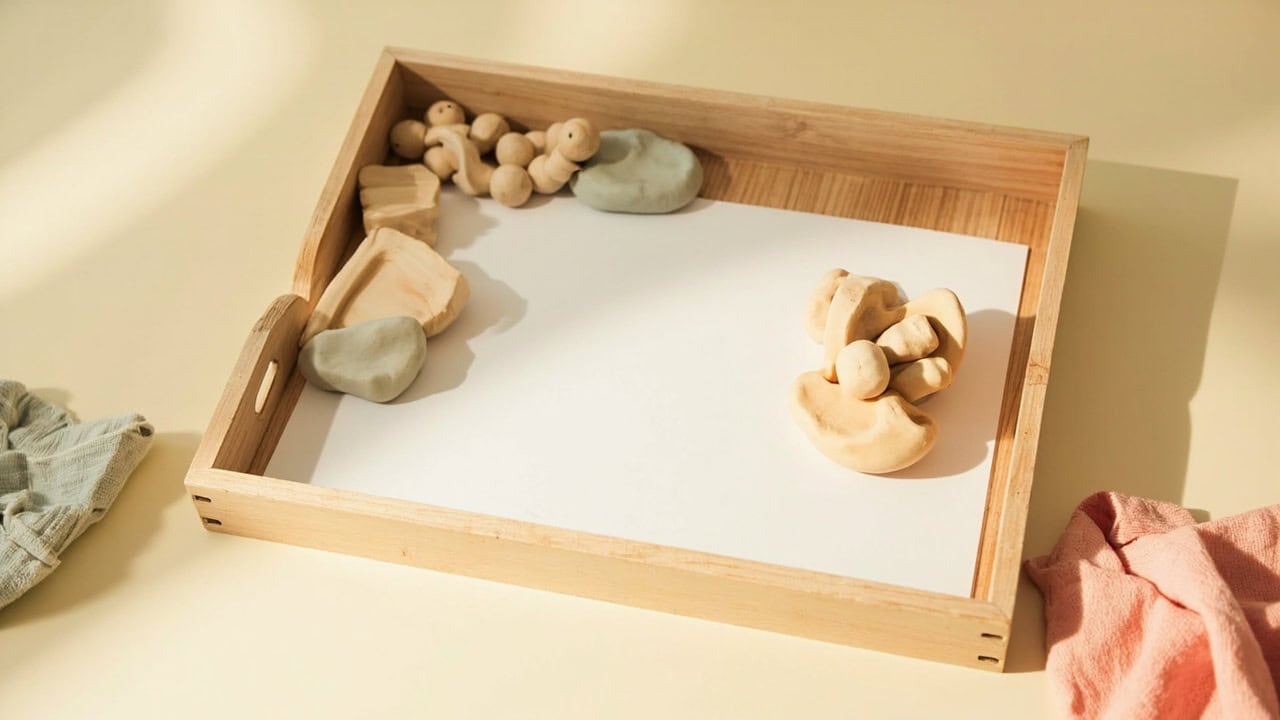
Featured image: AI-generated conceptual illustration of art materials, not an actual class or venue.
A colourful take-home picture tells part of the story. During a visit, also look at the decisions your child makes, the help they receive and how they feel about joining in. Match the class to your child’s interests and practical needs.
This guide focuses on choosing a class for preschool-age children. It offers a comparison checklist rather than a ranked list of centres. Find more practical ideas in our Parent Guides.
Choose the purpose before choosing the class
Write down what you hope the session will offer. Your child may enjoy exploring different materials, spending time with other children or learning a particular technique. Those goals can lead to different teaching approaches.
Singapore’s MOE Nurturing Early Learners framework includes aesthetics and creative expression as a learning area, encompassing art, music and movement. Its art teaching resources provide useful context for discussing a preschool learning experience. A private class should explain its own approach; referring to a framework does not establish government endorsement.
To choose the best art enrichment class for your child, compare it against your actual goal. An exploratory session and a class practising a specific technique may both have value. Ask the teacher how much is demonstrated, how children make choices and what happens when someone works at a different pace.
Use the trial to observe the whole experience
Arrange any visit or observation with the provider and follow its privacy rules. If parents cannot remain in the room, ask what you can see at handover and how the teacher will describe the session afterward.
| Look at | Notice | Ask afterward |
|---|---|---|
| Joining in | How the teacher welcomes a child who watches before participating. | “What do you do when a child needs more time to begin?” |
| Choice | Which decisions the child can make about materials, colours or ideas. | “Which parts of today’s activity could children choose?” |
| Help | How the adult demonstrates or assists while involving the child. | “How do you decide when to help and when to let a child try?” |
| Pace | What happens when a child finishes early, needs a break or works slowly. | “How do you adapt the activity for different needs?” |
| Ending | How materials are put away and children prepare to leave. | “What can we talk about or try at home after this session?” |
Make notes about the interaction as well as the artwork. “She chose two colours and asked to try the brush again” gives you more to discuss than a general judgment that the picture looks good.
Ask about materials, supervision and participation
Before booking, get clear answers about the setup. The questions below are a practical due-diligence checklist; the provider should explain its actual procedures.
- Age and grouping: What age range attends, how many children are in the session and which adults supervise?
- Materials: What paints, adhesives, clay and tools are used? How are age suitability, handling instructions and small parts managed?
- Care needs: How should you share allergies, sensitivities, toileting needs or support preferences?
- Hands and clothing: Where do children clean up, what should they wear and what must parents provide?
- Adult participation: Is this a parent-accompanied class or a drop-off session? What responsibilities do accompanying adults have?
- Collection and privacy: How is authorised pickup checked, and what permission is requested for photos or sharing work online?
If your child dislikes a texture, describe that preference before the trial. Ask whether the teacher can offer a suitable way to participate. For instance, a child might choose a tool rather than touching a material directly, if the activity and provider allow it. Confirm that alternative instead of assuming it will be available.
Check the full cost and the place in your week
Ask for the current booking terms in writing. Compare the trial price, regular lesson fees, materials charges, registration charges, deposits and any applicable GST. Check whether the quote covers a single session, a term or another commitment.
Also ask about missed classes, makeup sessions, public holidays, cancellation, withdrawal notice and refunds. Verify the actual teaching location and available slot before planning transport or arranging another caregiver.
Consider the complete outing: travel, waiting, the session and the journey home. An appealing class may still be difficult to sustain if it regularly falls at an awkward point in your child’s day. Leave room for ordinary play and family routines when deciding what fits.
Our preschool enrichment checklist offers another way to review the wider commitment alongside your child’s existing care and activities.
Make a short review after the class
Let your child tell or show you what stood out. You could ask, “Which thing would you like to try again?” They might talk about a colour, a tool, a person or a moment of frustration. Listen to that account alongside the teacher’s observations.
Then write four lines for yourself:
- Interest: what your child chose to explore or return to.
- Support: how the teacher responded when help was needed.
- Practical fit: whether the travel, session and care arrangements were manageable.
- Next step: a question to clarify, another trial to compare or a decision to book or pause.
A single trial gives you a snapshot. If you are unsure, ask a specific follow-up question before paying for a longer commitment. You can also keep art informal at home while deciding what your child enjoys.
Common questions about art enrichment classes
What is the best age to start?
Check the provider’s age guidance, participation requirements and whether a parent must attend. Choose an experience your child can comfortably take part in, with suitable support.
Do preschoolers need an art class?
An art class is one option for making and exploring. Children can also use suitable materials during ordinary home and preschool play. Base the decision on interest, access, your family’s time and the experience offered.
Should every child’s artwork look different?
Ask how the activity was taught and what the child contributed. A demonstration can introduce a skill, while choices can make room for individual ideas. The finished picture alone cannot describe the teaching.
What if my child mostly watches during the trial?
Ask how the teacher supported participation and what the next session would involve. Consider your child’s account and whether the provider’s approach feels suitable before committing.
Make room for play that fits your family.
Explore more practical ideas from EduNanny® by BUTLER for care, play and learning. If you also need childcare support, our team can discuss the services and availability relevant to your family.
Sources and further reading
Educational context: MOE, Aesthetics and Creative Expression and teaching strategies. The trial checklist and review prompts are practical suggestions for parents. Confirm current prices, suitability and terms directly with each class provider.