The Whispering Tent at a Fernvale family playdate: what parents should ask
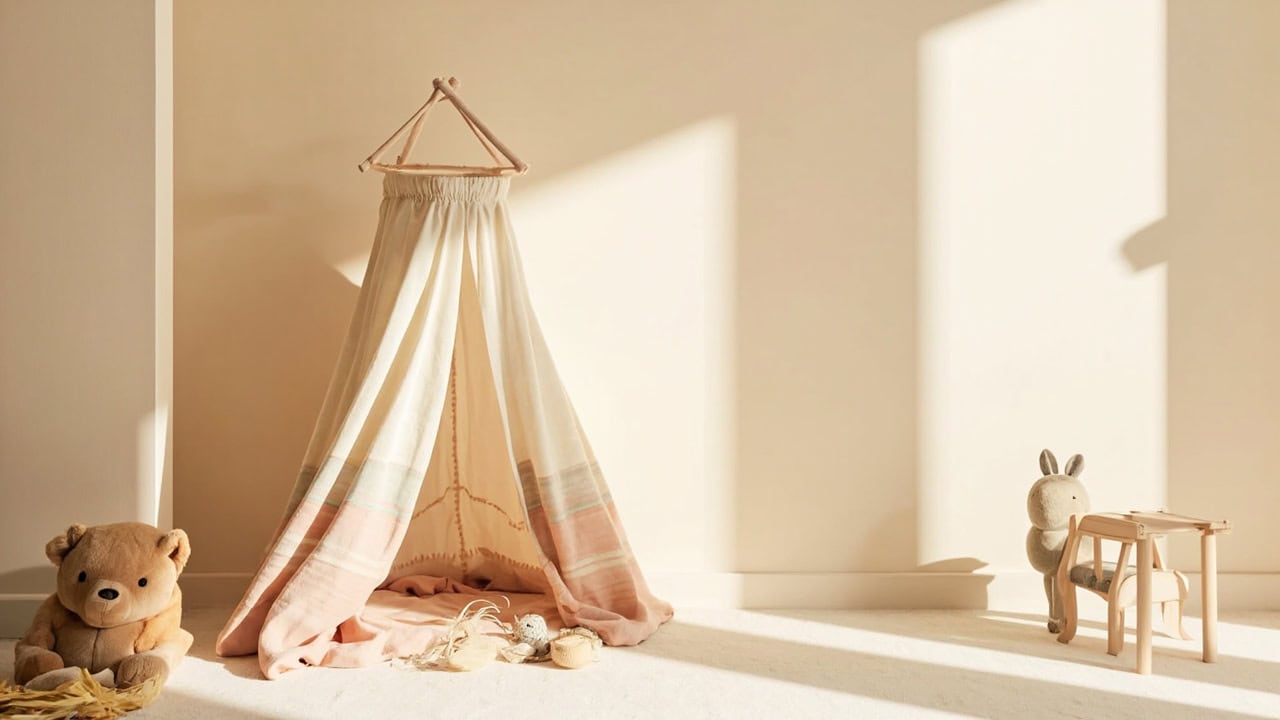
The reported feature is one sentence. The Straits Times, writing on 27 September 2026 about Born To Play: A Family Playdate at Fernvale Community Club, said that should the surroundings feel a little overwhelming, The Whispering Tent provides a calm sanctuary to pause and reset. That is the whole of it. The report gives no size, noise level, staffing or opening arrangements for the tent, and does not say whether an adult may stay inside. Treat it as an invitation to pause, not a specified quiet room. [1]
Here is the rest of the reported detail. The same report placed the event in the Level 4 Multi-Purpose Hall at Fernvale Community Club, 21 Sengkang West Avenue, with four sessions scheduled for 10 October (1.30pm to 3pm, or 3.30pm to 5pm) and 11 October (10am to noon, or 1.30pm to 3.30pm), free entry with advance registration at borntoplay.eventbrite.sg and walk-in entry subject to availability. Children aged six and under are to attend with their parents and caregivers, with siblings up to eight also welcome. The report said all initial 600 tickets had been claimed, with 80 more due for release on 28 September. [1]
What the dated report actually confirms
Set against that, the rest of the announcement is vivid: a DIY Cardboard Playground built from recycled boxes, nature play turning leaves, twigs and bark into portraits, and Karang Guni Prints using paint and everyday items. The report says the play experiences were designed so children's curiosity leads the way, with no set rules and no expectation of a perfect outcome. The Whispering Tent appears against that background in a single sentence, with no description of its size, lighting, staffing or position inside the hall. A named space is not a specification. [1]
The report is careful in one line that matters here. Co-organiser Yu Jiarong, running the event with non-profit Playeum in his personal capacity, said a community play date cannot replace professional support, and that there is no pressure to be the perfect parent. That framing fits the tent: an option to step away, not a therapy, not a sensory intervention and not evidence that any particular child will settle. The sessions are still ahead of this article's publication, so nothing in the report describes how any child behaved at them. [1]
Questions to ask before relying on a quiet break
If you want the tent to be part of a real plan, these are optional preparation questions for the organiser, not instructions from the event. Where in the hall is it, and how far is it from the busiest stations and from the exit? Can a parent or caregiver stay with a child inside it, or is it for children alone? Is someone stationed there? How would you signal that you are stepping out, and can you rejoin the session afterwards? None of these details appear in the report, and none can be inferred from the name of a tent. [1]
What you can rely on is narrower. HealthHub's child-safety chapter, in its general play tips, tells adults to be aware of their child's location and what he or she is doing, and describes 3- to 6-year-olds as very energetic but still developing self-control and judgement, so accidents can easily happen. A HealthHub and KKH preschool play infographic compresses its advice for playgrounds into two lines: supervise your child at all times, and play with age-appropriate equipment. Those lines are written for playgrounds, so they are a reason to ask what supervision a shared hall provides, not a claim about what this event staffs. [2] [3]
A flexible pause, with the adult present
Here is a hypothetical plan, offered as a suggestion rather than a tested routine. A family with a four-year-old registers for the 1.30pm session on 10 October. On arrival, one adult walks to the tent, notes where it sits relative to the busiest play area and the way out, and lets the child look inside before choosing a station. The two adults agree a plain word for stepping out and a plain word for coming back, and decide beforehand which of them goes if the hall grows loud. Whether pausing helps, does nothing, or ends the visit early is simply unknown. [1]
So treat The Whispering Tent as what the report says it is: a reported option to pause and reset when a busy hall feels overwhelming, not proof that anything will improve. Ask the organiser where it is, whether an adult can stay, how stepping out and returning work, and what happens if it is occupied. Keep pausing or leaving a free choice, stay within sight or hearing of your child, and if the space turns out to be unsupervised or unusable, leave the session rather than leave your child alone in it. [1] [2]
Read next
- Your preschooler settling in: a first group play session guide
- Home safety planning when supervising a young child: the MSF neglect definition
- Child-led play at home: recycled household materials and the preschool numbers
Sources
- Free play dates for parents and pre-schoolers to bond | The Straits Times
- Growing Up
- 6737HPB_KKH Infographics 2_FA with copyright
EduNanny Editorial · AI-assisted research and writing, reviewed by our automated editorial team. Sources checked 2026-10-09. Featured image: AI-generated editorial illustration.