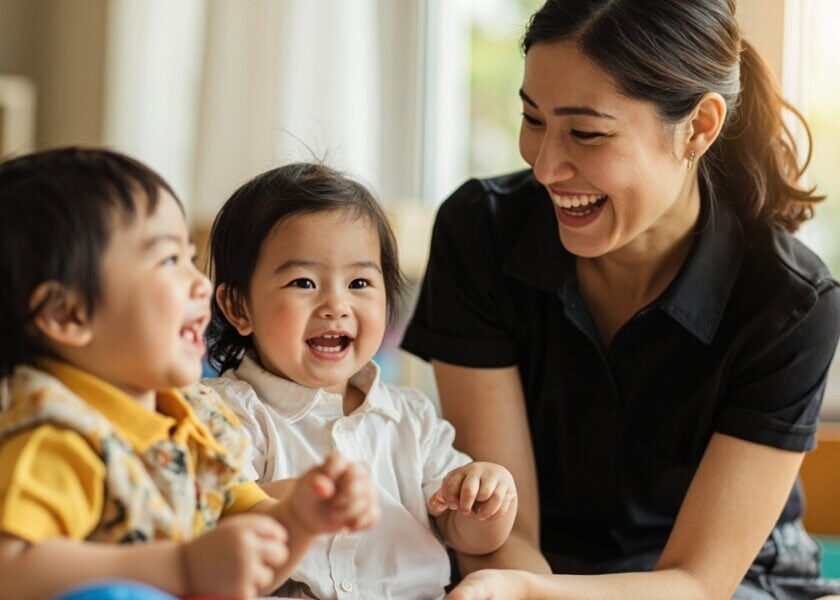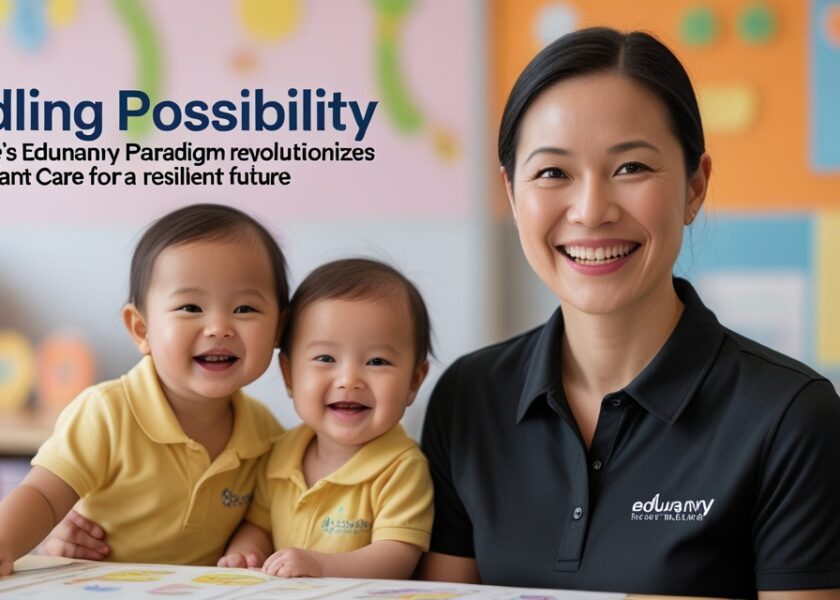
Near Home Eye Level Trust and Joy EduNanny A New Standard for Singapore Infant Care
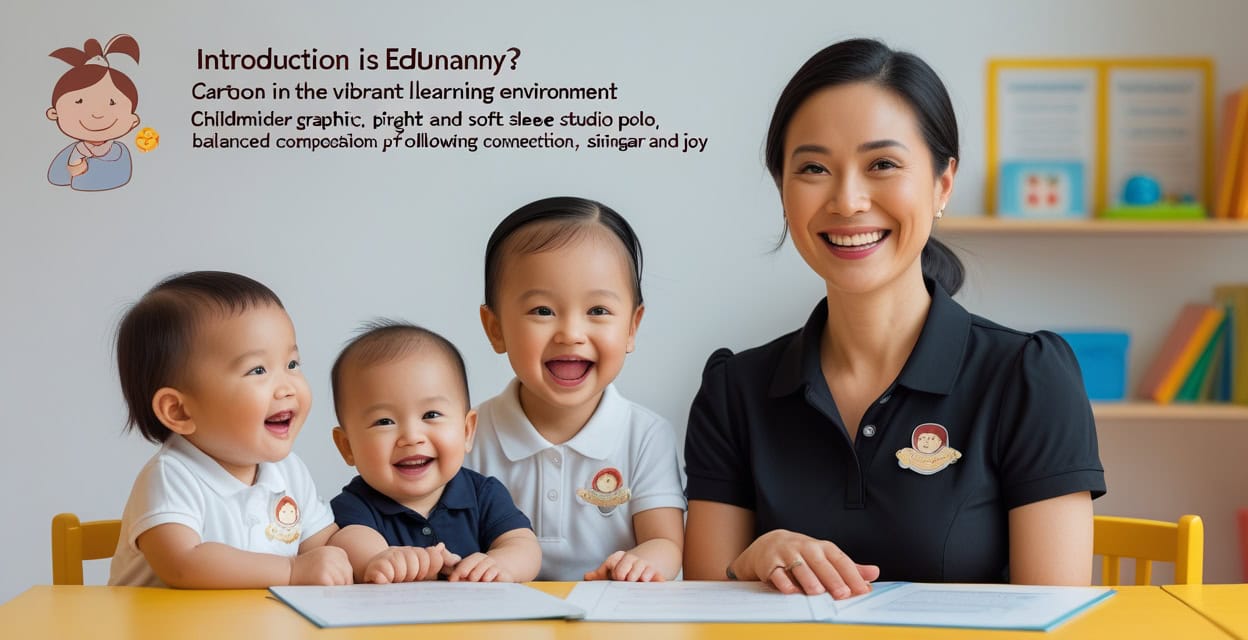
Introduction: What is EduNanny?
EduNanny is a Singapore-born commitment to the earliest days—care that is scientific, heart-led, and civic in spirit. We are EduNanny by BUTLER: centre-based and home-based childminding, plus distance support for families who need flexible arrangements. We operate Monday to Friday, 7am to 7pm, islandwide, so safe care is always close to home and easy to reach. We keep an ultra-low 1:3 infant ratio as standard, because attuned care happens best at eye level, not across a room. We believe transparency invites trust—so we use innovation-grade CCTV; we design modern, calm layouts; and we open our practice to parents in real time. We are proud to be part of the ECDA Childminding Pilot, a national social initiative that aligns care with public confidence, access, and employment uplift. Fees are payable by CDA/Baby Bonus. And with affordability from $33/day, our promise is not only excellent—it is reachable.
EduNanny makes infant care meaningful by marrying local cultural context with globally informed best practices. Our philosophy kneels to the level of the child—literally—and grows trust through consistent presence, transparent reporting, and environments that feel like home. This article expands upon the original speech to offer actionable guidance for parents and practical insights for caregivers, center leaders, and community partners who want to elevate early childhood care in Singapore.
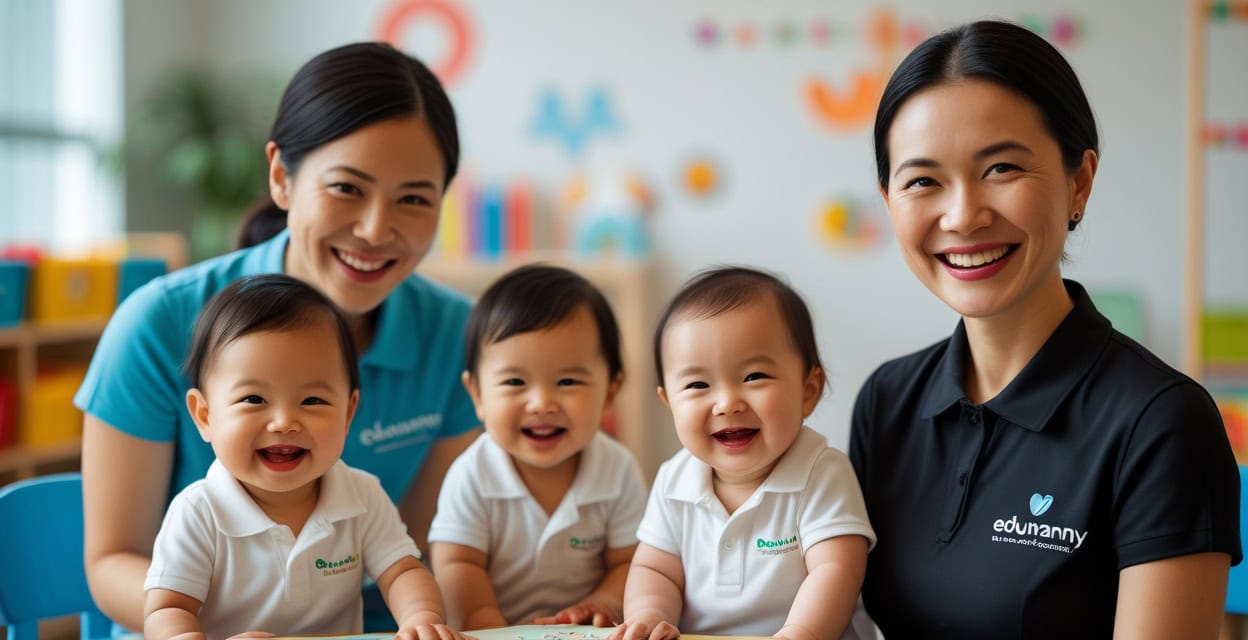
EduNanny in Practice: How we Make Infant Care Great in Singapore
We built EduNanny for the Singaporean family: near home, predictable, and deeply human. We recruit from communities across the island and train caregivers in an approach that braids Montessori respect, Piaget’s discovery, Vygotsky’s scaffolding, Bowlby’s attachment, Pikler’s autonomy, and Erikson’s psychosocial insight. We kneel to the level of the infant—literally—because presence at the floor is where trust begins and language blooms. Then we add the practical architecture modern families need: consistent hours, simple fees, live transparency, and an environment that looks, feels, and functions like home—because for an infant, safety and belonging are the curriculum.
Practical implications for parents and caregivers include:
- Clear routines that reflect a child’s natural rhythms, not a rigid timetable.
- Environment designed for exploration: low shelves, safe floor-time zones, and gentle transitions between activities.
- Regular collaboration with families through daily logs, photos, and video updates that preserve privacy while inviting trust.
- Professional development that continually refreshes our understanding of infant development and family partnership.
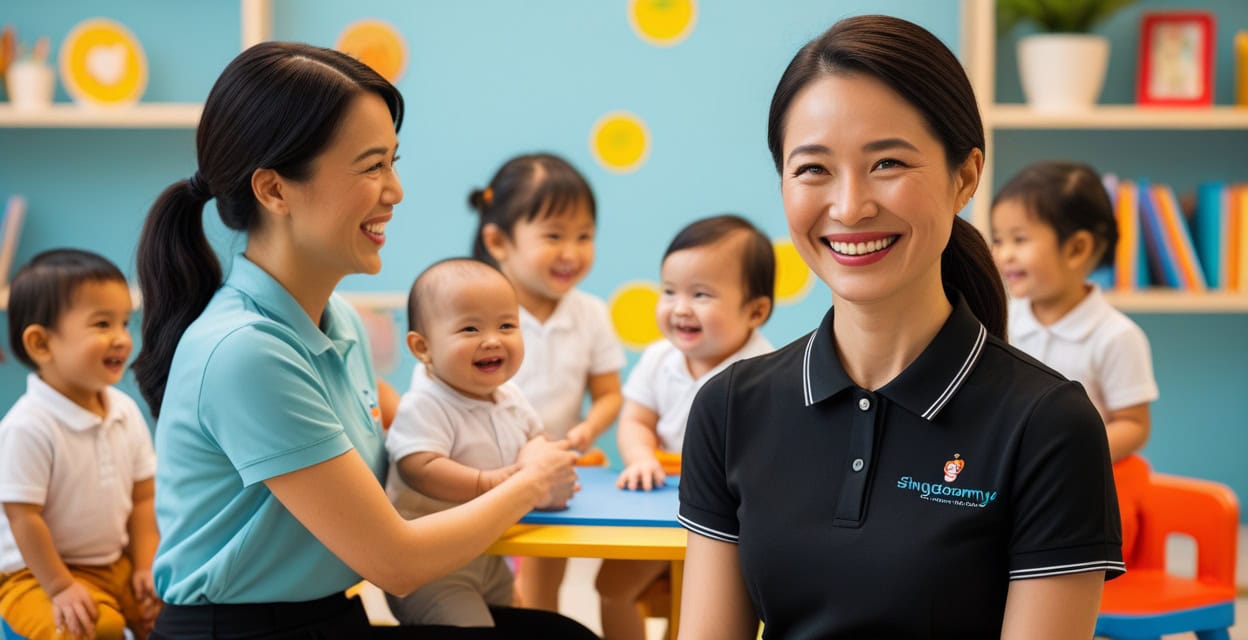
Five Topics to Ground Our Shared Standard
1) Pedagogy: Knees-Bent Intelligence
Great infant pedagogy is not grand. It is precise. It is the courage to slow down and the skill to respond. We train every EduNanny childminder in three micro-practices:
- Notice–Name–Nurture: We notice a cue, we name the experience, we nurture the effort. “You’re reaching for the soft book. Your hand is steady. Let’s open it together.” This loop strengthens attention, language, and motor confidence in a single warm minute.
- Observe–Echo–Extend: We watch the infant’s initiative, echo their rhythm or sound, then extend a beat further. That is Vygotsky in action—the right support in the right moment. Parents can mirror this at home by narrating play and then inviting a small extension, such as stacking one more block after a child’s reach.
- Anchor–Align–Allow: We anchor with touch or tone, align our tempo to the child’s state, and allow safe autonomy. Pikler’s respectful care applies to every diaper, nap, and bottle. At home, provide predictable routines but give space for independent exploration when the child is ready.
Actionable advice for parents:
- During floor play, bend down to eye level, use a calm voice, and tag each action with a simple word or phrase to build vocabulary.
- Offer two choices to empower autonomy: “Would you like the red block or the blue block?”
- Record a short nightly note about one moment of joy or learning; share it with your caregiver to strengthen the loop of care.
2) Safety by Design, Not by Accident
Safety is not a checklist we complete; it is an ecosystem we maintain all day long.
- Physical safety: floor-level classrooms, soft zoning, fresh-air and light standards, secure gates, non-toxic materials, individual sleep surfaces, safe sleep protocols, bottle labeling, allergen tracking, and a standard 60-second safety sweep every hour.
- Relational safety: stable caregiver assignments; the 1:3 promise that keeps a familiar face within arm’s reach; gentle, consistent transitions; and an attunement-first culture where distress is met with presence, not hurry.
- Digital transparency: innovation-grade CCTV for accountability and parent peace of mind; secure records for nap, bottle, diaper, and mood; real-time updates when you need them, not just when we have time.
- Emergency readiness: first-aid certification, infant CPR, evacuation drills adapted for prams and pods, and clear incident protocols communicated to families.
Actionable guidance for families evaluating care settings:
- Ask for a walk-through of sleep areas, how sleep is monitored, and how safe sleep guidelines are reinforced.
- Request a sample daily log (naps, feeds, moods) and a description of how emergencies would be handled and communicated.
- Inquire about data privacy and how CCTV is used—who can access footage and for what purposes.
3) Development: The Neuro-Nutrition of Everyday Experience
In the first two years, the brain is built not only by food and sleep, but by attuned repetition. We structure the day around growth arcs:
- Sensory and motor: floor time, grasp-and-release baskets, rolling paths, gentle vestibular play, and free movement zones that honor Pikler’s principle: do not rush a milestone; invite it.
- Language: rich talk at eye level, naming feelings, object permanence games, songs in Singapore’s languages, and gesture + word pairings so infants feel understood before they are eloquent.
- Executive function seeds: short moments of waiting with support, peekaboo routines that teach predictability, and tidy-up rituals that sow the first sense of order and participation.
- Attachment as development: Bowlby taught us that a secure base unlocks exploration. We schedule “connection before transition,” warm handovers and reunions, and caregiver constancy so the infant dares to try.
Practical at-home applications:
- Use simple routines to anchor attention: a consistent handover ritual when you pick up your child from care, including a kiss, a name, and a special handshake or song.
- Incorporate language-rich activities: narrate what you’re doing during diaper changes, feeding, and dressing; read culturally relevant books aloud every day.
- Promote gentle autonomy: offer a choice between two safe options, encourage self-feeding with appropriate utensils, and allow child-led pace for dressing and undressing.
4) Happiness and Belonging: Joy as a Developmental Nutrient
Joy is not “extra.” It is the brain’s permission slip for learning.
- Calm first: lighting and soundscapes engineered for serenity. Infants can hear kindness; they should not have to shout over the room.
- Culture matters: lullabies in Malay, Mandarin, Tamil, and English; family photos at infant height; familiar scents and textures that whisper “you belong.”
- Outdoor and nature touchpoints: pram walks, sensory leaves and water play, sky-time from shade. Curiosity grows best in fresh air.
- Peer delight: in 1:3 pods, infants notice each other’s faces, hands, and voices without overwhelm. Social curiosity is sparked by proximity and gentle pacing, not crowding.
Families can cultivate joy at home by:
- Maintaining a predictable rhythm that includes outdoors and quiet moments; a happy, rested caregiver leads to a happier baby.
- Curating a sensory-rich but calm environment—soft textures, varied scents, gentle sounds, and safe exploration spaces.
- Celebrating small achievements with moments of praise and warmth to reinforce secure attachment and self-efficacy.
5) Purpose and Profession: The Civic Craft of Childminding
Childminding is not a stopgap; it is a profession of public value.
- Training and progression: we prepare childminders in infant development, safety, reflective practice, and family partnership. Observations are shared with coaching; careers have ladders, not ceilings.
- Maximum Employment Mandate: we view this pilot as a jobs engine and dignity engine—inviting capable adults, including parents returning to work, to build a respected career near home.
- Community wovenness: home-based pods in neighborhoods and center-based hubs in key districts create a lattice of care across the island, reducing commute burdens and increasing family time.
- Ethical standard: transparency, supervision, and evidence-based practices ensure that quality is not personality-dependent—it is system-held.
Actionable takeaways for policymakers and communities:
- Support wage standards and clear career ladders for caregivers to attract and retain talent.
- Invest in neighborhood hubs and flexible home-based pods to expand access without sacrificing quality.
- Establish transparent governance with independent audits and parent feedback loops to ensure trust in the system.
Service Facts at a Glance
- Availability: Monday–Friday, 7am–7pm, islandwide Singapore
- Models: Home-Based Childminding and Centre-Based Childminding, plus Distance support for families at home
- Ratio: 1 childminder to 3 infants (1:3) as standard
- Environments: modern, calm layouts; floor-level learning; pram-ready circulation
- Transparency: innovation-grade CCTV and real-time care logs
- Affordability: from $33/day; fees payable by CDA/Baby Bonus
- Access: EduNanny.com and Childminding.EduNanny.com for tours and enrolment
- Public mission: EduNanny by BUTLER within the ECDA Childminding Pilot; a national social initiative aligned to access, safety, quality, and employment
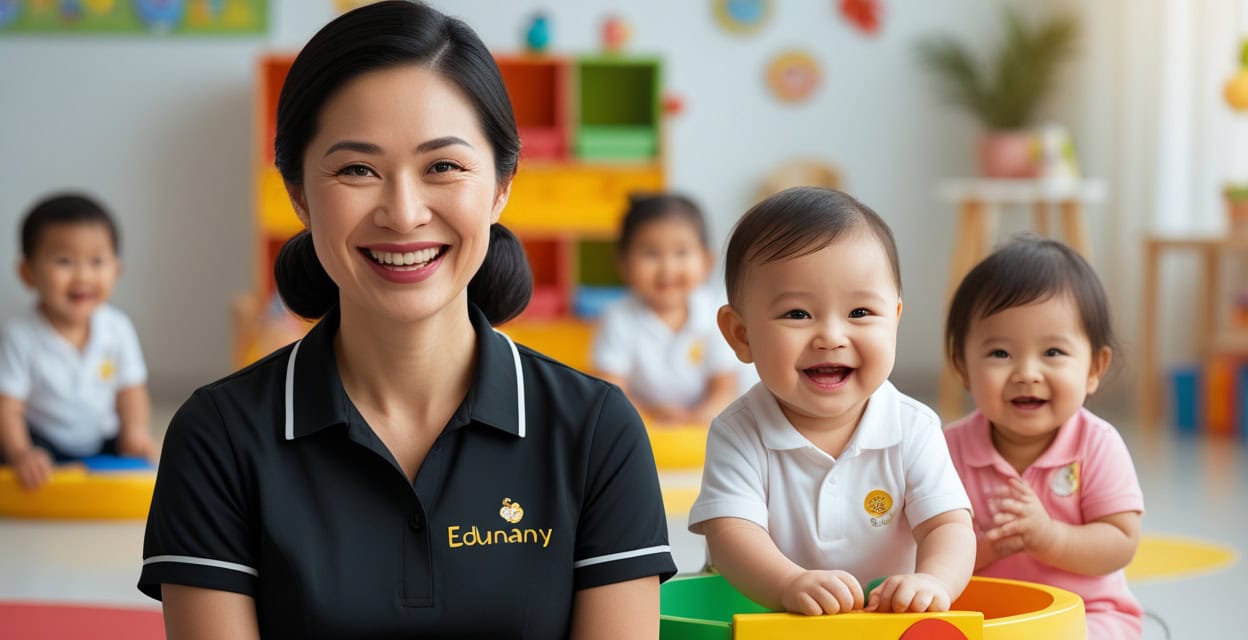
A Day with EduNanny: the Quiet Choreography
Greet
Great beginnings are predictable and personal. Greet each infant by name, at eye level, with a warm tone and a brief, familiar ritual (a kiss on the forehead, a soft rhyme, or a wave). This consistency reduces anxiety for both child and family and sets the tone for a calm day.
Settle
Connection before transition is essential. Use a familiar song, a quick check of home notes, and a brief cuddle or handover moment. A smooth settle reduces distress and accelerates trust-building between caregiver, child, and family.
Explore
Floor time, sensory baskets, language loops, and outdoor moments whenever feasible. Create safe, open-ended play opportunities that invite problem-solving and curiosity without overwhelming the infant. Document discoveries with short notes that families can discuss at pick-up.
Rest
Safe sleep with visual checks, light touch reassurance, and a calm wake routine. Respect the child’s need for rest, and tailor transitions to their signals. Predictable nap routines stabilize daily rhythms and support brain development.
Nourish
Paced feeding with bottle logs and quiet mealtime language. Encourage autonomy with child-sized utensils and self-feeding opportunities when appropriate. This fosters language, oral motor skills, and independence in a developmentally safe way.
Reflect
End-of-day handover that tells the story of the child’s day—their efforts, not just outputs. Share progress on social, cognitive, and emotional milestones, along with upcoming opportunities for growth and any concerns to discuss with families.
This is a choreography of trust, repeated until confidence is the child’s habit.
Why Near Home Matters
Proximity is not a convenience; it is a pedagogy. When care is close:
- Transitional stress is reduced, supporting smoother mornings and evenings.
- Parents can drop by to check in, strengthening transparency and trust.
- Communities know their childminders, turning reputation into a safety net for families.
- Employment thrives in the neighborhood, and the economy of care becomes visible and respected.
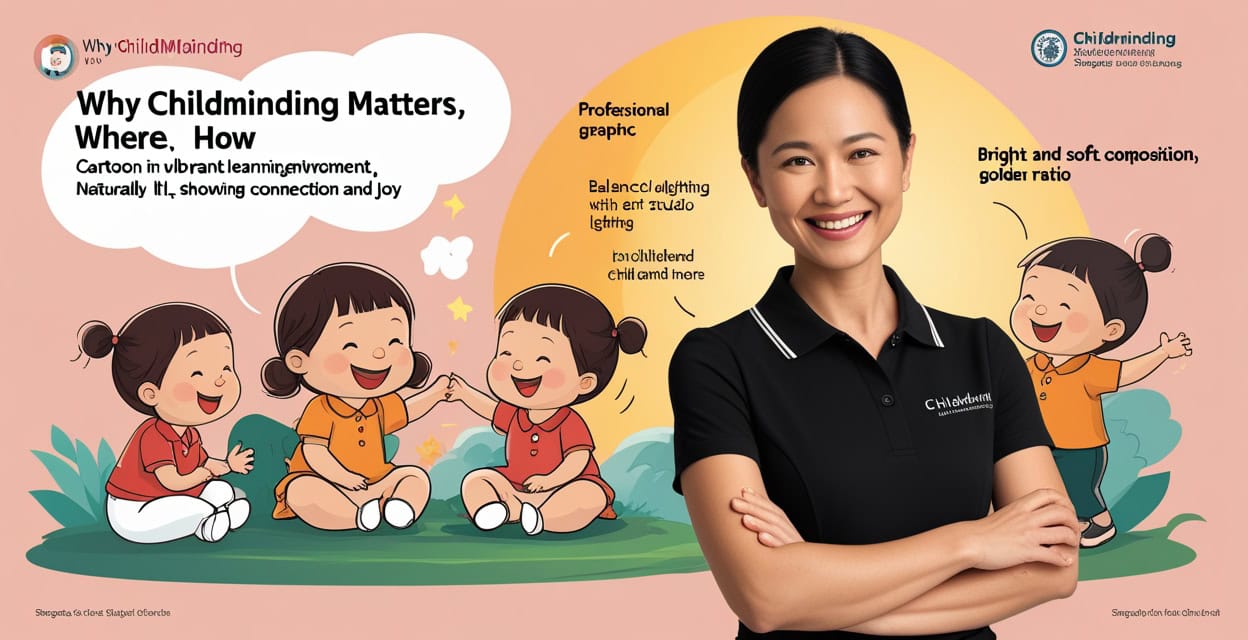
Who, What, When, Where, How: Why Childminding Matters
- Who: Infants and their families, supported by trained childminders who are accountable to practice, not chance.
- What: Responsive, evidence-based, relationship-rich care that treats safety, joy, and learning as inseparable.
- When: During the earliest window, when brains are most plastic and trust is most formative.
- Where: In the neighborhood—home-based pods and centre hubs that make care as near as a morning walk.
- How: Through the 1:3 promise, transparent environments (CCTV), modern layouts, consistent hours, documented practice, and family partnership.
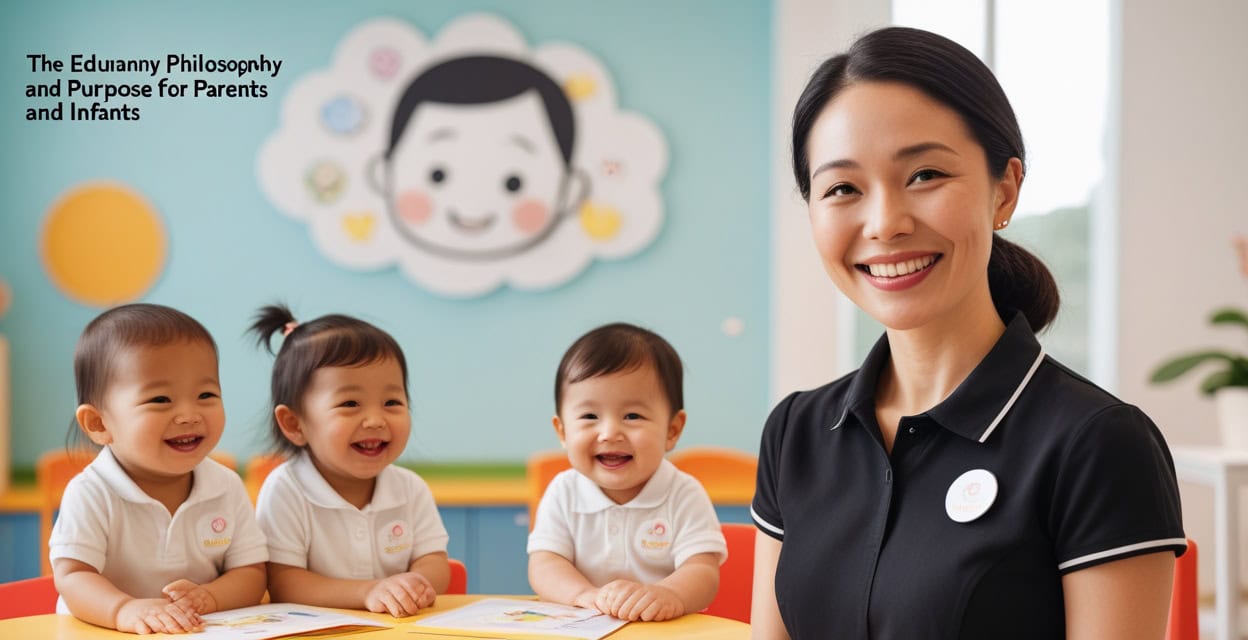
The EduNanny Philosophy and Purpose for Parents and Infants
We hold a simple conviction: the most powerful public policy is a caregiver kneeling in kindness. In that posture are safety, language, autonomy, and belonging. EduNanny exists to make that posture possible—financially, logistically, professionally, and culturally—at scale, across Singapore.
We marry excellence with access: affordable from $33/day; fees payable by CDA/Baby Bonus. We marry transparency with tenderness: innovation CCTV alongside soft voices and slower hands. We marry national intent with neighborhood life: an ECDA Childminding Pilot that is both a social initiative and a daily invitation to step into rooms where infants are known, not managed.
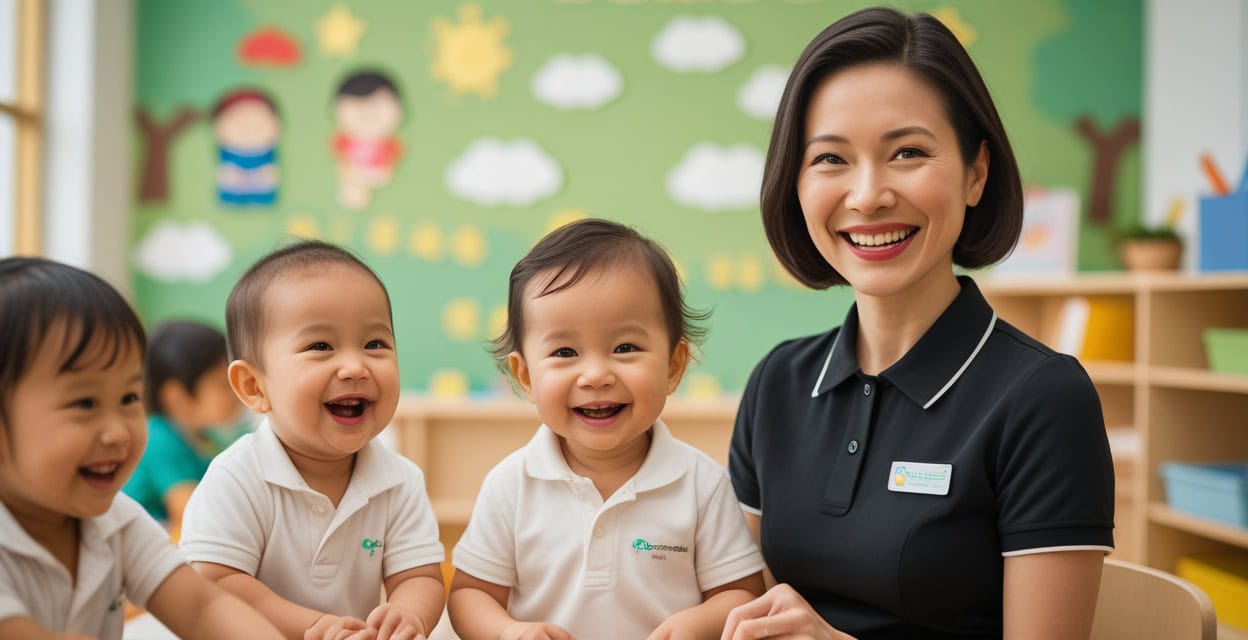
An Invitation
If you are a parent, come and see. Book a visit at EduNanny.com or Childminding.EduNanny.com. If you are a caregiver, consider a profession that builds a nation one gentle minute at a time. If you are an employer or community leader, partner with us to make near-home care part of Singapore’s everyday map.
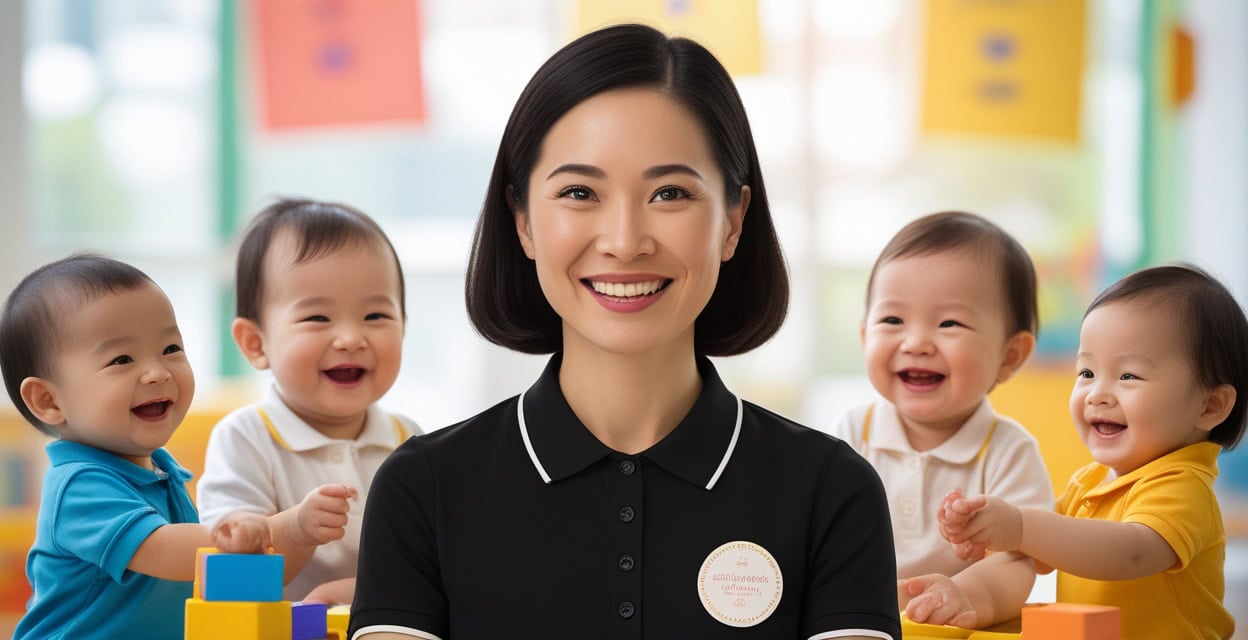
In Closing
Great nations are not only built by what we aspire to at the skyline; they are sustained by what we choose at the floor. When we keep a 1:3 promise, when we staff a room with skill and heart, when we design spaces that are calm and honest, we do more than care—we set a standard for how we treat one another. Let us greet every infant with proximity, predictability, and presence. Let us make childminding a profession of pride. Let us choose, together, a beginning worthy of our children.
Thank you.
[#earlychildhoodcare, #SingaporeEduNanny, #infantcare, #transparencyCCTV, #neighborhoodcare]Ready to Experience Excellence?
Transform Your Family’s Journey
Discover Singapore’s leading infant care and childminding services. Expert guidance for your little one’s first thousand days.