Public Spirit in the Cradle EduNanny Near Home Blueprint for Singapore Infant Civic Care

EduNanny: A Public-Spirited Model for Infant Care in Singapore
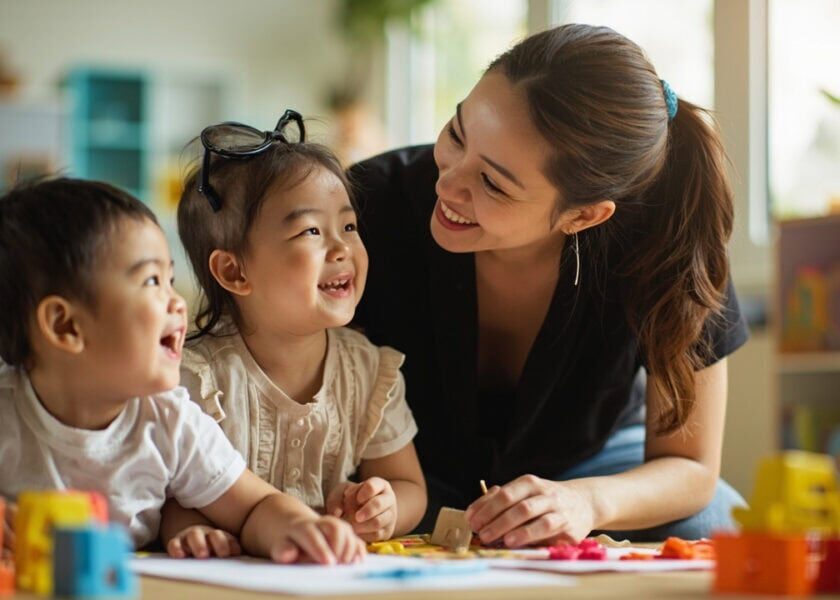
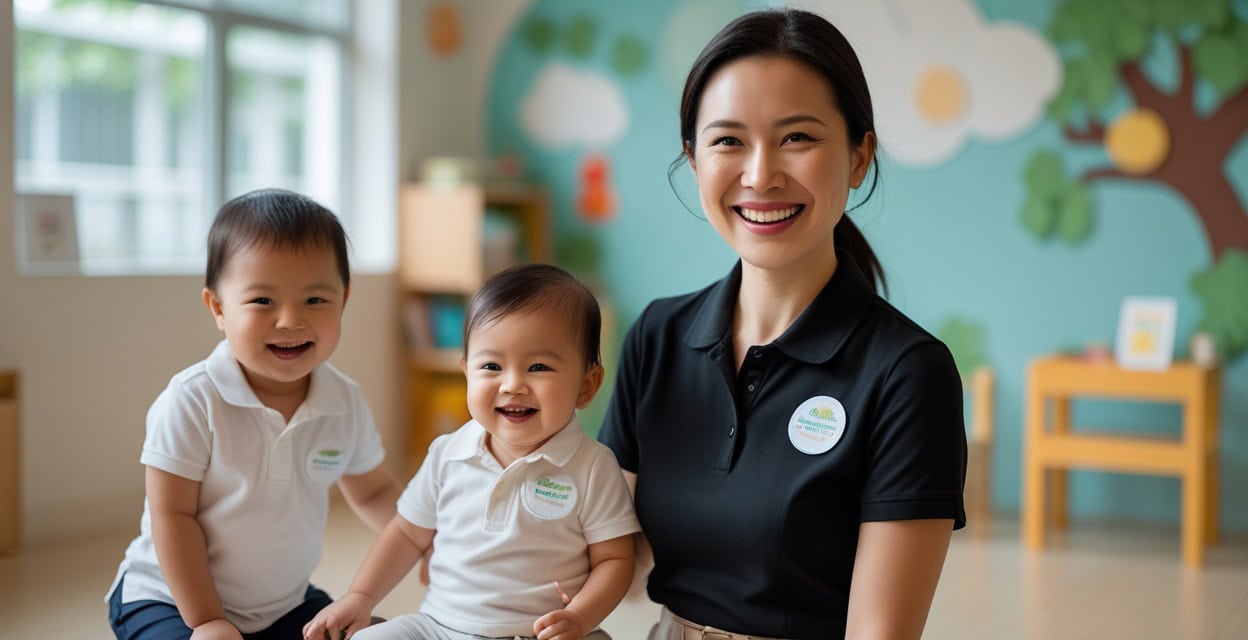
In a city that races forward, EduNanny stands as a deliberately human answer to the cradle question: how do we give every child time, attentive hands, and unbroken trust? Born in Singapore and guided by public purpose, EduNanny by BUTLER places world‑class infant care within walking distance of family life, designed to fit the rhythms of working days while elevating caregiving as a craft and a civic contribution.

Proximity, Transparency, Affordability, and Public Mission
Proximity and Predictability
Families need reliable care that fits commute patterns, budgets, and conscience. EduNanny offers a choice between centre‑based micro‑hubs with modern layouts and carefully vetted, home‑based settings in neighbourhoods. The option to combine centre and home care, plus distance guidance when a parent or grandparent is primary at home, keeps care emotionally close and logistically predictable.
Transparency and Trust
Trust grows where everything is visible and respectfully narrated. EduNanny provides secure livestream access and open communication. Caregivers document the day with brief notes and share the reasoning behind decisions—helping parents understand not just what happened, but why it happened and how it supports the child’s development.
Affordability with Excellence
A 1:3 infant ratio is the baseline of attuned care, not a luxury. By designing micro‑settings, EduNanny keeps high‑quality care affordable without compromising attention. Fees may be paid via the Child Development Account (CDA) or Baby Bonus, ensuring families never have to choose between quality and viability.
A Public Mission
EduNanny’s maximum employment mandate invites more Singaporeans—especially women and mid‑career professionals—into dignified, well‑trained caregiving roles. This strengthens family life and the national economy at the same time, treating caregiving as a civic contribution rather than a private burden.
Five Pillars that Define Our Infant-Care Craft
1) Pedagogy: The Kneeling Perspective
Infant pedagogy is learned on the floor, not chalkboards. The Kneeling Perspective means adults get low, get close, and tune in before they teach. The daily practice rests on three moves: Settle, Synchronise, and Stretch.
- Settle: Co‑regulate first—breath, voice, posture—to entrain the infant’s nervous system and honour the secure base that Bowlby described, while aligning with Erikson’s trust.
- Synchronise: Match tempo, gaze, and gesture to infant cues. This mirrors Pikler’s respect for natural movement and Montessori’s sensitivity to developmental windows.
- Stretch: Gently extend curiosity—offer a texture, a syllable, or a turn‑taking routine just beyond the current reach. This embodies Vygotsky’s zone of proximal development in visible practice.
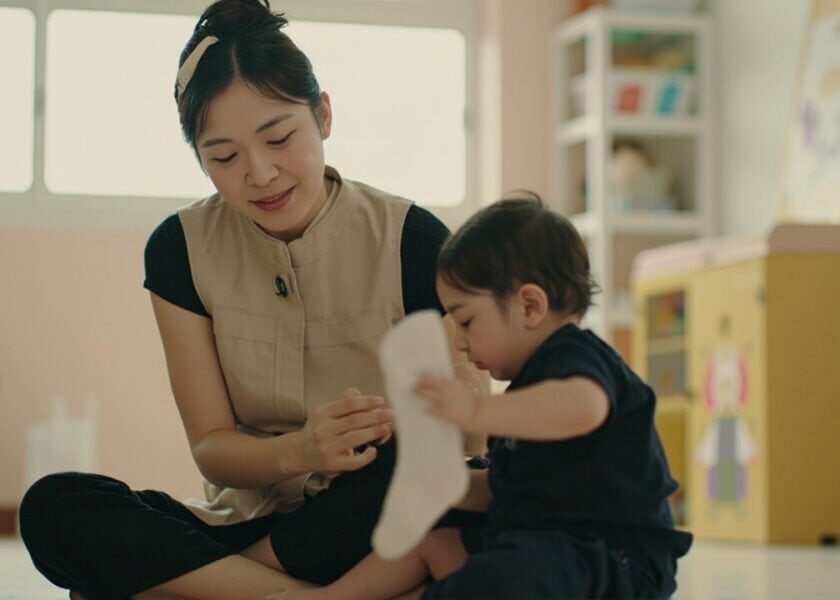
Practical home application: create short, warm micro‑routines (2–4 minutes) that repeat daily, such as a rhythmful diaper change with singing, a brief floor roll with a scarf, or a body‑mapping massage after naps. Use bilingual naming during routine moments to build language naturally.
2) Safety: Design, Discipline, and Daily Choreography
- Ratios and Readiness: A real 1:3 supervision model with briefed transitions for feeding, napping, and outdoor time. Team huddles rehearse responses for choking, allergic reactions, and evacuations; adapt to haze or heat as needed.
- Hygiene and Health: Consistent hand protocols, safe bottle preparation, toy sanitation cycles, and clear illness return‑to‑care guidance that protects the whole community.
- Transparency: Secure CCTV access and daily incident logs—even for near misses—so safety lessons become shared wisdom and culture.
3) Development: The Five Rivers
Every infant has multiple streams moving at once. EduNanny’s framework helps keep them flowing together:
- Attachment and Regulation: The heartbeat of learning—how quickly a child can calm with a familiar adult and return to play after stress.
- Movement and Body Sense: From tummy time to cruising, celebrate the body as the brain’s first teacher; prioritize unhurried floor time.
- Language and Music: Daily song, narrated moments, gesture and sign, and bilingual bridges that seed vocabulary through routine experiences.
- Exploration and Early Problem‑Solving: Loose parts, cause‑and‑effect toys, safe water play, and treasure baskets. Celebrate effort as the story, not just the outcome.
- Social Beginnings and Joy: Turn‑taking, peekaboo, and early friendships that teach conflict resolution—stop, name feelings, offer alternatives.
Practical home application: maintain individualized micro‑plans for each child and review them in short parent‑caregiver cycles. Track milestones with gentle scaffolds and know when to refer early to professionals.
4) Happiness and the Purpose of Childminding: Joy as Competence
- Training and Mentoring: Practice labs, reflective circles, and observation coaching empower caregivers to decode cries, notice pauses, and honor boundaries while celebrating tiny wins.
- Professional Dignity: Transparent pay, predictable shifts, and a clear career lattice—assistant, lead, mentor, trainer—so care work is seen as a skilled profession.
- Culture of Joy: Lullabies, humour, rituals, and shared celebrations make happiness a developmental nutrient for infants and a professional standard for carers.
5) Access and Partnership: A Public‑Spirited Service for Working Families
- Centres and Home‑Based Care: Islandwide neighbourhood access with a humane cadence that aligns with family life and culture.
- Working Hours: Monday to Friday, 7am–7pm, to match typical workdays and ease daily planning.
- Distance Support: Guidance and coaching in home settings when families need temporary or transitional support.
- Affordability: Plans from $33/day with CDA/Baby Bonus eligibility to ensure access without compromising quality.
- Security and Transparency: Secure CCTV for peace of mind and a learning‑driven approach to data sharing with families.
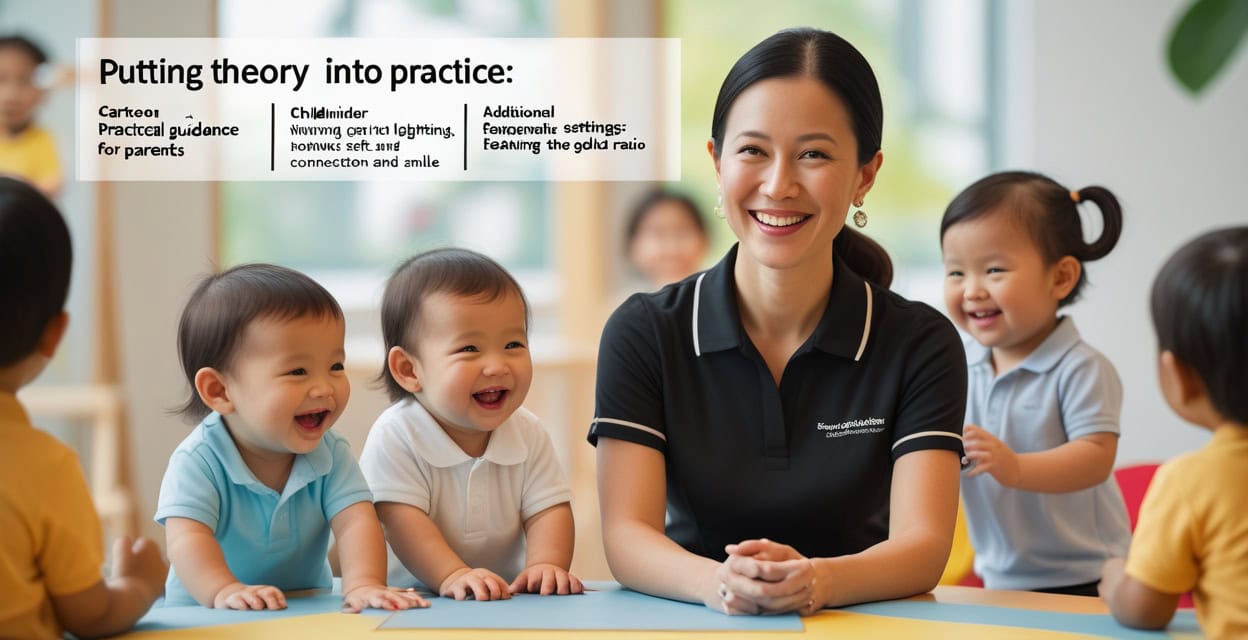
Putting Theory into Practice: Practical Guidance for Parents
Choosing and Combining Care Settings
Consider a blended model: a centre‑based micro‑hub for socialization and structured activities, paired with a home‑based setting for consistent routines and family closeness. Evaluate proximity to home and work, reliability of transport, and how each setting aligns with your child’s temperament and family culture.
Building Routines that Support Development
- Establish predictable daily rhythms (wake, feeding, play, nap, and bed) to reduce stress for both child and caregiver.
- Incorporate Settle‑Synchronise‑Stretch moments at home: a short, calm greeting after caregiver arrival, a shared quiet moment before a new activity, and an inviting challenge that invites discovery.
- Encourage language in everyday moments: narration during feeding, dressing, and diaper changes; integrate gestures and signs for early communication.
Partnering with Caregivers
- Ask daily notes to explain not just what happened, but the child’s cues and the caregiver’s plan for the next step.
- Ask about the child’s mood, stress signals, and recovery after separation; request proactive strategies to re‑settle quickly.
- Share home observations and family routines to align pedagogy with the child’s life outside care hours.
Supporting Early Language and Social Growth
- Use bilingual naming for objects in routine moments to build vocabulary across languages—this supports cognitive flexibility and cultural identity.
- Provide ample back‑and‑forth interaction: eye contact, turn‑taking, and responsive commenting on a child’s attempts to communicate.
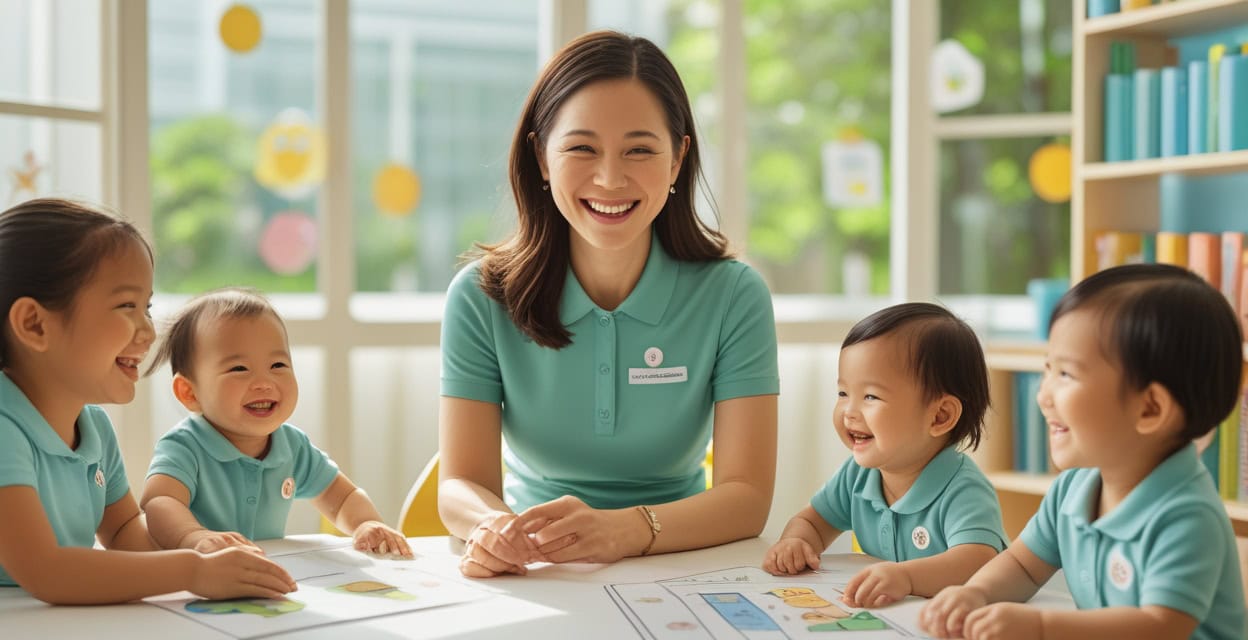
EduNanny: People, Process, and Platform
EduNanny centers on the dignity of infancy, lightens the load on families, and treats care as a public good. By investing in caregiver training, transparent processes, and accessible platforms, EduNanny builds a high‑trust ecosystem where care is both excellent and achievable.
Key elements include:
- Distance support to extend best practices into living rooms.
- Excellence promise with 1:3 ratio, secure CCTV, modern layouts, and islandwide availability.
- Affordability with plans from $33/day and CDA/Baby Bonus eligibility.
- Career growth for caregivers through structured progression and professional development.

Conclusion
If you remember nothing else tonight, remember that the smallest gestures—how we lift, how we listen, and how we linger—become the architecture of a child’s mind. When proximity meets pedagogy, safety blends with tenderness, and routine mingles with wonder, we do more than care for babies—we seed a braver, kinder Singapore. EduNanny invites parents, caregivers, and community partners to walk the rooms, meet the people, and witness the kneeling, waiting, and cheering that shape lifelong confidence.
Visit EduNanny.com and Childminding.EduNanny.com to explore centre‑based, home‑based, and distance support options, enrolment plans from $33/day, and the CDA/Baby Bonus pathways. Or apply to join our team and dignify the craft of care in every neighbourhood across the island.
In a world that moves fast, let us be the steady rhythm that lets children grow unhurried and sure. Because the measure of a city is how it cradles its beginnings—and the measure of a beginning is the care it receives.
[#keyword1, #keyword2, #keyword3, #keyword4, #keyword5]Ready to Experience Excellence?
Transform Your Family’s Journey
Discover Singapore’s leading infant care and childminding services. Expert guidance for your little one’s first thousand days.