Attentive Ecology and Near Home Pods The Floor Level Standard for Safe Joyful Infancy in Singapore with EduNanny
EduNanny by BUTLER: A Standard for Singapore’s Infants
Thank you for gathering to imagine something simple and profound: a daily life for infants that is reliably safe, quietly joyful, and genuinely developmental—close to where families live and work. EduNanny by BUTLER builds a childminding and infant care standard grounded in science and heart, designed for Singapore’s pace and promise. This article expands the speech into a practical, editor-quality guide for parents, caregivers, and policymakers—bringing actionable insights from EduNanny’s approach to everyday life in your home and neighbourhood.
Pedagogy You Can Feel: The Attentive Ecology
What is the Attentive Ecology?
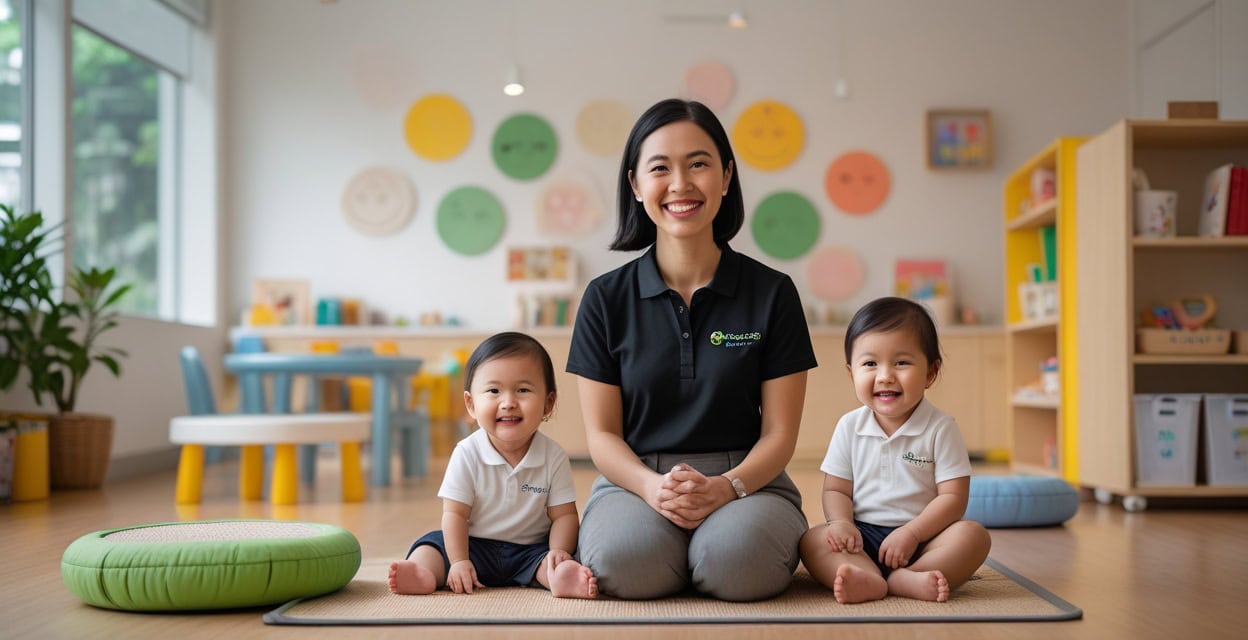
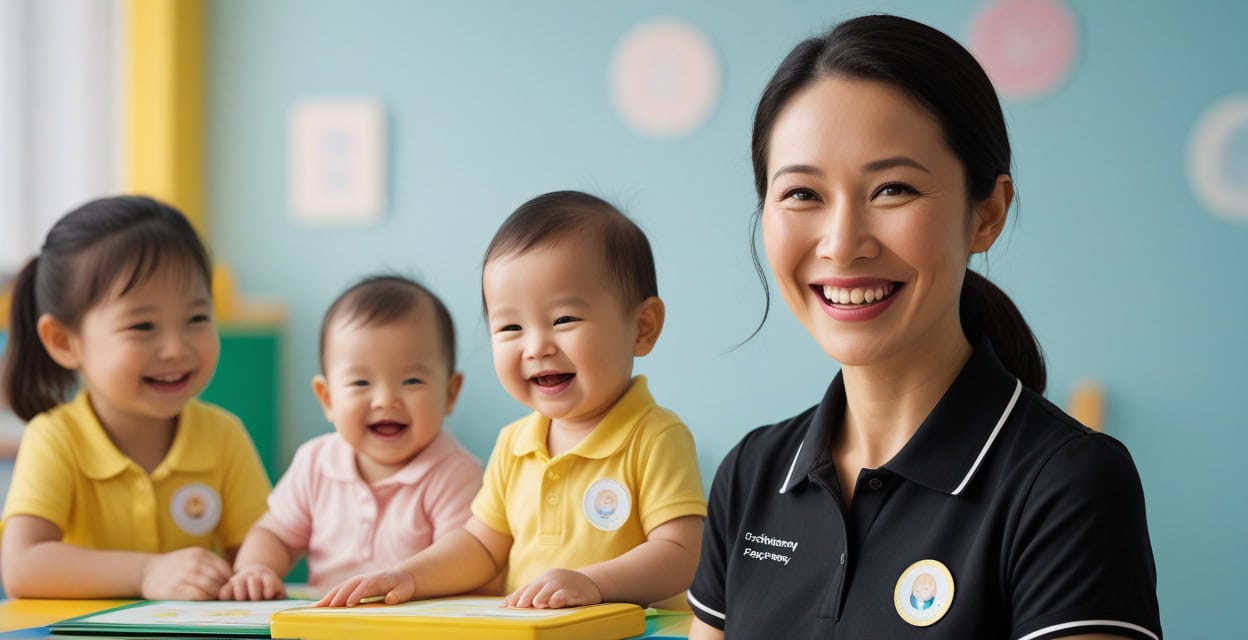
The Attentive Ecology is a learning environment that invites growth through presence, connection, and space. It treats the room as a co-teacher—floor-level zones with soft edges, clear sightlines, natural light, and sensorial objects within reach. It is the practical expression of a prepared environment, a room that listens and responds to a child’s cues.
Practical Applications for Parents
- Set up a floor-level play zone at home with eye-level mirrors, soft mats, and a few safe, open-ended objects. Rotate materials weekly to spark fresh exploration without overwhelming the child.
- Practice “care moments as learning moments.” Narrate actions during diapering, feeding, and settling. Pause, wait, and respond to your baby’s cues to co-create attunement.
- Co-regulate with one small, deliberate action—offer a toy within reach after a moment of eye contact, or hold a gaze a beat longer to signal safety and presence.
- Support the child’s sense of agency by allowing choices such as which toy to explore or when to pause for a cuddle.
EduNanny Insight: Two Chairs, One Floor
In practice, EduNanny uses a simple setup—two chairs on the floor: one for the infant’s body, one for the adult’s attention. This arrangement humanizes the moment and makes ordinary interactions meaningful. Families can mirror this by designating a comfortable space on the floor where you can crouch, sit, and meet your child at their level during play or routines.
How to Observe Development Through the Attentive Ecology
- Watch for self-initiated exploration rather than scripted, adult-led tasks.
- Notice how the infant’s choices influence the pace of the activity—progress is a product of listening, not forcing.
- Document “languages” the child uses—gesture, gaze, rhythm, and sound—and respond with warmth, not pressure.

Safety You Can Trust: Engineered, Rehearsed, Lived
Safety as a System
Safety is not a poster — it is a living system designed for prevention, detection, and rapid response. EduNanny’s approach centres on floor-level care, thoughtful materials, and deliberate routines to minimize risk while maximizing development.
Prevention
- Floor-level care to reduce fall risk; rounded edges on furniture; non-toxic, easy-to-clean materials; safe sleep practices that are consistently applied.
- Secure entry procedures, controlled pick-up protocols, allergen-aware meal prep, and strict hygiene routines.
- Cohorting practices aligned with development status and health considerations to limit cross-contamination and stress.
Detection
- 1:3 caregiver-to-infant ratio enables early spotting of cues such as fatigue, distress, hunger shifts, or fever.
- Innovation CCTV acts as an accountability tool and a learning resource, with encrypted, auditable access under parental consent and privacy policies.
Response
- Regular drills for evacuation, medical contingencies, and rapid parent notification.
- Caregivers trained in infant first aid, choking response, and safe-sleep checks.
- Incident reviews are opportunities for learning and improvement, not punitive paperwork.
Guidance for Parents at Home
- Establish predictable routines to reduce cortisol and support sleep and attention.
- Learn basic infant first aid and safe-sleep guidelines; discuss with your care provider how safety protocols translate to home routines.
- Request a clear safety plan from any care setting and practice the steps with your family so you know what to expect if a situation arises.

Development That Unfolds Naturally: Three Rivers, One Child
The Three Rivers of Development
EduNanny views development as a braid of three streams—body, voice, and bond—converging to form a strong, thriving child.
- The body: sensorimotor mastery — Prioritize floor play, freedom of movement, and open-ended objects. Let infants master rolling, sitting, crawling, and cruising at their own pace.
- The voice: communication before words — Respond to coos and babbles with rich language, melodious singing, and daily reading. Label feelings and narrate daily discoveries.
- The bond: secure base to explore — Proximity and predictability foster courage to explore. Use a simple script: “I am here, I see you, I will help you,” then gradually step back to encourage competence.
Practical Developmental Guidelines for Parents
- Body: Encourage tummy time on safe mats, provide age-appropriate objects for grasping, and avoid forced positions. Track milestones at home but celebrate progress without pressuring the child.
- Voice: Dedicate daily reading, interactive songs, and gentle conversations. Use rhythm and rhyme to support language development and phonemic awareness.
- Bond: Establish a predictable routine for care moments and transitions. Use familiar cues (a wave, a song, a scarf) to create a sense of security during drop-offs and pick-ups.
Observation and Collaboration with Families
EduNanny emphasizes observational notes over checklists, sharing narratives of development with families. When extra support is needed, early, compassionate intervention is mobilized with allied professionals to ensure timely assistance and continuity of care.

Happiness and Meaning: Joy as a Vital Sign
Joy as a Developmental Nutrient
Joy is not optional—it supports attention, learning, sleep, and resilience. EduNanny treats happiness as an observable, improvable condition in the room.
Three Pillars of Joy
- Rhythm: Unhurried, predictable sequences reduce stress hormones and support longer, calmer sleep cycles.
- Choice: Allow tiny decisions—like choosing a rattle or the moment of a pause—to foster autonomy and competence.
- Belonging: Familiar faces, consistent micro-communities, and repeat songs create a sense of safety and belonging that invites exploration.
Being Attuned at Home
- Keep a daily rhythm that includes quiet nap times, stimulating play, and family meals. Consistency builds trust and security.
- Offer small choices; even a preference between two toys empowers the child to make decisions.
- Create simple rituals (a goodbye ritual at the door, a bedtime song) that signal safety and continuity.

The Purpose of Childminders: Guardians of the Ordinary, Stewards of the Future
Why Childminders Matter
A great childminder protects the ordinary moments that compound into extraordinary lives. They steward hinge moments—handover, feeding, settling, goodbye—so families can work, rest, and love with greater confidence and less stress.
EduNanny’s Practical Commitments
- Professional pathways: Clear competencies, reflective practice, and a social mandate to dignify caregiving work—creating real careers for people who shape the nation’s first hours.
- Social infrastructure: Islandwide access with centre-based hubs, approved home settings, and distance coaching for home-based routines.
- Public affordability: Plans starting from $33/day for eligible families, with CDA/Baby Bonus options to make quality care accessible.
What Families Can Do Now
- When selecting a caregiver, ask about staff training, supervision structures, and how care plans are individualized for each child.
- Request a written safety and emergency plan, including how the care team communicates with families during incidents.
- Involve caregivers in setting home routines that mirror the care environment to ensure consistency across settings.
What Makes EduNanny Different—Practically
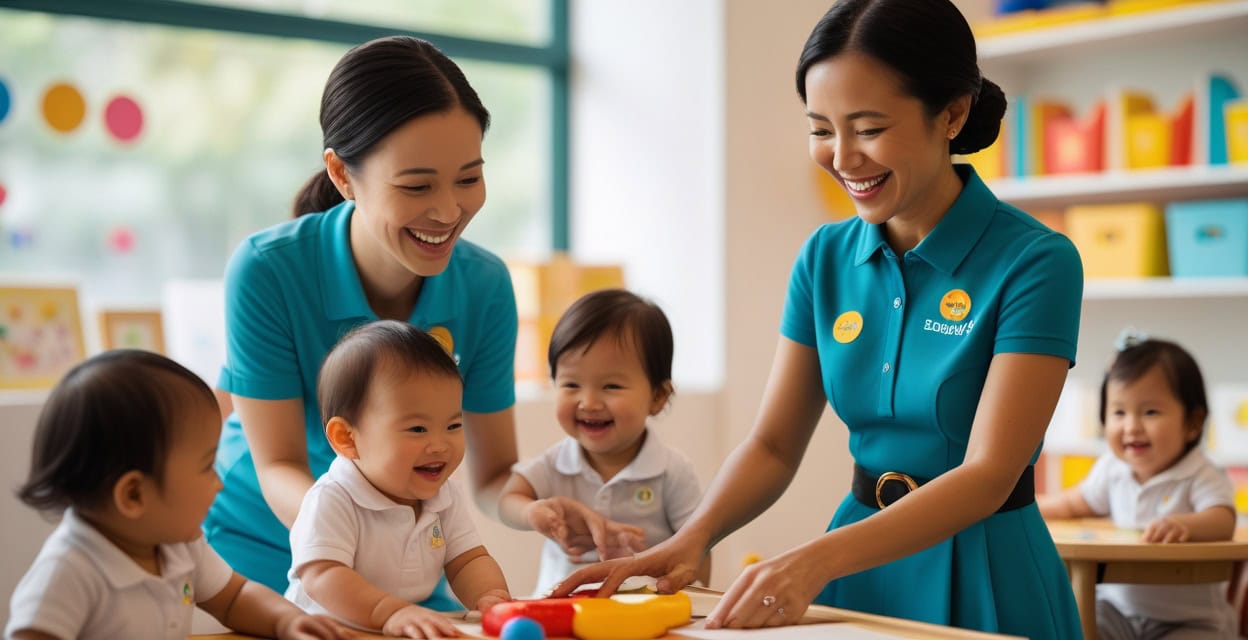
- Centre-Based and Home-Based options, plus Distance support: Flexible care models to match family preferences and lifestyles.
- Islandwide coverage: Modern, floor-level layouts optimized for safe exploration and easy supervision.
- 1:3 infant ratio: Ensures real, meaningful interaction and timely cue detection.
- Innovation-grade CCTV with privacy safeguards: Transparent access for parents, with encrypted storage and clear policies.
- Reliability: Monday–Friday, 7am–7pm, designed to support working families without compromising attachment.
- Affordability and public alignment: From $33/day for eligible plans, CDA/Baby Bonus accepted, aligned with ECDA’s Childminding Pilot.
- Professional standards and reflective practice: Ongoing training, peer-learning, and a culture of continuous improvement.
A Day in the Life: A Picture Worth a Thousand Promises
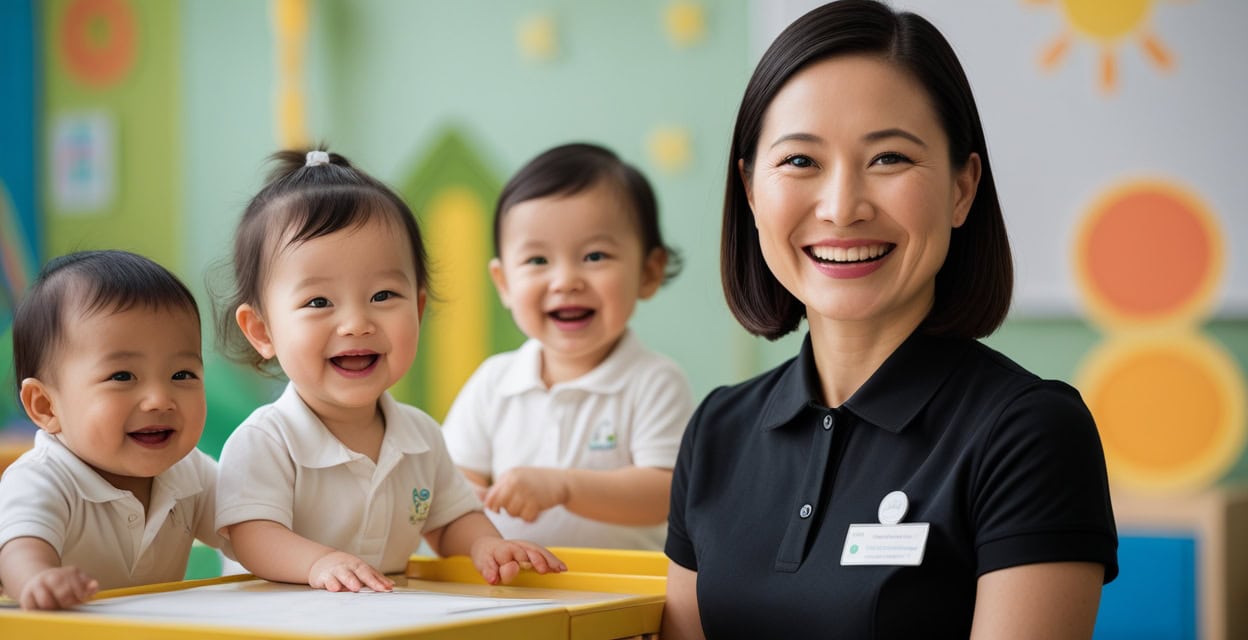
Imagine a Tuesday morning at EduNanny. A mother’s hand lingers at drop-off; her child is greeted by name and a familiar blue scarf waved from the window. The room feels calm. On the floor, infants track sunlight across the wall; a caregiver places a soft mirror within reach, narrates discovery, and waits for the child to lead. In the afternoon, two babies share a rhythm on a drum; the caregiver counts the beats and leaves space for a third sound. At pick-up, the parent receives a simple summary: what was explored, how the child settled, and which sound the child attempted. This is not spectacle; it is consistent attunement and a thousand micro-yeses to learning.
Sample Daily Timeline for Families
- 7:00–9:00: Arrival, calm handover, breakfast and soft play; floor-level exploration and safety checks.
- 9:00–11:00: Sensorimotor play, book reading, and language-rich interactions; short outdoor strolls when possible.
- 11:00–12:30: Feeding, quiet activities, and rest; caregiver narrates and co-regulates.
- 12:30–15:00: Free exploration with a few guided choices; use of mirror and light boxes for visual tracking.
- 15:00–17:00: Social play, rhythmic activities (drums, scarves), and expressive language activities.
- 17:00–19:00: Pick-up routine, simple notes to families, brief reflection on milestones and mood, farewell ritual.
Conclusion: Why Childminding Matters, and How EduNanny Serves That Purpose
Who Benefits
- Infants: Security, sensory richness, and respectful care that honours their pace.
- Parents: Work-life balance supported by proximate, reliable care and clear communication.
- Childminders: Professional development, dignified work, and a pathway to meaningful careers within a national framework.
- Communities: Stronger cohesion when caregiving is accessible, professional, and valued.
What EduNanny Stands For
- A science-led, heart-forward standard: Safety as a system, pedagogy as everyday practice, and joy as a vital sign.
- A commitment to accessibility: Islandwide coverage and affordable options to ensure no family is excluded from high-quality care.
- A vision for national impact: Aligning with ECDA’s Childminding Pilot to elevate caregiving work and family well-being.
When and Where
The first thousand days—and every weekday from 7am to 7pm—are critical windows for development. EduNanny operates in modern centre-based hubs and carefully approved home settings across Singapore, with distance coaching for home-based care.
How to Engage with EduNanny
- Explore EduNanny.com and Childminding.EduNanny.com for more information, inquiries, and visits.
- Ask prospective carers about safety protocols, caregiver training, and how development notes are shared with families.
- Discuss options for 1:3 care, floor-level environments, and CCTV privacy policies to ensure you have a tailored plan that fits your family.
The philosophy is simple: hold the ordinary with extraordinary care. The purpose is clear: give every infant a secure base from which curiosity, competence, and character can grow. Singapore has always been bold about building the future. EduNanny asks us to be equally bold about building the beginning. If we attune to the earliest minutes, the later milestones take care of themselves. If we light the floor, the path ahead becomes visible.
To every parent who has ever wondered “Will my child be truly seen?”—yes. To every caregiver who has ever felt “This work is quiet but it matters”—it does. And to every policymaker and partner committed to families—let’s place this standard within reach of every neighbourhood, because the first rooms of life are where a nation’s confidence is formed.
On behalf of EduNanny by BUTLER, thank you for believing that excellence in infant care is not a luxury; it is a public promise. Visit EduNanny.com or Childminding.EduNanny.com to continue the conversation, schedule a visit, or join the calling. Together, let’s cradle the ordinary so that extraordinary futures can unfold.
SEO keywords: #EduNannySingapore, #InfantCareStandards, #1to3CareRatio, #AttentiveEcology, #ECDAChildmindingPilot
[#keyword1, #keyword2, #keyword3, #keyword4, #keyword5]Ready to Experience Excellence?
Transform Your Family’s Journey
Discover Singapore’s leading infant care and childminding services. Expert guidance for your little one’s first thousand days.