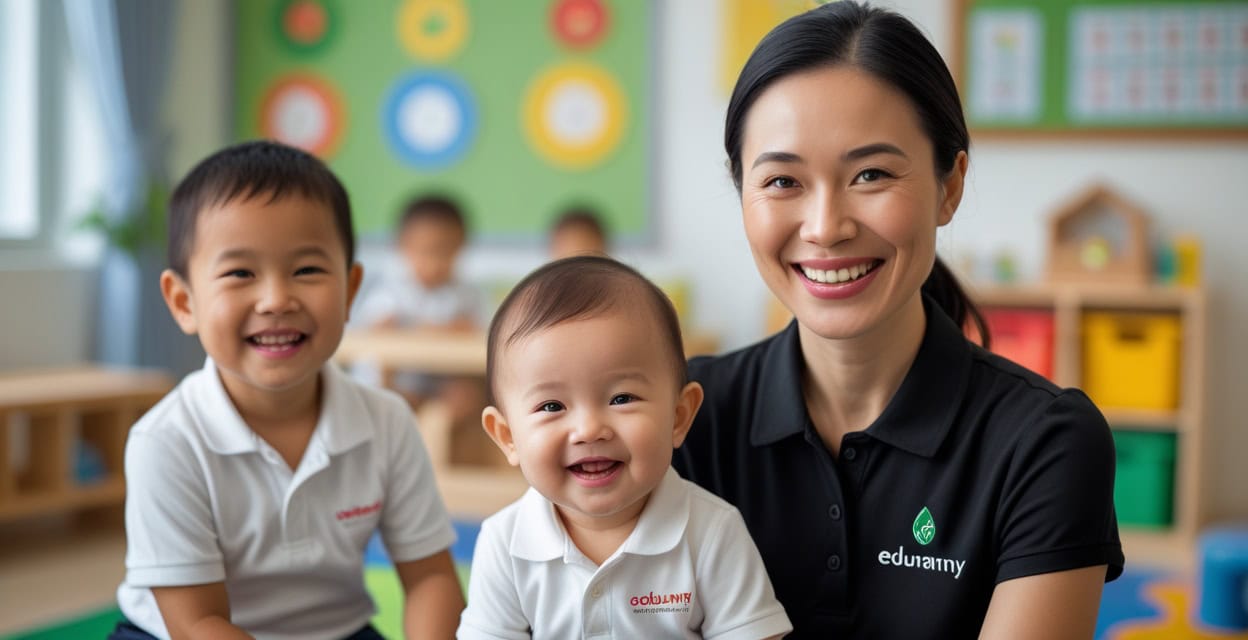
Floor Level Learning and Near Home Caring by EduNanny Creating a Living Standard for Singapore Infants
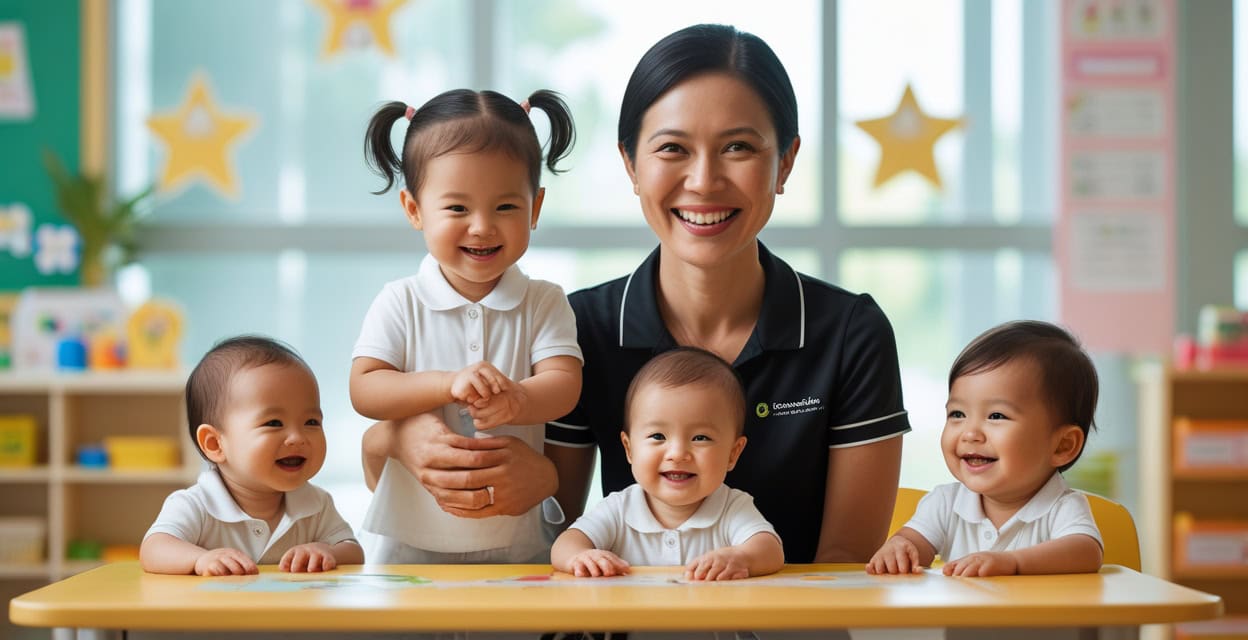
EduNanny: A Living Standard for Infant Care in Singapore
Good evening, parents, policymakers, caregivers, and friends of Singapore’s youngest citizens. This article expands on the idea that the first years of life deserve extraordinary care delivered as an ordinary part of daily life—close to home, every weekday, 7am to 7pm, islandwide. EduNanny by BUTLER isn’t just a program; it’s a living standard that blends science with warmth, policy with practice, and family life with professional caregiving. Here you’ll find practical, actionable guidance for parents and caregivers, drawing from EduNanny’s philosophy, experience, and ongoing collaboration with the ECDA Childminding Pilot.
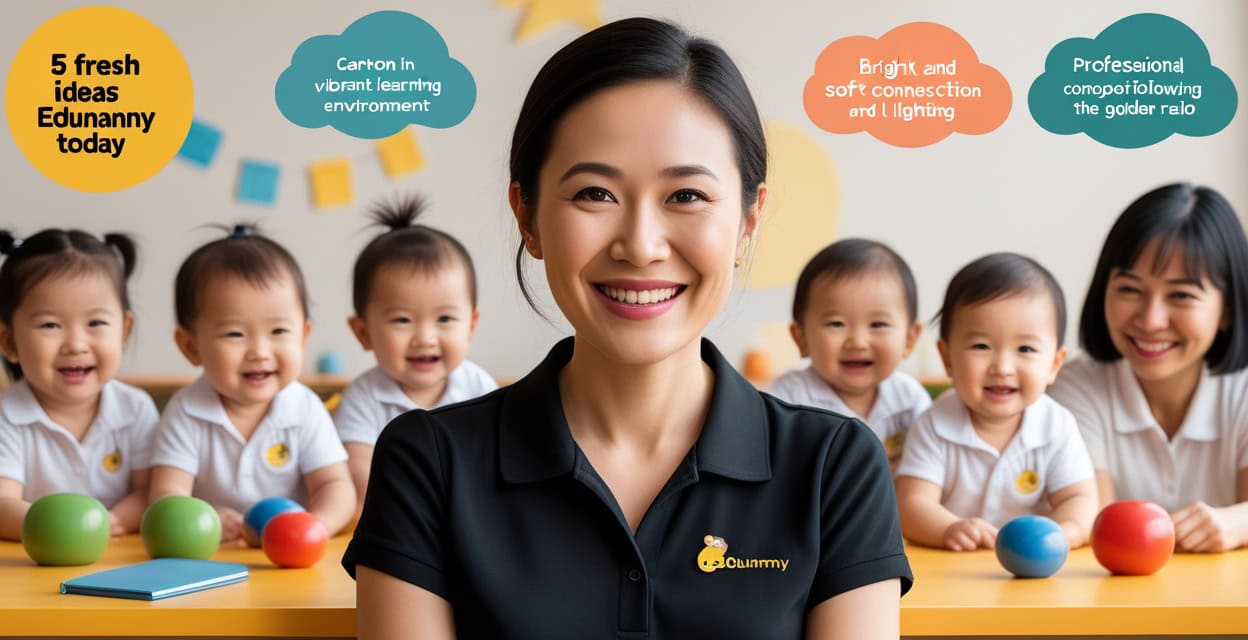
Five fresh ideas guiding EduNanny today
1) The Low-to-the-Floor Method: A pedagogy of presence
The floor is the infant’s first laboratory. Gravity teaches balance, reach, and agency. On the floor, children move freely—rolling, crawling, cruising—without the confinement of chairs or seats. Emmi Pikler reminds us to trust a child’s timetable; EduNanny translates that into uncluttered spaces that invite exploration rather than restrict it.
- Three moves for every caregiver: See, Settle, Stretch.
- See: Observe cues—gaze, breathing, posture—before intervening.
- Settle: Offer calm containment—voice, touch, proximity—to help regulate the nervous system.
- Stretch: Introduce just-enough challenge—an out-of-reach toy, a new texture, a slower song—to extend learning without overwhelm.
- One-minute micro-lessons: Rather than lengthy lectures, narrate simple loops: name a feeling, mirror a sound, invite a turn-taking game. Repeated over days, these loops support language, motor skills, and social understanding.
- Documentation with purpose: Capture progress as stories—not scores. For example, “Today Jia pulsed her feet to reach the fabric ring; tomorrow we’ll lower it by one finger,” so families see growth as a narrative of development.
2) Safety by design, not by chance
EduNanny builds seven lines of safety so infants are protected by system, not luck:
- The room: Low furniture, soft corners, breathable zones, and clear sightlines to ensure supervision is effortless.
- The routine: Safe sleep (back to sleep, empty cot, airway clear), safe feeding (paced, upright), and safe transitions with unhurried pacing.
- Continuous caregiver training: Regular updates on infant CPR, choking response, sleep safety, and respectful handling.
- Optimal ratio: 1:3 so caregivers notice subtle signs—yawns, skin tone changes, hunger rhythms—before they become urgent.
- Hygiene routines: Handwashing choreography, toy rotation, sanitisation, and robust illness protocols that protect infants and working parents.
- Transparency: Innovation CCTV in shared areas, contextual incident reporting, and daily logs for families.
- Culture of safety: A calm, steady care ethos—pause before pickup, unhurried hands, and a safety-first mindset woven into every interaction.
3) Development that respects the brain’s timetable
Infant development is a symphony of senses, guided by timing and trust. Below is a pragmatic, age-appropriate progression with home-friendly activities and EduNanny insights you can use today.
- 0–3 months: Regulation and bonding. Skin-to-skin, predictable feeding, soft lighting, and language as lullaby. Build trust through consistent routines and affectionate exchanges. At home, practice face-to-face conversations during routines like diaper changes and feeding times.
- 3–6 months: Reach and repeat. Use high-contrast images, rattles, and cause-and-effect toys. Reinforce early joint attention by naming what the baby sees (“There’s a red ball!”) and mirroring expressions.
- 6–12 months: Mobility with meaning. Create safe ramps or low furniture for supported movement; use simple “if I drop it, it falls” experiments to teach object permanence and cause-and-effect reasoning.
- 12–24 months: Language, will, and delightful mess. Apply Vygotsky’s scaffolding: label objects, model actions, and wait for child participation before stepping back to allow autonomy to grow.
- 24–36 months: Small citizenry. Turn-taking, simple choices, and early empathy. The environment becomes a micro-society where children practice social rules and cooperation.
- A day at a glance (home-friendly): Anchor routines (arrive, greet, wash); establish rhythms (snack, snooze, story); expand play (floor exploration, songs, water/texture play); end with home-time highlights (handover with progress notes: “today she hummed back to Twinkle twice—let’s try a slower tempo tomorrow”).
4) Architecting happiness and family partnership
Joy is not a garnish; it is the engine of learning. EduNanny designs environments, rhythms, and relationships that cultivate happiness and long-term outcomes.
- Joy by environment: Natural light, minimal visual clutter, and materials that feel familiar—wood, fabrics, baskets—so infants engage with the real world rather than synthetic distractions.
- Joy by rhythm: Slower voices, longer transitions, and more singing than talking. Pauses give infants time to process and respond, reducing stress and increasing engagement.
- Joy by relationship: Practice “name it, then hold it”—label emotions and provide secure touch or proximity. This builds emotional literacy and trust over time.
- Partnership with parents: Daily notes with meaningful content, development snapshots, and simple at-home rituals families can adopt. Cultural continuity—lullabies in mother tongue, mealtime prayers, or grandparents’ rhymes—woven into the day when families wish.
- The Joy Index: Track five subtle signals—eye brightness, vocal play, relaxed shoulders, interest in others, and smooth transitions. Use the score to adjust environments or routines, not to judge families.
5) The purpose and dignity of childminding
Great childminding is both a craft and a career. EduNanny’s approach emphasizes training, career growth, and community, so caregivers feel respected, competent, and capable of delivering exceptional care.
- Structured training: Onboarding, ongoing workshops, peer coaching, and reflective practice circles build a robust professional culture.
- Career pathways: From home-based childminder to senior lead and centre-based mentor, with routes into early childhood diplomas and leadership roles.
- Community and collaboration: Micro-care hubs network caregivers for idea-sharing, materials pooling, and mutual support—reducing isolation and strengthening professional identity.
- Employment mandate as dignity: Clear standards and supervision create dignified jobs, a pipeline of skilled professionals, and a consistent quality of care for families.

How EduNanny makes infant care work for real life in Singapore
- Choice and proximity: Centre-based and home-based options across neighbourhoods to reduce travel time and improve consistency for families with busy schedules.
- Hours that align with the workday: Monday to Friday, 7am to 7pm, with stable staffing and predictable ratios throughout the day.
- Design that calms: Modern layouts, fresh air, soft acoustics, and purposeful zones (movement, quiet, exploration) to help infants settle faster and stay engaged.
- Transparency that reassures: Real-time updates via a parent app, CCTV visibility in common areas, and clear policies that support informed decisions.
- Value that includes: Affordable from $33/day, subsidies aligned with CDA/Baby Bonus, and straightforward billing with no surprises.
- A standard you can trust: EduNanny by BUTLER under the ECDA Childminding Pilot—a national initiative focused on safety, dignity, and high-quality early care.
A brief promise to parents
- Eye-level partnership: We meet your child at eye level and stay by your side with timely, relevant information.
- Safety with discipline, joy with care: We guard safety with consistent practices and hold joy with attentive, loving care.
- Measure what matters: We share meaningful observations that guide growth and inform decisions about home routines and school readiness.
- Respect for rhythms and stories: We honour your family’s routines, cultural stories, and hopes for your child’s future.
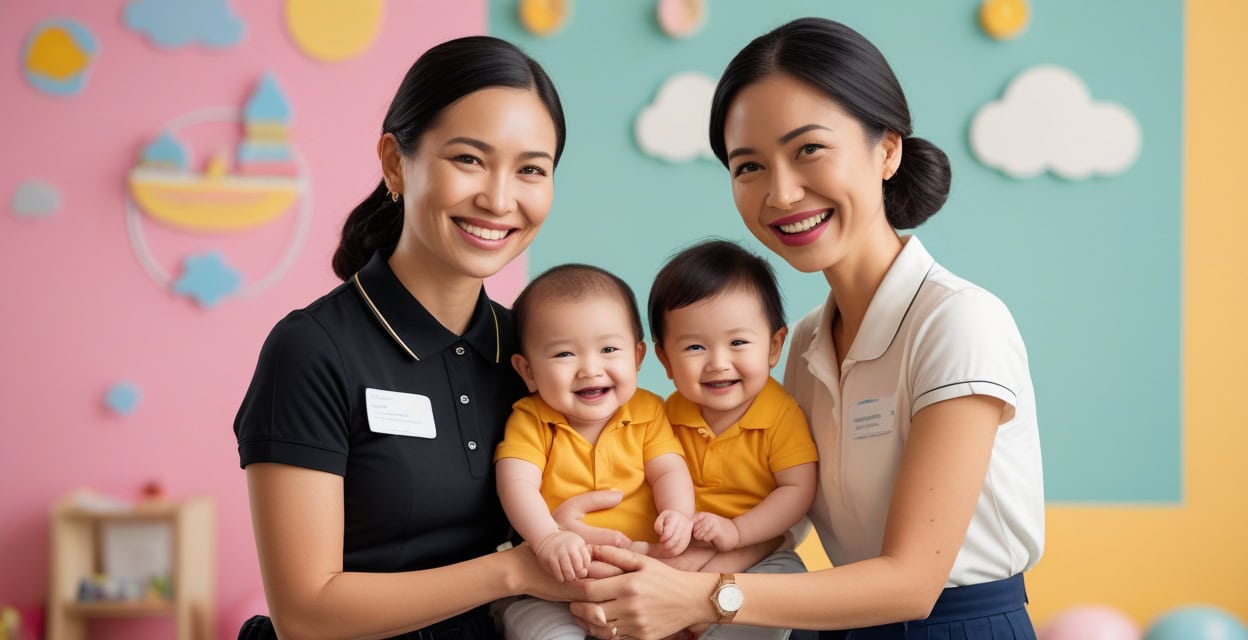
Who, what, when, where, how childminding matters
Who
Infants who need secure bonds and room to move. Parents who require reliability, closeness, and peace of mind to work and rest. Caregivers who deserve respect, training, and a clear career path. Communities that grow stronger when early care is trusted and near.
What
Professional childminding with a 1:3 infant ratio, floor-led pedagogy, safety by design, and real-time transparency. Centre-based and home-based care that is coordinated, inspected, and continuously improved.
When
The first thousand days—the critical window for brain development. Early care is steady, responsive, and kind, not hurried. Consistency over time compounds into confidence and capability for children and families alike.
Where
Across Singapore, in walkable, visible, neighbourhood-based settings—whether in dedicated centres or trusted home-based hubs—that bring high-quality care closer to families.
How
Through a living standard: ongoing training, professional supervision, modern environments, innovation CCTV, daily documentation, and family partnership. Through public alignment: ECDA’s Childminding Pilot, National Social Initiative goals, a Maximum Employment Mandate, and CDA/Baby Bonus-supported fees. Through everyday excellence: affordable pricing, long hours, and a standard that is visible, tangible, and trustworthy.
In closing
Singapore’s future is shaped not only in boardrooms but in those tiny rooms at floor level where caregivers respond with patience, where a baby’s eyes are met with calm, where safety and joy become a quiet, everyday certainty. EduNanny exists to make that future practical—for every family, every weekday, in every neighbourhood. We blend the wisdom of Montessori and Pikler with the science of attachment and the pragmatism of a working city. We bring excellence within reach: centre-based and home-based options; affordable, transparent fees; long days that align with work; and a standard you can see, feel, and trust.
If EduNanny aligns with your hopes for your child, we invite you to read more, visit, and talk with us. EduNanny.com and Childminding.EduNanny.com are open to you. When infants are safe, attuned, and curious, families exhale, communities cohere, and a nation grows a little gentler—and a lot stronger.
Thank you.
SEO keywords: [#infantcareSingapore, #earlychildhoodSingapore, #EduNanny, #ECDApilot, #childminding]
Ready to Experience Excellence?
Transform Your Family’s Journey
Discover Singapore’s leading infant care and childminding services. Expert guidance for your little one’s first thousand days.