
EduNanny Singapore A Living Blueprint for Safe Joyful Infancy and Community Childminding

EduNanny Singapore: A Blueprint for Exceptional Infant Care and Childminding
Singapore shows its character in how it greets its youngest citizens. EduNanny, introduced by BUTLER, embodies a national commitment to care that is both excellent and accessible—where centre-based and home-based childminding meet modern practice, transparency, and warmth. This article expands on the EduNanny approach, offering parents practical, actionable guidance drawn from real-world practice and cutting-edge early childhood development research. It is designed for families, caregivers, and the community seeking to understand how to turn every ordinary moment into a foundation for lifelong trust.

The EduNanny Model: From Vision to Everyday Practice
EduNanny is built to pair world-class practice with everyday convenience. Our model rests on three pillars: high-quality infant care, family-friendly access, and a transparent, evidence-informed approach to development.
- Centre-Based and Home-Based Care: Island-wide availability, with care settings close to home and work. This reduces daily stress for families and strengthens routines.
- Ultra-Low Ratios: A 1:3 infant-to-caregiver ratio supports continuous presence, prompt responsiveness, and intimate knowledge of each child’s cues.
- Affordability and Accessibility: Competitive fees (from $33/day) supported by CDA/Baby Bonus, ensuring quality care is within reach for more families.
- Safety, Transparency, and Distance Support: Innovation CCTV for peace of mind, secure access control, and remote coaching when parents need guidance away from home.
Beyond logistics, EduNanny emphasizes a culture—where care is a craft, and caregivers are trusted, well-supported professionals. The outcome is a day that feels familiar to a child, with safety as the default setting and discovery as the daily rhythm.

The Five Lenses That Guide Our Work
We offer five lenses to help families and caregivers understand how EduNanny builds a strong foundation for infant development. Each lens is practical, evidence-informed, and designed to translate into everyday actions.
1) The Responsive Triangle: Child, Carer, Environment
Infants learn through relationships, repetition, and constructive challenges. In EduNanny practice, this triad becomes a living system:
- The child: Every infant is a unique pattern of sleep, hunger, curiosity, and comfort—observed calmly, without rush.
- The carer: A secure base who names feelings, mirrors efforts, and scaffolds tiny steps into new abilities.
- The environment: A calm, uncluttered space with reachable challenges—objects to grasp, ramps to climb, corners to look around, and words to hear.
Practical tips for parents and caregivers:
- Practice “observe, respond, release”: pause to observe a cue, respond with a meaningful, timely action, then give the child space to try again.
- In home settings, create a dedicated play area with adjustable spacing, low furniture, and safe exploration zones to encourage floor-time movement and independent reach.
- Involve families in language-rich routines—naming objects, narrating tasks, and turning daily activities into conversational play (e.g., “What happens when we push this block?”).
2) Safety as Architecture, Not Afterthought
Safety is integrated into the design of spaces and the cadence of the day, not relegated to a checklist. It is the culture of care.
- Design: Low, stable furniture; soft zones for rolling and crawling; clear sightlines; secure entry/exit; clutter-reducing layouts to minimize hazards.
- Protocol: Hygiene cycles aligned to infant needs; safe sleep practices with regular checks; bottle-handling standards; and rehearsals for incident response that keep care continuous.
- Staffing: A 1:3 ratio that ensures eyes on children, hands available, and minds present.
- Transparency: Private, secure access combined with transparent documentation that respects privacy while keeping families informed.
Actionable steps for families evaluating safety at home:
- Conduct a simple room safety audit: check for accessible cords, small objects, and unguarded stairs; create a “baby-safe path” with clearly defined safe zones.
- Establish a consistent daily hygiene routine: washing hands before meals, clean bottle handling, and post-diaper-handling sanitation that mirrors the centre’s standards.
- Use a predictable daily schedule so children experience calm transitions—e.g., a consistent nap window after lunch and before outdoor time.
3) Micro‑Milestones: Building the Whole Infant, Not Just a Skill
Birth to three is a rapid period of neural growth. We focus on small moments that compound into broad capability:
- Language: Label everything at eye level; read daily; model turn-taking and conversational back-and-forth with coos, pauses, and smiles.
- Motor: Encourage floor movement; provide safe surfaces with varied textures; introduce simple, progressive challenges (crawling over a gentle incline, standing with support).
- Social-emotional: Consistent greetings, predictable routines, caregiver continuity to foster a sense of safety and curiosity.
- Executive function (early foundations): Gentle waiting, simple choices, and shared cleanup rituals build focus, autonomy, and self-regulation.
- Sensory regulation: Manage light, sound, and scent to prevent overstimulation and support attuned responses to needs.
Practical tools for families to track progress:
- Weekly micro-observation notes: one area of growth, one moment of challenge, and one next-step activity for home.
- Simple family-report sheets that translate professional observations into home-friendly language.
- Quarterly “development snapshots” that align with play-based milestones and everyday routines.
4) Happiness as Daily Practice
Joy isn’t a bonus; it’s the soil in which learning takes root. Happiness indicators guide day-to-day care.
- Three daily rituals: Warm arrival greeting, a familiar song or rhyme, and a quick narrative of a recent success before rest.
- Comfort on demand: Respond quickly to needs, then invite exploration again to re-establish security and curiosity.
- Natural light and outdoor time: Maximize fresh air and daylight for mood regulation and physiological regulation.
- Protected rest: Respect sleep as essential for development, not downtime.
How to foster happiness at home:
- Maintain predictable routines with small, flexible wiggle room for the child’s mood and energy levels.
- Incorporate a daily “story of the day” that acknowledges a small success, reinforcing a growth mindset.
- Balance quiet, solitary play with guided social play—short, meaningful interactions that push curiosity without pressure.
5) The Purpose of Childminding: A Craft of Quiet Leadership
Childminders are not temporary helpers; they are early-life leaders shaping social fabric, inclusion, and the care economy.
- Social fabric: Daily routines and relationships that help families feel connected and supported.
- Inclusion: Welcoming diverse abilities, cultures, and languages with dignity as standard, not exception.
- Care economy: Investment in training, mentorship, and meaningful employment so caregivers themselves thrive.
- Family partnership: Parents are respected as first teachers; collaborative planning aligns routines and observations for cohesive development.
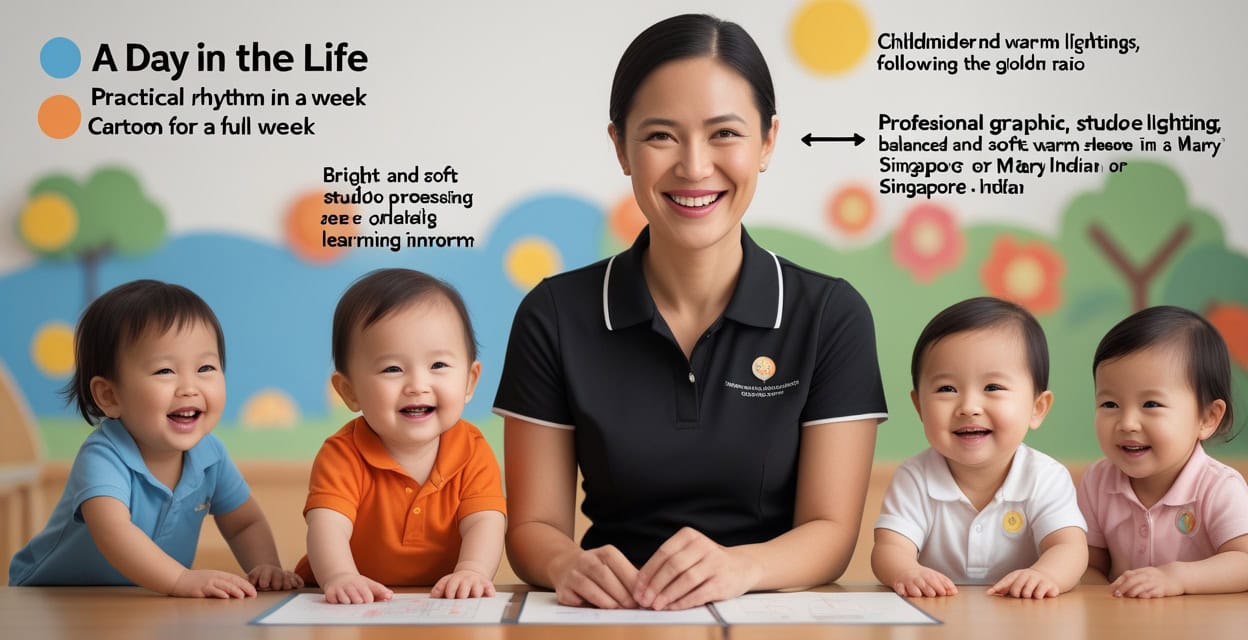
A Day in the Life: Practical Rhythm for a Full Week
A sample day provides a concrete picture of how EduNanny translates principles into lived experience, while leaving room for family-specific adjustments.
- 7:00–8:30: Gentle arrivals, unhurried handovers, familiar greeting rituals. Families can check in via the CCTV stream for reassurance during the commute.
- 8:30–9:30: Floor exploration and language circles—named objects, simple gestures, and small-group attention to foster early social skills.
- 9:30–10:30: Nourishment and rest for younger infants; sensory invitations (soft ramps, treasure baskets) for older babies.
- 10:30–11:30: Outdoor air when safe; otherwise indoor large-muscle activities with mindful spacing.
- 11:30–13:30: Feeding, comfort, and protected sleep; safety checks and discreet documentation.
- 13:30–15:30: Quiet play, story time, caregiver-led turn-taking activities.
- 15:30–17:00: Snack, diapering, individualized interaction; language-rich exchanges and positive reinforcement.
- 17:00–19:00: Staggered pickups, calm transitions, brief notes or photos for families to review later.

What Families Can Expect from EduNanny
EduNanny delivers not only reliable care but an ecosystem designed to support families through the earliest years of parenthood and work-life integration.
- Excellence and quality with ultra-low 1:3 ratios.
- Centre-Based and Home-Based care options, plus distance-support coaching when needed.
- Operating hours Monday–Friday, 7am–7pm, island-wide with community and home premises.
- Innovation CCTV for transparency and reassurance, and secure access respecting privacy.
- Modern, safety-focused layouts that promote calm and ease of movement.
- Affordability from $33/day, with CDA/Baby Bonus applicability.
- A National Social Initiative under the ECDA Childminding Pilot—advancing families and the workforce.
- EduNanny by BUTLER: precision and heart in service to children and families.
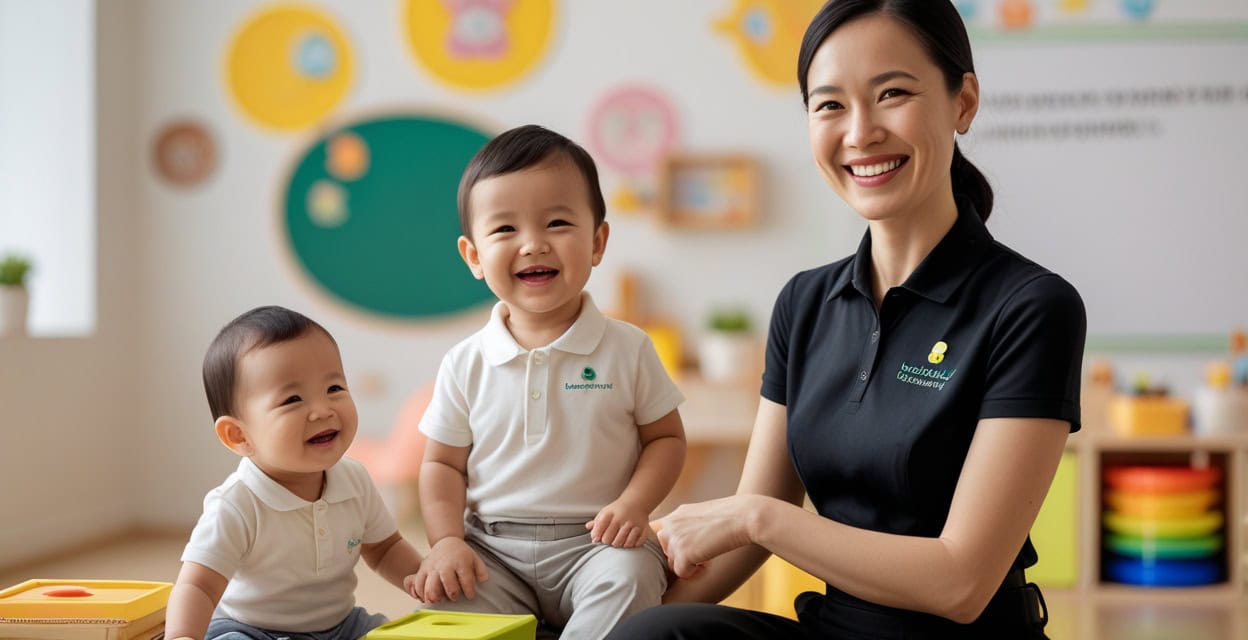
Practical Guidance for Parents: How to Choose, Engage, and Partner with EduNanny
Choosing the right caregiver setting is a critical decision. The following practical steps help families evaluate quality, build trust, and optimize development outcomes.
- Before You Visit: Prepare a brief family profile that includes your child’s routines, feeding patterns, sleep needs, and any sensitivities. List questions about safety, caregiver training, and emergency procedures.
- During a Tour: Observe caregiver interactions with children, the layout, and how routines unfold. Ask to see examples of micro-observations and progress notes.
- Safety and Hygiene: Inquire about sleep practices, bottle handling, diapering protocols, and how hygiene cycles align with infant needs.
- Communication: Request a clear schedule for daily reports, and ask how families receive updates when you are away (photos, notes, or CCTV access).
- Progress and Milestones: Ask to see a sample micro-observation template and how progress is communicated—look for plain-language summaries, not jargon.
- First Weeks Practices: Expect a gentle ramp-up with consistent routines, caregiver continuity, and early opportunities for home–centre collaboration (e.g., shared day plans).
- Contingency Plans: Discuss back-up arrangements for caregiver illness or centre closures and how distance-supported coaching can bridge gaps.
From a caregiver perspective, families can support by maintaining consistent routines, sharing home observations, and participating in short, structured at-home activities that reinforce the day’s learning (e.g., turn-taking games, safe crawling routes, and simple naming games).

Reading Progress: How to Talk About Development at Home
Families often benefit from translating professional observations into actionable home practices. The following tips help bridge home and EduNanny experiences:
- Turn observations into daily talk: If a child shows interest in stacking cups, narrate the process at eye level and extend the activity with a slightly larger challenge.
- Set tiny goals weekly: Choose one micro-milestone per week—e.g., “aim to share a toy during play”—and celebrate small victories with a family ritual.
- Maintain consistency: Align sleep and feeding routines with centre practices where possible to support secure attachment and predictable transitions.
- Track happiness indicators: Look for signs of ease in transitions, relaxed shoulders, and engaged eyes as positive indicators of well-being.

The National Context: Why This Matters Now
Singapore’s care landscape is evolving toward higher standards, wider access, and greater investment in the workforce that supports families. EduNanny aligns with ECDA’s Childminding Pilot, emphasizing safe environments, professional development, and flexible arrangements to meet diverse family needs. The goal is not only to care for infants but to cultivate a stable environment where trust, learning, and inclusion flourish from day one.

Conclusion: A Shared Commitment to Safe, Curious, and Confident Starts
Education begins in ordinary moments—moments of naming, comforting, demonstrating, and exploring. EduNanny’s approach translates this insight into a practical, scalable model that supports families, caregivers, and children alike. By prioritizing safety as architecture, nurturing micro-milestones, and weaving happiness into daily practice, EduNanny helps Singapore build a future where every child’s day feels secure, familiar, and rich with discovery.
Explore EduNanny further, tour a centre or a home-based setting, and speak with a caregiver about schedules, affordability, and how CDA/Baby Bonus can support your family. Let us craft a plan that fits your life—centre-based, home-based, or distance-supported—so that excellence is not a luxury but the standard your child deserves.
Singapore shows its future in the way it greets a child each morning. With EduNanny, that greeting is steady, safe, and full of promise. May every small hand find a sure hold, every tiny voice find a patient ear, and every family find care that makes the day—and the years—better.
Thank you.
[#earlychildhood, #infantcare, #childminding, #SingaporeECDA, #EduNanny]