From Handover to Growth The Near Home 1 to 3 Revolution Redefining Singapore’s First Thousand Days
Introduction: A Moment That Shapes a Nation
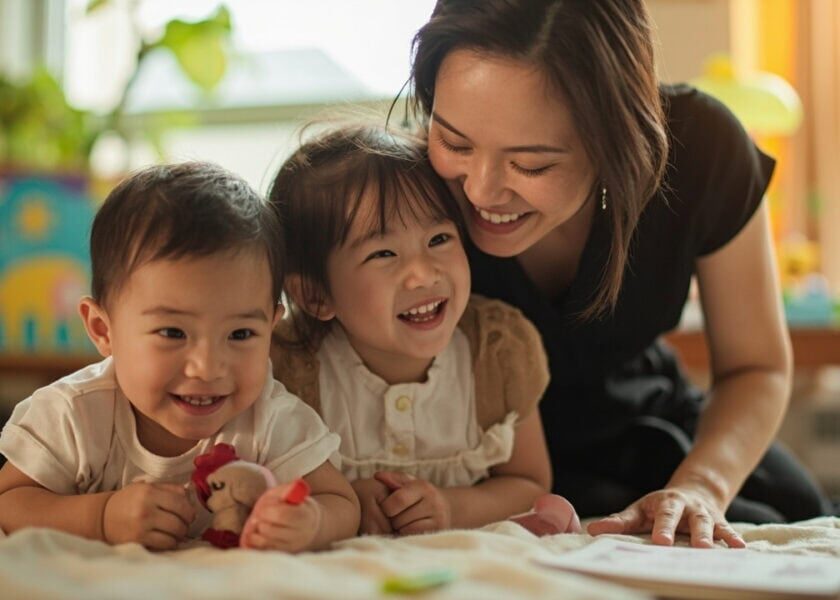
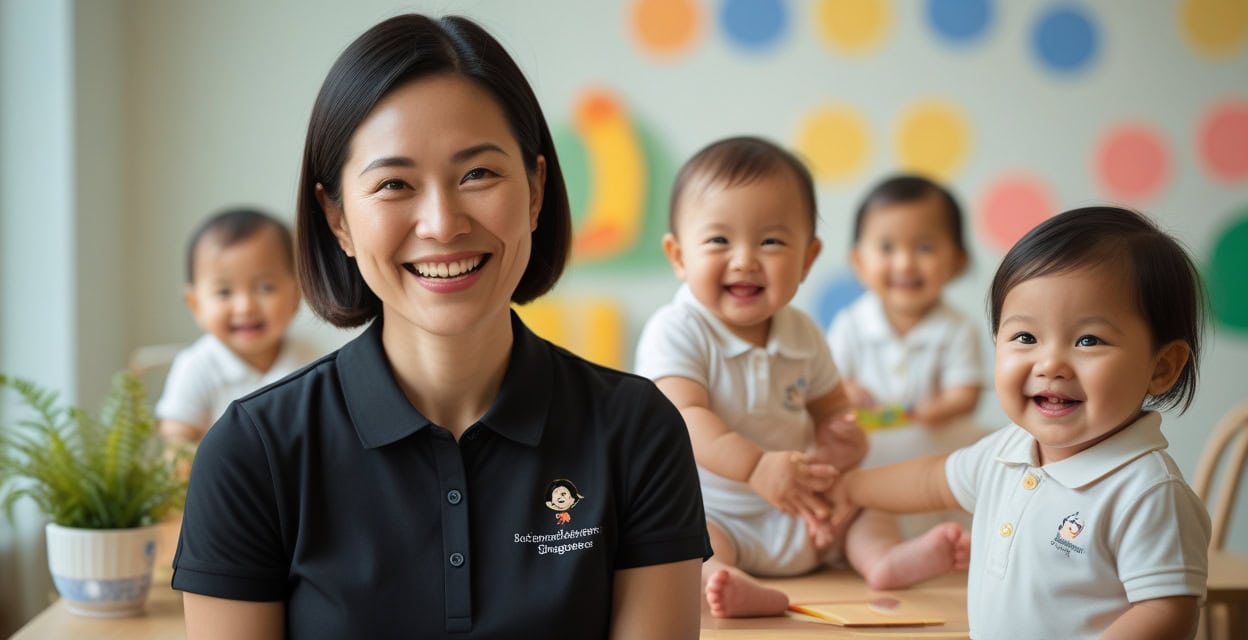
Before the city has even shaken the night from its shoulders, a small hand curls around an adult finger. In that quiet moment, a nation’s future takes a breath. EduNanny was created for that exact moment—so that safety, joy, and development are not left to chance, but designed into every minute of care. This article expands on that vision, offering practical insights, actionable steps for parents, and a window into how EduNanny translates a powerful philosophy into daily practice across Singapore.

The EduNanny Promise in Practice
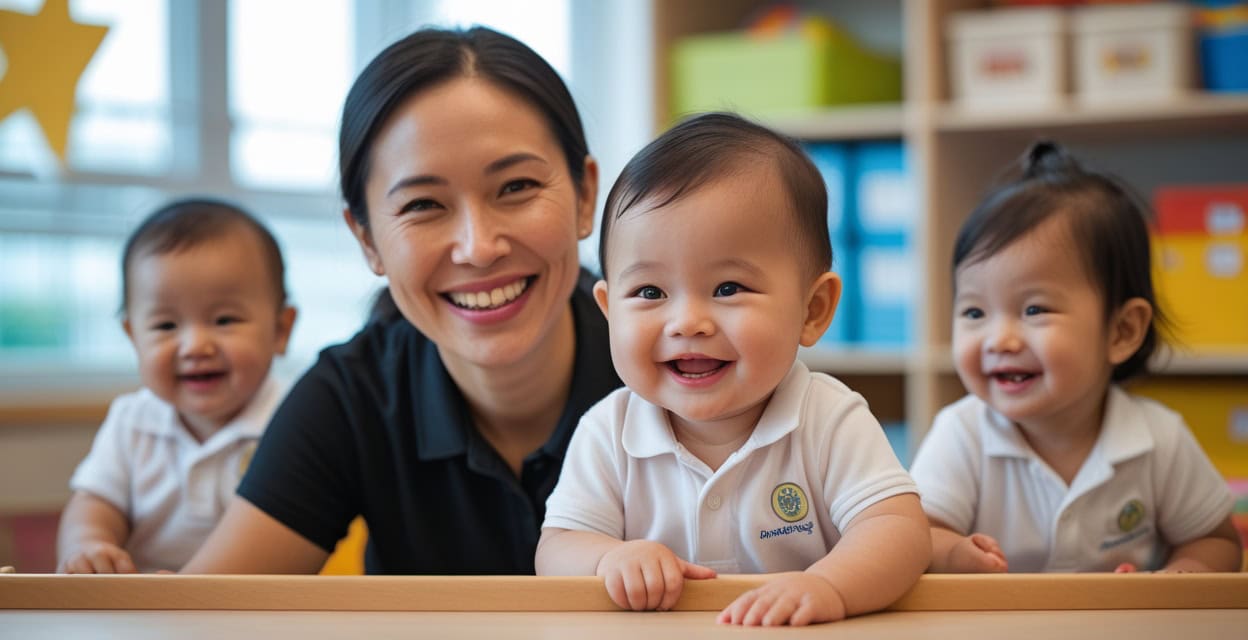
EduNanny by BUTLER is Singapore’s close‑to‑home infant care and childminding network—centre‑based, home‑based, and distance‑supported—built for working families, guided by science, and delivered with the dignity our infants deserve. Here is how the promise takes shape in everyday care:
- Islandwide access from Monday to Friday, 7am to 7pm—near where you live and work.
- Centre‑based and home‑based options, with distance support for days when flexibility is needed.
- Ultra‑low 1:3 infant‑to‑carer ratio for attention you can feel and trust.
- Transparent, innovation CCTV for safety, review, and professional learning.
- Modern spaces with clear sightlines, natural light, and soothing acoustics.
- Affordable access, from $33/day, with fees payable by CDA/Baby Bonus.
- A national social initiative aligned to build trust, strengthen families, and expand dignified jobs under a maximum employment mandate.
- Information and enrollment at EduNanny.com and Childminding.EduNanny.com.
The Trusted Trio: Child, Caregiver, Family
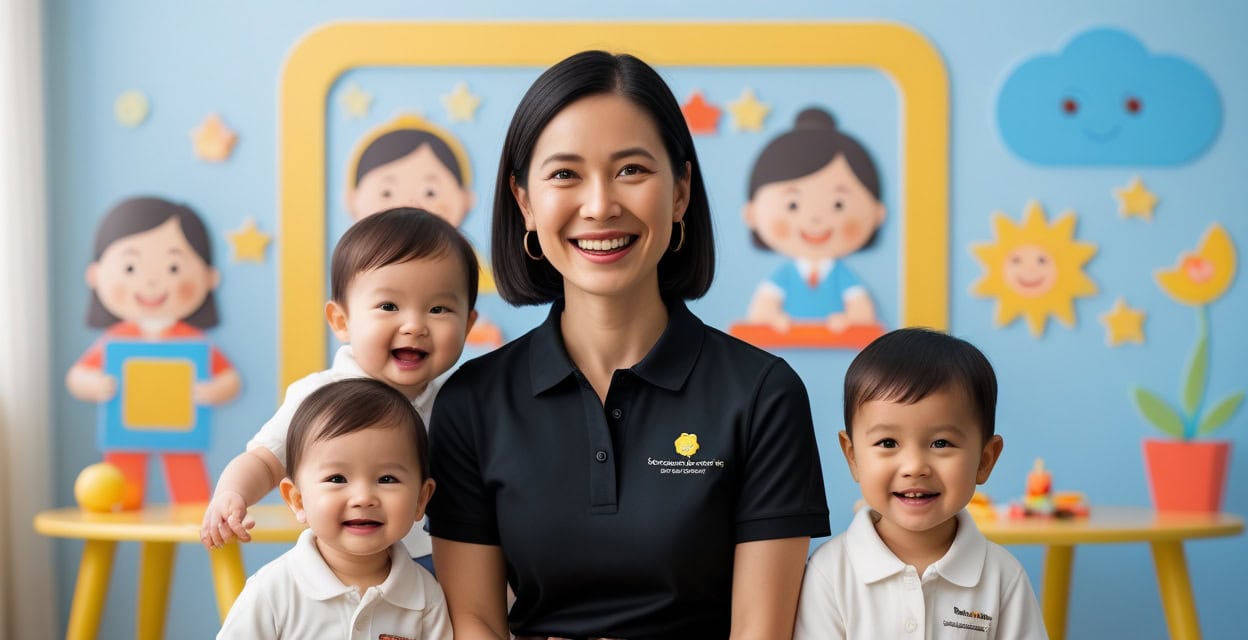
At EduNanny, pedagogical excellence begins with relationship. We train our childminders to “See, Say, Support.” This is the practical engine behind trusted care.
See, Say, Support: A Practical Framework
- See: Notice the infant’s cues without rushing—micro‑observations of gaze, breath, posture, and reach.
- Say: Name what is happening—“You’re looking at the bright ball; your hand is trying to reach it”—to build language and calm.
- Support: Offer just‑right help—enough to scaffold, not so much that it replaces discovery.
This is Piaget’s sensorimotor learning enriched by Vygotsky’s guided support, wrapped in Bowlby’s secure base. The result is trust that frees curiosity—and curiosity that accelerates learning.

Safety by Design: Architecture for Development
Safety is not an afterthought; it is woven into every space, protocol, and practice. EduNanny’s safety framework is designed for both centre‑based and home‑based settings alike:
Environment by Design
- Shore‑low shelves, rounded corners, clear sightlines.
- Breathable rest zones with firm, flat sleep surfaces; no soft bedding or toys in cots.
Hygiene, Health, and Emergency Readiness
- Frequent handwashing rituals; sanitisation cycles; temperature and humidity checks.
- Illness protocols aligned to national guidance.
- Emergency drills, evacuation maps, and clear communication trees for parents.
Visibility and Transparency: CCTV and Supervision
- Secure, privacy‑respecting CCTV for transparency, incident review, and professional upskilling.
- Continuous supervision with a 1:3 ratio and strategic rotations to maintain rapport and safety.
The Four Rivers of Development
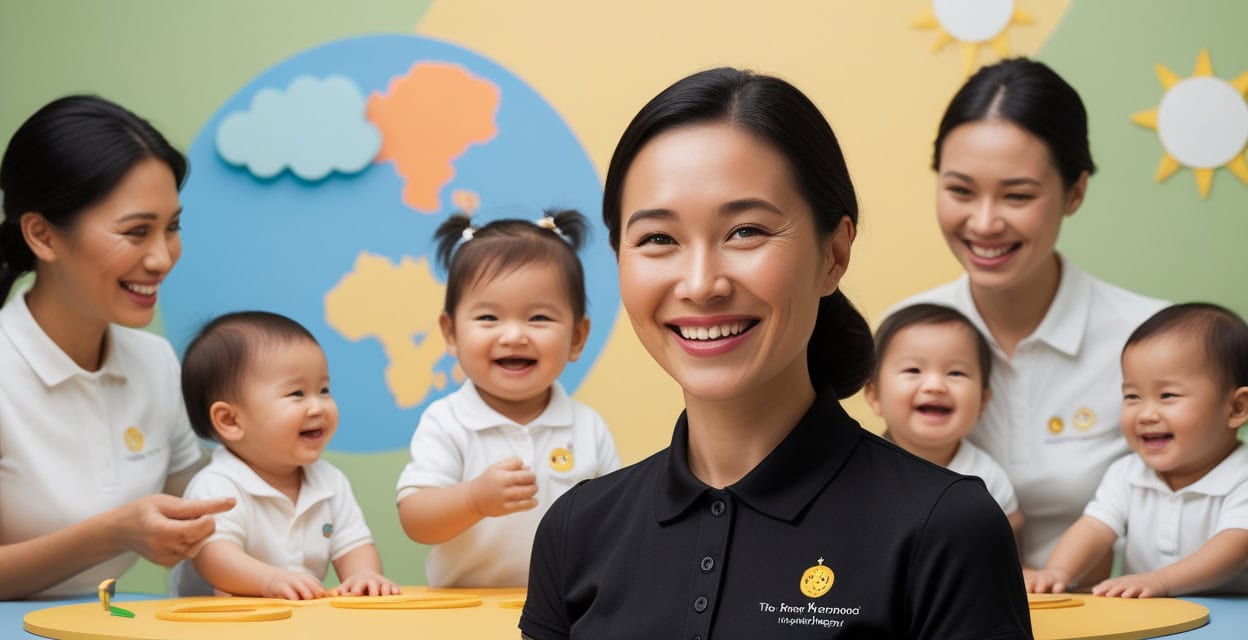
We unify the insights of Montessori, Froebel, Malaguzzi, Erikson, and contemporary neuroscience into four daily “rivers” that flow through a child’s day:
- Movement: Free floor time, progressive tummy‑to‑side‑to‑back development, safe outdoor experiences; challenges without constraints that stifle exploration.
- Language: Serve‑and‑return talk, songs, reading in multiple languages, and naming both feelings and objects.
- Curiosity: Open‑ended materials, simple cause‑and‑effect explorations, guided peer encounters in tiny groups.
- Belonging: Predictable rituals, family photos at eye level, culturally familiar lullabies, and respectful transitions.
Our 7am–7pm rhythm is unhurried and responsive—attuned feeding, rest on individual schedules, protected windows for exploration, calm handovers—so each infant experiences consistency without rigidity.

Joy as a Developmental Asset
Joy is not mere entertainment; it is emotional safety that primes the brain for learning. EduNanny cultivates joy through:
- Warm attunement and playful voices that lower cortisol and invite engagement.
- Tiny victories—“You did it!” moments—that build self‑efficacy.
- Gentle transitions with songs and touch cues.
- Outdoor micro‑adventures: texture walks, sky‑watching, water play with safety protocols.
- Partnership with parents: brief daily reflections, photos of learning moments, practical tips to ease home life.
The Craft and Calling of Childminders
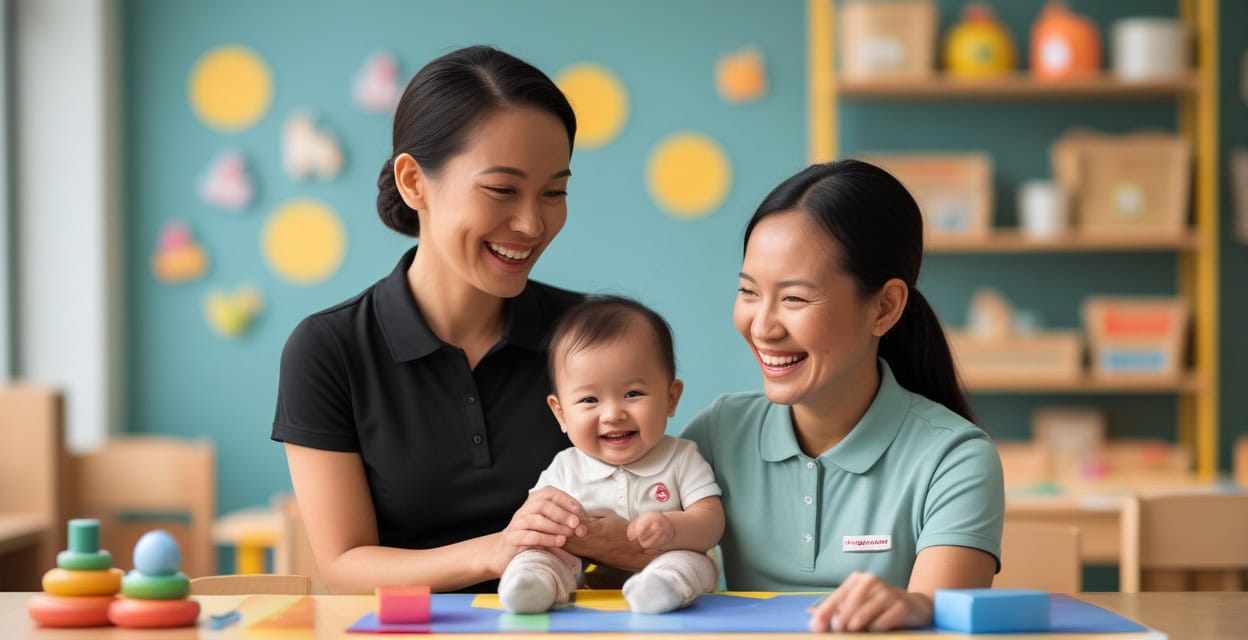
Childminding is a profession with profound consequence. EduNanny invests in caregivers with:
- Competency‑based training grounded in infant development, attachment, and responsive care.
- Coaching in observation, documentation, and reflective practice.
- Career ladders that reward mastery and leadership.
- A maximum employment mandate that creates dignified jobs close to home, strengthening neighbourhood economies and family stability.
When we dignify the caregiver, we dignify the child. When careers are built with purpose, communities prosper.
EduNanny: Distinctly Singaporean
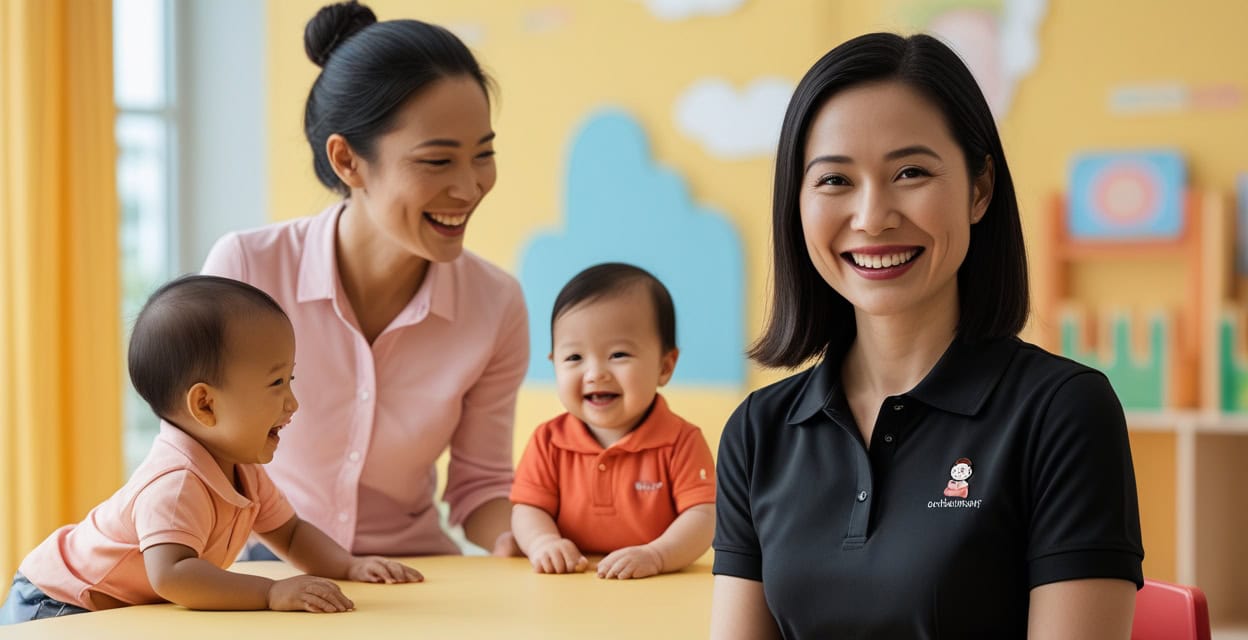
What makes EduNanny uniquely Singaporean is a belief in excellence at the doorstep of every family:
- Care brought to where families live—close‑to‑home circuits that reduce commute stress and preserve kinship ties.
- A blended model of centre‑based reliability, home‑based warmth, and distance support for flexibility.
- Alignment with national priorities—affordability, quality, and employment—so parents don’t have to choose between work and a strong start for their child.
- Transparent, straightforward fees with CDA/Baby Bonus options so that quality is accessible.
A Day in the Life: Everyday Excellence in Practice
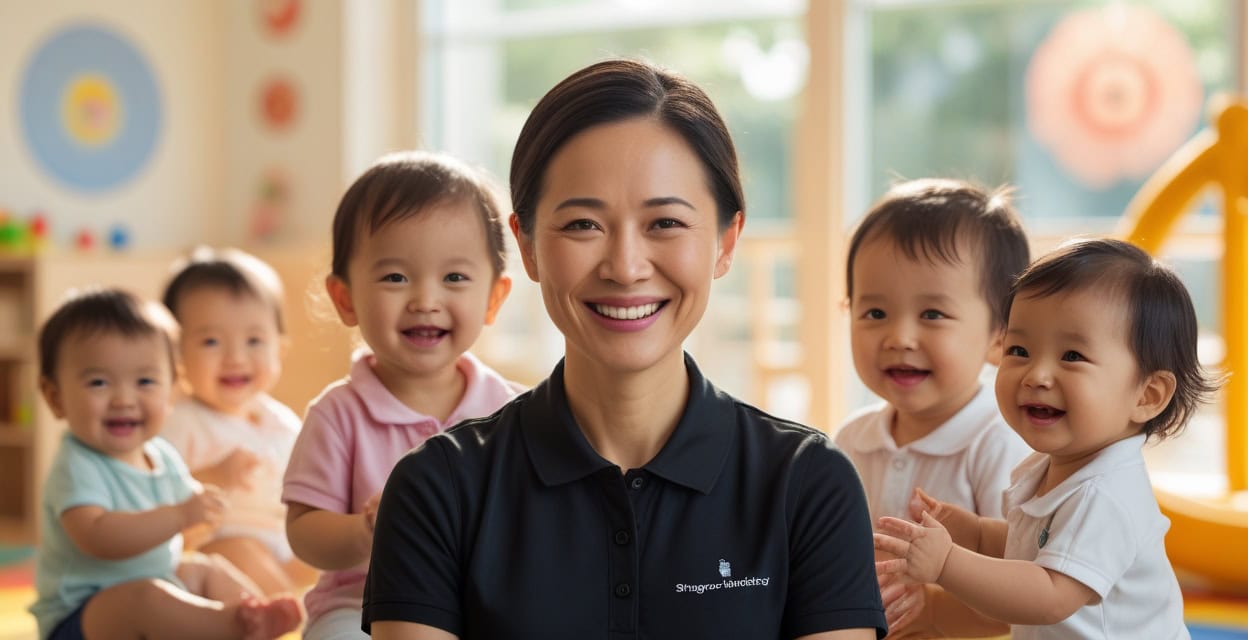
Imagine a typical day at EduNanny:
- A parent arrives at 7:40am. A two‑minute handover covers sleep notes, feeding, and a new favourite song. The infant recognizes the caregiver’s voice; shoulders relax.
- Time is set aside for play, rest, and safe exploration. A secure note arrives at midday—a short video of a triumphant reach.
- At 6:10pm, a warm reunion and a goodbye ritual that mirrors the morning. A day has passed in safety, skill, and kindness.
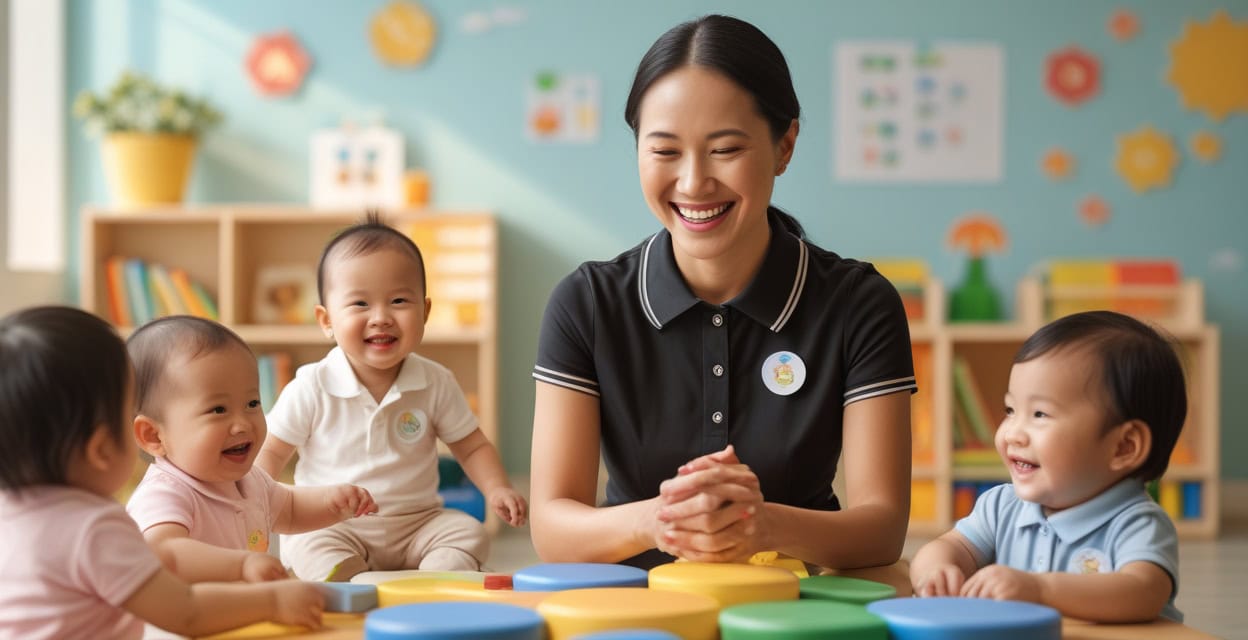
Policy and People: The Model in Action
EduNanny participates in Singapore’s childminding transformation as a practical, people‑first solution. By expanding high‑quality places across community and home premises, we:
- Meet family needs Monday–Friday, 7am–7pm, islandwide.
- Offer ultra‑low ratios (1:3) that convert minutes into meaningful attention.
- Use innovation CCTV and modern layouts to hard‑wire safety and transparency.
- Provide affordability from $33/day, with CDA/Baby Bonus options.
- Advance a national social initiative to grow employment with purpose and pride.
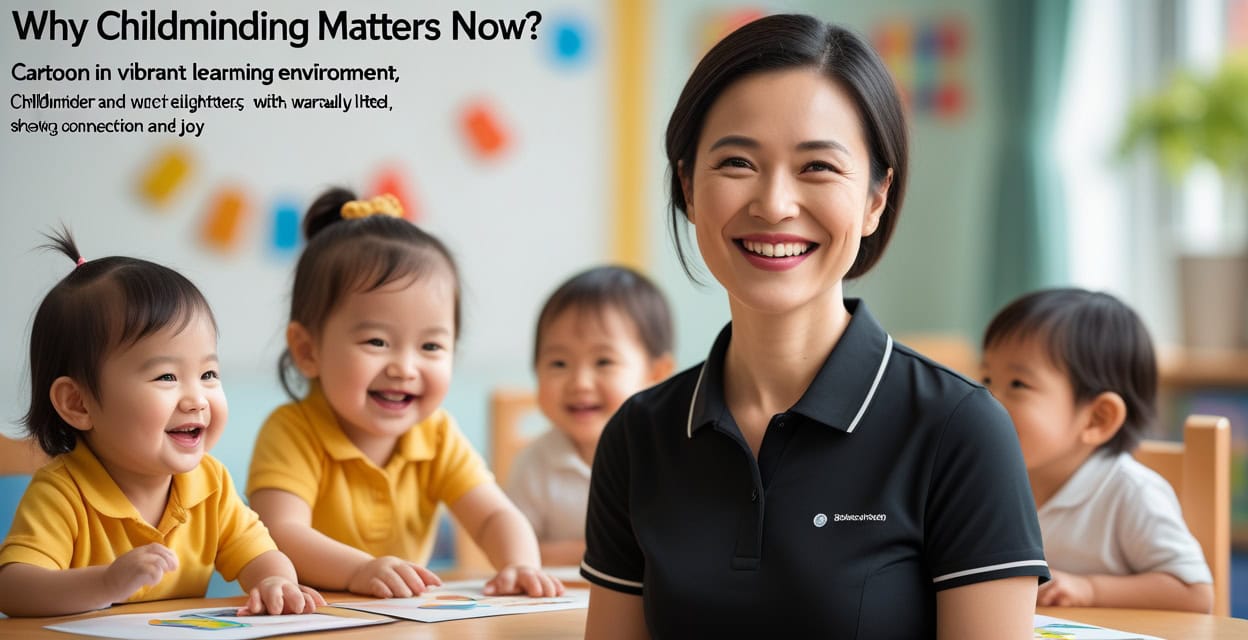
Who, What, When, Where, and How: Why Childminding Matters Now
Framing the issue through a practical lens helps families navigate choices with confidence:
- Who: Every infant in Singapore, every working parent balancing love and livelihood, every trained caregiver seeking purposeful work.
- What: Relationship‑centred, safety‑by‑design infant care that turns daily routines into developmental gains.
- When: Consistently, reliably—7am to 7pm, Monday to Friday.
- Where: In your neighbourhood—home‑based and centre‑based settings designed for infants, not retrofit for them.
- How: With trained professionals at a 1:3 ratio, with secure transparency, with science‑driven pedagogy, and with fees families can manage.
- Why: Because the earliest years shape trust, and trust shapes attention, language, confidence, friendships, learning, and leadership.
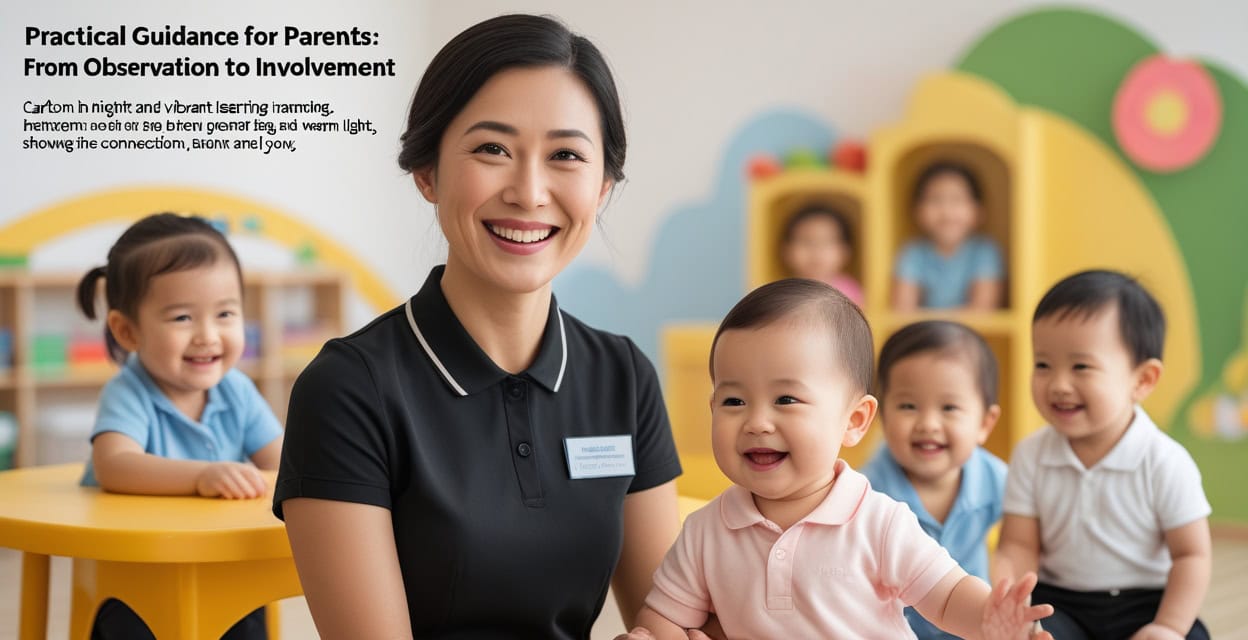
Practical Guidance for Parents: From Observation to Involvement
Here are practical, actionable steps you can take to partner effectively with EduNanny and support your child’s development at home and in care.
Choosing Infant Care: What to Look For
- Ask to see sample daily schedules and routine sheets that show feeding, sleep, play, and transitions.
- Verify the caregiver ratio (1:3) and ask about caregiver turnover and continuity plans.
- Review safety policies, sleep practices, hygiene routines, and illness protocols.
- Request examples of how they document development, including language milestones and movement progress.
- Inquire about the spaces: are there clear sightlines, age‑appropriate materials, and safe outdoor options?
Daily Home–Caregiver Collaboration: Concrete Practices
- Maintain a simple daily log at home that mirrors what the caregiver records (feeding notes, sleep times, moods, new words).
- Use the “See, Say, Support” framework at home: observe cues, name what you notice, and offer just enough help to promote exploration.
- Introduce consistent routines: a morning ritual, a predictable goodbye, and a short end‑of‑day reflection with your child.
- Engage in multilingual exposure where relevant—label objects and actions in the languages spoken at home and in the community.
Supporting Development Across the Four Rivers
- Movement: Create safe spaces for crawling, tummy time, and assisted standing; use simple obstacle courses at home.
- Language: Narrate daily activities; recite songs; read board books with rhythm and expression.
- Curiosity: Offer open‑ended materials (blocks, simple puzzles, fabric, textures) and follow your child’s interests.
- Belonging: Involve family photos, familiar lullabies, and transitions that honor attachment figures (caregiver to parent, etc.).
Observing Development: What to Watch For
- Responsive social interactions, eye contact, and attempts at communication (gestures, sounds, facial expressions).
- Emerging autonomy in self‑care tasks (feeding, dressing) and problem‑solving during play.
- Consistency in mood, sleep patterns, and energy levels; seek guidance if persistent concerns arise.

Enrollment and Next Steps
Ready to explore EduNanny spaces near you? Here is a practical path to enrollment and getting started.
- Visit EduNanny.com and Childminding.EduNanny.com to learn more and locate islandwide options.
- Book a tour of centre‑based and/or home‑based spaces to experience the environment and meet the caregivers.
- Prepare documentation: your child’s vaccination records, caregiver contact details, and any special needs notes.
- Ask about payment options, including CDA/Baby Bonus, and understand how fees align with your budget.
- Discuss transition plans and establish regular communication channels with your chosen caregiver.

Conclusion
EduNanny is designed to be the steady, loving rhythm beneath a child’s first explorations—a foundation of excellence felt in safety, joy, and development. By centering the infant, empowering the caregiver, and partnering with families and communities, EduNanny turns a daily routine into a meaningful journey of growth. If this vision resonates, explore spaces near you, engage with the educators who will know your child by name and cue, and consider how a close‑to‑home, high‑quality system can become the backbone of your family’s everyday life.
To learn more, visit EduNanny.com or Childminding.EduNanny.com and begin the conversation about centre‑based, home‑based, and distance‑supported care near you.
Join the movement to make high‑quality infant care accessible, transparent, and joyful for every family in Singapore.
[#EduNannySingapore, #InfantCareSingapore, #EarlyChildhoodDevelopment, #1to3Ratio, #SafetyByDesign]