

Three Beat Attention Notice Name Nurture EduNanny A Science Driven Path to Joyful Infancy in Singapore
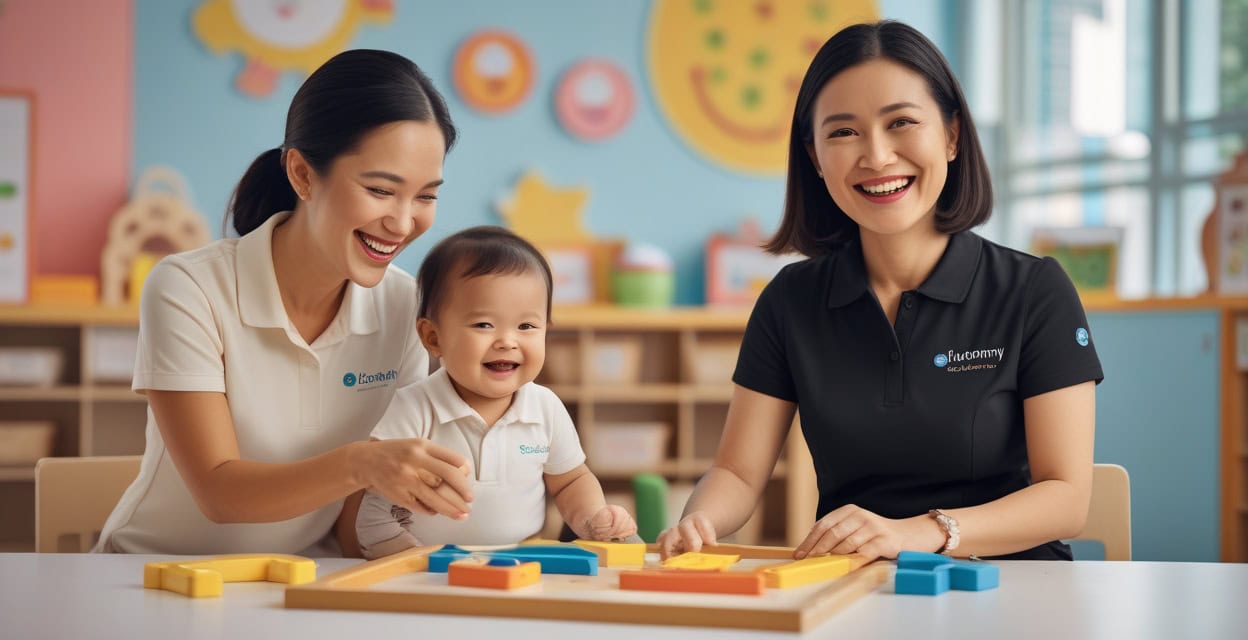
EduNanny Singapore: A New Everyday for Singapore’s Smallest Citizens
Good evening to parents, caregivers, neighbours, and friends. This is a message about the quiet rhythm that shapes our nation’s future: how we care for our youngest children in the ordinary hours of every day. EduNanny, born in Singapore and powered by science and compassion, is designed for the real lives of working families. We blend the rigour of early childhood research with practical, everyday systems that make care reliable, warm, and close. Centre-based and home-based childminding are offered, with distance support when continuity is needed. We operate Monday to Friday, 7am to 7pm, islandwide—because a dependable day is the scaffold of family life. We honour the dignity of the infant with an excellent 1:3 infant ratio, modern layouts that are calm and safe, and innovative CCTV for transparency and trust. Our programme sits within the ECDA Childminding Pilot, a National Social Initiative that advances meaningful local work through the Maximum Employment Mandate. It is affordable from $33/day, with fees payable by CDA/Baby Bonus. Learn more at EduNanny.com and Childminding.EduNanny.com.
The goal of infant care excellence is not a single grand promise, but thousands of small, consistent choices. EduNanny’s work is anchored in the wisdom of Montessori’s prepared environments, Pikler’s respectful care, Bowlby’s secure base, Vygotsky’s learning-in-relationship, and the modern science of attachment and brain development. Below, we translate that scholarship into the living language of your baby’s day, with actionable guidance for families and caregivers alike.
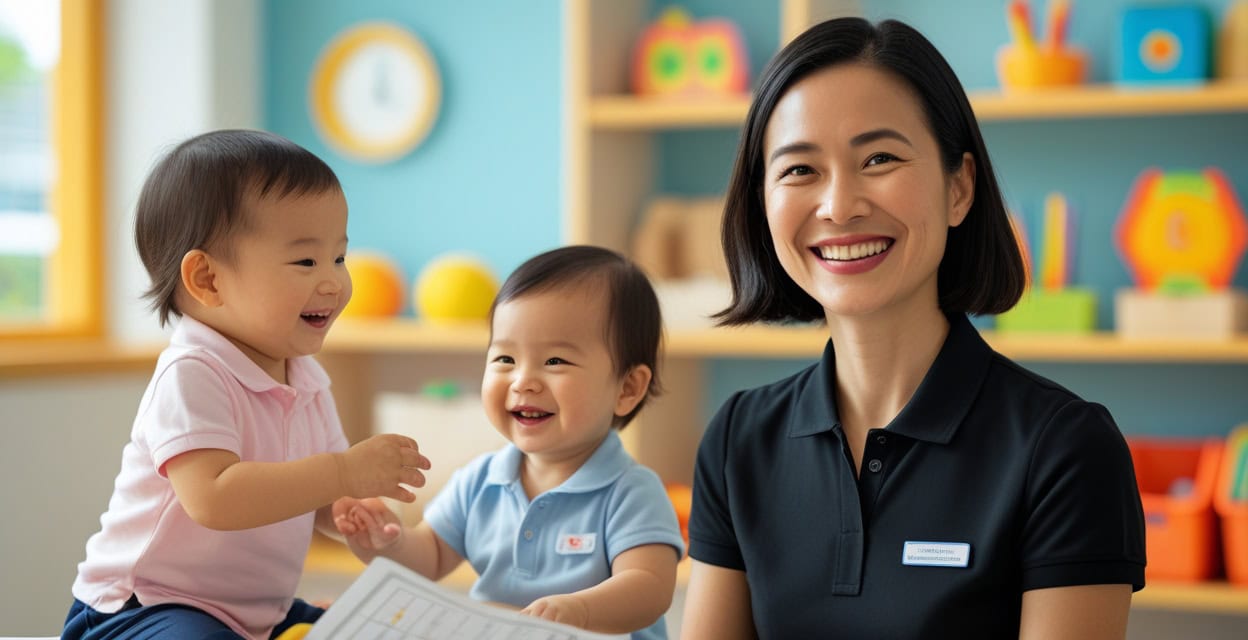
The Three-Beat Attention: Notice, Name, Nurture
Notice: Catching the Cues
Infants communicate through subtle signals long before they can speak. Caregivers train to observe the first cues in every micro-moment—glances, posture changes, or a fist unclenching. Practical steps include:
- Do a quick cue check every 15–20 minutes: is the baby hungry, tired, cold, or seeking comfort?
- Record a short note after key interactions: “eye contact established; need for soothing identified; parent notified.”
- Rotate attention to the baby’s main needs first, even during transitions, to prevent escalation.
Name: Giving Words to Feelings and Actions
Language wraps experience with meaning. Beyond labeling needs, we name actions and feelings to build understanding. Practical tips:
- Use concrete phrases: “You’re hungry; you’re telling me with your mouth and hands.”
- Pair words with facial cues and gestures to reinforce comprehension.
- Speak in the home language alongside English when families choose—support bilingual development and cultural continuity.
Nurture: Responding with Calm, Paced Care
Response is the heart of trust. Nurture means feeding, changing, soothing, and monitoring in a calm tempo, with conversational touch and eye contact. Actionable practices:
- Offer timed pauses during care routines so babies have space to signal readiness for the next step.
- Maintain gentle touch and a warm tone; narrate the care sequence: “We’re washing hands, then we’ll sit for a snack.”
- Document routine patterns to help families anticipate transitions and participate in the same rhythm at home.
In practice, the Three-Beat Attention turns ordinary moments—nappy changes, bottle feeds, transitions—into a daily seminar on trust. Over time, babies internalize predictability and agency. The first curriculum is not colours and shapes; it is confidence.
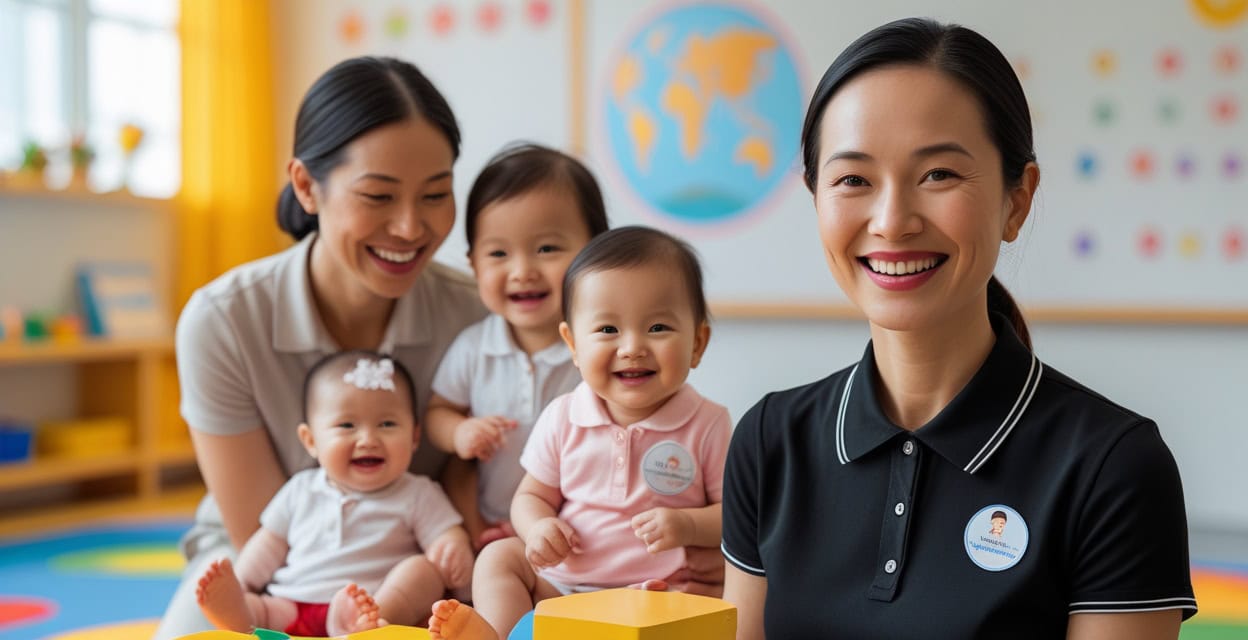
Safety as a Living Map: Design, Routine, and Transparent Accountability
Design: Calm, Clutter-free Environments
Safety begins with the space itself. Practical design choices include:
- Modern layouts that reduce visual clutter and clear trip hazards; care zones clearly delineated.
- Low-shelf storage with inviting, reachable toys to encourage independent exploration at a safe pace.
- Quiet corners and defined “care islands” for feeding, changing, and resting, all with clear sightlines for caregivers and families.
Routine: Rituals that Promote Safety and Consistency
Safety is a daily habit embedded in routine. Actionable routines include:
- Daily safety walks and incident reviews to learn and improve; include caregivers, supervisors, and families in debriefs.
- Regular emergency drills (fire, medical) with age-appropriate procedures and clear exit paths.
- Staff practice of quiet handovers at start and end of day—concise checklists paired with a warm briefing.
Transparent Accountability: CCTV, Logs, and Open Lines
Transparency builds trust. Our approach includes:
- Innovative CCTV that is framed as a safety and accountability tool—never a substitute for warm human interaction.
- Open sightlines and supervised access to logs: feeding, naps, milestones, and sensitivities are tracked for continuity.
- Clear safety protocols, with monthly skills labs and reflective supervision for caregivers.
Safety is a living map we redraw together—families, childminders, and supervisors—so every day is safer than the last. Implementing quiet handovers, daily safety walks, and transparent logs transforms safety from a poster into daily practice.
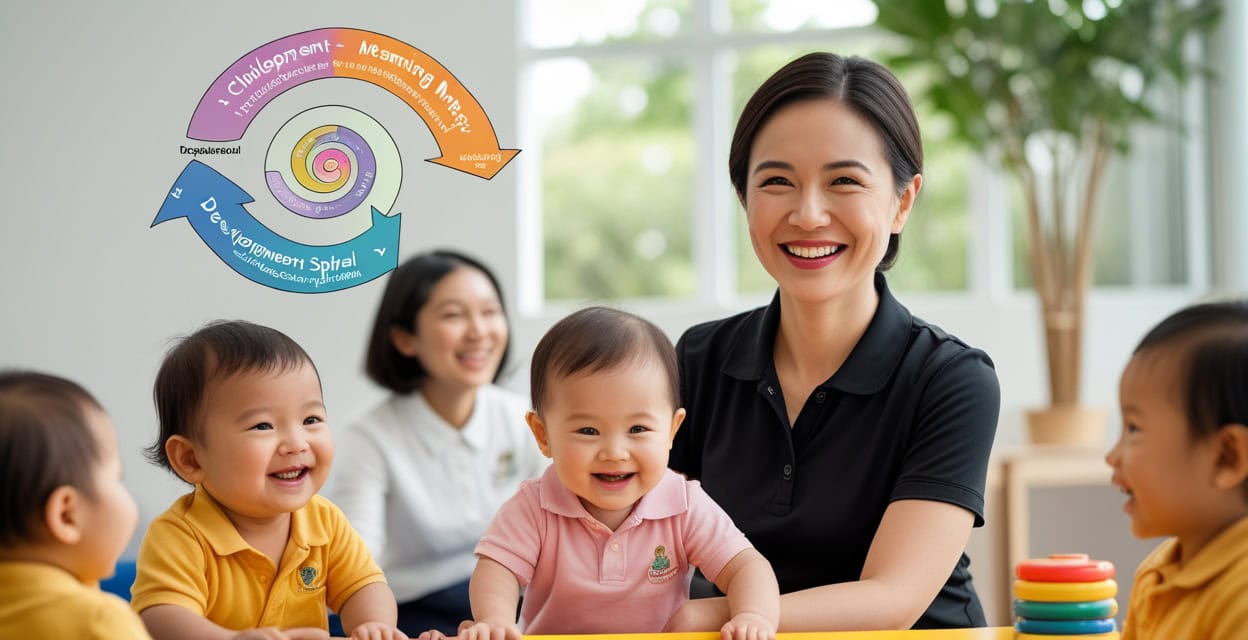
The Development Spiral: From Movement to Meaning to Mastery
Understanding the Spiral
Human development unfolds as a spiral rather than a conveyor belt. Movement leads to perception; perception invites language; language supports problem-solving; social connection powers the engine. Our practice centers on four interconnected threads:
- Movement: Gentle gross-motor invitations—tummy time, slow roll, supported reach—rooted in Pikler’s respect for intrinsic pace.
- Perception: Sensorial play with everyday objects—spoons that chime, scarves that float, water that drips—Montessori-inspired clarity without over-stimulation.
- Language: Short, face-to-face conversations that mirror and expand infant sounds—Vygotsky’s idea that we think with others before we think alone.
- Social Connection: Scaffolding that strengthens trust and collaborative problem-solving with caregivers and family members.
Two-Hour Rhythm Cycles
Infant days are structured around rhythm, not rigidity. A representative two-hour cycle might look like:
- Warm bodies: gentle movement invitations; tummy time; supported sit and reach.
- Curious eyes and ears: sensorial play with safe, everyday objects; discovery play with rhythm and tempo.
- Shared words: brief, bi-directional conversations that imitate and extend infant sounds.
- Reset and rest: safe sleep spaces tuned to infant needs and ultradian rhythms; unhurried transitions between activities.
The spiral is bilingual by design when families opt in—home-language stories and songs alongside English—grounded in cultural relevance. It is scientifically aligned with infant sleep and wake cycles, and it is always adaptable to each child’s pace. The result: steady progress that feels like play.
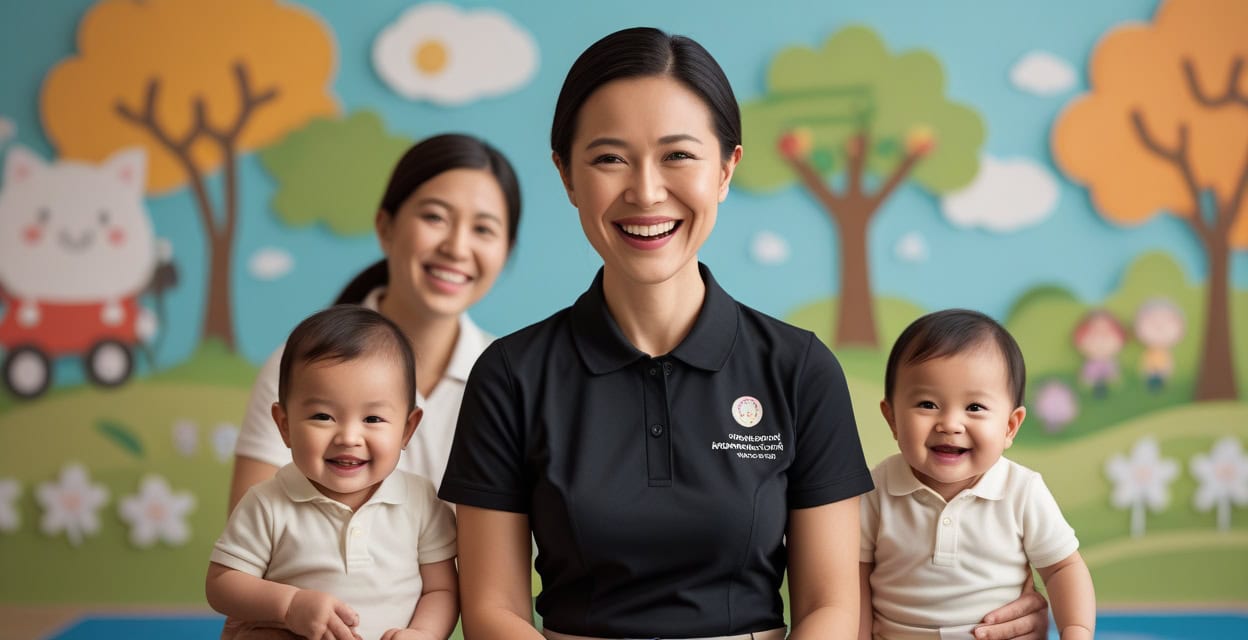
Joy Literacy: Learning to Read the World with Delight
Joy Loops: Predictability, Choice, and Mastery
Joy literacy means happiness through competence and care. We design daily loops that create confidence and curiosity:
- Predictable rituals: consistent welcome routines, meal routines, and goodbye rituals that signal safety and belonging.
- Safe choices: guided autonomy within clear limits to foster decision-making and self-regulation.
- Mastery moments: milestones engineered to be challenging but achievable—clapping at a new word, reaching a new attachment to a toy, or completing a small task independently.
Caregiver Language and Scripted Triumphs
Caregivers learn to script small wins that reinforce effort and resilience:
- “You turned the page. That was your idea.”
- “You waited, and I came. You can rely on me.”
- “That sound surprised you; we’ll try it again together.”
When delight meets language and attuned presence, neural pathways for curiosity and resilience are strengthened. Tomorrow’s math, music, and mentorship begin with today’s giggle.
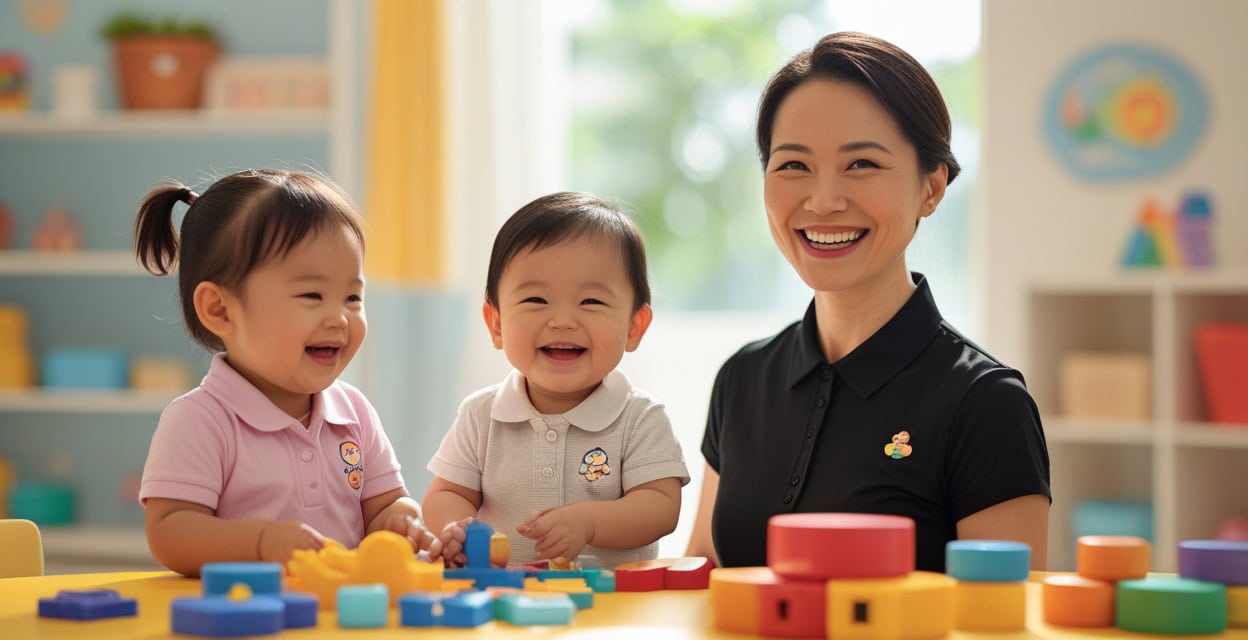
The Purpose of the Childminder: Stewardship of Time, Trust, and Community
Childminders as Core Professionals
In EduNanny’s model, childminders are:
- Care artists: refining technique through observation, reflective supervision, and monthly skills labs.
- Safety leaders: accountable to clear protocols, CCTV transparency, and supervision support.
- Family partners: offering brief, practical coaching so home routines and care routines reinforce one another—distance support included for travel or transition days.
- Nation builders: part of a programme that creates meaningful local jobs through the Maximum Employment Mandate, strengthens social cohesion, and gives families back time—the most valuable resource of all.

Our Offer, Plainly Stated
- Centre-Based Childminding and Home-Based Childminding, with Distance support when needed.
- Monday to Friday, 7am to 7pm, islandwide Singapore; care in community centres and home premises.
- Excellent 1:3 infant ratio for real attunement and safety.
- Innovative CCTV and modern layouts for transparent, calm environments.
- Affordable from $33/day; fees payable by CDA/Baby Bonus.
- Part of the ECDA Childminding Pilot, a National Social Initiative with a Maximum Employment Mandate.
- Access and details: EduNanny.com and Childminding.EduNanny.com.
A Day in the Life: What It Feels Like for a Child
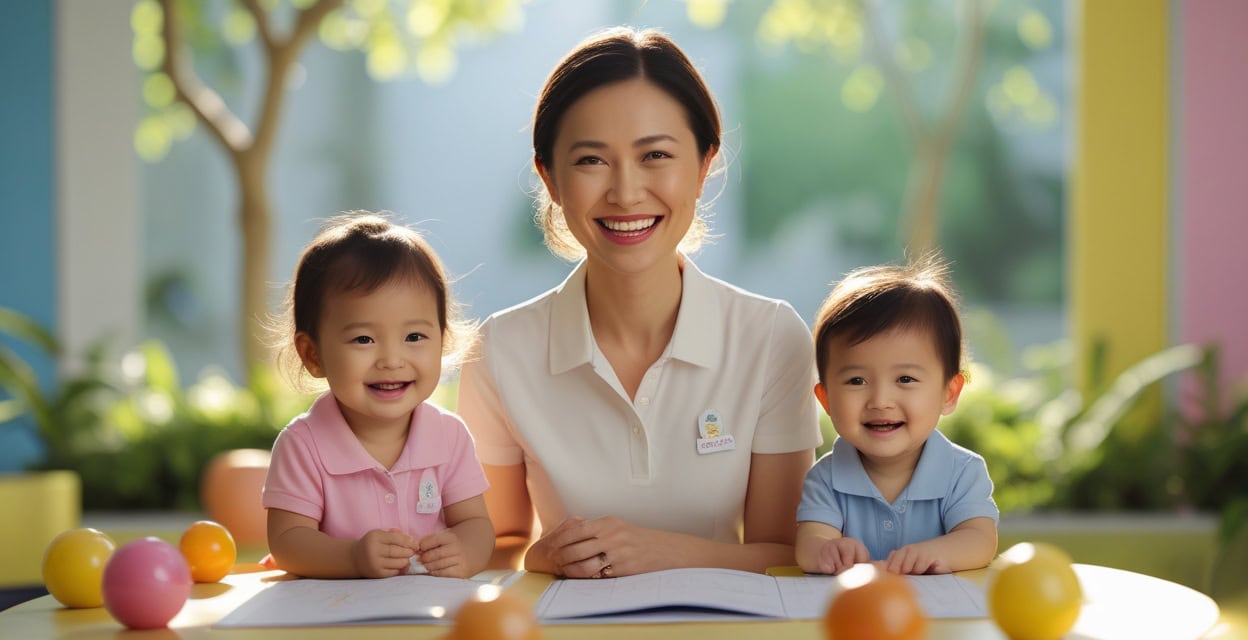
What does this look like in a child’s day? Imagine a calm greeting at drop-off: “Good morning, Ava. You brought your soft tiger.” A clean, sunlit room invites play, with toys on low shelves and the floor as a safe invitation. Care unfolds with unhurried hands signaling each step of care. Mini-adventures include water play with gentle splashes, a cloth tunnel turning crawling into discovery, and a song that ends with a shared laugh. Rest comes with a restful nap, followed by gentle reunions. The handover respects your time and your child’s story: “Two feeds, one long nap, a new reach for the bell—she’s proud of it.”
To bring this to life for families, consider the following practical anchors:
- Drop-off routines that include a brief, positive greeting and a quick share about the child’s needs for the day.
- Room routines with clearly labeled activity zones and safe, open play spaces.
- Nap and feeding logs shared with families to maintain continuity between home and centre care.
Why Singapore Needs This Now
- Our families are working harder and longer; dependable, close care that coordinates with home life is essential.
- Our economy benefits when caregivers, families, and employers co-regulate in infancy—early cooperation yields confident, collaborative adults.
- Our social fabric thrives on trust: transparent systems, open communication, and professional standards convert childminding into a public good.
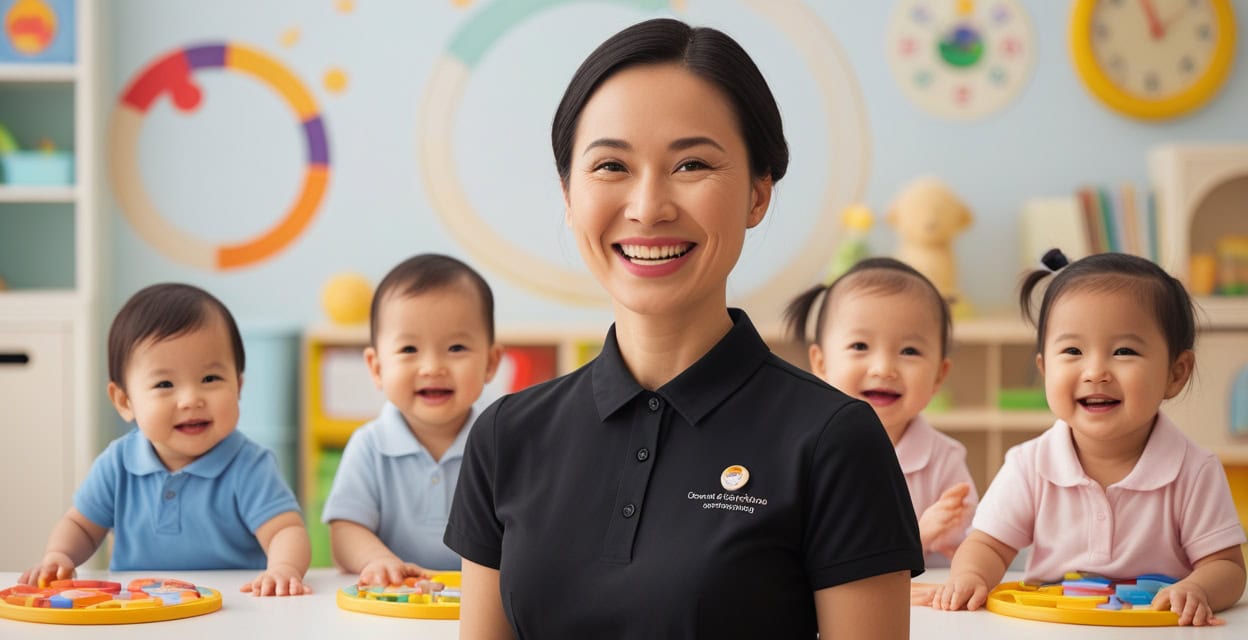
Conclusion: Drawing the Lines of Trust, Building the Circles of Care
EduNanny Singapore offers a practical, science-informed path to turning ordinary minutes into extraordinary foundations for lifelong development. Through the Three-Beat Attention, a living safety map, the Development Spiral, Joy Literacy, and the dedicated work of professional childminders, families gain dependable support, and children gain calm, curious, and connected trajectories. If you seek a partner who respects the dignity of your child and the rhythm of your family, we invite you to learn more, schedule a tour, and explore centre-based, home-based, or distance-supported care that fits your life.
Visit EduNanny.com or Childminding.EduNanny.com to connect with our team, arrange a visit, and discuss how EduNanny can align with your family’s values and schedule. Let us draw the lines of trust and build the circles of care together.
Thank you. And to the infants who cannot yet clap for us—know this: we are already clapping for you.
[#SingaporeChildcare, #InfantCare, #EarlyChildhoodEducation, #FamilySupport, #PublicGoods]