EduNanny Singapore Attuned Infancy Care One to Three A Vision for Safe Joyful Learning and Civic Pride

EduNanny Singapore: A Vision for Attuned Infancy Care
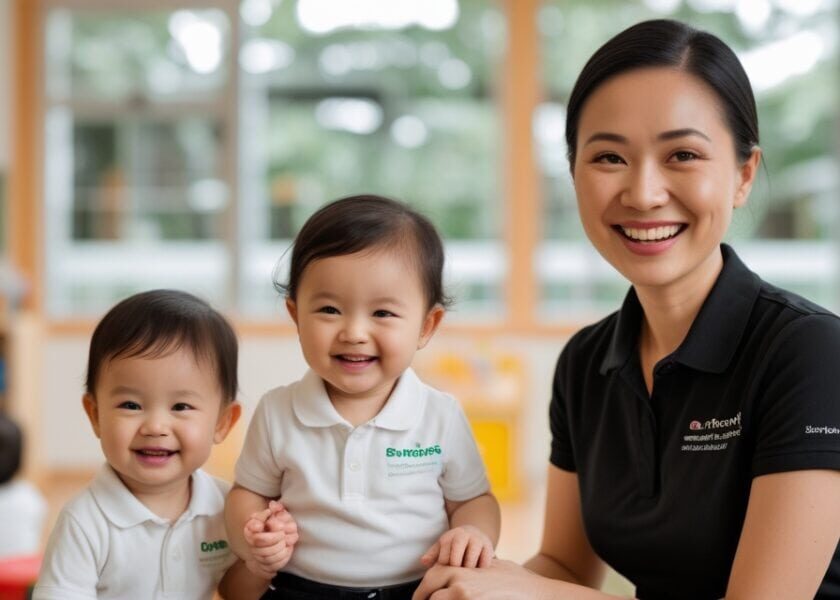
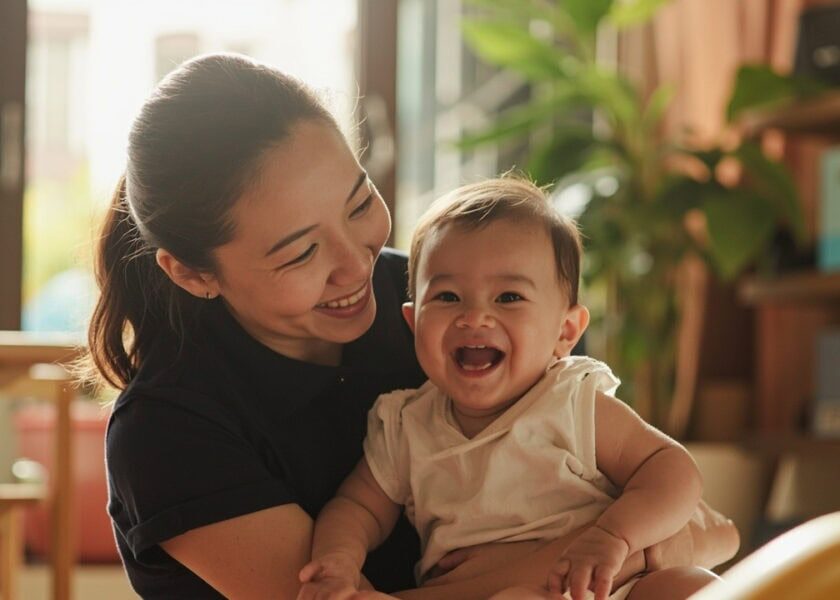
Good evening. EduNanny is a Singapore-born initiative, built by educators and caregivers, and guided by a serious promise: every baby deserves care that is attuned, safe, joyful, and close enough to feel like home. This article expands on that promise, translating the speech into practical, editors’ notes for parents, caregivers, and communities who want to grow exceptional early years experiences. EduNanny by BUTLER operates as a national social initiative, participating in the ECDA Childminding Pilot to expand quality access, dignity in work, and peace of mind for parents. We offer centre-based and home-based settings, with distance guidance for home care, and an ultra-low 1:3 infant-to-carer ratio designed to turn care into curriculum—every moment, every interaction.
Pedagogy: The Five Touchpoints of Attuned Learning
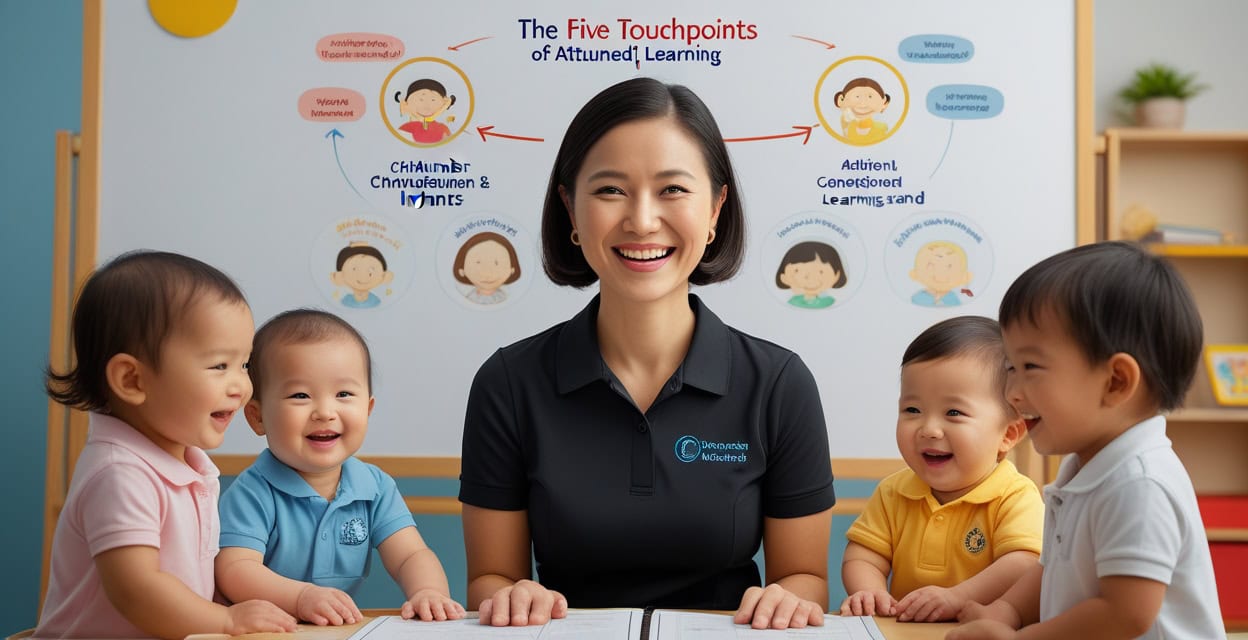
Infants learn best through warm relationships and predictable, meaningful interactions. EduNanny’s five-touchpoint cycle—Observe, Join, Name, Stretch, Release—frames care as an ongoing, responsive dialogue that supports development minute by minute. Below are practical ways to implement these touchpoints at home and in any care setting.
Observe
What it means: Pause to read cues—breath, gaze, changes in posture—before acting. This prevents over-helping and builds trust that the world notices the child.
- Practical at home: Make a 30-second pause before responding to a baby’s cry. Watch for intent: is it hunger, discomfort, or a desire to engage?
- Caregiver tip: Keep a small cue-notebook in your diaper bag or phone to log what cues you notice daily and which responses were effective.
- Journal idea: Note the times when the baby initiates actions (reaching, cooing) and when they settle after a task. Look for patterns over the week.
Join
What it looks like: Enter the baby’s experience at their pace, alongside rather than over or ahead of them.
- Practical at home: Get on the floor for play, lie at eye level, and mirror the baby’s tempo. If they pause, join with a soft smile or a gentle question, like “Would you like to explore that?”
- Activity example: Sit with a rattle within reach; wait a moment, then gently present the rattling sound and see if the baby responds.
- Parent coaching: Practice “pause and respond” during diaper changes or feeding—this builds rapport and self-regulation.
Name
Purpose of naming: Put simple words to sensations and feelings to bridge emotion and meaning.
- Practical at home: Narrate sensations: “You’re curious about that sound,” “That’s a soft blanket—gentle touch.”
- Language boost: Use bilingual labels when appropriate and integrate rhythm and rhyme to reinforce language development.
- Documentation: In your daily notes, attach a word to a moment (e.g., “curiosity,” “surprise”) to support later language growth.
Stretch
Goal: Scaffold one small challenge beyond mastery to build confidence through effort rather than pressure.
- Practical at home: Offer a slightly more difficult task than yesterday—reaching for a toy just out of reach, turning a page, or pulling up to sit with support.
- Environment: Use a safe, varied environment with age-appropriate toys positioned to encourage movement and exploration.
- Tracking progress: Maintain a simple progress log noting the new skill and the child’s reaction.
Release
Meaning: Step back and give the child ownership of the moment.
- Practical at home: After a shared activity, pause and watch the child continue independently—offer a quiet space and reassurance with soft eye contact.
- Independence in routines: Let the child choose between two outfits, or decide which book to read during a wind-down period.
- Family rhythm: Build “flow” moments where the child’s initiative is encouraged and respected.
Safety: Designing for Protection in Every Inch and Every Action
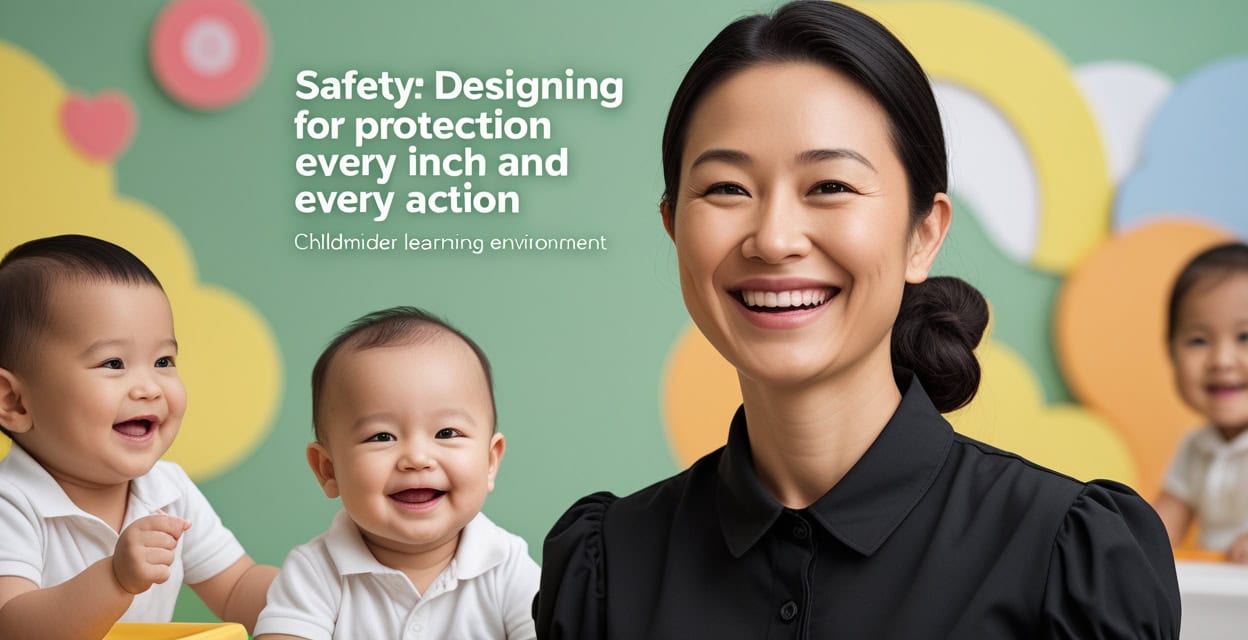
Safety is not a slogan; it is architecture, choreography, and culture. EduNanny’s Three-Ring Safety Net encompasses environment, people, and process—designed and practised from day one.
Environment
- Design principles: Layouts with clear sightlines, age-appropriate zones for feeding, sleeping, and exploration, and durable, hygienic materials. Favor natural light and ventilated spaces to support alertness and mood.
- Home adjustments for safety: Secure furniture to walls, cover electrical outlets, and create a flat, non-slip play surface. Use washable, non-toxic textures and toys.
- Outdoor safety: Supervised access to courtyards or parks with shade, sun protection, and safe ground surfaces.
People
- Caregiver readiness: Infant CPR, sleep safety, de-escalation techniques, and daily briefings to share learning signals with families.
- Family inclusion: Optional CCTV for peace of mind and professional feedback, with clear privacy and consent guidelines.
- Team culture: Regular safety huddles and micro-drills to ensure readiness beyond theory.
Process
- Two-person checks: Required for sleep, medication, and handover to prevent oversight.
- Hygiene and incident reporting: Clean-as-you-go routines and a straightforward incident logging system with timely follow-up.
- Emergency preparedness: Weekly micro-drills that embed safety habits into instinct.
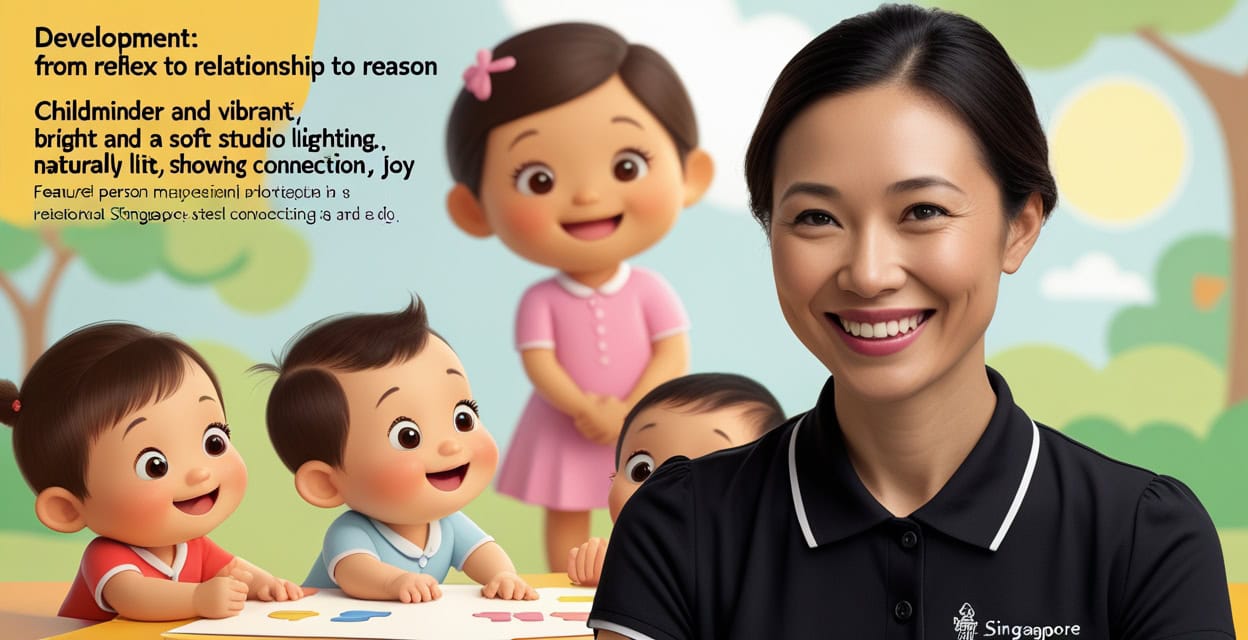
Development: From Reflex to Relationship to Reason
The earliest years shape lifelong trajectories. EduNanny follows a simple, science-informed framework to support sensorimotor growth, secure attachment, language development, and autonomy.
Sensorimotor exploration
- Home practice: Prioritize floor time, tummy time with narration, and safe exploration with soft, natural materials.
- Environment: Minimize plastic noise and maximize sensory calm—gentle textures, soft lighting, and accessible toys at floor level.
- Documentation: Track milestones like rolling, reaching, and object exploration in a shared family journal.
Attachment and serve-and-return
- Responsive interactions: Answer vocalizations consistently with warmth and clarity to build emotional regulation.
- Family integration: Encourage caregivers to mirror family routines at home to strengthen continuity of care.
Language and pre-literacy
- Everyday talk: Label objects, narrate actions, and read faces as richly as books. Use songs in multiple languages as appropriate.
- Pre-literacy activities: Point-and-label games, picture talk, and shared story-telling to foster comprehension and vocabulary.
Autonomy in micro-rituals
- Participation: Invite the child to contribute to routines—holding a wipe, choosing a hat, or turning a page.
- Rituals as learning: See dressing, diapering, feeding, and settling as purposeful steps in body awareness and sequencing.
Progress is documented in plain language via daily e-journals—short notes, photos, and logs of sleep and feeding—so parents can observe learning as it unfolds.

Happiness: Joy as a System, Not an Accident
Happy infants are not merely entertained; they are deeply seen. EduNanny designs for joy as a deliberate system, with predictable rhythms, sensory balance, outdoor engagement, music, and peaceful sleep.
Predictable rhythms
- Daily flow: A calm day includes feeding, play, rest, and transitions with gentle cues and consistent timing.
- Transition strategies: Use a familiar song or signal to mark transitions between activities to reduce stress.
Sensory sanity
- Environmental balance: Prioritize sunlight, soft textures, and human interaction over loud devices or overstimulating toys.
- Sound management: Quiet routines during nap times and low-stimulation spaces for settling.
Outdoor and nature moments
- Nature time: Short, regular forays to courtyards or nearby green spaces to broaden sensory experiences.
- Nature as curriculum: Describe what is seen—birds, breeze, wind movement—and relate to language and cognitive growth.
Music and movement
- Active participation: Caregivers sing, sway, and use rhythm—supporting language development and self-regulation.
- Home practice: Create a simple daily song routine to anchor calm and connection.
Peaceful sleep
- Sleep environment: Cool rooms, firm mattresses, safe sleep positions, and consistent routines that honor naps as a sacred part of the day.
- Well-being index: Track calm, curiosity, and social engagement as indicators of well-being rather than a mere trick-based checklist.

The Purpose and Profession of Childminders: A Civic Vocation
Childminding is not a stopgap; it is nation-building. EduNanny elevates this work through a Maximum Employment Mandate—structured training, dignified work, inclusive hiring, and community integration.
Structured training and supervision
- Clear standards: Progressive coaching from assistant to lead to mentor, with regular performance reviews and growth plans.
- Skill-building: Practical modules on safety, pedagogy, language development, and family partnership.
Fair schedules and dignity at work
- Roster design: Predictable shifts, adequate breaks, and balanced workloads to sustain energy and quality care.
- Employee well-being: Supportive supervision and access to professional development to cultivate pride and retention.
Inclusive hiring
- Broadened pathways: Welcoming mature workers, fathers, and mid-career switchers who bring resilience, empathy, and life experience.
- Community integration: Carers within neighbourhood teams, strengthening local trust and continuity for families.
Community connection
- Public value: Carers build neighbourhood networks that anchor families to their locale and contribute to social cohesion.
- Public service mindset: The profession becomes a valued civic role when carers are respected and resourced.

How EduNanny Makes It Work in Singapore—Every Day
EduNanny offers multiple pathways to suit families’ needs while maintaining high standards and transparency. This section translates the model into actionable choices for parents and guardians.
- Choice with coherence: Centre-based care for families who want dedicated learning spaces; home-based care for families seeking integration within their community; distance guidance for coaching and home safety.
- Availability that matches real life: Monday–Friday, 7am–7pm, islandwide, with flexible arrangements where possible.
- Standards you can see: 1:3 infant ratio; modern, safety-focused environments; optional CCTV for visibility; daily e-journals; approachable leadership.
- Affordability without compromise: Transparent pricing from $33/day, with Baby Bonus/CDA support and no hidden fees.
- Public spirit: Participation in the ECDA Childminding Pilot to broaden access and elevate the vocation of caregiving.

A Brief Walk Through a Day at EduNanny
A baby arrives to calm faces and soft morning light. Shoes off, hands washed, a familiar song. The caregiver kneels to meet the child’s eyes and quietly greets them—“Good morning.” A gentle feed, unhurried. Floor time with a mirror and a fabric square; the caregiver names the reach, the effort, the triumph. Nap comes with a two-person safe-sleep check and a whispered family phrase. After rest, a courtyard walk to feel wind and hear buses. A simple book, then a bottle held by small hands while a caregiver stabilizes the elbow, not the autonomy. Throughout the day, moments are noticed, not rushed; feelings are welcomed, not managed away; learning is baked into care, not bolted on after.

Who, What, When, Where, How—Why Childminding Matters, and What We Stand For
Who
- Infants, families, and caregivers across Singapore: A nationwide effort to support early development and family well-being.
What
- Attuned, safe, joyful care in tiny circles of three: Everyday routines become the curriculum; every interaction builds the brain.
When
- In the earliest years: A period when trust, language, and curiosity are most malleable and family support is critical.
Where
- Centre-based settings, licensed home-based settings, and distance-supported care: Thoughtful environments that meet families where they are.
How
- Through a 1:3 ratio, rigorous training, design-focused environments, optional CCTV, daily communication, and a culture of care as character.
Why do we do this? Because a city is only as strong as the confidence of its youngest citizens and the confidence of their parents. Because mothers and fathers deserve to work or rest without the static of worry. Because caregiving—well done—multiplies dignity: for the child who is seen, for the parent who is partnered, and for the professional who is trusted.

Our Philosophy in a Sentence
We believe the smallest circle of care can hold the largest hopes of a country—if it is built on presence, protected by design, elevated by skill, and animated by joy.

Take the Next Step: See EduNanny in Action
If this vision speaks to you, come see us:
- EduNanny.com
- Childminding.EduNanny.com
Tour a centre. Visit a licensed home setting. Ask for a distance consult. Speak with our carers. Read a daily e-journal. Look through the window, or, if you choose, the camera. You will find not spectacle, but steadiness; not noise, but noticing.
To the parents here tonight: thank you for entrusting your babies to caregivers whose first tool is their attention. To the professionals in this room: thank you for choosing a vocation that turns ordinary minutes into extraordinary beginnings. To the partners who make a public mission possible: thank you for believing that excellence can be designed, taught, and shared.
EduNanny is excellence and quality, offered close to home and across the island, made convenient, affordable, and accountable. It is childminding and infant care—centre-based, home-based, and distance-supported—that treats the earliest years as a national treasure.
Let us be measured by the calm of our nurseries, the confidence of our families, and the character of the children who grow up on our watch.

Conclusion
EduNanny outlines a practical,.city-ready approach to infant care that centers on relationship, safety, development, happiness, and dignity for all who touch the early years. By translating an inspiring vision into concrete practices—small circles of three, a clear five-touchpoint pedagogy, robust safety nets, and a public mission for caregivers—we create environments where children flourish and families thrive. The invitation to parents, caregivers, and partners is clear: engage with us, observe the daily learning, and join a movement that treats early years as a national treasure deserving of vigilance, investment, and joy.
[#EduNannySingapore, #EarlyChildhoodDevelopment, #InfantCareSingapore, #ChildmindingQuality, #SingaporeECE]